← Back
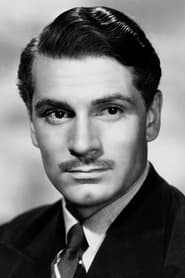
Laurence Olivier
AKA: Лоуренс Оливье · Sir Laurence Olivier · Laurence Kerr Olivier · Лоуренс Олівʼє · لارنس الیویه
Acting
Born: 1907
Dorking, Surrey, England, UK
11 Global Credits
🔥 2.7 Popularity
0 Rank Score
0 Hearts
0 Votes
Biography
Laurence Kerr Olivier, Baron Olivier, OM (22 May 1907 – 11 July 1989) was an English actor and director who, along with his contemporaries Ralph Richardson, Peggy Ashcroft and John Gielgud, dominated the British stage of the mid-20th century. He also worked in films throughout his career, playing more than fifty cinema roles. Late in his career, he had considerable success in television roles.
His family had no theatrical connections, but Olivier's father, a clergyman, decided that his son should become an actor. After attending a drama school in London, Olivier learned his craft in a succession of acting jobs during the late 1920s. In 1930 he had his first important West End success in Noël Coward's Private Lives, and he appeared in his first film. In 1935 he played in a celebrated production of Romeo and Juliet alongside Gielgud and Ashcroft, and by the end of the decade he was an established star. In the 1940s, together with Richardson and John Burrell, Olivier was the co-director of the Old Vic, building it into a highly respected company. There his most celebrated roles included Shakespeare's Richard III and Sophocles's Oedipus. In the 1950s Olivier was an independent actor-manager, but his stage career was in the doldrums until he joined the avant garde English Stage Company in 1957 to play the title role in The Entertainer, a part he later played on film. From 1963 to 1973 he was the founding director of Britain's National Theatre, running a resident company that fostered many future stars. His own parts there included the title role in Othello (1965) and Shylock in The Merchant of Venice (1970).
Among Olivier's films are Wuthering Heights (1939), Rebecca (1940), and a trilogy of Shakespeare films as actor-director: Henry V (1944), Hamlet (1948), and Richard III (1955). His later films included The Shoes of the Fisherman (1968), Sleuth (1972), Marathon Man (1976), and The Boys from Brazil (1978). His television appearances included an adaptation of The Moon and Sixpence (1960), Long Day's Journey into Night (1973), Love Among the Ruins (1975), Cat on a Hot Tin Roof (1976), Brideshead Revisited (1981) and King Lear (1983).
Olivier's honours included a knighthood (1947), a life peerage (1970) and the Order of Merit (1981). For his on-screen work he received four Academy Awards, two British Academy Film Awards, five Emmy Awards and three Golden Globe Awards. The National Theatre's largest auditorium is named in his honour, and he is commemorated in the Laurence Olivier Awards, given annually by the Society of London Theatre. He was married three times, to the actresses Jill Esmond from 1930 to 1940, Vivien Leigh from 1940 to 1960, and Joan Plowright from 1961 until his death.
His family had no theatrical connections, but Olivier's father, a clergyman, decided that his son should become an actor. After attending a drama school in London, Olivier learned his craft in a succession of acting jobs during the late 1920s. In 1930 he had his first important West End success in Noël Coward's Private Lives, and he appeared in his first film. In 1935 he played in a celebrated production of Romeo and Juliet alongside Gielgud and Ashcroft, and by the end of the decade he was an established star. In the 1940s, together with Richardson and John Burrell, Olivier was the co-director of the Old Vic, building it into a highly respected company. There his most celebrated roles included Shakespeare's Richard III and Sophocles's Oedipus. In the 1950s Olivier was an independent actor-manager, but his stage career was in the doldrums until he joined the avant garde English Stage Company in 1957 to play the title role in The Entertainer, a part he later played on film. From 1963 to 1973 he was the founding director of Britain's National Theatre, running a resident company that fostered many future stars. His own parts there included the title role in Othello (1965) and Shylock in The Merchant of Venice (1970).
Among Olivier's films are Wuthering Heights (1939), Rebecca (1940), and a trilogy of Shakespeare films as actor-director: Henry V (1944), Hamlet (1948), and Richard III (1955). His later films included The Shoes of the Fisherman (1968), Sleuth (1972), Marathon Man (1976), and The Boys from Brazil (1978). His television appearances included an adaptation of The Moon and Sixpence (1960), Long Day's Journey into Night (1973), Love Among the Ruins (1975), Cat on a Hot Tin Roof (1976), Brideshead Revisited (1981) and King Lear (1983).
Olivier's honours included a knighthood (1947), a life peerage (1970) and the Order of Merit (1981). For his on-screen work he received four Academy Awards, two British Academy Film Awards, five Emmy Awards and three Golden Globe Awards. The National Theatre's largest auditorium is named in his honour, and he is commemorated in the Laurence Olivier Awards, given annually by the Society of London Theatre. He was married three times, to the actresses Jill Esmond from 1930 to 1940, Vivien Leigh from 1940 to 1960, and Joan Plowright from 1961 until his death.
Known For
Iconic Couples of Hollywood
Self (archive footage)
2015 · FR
Talking Pictures
Self (archive footage)
2013 · GB
Jesus of Nazareth
Nicodemus
1977 · IT
ITV Saturday Night Theatre
Narrator
1969 · GB

The Dick Cavett Show
Self - Guest
1968 · US
Omnibus
Self (archive footage)
1967 · GB
The Carol Burnett Show
Self - Audience Member
1967 · US
The Mike Douglas Show
Self
1961 · US
Full Credits
| Show / Title | Year | Credit / Role |
|---|---|---|
| Iconic Couples of Hollywood | 2015 | Self (archive footage) |
| Talking Pictures | 2013 | Self (archive footage) |
| Jesus of Nazareth | 1977 | Nicodemus |
| ITV Saturday Night Theatre | 1969 | Narrator |
| The Dick Cavett Show | 1968 | Self - Guest |
| Omnibus | 1967 | Self (archive footage) |
| The Carol Burnett Show | 1967 | Self - Audience Member |
| The Mike Douglas Show | 1961 | Self |
| Tony Awards | 1956 | Self |
| The Oscars | 1953 | Self |
| Golden Globe Awards | 1944 | Self - Nominee |