Summary
From monkeys, to cows, and even cats...join us as we investigate different mammals from around the world.

See when new episodes air in your local time.
Source: America/New_York · Your timezone: America/New_York
The local release time is not available yet because this show has no schedule time.
Add or correct the official timezone, weekly air day, and air time only when you know the real source schedule. EpisodeTime uses this to convert episodes into every visitor’s local time.
Add release timeSee how viewers feel about this show before you start watching.
Scores are based on audience votes, watchlist activity, episode progress, and viewer behavior on EpisodeTime.
Browse episodes by season.
--
From monkeys, to cows, and even cats...join us as we investigate different mammals from around the world.
We'll walk, run, and swim with a few of our flightless, feathered friends.
We'll scare up some of the creepiest, crawliest, and most frightening critters of the animal kingdom.
The joys, fun and conflicts of animal families.
Animals that are related, as opposed to those that just look alike.
Animals in lakes, oceans, rivers and ponds.
We're taking to the skies with one of the world's most extraordinary mammals: bats.
We're facing our fears head-on as we search for sharks, snakes, spiders and scorpions.
We're joining the "in" crowd as we take a look at animals with a backbone; from mammals, to reptiles and every invertebrate in between.
What's orange, black, and white all over? The world's largest cat, of course. Get ready for a jungle adventure through the eyes of the tiger.
We'll dance with the antelopes, prance with the horses, and ruminate with cows as we take a deeper look at the fine feet out in the animal world.
We'll find out who's related and who's not as we explore the family ties of sisterhood.
We'll look at how animals perceive the world through their touch, taste, smell, and sight.
We discover a monkey's mad skills, a shark's shocking shape, an anteater's big appetite, and dozens of other animal's "claim to fame."
We get nosey and sniff out some impressive animal talents.
We head into the jungle and beyond to meet the most fascinating animals of South America.
From smiles, to scowls, and every face in between. You can learn a lot about an animal from its teeth.
Some animals live in family groups; others live alone.
An African safari.
Cold-blooded lizards.
Hopping, slithering and camouflaging around the planet.
Dozens of one-of-a-kind creatures from around the globe.
We meet dozens of animals that represent the amazing diversity of the animal kingdom, from sharks to cats to - you name it.
We dive into the ocean, float down some rivers, and take a dip in a hot spring to discover what it's like to live the aquatic life.
We handle, hold, and hug it out as we embrace the awesomeness of the highly adaptable arm.
We spend some time with our beloved pets, take a peek at the animals living in parks, and do our best to avoid some annoying pests.
--
It's time to get those skeletons out of the closet and dig up some fossils as we get under the skin of some animals and talk bones.
We'll hunt like a lion, catch some rays with an alligator and eat like a horse as we spend a day in the animal kingdom to see how animals survive both in the zoo and out in the wild.
An exploration into the ins and outs of how animals are named. So what IS in a name, exactly? A lot and sometimes a little, but you'll just have to meet the animal to find out.
A look into the ways that animals use their own bodies, their claws, horns, teeth, and lots of other ways to protect themselves and go on the offensive out in the animal kingdom.
We're taking a journey to find out what it means to have a "herd' mentality. From flocks, to swarms and even schools...we'll decipher how it pays off to travel in a group.
An exploration into what it means to grow old in the animal world as we take a look back at some long, long animal lives.
We're going to meet the superheroes of the animal world as we find animals who are faster than a speeding cheetah, more powerful than a gorilla, and ones that can leap tall trees in a single bound.
A panoramic look at some of the biggest eaters on the planet. Join us, as we chomp with the crocodile, swallow with a shark and get a not-so-gentle hug from an anaconda.
We'll explore what makes certain animals so special and why they really, stand out from other living things. From the butterfly that drinks its meals to why bald really is beautiful.
We'll go on a journey to discover the many different stages of an animal's life...from the curious newborn, to the wise and worldly elders of the animal kingdom.
An investigation into how animals beat the heat. From cooling off in the mud with a hippo, to digging a den with a wolf, we'll see what animals do when the temperature rises.
We'll come up for air, take a run on the sand, and soar to the clouds, but we're going to do it all a little differently as we explore animals that break the rules.
We're exploring the different ways that animals from all around the world move. From swinging with the monkeys to hopping with the kangaroos, we'll tell the tale of how animals move.
We'll hang with some New World monkeys, cross a land bridge from the New World to the Old World with a camel and run races with an Old World horse as we discover the differences between animals from the New World and the Old World.
It's time to sit back and relax into the island life as we discover the unique creatures that live the island life.
We're living the good life as we take an adventure into the world of zoos. From their storied history, to their modern conveniences, we'll explore why living in a zoo isn't such a bad place after all.
We're taking a closer look at the benefits of living underwater. From fish, to dolphins, and even sharks, we'll dive to the depths of the ocean to find out what makes marine life so special.
Just because animals don't have words they can use, doesn't mean they aren't communicating. We'll examine how animals communicate with one another.
We're setting out to explore the most primal relationship in the animal world...the one between predator and prey. We'll run away with the antelope, chase with the cheetah and eat with the lions as we peer into the world of meat-eaters.
We'll find out if bats are related to birds, why the pronghorn isn't an antelope and if vultures in America are the same as vultures in Africa. No matter where you end up in the world, you'll find animals off all sorts.
We'll ride the waves with the walrus, roll in the kelp with the sea otter and bask in the sun with the elephant seal as we take a closer look at the "dogs of the sea."
A panoramic look at how shells are the secret to protecting certain animals out in the wild. From the giant clam, to the slippery snail, to the alligator snapping turtle...the shell is where it's at.
We'll lounge with the lions, jump with the jaguar, leap with the leopard and play tag with the tiger to compare some of the biggest cats of the animal kingdom: what they have in common and what's unique about each of these felines.
We'll poke, prod, bite and batter our way through the animal kingdom to take a closer look at animals with things that jut out, stick up and curl under.
An exploration into how animals of all shapes and sizes get wet, how they stay dry, and why water really does make the animal world go round.
An exciting look into what it takes to stand up and show some backbone. We're investigating the vertebrates- animals with a backbone, or spinal column; and what these mammals have in common with other types of animals.
--
A look at some of the wildest animals out there and how they’ve been tamed over time: where feathered friends came from, how animals moved from being hunted to being raised for food and how animals such as horses became a mode of transportation.
Discovering the true identities of feisty felids: from the domestic kitty to the roaring lion and cats of all shapes and sizes. The particular manner in which they walk, what it takes to roar as loud as a lion and how they use their extraordinary senses in their lives as predators.
A journey into the wilderness to visit every type of bear on earth: the polar bear, the giant panda, the sun bear, the spectacled bear, the black bear and the brown bear. What makes them all unique, where they live out in the wild and some surprising discoveries about what foods they eat.
A look at who eats what in the tangled food web of the Animal Kingdom with a focus on predators and prey animals who have to get their food out in the wilderness.
A fascinating look at how animals have evolved to fit in with their environment through varying physical adaptations; from the koala’s ability to eat toxic eucalyptus leaves, to polar bears surviving the frigid artic temperatures and hardy armadillos who thrive in the desert heat.
A visit with some animals who are closely related and share similar physical adaptations but don’t necessarily look or behave alike one another including the flight birds and bats, the water-walking basilisk lizard and the jacana, as well as the echolocation of dolphins, bats and whales.
An exploration into what delights an animal’s appetite which includes a wide array of tastes and dietary needs as you travel around the Animal Kingdom; from fish for the grizzly bear, fruit for chimpanzees, carrion for bald eagles and many more other interesting snacks in between.
A very engaging look at tender moms, strict moms, funny moms, and even some of the aunts, sisters, and dads who help raise a family of young mammals in the Animal Kingdom.
A panoramic look at some animal who have a special quality that other animals don’t including the extreme strength of the rhinoceros beetle, the shear size of the African elephant and the enormous mouth of a whale shark.
On search for JAWS, jawed vertebrates that is; a fascinating look at this distinct group that includes cartilaginous fish, bony fish, amphibians, reptiles, birds and mammals.
Discovering the way that animals get around; whether it’s flying through the air, swimming underwater, hopping over land, or swinging from branch to branch; animals or all sorts travel in every way imaginable.
A look at some amazing animal societies from our very complex human social system, to communal river otters, to solitary falcons and other social groups that live in distinct familial groups.
Flying high, darting around, and showing off some wings as the wonderful world of winged creatures takes off for flight school; from the big, feathered fliers to the paper-thin wings of butterflies it’s a high-flying life for these fearless animals.
An expedition down some of the biggest rivers all over the world to check out the home of countless big fish, colorful birds, lurking reptiles, amazing amphibians, and even mammals.
A visit with some animals from the comfort of home where we’ll see the shelters of the outside world, inside- from the city scape, to the barnyard, and even in the underground burrows of the prairie; the animal world is full of amazing shelters.
Looking at some animal’s you might not want to get too close to and animals whose look says “look out!” because they pack a toxic punch that deserve our respect.
Time to get dirty with an all-encompassing look at the pig family and other animals whose filthy appearance, oftentimes, disguises their incredible qualities within the Animal Kingdom.
A look at some animals who are not what they seem, and in most cases, more than they seem, from the “rabbit antelope of Africa”, to the dogs with harmonious voices and the remarkable egg-laying mammal, the echidna.
--
Are you faster than a kangaroo? Can you outrun an elephant? What about a brown bear? Not so fast! In this episode, we’ll reveal the fastest and slowest creatures and explore animals’ need for speed.
What does an animal mean? Tough question. Ever seen an eagle on a dollar bill? Or a bear on a state flag? How about a lion on a shield? Yes, for thousands of years man has made animals into symbols to convey a meaning. We’ll explore who’s a symbol and why.
Sure, a tail can be long, short, fluffy, or hairless, but how do animals use their tails? Are they merely decorative? No way. We’ll show you the incredible ways that animals use their tails.
What’s in a head? What’s not? Animals sense the world through their heads, and judging from the vast variety of head shapes, sizes, and designs, they sense the world in unique ways.
Grab your fins and come swim with the fishes. No two fish species are alike, and some species called “fish” are anything but. Sounds fishy, doesn’t it? From the tropics to the cold, dark, rocky seafloor, we’ll shine a light on a variety of fins.
Has man’s best friend always been a friend? Ask the wolf. Dogs trace their history back to wild canines that man bred into loyal animals for working, hunting, and companionship.
Is our tame, playful domestic cat really related to the authoritative, wild lion of the African savanna? Absolutely. We’ll explore the incredible diversity of cats, and look at characteristics they all share, whether they’re pouncing on a ball of string or a wildebeest.
What do cats and dogs have in common? For starters, they have both moved into our homes by the millions. But that’s not all. From super senses to predatory behavior, cats and dogs share characteristics that might surprise you. From the lion to the housecat, from the wolf to the Labrador retriever puppy, we’ll meet them all.
A rousing roundup of all the reptiles in the animal kingdom. First, what is a reptile? To answer that question, we have to travel way back in time, to the dinosaurs! We’ll also look at who qualifies as a reptile and who doesn’t. You might be surprised.
Enter the world of the domestic horse. Learn where horses come from, who their relatives are in the wild, how they range in size, and what they have been bred to do.
A look at bears from all over, including the polar bear, American black bear, the brown bear, and more.
How animals have adapted to survive the wild.
A look at the evolution of zoos from the simple caging of animals for recreational viewing to the construction of animal habitats to give captive animals more physical and mental stimulation..
A look at animals, both unusual and familiar, from North and South America and an investigation into how they differ by continent.
The most recognizable animals in America may be dogs, cats, and horses.
Grab your binoculars for this panoramic look at birds. We inspect their wings, beaks, feet, and how they fly. We’ll also ask why the famed penguin and ostrich are flightless.
A look at the animals of Asia, such as tigers, great pandas, and great apes.
A look at animals that live on land and underwater and how they survive submerged—from amphibians to turtles to swimming reptiles.
A look into the reasons that some animal populations have dramatically decreased because of loss of habitat and climate change and what it means to be endangered.
A look into the animals that live in our homes and on our farms and how they became domesticated.
What makes a mammal a mammal? Hint: It isn’t just feeding its young with milk. It’s a whole lot more.
An animal’s legs and feet can reveal information about its home, its food, and how it survives.
The origin of animals’ names and the interesting stories behind their meanings.
A look at the rare mammals that live in the ocean, such as dolphins and whales, and how their food and environment make them appear and act unique.
A look into the world of the “not great” apes—including the amazing singing siamangs, the sopranos of the forest—that are smaller than the great apes and often confused with monkeys.
--
The Dallas Zoo and the Dallas World Aquarium.
Visiting a sanctuary for farm animals in North Texas and a modern zoo in Kentucky.
Pigs are smart and tidy; domesticating pigs; wild relatives of pigs.
Physical differences between carnivores and herbivores.
Animals may seem to change in only one way—they grow up and grow old. But animals also evolve and adapt, though this process can take many generations. In this episode, we’ll reveal some of the most incredible adaptations in the animal world.
The human world sure spreads a lot of rumors about the animal world—of which we are a part, of course.
Wild birds come in a great variety.
How animals observe the world.
How is color used in the animal kingdom? Certainly to attract, but also to conceal. What about color as a signifier of rank? Ask the silverback gorilla about that one. Yes, through all the colors of the rainbow and from spots to stripes, we’ll reveal the myriad fashions and intents of the animal world.
A close look at three behemoths: the elephant, rhino, and hippo. All are enormous and all are related—in more ways than one.
Why do we love monkeys? Well, they make funny faces, live in trees, have dexterous hands, and an athletic manner of moving through the branches. But mainly, they’re a heckuva lot of fun. From the Old World to the New World, this is one rollicking ride with the monkeys.
What makes a bird special? What doesn’t? Flight, feathers, beaks, bills, webbed feet, unique diets, a range of sizes, and incredible habitats make birds one of the most various and fascinating kinds of animals the world over.
Carnivores come in a variety of shapes and sizes. In this episode, we’ll look at carnivores who either live in or simply feed in the water. We’ll meet the enormous whale shark, bald eagle, jaguar, and playful otter, to name a few.
We’re social. Are other animals social, too? Do some animals live together, play together, and need each other to survive and thrive? You bet! We’ll meet a few kinds of animals that live the social life, and others that live a very different solitary life.
A rollicking and informative romp through the world of those scary “S” creatures: spiders, snakes, scorpions and sharks. We take a closer look at the two arachnids, the fish, and the reptile on the list.
A panoramic look at invertebrates and insects. First, a basic overview of how invertebrates and vertebrates are different, beyond the obvious prefix, “-in.” Then, we delve into the world of the largest group of animals. We ask how an exoskeleton differs from a skeleton made of bone. We find out who the arthropods are and what cold-blooded means in the “In” world.
All about tigers: the various species and how they differ in terms of size, habitat, location, and diet. We meet animals brave enough to live in tiger territory, and compare tigers to the rest of the members of the cat family. We find out how a tiger hunts and how its stripes aid in the process.
A panoramic survey of the ruminants, from giraffes to deer to cattle to antelopes to goats and sheep. We divvy the ungulates into groups based on the number of toes they have, and ask them directly, “why do you chew your cud?” And hey, what is “cud”? We look at how the cud-chewers differ from their grazing, herbivorous cousins, and how a four-chambered stomach can turn a green lawn into a hearty meal.
An in depth exploration of New World monkeys. First, we explore the New World—what is the “New World’? We look at how the flora, fauna, and monkeys of the Americas differ from their “Old World” counterparts. Along the way, we climb through the trees with spider monkeys, woolly monkeys, tamarins, and howler monkeys, just to name a few.
An exploration of the life inside tropical rainforests. We ask what defines a rainforest? Where are rainforests located? What animals live there? Along the way we meet the giant anteater, the capybara, the bush dog, sloths, tapirs, and jaguars, too.
--
A look at what’s great and fascinating about the nearly 5,000 species of lizards alive today, from chameleons to iguanas to basilisks. First, an examination of what makes a lizard a reptile, and what these incredible creatures have in common with other reptiles, especially snakes. Next, a look at what is common to all lizards, such as being cold-blooded and scaly-skinned. Finally, a rundown of some amazing facts about specific lizards, such as the ability to lose a tail and grow a new one, and to have 180 degrees of vision.
An exploration into the watery life of amphibians, including colorful frogs, toads, newts, salamanders. An examination of what amphibians have in common with other cold-blooded creatures such as fish and reptiles, and what sets them apart. Finally, a trip from an amphibian’s larval stage through its adult stage, and a look at the important role water plays in the amphibian lifecycle.
A wild ride through animal classification! What determines an animal’s species? Why do the same kinds of animals sometimes look different from each other? What makes a subspecies? All in all, who is related to who, and why.
A panoramic look at animals that live in trees. We ask how they get up there in the first place (climb, fly, leap), what adaptations they have to live as tree-dwellers (claws to prehensile tails), and which animals we can expect to find in trees (birds, monkeys), including those we don’t (kangaroos).
An exploration into the world of wild animals that live in our human neighborhoods. What makes a habitat livable? We look at how the temperature, plant life, and climate determine where an animal lives.
A closer look at bones, from animals with a backbone (vertebrates), to those with skeletons made of cartilage (sharks), to those animals who don’t need bones at all (invertebrates). We ask what constitutes an exoskeleton, a hydrostatic skeleton, and a turtle’s carapace.
A wild ride into animal nomenclature.
A look at the animals living today who were around at the time of the dinosaurs, and even before. We look at how some animals have changed a great deal while others have hardly changed at all, and why these animals survived when the dinosaurs didn’t.
We delve into the secrets of snakes and lizards, alligators and crocodiles, and turtles and tortoises.
An exploration into the world of animals that are not only nocturnal and diurnal, but crepuscular. We look at why animals are awake at one time instead of another, and what special sensory adaptations they have for nocturnal living.
All that’s fascinating about birds: from feathers, to flight, to beaks and bills. The biggest, the flightless, the raptors, the nut-crackers. The parrots, the owls, and the ostrich.
A fascinating exploration into the world of the four great apes: the gorilla, the orangutan, the chimpanzee, and the bonobo.
A closer look at monkeys: the old world and the new world; the biggest and the smallest; the baboons, the guenons, the tamarins.
An exploration into the world of the primates: from apes, to monkeys, to prosimians. How they differ, how to tell them apart, what they have in common.
--
A visit to the prairie dog town to meet the prairie dog inhabitants and to examine their highly social way of life. Their history on the North American grasslands; how they got their name; who they’re related to.
A closer look at three kinds of otters: marine otters, river otters, Asian small-clawed otters: what they have in common, how they differ, how they hunt, swim and live a semi-aquatic life.
An engaging exploration of the world of tortoises and turtles, the oldest living reptiles. The secrets of the shell; a closer look at various fascinating species; the keys to their success as a group.
An exploration into how animals live outdoors: how they survive temperature extremes, what kind of shelters they find and/or make, how they keep warm or stay cool, how fur and feathers can act as insulation, how rocky outcrops become fortresses and burrows become retreats, how fish manage to survive in a forever-wet world.
A panoramic look at what makes a mammal a mammal (hair, mammary glands, warm-blooded) and why; including some unusual mammals: monotremes (egg-laying mammals); aquatic mammals (dolphins, whales, manatees); and what mammals have in common with other types of animals (fish, birds, reptiles, amphibians, invertebrates).
A journey into the world of domesticated animals: where they live, whether with us on our farms, ranches, or in our urban homes; which animals were the first to be domesticated; what is the difference between tame, domesticated and feral; what these animals have historically provided for us and how they have transformed our lives.
A closer look at two very rare and very beautiful animals from the remote forests of China: the giant panda and the red panda. What a “panda” actually is; how the pandas got their name; what these two have in common; what makes them very different; and the true story behind their shared passion for bamboo.
An up close and personal look at the extraordinary elephant, both the Asian elephant and the African elephant, including the misconceptions, myths and facts surrounding this mighty pachyderm. A closer look at their trunks, ears, artistic endeavors and their reputation for having incredible memories.
An exploration into the world of cats of all description: wild (lions, tigers, mountain lions, leopards, jaguars, etc.) and domestic, both large and small. From feeding habits, to extraordinary senses, to social behavior, to their lives as predators.
A visit to some of the eight kinds of the bears in the world: the giant panda, the polar bear, the black bear, the brown bear, the spectacled bear and the sun bear. How they differ from each other, what they have in common, and their interesting close relations, from the dog family to the pinnipeds.
An exploration into the amazing array of creatures that live in the damp and fertile rainforests of the world, from colorful birds, to huge snakes and spiders, to various monkeys, to strange-looking mammals and fierce predators.
A very close look at some remarkable animal babies: horse foals, kangaroo joeys, baby porcupines, wolf cubs, water buffalo calves, hawk chicks, baby owls, and ape infants. How childhood differs in the various species, how the young learn to be like the adults of their species.
A closer look at the biggest animal in the world, the elephant, and the fastest animal in the world, the cheetah. How they live, and why they are so big and fast, respectively, along with other interesting animals who are either, or both, huge and speedy.
A look at how the Animal Kingdom is divided up: those animals with a backbone, those without; animals who eat meat, those who eat only vegetation, those who eat both; animals with even numbers of toes and those with an odd number of toes; and other fascinating categories that illuminate what an animal looks like and who it’s related to.
--
The great predatory birds, from the eagle to the hawk to the owl; how they hunt, how they fly, their super senses, and the adaptations that help them to pursue and capture prey; their fascinating historic relationship with mankind.
Delving into the secrets of one of the most beloved insects in the world: the colorful, graceful, winged butterflies: what they eat, how they live and how they fly.
Some of the whopping misconceptions that still exist from ‘dolphins are fish’ (not), to ‘bald eagles are bald’ (not), to the belief that there’s only one kind of elephant (not).
A journey down the life-sustaining river where near-the-water dwellers include the humongous Nile hippopotamus, the giant anteater, the river otter, and the strange looking bush dog.
Animals who have more than the traditional five senses, from the smell-taste sense of those possessing the amazing Jacobson organ (snakes, lions, zebras), to the swim bladder that keeps fish from colliding into each other.
An introduction to animals with wings from birds, to mammals, to insects, and what makes flight possible, and necessary, in the animal world.
A close look at a family of eight chimpanzees, living in an-almostlike-the-wild habitat in the zoo, their individual stories and some amazing facts about these great apes.
A panoramic look at animals that are truly amazing, from the echidna, an egg-laying mammal, to a kangaroo that lives in trees, to the only living North American marsupial, the opossum.
A very close look at animals with interesting skin such as turtles in their shells and thick-skinned pachyderms like the hippo and the elephant; to remarkable, animals with fur, like the polar bear with its hollow hairs; and also birds, the only animals with feathers.
A visit into the world of the arachnids, and a vivid explanation of which animals are venomous and why, like the tarantula and the rattlesnake, and which are poisonous, like the poison dart frog.
A walk on the wild side with members of the pig family and those rodents whose names have negative connotations but who are really remarkable, if not admirable creatures.
A panorama of interesting animals whose looks defy their true identity, from the naked mole rat (not a mole, not a rat), to the okapi, the only living relative of the giraffe, to the false gharial and its “true” crocodilian counterpart.
The world of the domestic horse, from breeds to breeding, to the biggest and the smallest, the horse’s historic relationship with man; members of the horse family, from the donkey to the zebra; and the horse’s distant relatives in the wild, from the tapir to the rhino.
A panoramic look at a variety of reptiles, from snakes to lizards to alligators to turtles and tortoises. What makes a reptile a reptile, what characteristics they all share and what makes them different and why.
A comparative look at the members of the dog and cat family: their super senses, their respective roles as carnivorous predators, which is the fastest and which is the long distance runner, and how they live: the wolf’s/dog’s pack, the lion’s pride, and the solitary cheetah.
The cat family, from the domestic cat to the wild cats: how size is not the factor that separates the big cats from the rest of the wild cats, where domestic cats came from, and how wild cats hunt.
A closer look at the domestic dog: its super senses, how breeding has changed its appearance and why, different breeds and their histories and background and what working dogs do. Also featuring the wolf, the dog’s ancestor, and various other members of the dog family from foxes to wild dogs.
Everything that’s special about fish, both the bony and the cartilaginous, from breathing with gills, to their scales, to their fins, both single and paired, to the wide variety of coloring and markings. How fish live, swim and survive.
The nature, function and wide variety of tails in the animal kingdom, from the prehensile tails of the New World monkeys, to the fly swishing tails of the pig family, to the display tails of lemurs, as well as why some animals don’t have a tail at all.
Animals who represent something to us, beyond themselves and majestic wildlife: the lion as courage; the bear as strength and fortitude; the bald eagle as freedom; the kangaroo as progressiveness, and a whole lot more.
What animals, whether two-legged, four-legged or winged, can break the land speed/air speed of 30 miles per hour, the footspeed man has never reached. From the very fast: the cheetah, the horse, the peregrine falcon; to the slow and steady tortoise.
--
A journey to the Shedd Aquarium outside of Chicago: exploring the worlds of their marine animals while learning what it takes to provide aquatic homes for them.
Mammals of the sea, from dolphins to whales. How they survive in the ocean, what makes them unique, how their behavior and appearance is determined by what they eat and where they live.
The dog, the cat and the horse and what features, behaviors and elements of their appearance make them immediately recognizable to all.
Animals in our households and the barnyards and an exploration into the history of their domesticity.
Animals from Down Under, from the kangaroo to the koala and other remarkable native creatures.
How animals survive in the wild through unique adaptations to their environments: from use of poisons, to bodily changes, to restrictive diets.
How animals got their names and the amazing stories of the meaning behind them.
A revealing look at two of the great apes, the orangutan and the bonobo, and the legends surrounding these two primates.
The real story of the ‘man-like monsters’ of deepest Africa: the lowland gorilla and the chimpanzee.
A journey into the world of monkeys, from the terrestrial to the arboreal, from the New World to the Old World.
Both unusual and recognizable animals from the ‘New World’ -- the continents of North and South America -- and how they are different and distinctive from Old World animals.
Exploring the world of pigs and their look-alikes, from wild pigs in Africa to the portly hippo and the barnyard piglet.
What makes a mammal a mammal and in what ways do they differ from other animals: it’s a lot more than just feeding their young with milk.
A fond and closer look at one of the most beloved animals on the planet while answering the inevitable question: what’s really big about the giraffe and why.
The great animals of Africa, from the gargantuan, like the giraffe, elephant and rhino, to the lesser known but wildly entertaining like the meerkat and the warthog.
What does ‘endangered’ really mean and how did the populations of some animals decrease so much that there are only a few remaining in the wild. From loss of habitat, to aggressive hunting, to mysterious disappearances, the plight of dwindling populations is examined.
A fact-finding mission into the truth behind the rumors of deadly monster-animals, from the gorilla to the shark and the komodo dragon.
Exploring the secret world of a very unusual group of primates. These extraordinary creatures are found only in Madagascar and have been mistaken for ghosts.
A closer look at the smaller, ‘not great’ apes who are often mistaken for monkeys, including the amazing singing siamangs, the sopranos of the forest.
--
The fascinating five defining characteristics that all animals share.
The extraordinary diverse group of animals who live where the ocean meets the land.
An amusing and informative look into the life of the milk cow.
The amazing ways that animals communicate.
Incredible animals who have adapted and thrived under the most difficult of circumstances.
An exploration into this remarkably diverse group of hoofed mammals.
A close look at the amazing flightless birds, from ostriches and emus to penguins.
Giving human characteristics, behavior or motivation to animals.
A study into the behaviors of these “man-like apes”.
The majestic world of the airborne aves who are brilliantly adapted to their respected environments.
A romp with animals that are indigenous to the state of Florida.
Unusual-looking underwater animals that are often mistaken for something they’re not.
Fact or Fiction? A truthful look into the animals of legend and folklore.
The magical world of fish and their underwater surroundings.
Wild cats find sanctuary at Big Cat Rescue in Tampa, Florida.
A contrasting and comparative look at these slow-moving giants of and of sea.
Explore animals worldwide and how they adapt to survive and thrive in the wild.
An in-depth look at this gentle yet endangered mammal of the sea.
--
The creatures that make their home near the seashore, including fish and seagulls.
Dangerous but fascinating sea creatures such as sharks,rays and eels.
Comparing the reality of wolves' behavior to their bad reputation.
The behavior of animals in the wild shows a delicate balance between predators and their prey.
--
Discover the secrets about how animals survive and thrive using speed, camouflage, and other traits that help them evade predators.
Sniffer, the busy beagle, as he throws a party for hundreds of his pet friends.
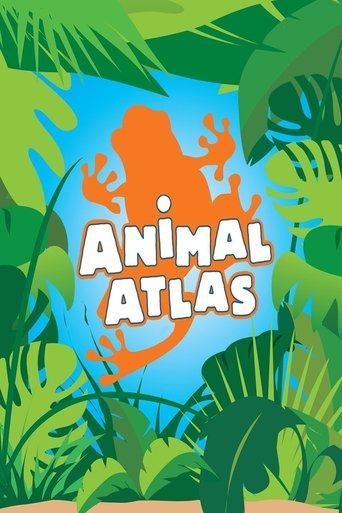
Come tour the world with Animal Atlas to discover how animals survive and thrive. We'll find out why we love monkeys, who are monkeys and what life is like for an ape.
Animal 123's introduces preschoolers to the vast and amazing animal kingdom and basic counting and number recognition skills simultaneously. Filled with songs, games, rhymes, and puzzles, Animal 123's is entertainment that encourages child development and an awareness and appreciation of animals everywhere.
What's a family? A female elephant herd and its young? A mother orangutan and her baby? A prairie dog town? A troop of chimpanzees led by a single male? Yes! In the wild, every family is different. Naturally! Mammal Jr.: If you ask a foal, joey, wolf cub, baby ape, baby water buffalo, or baby owl what they want to be when they grow up, these amazing mammal youngsters will neigh, howl, and hoot that they want to be just like mom and dad.
Discover what life on the farm is all about; find out where barnyard animals come from and how they became our helpers; and discover what makes a horse a horse.
Whiskers has invited all of his kitten friends to a kitten party where they play indoors and outdoors around the flowers.
Come tour the world with Animal Atlas and discover how animals survive and thrive. Visit every continent and dive through the sea to meet all Earth's animals, from A to Zebra. Includes: The Scary Creatures; Skeletons; and Bats in the Belfry.
Tour the world with Animal Atlas to discover how animals survive and thrive. In the 30 mph episode see some of the fastest animals on the planet. In the biggest and the fastest episode learn how different animals use their incredible size or lightning speed to survive. In the something extra episode learn about animal special abilities and features and how animals use them.
Milo, a Labrador Puppy has invited all his friends to a summer party.
Come tour the world with Animal Atlas to discover how animals survive and thrive. We'll visit every continent and dive through the sea to meet all Earth's animals from A to Zebra.
Discover the wild animals that live in Africa, in Australia, and in Asia.
Animal Atlas ABC's introduces preschoolers to the vast and amazing animal kingdom and the ABCs. Filled with songs, rhymes, and puzzles, Animal Atlas ABC's is preschool entertainment that encourages child development and an appreciation and awareness of animals everywhere.
Main cast members.
Community picks and smart matches based on genre, network, country, and language.
True Crime News
Matched by details
Democracy Now!
Matched by details
Highway Patrol
Matched by details
Born This Way
Matched by details
Mystery at Blind Frog Ranch
Matched by details
Roswell: The Final Verdict
Matched by details
The Ghost Town Terror
Matched by details
Chef's Table: Noodles
Matched by details
Living for the Dead
Matched by details
SPRINT
Matched by details
UFO Witness
Matched by details
The BMF Documentary: Blowing Money Fast
Matched by details
Audience score, review cards, votes, comments, and watch activity.