
Summary
A look at the reigns of the some of the world's most notorious dictators and despots begins with Libyan leader Muammar Gaddafi (1942-2011), who ruled for more than four decades before he was captured and killed during the Libyan Civil War.

See when new episodes air in your local time.
Source: UTC · Your timezone: America/New_York
The local release time is not available yet because this show has no schedule time.
Add or correct the official timezone, weekly air day, and air time only when you know the real source schedule. EpisodeTime uses this to convert episodes into every visitor’s local time.
Add release timeSee how viewers feel about this show before you start watching.
Scores are based on audience votes, watchlist activity, episode progress, and viewer behavior on EpisodeTime.
Browse episodes by season.
--
A look at the reigns of the some of the world's most notorious dictators and despots begins with Libyan leader Muammar Gaddafi (1942-2011), who ruled for more than four decades before he was captured and killed during the Libyan Civil War.

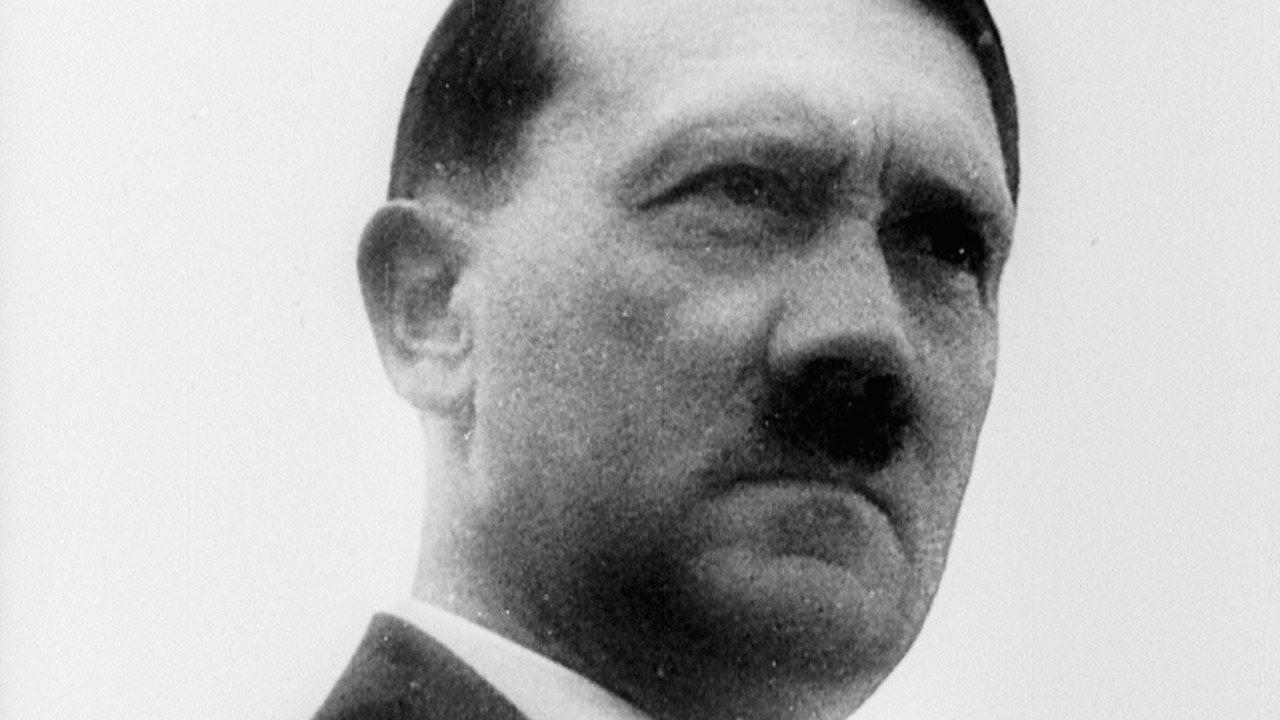
Benito Mussolini (1883-1945) rises through the Socialist ranks to become Italy's fascist dictator and Hitler's ally during World War II.
A profile of Hideki Tojo (1884-1948), a Japanese general and prime minister during World War II who was sentenced to death and executed in 1948 for committing war crimes.
A profile of Saddam Hussein (1937-2006), the ruthless Iraqi dictator who was captured in 2003 following the U.S.-led invasion of Iraq and executed in 2006.
A profile of Kim Jong Il, the supreme leader of North Korea from 1994 to 2011.
How did the horse become so fast? Chris Packham sets out on a slithering, swimming, sprinting odyssey that explores the evolutionary beginnings of animal movement and how it reached its peak in one of the most elegant and athletic animals on Earth: the horse.
How did the dolphin get so smart? Chris Packham explores the origins of senses, brains and intelligence, in an evolutionary odyssey that ventures from ocean to land and back again.
How did the bat get so hungry? Chris Packham explores how the drive to find food has shaped animal life. The origin of bums, guts, jaws and super-hearing.
How did the ostrich come to lay the biggest egg on Earth? Chris Packham explores the way reproduction has shaped life on Earth and the surprising evolutionary origins of sex, eggs and birds. It's a four billion year journey contained within a shell.
How did the elephant get so big? Chris Packham explores the four-billion-year story of how a tiny cell evolved into complex, gentle giants.
Main cast members.
Creators, directors, writers, and production crew.
Community picks and smart matches based on genre, network, country, and language.
All Watched Over by Machines of Loving Grace

Matched by details
Auschwitz: The Nazis and the Final Solution

Matched by details
Clash of the Super Powers: America v China
Matched by details
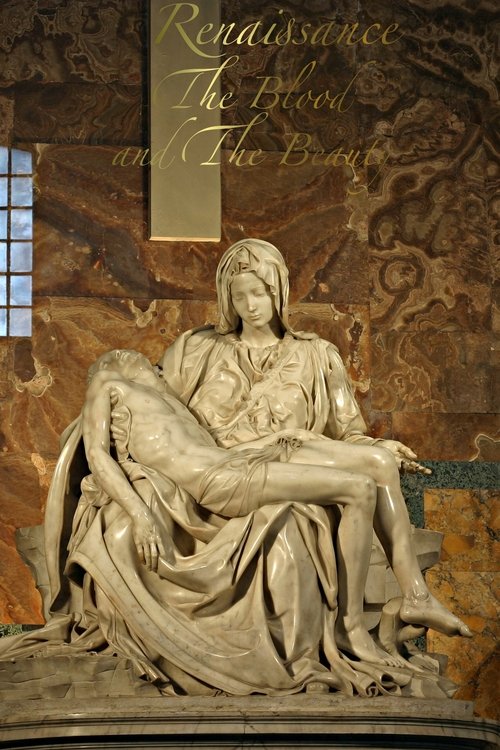
Renaissance: The Blood and the Beauty
Matched by details
Secret Agent Selection: WW2
Matched by details
Thatcher: A Very British Revolution
Matched by details
The Century of the Self
Matched by details
Frontline: Our Soldiers Facing Putin
Matched by details
Suez: 24 Hours That Broke the British Empire

Matched by details
Free Nelson Mandela
Matched by details
Royal History's Biggest Fibs with Lucy Worsley

Matched by details
The Great War in Numbers
Matched by details
Audience score, review cards, votes, comments, and watch activity.