S5E10
Episode 10

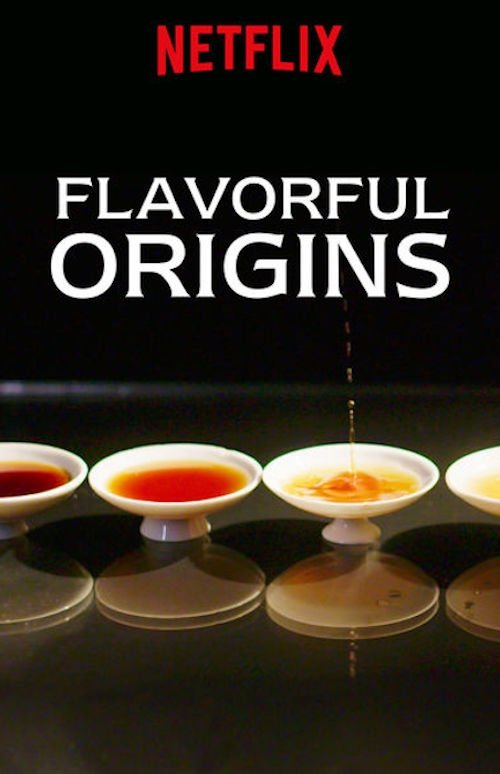
See when new episodes air in your local time.
Source: Asia/Shanghai · Your timezone: America/New_York
The local release time is not available yet because this show has no schedule time.
See how viewers feel about this show before you start watching.
Scores are based on audience votes, watchlist activity, episode progress, and viewer behavior on EpisodeTime.
Browse episodes by season.
--
--
From lamb skewers to the glutenous niang pi, the cuisines of Gansu province offer remarkable flavors as layered as its history.
From lamb skewers to the glutenous niang pi, the cuisines of Gansu province offer remarkable flavors as layered as its history.
Dingxi boasts more than 30 varieties of potato, eaten sliced, mashed or made in the form of noodles cooked with pork or spicy sauces.
From Lanzhou to Wuwei, epicures put a different spin on niang pi, a glutenous cold noodle dish that often comes with sesame, cucumber and chili oil.
Found in mullet roe and hot pot, souherb is a white soupy ingredient made by fermenting vegetables like endive, celery, carrot or cabbage.
Baked, air-dried or sliced into strips, the absorbent wheat gluten can be added to soups and meaty stews, making it a perfect flavor reservoir.
A slow-cooked beef broth is the soul of the hand-pulled Lanzhou beef noodle, a go-to dish for discerning eaters searching for a taste of home.
Grown in the Longdong plateaus, buckwheat can be made into jelly noodles, pancake batter and Tianshui guagua, a savory breakfast dish.
In Wuwei County, watermelon farmers enjoy flaxseed rolls as a dry staple food. Flaxseed oil also infuses pastries like Yongdeng mooncake with aroma.
From Linxia to the Hexi Corridor, sheep offal can be found sizzling on hot plates, stuffed into casings and wrapped in caul fat.
Baked, steamed or stir-fried, the root of the lily plant is sweet and aromatic. Its flower also serves as a salad ingredient or a noodle topping.
In Jiayuguan city, mutton tallow envelops lamb skewers with layers of flavor. In the Ganjia pastures, herders cook lamb with tripe using hot stones.
Explore the diverse flavors of China's Yunnan province and get to know the cooks and ingredients that shape its rich culinary tradition.
Explore the diverse flavors of China's Yunnan province and get to know the cooks and ingredients that shape its rich culinary tradition.
Zha, an old custom, is an assortment of dried fermented vegetables or fish served as side dishes, made with ancient methods of food preservation.
The er, a flattened rice flour cake, can be backed into a sticky snack, sliced and stir-fried with vegetables or julienned into noodle-like strands.
Besides being an appetite stimulant, tart fruits like lemon and sour papaya can be added to shredded chicken, carp or a sauce for dousing live shrimp.
Wrapped in leaves with a sticky rice or spiced fish, the Musa basjoo – a banana found in Yunnan – can make for a sweet snack or savoury dish.
Salted and partially dried, the sow thistle can be pickled and stir-fried with pork to lend a sour, crunchy flavour, or added to white radish stew.
Found in local moon cake fillings, Xuanwei cured ham can be thinly sliced, steamed, cooked with egg, stewed or served as cold cuts.
Derived from the fruits of the Chinese lacquer tree, qiyou is an oil used to cook eggs, congee, pork stew, roast chicken and even bee larvae.
Sa is a culinary tradition that pairs cold meat or raw vegetables with a versatile sauce that is often mixed with pig blood curd.
A local wild berry features in nanpie, which refers t different types of flavorful pastes made from mashed vegetables or fish.
Yunnan is known for a variety of dairy products, including Dali rushan: thinly sliced cheese that can be fried, grilled or dipped in honey.
Delve into the delectable world of Chaoshan cuisine, explore its unique ingredients and hear the stories of the people behind its creation.
Delve into the delectable world of Chaoshan cuisine, explore its unique ingredients and hear the stories of the people behind its creation.
Known for both taste and nutritional value, Chinese motherwort is blanched and added to soup and congee as a breakfast favorite.
Galangal arrived in Chaoshan from Southeast Asia a long time ago, imbuing meat dishes like chicken and lamb with a fragrant punch.
Harvested from Nan'ao Island's shores, mussels are a summer delicacy that can be cooked with basil, folded into spring rolls and added to fried rice.
In Chaoshan, the lizardfish is deboned and pounded to make surimi (fish paste) -- a versatile ingredient with a uniquely smooth and elastic texture.
Indispensable to Chaoshan cooking, fish sauce is traditionally made by salt-curing and fermenting hilsa herring, but new methods have cropped up.
Salted, boiled and air-dried in bamboo baskets, the mackerel scad is among many seafoods that make for a chewy, flavorful and simple main dish.
Enjoyed with vegetables and dipping sauce, yu sheng (freshly sliced raw fish) is a delicacy with a long history in Chaoshan.
Inheriting the techniques of previous generations, makers of Chaoshan beef meatballs dedicate hours of hard work to achieve perfect texture and flavor.
Expert butchers in Chaoshan sharpen their knives to slice premium beef into perfect, marbled cutlets that are juicy, tender, and ready for hot pot.
Garlic, fat, liquor and fermented bean curd. The traditional tofu cake is a baked pastry boasting a rich taste profile and centuries of history.
In the Hakka tradition, tea leaves are cooked with fresh herbs, then ground with sesame seeds or peanuts in a mortar to make lei cha, a fragrant drink.
A regional product, the Chaozhou orange can be deep-fried or dried and preserved to make sweet treats, while its peel can be used for zesty seasoning.
Steamed, marinated, stir-fried, grilled or dried. A classic in Chaoshan cuisine, the oyster is traditionally cultivated in the town of Jingzhou.
To bring out umami and impart the flavor of the sea, the versatile ingredient seaweed can be stir-fried, deep-fried, roasted and sprinkled on soup.
An age-old Chaoshan tradition, the preserved white radish can put an innovative spin on various dishes, from spare ribs to stir-fried squid.
Long ago, migrants from the north brought soybeans to Chaoshan, now home to a unique bean paste featured in many dishes, from spinach to steamed fish.
Cinnamon, anise and galangal are among the spices that go into Chaoshan brine, a key ingredient in braised offal, goose head and hot pot.
Garlic. Cilantro. Chili pepper. The marinated raw-crab dish varies in style from Puning to Shantou, but it's always fresh and tender.
A quintessentially Chaoshan staple and a taste of home for many, kway teow (rice-noodle strips) can be stir-fried or wrapped around tasty fillings.
In Chaoshan, olives are preserved in distinct ways and appear in a variety of dishes, including fresh juices and meat soups.
Main cast members.
Creators, directors, writers, and production crew.
Community picks and smart matches based on genre, network, country, and language.
 Our Palace Museum
Matched by details
Our Palace Museum
Matched by details
 One Hundred Flavors of Fujian
Matched by details
One Hundred Flavors of Fujian
Matched by details
 Ultimate Design
Matched by details
Ultimate Design
Matched by details
 Breakfast in China
Matched by details
Breakfast in China
Matched by details
 Taste Humanity at Night
Matched by details
Taste Humanity at Night
Matched by details
 YOLO: I Only Live Once
Matched by details
YOLO: I Only Live Once
Matched by details
 Chefs Encounter in Hunan
Matched by details
Chefs Encounter in Hunan
Matched by details
 Chinese Kungfu:Myth and truth
Matched by details
Chinese Kungfu:Myth and truth
Matched by details
 Nobody, But Somebody
Matched by details
Nobody, But Somebody
Matched by details
 THE REARL RIVER
Matched by details
THE REARL RIVER
Matched by details
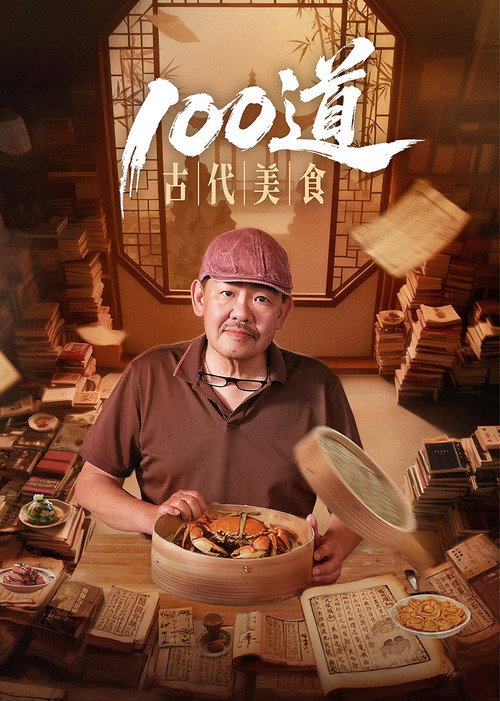 Ancient Recipes
Matched by details
Ancient Recipes
Matched by details
 Because I Want to Write a Song
Matched by details
Because I Want to Write a Song
Matched by details
Audience score, review cards, votes, comments, and watch activity.