Omnibus

Omnibus

Ended First aired 09/Nov/1952 United States English 9 season(s) 160 episode(s)
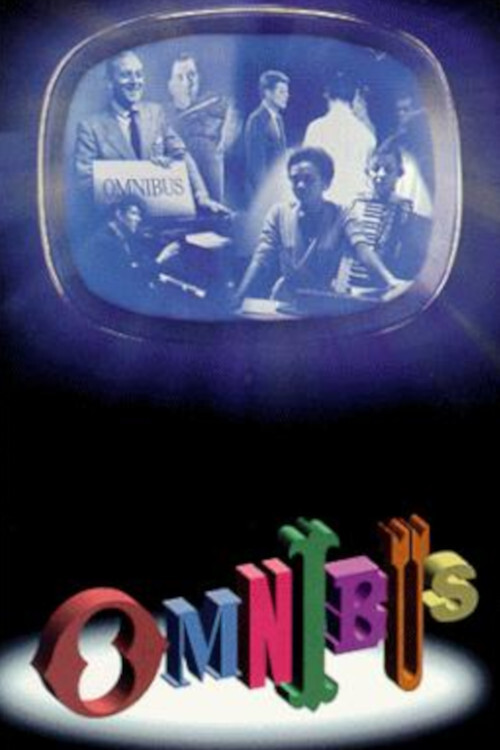
Omnibus is an American, commercially sponsored, educational television series.

Episode Time in Your Timezone

See when new episodes air in your local time.

Improve air time

Air Time

Source: UTC · Your timezone: America/New_York

When does the episode air in United States?

The local release time is not available yet because this show has no schedule time.


Notice: Schedule time is not available yet.
Improve release time Schedule day · Air time · Original timezone

Add or correct the official timezone, weekly air day, and air time only when you know the real source schedule. EpisodeTime uses this to convert episodes into every visitor’s local time.

Add release time

Show Insights

See how viewers feel about this show before you start watching.

TimeScore 33% Skip It
Binge Meter 48% Slow Burn
Episode Pulse Quiet 40% activity score
Drop Rate 0% Very Low

Scores are based on audience votes, watchlist activity, episode progress, and viewer behavior on EpisodeTime.

Seasons & Episodes

Browse episodes by season.

Season 8 · Season 8
7 episode(s) · Air date: 13/Nov/1960
Improve Season
Season Overview

--

Season 7 · Season 7
15 episode(s) · Air date: 26/Oct/1958
Improve Season
Season Overview

--

S7E13
The Strange Ordeal of Normandier
Air date: 12/Apr/1959
Summary

The program has only one segment: "The Strange Ordeal of the Normandier" (the tragic story of an English tramp steamer struck by disaster in 1918 when its crew succumbed to blackwater fever, leaving the ship helpless and adrift in the Atlantic).

Summary

The program has only one segment: "The Strange Ordeal of the Normandier" (the tragic story of an English tramp steamer struck by disaster in 1918 when its crew succumbed to blackwater fever, leaving the ship helpless and adrift in the Atlantic).

S7E10
Ah Sweet Mystery of Mrs. Murphy
Air date: 01/Mar/1959
Summary

The program has two segments: (1) "Ah Sweet Mystery of Mrs. Murphy" (play by William Saroyan), and (2) "Visual Perception" (looking at how the eyes perceive images and optical illusions).

Summary

The program has two segments: (1) "Ah Sweet Mystery of Mrs. Murphy" (play by William Saroyan), and (2) "Visual Perception" (looking at how the eyes perceive images and optical illusions).

S7E8
Abraham Lincoln - The Early Years
Air date: 01/Feb/1959
Summary

The program has only one segment: "Abraham Lincoln - The Early Years" (repeat showing from Season 3 of a feature film on the young Abraham Lincoln made from previous Omnibus episodes).

Summary

The program has only one segment: "Abraham Lincoln - The Early Years" (repeat showing from Season 3 of a feature film on the young Abraham Lincoln made from previous Omnibus episodes).

S7E6
Prince Orestes
Air date: 04/Jan/1959
Summary

The program has only one segment: "Prince Orestes" (production of a Greek tragedy adapted from an Aeschylus trilogy about Orestes, who killed his mother and her lover in revenge for her murdering his father).

Summary

The program has only one segment: "Prince Orestes" (production of a Greek tragedy adapted from an Aeschylus trilogy about Orestes, who killed his mother and her lover in revenge for her murdering his father).

S7E5
Dancing, a Man's Game
Air date: 21/Dec/1958
Summary

After the French Revolution, a tyrant ropes off a velvet chair in his palace and decrees that no one must ever sit in it, under penalty of death. Ultimately he is goaded by his subjects into sitting in the chair himself.

Summary

After the French Revolution, a tyrant ropes off a velvet chair in his palace and decrees that no one must ever sit in it, under penalty of death. Ultimately he is goaded by his subjects into sitting in the chair himself.

S7E4
The Empty Chair
Air date: 07/Dec/1958
Summary

After the French Revolution, a tyrant ropes off a velvet chair in his palace and decrees that no one must ever sit in it, under penalty of death. Ultimately he is goaded by his subjects into sitting in the chair himself.

Summary

After the French Revolution, a tyrant ropes off a velvet chair in his palace and decrees that no one must ever sit in it, under penalty of death. Ultimately he is goaded by his subjects into sitting in the chair himself.

S7E2
The Submariners
Air date: 09/Nov/1958
Summary

The program has only one segment: "The Submariners" (Esther Williams joins a Connecticut naval submarine base and presents a feature on submarines and the life and training of submariners and Navy divers).

Summary

The program has only one segment: "The Submariners" (Esther Williams joins a Connecticut naval submarine base and presents a feature on submarines and the life and training of submariners and Navy divers).

Season 6 · Season 6
13 episode(s) · Air date: 10/Nov/1957
Improve Season
Season Overview

--

S6E31
The Reindeer Men
Air date: 20/Apr/1958
Summary

Two Norwegian films are featured. "The Reindeer Men", filmed by Per Host, which shows the way of life of a nearly extinct group of nomadic Laplanders and "Nine Lives" the true story of a Norwegian anti-Nazi saboteur.

Summary

Two Norwegian films are featured. "The Reindeer Men", filmed by Per Host, which shows the way of life of a nearly extinct group of nomadic Laplanders and "Nine Lives" the true story of a Norwegian anti-Nazi saboteur.

S6E29
The Lady's Not for Burning
Air date: 06/Apr/1958
Summary

The scene is England in the 1400's in the mayor's house at Cool Clary. A vagrant named Thomas Mendip is making things difficult by insisting that he be hanged - he has a poor opinion of the world. To make matters worse, in comes a lovely young woman believed to be a witch. The mayor grows impatient.

Summary

The scene is England in the 1400's in the mayor's house at Cool Clary. A vagrant named Thomas Mendip is making things difficult by insisting that he be hanged - he has a poor opinion of the world. To make matters worse, in comes a lovely young woman believed to be a witch. The mayor grows impatient.

S6E26
Bernstein Looks at Opera
Air date: 23/Mar/1958
Summary

90 minutes of operatic music direct from the stage of the Metropolitan Opera in New York City. Participating will be the Metropolitan's singers and orchestra with Leonard Bernstein conducting. Bernstein's remarks about special characteristics of opera are illustrated with varied operatic excerpts. Bernstein's translation of a scene from Puccini's "La Boheme" is acted out; then the scene is sung in Italian. There will also be the "Liebestod" fromWagner's "Tristan", the "Credo" from Verdi's "Otello" and selections from "Rosenkavalier", "Carmen", "The Medium", "Don Giovanni" and "Lucia".

Summary

90 minutes of operatic music direct from the stage of the Metropolitan Opera in New York City. Participating will be the Metropolitan's singers and orchestra with Leonard Bernstein conducting. Bernstein's remarks about special characteristics of opera are illustrated with varied operatic excerpts. Bernstein's translation of a scene from Puccini's "La Boheme" is acted out; then the scene is sung in Italian. There will also be the "Liebestod" fromWagner's "Tristan", the "Credo" from Verdi's "Otello" and selections from "Rosenkavalier", "Carmen", "The Medium", "Don Giovanni" and "Lucia".

S6E23
Moment of Truth
Air date: 23/Feb/1958
Summary

Faced with the prospect of imminent invasion by enemy forces, the prime minister contrives a desperate plan. He recalls from retirement the nation's military hero, a doddering old man whose mind can no longer cope with anything but memories of ancient campaigns. The prime minister believes that the old marshal's reputation will restore the people's confidence and frighten the enemy.

Summary

Faced with the prospect of imminent invasion by enemy forces, the prime minister contrives a desperate plan. He recalls from retirement the nation's military hero, a doddering old man whose mind can no longer cope with anything but memories of ancient campaigns. The prime minister believes that the old marshal's reputation will restore the people's confidence and frighten the enemy.

S6E19
La Perichole
Air date: 26/Jan/1958
Summary

Perichole was a Peruvian actress who also is a character in "The Bridge of San Luis Rey". The opera depicts her romantic misadventures dodging the amorous viceroy.

Summary

Perichole was a Peruvian actress who also is a character in "The Bridge of San Luis Rey". The opera depicts her romantic misadventures dodging the amorous viceroy.

S6E9
American Trial by Jury
Air date: 17/Nov/1957
Summary

1. Last month Leonard Bernstein, American Composer and Conductor, responded to an invitation to conduct the Israel Philharmonic Orchestra. The occasion was the dedication, via several concerts, of the new Fredric R. Mann Auditorium in Tel Aviv. Omnibus covers this visit. 2. The other section of this 90 minute show is "American Trial By Jury". Boston attorney Joseph N. Welch turns to a trial which focused attention on the plea of not guilty by reason of insanity. This was the 1934 Massachusetts murder case of the Millen brothers and Faber. Verbatim transcripts of the trial will be dramatized.

Summary

1. Last month Leonard Bernstein, American Composer and Conductor, responded to an invitation to conduct the Israel Philharmonic Orchestra. The occasion was the dedication, via several concerts, of the new Fredric R. Mann Auditorium in Tel Aviv. Omnibus covers this visit. 2. The other section of this 90 minute show is "American Trial By Jury". Boston attorney Joseph N. Welch turns to a trial which focused attention on the plea of not guilty by reason of insanity. This was the 1934 Massachusetts murder case of the Millen brothers and Faber. Verbatim transcripts of the trial will be dramatized.

S6E8
School for Wives
Air date: 10/Nov/1957
Summary

To provide himself with an ideal wife, Arnolphe a bachelor, has had a girl educated from infancy in such a way as to keep her ignorant of the knowledge most young ladies possess. Second feature of this show: From Princeton University, where coach Charley Caldwell and members of the football team review yesterday's game with Harvard. Bud Palmer narrates the feature, which also includes a brief history of college football in the U.S.

Summary

To provide himself with an ideal wife, Arnolphe a bachelor, has had a girl educated from infancy in such a way as to keep her ignorant of the knowledge most young ladies possess. Second feature of this show: From Princeton University, where coach Charley Caldwell and members of the football team review yesterday's game with Harvard. Bud Palmer narrates the feature, which also includes a brief history of college football in the U.S.

Season 5 · Season 5
22 episode(s) · Air date: 07/Oct/1956
Improve Season
Season Overview

--

S5E22
The Music of Johann Sebastian Bach
Air date: 31/Mar/1957
Summary

The program has two segments: (1) "The Music of Johann Sebastian Bach" (Leonard Bernstein analyzes Bach's music and techniques, illustrated with an excerpt from 'The St. Matthew Passion' and other choral and orchestral works), and (2) "A Maine Lobsterman" (repeat showing of a feature from Season 3 about lobster-fishing in Maine).

Summary

The program has two segments: (1) "The Music of Johann Sebastian Bach" (Leonard Bernstein analyzes Bach's music and techniques, illustrated with an excerpt from 'The St. Matthew Passion' and other choral and orchestral works), and (2) "A Maine Lobsterman" (repeat showing of a feature from Season 3 about lobster-fishing in Maine).

S5E21
The Fall River Legend: the Trial of Lizzie Borden
Air date: 24/Mar/1957
Summary

The program has two segments: (1) "The Trial of Lizzie Borden" (dramatization of the murder trial of Lizzie Borden), and (2) "The Fall River Legend" (dramatic ballet presentation of the Lizzie Borden story).

Summary

The program has two segments: (1) "The Trial of Lizzie Borden" (dramatization of the murder trial of Lizzie Borden), and (2) "The Fall River Legend" (dramatic ballet presentation of the Lizzie Borden story).

S5E17
The Big Wheel: the Burlesque Entertainment of Yesterday
Air date: 27/Jan/1957
Summary

The program has two segments: (1) "The Big Wheel" (a survey of the age of burlesque, featuring examples of acts of the period), and (2) "The Message" (showing of a 1956 UK film drama on the moral and ethical aspects of war).

Summary

The program has two segments: (1) "The Big Wheel" (a survey of the age of burlesque, featuring examples of acts of the period), and (2) "The Message" (showing of a 1956 UK film drama on the moral and ethical aspects of war).

S5E15
Introduction to Modern Music
Air date: 13/Jan/1957
Summary

The program has three segments: (1) "Introduction to Modern Music" (Leonard Bernstein discusses modern music and composers, including Bartok, Berg, Hindemith, Ives, Prokofiev, Schoenberg and Stravinsky), (2) "Out" (showing of a 1957 UN documentary about the influx of Hungarian refugees into Austria as a result of the 1956 Hungarian Revolution), and (3) "John Hersey Interview" (interview with the writer of segment (2))

Summary

The program has three segments: (1) "Introduction to Modern Music" (Leonard Bernstein discusses modern music and composers, including Bartok, Berg, Hindemith, Ives, Prokofiev, Schoenberg and Stravinsky), (2) "Out" (showing of a 1957 UN documentary about the influx of Hungarian refugees into Austria as a result of the 1956 Hungarian Revolution), and (3) "John Hersey Interview" (interview with the writer of segment (2))

S5E14
Oedipus, the King
Air date: 06/Jan/1957
Summary

The program has two segments: (1) "Oedipus, the King" (play by Sophocles), and (2) "Solo Khumbu" (excerpts from a film documentary on social life and customs in Nepal).

Summary

The program has two segments: (1) "Oedipus, the King" (play by Sophocles), and (2) "Solo Khumbu" (excerpts from a film documentary on social life and customs in Nepal).

S5E13
The Art of Choreography
Air date: 30/Dec/1956
Summary

The program has two segments: (1) "The Art of Choreography" (tracing the history of choreography from earliest times), and (2) "Master Gunmanship" (comedy feature on the art of pistol-shooting).

Summary

The program has two segments: (1) "The Art of Choreography" (tracing the history of choreography from earliest times), and (2) "Master Gunmanship" (comedy feature on the art of pistol-shooting).

S5E12
Madeline Visits Omnibus
Air date: 23/Dec/1956
Summary

The program has five segments: (1) "Madeline and the Bad Hat" (adaptation of a children's story), (2) "Columbus Boychoir" (Christmas songs), (3) "Susie's Night Out" (film of a pet shop at night), (4) "Bill Baird's Marionettes" (puppet parody of Omnibus), and (5) "The Star of Bethlehem" (scientific explanation of the star in the Nativity story).

Summary

The program has five segments: (1) "Madeline and the Bad Hat" (adaptation of a children's story), (2) "Columbus Boychoir" (Christmas songs), (3) "Susie's Night Out" (film of a pet shop at night), (4) "Bill Baird's Marionettes" (puppet parody of Omnibus), and (5) "The Star of Bethlehem" (scientific explanation of the star in the Nativity story).

S5E11
The Christmas Tie
Air date: 16/Dec/1956
Summary

The program has four segments: (1) "The Christmas Tie" (re-staging of the William Saroyan play produced in Season 1), (2) "The Spirit of Freedom" (re-enactment of Sandor Szabo's flight from Communism), (3) "Drug Store, Sunday Noon" (story), and (4) "Szabo Interview" (interview with the subject of segment 2).

Summary

The program has four segments: (1) "The Christmas Tie" (re-staging of the William Saroyan play produced in Season 1), (2) "The Spirit of Freedom" (re-enactment of Sandor Szabo's flight from Communism), (3) "Drug Store, Sunday Noon" (story), and (4) "Szabo Interview" (interview with the subject of segment 2).

S5E8
The Blue Hotel
Air date: 25/Nov/1956 · Runtime: 55 min
Summary

The program has three segments: "The Blue Hotel" (adaptation of a Stephen Crane story), "The Children's Party" (comic monologue), and "Vest-Pocket Symphony" (harmonica music).

Summary

The program has three segments: "The Blue Hotel" (adaptation of a Stephen Crane story), "The Children's Party" (comic monologue), and "Vest-Pocket Symphony" (harmonica music).

S5E7
Plays of the Irish Renaissance
Air date: 18/Nov/1956
Summary

The program has three segments: (1) "Plays of the Irish Renaissance" (scenes from works by Irish playwrights), (2) "The Era of Wonderful Nonsense" (documentary on crazy ways of making a living in the 1920s), and (3) "On the Bowery" (showing of an excerpt from a 1956 film dealing with the life of down-and-outs in a downtown area of New York).

Summary

The program has three segments: (1) "Plays of the Irish Renaissance" (scenes from works by Irish playwrights), (2) "The Era of Wonderful Nonsense" (documentary on crazy ways of making a living in the 1920s), and (3) "On the Bowery" (showing of an excerpt from a 1956 film dealing with the life of down-and-outs in a downtown area of New York).

S5E6
Moliere's School for Wives
Air date: 11/Nov/1956
Summary

The program has two segments: (1) "Moliere's School for Wives" (comedy play by Moliere), and (2) "Skull Session" (survey of college football in the U.S.).

Summary

The program has two segments: (1) "Moliere's School for Wives" (comedy play by Moliere), and (2) "Skull Session" (survey of college football in the U.S.).

Season 4 · Season 4
24 episode(s) · Air date: 09/Oct/1955
Improve Season
Season Overview

--

S4E24
The Court Martial of Billy Mitchell
Air date: 01/Apr/1956
Summary

The program has two segments: (1) "The Court Martial of Billy Mitchell" (re-enactment of the 1925 trial of the U.S. Air Force hero), and (2) "How the F-100 Got Its Tail" (featuring the work of test pilots on the supersonic jet fighter aircraft).

Summary

The program has two segments: (1) "The Court Martial of Billy Mitchell" (re-enactment of the 1925 trial of the U.S. Air Force hero), and (2) "How the F-100 Got Its Tail" (featuring the work of test pilots on the supersonic jet fighter aircraft).

S4E23
Harvard University Remote
Air date: 25/Mar/1956
Summary

The program has only one segment: "Harvard University Remote" (discussion of the role played by the modern university and college in American life).

Summary

The program has only one segment: "Harvard University Remote" (discussion of the role played by the modern university and college in American life).

S4E22
The Better Half
Air date: 11/Mar/1956
Summary

The program has three segments: (1) "The Better Half" (adaptation of Noel Coward play), (2) "The Museum That Jack Built" (exploration of the ideal science museum), and (3) "Something about the Sky" (visual essay on the sky and clouds).

Summary

The program has three segments: (1) "The Better Half" (adaptation of Noel Coward play), (2) "The Museum That Jack Built" (exploration of the ideal science museum), and (3) "Something about the Sky" (visual essay on the sky and clouds).

S4E21
With Liberty and Justice for All
Air date: 04/Mar/1956
Summary

The program has two segments: (1) "With Liberty and Justice for All" (the third of a three-part series examining the United States constitution), and (2) "James Thurber, Man and Boy" (interview with the celebrated author and humorist).

Summary

The program has two segments: (1) "With Liberty and Justice for All" (the third of a three-part series examining the United States constitution), and (2) "James Thurber, Man and Boy" (interview with the celebrated author and humorist).

S4E20
The Art of Ballet
Air date: 26/Feb/1956
Summary

The program has three segments: (1) "The Art of Ballet" (dancers show the evolution of ballet), (2) "The Boyhood of William Shakespeare" (sketch on the Bard's childhood), and (3) (program of music on the portable organ).

Summary

The program has three segments: (1) "The Art of Ballet" (dancers show the evolution of ballet), (2) "The Boyhood of William Shakespeare" (sketch on the Bard's childhood), and (3) (program of music on the portable organ).

S4E18
Mr Lincoln
Air date: 12/Feb/1956
Summary

The program has only one segment: "Mr. Lincoln" (repeat showing of a feature film from Season 3 on the young Abraham Lincoln, made from previous Omnibus episodes).

Summary

The program has only one segment: "Mr. Lincoln" (repeat showing of a feature film from Season 3 on the young Abraham Lincoln, made from previous Omnibus episodes).

S4E17
One Nation
Air date: 05/Feb/1956
Summary

The program has two segments: (1) "One Nation" (the first of a three-part series examining the United States constitution), and (2) "Songs by Frances Archer and Beverly Gile" (performance of English folk songs).

Summary

The program has two segments: (1) "One Nation" (the first of a three-part series examining the United States constitution), and (2) "Songs by Frances Archer and Beverly Gile" (performance of English folk songs).

S4E16
Minds over Manners
Air date: 29/Jan/1956
Summary

The program has two segments: (1) "Minds over Manners" (three dramatic sketches showing changes in American manners and customs of 100 years ago, 50 years ago and the present day), and (2) "Sugar Ray Robinson Visits Stillman's Gym" (a championship boxer gives a demonstration).

Summary

The program has two segments: (1) "Minds over Manners" (three dramatic sketches showing changes in American manners and customs of 100 years ago, 50 years ago and the present day), and (2) "Sugar Ray Robinson Visits Stillman's Gym" (a championship boxer gives a demonstration).

S4E15
Episode 15
Air date: 22/Jan/1956
Summary

The program has four segments: (1) "The Yugoslav National Folk Ballet" (a Macedonian troupe perform Yugoslav folk dancing), (2) "The Great Adventure 2" (showing of Part 2 of a 1953 Swedish film about nature and wildlife), (3) "Other Channels" (a look at advertising on foreign television channels), and (4) "Skiing, Anyone?" (feature on skis and skiing).

Summary

The program has four segments: (1) "The Yugoslav National Folk Ballet" (a Macedonian troupe perform Yugoslav folk dancing), (2) "The Great Adventure 2" (showing of Part 2 of a 1953 Swedish film about nature and wildlife), (3) "Other Channels" (a look at advertising on foreign television channels), and (4) "Skiing, Anyone?" (feature on skis and skiing).

S4E14
The Great Forgery
Air date: 15/Jan/1956
Summary

The program has three segments: (1) "The Great Forgery" (the story of how four Americans swindled the Bank of England of $100,000 through forged letters of credit), (2) "The Great Adventure 1" (showing of Part 1 of a 1953 Swedish film about nature and wildlife), and (3) (short tribute to Benjamin Franklin).

Summary

The program has three segments: (1) "The Great Forgery" (the story of how four Americans swindled the Bank of England of $100,000 through forged letters of credit), (2) "The Great Adventure 1" (showing of Part 1 of a 1953 Swedish film about nature and wildlife), and (3) (short tribute to Benjamin Franklin).

S4E12
The Best Year in the History of the Whole World
Air date: 01/Jan/1956
Summary

The program has two segments: "The Best Year in the History of the Whole World" (humorous Saroyan play), and (2) (Japanese dancing and drama with the Azuma Kabuki dancers).

Summary

The program has two segments: "The Best Year in the History of the Whole World" (humorous Saroyan play), and (2) (Japanese dancing and drama with the Azuma Kabuki dancers).

S4E9
The Royal Game
Air date: 11/Dec/1955
Summary

The program has four segments: (1) "The Royal Game" (adaptation of play), (2) "Jack Be Normal" (play), (3) "The Old Woman" (animated rendition of folk song), and (4) "Mother, I Would Marry" (animated rendition of folk song).

Summary

The program has four segments: (1) "The Royal Game" (adaptation of play), (2) "Jack Be Normal" (play), (3) "The Old Woman" (animated rendition of folk song), and (4) "Mother, I Would Marry" (animated rendition of folk song).

S4E5
American Boyhoods, Captain John M. Ellicott
Air date: 13/Nov/1955
Summary

The program has three segments: "American Boyhoods: Captain John M. Ellicott" (Captain Ellicott remembers events during his boyhood), (2) (comic monologue), and (3) (scenes from Gilbert and Sullivan's "Pirates of Penzance").

Summary

The program has three segments: "American Boyhoods: Captain John M. Ellicott" (Captain Ellicott remembers events during his boyhood), (2) (comic monologue), and (3) (scenes from Gilbert and Sullivan's "Pirates of Penzance").

S4E4
Toby and the Tall Corn
Air date: 06/Nov/1955
Summary

The program has three segments: (1) "Toby and the Tall Corn" (repeat showing of play broadcast in Season 3), (2) "Antonio and His Spanish Ballet Company" (Spanish ballet dancing), and (3) "Excursion House" (looking at the housing boom in America).

Summary

The program has three segments: (1) "Toby and the Tall Corn" (repeat showing of play broadcast in Season 3), (2) "Antonio and His Spanish Ballet Company" (Spanish ballet dancing), and (3) "Excursion House" (looking at the housing boom in America).

S4E3
The Adams House
Air date: 23/Oct/1955
Summary

The program has five segments: (1) "The Adams House" (a follow-up to the series of Adams Family biographies), (2) "Television Magic" (featuring new television techniques), (3) "Bow Bells" (showing of a 1954 film in which a Cockney looks at life in the East End of London), (4) "Survival in the Bush" (showing of a 1954 film about survival in the wilds of Canada), and (5) "Animals in Motion" (short feature on animal locomotion).

Summary

The program has five segments: (1) "The Adams House" (a follow-up to the series of Adams Family biographies), (2) "Television Magic" (featuring new television techniques), (3) "Bow Bells" (showing of a 1954 film in which a Cockney looks at life in the East End of London), (4) "Survival in the Bush" (showing of a 1954 film about survival in the wilds of Canada), and (5) "Animals in Motion" (short feature on animal locomotion).

S4E2
The Jazz World
Air date: 16/Oct/1955
Summary

The program has two segments: (1) "The Jazz World" (Leonard Bernstein discusses jazz and conducts a jazz number), and (2) "Famous America Boyhoods" (William Saroyan recreates scenes of his boyhood).

Summary

The program has two segments: (1) "The Jazz World" (Leonard Bernstein discusses jazz and conducts a jazz number), and (2) "Famous America Boyhoods" (William Saroyan recreates scenes of his boyhood).

S4E1
The Birth of Modern Times
Air date: 09/Oct/1955
Summary

The program has only one segment: "The Birth of Modern Times" (a live program tracing the revival of the arts, literature, music and learning during the Renaissance period).

Summary

The program has only one segment: "The Birth of Modern Times" (a live program tracing the revival of the arts, literature, music and learning during the Renaissance period).

Season 3 · Season 3
26 episode(s) · Air date: 17/Oct/1954
Improve Season
Season Overview

--

S3E26
Uncle Tom's Cabin
Air date: 10/Apr/1955
Summary

The program has five segments: (1) "Uncle Tom's Cabin" (Harriet Beecher Stowe story), (2) "Dances from India" (performance of Indian classical dance), (3) "Change Ringing" (demonstration of patterns of bell-ringing), (4) "The Most Beautiful Easter Eggs in the World" (short feature), and (5) "Committee for Economic Development" (short feature).

Summary

The program has five segments: (1) "Uncle Tom's Cabin" (Harriet Beecher Stowe story), (2) "Dances from India" (performance of Indian classical dance), (3) "Change Ringing" (demonstration of patterns of bell-ringing), (4) "The Most Beautiful Easter Eggs in the World" (short feature), and (5) "Committee for Economic Development" (short feature).

S3E24
The Four Flags of the Confederacy
Air date: 27/Mar/1955
Summary

The program has four segments: (1) "The Four Flags of the Confederacy" (documentary on the national flags used by the Confederate States in the American Civil War), (2) "Minor League Baseball" (sporting feature), (3) "The Back of Beyond" (showing of excerpts from a 1954 Australian film following a mailman as he delivers mail to remote areas in the Australian outback), and (4) "Subscription TV" (feature).

Summary

The program has four segments: (1) "The Four Flags of the Confederacy" (documentary on the national flags used by the Confederate States in the American Civil War), (2) "Minor League Baseball" (sporting feature), (3) "The Back of Beyond" (showing of excerpts from a 1954 Australian film following a mailman as he delivers mail to remote areas in the Australian outback), and (4) "Subscription TV" (feature).

S3E23
Henry Adams
Air date: 20/Mar/1955
Summary

The program has four segments: (1) "Henry Adams" (the fourth in a series of Adams Family biographies), (2) "Balance II" (an architect looks at modern architecture), (3) "The Window Cleaner" (short feature), and (4) "Vernal Equinox" (an astronomer explains the sun's crossing of the plane of the celestial equator).

Summary

The program has four segments: (1) "Henry Adams" (the fourth in a series of Adams Family biographies), (2) "Balance II" (an architect looks at modern architecture), (3) "The Window Cleaner" (short feature), and (4) "Vernal Equinox" (an astronomer explains the sun's crossing of the plane of the celestial equator).

S3E22
A Different Drummer
Air date: 13/Mar/1955
Summary

The program has three segments: (1) "A Different Drummer" (staging of a play by Eugene McKinney), (2) "The Heart" (feature on the human body's main organ), and (3) "Boyhoods - Joseph N. Welch" (exploring the childhood and youth of the celebrated lawyer who served as chief counsel to the U.S. Army in the Army-McCarthy hearings).

Summary

The program has three segments: (1) "A Different Drummer" (staging of a play by Eugene McKinney), (2) "The Heart" (feature on the human body's main organ), and (3) "Boyhoods - Joseph N. Welch" (exploring the childhood and youth of the celebrated lawyer who served as chief counsel to the U.S. Army in the Army-McCarthy hearings).

S3E21
The Mighty Casey
Air date: 06/Mar/1955
Summary

The program has two segments: (1) "The Mighty Casey" (staging of William Schuman's opera based on Thayer's famous poem about the legendary baseball player), and (2) "All about Diamonds" (feature).

Summary

The program has two segments: (1) "The Mighty Casey" (staging of William Schuman's opera based on Thayer's famous poem about the legendary baseball player), and (2) "All about Diamonds" (feature).

S3E20
The Life and Times of Henry Adams and Charles Francis Adams, Jr.
Air date: 27/Feb/1955
Summary

The program has three segments: (1) "The Lives of Henry Adams and Charles Francis Adams Jr." (the third in a series of Adams Family biographies, dealing with the life of Charles Francis Adams Jr.), (2) "Command Post" (a look at how radar installations would react to an air attack on the United States), and (3) "The Brain" (a feature on the human brain).

Summary

The program has three segments: (1) "The Lives of Henry Adams and Charles Francis Adams Jr." (the third in a series of Adams Family biographies, dealing with the life of Charles Francis Adams Jr.), (2) "Command Post" (a look at how radar installations would react to an air attack on the United States), and (3) "The Brain" (a feature on the human brain).

S3E19
The New World
Air date: 20/Feb/1955
Summary

The program has four segments: (1) "The New World" (J.M. Barrie story), (2) "The First 'R' " (a look at reading difficulties and new methods of remedying them), (3) "The Sea of Winslow Homer" (the celebrated artist's paintings are used to illustrate the changing look of the sea), and (4) "Rear Admiral Donald B. MacMillan" (short feature on the well-known Arctic explorer).

Summary

The program has four segments: (1) "The New World" (J.M. Barrie story), (2) "The First 'R' " (a look at reading difficulties and new methods of remedying them), (3) "The Sea of Winslow Homer" (the celebrated artist's paintings are used to illustrate the changing look of the sea), and (4) "Rear Admiral Donald B. MacMillan" (short feature on the well-known Arctic explorer).

S3E17
Mr. Lincoln
Air date: 06/Feb/1955
Summary

The program has two segments: (1) "Mr. Lincoln" (feature film on the young Abraham Lincoln made from previous Omnibus episodes), and (2) "The Story of Valentines" (short feature on the history of valentines).

Summary

The program has two segments: (1) "Mr. Lincoln" (feature film on the young Abraham Lincoln made from previous Omnibus episodes), and (2) "The Story of Valentines" (short feature on the history of valentines).

S3E16
Hamlet
Air date: 30/Jan/1955
Summary

The program has three segments: (1) "Hamlet" (performance of excerpts from Shakespeare's play), (2) "Swordsmanship" (featuring the history of fencing and a demonstration), and (3) "Power to Fly" (the pilot's story of his recent flight which broke the world altitude record).

Summary

The program has three segments: (1) "Hamlet" (performance of excerpts from Shakespeare's play), (2) "Swordsmanship" (featuring the history of fencing and a demonstration), and (3) "Power to Fly" (the pilot's story of his recent flight which broke the world altitude record).

S3E15
John Quincy Adams
Air date: 23/Jan/1955
Summary

The program has four segments: (1) "John Quincy Adams" (the second in a series of Adams Family biographies), (2) "Yehudi Menuhin and the Little Orchestra Society of New York" (the celebrated violinist gives a lesson on the violin), (3) "Hunting Underwater" (a film on scuba-diving), and (4) "Quality Control" (short feature).

Summary

The program has four segments: (1) "John Quincy Adams" (the second in a series of Adams Family biographies), (2) "Yehudi Menuhin and the Little Orchestra Society of New York" (the celebrated violinist gives a lesson on the violin), (3) "Hunting Underwater" (a film on scuba-diving), and (4) "Quality Control" (short feature).

S3E14
H.M.S. Pinafore (I)
Air date: 16/Jan/1955
Summary

The program has three segments: (1) "H.M.S. Pinafore" (six songs from Gilbert and Sullivan comic operas), (2) "The Yukawa Story" (the story of the family of Hideki Yukawa, the winner of the 1949 Nobel Prize in physics), and (3) "Jury Duty" (cameras follow Allen Funt and his 'Candid Camera' team).

Summary

The program has three segments: (1) "H.M.S. Pinafore" (six songs from Gilbert and Sullivan comic operas), (2) "The Yukawa Story" (the story of the family of Hideki Yukawa, the winner of the 1949 Nobel Prize in physics), and (3) "Jury Duty" (cameras follow Allen Funt and his 'Candid Camera' team).

S3E13
The Adams Family
Air date: 09/Jan/1955
Summary

The program has four segments: (1) "The Adams Family" (the first in a series of biographies of President John Adams' family), (2) "Grand Central" (looking at the operation of New York's Grand Central Station), (3) (skin-divers battle with a shark), and (4) "Eisenhower Exchange Fellowships" (feature on the international leader exchange program established in honor of the US. President).

Summary

The program has four segments: (1) "The Adams Family" (the first in a series of biographies of President John Adams' family), (2) "Grand Central" (looking at the operation of New York's Grand Central Station), (3) (skin-divers battle with a shark), and (4) "Eisenhower Exchange Fellowships" (feature on the international leader exchange program established in honor of the US. President).

S3E12
The Trial of St. Joan
Air date: 02/Jan/1955
Summary

The program has four segments: (1) "The Trial of St. Joan" (based on George Bernard Shaw's play), (2) "Balance" (an architect illustrates the history of architecture), (3) "The Chick" (film short on the incubation of a chicken's egg), and (4) "Kitimat" (short feature on hydroelectric power facilities for the aluminum smelting industry in British Columbia).

Summary

The program has four segments: (1) "The Trial of St. Joan" (based on George Bernard Shaw's play), (2) "Balance" (an architect illustrates the history of architecture), (3) "The Chick" (film short on the incubation of a chicken's egg), and (4) "Kitimat" (short feature on hydroelectric power facilities for the aluminum smelting industry in British Columbia).

S3E10
The Second Shepherds' Play
Air date: 19/Dec/1954
Summary

The program has four segments: (1) "The Second Shepherds' Play" (performance of the famous medieval mystery play), (2) "Vienna Choir Boys" (carols by the Vienna Boys Choir), (3) "Children's Books" (readings of children's stories), and (4) "A House of Cards" (short drama revolving around greetings cards).

Summary

The program has four segments: (1) "The Second Shepherds' Play" (performance of the famous medieval mystery play), (2) "Vienna Choir Boys" (carols by the Vienna Boys Choir), (3) "Children's Books" (readings of children's stories), and (4) "A House of Cards" (short drama revolving around greetings cards).

S3E9
The Contrast
Air date: 12/Dec/1954
Summary

The program has four segments: (1) "The Contrast" (1787 comedy of manners), (2) (presentation of the historical background to this comedy), (3) "The Figurehead" (showing of a 1953 short puppet film about unrequited love), and (4) "Balloons" (featuring the history of hot-air ballooning).

Summary

The program has four segments: (1) "The Contrast" (1787 comedy of manners), (2) (presentation of the historical background to this comedy), (3) "The Figurehead" (showing of a 1953 short puppet film about unrequited love), and (4) "Balloons" (featuring the history of hot-air ballooning).

S3E7
The Virtuous Island
Air date: 28/Nov/1954
Summary

The program has four segments: (1) "The Virtuous Island" (a Jean Giraudoux comedy-drama), (2) "The French Horn" (short history and lesson on the French horn), (3) "Wild Musk Oxen" (featuring capture of a live musk-ox), and (4) "Orson Bean" (comedy monologue on Christmas gift wrapping).

Summary

The program has four segments: (1) "The Virtuous Island" (a Jean Giraudoux comedy-drama), (2) "The French Horn" (short history and lesson on the French horn), (3) "Wild Musk Oxen" (featuring capture of a live musk-ox), and (4) "Orson Bean" (comedy monologue on Christmas gift wrapping).

S3E4
Brewsie and Willie
Air date: 07/Nov/1954
Summary

The program has four segments: (1) "My Several Worlds" (discussion of Pearl S. Buck's autobiography), (2) "Brewsie and Willie" (dramatization of a Gertrude Stein short story), (3) "Wrestling, Honest and Otherwise" (demonstration of professional wrestling), and (4) "From Arvida" (a look at the aluminum industry in a Quebec settlement).

Summary

The program has four segments: (1) "My Several Worlds" (discussion of Pearl S. Buck's autobiography), (2) "Brewsie and Willie" (dramatization of a Gertrude Stein short story), (3) "Wrestling, Honest and Otherwise" (demonstration of professional wrestling), and (4) "From Arvida" (a look at the aluminum industry in a Quebec settlement).

S3E3
Young Man in Politics
Air date: 31/Oct/1954
Summary

The program has three segments: (1) "Young Man in Politics" (sub-titled "A Clean, Fresh Breeze") ( a coming-of-age play), (2) "Toby and the Tall Corn" (play), and (3) (featuring art objects from the Whitney Museum of American Art).

Summary

The program has three segments: (1) "Young Man in Politics" (sub-titled "A Clean, Fresh Breeze") ( a coming-of-age play), (2) "Toby and the Tall Corn" (play), and (3) (featuring art objects from the Whitney Museum of American Art).

S3E1
Treadmill to Oblivion
Air date: 17/Oct/1954
Summary

The program has four segments: (1) "Treadmill to Oblivion" (play telling the story of Fred Allen's radio career), (2) "Percussion" (a demonstration of musical percussion instruments), (3) "Around the World" (an airplane trip around the world in 18 minutes), and (4) "Dance to Freedom" (two escaped Hungarian dancers from East Berlin perform a ballet number).

Summary

The program has four segments: (1) "Treadmill to Oblivion" (play telling the story of Fred Allen's radio career), (2) "Percussion" (a demonstration of musical percussion instruments), (3) "Around the World" (an airplane trip around the world in 18 minutes), and (4) "Dance to Freedom" (two escaped Hungarian dancers from East Berlin perform a ballet number).

Season 2 · Season 2
24 episode(s) · Air date: 04/Oct/1953
Improve Season
Season Overview

--

S2E17
Nothing So Monstrous
Air date: 24/Jan/1954
Summary

The program has five segments: (1) "Nothing So Monstrous" (dramatized adaptation of a John Steinbeck story), (2) "E=MC2" (celebration of the 15th anniversary of splitting the first uranium atom with the Columbia University cyclotron), (3) "The Hunter" (showing of a Swedish film on nature and wildlife), (4) "Signs" ( interview with an animated sign maker), and (5) "The Garage" (a look at bus maintenance and repair).

Summary

The program has five segments: (1) "Nothing So Monstrous" (dramatized adaptation of a John Steinbeck story), (2) "E=MC2" (celebration of the 15th anniversary of splitting the first uranium atom with the Columbia University cyclotron), (3) "The Hunter" (showing of a Swedish film on nature and wildlife), (4) "Signs" ( interview with an animated sign maker), and (5) "The Garage" (a look at bus maintenance and repair).

S2E9
The Horn Blows at Midnight
Air date: 29/Nov/1953
Summary

Television adaptation of Jack Benny's 1945 feature film of the same name. Jack plays an angel name Athanael, who's been sent to destroy the Earth by playing his trumpet.

Summary

Television adaptation of Jack Benny's 1945 feature film of the same name. Jack plays an angel name Athanael, who's been sent to destroy the Earth by playing his trumpet.

S2E8
Toine
Air date: 22/Nov/1953
Summary

The program has five segments: (1) "Toine" (adaptation of a Guy De Maupassant story), (2) (concert by London's St Paul's Cathedral Choir), (3) (interview with an Arctic explorer about his life with the Eskimos), (4) (demonstration of X-ray motion picture techniques), and (5) "Place Names in the United States" (tracing the impact of 19th-century settlers' westward movement on various US town names).

Summary

The program has five segments: (1) "Toine" (adaptation of a Guy De Maupassant story), (2) (concert by London's St Paul's Cathedral Choir), (3) (interview with an Arctic explorer about his life with the Eskimos), (4) (demonstration of X-ray motion picture techniques), and (5) "Place Names in the United States" (tracing the impact of 19th-century settlers' westward movement on various US town names).

S2E3
King Lear
Air date: 18/Oct/1953
Summary

King Lear is a 1953 live television adaptation of the Shakespeare play with stage direction by Peter Brook and starring Orson Welles. It was aired on CBS as part of the U.S. television series Omnibus, and preserved on kinescope. A heavily abridged version of the play, this production condensed the play by eliminating the Edgar-Edmund subplot. Welles returned to America to star in this presentation. He was guarded by IRS agents, prohibited to leave his hotel room when not at the studio, prevented from making any purchases, and the entire sum he earned went to his tax bill. Welles returned to England after the broadcast. The cast included Micheál Mac Liammóir and the British actor Alan Badel. It was hosted by Alistair Cooke.

Summary

King Lear is a 1953 live television adaptation of the Shakespeare play with stage direction by Peter Brook and starring Orson Welles. It was aired on CBS as part of the U.S. television series Omnibus, and preserved on kinescope. A heavily abridged version of the play, this production condensed the play by eliminating the Edgar-Edmund subplot. Welles returned to America to star in this presentation. He was guarded by IRS agents, prohibited to leave his hotel room when not at the studio, prevented from making any purchases, and the entire sum he earned went to his tax bill. Welles returned to England after the broadcast. The cast included Micheál Mac Liammóir and the British actor Alan Badel. It was hosted by Alistair Cooke.

S2E1
Glory in the Flower
Air date: 04/Oct/1953
Summary

The program has five segments: (1) "Glory in the Flower" (story based on William Inge play), (2) "The Little Kitty Stayed Cool" (James Thurber short story), (3) "The Little Fugitive" (interview with the 8-year-old star of the prizewinning film), (4) "Excerpts from Oklahoma" (selections from Rodgers and Hammerstein's record-breaking musical), and (5) "Struggle for Survival" (showing of 1944 Swedish wildlife film).

Summary

The program has five segments: (1) "Glory in the Flower" (story based on William Inge play), (2) "The Little Kitty Stayed Cool" (James Thurber short story), (3) "The Little Fugitive" (interview with the 8-year-old star of the prizewinning film), (4) "Excerpts from Oklahoma" (selections from Rodgers and Hammerstein's record-breaking musical), and (5) "Struggle for Survival" (showing of 1944 Swedish wildlife film).

Season 1 · Season 1
28 episode(s) · Air date: 09/Nov/1952
Improve Season
Season Overview

--

S1E26
Arms and the Man
Air date: 03/May/1953
Summary

The program has three segments: (1) "Arms and the Man" (staging of George Bernard Shaw's play), (2) "Manufacturers - Machines and People" (a look at manufacturing processes), and (3) (Alistair Cooke summarizes Omnibus' first season).

Summary

The program has three segments: (1) "Arms and the Man" (staging of George Bernard Shaw's play), (2) "Manufacturers - Machines and People" (a look at manufacturing processes), and (3) (Alistair Cooke summarizes Omnibus' first season).

S1E15
The Oyster and the Pearl
Air date: 15/Feb/1953
Summary

The program has six segments: (1) "The Oyster and the Pearl" (TV play), (2) "Wheat Germ" (time-lapse photography feature), (3) "Rospigliosi Cup" (exhibition of the famous decorative ornament made in gold and enamel, displayed at the Metropolitan Museum of Art), (4) "Under the Bridges of Paris" (showing of a 1952 French ballet presentation), (5) "La Boheme Preview" (interview with cast members in rehearsal for the next edition's scheduled production), and (6) "Radar" (feature on equipment and supplies).

Summary

The program has six segments: (1) "The Oyster and the Pearl" (TV play), (2) "Wheat Germ" (time-lapse photography feature), (3) "Rospigliosi Cup" (exhibition of the famous decorative ornament made in gold and enamel, displayed at the Metropolitan Museum of Art), (4) "Under the Bridges of Paris" (showing of a 1952 French ballet presentation), (5) "La Boheme Preview" (interview with cast members in rehearsal for the next edition's scheduled production), and (6) "Radar" (feature on equipment and supplies).

S1E11
Vive!
Air date: 18/Jan/1953
Summary

The program has five segments: (1) "Vive!" (story), (2) "The Servant with Two Masters" (play), (3) "Raymond Loewy" (the industrial designer discusses examples of his work), (4) "Barn Dance" (ingenious use of time-lapse photography and film editing to produce dance effects), and (5) "The Haircut" (comedy feature).

Summary

The program has five segments: (1) "Vive!" (story), (2) "The Servant with Two Masters" (play), (3) "Raymond Loewy" (the industrial designer discusses examples of his work), (4) "Barn Dance" (ingenious use of time-lapse photography and film editing to produce dance effects), and (5) "The Haircut" (comedy feature).

S1E8
My Brother Henry
Air date: 28/Dec/1952
Summary

The program has five segments: (1) "My Brother Henry" (J.M. Barrie story), (2) "Walt Disney's 'Peter Pan' " (film preview), (3) "Pictures at an Exhibition" (dance interpretation of Moussorgsky's suite for orchestra), (4) (Leopold Stokowski conducts Christmas carol singers), and (5) "William Faulkner" (interview with the prize-winning novelist).

Summary

The program has five segments: (1) "My Brother Henry" (J.M. Barrie story), (2) "Walt Disney's 'Peter Pan' " (film preview), (3) "Pictures at an Exhibition" (dance interpretation of Moussorgsky's suite for orchestra), (4) (Leopold Stokowski conducts Christmas carol singers), and (5) "William Faulkner" (interview with the prize-winning novelist).

S1E7
The Trial of Mr. Pickwick
Air date: 21/Dec/1952
Summary

The program has three segments: (1) "The Trial of Mr. Pickwick" (Dickens-based story), (2) "Agnes DeMille's 'Rodeo' " (dance episode from the ballet), and (3) "Palle Alone in the World" (showing of a 1949 Swedish fantasy film).

Summary

The program has three segments: (1) "The Trial of Mr. Pickwick" (Dickens-based story), (2) "Agnes DeMille's 'Rodeo' " (dance episode from the ballet), and (3) "Palle Alone in the World" (showing of a 1949 Swedish fantasy film).

S1E5
The Trial of Ben Jonson
Air date: 07/Dec/1952
Summary

The program has five segments: (1) "The Trial of Ben Jonson" (play), (2) "Jean Sibelius" (celebration of the composer's 87th birthday), (3) "The Dagger" (showing of a 1952 film ballet short), (4) "Rowland Emett" (the cartoonist displays some of his ingenious whimsical inventions), and (5) "Slow motion and High-Speed Photography" (feature).

Summary

The program has five segments: (1) "The Trial of Ben Jonson" (play), (2) "Jean Sibelius" (celebration of the composer's 87th birthday), (3) "The Dagger" (showing of a 1952 film ballet short), (4) "Rowland Emett" (the cartoonist displays some of his ingenious whimsical inventions), and (5) "Slow motion and High-Speed Photography" (feature).

Season 0 · Specials
1 episode(s) · Air date: 05/Oct/2009
Improve Season
Season Overview

--

S0E1
Life, The Universe, and Douglas Adams
Air date: 05/Oct/2009
Summary

A celebration of Douglas Adams, the genius behind The Hitch-Hiker's Guide to the Galaxy who died in May 2001, aged just 49. First heard on radio in 1978, Hitch-Hiker turned Adams and his intergalactic cast of Arthur Dent, Ford Prefect, Zaphod Beeblebrox and Marvin the Robot into a worldwide cult, the books selling in their millions and enthralling fans from every continent. But Adams was as full of contradictions as the galaxies he created in Hitch-Hiker - a writer who found writing torture, a techie who was ill at ease with the modern world, a sci-fi fanatic who adored PG Wodehouse, and a giant of a man who forgot the extent of his own body and would shut his own legs in the car door.

Summary

A celebration of Douglas Adams, the genius behind The Hitch-Hiker's Guide to the Galaxy who died in May 2001, aged just 49. First heard on radio in 1978, Hitch-Hiker turned Adams and his intergalactic cast of Arthur Dent, Ford Prefect, Zaphod Beeblebrox and Marvin the Robot into a worldwide cult, the books selling in their millions and enthralling fans from every continent. But Adams was as full of contradictions as the galaxies he created in Hitch-Hiker - a writer who found writing torture, a techie who was ill at ease with the modern world, a sci-fi fanatic who adored PG Wodehouse, and a giant of a man who forgot the extent of his own body and would shut his own legs in the car door.

Cast

Main cast members.

Crew

Creators, directors, writers, and production crew.
Similar TV Shows

Community picks and smart matches based on genre, network, country, and language.

Smart picks

Suggest a Similar Show

Login to suggest similar TV shows.

User Reviews & Ratings

Audience score, review cards, votes, comments, and watch activity.

+ Review
0.0 0 review(s)
No ratings yet.
Watch Activity
Watching0
Completed0
Dropped0
Not Interested0
Watched Episode0
Season Rating Chart

Season Rating Chart

Average rating from all episode ratings in each season.

No episode ratings yet. Rate episodes below to build this chart.
Top Rated Episodes

Top Rated Episodes

Episodes ranked by audience rating.

No top episodes yet.
No reviews yet. Be the first to rate this show.
My Rating

My Rating

What did you think of Omnibus?

Login to Review