Summary
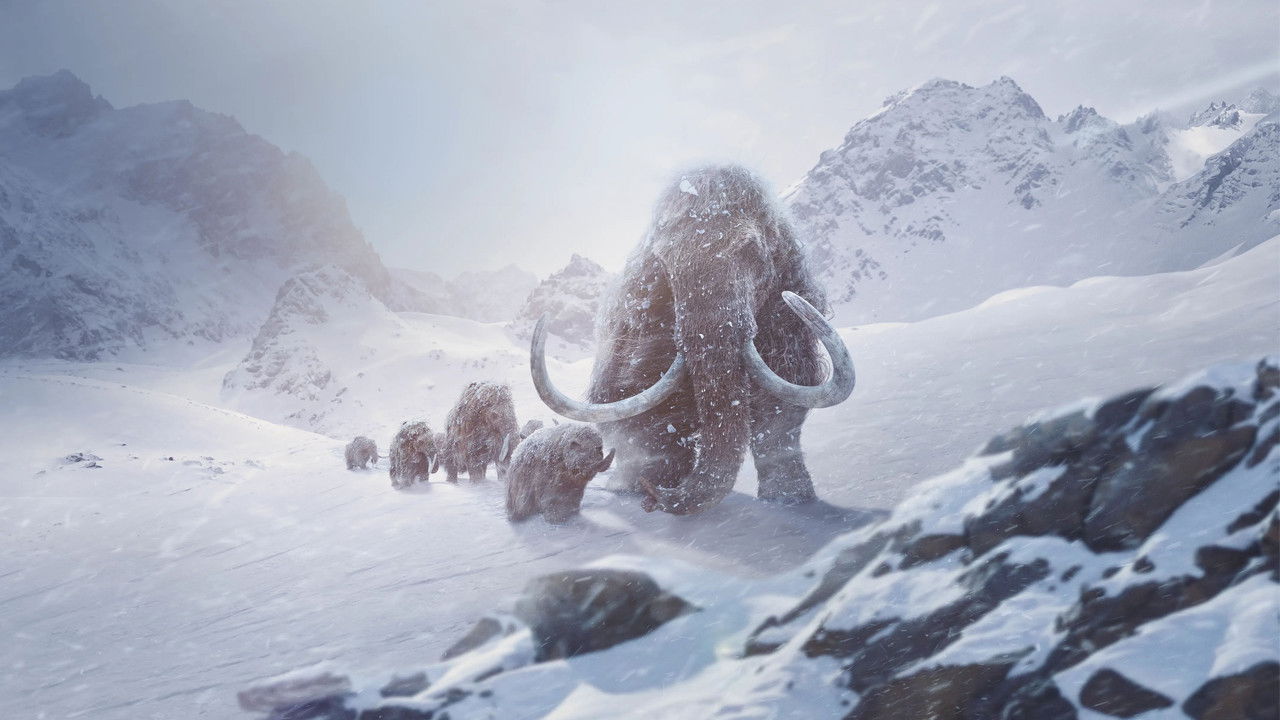
Rising temperatures mean every habitat on the planet is transforming, and for the Goliaths of the Ice Age, the world as they know it is ending.

The epic series returns with a new era.
See when new episodes air in your local time.
Source: UTC · Your timezone: America/New_York
The local release time is not available yet because this show has no schedule time.
Add or correct the official timezone, weekly air day, and air time only when you know the real source schedule. EpisodeTime uses this to convert episodes into every visitor’s local time.
Add release timeSee how viewers feel about this show before you start watching.
Scores are based on audience votes, watchlist activity, episode progress, and viewer behavior on EpisodeTime.
Browse episodes by season.
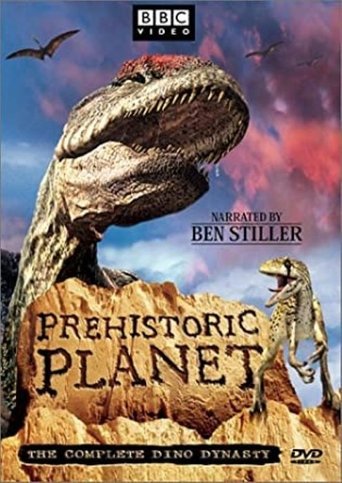
From towering woolly mammoths to elusive snow sloths, terrifying saber-toothed tigers to resilient dwarf elephants (only 3 feet tall), Prehistoric Planet: Ice Age reveals the epic struggles and unexpected stories of animals that once ruled the Ice Age. Journey through vast tundras, barren deserts, expanding grasslands and melting permafrost as these creatures battle for survival in the face of extreme climates, shifting landscapes and the onset of "The Big Freeze," and ultimately, "The Big Melt."
Rising temperatures mean every habitat on the planet is transforming, and for the Goliaths of the Ice Age, the world as they know it is ending.

Giant herd animals thrive with the expansion of the grasslands, dominating the plains—but fearsome hunters shadow their every move.
With much of the planet's water supply frozen, rock-climbing sloths and marsupial lions must find a way to withstand barren landscapes.
As sea levels drop and continents shift, animals begin migrating to unknown territories full of new possibilities—and new threats.
In a world covered in ice, woolly mammoths and saber-toothed cats fight to survive the coldest temperatures in millions of years.
--
Not many can intimidate North America's top predator, T. rex, whose size and bite are a deadly combo—except for a giant winged foe.
Deep beneath the water's surface, the world's largest predator—the Mosasaurus—lies in wait to ambush unsuspecting prey.
In a drought-stricken basin where much has perished, an old Pachycephalosaurus bull defends his leadership against a young challenger.
Trudging through a scorching desert, two young Tarchia find relief at an oasis and encounter an adult twice their size, ready to lay claim.
On a small island, a monumental display takes place as the giant Hatzegopteryx reveals his gentler side to woo a mate.
--
All good things must come to an end and that includes big hungry monster like T. Rex. But until then the dinosaurs of the late Cretaceous live out their live of eating, fighting and reproducing.
A journey through an underground cave in North America turns perilous when a young Triceratops is separated from its mother.
Within the snow-covered forest, a tense standoff develops between ancient rivals, Pachyrhinosaurus and Nanuqsaurus.
With its feathered body and duck bill, the eight-ton Deinocheirus wades through an Asian wetland in search of relief from pesky biting flies.
Above the deserts of North Africa, aerial combat ensues as male Barbaridactylus pterosaurs fight for the attention of females below.
A pregnant Tuarangisaurus is in distress—and her young calf can sense it—as she travels waters that are home to the ocean's deadliest predators.
--
Ankylosaurus was an early wielder of weaponized anatomy.
It took special skills to live alongside dinos.
Super sight, smell, and hearing helped the T.rex hunt.
Using the present to inform the past.
Prehistoric size had very few limits.
There were no frills on the frills of Triceratops.
Learn more about the secrets of Mosasaurs' underwater success.
Finding the purpose for a dome-headed dinosaur.
When it came to dino eggs, parents had to employ a safety-first approach.
Pterosaurs were rare flying reptiles that could both fly through the air and catch prey on land efficiently.
Real landscapes. Remarkable creatures. An extraordinary team. Watch how the creators of Prehistoric Planet brought this one-of-a-kind documentary to life.
A tiny pair of limbs with a big role to play.
“There is scientific evidence for deadly dinosaurs joining forces.”
“It would've looked a lot more like a really terrifying turkey.” Millions of years later, dinosaurs are still full of surprises.
Why would a flying reptile have a large and cumbersome, yet remarkable, head crest? Learn this and more about Pterosaurs in Prehistoric Planet.
They're huge, powerful...and full of surprises.
Main cast members.
Creators, directors, writers, and production crew.
Community picks and smart matches based on genre, network, country, and language.
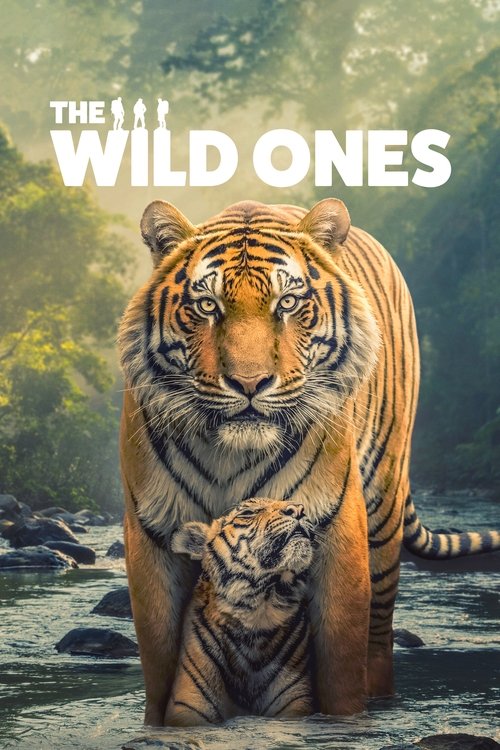
The Wild Ones
Matched by details
Knife Edge: Chasing Michelin Stars
Matched by details
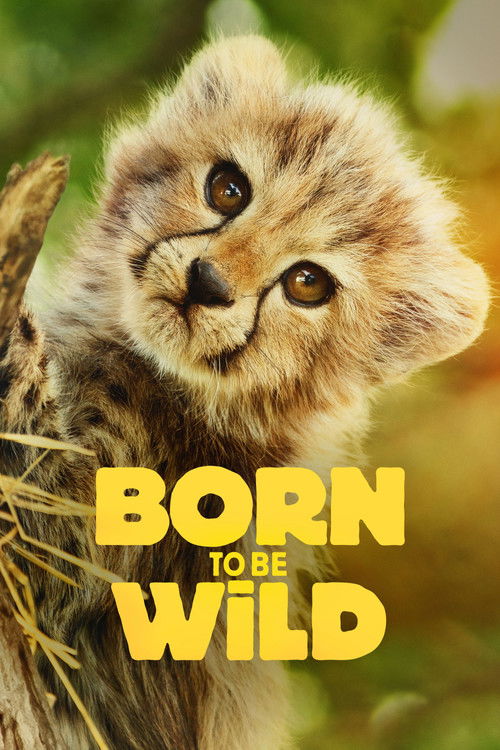
Born to Be Wild
Matched by details
The Reluctant Traveller with Eugene Levy

Matched by details
1971: The Year That Music Changed Everything

Matched by details
Becoming You
Matched by details
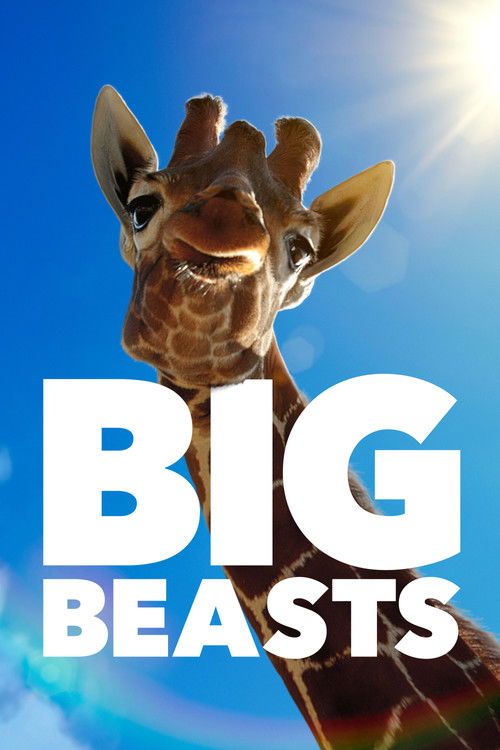
Big Beasts
Matched by details
Boom! Boom! The World vs Boris Becker
Matched by details
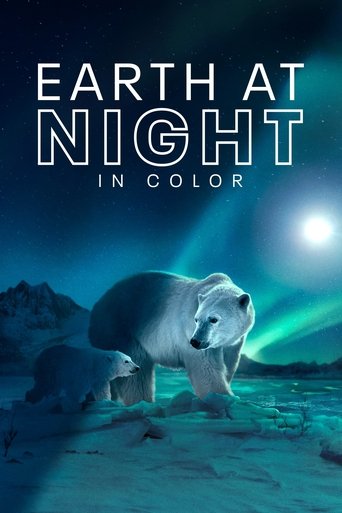
Earth at Night in Colour
Matched by details
Earthsounds
Matched by details
John Lennon: Murder Without a Trial
Matched by details
Long Way Home
Matched by details
Audience score, review cards, votes, comments, and watch activity.