Timewatch

Timewatch

Ended First aired 29/Sep/1982 United Kingdom English 64 season(s) 653 episode(s)
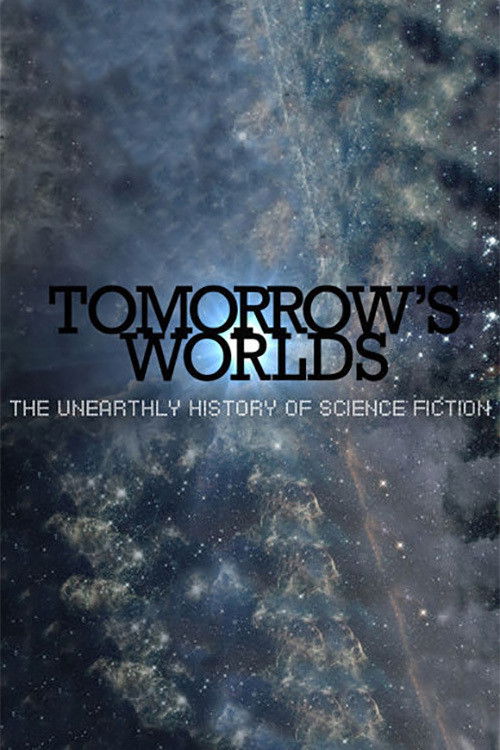
Timewatch is a long-running British television series showing documentaries on historical subjects, spanning all human history. It was first broadcast on 29 September 1982 and is produced by the BBC, the Timewatch brandname is used as a banner title in the UK, but many of the individual documentaries can be found on US cable channels without the branding.

Episode Time in Your Timezone

See when new episodes air in your local time.

Improve air time

Air Time

Source: Europe/London · Your timezone: America/New_York

When does the episode air in United States?

The episode airs in your local time New York - United States at:

4:00 PM on Tuesday

Notice: This scheduled time is based on: /9:00 PM/Europe/London/Tuesday.
Improve release time Schedule day · Air time · Original timezone

Add or correct the official timezone, weekly air day, and air time only when you know the real source schedule. EpisodeTime uses this to convert episodes into every visitor’s local time.

Add release time

Show Insights

See how viewers feel about this show before you start watching.

TimeScore 33% Skip It
Binge Meter 48% Slow Burn
Episode Pulse Quiet 40% activity score
Drop Rate 0% Very Low

Scores are based on audience votes, watchlist activity, episode progress, and viewer behavior on EpisodeTime.

Seasons & Episodes

Browse episodes by season.

Season 2017 · Season 2017
5 episode(s) · Air date: 01/Feb/2017
Improve Season
Season Overview

--

S2017E5
Explorers: Conquest and Calamity
Air date: 01/Aug/2017 · Time: 21:00 · Runtime: 60 min
Summary

For centuries the story of exploration has been packed with incredible tales of adventure, but the last fifty years has seen a dramatic shift in our attitude towards explorers.To find out how television has reflected this, Prof Fara Dabhoiwala delves into the BBC television archives, revealing that the pace of this change was faster than you would imagine. In the 1960s the BBC was still making programmes showing Christopher Columbus as an uncomplicated conquering hero. Barely a decade later, it made a documentary that delved into museum storerooms packed with artifacts brought back to Britain by Captain Cook, focusing on the perspective of the explored rather than the explorer.As the story of exploration became as much about social calamity as conquest, television has been forced to find new ways to portray explorers. By the 21st century this included everything from focusing on adventurers like Ernest Shackleton, famous not for conquest but for saving the lives of his men, to using new technology to demystify exploration by making programmes from material shot by the explorers themselves.


Summary

For centuries the story of exploration has been packed with incredible tales of adventure, but the last fifty years has seen a dramatic shift in our attitude towards explorers.To find out how television has reflected this, Prof Fara Dabhoiwala delves into the BBC television archives, revealing that the pace of this change was faster than you would imagine. In the 1960s the BBC was still making programmes showing Christopher Columbus as an uncomplicated conquering hero. Barely a decade later, it made a documentary that delved into museum storerooms packed with artifacts brought back to Britain by Captain Cook, focusing on the perspective of the explored rather than the explorer.As the story of exploration became as much about social calamity as conquest, television has been forced to find new ways to portray explorers. By the 21st century this included everything from focusing on adventurers like Ernest Shackleton, famous not for conquest but for saving the lives of his men, to using new technology to demystify exploration by making programmes from material shot by the explorers themselves.

S2017E4
Dictators and Despots
Air date: 25/Jul/2017 · Time: 21:00 · Runtime: 60 min
Summary

In recent years the world has become an unsettling place, from the mass movements of refugees to political upheaval, both in this country and abroad.Disturbingly, history shows that it's at unsettled times like this that dictators can rise - leaders who promise they can solve every problem, if only they're granted supreme power.David Olusoga examines fifty years of BBC documentary archives to try and discover why dictators can have such a powerful appeal.David uncovers the surprising optimism felt by the West towards men like Gaddafi and Mugabe early in their regimes, and examines the events that turned this optimism into horror. He questions why such men continue to fascinate us regardless of their actions, and asks whether, especially in an age of mass media, our fascination has fed their power.

Summary

In recent years the world has become an unsettling place, from the mass movements of refugees to political upheaval, both in this country and abroad.Disturbingly, history shows that it's at unsettled times like this that dictators can rise - leaders who promise they can solve every problem, if only they're granted supreme power.David Olusoga examines fifty years of BBC documentary archives to try and discover why dictators can have such a powerful appeal.David uncovers the surprising optimism felt by the West towards men like Gaddafi and Mugabe early in their regimes, and examines the events that turned this optimism into horror. He questions why such men continue to fascinate us regardless of their actions, and asks whether, especially in an age of mass media, our fascination has fed their power.

S2017E3
The Vikings: Foe or Friend?
Air date: 18/Jul/2017 · Time: 21:00 · Runtime: 60 min
Summary

On June 8th 793 Europe changed, forever. The famous monastery at Lindisfarne on the Northumbrian coast was suddenly attacked and looted by seafaring Scandinavians. The Viking Age had begun.Professor Alice Roberts examines how dramatically the story of the Vikings has changed on TV since the 1960s. She investigates how our focus has shifted from viewing them as brutal, pagan barbarians to pioneering traders, able to integrate into multiple cultures. We also discover that without their naval technology we would never have heard of the Vikings, how their huge trading empire spread, and their surprising legacy in the modern world.

Summary

On June 8th 793 Europe changed, forever. The famous monastery at Lindisfarne on the Northumbrian coast was suddenly attacked and looted by seafaring Scandinavians. The Viking Age had begun.Professor Alice Roberts examines how dramatically the story of the Vikings has changed on TV since the 1960s. She investigates how our focus has shifted from viewing them as brutal, pagan barbarians to pioneering traders, able to integrate into multiple cultures. We also discover that without their naval technology we would never have heard of the Vikings, how their huge trading empire spread, and their surprising legacy in the modern world.

S2017E2
Decoding Disaster
Air date: 13/Jul/2017 · Time: 21:00 · Runtime: 60 min
Summary

From earthquakes to tsunamis to volcanic eruptions, natural disasters are both terrifying and fascinating - providing endless fresh material for documentary makers. But how well do disaster documentaries keep pace with the scientific theories that advance every day?To try and answer that question, Professor Danielle George is plunging into five decades of BBC archive. What she uncovers provides an extraordinary insight into one of the fastest moving branches of knowledge. From the legendary loss of Atlantis to the eruption that destroyed Pompeii, Danielle reveals how film-makers have changed their approach again and again in the light of new scientific theories. While we rarely associate Britain with major natural disaster, at the end of the programme Danielle brings us close to home, exploring programmes which suggest that 400 years ago Britain was hit by a tidal wave that killed hundreds of people, and that an even bigger tsunami could threaten us again.

Summary

From earthquakes to tsunamis to volcanic eruptions, natural disasters are both terrifying and fascinating - providing endless fresh material for documentary makers. But how well do disaster documentaries keep pace with the scientific theories that advance every day?To try and answer that question, Professor Danielle George is plunging into five decades of BBC archive. What she uncovers provides an extraordinary insight into one of the fastest moving branches of knowledge. From the legendary loss of Atlantis to the eruption that destroyed Pompeii, Danielle reveals how film-makers have changed their approach again and again in the light of new scientific theories. While we rarely associate Britain with major natural disaster, at the end of the programme Danielle brings us close to home, exploring programmes which suggest that 400 years ago Britain was hit by a tidal wave that killed hundreds of people, and that an even bigger tsunami could threaten us again.

S2017E1
British Empire: Heroes and Villains
Air date: 01/Feb/2017 · Time: 21:00 · Runtime: 60 min
Summary

Less than 100 years ago, the British ruled a quarter of the planet and one in five of the global population. Once, people were proud to call themselves imperialists, but now, to many, that seems like a badge ofshame.In this Timewatch guide, David Olusoga examines not whether the British Empire was a force for good or ill, but rather how it has been portrayed on British television over the last 70 years.Drawing on decades of the documentary series Timewatch, plus many other gems from the BBC archive, David sees how Britain's Caribbean colonies grew rich on slave labour, how chaos gripped India post-independence, and how Africa was plundered for her mineral wealth.David investigates how film-makers through the years have represented the actions and legacy of Britain's period as the world's ultimate superpower. It used to be said that the sun would never set on the British Empire - now, long after it's gone, the arguments surrounding it are very far from being settled.

Summary

Less than 100 years ago, the British ruled a quarter of the planet and one in five of the global population. Once, people were proud to call themselves imperialists, but now, to many, that seems like a badge ofshame.In this Timewatch guide, David Olusoga examines not whether the British Empire was a force for good or ill, but rather how it has been portrayed on British television over the last 70 years.Drawing on decades of the documentary series Timewatch, plus many other gems from the BBC archive, David sees how Britain's Caribbean colonies grew rich on slave labour, how chaos gripped India post-independence, and how Africa was plundered for her mineral wealth.David investigates how film-makers through the years have represented the actions and legacy of Britain's period as the world's ultimate superpower. It used to be said that the sun would never set on the British Empire - now, long after it's gone, the arguments surrounding it are very far from being settled.

Season 2016 · Season 2016
7 episode(s) · Air date: 27/Jan/2016
Improve Season
Season Overview

--

S2016E7
Russia: A Century of Suspicion
Air date: 22/Nov/2016 · Time: 21:00 · Runtime: 60 min
Summary

Military historian Saul David draws on classic Timewatch documentaries and a wide range of BBC archive to examine how television has portrayed Russia through the years. At the outbreak of war in 1939, wondering whether Russia would join the fight with the Allies, Sir Winston Churchill famously described this nation as 'a riddle wrapped in a mystery inside an enigma'. These words have almost come to define Britain's view of Russia ever since; an inscrutable power that always plays by its own rules. From our trusted World War II ally to the red oppressor of the Cold War, from a potential free-market friend when Communism crumbled to a new 21st-century foe under Putin, Russia has swung from friend to foe and back again - either way, we find it incredibly hard to understand her.

Summary

Military historian Saul David draws on classic Timewatch documentaries and a wide range of BBC archive to examine how television has portrayed Russia through the years. At the outbreak of war in 1939, wondering whether Russia would join the fight with the Allies, Sir Winston Churchill famously described this nation as 'a riddle wrapped in a mystery inside an enigma'. These words have almost come to define Britain's view of Russia ever since; an inscrutable power that always plays by its own rules. From our trusted World War II ally to the red oppressor of the Cold War, from a potential free-market friend when Communism crumbled to a new 21st-century foe under Putin, Russia has swung from friend to foe and back again - either way, we find it incredibly hard to understand her.

S2016E6
Women, Sex and Society
Air date: 15/Nov/2016 · Time: 21:00 · Runtime: 60 min
Summary

We are living through one of the greatest revolutions in history. One that has changed how we live in Britain forever, and yet many of us don't even notice it is happening. This revolution is the ongoing transformation of the rights and role of women. Historian and broadcaster Helen Castor examines the fundamental shifts that have taken place in Great Britain in this Timewatch Guide to Women, Sex and Society. Drawing on the Timewatch strand through the years plus decades of BBC archive, Helen investigates how this period of tumultuous change in our culture has been documented on television. From the heroic suffragette struggle for the female vote in the early part of the last century, right through the social and sexual rebellion of the 1960s and beyond, Helen explores how change has been driven by successive waves of feminism and activism, with each wave redefining what women want.

Summary

We are living through one of the greatest revolutions in history. One that has changed how we live in Britain forever, and yet many of us don't even notice it is happening. This revolution is the ongoing transformation of the rights and role of women. Historian and broadcaster Helen Castor examines the fundamental shifts that have taken place in Great Britain in this Timewatch Guide to Women, Sex and Society. Drawing on the Timewatch strand through the years plus decades of BBC archive, Helen investigates how this period of tumultuous change in our culture has been documented on television. From the heroic suffragette struggle for the female vote in the early part of the last century, right through the social and sexual rebellion of the 1960s and beyond, Helen explores how change has been driven by successive waves of feminism and activism, with each wave redefining what women want.

S2016E5
Crime and Punishment
Air date: 08/Nov/2016 · Time: 21:00 · Runtime: 60 min
Summary

From the death penalty, to laws against homosexuality, Britain's criminal justice system has undergone momentous change in the last 70 years.In this Timewatch guide to Crime and Punishment, presenter Gabriel Weston examines how television has played a crucial role in documenting these seismic shifts in British law and policing.Looking back through the Timewatch back catalogue of documentaries and a host of BBC archive rarities, Gabriel discovers how historians and filmmakers have not only chronicled these profound changes in law but also managed to shape public opinion.By highlighting miscarriages of justice, like that of the wrongful imprisonment of the Birmingham Six, or by shining a spotlight on other issues of corruption and damning flaws in police procedures, Gabriel finds that television actually became a powerful agent for change.

Summary

From the death penalty, to laws against homosexuality, Britain's criminal justice system has undergone momentous change in the last 70 years.In this Timewatch guide to Crime and Punishment, presenter Gabriel Weston examines how television has played a crucial role in documenting these seismic shifts in British law and policing.Looking back through the Timewatch back catalogue of documentaries and a host of BBC archive rarities, Gabriel discovers how historians and filmmakers have not only chronicled these profound changes in law but also managed to shape public opinion.By highlighting miscarriages of justice, like that of the wrongful imprisonment of the Birmingham Six, or by shining a spotlight on other issues of corruption and damning flaws in police procedures, Gabriel finds that television actually became a powerful agent for change.

S2016E4
World War Two
Air date: 25/Feb/2016 · Time: 21:00 · Runtime: 60 min
Summary

Professor Saul David uses the BBC archive to chart the history of the world's most destructive war, by chronicling how the story of the battle has changed. As new information has come to light, and forgotten stories are remembered, the history of World War Two evolves. The BBC has followed that evolution, and this programme examines the most important stories, and how our understanding of them has been re-defined since the war ended over 70 years ago.

Summary

Professor Saul David uses the BBC archive to chart the history of the world's most destructive war, by chronicling how the story of the battle has changed. As new information has come to light, and forgotten stories are remembered, the history of World War Two evolves. The BBC has followed that evolution, and this programme examines the most important stories, and how our understanding of them has been re-defined since the war ended over 70 years ago.

S2016E3
Queen Elizabeth I
Air date: 10/Feb/2016 · Time: 21:00 · Runtime: 60 min
Summary

Vanessa Collingridge examines the life of Elizabeth Tudor, with particular interest in how documentary television and the BBC has examined her legacy and interrogated her reign. Using Timewatch and other BBC archive stretching back over 60 years, Vanessa looks at her upbringing, her conflicts with her enemies including Mary, Queen of Scots, and her greatest victory against the Spanish Armada. The programme seeks to understand how Elizabeth I created a legacy that we still live with today, and examines how that legacy has changed over the centuries.

Summary

Vanessa Collingridge examines the life of Elizabeth Tudor, with particular interest in how documentary television and the BBC has examined her legacy and interrogated her reign. Using Timewatch and other BBC archive stretching back over 60 years, Vanessa looks at her upbringing, her conflicts with her enemies including Mary, Queen of Scots, and her greatest victory against the Spanish Armada. The programme seeks to understand how Elizabeth I created a legacy that we still live with today, and examines how that legacy has changed over the centuries.

S2016E2
The Crusades
Air date: 03/Feb/2016 · Time: 21:00 · Runtime: 60 min
Summary

Historian Dr. Thomas Asbridge explores the BBC's archive to reveal how television's telling of the Crusades has changed over the last 60 years. Using footage from Crusade documentaries shot during the Vietnam era, the Palestinian Crisis, the First Gulf War and the more recent War on Terror, he reveals how our interpretation of this medieval story has been influenced by modern political and social change. Thomas highlights the alternative Arabic perspectives on the Crusades, and asks whether this 1,000-year-old story really does cast its long shadow over the modern world, as so many have claimed.

Summary

Historian Dr. Thomas Asbridge explores the BBC's archive to reveal how television's telling of the Crusades has changed over the last 60 years. Using footage from Crusade documentaries shot during the Vietnam era, the Palestinian Crisis, the First Gulf War and the more recent War on Terror, he reveals how our interpretation of this medieval story has been influenced by modern political and social change. Thomas highlights the alternative Arabic perspectives on the Crusades, and asks whether this 1,000-year-old story really does cast its long shadow over the modern world, as so many have claimed.

S2016E1
Stonehenge
Air date: 27/Jan/2016 · Time: 21:00 · Runtime: 60 min
Summary

Using 70 years of BBC history archive film, Professor Alice Roberts uncovers how the iconic ancient monument of Stonehenge has been interpreted, argued over and debated by some of Britain's leading historians and archaeologists. She reveals how new discoveries would discredit old theories, how astronomers and geologists became involved in the story and why, even after centuries of study, there's still no definitive answer to the mystery of Stonehenge.

Summary

Using 70 years of BBC history archive film, Professor Alice Roberts uncovers how the iconic ancient monument of Stonehenge has been interpreted, argued over and debated by some of Britain's leading historians and archaeologists. She reveals how new discoveries would discredit old theories, how astronomers and geologists became involved in the story and why, even after centuries of study, there's still no definitive answer to the mystery of Stonehenge.

Season 2015 · Season 2015
3 episode(s) · Air date: 03/Feb/2015
Improve Season
Season Overview

--

S2015E3
Roman Britain
Air date: 17/Feb/2015 · Time: 21:00 · Runtime: 60 min
Summary

Using 50 years of BBC history archive film, Dr Alice Roberts explores how our views and understanding of Roman Britain have changed and evolved over the decades.Along the way she investigates a diverse range of subjects from the Roman invasion, through Hadrian's Wall, the Vindolanda tablets and the eventual collapse of Roman rule. Drawing on the work of archaeologists and historians throughout the decades, Alice uncovers how and why our views of this much-loved period of our history have forever been in flux.

Summary

Using 50 years of BBC history archive film, Dr Alice Roberts explores how our views and understanding of Roman Britain have changed and evolved over the decades.Along the way she investigates a diverse range of subjects from the Roman invasion, through Hadrian's Wall, the Vindolanda tablets and the eventual collapse of Roman rule. Drawing on the work of archaeologists and historians throughout the decades, Alice uncovers how and why our views of this much-loved period of our history have forever been in flux.

S2015E2
Cleopatra
Air date: 10/Feb/2015 · Time: 21:00 · Runtime: 60 min
Summary

Using the BBC film archives, historian Vanessa Collinridge explores how our view of Cleopatra has changed and evolved over the years - from Roman propaganda, through Shakespeare's role in casting her as a doomed romantic heroine, to her portrayal in the golden age of Hollywood.

Summary

Using the BBC film archives, historian Vanessa Collinridge explores how our view of Cleopatra has changed and evolved over the years - from Roman propaganda, through Shakespeare's role in casting her as a doomed romantic heroine, to her portrayal in the golden age of Hollywood.

S2015E1
The Mary Rose
Air date: 03/Feb/2015 · Time: 21:00 · Runtime: 60 min
Summary

Historian Dan Snow explores the greatest maritime archaeology project in British history - the Mary Rose. Using 40 years of BBC archive footage Dan charts how the Mary Rose was discovered, excavated and eventually raised, and what the latest research has revealed about this iconic ship and her crew. Dan also investigates how the Mary Rose project helped create modern underwater archaeology, examining the techniques, challenges and triumphs of the divers and archaeologists involved.

Summary

Historian Dan Snow explores the greatest maritime archaeology project in British history - the Mary Rose. Using 40 years of BBC archive footage Dan charts how the Mary Rose was discovered, excavated and eventually raised, and what the latest research has revealed about this iconic ship and her crew. Dan also investigates how the Mary Rose project helped create modern underwater archaeology, examining the techniques, challenges and triumphs of the divers and archaeologists involved.

Season 2011 · Season 2011
4 episode(s) · Air date: 25/Oct/2011
Improve Season
Season Overview

--

S2011E4
Double Agent: The Eddie Chapman Story
Air date: 15/Nov/2011 · Time: 21:00 · Runtime: 60 min
Summary

Following on from his documentary Operation Mincemeat, based on his book of the same name, writer and presenter Ben MacIntyre returns to the small screen to bring to life his other bestselling book - Agent Zigzag.As part of the Timewatch series, MacIntyre reveals the gripping true story of Britain's most extraordinary wartime double agent, Eddie Chapman. A notorious safe-breaker before the war, Chapman duped the Germans so successfully that he was awarded their highest decoration, the Iron Cross. He remains the only British citizen ever to win one.Including remarkable and newly discovered footage from an interview Chapman gave three years before his death in 1997, the programme goes on the trail of one of Britain's most unlikely heroes - a story of adventure, love, intrigue and astonishing courage.

Summary

Following on from his documentary Operation Mincemeat, based on his book of the same name, writer and presenter Ben MacIntyre returns to the small screen to bring to life his other bestselling book - Agent Zigzag.As part of the Timewatch series, MacIntyre reveals the gripping true story of Britain's most extraordinary wartime double agent, Eddie Chapman. A notorious safe-breaker before the war, Chapman duped the Germans so successfully that he was awarded their highest decoration, the Iron Cross. He remains the only British citizen ever to win one.Including remarkable and newly discovered footage from an interview Chapman gave three years before his death in 1997, the programme goes on the trail of one of Britain's most unlikely heroes - a story of adventure, love, intrigue and astonishing courage.

S2011E3
Dam Busters: The Race to Smash the German Dams
Air date: 08/Nov/2011 · Time: 21:00 · Runtime: 60 min
Summary

James Holland presents an analysis of the legendary 1943 Dam Busters raid, a low-level night mission that took 19 Lancaster bombers deep into the heart of enemy territory to destroy German dams with a brand newweapon - the bouncing bomb.

Summary

James Holland presents an analysis of the legendary 1943 Dam Busters raid, a low-level night mission that took 19 Lancaster bombers deep into the heart of enemy territory to destroy German dams with a brand newweapon - the bouncing bomb.

S2011E1
Code Breakers: Bletchley Park's Lost Heroes
Air date: 25/Oct/2011 · Time: 21:00 · Runtime: 60 min
Summary

Documentary that reveals the secret story behind one of the greatest intellectual feats of World War II, a feat that gave birth to the digital age. In 1943, a 24-year-old maths student and a GPO engineercombined to hack into Hitler's personal super-code machine - not Enigma but an even tougher system, which he called his 'secrets writer'. Their break turned the Battle of Kursk, powered the D-day landings and orchestrated the end of the conflict in Europe. But it was also to be used during the Cold War - which meant both men's achievements were hushed up and never officially recognised.

Summary

Documentary that reveals the secret story behind one of the greatest intellectual feats of World War II, a feat that gave birth to the digital age. In 1943, a 24-year-old maths student and a GPO engineercombined to hack into Hitler's personal super-code machine - not Enigma but an even tougher system, which he called his 'secrets writer'. Their break turned the Battle of Kursk, powered the D-day landings and orchestrated the end of the conflict in Europe. But it was also to be used during the Cold War - which meant both men's achievements were hushed up and never officially recognised.

Season 2010 · Season 2010
1 episode(s) · Air date: 10/Jun/2010
Improve Season
Season Overview

--

S2010E1
Atlantis: The Evidence
Air date: 10/Jun/2010 · Time: 21:00 · Runtime: 60 min
Summary

Historian Bettany Hughes unravels one of the most intriguing mysteries of all time. She presents a series of geological, archaeological and historical clues to show that the legend of Atlantis was inspired by a real historical event, the greatest natural disaster of the ancient world.

Summary

Historian Bettany Hughes unravels one of the most intriguing mysteries of all time. She presents a series of geological, archaeological and historical clues to show that the legend of Atlantis was inspired by a real historical event, the greatest natural disaster of the ancient world.

Season 2009 · Season 2009
9 episode(s) · Air date: 21/Feb/2009
Improve Season
Season Overview

--

S2009E6
Pyramid - The Last Secret
Air date: 28/Mar/2009 · Time: 21:00 · Runtime: 60 min
Summary

For centuries archaeologists have been trying to work out how the ancient Egyptians raised huge stone blocks to the top of the Great Pyramid.This documentary presents a radical theory by French architect Jean-Pierre Houdin. He believes that an internal ramp was used, which is still inside the Pyramid waiting to be discovered. If he is right, it is the greatest discovery since Tutankhamun.

Summary

For centuries archaeologists have been trying to work out how the ancient Egyptians raised huge stone blocks to the top of the Great Pyramid.This documentary presents a radical theory by French architect Jean-Pierre Houdin. He believes that an internal ramp was used, which is still inside the Pyramid waiting to be discovered. If he is right, it is the greatest discovery since Tutankhamun.

S2009E5
WWI Aces Falling
Air date: 21/Mar/2009 · Time: 21:00 · Runtime: 60 min
Summary

Edward Mannock VC and James McCudden VC rose from modest backgrounds to become two of Britain's greatest fighter aces in World War One.As the number of their victories grew, so did their chances of dying inflames. Timewatch tells the story of their battle to survive against the odds, and of the 90-year-old mystery surrounding the death of one of them.

Summary

Edward Mannock VC and James McCudden VC rose from modest backgrounds to become two of Britain's greatest fighter aces in World War One.As the number of their victories grew, so did their chances of dying inflames. Timewatch tells the story of their battle to survive against the odds, and of the 90-year-old mystery surrounding the death of one of them.

S2009E3
The Real Bonnie and Clyde
Air date: 07/Mar/2009 · Time: 21:00 · Runtime: 60 min
Summary

Hollywood portrayed them as the most glamorous outlaws in American history, but the reality of life on the run for Bonnie and Clyde was one of violence, hardship and danger.With unprecedented access to gang members' memoirs, family archives and recently released police records, Timewatch takes an epic road trip through the heart of Depression-era America, in search of the true story of Bonnie and Clyde.

Summary

Hollywood portrayed them as the most glamorous outlaws in American history, but the reality of life on the run for Bonnie and Clyde was one of violence, hardship and danger.With unprecedented access to gang members' memoirs, family archives and recently released police records, Timewatch takes an epic road trip through the heart of Depression-era America, in search of the true story of Bonnie and Clyde.

Season 2008 · Season 2008
11 episode(s) · Air date: 05/Jan/2008
Improve Season
Season Overview

--

S2008E11
The Last Day of World War One
Air date: 01/Nov/2008 · Time: 21:00 · Runtime: 60 min
Summary

Michael Palin tells the story of how the First World War ended on 11th November 1918 and reveals the shocking truth that soldiers continued to be killed in battle for many hours after the armistice had beensigned. Recounting the events of the days and hours leading up to that last morning, Palin tells the personal stories of the last soldiers to die as the minutes and seconds ticked away to the 11 o'clock ceasefire.

Summary

Michael Palin tells the story of how the First World War ended on 11th November 1918 and reveals the shocking truth that soldiers continued to be killed in battle for many hours after the armistice had beensigned. Recounting the events of the days and hours leading up to that last morning, Palin tells the personal stories of the last soldiers to die as the minutes and seconds ticked away to the 11 o'clock ceasefire.

S2008E10
Young Victoria
Air date: 18/Oct/2008 · Time: 21:00 · Runtime: 60 min
Summary

Kate Williams tells the story of how an unassuming little girl rose to be the most powerful woman in the world. At her birth few believed Princess Victoria would ascend the throne, but a number of untimelydeaths and the failure of her uncles to father any children meant that Victoria became heiress to the British throne. The battle between her and her mother the Duchess of Kent, however, was to become a fierce maternal struggle, as the duchess schemed to share in the power and riches that would one day be Victoria's.

Summary

Kate Williams tells the story of how an unassuming little girl rose to be the most powerful woman in the world. At her birth few believed Princess Victoria would ascend the throne, but a number of untimelydeaths and the failure of her uncles to father any children meant that Victoria became heiress to the British throne. The battle between her and her mother the Duchess of Kent, however, was to become a fierce maternal struggle, as the duchess schemed to share in the power and riches that would one day be Victoria's.

S2008E7
Stonehenge: The Healing Stones
Air date: 27/Sep/2008 · Time: 21:00 · Runtime: 60 min
Summary

An investigation into a radical theory that Stonehenge, far from being a place of burial as is commonly assumed, was in fact a place of healing - a Bronze Age Lourdes. The investigation takes in forensictesting of bones excavated over the past decades and hard-won permission for the first dig in 50 years at the Henge, watched live online by millions of viewers around the world. Does the theory of the healing stones bear up to modern-day forensic science?

Summary

An investigation into a radical theory that Stonehenge, far from being a place of burial as is commonly assumed, was in fact a place of healing - a Bronze Age Lourdes. The investigation takes in forensictesting of bones excavated over the past decades and hard-won permission for the first dig in 50 years at the Henge, watched live online by millions of viewers around the world. Does the theory of the healing stones bear up to modern-day forensic science?

S2008E2
Bloody Omaha
Air date: 06/Jan/2008 · Time: 21:00 · Runtime: 60 min
Summary

Researchers and historians are still arguing about why Omaha Beach was the hardest beach to capture in the D-day landings. Presenter Richard Hammond analyses the latest theories with Dr. Simon Trew of the Royal Military Academy, Sandhurst.

Summary

Researchers and historians are still arguing about why Omaha Beach was the hardest beach to capture in the D-day landings. Presenter Richard Hammond analyses the latest theories with Dr. Simon Trew of the Royal Military Academy, Sandhurst.

Season 2007 · Season 2007
12 episode(s) · Air date: 05/Jan/2007
Improve Season
Season Overview

--

S2007E12
The People's Coronation
Air date: 18/May/2007 · Time: 21:00 · Runtime: 60 min
Summary

The coronation of Queen Elizabeth II on 2nd June 1953 was the greatest spectacle ever staged in Britain. Three million people lined the streets in London, 20 million people watched it on TV, and 17million people clubbed together to hold coronation parties. Told by the people who watched, shaped and recorded it, this Timewatch celebrates the coronation that was to mark the birth of a new Elizabethan Age.

Summary

The coronation of Queen Elizabeth II on 2nd June 1953 was the greatest spectacle ever staged in Britain. Three million people lined the streets in London, 20 million people watched it on TV, and 17million people clubbed together to hold coronation parties. Told by the people who watched, shaped and recorded it, this Timewatch celebrates the coronation that was to mark the birth of a new Elizabethan Age.

S2007E11
Gladiator Graveyard
Air date: 11/May/2007 · Time: 21:00 · Runtime: 60 min
Summary

Documentary exploring the history of gladiators. Based on a study of thousands of bones found in a mass grave in Turkey, two forensic anthropologists reveal their scientific findings, helping to explain how gladiators lived, fought and died.

Summary

Documentary exploring the history of gladiators. Based on a study of thousands of bones found in a mass grave in Turkey, two forensic anthropologists reveal their scientific findings, helping to explain how gladiators lived, fought and died.

S2007E9
The Hidden Children
Air date: 16/Apr/2007 · Time: 21:00 · Runtime: 60 min
Summary

Documentary telling the stories of four children secretly hidden in France to avoid deportation to concentration camps during World War II. Award-winning director Jonathan Hacker accompanies these four survivors to their former hiding places of sixty years ago.

Summary

Documentary telling the stories of four children secretly hidden in France to avoid deportation to concentration camps during World War II. Award-winning director Jonathan Hacker accompanies these four survivors to their former hiding places of sixty years ago.

S2007E4
Hadrian's Wall
Air date: 26/Jan/2007 · Time: 21:00 · Runtime: 60 min
Summary

It is unique in the Roman World. A spectacular and complex stone barrier measuring 74 miles long, and up to 15 feet high and 10 feet thick. For 300 years Hadrian's Wall stood as the Roman Empire's most imposing frontier and one of the unsung wonders of the ancient world.Almost 2,000 years after it was built, Hadrian's Wall is proving to be a magical time capsule - a window into the human past. Archaeologists have properly excavated less than 1per cent of it, but they have unearthed extraordinary findings. With presenter Julian Richards Timewatch journeys back through time to unlock the secrets of a lost world.

Summary

It is unique in the Roman World. A spectacular and complex stone barrier measuring 74 miles long, and up to 15 feet high and 10 feet thick. For 300 years Hadrian's Wall stood as the Roman Empire's most imposing frontier and one of the unsung wonders of the ancient world.Almost 2,000 years after it was built, Hadrian's Wall is proving to be a magical time capsule - a window into the human past. Archaeologists have properly excavated less than 1per cent of it, but they have unearthed extraordinary findings. With presenter Julian Richards Timewatch journeys back through time to unlock the secrets of a lost world.

Season 2006 · Season 2006
12 episode(s) · Air date: 20/Jan/2006
Improve Season
Season Overview

--

S2006E12
The Princess Spy
Air date: 19/May/2006 · Time: 21:00 · Runtime: 60 min
Summary

Documentary about Noor Inayat Khan, who in 1943 became the first woman wireless operator to be sent into war-torn France. It was the most dangerous job in SOE, Churchill's secret army, and she was not expected to survive long.The daughter of an Indian mystic and a writer of children's stories in pre-war Paris, she was a curious choice for a secret agent, but became London's vital link with Nazi-occupied Paris. Betrayed, captured and tortured, Noor revealed nothing before she was executed. She was awarded the George Cross for her bravery.

Summary

Documentary about Noor Inayat Khan, who in 1943 became the first woman wireless operator to be sent into war-torn France. It was the most dangerous job in SOE, Churchill's secret army, and she was not expected to survive long.The daughter of an Indian mystic and a writer of children's stories in pre-war Paris, she was a curious choice for a secret agent, but became London's vital link with Nazi-occupied Paris. Betrayed, captured and tortured, Noor revealed nothing before she was executed. She was awarded the George Cross for her bravery.

S2006E6
The Secret History of Genghis Khan
Air date: 10/Mar/2006 · Time: 21:00 · Runtime: 60 min
Summary

Documentary looking at the Secret History of the Mongols, said to have been written by Genghis Khan's adopted son, which reveals a very different man to the brutal butcher of Western legend. Not just awomaniser, but a devoted husband. Not just a warrior, but a politician. Not just a conqueror, but a legislator. A man who wanted the lessons he had learnt - good and bad - to be passed onto his successors. Within its pages lies the inside story of how an illiterate nomad inspired his successors to conquer the largest land empire the world has ever seen.

Summary

Documentary looking at the Secret History of the Mongols, said to have been written by Genghis Khan's adopted son, which reveals a very different man to the brutal butcher of Western legend. Not just awomaniser, but a devoted husband. Not just a warrior, but a politician. Not just a conqueror, but a legislator. A man who wanted the lessons he had learnt - good and bad - to be passed onto his successors. Within its pages lies the inside story of how an illiterate nomad inspired his successors to conquer the largest land empire the world has ever seen.

S2006E1
The Bog Bodies
Air date: 20/Jan/2006 · Time: 21:00 · Runtime: 60 min
Summary

Two crimes committed many years in the past are examined by a team of scientists. The victims are Bog Bodies - Celts perfectly preserved by the peat bog in which they had been buried. Timewatch was grantedexclusive access to film the entire investigation, and this compelling film follows the archaeologists as they establish who these men were, when they lived - and how they died.

Summary

Two crimes committed many years in the past are examined by a team of scientists. The victims are Bog Bodies - Celts perfectly preserved by the peat bog in which they had been buried. Timewatch was grantedexclusive access to film the entire investigation, and this compelling film follows the archaeologists as they establish who these men were, when they lived - and how they died.

Season 2005 · Season 2005
12 episode(s) · Air date: 29/Jan/2005
Improve Season
Season Overview

--

S2005E12
Inside the Mind of Adolf Hitler
Air date: 25/Nov/2005 · Time: 21:00 · Runtime: 60 min
Summary

Documentary which looks at how, during WWII, the Americans tried to get inside the mind of Hitler by ordering a team of Harvard psychologists to draw up a profile of him.

Summary

Documentary which looks at how, during WWII, the Americans tried to get inside the mind of Hitler by ordering a team of Harvard psychologists to draw up a profile of him.

S2005E7
The Year without Summer
Air date: 27/May/2005 · Time: 21:00 · Runtime: 60 min
Summary

Two experts try to piece together how the biggest volcanic eruption ever recorded, at Mount Tambora in eastern Indonesia in 1815, brought about worldwide climate change and altered the lives of hundreds of thousands of people.

Summary

Two experts try to piece together how the biggest volcanic eruption ever recorded, at Mount Tambora in eastern Indonesia in 1815, brought about worldwide climate change and altered the lives of hundreds of thousands of people.

S2005E6
Britain's Lost Colosseum
Air date: 20/May/2005 · Time: 21:00 · Runtime: 60 min
Summary

The Romans loved their bloody spectacles with gladiators and wild beasts, so they built amphitheatres all over their empire. In Britain there were at least 25 and the largest was in Chester, a fortress city ofhuge importance. What exactly did it look like and was it built by Emperor Vespasian, the man who built the Colosseum in Rome?

Summary

The Romans loved their bloody spectacles with gladiators and wild beasts, so they built amphitheatres all over their empire. In Britain there were at least 25 and the largest was in Chester, a fortress city ofhuge importance. What exactly did it look like and was it built by Emperor Vespasian, the man who built the Colosseum in Rome?

S2005E5
The Killer Wave of 1607
Air date: 02/Apr/2005 · Time: 21:00 · Runtime: 60 min
Summary

At 9am on 20 January 1607, a massive wave devastated the counties of the Bristol Channel. It came without warning, sweeping all before it. The flooding stretched inland as far as the Glastonbury Tor. Twohundred square miles of Somerset, Devon, Glamorganshire and Monmouthshire were inundated. Up to 2,000 people died. Yet for 400 years, the killer wave of 1607 has been forgotten. Timewatch relives the terror and the human tragedy of 1607 and follows the research of two scientists who are increasingly convinced that the wave was not simply a freak storm but a tsunami.

Summary

At 9am on 20 January 1607, a massive wave devastated the counties of the Bristol Channel. It came without warning, sweeping all before it. The flooding stretched inland as far as the Glastonbury Tor. Twohundred square miles of Somerset, Devon, Glamorganshire and Monmouthshire were inundated. Up to 2,000 people died. Yet for 400 years, the killer wave of 1607 has been forgotten. Timewatch relives the terror and the human tragedy of 1607 and follows the research of two scientists who are increasingly convinced that the wave was not simply a freak storm but a tsunami.

Season 2004 · Season 2004
11 episode(s) · Air date: 09/Jan/2004
Improve Season
Season Overview

--

S2004E11
Julius Caesar's Greatest Battle
Air date: 05/Nov/2004 · Time: 21:00 · Runtime: 60 min
Summary

Exploring the crucial battle of Julius Caesar's bloody campaign to conquer Gaul in 52BC, where Caesar fought the Gaul leader Vercingetorix in one of the greatest sieges in history.

Summary

Exploring the crucial battle of Julius Caesar's bloody campaign to conquer Gaul in 52BC, where Caesar fought the Gaul leader Vercingetorix in one of the greatest sieges in history.

S2004E9
The Black Pharaohs
Air date: 22/Oct/2004 · Time: 21:00 · Runtime: 60 min
Summary

Documentary telling the story of the Black African Kingdom of Kush and its battles with ancient Egypt for supremacy of the Nile Valley. The kings of Kush ruled Egypt for 100 years and became the most powerfulemperors of the ancient world. Though archaeologists were convinced Kush's influence had been underestimated, they had lacked proof until the recent discovery of an inscription in a tomb that tells of an invasion by a Kushite army.

Summary

Documentary telling the story of the Black African Kingdom of Kush and its battles with ancient Egypt for supremacy of the Nile Valley. The kings of Kush ruled Egypt for 100 years and became the most powerfulemperors of the ancient world. Though archaeologists were convinced Kush's influence had been underestimated, they had lacked proof until the recent discovery of an inscription in a tomb that tells of an invasion by a Kushite army.

S2004E7
The Lost Heroes
Air date: 08/Oct/2004 · Time: 21:00 · Runtime: 60 min
Summary

On 11 September, 1943, a small team of men set out on what official records described as 'the most daring attack of the Second World War'. The secret mission pitted just a handful of Britishvolunteers against an enemy several thousand strong. Crammed into four-man midget submarines, they battled for eleven days across treacherous Arctic seas. Their objective - an impregnable Norwegian fjord holding a foe one thousand four hundred times their size. The battleship Hitler called 'the Beast' - Tirpitz.

Summary

On 11 September, 1943, a small team of men set out on what official records described as 'the most daring attack of the Second World War'. The secret mission pitted just a handful of Britishvolunteers against an enemy several thousand strong. Crammed into four-man midget submarines, they battled for eleven days across treacherous Arctic seas. Their objective - an impregnable Norwegian fjord holding a foe one thousand four hundred times their size. The battleship Hitler called 'the Beast' - Tirpitz.

Season 2003 · Season 2003
13 episode(s) · Air date: 10/Jan/2003
Improve Season
Season Overview

--

Season 2002 · Season 2002
12 episode(s) · Air date: 04/Jan/2002
Improve Season
Season Overview

--

S2002E1
The Making of Adolf Hitler
Air date: 04/Jan/2002 · Time: 21:00 · Runtime: 60 min
Summary

Documentary about the much-debated first 30 years of Adolf Hitler's life, challenging the spurious facts asserted in his autobiography. Recent revelations suggest that Hitler was desperate to conceal a platonicaffair with a woman thought to be of Jewish origin, a year spent sleeping rough under Viennese bridges, and his impotent relations with women. Plus the evidence for and against Hitler's homosexuality.

Summary

Documentary about the much-debated first 30 years of Adolf Hitler's life, challenging the spurious facts asserted in his autobiography. Recent revelations suggest that Hitler was desperate to conceal a platonicaffair with a woman thought to be of Jewish origin, a year spent sleeping rough under Viennese bridges, and his impotent relations with women. Plus the evidence for and against Hitler's homosexuality.

Season 2001 · Season 2001
12 episode(s) · Air date: 12/Jan/2001
Improve Season
Season Overview

--

S2001E11
Roman Soldiers to Be
Air date: 08/Jun/2001 · Time: 21:00 · Runtime: 60 min
Summary

Following guidelines described by the ancient author Vegetius nearly 2000 years ago, and supervised by historian Kate Gilliver, nine volunteers must learn from scratch to endure the harsh regime of the Romanarmy. The Roman army's success was founded on its superlative training and its discipline on the field of battle. The importance of being able to act as a unit is discussed, as are formations, amongst them the famous 'testudo', which is demonstrated.

Summary

Following guidelines described by the ancient author Vegetius nearly 2000 years ago, and supervised by historian Kate Gilliver, nine volunteers must learn from scratch to endure the harsh regime of the Romanarmy. The Roman army's success was founded on its superlative training and its discipline on the field of battle. The importance of being able to act as a unit is discussed, as are formations, amongst them the famous 'testudo', which is demonstrated.

S2001E1
The Empire State Story
Air date: 12/Jan/2001 · Time: 21:00 · Runtime: 60 min
Summary

First transmitted in 2001, this programme chronicles the construction of the Empire State Building in New York, which was the world's tallest skyscraper when opened in 1931. The programme investigates thebuilding's history through interviews with the people who contributed to the construction of this iconic building.

Summary

First transmitted in 2001, this programme chronicles the construction of the Empire State Building in New York, which was the world's tallest skyscraper when opened in 1931. The programme investigates thebuilding's history through interviews with the people who contributed to the construction of this iconic building.

Season 2000 · Season 2000
2 episode(s) · Air date: 08/Jan/2000
Improve Season
Season Overview

--

Season 1999 · Season 1999
12 episode(s) · Air date: 17/Apr/1999
Improve Season
Season Overview

--

S1999E6
Before the Titanic
Air date: 29/May/1999 · Time: 20:20 · Runtime: 60 min
Summary

The story of the collision between two passenger liners, "Florida" and "Republic", in the North Atlantic in 1909. The stricken ships became dependent for rescue on the Marconi wireless onboard "Republic" - and its operator Jack Binns.

Summary

The story of the collision between two passenger liners, "Florida" and "Republic", in the North Atlantic in 1909. The stricken ships became dependent for rescue on the Marconi wireless onboard "Republic" - and its operator Jack Binns.

Season 1998 · Season 1998
12 episode(s) · Air date: 07/Apr/1998
Improve Season
Season Overview

--

S1998E6
Aborigine - A Collision of Conscience
Air date: 12/May/1998 · Time: 21:35 · Runtime: 60 min
Summary

As the Aborigine people fight for their land rights, Australia's historians are discovering surprising stories from the archives. Darwinism, eugenics, breeding, exile and more have been tried to obtain white racial purity.

Summary

As the Aborigine people fight for their land rights, Australia's historians are discovering surprising stories from the archives. Darwinism, eugenics, breeding, exile and more have been tried to obtain white racial purity.

S1998E1
Hitler and the Invasion of Britain
Air date: 07/Apr/1998 · Time: 21:30 · Runtime: 60 min
Summary

Timewatch examines the build up to the Battle of Britain, and also considers new historical evidence supporting the idea that Hitler had already changed his plans by the time the battle had been won.

Summary

Timewatch examines the build up to the Battle of Britain, and also considers new historical evidence supporting the idea that Hitler had already changed his plans by the time the battle had been won.

Season 1997 · Season 1997
15 episode(s) · Air date: 25/Feb/1997
Improve Season
Season Overview

--

S1997E10
Alison: A Personal History
Air date: 11/Nov/1997 · Time: 21:00 · Runtime: 60 min
Summary

Alison French became a household name when the BBC filmed her wedding in 1987. Disabled from birth due to cerebral palsy, ten years on she offers more insight into her life.

Summary

Alison French became a household name when the BBC filmed her wedding in 1987. Disabled from birth due to cerebral palsy, ten years on she offers more insight into her life.

Season 1996 · Season 1996
13 episode(s) · Air date: 14/Jan/1996
Improve Season
Season Overview

--

S1996E9
Gold Rush Memories
Air date: 24/Sep/1996 · Time: 21:00 · Runtime: 60 min
Summary

Documentary following the story of Will White, an amateur prospector who joined the stampede to the Klondike River for the Gold Rush.

Summary

Documentary following the story of Will White, an amateur prospector who joined the stampede to the Klondike River for the Gold Rush.

Season 1995 · Season 1995
12 episode(s) · Air date: 11/Jan/1995
Improve Season
Season Overview

--

S1995E12
Tanks - Wonder Weapon of WWI?
Air date: 12/Nov/1995 · Time: 19:20 · Runtime: 60 min
Summary

A look at the effect of the tank on the First World War and how it was used as a propaganda weapon. Veterans contribute stories and experts put their arguments across.

Summary

A look at the effect of the tank on the First World War and how it was used as a propaganda weapon. Veterans contribute stories and experts put their arguments across.

Season 1994 · Season 1994
13 episode(s) · Air date: 12/Jan/1994
Improve Season
Season Overview

--

S1994E12
Memo from Machiavelli – How to Succeed in British Politics
Air date: 11/Dec/1994 · Time: 21:00 · Runtime: 60 min
Summary

Niccolo Machiavelli's name is synonymous with political intrigue, he was a political pragmatist, and his best-known book "The Prince" is as relevant today as it was in 16th-century Italy. Ian Richardson reads extracts.

Summary

Niccolo Machiavelli's name is synonymous with political intrigue, he was a political pragmatist, and his best-known book "The Prince" is as relevant today as it was in 16th-century Italy. Ian Richardson reads extracts.

Season 1993 · Season 1993
14 episode(s) · Air date: 13/Jan/1993
Improve Season
Season Overview

--

S1993E9
True Story of the Roman Arena
Air date: 15/Sep/1993 · Time: 20:00 · Runtime: 60 min
Summary

What really went on in the Roman amphitheatre, where crueltybecame an art-form and violence the essence of entertainment; and shows how the ethos of the games was central to the functioning of the Roman empire.An insight into the effect on the spectator of watching shows in the amphitheatre. The horrific nature of what went on is stressed, and the point made that the games have often been sanitised or romanticised

Summary

What really went on in the Roman amphitheatre, where crueltybecame an art-form and violence the essence of entertainment; and shows how the ethos of the games was central to the functioning of the Roman empire.An insight into the effect on the spectator of watching shows in the amphitheatre. The horrific nature of what went on is stressed, and the point made that the games have often been sanitised or romanticised

S1993E5
The Pill: Prescription for Revolution
Air date: 10/Mar/1993 · Time: 20:10 · Runtime: 60 min
Summary

Three generations of women help to build a picture of the social history of the Pill, from the early pioneers who were guinea pigs for the "miracle" pill to today's young women, who are less than enthusiastic about its promise.

Summary

Three generations of women help to build a picture of the social history of the Pill, from the early pioneers who were guinea pigs for the "miracle" pill to today's young women, who are less than enthusiastic about its promise.

Season 1992 · Season 1992
20 episode(s) · Air date: 15/Jan/1992
Improve Season
Season Overview

--

S1992E19
Sold Down the River
Air date: 21/Oct/1992 · Time: 20:10 · Runtime: 60 min
Summary

Documentary exploring life for black people in the southern states of America at the turn of the century. Why did emancipation from slavery lead to another savage type of bondage for black Americans?

Summary

Documentary exploring life for black people in the southern states of America at the turn of the century. Why did emancipation from slavery lead to another savage type of bondage for black Americans?

S1992E18
Cuban Missile Crisis: Eyeball to Eyeball
Air date: 14/Oct/1992 · Time: 20:10 · Runtime: 60 min
Summary

Second part of a Timewatch special on the Cuban Missile crisis, which almost sent the World to the brink of nuclear war. In 1962, President Kennedy demanded that the USSR remove their nuclear missiles in Cuba,which were only 90 miles from American shores. The story is told by insiders from the Kremlin, the White House, and Fidel Castro himself.

Summary

Second part of a Timewatch special on the Cuban Missile crisis, which almost sent the World to the brink of nuclear war. In 1962, President Kennedy demanded that the USSR remove their nuclear missiles in Cuba,which were only 90 miles from American shores. The story is told by insiders from the Kremlin, the White House, and Fidel Castro himself.

Season 1991 · Season 1991
14 episode(s) · Air date: 23/Jan/1991
Improve Season
Season Overview

--

Season 1990 · Season 1990
11 episode(s) · Air date: 17/Jan/1990
Improve Season
Season Overview

--

Season 1989 · Season 1989
11 episode(s) · Air date: 11/Jan/1989
Improve Season
Season Overview

--

Season 1988 · Season 1988
10 episode(s) · Air date: 06/Jan/1988
Improve Season
Season Overview

--

S1988E9
Vision of a Conqueror: The Glorious Revolution
Air date: 09/Nov/1988 · Time: 20:15 · Runtime: 60 min
Summary

On 5 November 1688, William of Orange landed at Brixham and began the last successful invasion of England. His goal was London. The prize was the English crown. But why did William really invade?The traditionalview is that he only came because he was invited, and that he was the duller partner in the dual monarchy of William and Mary. But William was nobody's dupe. He saw England as a weapon to be used in his European campaigns.Peter France tells the story from William's perspective, and points out the price that was paid by the English for constitutional monarchy and the rule of Parliament.

Summary

On 5 November 1688, William of Orange landed at Brixham and began the last successful invasion of England. His goal was London. The prize was the English crown. But why did William really invade?The traditionalview is that he only came because he was invited, and that he was the duller partner in the dual monarchy of William and Mary. But William was nobody's dupe. He saw England as a weapon to be used in his European campaigns.Peter France tells the story from William's perspective, and points out the price that was paid by the English for constitutional monarchy and the rule of Parliament.

Season 1987 · Season 1987
2 episode(s) · Air date: 30/Apr/1987
Improve Season
Season Overview

--

Season 1986 · Season 1986
2 episode(s) · Air date: 06/Mar/1986
Improve Season
Season Overview

--

Season 1985 · Season 1985
2 episode(s) · Air date: 06/Feb/1985
Improve Season
Season Overview

--

Season 1984 · Season 1984
1 episode(s) · Air date: 31/Jan/1984
Improve Season
Season Overview

--

Season 1983 · Season 1983
4 episode(s) · Air date: 26/Jan/1983
Improve Season
Season Overview

--

S1983E4
Episode 4
Air date: 27/Apr/1983 · Time: 20:00 · Runtime: 60 min
Summary

The history programme that brings the past up to the presentThe Loved and Hated KingRichard III - hunchback murderer of the princes in the Tower, or victim of Tudor propaganda? On the 500th anniversary of his coronation, historians go into battle again over his reputation.The Silent Years of TelevisionIn 1950 politics were not allowed on British television. By the end of the decade television dominated the political scene. As an election approaches John Bowman asks how television has changed British political history. Animals and MenThroughout history man has used animals for food, companions and labour. John Tusa talks to Keith Thomas about his new history of Man and the Natural World -the background to today's concern for animal liberation and ecology.

Summary

The history programme that brings the past up to the presentThe Loved and Hated KingRichard III - hunchback murderer of the princes in the Tower, or victim of Tudor propaganda? On the 500th anniversary of his coronation, historians go into battle again over his reputation.The Silent Years of TelevisionIn 1950 politics were not allowed on British television. By the end of the decade television dominated the political scene. As an election approaches John Bowman asks how television has changed British political history. Animals and MenThroughout history man has used animals for food, companions and labour. John Tusa talks to Keith Thomas about his new history of Man and the Natural World -the background to today's concern for animal liberation and ecology.

S1983E3
Episode 3
Air date: 30/Mar/1983 · Time: 19:30 · Runtime: 60 min
Summary

The Peace Movement in the 1930s and TodayFifty years ago, British politics was dominated by campaigns for peace. What are the parallels with the 1980s? John Tusa reports.The Last MuggletonianIn 1652, the Muggletonians were a radical sect in Revolutionary England. Simon Winchester traces their secret survival until the death of the last Muggletonian in 1979. The Victorian PoliceWhat sort of Force was the Police intended to be? With a new Police Bill before Parliament, Bernard Clark returns to their original beat.

Summary

The Peace Movement in the 1930s and TodayFifty years ago, British politics was dominated by campaigns for peace. What are the parallels with the 1980s? John Tusa reports.The Last MuggletonianIn 1652, the Muggletonians were a radical sect in Revolutionary England. Simon Winchester traces their secret survival until the death of the last Muggletonian in 1979. The Victorian PoliceWhat sort of Force was the Police intended to be? With a new Police Bill before Parliament, Bernard Clark returns to their original beat.

S1983E2
Episode 2
Air date: 23/Feb/1983 · Time: 20:00 · Runtime: 60 min
Summary

John Tusa investigates the work of a lifetime -the completed new edition of The Diary of Samuel Pepys. He talks to Robert Latham , editor of this unparalleled document of Restoration society, who has uncovered previously unknown details of Pepys's life.Peter Ibbotson uncovers 'the weeders'. Are civil servants destroying vital historical evidence when they decide Government records should not be kept?The Historical Cleopatra. As the BBC drama series approaches its climax, Timewatch asks 'Was Cleo patra's reputation as a lustful tyrant really deserved?'

Summary

John Tusa investigates the work of a lifetime -the completed new edition of The Diary of Samuel Pepys. He talks to Robert Latham , editor of this unparalleled document of Restoration society, who has uncovered previously unknown details of Pepys's life.Peter Ibbotson uncovers 'the weeders'. Are civil servants destroying vital historical evidence when they decide Government records should not be kept?The Historical Cleopatra. As the BBC drama series approaches its climax, Timewatch asks 'Was Cleo patra's reputation as a lustful tyrant really deserved?'

S1983E1
Episode 1
Air date: 26/Jan/1983 · Time: 21:00 · Runtime: 60 min
Summary

The history programme that brings the past up to date, introduced by John Tusa.In this edition How do you Democratise a Nazi? On the 50th anniversary of Hitler's elevation to the chancellorship of the Third Reich Simon Winchester reports from Washington and Nuremberg on how America in 1945 tried to remake a nation in its own image through a process of forced re-education.The Venerable Bede-Britain's first historian. Who was he? Where and how did he live? Why is he so important? The story of a remarkable man who, over a thousand years ago, could have travelled from Northumbria to Rome.And The Levellers - three months ago in Putney church Michael Foot and other members of the Labour Party associated themselves with the men of the ' New Model Army' who spoke there 300 years before. Who were these men who, in their radicalism, saw Cromwell as the modern equivalent of establishment and right wing? How does the philosophy of these Levellers find echoes in the Labour Party today?

Summary

The history programme that brings the past up to date, introduced by John Tusa.In this edition How do you Democratise a Nazi? On the 50th anniversary of Hitler's elevation to the chancellorship of the Third Reich Simon Winchester reports from Washington and Nuremberg on how America in 1945 tried to remake a nation in its own image through a process of forced re-education.The Venerable Bede-Britain's first historian. Who was he? Where and how did he live? Why is he so important? The story of a remarkable man who, over a thousand years ago, could have travelled from Northumbria to Rome.And The Levellers - three months ago in Putney church Michael Foot and other members of the Labour Party associated themselves with the men of the ' New Model Army' who spoke there 300 years before. Who were these men who, in their radicalism, saw Cromwell as the modern equivalent of establishment and right wing? How does the philosophy of these Levellers find echoes in the Labour Party today?

Season 1982 · Season 1982
4 episode(s) · Air date: 29/Sep/1982
Improve Season
Season Overview

--

S1982E4
Episode 4
Air date: 22/Dec/1982 · Time: 20:00 · Runtime: 60 min
Summary

The monthly history show that looks at the present in the light of the past and re-examines historical reputation. Among the items in December's programme:Sir Thomas More , who lost his head on the scaffold in 1535. In 1937 he was made a saint. Now the heroic reputation of the ' man for all seasons' is under attack. Timewatch looks again at the life of a Tudor statesman.Unemployment in Britain 150 years ago when the workhouse became the symbol of oppression and poverty that lasted over a century. Bernard Clark investigates the Poor Law of 1834, designed to cut spending on the poor and unemployed and which left bitter memories for generations.And the Russian spy scare of 1927 when the British Cabinet unwittingly betrayed to Moscow the code-breaking secrets of British intelligence.

Summary

The monthly history show that looks at the present in the light of the past and re-examines historical reputation. Among the items in December's programme:Sir Thomas More , who lost his head on the scaffold in 1535. In 1937 he was made a saint. Now the heroic reputation of the ' man for all seasons' is under attack. Timewatch looks again at the life of a Tudor statesman.Unemployment in Britain 150 years ago when the workhouse became the symbol of oppression and poverty that lasted over a century. Bernard Clark investigates the Poor Law of 1834, designed to cut spending on the poor and unemployed and which left bitter memories for generations.And the Russian spy scare of 1927 when the British Cabinet unwittingly betrayed to Moscow the code-breaking secrets of British intelligence.

S1982E3
Episode 3
Air date: 24/Nov/1982 · Time: 19:30 · Runtime: 60 min
Summary

In this edition, ' if the Spanish Armada had landed ...'What would have happened if on Monday 7 August 1558 a Spanish Army had marched on London from the invasion beaches of Margate? Timewatch re-examines the fate of the 16th-century Spanish task force and asks how close did it come to success?What Makes Begin Tick?Vladimir Jabotinsky was the philosopher behind the fighting Jew and is the man whom Menachem Begin considers his mentor. Timewatch examines the vision of Jabotinsky and its influence on Begin both in his early life and in his years as Britain's most wanted terrorist.And Llywelyn ap Gruffydd-the first and last independent Prince of Wales. Simon Winchester tells his story and assesses his important place in Welsh nationalism today.

Summary

In this edition, ' if the Spanish Armada had landed ...'What would have happened if on Monday 7 August 1558 a Spanish Army had marched on London from the invasion beaches of Margate? Timewatch re-examines the fate of the 16th-century Spanish task force and asks how close did it come to success?What Makes Begin Tick?Vladimir Jabotinsky was the philosopher behind the fighting Jew and is the man whom Menachem Begin considers his mentor. Timewatch examines the vision of Jabotinsky and its influence on Begin both in his early life and in his years as Britain's most wanted terrorist.And Llywelyn ap Gruffydd-the first and last independent Prince of Wales. Simon Winchester tells his story and assesses his important place in Welsh nationalism today.

S1982E2
Episode 2
Air date: 27/Oct/1982 · Time: 20:00 · Runtime: 60 min
Summary

The China of the Manchu Emperors and the signing of the treaties which gave Britain Hong Kong. Why do the Chinese regard these treaties as unequal?Scotland and the great witch hunt of the 17th century: Marina Warner reports on the thousand women who were strangled or burnt. Was this persecution a political act by James VI which got out of hand? Why was it directed at women?The recently discovered diary of a Lancashire weaver John O'Neil who, a century ago, recorded his experiences as an early trades union leader in the recession of the 1860s.And new research on the founding father of the Irish Republic, Eammon De Valera. Was he as committed to a united Ireland as was always believed, or was he prepared to compromise?

Summary

The China of the Manchu Emperors and the signing of the treaties which gave Britain Hong Kong. Why do the Chinese regard these treaties as unequal?Scotland and the great witch hunt of the 17th century: Marina Warner reports on the thousand women who were strangled or burnt. Was this persecution a political act by James VI which got out of hand? Why was it directed at women?The recently discovered diary of a Lancashire weaver John O'Neil who, a century ago, recorded his experiences as an early trades union leader in the recession of the 1860s.And new research on the founding father of the Irish Republic, Eammon De Valera. Was he as committed to a united Ireland as was always believed, or was he prepared to compromise?

S1982E1
Windsors' War
Air date: 29/Sep/1982 · Time: 20:00 · Runtime: 60 min
Summary

In this edition, the continuing controversy surrounding the war-time role of the Duke and Duchess of Windsor. Victims of a bad press, they remained tactfully silent, but now answer back through Maitre Blum their lawyer, who gives her first television interview.Operation Hurricane, Britain's first atomic test, took place 30 years ago. Film of that secret explosion has been specially declassified by the Ministry of Defence for Timewatch.And Chatham Dockyard, now under threat of Government closure, the story of its contribution to naval history from the Armada to HMS Victory, to the Falklands.

Summary

In this edition, the continuing controversy surrounding the war-time role of the Duke and Duchess of Windsor. Victims of a bad press, they remained tactfully silent, but now answer back through Maitre Blum their lawyer, who gives her first television interview.Operation Hurricane, Britain's first atomic test, took place 30 years ago. Film of that secret explosion has been specially declassified by the Ministry of Defence for Timewatch.And Chatham Dockyard, now under threat of Government closure, the story of its contribution to naval history from the Armada to HMS Victory, to the Falklands.

Season 30 · Season 30
4 episode(s) · Air date: 25/Oct/2011
Improve Season
Season Overview

--

S30E4
Double Agent: The Eddie Chapman Story
Air date: 15/Nov/2011 · Time: 21:00 · Runtime: 60 min
Summary

Ben MacIntyre reveals the true story of Britain's most extraordinary wartime double agent, Eddie Chapman. Featuring remarkable footage of Chapman three years before his death.

Summary

Ben MacIntyre reveals the true story of Britain's most extraordinary wartime double agent, Eddie Chapman. Featuring remarkable footage of Chapman three years before his death.

S30E3
Dam Busters: The Race to Smash the German Dams
Air date: 08/Nov/2011 · Time: 21:00 · Runtime: 60 min
Summary

James Holland presents an analysis of the 1943 mission to destroy German dams with a brand-new weapon - the bouncing bomb. Extraordinarily, the raid almost never happened.

Summary

James Holland presents an analysis of the 1943 mission to destroy German dams with a brand-new weapon - the bouncing bomb. Extraordinarily, the raid almost never happened.

S30E2
The Most Courageous Raid of World War II
Air date: 01/Nov/2011 · Time: 21:00 · Runtime: 60 min
Summary

Lord Ashdown tells the story of the Cockleshell Heroes, who took part in one of the most audacious commando raids of World War II - to blow up enemy shipping in Bordeaux harbour.

Summary

Lord Ashdown tells the story of the Cockleshell Heroes, who took part in one of the most audacious commando raids of World War II - to blow up enemy shipping in Bordeaux harbour.

S30E1
Code-Breakers: Bletchley Park's Lost Heroes
Air date: 25/Oct/2011 · Time: 21:00 · Runtime: 60 min
Summary

Documentary revealing the secret story of how two men hacked into Hitler's personal super-code machine. Their break turned the Battle of Kursk and powered the D-Day landings.

Summary

Documentary revealing the secret story of how two men hacked into Hitler's personal super-code machine. Their break turned the Battle of Kursk and powered the D-Day landings.

Season 29 · Season 29
1 episode(s) · Air date: 02/Jun/2010
Improve Season
Season Overview

--

S29E1
Atlantis: The Evidence
Air date: 02/Jun/2010 · Time: 21:00 · Runtime: 60 min
Summary

Historian Bettany Hughes unravels one of the most intriguing mysteries of all time. She presents a series of geological, archaeological and historical clues to show that the legend of Atlantis was inspired by a real historical event, the greatest natural disaster of the ancient world.

Summary

Historian Bettany Hughes unravels one of the most intriguing mysteries of all time. She presents a series of geological, archaeological and historical clues to show that the legend of Atlantis was inspired by a real historical event, the greatest natural disaster of the ancient world.

Season 28 · Season 28
8 episode(s) · Air date: 21/Feb/2009
Improve Season
Season Overview

--

S28E8
The Prince and the Plotter
Air date: 04/Jul/2009 · Time: 21:00 · Runtime: 60 min
Summary

Forty years ago on 1 July, Wales was celebrating one of the great royal events of the 20th century - the investiture of the Prince of Wales at Caernarfon. It was a day of pomp and pageantry, but also a day of bombs and threats to the lives of the royal family. Presenter Huw Edwards chronicles the extraordinary events of a day when police, politicians, and royalty held their collective breath as a group of nationalist extremists violently plotted against the investiture.

Summary

Forty years ago on 1 July, Wales was celebrating one of the great royal events of the 20th century - the investiture of the Prince of Wales at Caernarfon. It was a day of pomp and pageantry, but also a day of bombs and threats to the lives of the royal family. Presenter Huw Edwards chronicles the extraordinary events of a day when police, politicians, and royalty held their collective breath as a group of nationalist extremists violently plotted against the investiture.

S28E7
In Shackleton's Footsteps
Air date: 04/Apr/2009 · Time: 21:00 · Runtime: 60 min
Summary

A small group of British men have some unfinished family business in Antarctica. A century ago their ancestors, under the leadership of the explorer Sir Ernest Shackleton, tried and failed to become the first men to reach the South Pole. Following in their footsteps, the team embarks on a 900-mile trek across an area so rarely visited that more men have walked on the Moon. 7/7.

Summary

A small group of British men have some unfinished family business in Antarctica. A century ago their ancestors, under the leadership of the explorer Sir Ernest Shackleton, tried and failed to become the first men to reach the South Pole. Following in their footsteps, the team embarks on a 900-mile trek across an area so rarely visited that more men have walked on the Moon. 7/7.

S28E6
Pyramid: The Last Secret
Air date: 28/Mar/2009 · Time: 21:00 · Runtime: 55 min
Summary

For centuries archaeologists have been trying to work out how the ancient Egyptians raised huge stone blocks to the top of the Great Pyramid of Giza. French architect Jean-Pierre Houdin believes an internal ramp was used and that it's still inside the structure waiting to be unearthed. If he is right, it could be the greatest discovery since Tutankhamun. 6/7.

Summary

For centuries archaeologists have been trying to work out how the ancient Egyptians raised huge stone blocks to the top of the Great Pyramid of Giza. French architect Jean-Pierre Houdin believes an internal ramp was used and that it's still inside the structure waiting to be unearthed. If he is right, it could be the greatest discovery since Tutankhamun. 6/7.

S28E5
WW1 Aces Falling
Air date: 21/Mar/2009 · Time: 21:00 · Runtime: 60 min
Summary

They rose from modest backgrounds to become two of Britain's greatest First World War fighter pilots. But as the number of Edward Mannock and James McCudden's victories grew, so did the chances of their going down in flames. This programme tells the story of their battle to survive against the odds - and of the 90-year-old mystery surrounding their deaths. 5/7.

Summary

They rose from modest backgrounds to become two of Britain's greatest First World War fighter pilots. But as the number of Edward Mannock and James McCudden's victories grew, so did the chances of their going down in flames. This programme tells the story of their battle to survive against the odds - and of the 90-year-old mystery surrounding their deaths. 5/7.

S28E4
Captain Cook: The Man Behind the Legend
Air date: 14/Mar/2009 · Time: 21:00 · Runtime: 55 min
Summary

In the late 18th century, Captain James Cook embarked on three great voyages that pushed the borders of the British Empire to the ends of the Earth. For many, Cook remains the greatest explorer in history; for others, he was a ruthless conqueror. Vanessa Collingridge sets out to uncover the motivations of this controversial figure. 4/7.

Summary

In the late 18th century, Captain James Cook embarked on three great voyages that pushed the borders of the British Empire to the ends of the Earth. For many, Cook remains the greatest explorer in history; for others, he was a ruthless conqueror. Vanessa Collingridge sets out to uncover the motivations of this controversial figure. 4/7.

S28E3
The Real Bonnie and Clyde
Air date: 07/Mar/2009 · Time: 21:00 · Runtime: 60 min
Summary

The tale of outlaws Bonnie and Clyde enjoyed a renaissance during the 1960s - Warren Beatty and Faye Dunaway portrayed the duo on screen, while Serge Gainsbourg and Brigitte Bardot teamed up to add Gallic cool to the story. But the reality of Bonnie Parker and Clyde Barrow's life on the run was one of violence and danger. Access to gang members' memoirs, family archives, and police records provides an epic road trip through the heart of depression-era America in search of the truth. 3/7.

Summary

The tale of outlaws Bonnie and Clyde enjoyed a renaissance during the 1960s - Warren Beatty and Faye Dunaway portrayed the duo on screen, while Serge Gainsbourg and Brigitte Bardot teamed up to add Gallic cool to the story. But the reality of Bonnie Parker and Clyde Barrow's life on the run was one of violence and danger. Access to gang members' memoirs, family archives, and police records provides an epic road trip through the heart of depression-era America in search of the truth. 3/7.

S28E2
QE2: The Final Voyage
Air date: 28/Feb/2009 · Time: 21:00 · Runtime: 60 min
Summary

Over 40 years after the QE2's launch, the world's longest-serving cruise ship is set to embark on her final voyage. This celebratory film hops aboard to pay tribute to the much-loved ocean liner as she glides gracefully towards retirement. As well as exclusive footage of the trip, there's a look back over the vessel's glittering history, from humble beginnings on the River Clyde to her status as a British icon. 2/7.

Summary

Over 40 years after the QE2's launch, the world's longest-serving cruise ship is set to embark on her final voyage. This celebratory film hops aboard to pay tribute to the much-loved ocean liner as she glides gracefully towards retirement. As well as exclusive footage of the trip, there's a look back over the vessel's glittering history, from humble beginnings on the River Clyde to her status as a British icon. 2/7.

S28E1
Queen Elizabeth's Lost Guns
Air date: 21/Feb/2009 · Time: 21:00 · Runtime: 60 min
Summary

A mile off the coast of Alderney in the Channel Islands lies a 16th-century shipwreck that could rewrite England's naval history. Here, Saul David joins a team of divers and experts as they try to raise the ship's timeworn cannons. By recasting and firing one of them, the team hopes to provide an insight into how Elizabeth I became the mother of British naval dominance. NEW SEASON 1/7.

Summary

A mile off the coast of Alderney in the Channel Islands lies a 16th-century shipwreck that could rewrite England's naval history. Here, Saul David joins a team of divers and experts as they try to raise the ship's timeworn cannons. By recasting and firing one of them, the team hopes to provide an insight into how Elizabeth I became the mother of British naval dominance. NEW SEASON 1/7.

Season 27 · Season 27
11 episode(s) · Air date: 05/Jan/2008
Improve Season
Season Overview

--

S27E11
The Last Day of World War One
Air date: 01/Nov/2008 · Time: 21:00 · Runtime: 60 min
Summary

Michael Palin tells the explosive, poignant story of the First World War's final day, which marks the start of the BBC's 90 Years of Remembrance season. Taking a solemn trudge around the former battlefields of northern Europe, he recounts events leading up to that last morning and reveals how soldiers tragically continued to die for hours after the ceasefire. 6/6.

Summary

Michael Palin tells the explosive, poignant story of the First World War's final day, which marks the start of the BBC's 90 Years of Remembrance season. Taking a solemn trudge around the former battlefields of northern Europe, he recounts events leading up to that last morning and reveals how soldiers tragically continued to die for hours after the ceasefire. 6/6.

S27E10
Young Victoria
Air date: 18/Oct/2008 · Time: 21:00 · Runtime: 50 min
Summary

How did an unassuming little girl become the most powerful woman in the world? At her birth, few believed Princess Victoria would one day be crowned Queen, but following a number of untimely deaths and the failure of her uncles to father any children, she became heir to the throne. But the battle between the princess and her mother, the Duchess of Kent, was to become one of the fiercest mother-versus-daughter struggles of all time, as the Duchess schemed to share in the power and riches that would one day be Victoria's. 4/6.

Summary

How did an unassuming little girl become the most powerful woman in the world? At her birth, few believed Princess Victoria would one day be crowned Queen, but following a number of untimely deaths and the failure of her uncles to father any children, she became heir to the throne. But the battle between the princess and her mother, the Duchess of Kent, was to become one of the fiercest mother-versus-daughter struggles of all time, as the Duchess schemed to share in the power and riches that would one day be Victoria's. 4/6.

S27E9
The Boxer Rebellion
Air date: 11/Oct/2008 · Time: 21:00 · Runtime: 55 min
Summary

Peking, June 1900: The "Society of Right and Harmonious Fists", known by Europeans as the Boxers, entrapped more than 3,000 foreigners and Chinese Christians in the diplomatic quarter, in a bid to free China from the influence of the "Western devils". Ended by a Western relief army after 55 days, the siege helped bring down the imperial monarchy and precipitated a century of destruction, revolution, and ultimate renewal. 3/6.

Summary

Peking, June 1900: The "Society of Right and Harmonious Fists", known by Europeans as the Boxers, entrapped more than 3,000 foreigners and Chinese Christians in the diplomatic quarter, in a bid to free China from the influence of the "Western devils". Ended by a Western relief army after 55 days, the siege helped bring down the imperial monarchy and precipitated a century of destruction, revolution, and ultimate renewal. 3/6.

S27E8
Britain's Forgotten Floods
Air date: 04/Oct/2008 · Time: 21:00 · Runtime: 55 min
Summary

The Asian tsunami of 2004 was a devastating natural disaster of epic proportions. Many believe a huge wave on this scale couldn't hit Europe - are they wrong? In 1607, an enormous flood engulfed Somerset and Monmouthshire claiming a huge number of lives. Professors Simon Haslett and Ted Bryant believe it was a British tsunami. Their work is controversial, with a governmental report concluding that the risk of a tsunami in Britain is small. Historian, scientist, and radio presenter Vanessa Collingridge weighs up the evidence. 2/6.

Summary

The Asian tsunami of 2004 was a devastating natural disaster of epic proportions. Many believe a huge wave on this scale couldn't hit Europe - are they wrong? In 1607, an enormous flood engulfed Somerset and Monmouthshire claiming a huge number of lives. Professors Simon Haslett and Ted Bryant believe it was a British tsunami. Their work is controversial, with a governmental report concluding that the risk of a tsunami in Britain is small. Historian, scientist, and radio presenter Vanessa Collingridge weighs up the evidence. 2/6.

S27E7
Stonehenge
Air date: 27/Sep/2008 · Time: 21:00 · Runtime: 55 min
Summary

Experts have always believed that Britain's most iconic ancient monument was designed as a burial site. Two years ago a radical new theory emerged suggesting that Stonehenge was a place of healing rather than interment - a Bronze Age equivalent of Lourdes. During the first dig at the site in 50 years, archaeologists use forensic testing to see if they can unearth enough evidence to support their theory of the healing stones. NEW SEASON 1/6.

Summary

Experts have always believed that Britain's most iconic ancient monument was designed as a burial site. Two years ago a radical new theory emerged suggesting that Stonehenge was a place of healing rather than interment - a Bronze Age equivalent of Lourdes. During the first dig at the site in 50 years, archaeologists use forensic testing to see if they can unearth enough evidence to support their theory of the healing stones. NEW SEASON 1/6.

S27E6
Ten Pound Poms
Air date: 02/Feb/2008 · Time: 21:00 · Runtime: 50 min
Summary

Some 30,000 Brits head for Australia each year - just a fraction of the one million who gambled on the ten-pound assisted-passage scheme through the 1950s and 60s, in one of the largest planned migrations of the 20th century. One of the conditions of the deal was that they stay for a minimum of two years. This insightful film charts the lives of nine of the emigrants. 6/6.

Summary

Some 30,000 Brits head for Australia each year - just a fraction of the one million who gambled on the ten-pound assisted-passage scheme through the 1950s and 60s, in one of the largest planned migrations of the 20th century. One of the conditions of the deal was that they stay for a minimum of two years. This insightful film charts the lives of nine of the emigrants. 6/6.

S27E5
The Pharaoh's Lost City
Air date: 26/Jan/2008 · Time: 21:00 · Runtime: 50 min
Summary

More than 3,000 years ago the rebel Pharaoh Akhenaten marched his people from Thebes to a desert plain beside the Nile. Within 20 years a huge new city was constructed dedicated to the Pharaoh's new god. This would be a place of abundance overseen by Akhenaten and his queen Nefertiti. After 25 years of digging, forensic evidence sheds new light on life and death under the rebel pharaoh. Was he really a benign leader or a ruthless despot with a keen eye for propaganda? 5/6.

Summary

More than 3,000 years ago the rebel Pharaoh Akhenaten marched his people from Thebes to a desert plain beside the Nile. Within 20 years a huge new city was constructed dedicated to the Pharaoh's new god. This would be a place of abundance overseen by Akhenaten and his queen Nefertiti. After 25 years of digging, forensic evidence sheds new light on life and death under the rebel pharaoh. Was he really a benign leader or a ruthless despot with a keen eye for propaganda? 5/6.

S27E4
The Greatest Knight
Air date: 19/Jan/2008 · Time: 21:00 · Runtime: 50 min
Summary

The medieval mêlée tournament was a brutal free-for-all with sharpened weapons, few rules, and one undisputed champion: William Marshal. Military historian Dr Saul David journeys into Marshal's knightly world, training as he did, trying out his weapons, and charting his epic rise from a money-grabbing tournament champion to the Regent of England who saves a kingdom on the battlefield. 4/6.

Summary

The medieval mêlée tournament was a brutal free-for-all with sharpened weapons, few rules, and one undisputed champion: William Marshal. Military historian Dr Saul David journeys into Marshal's knightly world, training as he did, trying out his weapons, and charting his epic rise from a money-grabbing tournament champion to the Regent of England who saves a kingdom on the battlefield. 4/6.

S27E3
The Wreckers
Air date: 12/Jan/2008 · Time: 21:00 · Runtime: 50 min
Summary

In January 2007 the MSC Napoli ran aground, spilling its cargo on a Devon beach. Opportunists plundered the ship's booty while the authorities struggled to police the scene. But the looters of the Napoli were reviving a tradition that stretched back centuries: wrecking. Author Bella Bathurst goes in search of the wreckers, in an epic journey that takes her from the Isles of Scilly to the Orkney Islands, from the Middle Ages to the 21st century, and from dramatic mythology to the remarkable social history of a national crime. 3/6.

Summary

In January 2007 the MSC Napoli ran aground, spilling its cargo on a Devon beach. Opportunists plundered the ship's booty while the authorities struggled to police the scene. But the looters of the Napoli were reviving a tradition that stretched back centuries: wrecking. Author Bella Bathurst goes in search of the wreckers, in an epic journey that takes her from the Isles of Scilly to the Orkney Islands, from the Middle Ages to the 21st century, and from dramatic mythology to the remarkable social history of a national crime. 3/6.

S27E2
Bloody Omaha
Air date: 06/Jan/2008 · Time: 21:00 · Runtime: 60 min
Summary

The D-Day landing at Omaha Beach in Normandy on 6 June 1944 is widely regarded as a great victory, but the operation was almost an unimaginable disaster. Very little actually went to plan on the day - the majority of the landing craft missed their targets while US troops suffered heavy casualties. How was success secured in the face of adversity? 2/6.

Summary

The D-Day landing at Omaha Beach in Normandy on 6 June 1944 is widely regarded as a great victory, but the operation was almost an unimaginable disaster. Very little actually went to plan on the day - the majority of the landing craft missed their targets while US troops suffered heavy casualties. How was success secured in the face of adversity? 2/6.

S27E1
Viking Voyage
Air date: 05/Jan/2008 · Time: 21:00 · Runtime: 50 min
Summary

In July 2007, 61 men and women set off on an extraordinary voyage to sail the world's largest reconstructed Viking ship from Denmark to Ireland. This film follows their seven-week journey and reveals the emotional and physical challenges the crew face as they cope with having less than a square metre each in which to work, live, eat, and sleep - with no shelter from the weather. In their efforts to sail like the Vikings of old, the crew are pushed to the limit when they encounter larger waves and stronger winds than they've ever faced before. NEW SEASON 1/6.

Summary

In July 2007, 61 men and women set off on an extraordinary voyage to sail the world's largest reconstructed Viking ship from Denmark to Ireland. This film follows their seven-week journey and reveals the emotional and physical challenges the crew face as they cope with having less than a square metre each in which to work, live, eat, and sleep - with no shelter from the weather. In their efforts to sail like the Vikings of old, the crew are pushed to the limit when they encounter larger waves and stronger winds than they've ever faced before. NEW SEASON 1/6.

Season 26 · Season 26
12 episode(s) · Air date: 05/Jan/2007
Improve Season
Season Overview

--

S26E12
The People's Coronation
Air date: 18/May/2007 · Time: 21:00 · Runtime: 50 min
Summary

Timewatch celebrates its 25th anniversary with a return to the family that featured in its first programme, the Windsors. The coronation of Queen Elizabeth II on 2 June 1953 was the greatest spectacle ever staged in Britain. Told by the people who watched, shaped, and recorded it, this is a chance to go backstage to celebrate the "People's Coronation". 5/5.

Summary

Timewatch celebrates its 25th anniversary with a return to the family that featured in its first programme, the Windsors. The coronation of Queen Elizabeth II on 2 June 1953 was the greatest spectacle ever staged in Britain. Told by the people who watched, shaped, and recorded it, this is a chance to go backstage to celebrate the "People's Coronation". 5/5.

S26E11
Gladiator Graveyard
Air date: 11/May/2007 · Time: 21:00 · Runtime: 50 min
Summary

For centuries gladiators have been seen as legendary figures of the ancient world, based largely on speculation. For five years, two forensic anthropologists have been looking at thousands of bones found in a mass grave in Turkey. Their findings prove how gladiators lived, how they fought, and the exact way they died. 4/5.

Summary

For centuries gladiators have been seen as legendary figures of the ancient world, based largely on speculation. For five years, two forensic anthropologists have been looking at thousands of bones found in a mass grave in Turkey. Their findings prove how gladiators lived, how they fought, and the exact way they died. 4/5.

S26E10
The Hidden Children
Air date: 27/Apr/2007 · Time: 21:00 · Runtime: 50 min
Summary

By 1945 Vichy France had deported 76,000 Jews to Nazi concentration camps. Told in their own words, these are the stories of four children secretly hidden by ordinary French people. Acclaimed director Jonathan Hacker awakes powerful emotions as he accompanies these survivors to the places where they once played a deadly game of hide-and-seek. 3/5.

Summary

By 1945 Vichy France had deported 76,000 Jews to Nazi concentration camps. Told in their own words, these are the stories of four children secretly hidden by ordinary French people. Acclaimed director Jonathan Hacker awakes powerful emotions as he accompanies these survivors to the places where they once played a deadly game of hide-and-seek. 3/5.

S26E9
The Wave That Destroyed Atlantis
Air date: 20/Apr/2007 · Time: 21:00 · Runtime: 50 min
Summary

New evidence from the island of Crete suggests that Europe's first great civilisation, the Minoans, was destroyed by a cataclysmic natural disaster. Was the terrible fate of the Minoans the source of Plato's story of Atlantis? A team of archaeologists and scientists scour Crete for conclusive evidence. 2/5.

Summary

New evidence from the island of Crete suggests that Europe's first great civilisation, the Minoans, was destroyed by a cataclysmic natural disaster. Was the terrible fate of the Minoans the source of Plato's story of Atlantis? A team of archaeologists and scientists scour Crete for conclusive evidence. 2/5.

S26E8
Hijack
Air date: 13/Apr/2007 · Time: 21:00 · Runtime: 50 min
Summary

September 1970: A BOAC flight with 20 school children on board was hijacked in the name of a Palestinian guerrilla group - the first and last time a British commercial aircraft has ever been hijacked. Interviews from hostages and their hijackers help illustrate events that changed airplane travel for ever. NEW SEASON 1/5.

Summary

September 1970: A BOAC flight with 20 school children on board was hijacked in the name of a Palestinian guerrilla group - the first and last time a British commercial aircraft has ever been hijacked. Interviews from hostages and their hijackers help illustrate events that changed airplane travel for ever. NEW SEASON 1/5.

S26E7
Special: Remember the Galahad
Air date: 02/Apr/2007 · Time: 21:00 · Runtime: 50 min
Summary

Almost a quarter of a century ago, 50 British servicemen lost their lives at Fitzroy inlet in the Falkland Islands when two supply ships, Sir Galahad and Sir Tristram, were bombed by Argentinian planes. This one-off Timewatch special details the events that led up to the tragedy and talks to survivors about how this act of war continues to shape so many lives.

Summary

Almost a quarter of a century ago, 50 British servicemen lost their lives at Fitzroy inlet in the Falkland Islands when two supply ships, Sir Galahad and Sir Tristram, were bombed by Argentinian planes. This one-off Timewatch special details the events that led up to the tragedy and talks to survivors about how this act of war continues to shape so many lives.

S26E6
The Last Duel
Air date: 09/Feb/2007 · Time: 21:00 · Runtime: 50 min
Summary

Timewatch recalls the last days of the 600-year-old ritual of duelling, telling the story of two men who set out with pistols into the Scottish countryside on 23 August 1826 after arguing over money. 6/6.

Summary

Timewatch recalls the last days of the 600-year-old ritual of duelling, telling the story of two men who set out with pistols into the Scottish countryside on 23 August 1826 after arguing over money. 6/6.

S26E5
The First Blitz
Air date: 02/Feb/2007 · Time: 21:00 · Runtime: 50 min
Summary

Unlikely as it seems now, the first aerial bombardment of Britain was a Zeppelin raid on the unfortunate Norfolk town of Great Yarmouth with one fatality. The next three years saw a terror campaign that would take hundreds of lives and whose psychological effect was arguably as harrowing as the Blitz of the Second World War. 5/6.

Summary

Unlikely as it seems now, the first aerial bombardment of Britain was a Zeppelin raid on the unfortunate Norfolk town of Great Yarmouth with one fatality. The next three years saw a terror campaign that would take hundreds of lives and whose psychological effect was arguably as harrowing as the Blitz of the Second World War. 5/6.

S26E4
Hadrian's Wall
Air date: 26/Jan/2007 · Time: 21:00 · Runtime: 50 min
Summary

A stone barrier 74-miles long, up to 15ft high, and 10ft thick: Hadrian's Wall stood as the Roman Empire's most imposing frontier for 300 years. Almost 2,000 years after it was built, archaeologists have properly excavated less than one per cent of it, but they have unearthed extraordinary findings. Julian Richards journeys back in time to unlock its secrets. 4/6.

Summary

A stone barrier 74-miles long, up to 15ft high, and 10ft thick: Hadrian's Wall stood as the Roman Empire's most imposing frontier for 300 years. Almost 2,000 years after it was built, archaeologists have properly excavated less than one per cent of it, but they have unearthed extraordinary findings. Julian Richards journeys back in time to unlock its secrets. 4/6.

S26E3
Killer Cloud
Air date: 19/Jan/2007 · Time: 21:00 · Runtime: 50 min
Summary

A huge volcanic eruption in Iceland in 1783 spewed out poisonous gases that enveloped Europe, killing thousands of Britons. The ensuing winter was one of the worst ever and cost countless more lives. This environmental disaster is well known in Iceland, but its impact on Britain has until now been a mystery. 3/6.

Summary

A huge volcanic eruption in Iceland in 1783 spewed out poisonous gases that enveloped Europe, killing thousands of Britons. The ensuing winter was one of the worst ever and cost countless more lives. This environmental disaster is well known in Iceland, but its impact on Britain has until now been a mystery. 3/6.

S26E2
Beatlemania
Air date: 12/Jan/2007 · Time: 21:00 · Runtime: 50 min
Summary

By 1966 the Beatles had played over 1400 gigs and sold 200 million records. At the height of their popularity, the Fab Four decided they would never tour again. Previously unseen archive footage plus interviews with those who accompanied the band on tour tell the inside story of Beatlemania, from death threats and plane crashes to diplomatic wrangles and, ultimately, disillusionment. 2/6.

Summary

By 1966 the Beatles had played over 1400 gigs and sold 200 million records. At the height of their popularity, the Fab Four decided they would never tour again. Previously unseen archive footage plus interviews with those who accompanied the band on tour tell the inside story of Beatlemania, from death threats and plane crashes to diplomatic wrangles and, ultimately, disillusionment. 2/6.

S26E1
The Hunt for U864
Air date: 05/Jan/2007 · Time: 21:00 · Runtime: 50 min
Summary

The fascinating story of how, in February 1945, HMS Venturer hunted down and sank the U-boat U864 - a sub on a deadly secret mission. This documentary uses eyewitness accounts, archive material, and a dive into the Baltic's frozen waters to bring the full story of the boat's last hours to life. 1/6.

Summary

The fascinating story of how, in February 1945, HMS Venturer hunted down and sank the U-boat U864 - a sub on a deadly secret mission. This documentary uses eyewitness accounts, archive material, and a dive into the Baltic's frozen waters to bring the full story of the boat's last hours to life. 1/6.

Season 25 · Season 25
12 episode(s) · Air date: 20/Jan/2006
Improve Season
Season Overview

--

S25E12
The Princess Spy
Air date: 19/May/2006 · Time: 21:00 · Runtime: 50 min
Summary

In 1943 the daughter of an Indian mystic was sent into France by the SOE (Churchill's secret service) to provide a vital link with Nazi-occupied Paris. Betrayed and tortured, she revealed nothing of the SOE before being executed. Awarded the George Cross for bravery, this is the story of Noor Inayat Khan. 6/6.

Summary

In 1943 the daughter of an Indian mystic was sent into France by the SOE (Churchill's secret service) to provide a vital link with Nazi-occupied Paris. Betrayed and tortured, she revealed nothing of the SOE before being executed. Awarded the George Cross for bravery, this is the story of Noor Inayat Khan. 6/6.

S25E11
San Francisco's Great Quake
Air date: 12/May/2006 · Time: 21:00 · Runtime: 50 min
Summary

One of America's worst natural disasters struck in the early hours of 18 April 1906. This film marks the centenary of the San Francisco earthquake by revealing the true scale of the catastrophe through the words and images of those who survived. 5/6.

Summary

One of America's worst natural disasters struck in the early hours of 18 April 1906. This film marks the centenary of the San Francisco earthquake by revealing the true scale of the catastrophe through the words and images of those who survived. 5/6.

S25E10
The Iron Coffin
Air date: 05/May/2006 · Time: 21:00 · Runtime: 50 min
Summary

The first ever exchange of fire between iron-clad ships took place on 9 March 1862 and changed the course of the American Civil War. But what was it like to serve inside these primitive battleships, one of which was dubbed "the iron coffin" by its fearful 19th-century crew? 4/6.

Summary

The first ever exchange of fire between iron-clad ships took place on 9 March 1862 and changed the course of the American Civil War. But what was it like to serve inside these primitive battleships, one of which was dubbed "the iron coffin" by its fearful 19th-century crew? 4/6.

S25E9
Battle for Warsaw
Air date: 28/Apr/2006 · Time: 21:00 · Runtime: 50 min
Summary

For two months in 1944, the men, women and children of Warsaw faced incredible odds in a bid to liberate the Polish city from Nazi occupation. They did so alone, even though Soviet forces arrived on the scene at the height of the conflict. Told through the personal accounts of those who took part, Timewatch investigates why the Red Army failed to join the uprising as it tells the little-known story behind one of history's greatest betrayals. 3/6.

Summary

For two months in 1944, the men, women and children of Warsaw faced incredible odds in a bid to liberate the Polish city from Nazi occupation. They did so alone, even though Soviet forces arrived on the scene at the height of the conflict. Told through the personal accounts of those who took part, Timewatch investigates why the Red Army failed to join the uprising as it tells the little-known story behind one of history's greatest betrayals. 3/6.

S25E8
Mystery of the Headless Romans
Air date: 21/Apr/2006 · Time: 21:00 · Runtime: 50 min
Summary

When 30 decapitated Romans were found buried in York in February 2005, archaeologists were baffled by their presence. Had these bodies been beheaded because of Roman superstitions about ghosts or were they victims of a brutal act of revenge or war? Timewatch follows the investigation that has since taken place and shows how experts came to the conclusion that these men were caught in a bloody power feud to succeed Emperor Septimius Severus, who died in the city in AD 211. 2/6.

Summary

When 30 decapitated Romans were found buried in York in February 2005, archaeologists were baffled by their presence. Had these bodies been beheaded because of Roman superstitions about ghosts or were they victims of a brutal act of revenge or war? Timewatch follows the investigation that has since taken place and shows how experts came to the conclusion that these men were caught in a bloody power feud to succeed Emperor Septimius Severus, who died in the city in AD 211. 2/6.

S25E7
The Crusaders' Lost Fort
Air date: 14/Apr/2006 · Time: 21:00 · Runtime: 50 min
Summary

1179: The Crusaders build a new and supposedly impregnable fortress at a crossing on the Jordan called Jacob's Ford. Within a year of its completion, the castle, which was protected by 1500 Knights Templar, was taken in a siege lasting just five days. Dr Thomas Asbridge is trying to solve the mystery of why the stronghold fell so quickly. 1/6.

Summary

1179: The Crusaders build a new and supposedly impregnable fortress at a crossing on the Jordan called Jacob's Ford. Within a year of its completion, the castle, which was protected by 1500 Knights Templar, was taken in a siege lasting just five days. Dr Thomas Asbridge is trying to solve the mystery of why the stronghold fell so quickly. 1/6.

S25E6
The Secret History of Genghis Khan
Air date: 10/Mar/2006 · Time: 21:00 · Runtime: 50 min
Summary

Reputed to have been written by Khan's adopted son, 'The Secret History of the Mongols' reveals a very different man to the butcher of legend: a devoted husband, politician, and legislator. This documentary examines the book to show how an illiterate nomad inspired his successors to conquer the largest land empire in history. 6/6.

Summary

Reputed to have been written by Khan's adopted son, 'The Secret History of the Mongols' reveals a very different man to the butcher of legend: a devoted husband, politician, and legislator. This documentary examines the book to show how an illiterate nomad inspired his successors to conquer the largest land empire in history. 6/6.

S25E5
Missing in Action
Air date: 03/Mar/2006 · Time: 21:00 · Runtime: 50 min
Summary

Over 1,300 American pilots were declared missing in action as a result of the Vietnam War. Nearly 40 years on, a special unit of the American military (JPAC) revisits the site where the fighter jet of Major Herman Knapp and his co-pilot Lt David Austin was shot down while returning from a bombing raid over Hanoi. With only 30 days allowed to excavate the site, can JPAC find the servicemen's remains and close the case? 5/6.

Summary

Over 1,300 American pilots were declared missing in action as a result of the Vietnam War. Nearly 40 years on, a special unit of the American military (JPAC) revisits the site where the fighter jet of Major Herman Knapp and his co-pilot Lt David Austin was shot down while returning from a bombing raid over Hanoi. With only 30 days allowed to excavate the site, can JPAC find the servicemen's remains and close the case? 5/6.

S25E4
The Unknown Soldiers
Air date: 24/Feb/2006 · Time: 21:00 · Runtime: 50 min
Summary

France 2003: A unit of the American military that aims to bring home all missing US servicemen sifts through the remains of two First World War soldiers. 4/6.

Summary

France 2003: A unit of the American military that aims to bring home all missing US servicemen sifts through the remains of two First World War soldiers. 4/6.

S25E3
The Floating Brothel
Air date: 03/Feb/2006 · Time: 21:00 · Runtime: 50 min
Summary

In 1789 the first all-female transport ship set sail from Britain for the struggling colony at Sydney Cove. Three of today's high-flying Australian women trace their ancestry back to the passenger list and find three feisty girls from the Georgian underworld. 3/6.

Summary

In 1789 the first all-female transport ship set sail from Britain for the struggling colony at Sydney Cove. Three of today's high-flying Australian women trace their ancestry back to the passenger list and find three feisty girls from the Georgian underworld. 3/6.

S25E2
The Battle of the River Plate
Air date: 27/Jan/2006 · Time: 21:00 · Runtime: 50 min
Summary

A deadly duel at sea - featuring one of the Second World War's great tactical bluffs - is the focus of this dramatised documentary. Commodore Henry Harwood takes on Captain Hans Langsdorff and the pride of the German navy, the Graf Spee. 2/6.

Summary

A deadly duel at sea - featuring one of the Second World War's great tactical bluffs - is the focus of this dramatised documentary. Commodore Henry Harwood takes on Captain Hans Langsdorff and the pride of the German navy, the Graf Spee. 2/6.

S25E1
The Bog Bodies
Air date: 20/Jan/2006 · Time: 21:00 · Runtime: 50 min
Summary

Eighteen months ago, National Museum of Ireland archaeologists set out to solve a pair of ancient murder mysteries after the discovery of two bodies perfectly preserved by the peat bog in which they had been buried many centuries before. Follow the entire investigation into who these men were, when they lived - and how they died. NEW SEASON 1/6.

Summary

Eighteen months ago, National Museum of Ireland archaeologists set out to solve a pair of ancient murder mysteries after the discovery of two bodies perfectly preserved by the peat bog in which they had been buried many centuries before. Follow the entire investigation into who these men were, when they lived - and how they died. NEW SEASON 1/6.

Season 24 · Season 24
11 episode(s) · Air date: 29/Jan/2005
Improve Season
Season Overview

--

S24E11
Inside the Mind of Adolf Hitler
Air date: 25/Nov/2005 · Time: 21:00 · Runtime: 50 min
Summary

Psychological analysis of the biggest madman of the 20th century. How in 1943, a team of Harvard psychologists arrived at startlingly accurate conclusions from a profile they drew up of the Führer, in a bid to predict his future conduct. 4/4.

Summary

Psychological analysis of the biggest madman of the 20th century. How in 1943, a team of Harvard psychologists arrived at startlingly accurate conclusions from a profile they drew up of the Führer, in a bid to predict his future conduct. 4/4.

S24E10
Children of the Doomed Voyage
Air date: 18/Nov/2005 · Time: 21:00 · Runtime: 50 min
Summary

On 17 September 1940 a German U-boat attacked the evacuee ship SS Benares en route to Canada, killing 258 of the 401 on board, including 80 of 100 child passengers. Sixty-five years on, those still living recall how they escaped death by hypothermia and drowning. 3/4.

Summary

On 17 September 1940 a German U-boat attacked the evacuee ship SS Benares en route to Canada, killing 258 of the 401 on board, including 80 of 100 child passengers. Sixty-five years on, those still living recall how they escaped death by hypothermia and drowning. 3/4.

S24E9
Pol Pot: The Journey to the Killing Fields
Air date: 11/Nov/2005 · Time: 21:00 · Runtime: 50 min
Summary

A focus on the man responsible for the deaths of almost two million Cambodians. Dramatic reconstructions, the testimony of acquaintances, and the words of the Khmer Rouge leader himself combine to chart his rise to power and his use of terror and hunger to sustain his new regime. 2/4.

Summary

A focus on the man responsible for the deaths of almost two million Cambodians. Dramatic reconstructions, the testimony of acquaintances, and the words of the Khmer Rouge leader himself combine to chart his rise to power and his use of terror and hunger to sustain his new regime. 2/4.

S24E8
The Gunpowder Plot
Air date: 04/Nov/2005 · Time: 21:00 · Runtime: 50 min
Summary

In 1605 a group of angry young Catholic men decided to wipe out the monarchy and government by blowing up the Houses of Parliament. To mark the 400th anniversary of the infamous Gunpowder Plot, Timewatch attempts to establish why the conspirators had became so radicalised under the reign of King James I and assesses just how close the plotters came to achieving their aims. 1/4.

Summary

In 1605 a group of angry young Catholic men decided to wipe out the monarchy and government by blowing up the Houses of Parliament. To mark the 400th anniversary of the infamous Gunpowder Plot, Timewatch attempts to establish why the conspirators had became so radicalised under the reign of King James I and assesses just how close the plotters came to achieving their aims. 1/4.

S24E7
The Year Without Summer
Air date: 27/May/2005 · Time: 21:00 · Runtime: 50 min
Summary

Mount Tambora in eastern Indonesia unleashed the biggest volcanic blast ever in April 1815, a cataclysmic event that could have provoked a change in climate around the world. Thousands starved to death, lurid skies inspired the artist Turner and, out of the freakish cold, Mary Shelley's Frankenstein was born. On opposite sides of the globe, two experts investigate.

Summary

Mount Tambora in eastern Indonesia unleashed the biggest volcanic blast ever in April 1815, a cataclysmic event that could have provoked a change in climate around the world. Thousands starved to death, lurid skies inspired the artist Turner and, out of the freakish cold, Mary Shelley's Frankenstein was born. On opposite sides of the globe, two experts investigate.

S24E6
Britain's Lost Colosseum
Air date: 20/May/2005 · Time: 21:00 · Runtime: 50 min
Summary

A love of bloody spectacle led the Romans to build amphitheatres all over their Empire. In Britain there were at least 25, the largest in Chester where archaeologists Tony Wilmott and Dan Garner spend three months excavating a complex site of ruins. With the help of computer animation, they bring the amphitheatre back to life.

Summary

A love of bloody spectacle led the Romans to build amphitheatres all over their Empire. In Britain there were at least 25, the largest in Chester where archaeologists Tony Wilmott and Dan Garner spend three months excavating a complex site of ruins. With the help of computer animation, they bring the amphitheatre back to life.

S24E5
The Killer Wave of 1607
Air date: 01/Apr/2005 · Time: 21:00 · Runtime: 50 min
Summary

It's 9am on 20 January 1607: a 12ft-high wall of water devastates the counties of the Bristol Channel, killing in the region of 2,000. The catastrophe altered the coastline for ever - yet it's been all but forgotten. Scientists Ted Bryant and Simon Haslett team up to find archaeological evidence to support their belief that the event was not a freak storm but a tsunami.

Summary

It's 9am on 20 January 1607: a 12ft-high wall of water devastates the counties of the Bristol Channel, killing in the region of 2,000. The catastrophe altered the coastline for ever - yet it's been all but forgotten. Scientists Ted Bryant and Simon Haslett team up to find archaeological evidence to support their belief that the event was not a freak storm but a tsunami.

S24E4
Princess Margaret: A Love Story
Air date: 25/Mar/2005 · Time: 21:00 · Runtime: 50 min
Summary

Her romance with a dashing fighter pilot was the stuff of fairy tales - yet the prospect of marriage between the Queen's sister and Group Captain Peter Townsend, a divorced commoner, divided opinion. In 1955 she ended two years of tabloid speculation by choosing duty over love - but was it a needless sacrifice?

Summary

Her romance with a dashing fighter pilot was the stuff of fairy tales - yet the prospect of marriage between the Queen's sister and Group Captain Peter Townsend, a divorced commoner, divided opinion. In 1955 she ended two years of tabloid speculation by choosing duty over love - but was it a needless sacrifice?

S24E3
Who Killed Stalin?
Air date: 11/Mar/2005 · Time: 21:00 · Runtime: 50 min
Summary

When Stalin's death from a brain hemorrhage was announced in March 1953, the true details surrounding his death were immediately suppressed: the Soviet Communist Party's power would crumble if foul play was suspected. Acclaimed historian Simon Sebag-Montefiore plays detective, travelling to Moscow to investigate. For the first time, the content of secret KGB files is examined and the official version of Stalin's death is denounced as lies, while interviews with witnesses and experts present an array of motives and suspects. 2/5.

Summary

When Stalin's death from a brain hemorrhage was announced in March 1953, the true details surrounding his death were immediately suppressed: the Soviet Communist Party's power would crumble if foul play was suspected. Acclaimed historian Simon Sebag-Montefiore plays detective, travelling to Moscow to investigate. For the first time, the content of secret KGB files is examined and the official version of Stalin's death is denounced as lies, while interviews with witnesses and experts present an array of motives and suspects. 2/5.

S24E2
Murder in Rome
Air date: 04/Mar/2005 · Time: 21:00 · Runtime: 50 min
Summary

Rome, 81 BC: Sextus Roscius is accused of patricide. If found guilty, he faces a brutal execution. Defending him is a young lawyer - Cicero. Using the actual trial record, this drama reconstructs one of the most celebrated murder trials in history. NEW SERIES 1/5.

Summary

Rome, 81 BC: Sextus Roscius is accused of patricide. If found guilty, he faces a brutal execution. Defending him is a young lawyer - Cicero. Using the actual trial record, this drama reconstructs one of the most celebrated murder trials in history. NEW SERIES 1/5.

S24E1
Who Killed Ivan the Terrible?
Air date: 29/Jan/2005 · Time: 21:00 · Runtime: 50 min
Summary

Criminologist David Wilson conducts an investigation into the death of Russia's first dictator, who ruled the country during the 16th century. Beginning with rumours that Ivan was strangled by enemies close to him, the historical murder mystery then takes Wilson across Russia and on to the court of Queen Elizabeth I. Forensic science finally reveals the way in which Ivan was dispatched - but who was responsible?

Summary

Criminologist David Wilson conducts an investigation into the death of Russia's first dictator, who ruled the country during the 16th century. Beginning with rumours that Ivan was strangled by enemies close to him, the historical murder mystery then takes Wilson across Russia and on to the court of Queen Elizabeth I. Forensic science finally reveals the way in which Ivan was dispatched - but who was responsible?

Season 23 · Season 23
11 episode(s) · Air date: 09/Jan/2004
Improve Season
Season Overview

--

S23E11
Julius Caesar's Greatest Battle
Air date: 05/Nov/2004 · Time: 21:00 · Runtime: 50 min
Summary

A journey through modern France in the footsteps of Julius Ceasar. Reconstructions provide an insight into the climax of Caesar's bloody eight-year conflict in Gaul. The great siege at Alesia in 52 BC would seal Gaul's fate and shape the future of the Western world. 6/6.

Summary

A journey through modern France in the footsteps of Julius Ceasar. Reconstructions provide an insight into the climax of Caesar's bloody eight-year conflict in Gaul. The great siege at Alesia in 52 BC would seal Gaul's fate and shape the future of the Western world. 6/6.

S23E10
The Secrets of the Mary Rose
Air date: 29/Oct/2004 · Time: 21:00 · Runtime: 50 min
Summary

The story of the men who served on board the Tudor warship, which sank in Portsmouth harbour during a battle with French forces. Archaeological analysis of artefacts recovered from the wreck, reconstructions, and computer graphics combine to lay bare 16th-century naval life. 5/6.

Summary

The story of the men who served on board the Tudor warship, which sank in Portsmouth harbour during a battle with French forces. Archaeological analysis of artefacts recovered from the wreck, reconstructions, and computer graphics combine to lay bare 16th-century naval life. 5/6.

S23E9
The Black Pharaohs
Air date: 22/Oct/2004 · Time: 21:00 · Runtime: 50 min
Summary

Could a set of hieroglyphs be about to change the face of Ancient Egypt for ever? Doctor Viv Davies claims that this recent discovery proves that in 800 BC, Egypt was under the rule of 'black Pharaohs' from neighbouring Nubia. As the British Museum prepares an international exhibition of additional finds that seem to corroborate his assertion, this programme accompanies Doctor Davies on his final digs to unearth more clues to the lives of these long-forgotten rulers. 4/6.

Summary

Could a set of hieroglyphs be about to change the face of Ancient Egypt for ever? Doctor Viv Davies claims that this recent discovery proves that in 800 BC, Egypt was under the rule of 'black Pharaohs' from neighbouring Nubia. As the British Museum prepares an international exhibition of additional finds that seem to corroborate his assertion, this programme accompanies Doctor Davies on his final digs to unearth more clues to the lives of these long-forgotten rulers. 4/6.

S23E8
The Mystery of the Black Death
Air date: 15/Oct/2004 · Time: 21:00 · Runtime: 50 min
Summary

Could the Black Death - killer of up to half of Europe in the 14th century - be lying dormant, ready to strike again? New evidence refutes received opinion that the cause was bubonic plague spread by rats, but was actually a deadly virus that emerged from animals and then vanished again. 3/6.

Summary

Could the Black Death - killer of up to half of Europe in the 14th century - be lying dormant, ready to strike again? New evidence refutes received opinion that the cause was bubonic plague spread by rats, but was actually a deadly virus that emerged from animals and then vanished again. 3/6.

S23E7
The Lost Heroes
Air date: 08/Oct/2004 · Time: 21:00 · Runtime: 50 min
Summary

When a handful of British volunteers were pitted against the might of the German battleship Tirpitz in 1943, official records described the raid as the most daring attack of the Second World War. Four-man X-class midget submarines battled for 11 days across arctic seas to the impregnable Norwegian fjord where Germany's biggest ship awaited them. While crew members from two of the vessels survived, mystery has always surrounded the role of the X5's crew. Now a team of divers seeks out the truth in order to reveal the story of the unsung heroes. 2/6.

Summary

When a handful of British volunteers were pitted against the might of the German battleship Tirpitz in 1943, official records described the raid as the most daring attack of the Second World War. Four-man X-class midget submarines battled for 11 days across arctic seas to the impregnable Norwegian fjord where Germany's biggest ship awaited them. While crew members from two of the vessels survived, mystery has always surrounded the role of the X5's crew. Now a team of divers seeks out the truth in order to reveal the story of the unsung heroes. 2/6.

S23E6
Who Killed Rasputin?
Air date: 01/Oct/2004 · Time: 21:00 · Runtime: 50 min
Summary

Could the British Secret Service be linked with a murder that, for nearly 90 years, has been attributed to self-confessed culprit Prince Felix Yusupov? Acting with a group of fellow conspirators, he is said to have poisoned, shot, and finally drowned the allegedly mad monk Grigori Rasputin in the Russian city of St Petersburg in 1916. Former Scotland Yard commander and murder detective Richard Cullen travels back to the scene of the crime to re-examine the evidence. NEW SERIES 1/6.

Summary

Could the British Secret Service be linked with a murder that, for nearly 90 years, has been attributed to self-confessed culprit Prince Felix Yusupov? Acting with a group of fellow conspirators, he is said to have poisoned, shot, and finally drowned the allegedly mad monk Grigori Rasputin in the Russian city of St Petersburg in 1916. Former Scotland Yard commander and murder detective Richard Cullen travels back to the scene of the crime to re-examine the evidence. NEW SERIES 1/6.

S23E5
How Mad Was King George?
Air date: 06/Feb/2004 · Time: 21:00 · Runtime: 50 min
Summary

He's best known for having suffered bouts of mental illness and losing the American colonies, but what was King George III really like? With contributions from the Prince of Wales, Timewatch re-examines the life of Britain's longest-reigning king who, despite a painful metabolic condition, was a dutiful, plain-living monarch whose 60 years on the throne saw a flowering of the arts and sciences. 5/5.

Summary

He's best known for having suffered bouts of mental illness and losing the American colonies, but what was King George III really like? With contributions from the Prince of Wales, Timewatch re-examines the life of Britain's longest-reigning king who, despite a painful metabolic condition, was a dutiful, plain-living monarch whose 60 years on the throne saw a flowering of the arts and sciences. 5/5.

S23E4
The Mysteries of the Medieval Ship
Air date: 30/Jan/2004 · Time: 21:00 · Runtime: 50 min
Summary

The well-preserved remains of an 80ft medieval merchant ship came to light in 2002 on the banks of the River Usk in Newport, Gwent. Two of the archaeologists involved - Kate Hunter and Nigel Nayling - delve into its history, uncovering secrets dating back to the Wars of the Roses. 4/5.

Summary

The well-preserved remains of an 80ft medieval merchant ship came to light in 2002 on the banks of the River Usk in Newport, Gwent. Two of the archaeologists involved - Kate Hunter and Nigel Nayling - delve into its history, uncovering secrets dating back to the Wars of the Roses. 4/5.

S23E3
The Secrets of Enzo Ferrari
Air date: 23/Jan/2004 · Time: 21:00 · Runtime: 50 min
Summary

Glamour, money, sex, and danger are all synonymous with the Ferrari brand, and all were evident in the life of its creator, who died in 1988. He was prepared to manipulate, test, and shape everyone around him to achieve his dream. But he also led a secretive life - explored here. 3/5.

Summary

Glamour, money, sex, and danger are all synonymous with the Ferrari brand, and all were evident in the life of its creator, who died in 1988. He was prepared to manipulate, test, and shape everyone around him to achieve his dream. But he also led a secretive life - explored here. 3/5.

S23E2
The Lost Liner and the Empire's Gold
Air date: 16/Jan/2004 · Time: 21:00 · Runtime: 50 min
Summary

On 30 December 1915 the Persia, a passenger ship loaded with gold bullion bound for Bombay, was torpedoed by the notorious U-boat ace Max Valentiner, killing over ## people and sending the liner to the bottom of the sea. For 88 years, the wreck's whereabouts has remained a mystery. However, salvage experts Moya and Alec Crawford believe they can locate the Persia - and her precious cargo. 2/5.

Summary

On 30 December 1915 the Persia, a passenger ship loaded with gold bullion bound for Bombay, was torpedoed by the notorious U-boat ace Max Valentiner, killing over ## people and sending the liner to the bottom of the sea. For 88 years, the wreck's whereabouts has remained a mystery. However, salvage experts Moya and Alec Crawford believe they can locate the Persia - and her precious cargo. 2/5.

S23E1
Britain's X-Files
Air date: 09/Jan/2004 · Time: 21:00 · Runtime: 50 min
Summary

Examining the UFO phenomenon in Britain since the 1950s, when alleged sightings began and Clement Attlee formed the Flying Saucer Working Party. The documentary recalls how UFOs became a symbol of the communist threat during the Cold War and - with access to previously secret files - shows how paranoia over these mysterious vessels struck at the heart of the political, military, and royal establishments. NEW SERIES 1/5.

Summary

Examining the UFO phenomenon in Britain since the 1950s, when alleged sightings began and Clement Attlee formed the Flying Saucer Working Party. The documentary recalls how UFOs became a symbol of the communist threat during the Cold War and - with access to previously secret files - shows how paranoia over these mysterious vessels struck at the heart of the political, military, and royal establishments. NEW SERIES 1/5.

Season 22 · Season 22
13 episode(s) · Air date: 10/Jan/2003
Improve Season
Season Overview

--

S22E13
Through Hell for Hitler
Air date: 05/Dec/2003 · Time: 21:00 · Runtime: 50 min
Summary

In a dramatised account, Timewatch follows a German soldier caught up in the most destructive conflict in history - Hitler's invasion of Russia. We travel the route that idealistic young Nazi Henry Metelmann took and see how the choices he made meant he emerged from the war a brutalised man. Last in series, which returns in January.

Summary

In a dramatised account, Timewatch follows a German soldier caught up in the most destructive conflict in history - Hitler's invasion of Russia. We travel the route that idealistic young Nazi Henry Metelmann took and see how the choices he made meant he emerged from the war a brutalised man. Last in series, which returns in January.

S22E12
Gallipoli: The First D-Day
Air date: 28/Nov/2003 · Time: 21:00 · Runtime: 50 min
Summary

The Second World War Normandy landings helped seal Winston Churchill's reputation as a great wartime leader, but 29 years earlier his first D-Day - the disastrous assault on Gallipoli in 1915 - almost finished his military career. Underwater footage of sunken battleships in the Dardanelles and revealing evidence left on the Turkish beaches are reminders of the bitter lessons learnt prior to the successful invasion of Normandy in 1944.

Summary

The Second World War Normandy landings helped seal Winston Churchill's reputation as a great wartime leader, but 29 years earlier his first D-Day - the disastrous assault on Gallipoli in 1915 - almost finished his military career. Underwater footage of sunken battleships in the Dardanelles and revealing evidence left on the Turkish beaches are reminders of the bitter lessons learnt prior to the successful invasion of Normandy in 1944.

S22E11
Britain's Greatest Hoax
Air date: 21/Nov/2003 · Time: 21:00 · Runtime: 50 min
Summary

For 40 years the science world was hoodwinked by a forged "missing link" between ape and man. But who was responsible for the infamous "Piltdown Man" hoax? Timewatch lines up the suspects, including the relic's "discoverer" Charles Dawson, Sir Arthur Conan Doyle, and even staff at the Natural History Museum.

Summary

For 40 years the science world was hoodwinked by a forged "missing link" between ape and man. But who was responsible for the infamous "Piltdown Man" hoax? Timewatch lines up the suspects, including the relic's "discoverer" Charles Dawson, Sir Arthur Conan Doyle, and even staff at the Natural History Museum.

S22E10
Mystery of the Missing Ace
Air date: 14/Nov/2003 · Time: 21:00 · Runtime: 50 min
Summary

Revealing the extraordinary detective story behind the disappearance in 1944 of highly decorated pilot Wing Commander Adrian Warburton, whose vanishing at the age of 26 sparked a 60-year mystery. In 2002 a diverse group of historians, archaeologists, and air-crash investigators began to piece together the puzzle through a series of seemingly unrelated investigations.

Summary

Revealing the extraordinary detective story behind the disappearance in 1944 of highly decorated pilot Wing Commander Adrian Warburton, whose vanishing at the age of 26 sparked a 60-year mystery. In 2002 a diverse group of historians, archaeologists, and air-crash investigators began to piece together the puzzle through a series of seemingly unrelated investigations.

S22E9
The Last Tomb Raider
Air date: 07/Nov/2003 · Time: 21:00 · Runtime: 50 min
Summary

Circus strongman-turned-adventurer Giovanni Belzoni filled the British Museum with some of ancient Egypt's greatest treasures, including the seven-ton head of Rameses II. But as a result of a bitter feud he died in obscurity, never gaining the recognition he deserved. This docudrama advances the case for Belzoni as one of Egyptology's founding fathers.

Summary

Circus strongman-turned-adventurer Giovanni Belzoni filled the British Museum with some of ancient Egypt's greatest treasures, including the seven-ton head of Rameses II. But as a result of a bitter feud he died in obscurity, never gaining the recognition he deserved. This docudrama advances the case for Belzoni as one of Egyptology's founding fathers.

S22E8
The Greatest Storm
Air date: 31/Oct/2003 · Time: 21:00 · Runtime: 50 min
Summary

Freak weather conditions on 31 January 1953 led to a storm that cut a destructive swathe across the North Sea coastlines of Britain and the Netherlands. Over 2,000 people were killed and thousands left homeless in the worst national peacetime disaster of the 20th century. This documentary charts the course of events, uncovering poignant stories of heroism and suffering, and asks how this catastrophe came to be forgotten so quickly.

Summary

Freak weather conditions on 31 January 1953 led to a storm that cut a destructive swathe across the North Sea coastlines of Britain and the Netherlands. Over 2,000 people were killed and thousands left homeless in the worst national peacetime disaster of the 20th century. This documentary charts the course of events, uncovering poignant stories of heroism and suffering, and asks how this catastrophe came to be forgotten so quickly.

S22E7
Zulu: The True Story
Air date: 24/Oct/2003 · Time: 21:00 · Runtime: 50 min
Summary

The Battle of Rorke's Drift is routinely presented as a significant British victory of the Zulu wars. Yet on the same day, at the nearby Battle of Isandlwana, heavily equipped British troops were crushed by Zulu warriors bearing little more than spears. Battle re-enactments shot on location and dramatisation of Queen Victoria's journals explore one of the most effective cover-ups in British military history.

Summary

The Battle of Rorke's Drift is routinely presented as a significant British victory of the Zulu wars. Yet on the same day, at the nearby Battle of Isandlwana, heavily equipped British troops were crushed by Zulu warriors bearing little more than spears. Battle re-enactments shot on location and dramatisation of Queen Victoria's journals explore one of the most effective cover-ups in British military history.

S22E6
Concorde: A Love Story
Air date: 19/Oct/2003 · Time: 21:00 · Runtime: 50 min
Summary

Due to be taken out of service on Friday, the world's only supersonic passenger plane is finally brought to ground. But our love affair with Concorde looks set to endure for years to come. Celebrity frequent fliers, engineers, pilots, and stewardesses tell the story of an icon.

Summary

Due to be taken out of service on Friday, the world's only supersonic passenger plane is finally brought to ground. But our love affair with Concorde looks set to endure for years to come. Celebrity frequent fliers, engineers, pilots, and stewardesses tell the story of an icon.

S22E5
1914: The War Revolution
Air date: 07/Feb/2003 · Time: 21:00 · Runtime: 50 min
Summary

The first action involving the British in the First World War was a cavalry skirmish - German lances against British swords. Within eight weeks, it was transformed into a bloody trench stalemate that would last for three years. Why did the whole nature of warfare change so dramatically during this one brief period?

Summary

The first action involving the British in the First World War was a cavalry skirmish - German lances against British swords. Within eight weeks, it was transformed into a bloody trench stalemate that would last for three years. Why did the whole nature of warfare change so dramatically during this one brief period?

S22E4
Ramesses III - Behind the Myth of a Pharaoh
Air date: 31/Jan/2003 · Time: 21:00 · Runtime: 50 min
Summary

Ramesses III is remembered as Egypt's last great pharaoh, but the truth was very different. With the help of papyrus that was never intended to survive, the dark workings of a pharaoh in crisis are revealed. It's a story of conspiracy, vengeance, and murder that belies the positive image of his reign that Ramesses III wanted future generations to believe.

Summary

Ramesses III is remembered as Egypt's last great pharaoh, but the truth was very different. With the help of papyrus that was never intended to survive, the dark workings of a pharaoh in crisis are revealed. It's a story of conspiracy, vengeance, and murder that belies the positive image of his reign that Ramesses III wanted future generations to believe.

S22E3
Rocket and Its Rivals
Air date: 24/Jan/2003 · Time: 21:00 · Runtime: 50 min
Summary

Stephenson's Rocket is famous because of the contest it won in 1829. Few realise it triumphed by default when its two rivals had to withdraw because of faulty parts. Using replica engines, Timewatch gives the rivals a second opportunity to beat The Rocket in a full-scale restaging of the Rainhill Trials. Throughout the event, the story of the world's first intercity railway is relayed.

Summary

Stephenson's Rocket is famous because of the contest it won in 1829. Few realise it triumphed by default when its two rivals had to withdraw because of faulty parts. Using replica engines, Timewatch gives the rivals a second opportunity to beat The Rocket in a full-scale restaging of the Rainhill Trials. Throughout the event, the story of the world's first intercity railway is relayed.

S22E2
Lost Cities of the Maya
Air date: 17/Jan/2003 · Time: 21:00 · Runtime: 50 min
Summary

For over 1,000 years, Maya kings ruled Central America's jungles. While Europe was just emerging from the Dark Ages, they were great architects, artists, and mathematicians. Then, at the height of their power, they abandoned their cities and vanished. Follow archaeologist Kathryn Reese-Taylor on an expedition to unravel the mystery.

Summary

For over 1,000 years, Maya kings ruled Central America's jungles. While Europe was just emerging from the Dark Ages, they were great architects, artists, and mathematicians. Then, at the height of their power, they abandoned their cities and vanished. Follow archaeologist Kathryn Reese-Taylor on an expedition to unravel the mystery.

S22E1
White Slaves, Pirate Gold
Air date: 10/Jan/2003 · Time: 21:00 · Runtime: 50 min
Summary

A shipwreck off Devon uncovered much more than a haul of Islamic coins and jewellery - it also revealed a forgotten time when coastal Europe lived in terror of the "Barbary pirates". The story behind the ship, and why over a million Europeans vanished into North Africa in the 250 years from 1570. First of six new installments.

Summary

A shipwreck off Devon uncovered much more than a haul of Islamic coins and jewellery - it also revealed a forgotten time when coastal Europe lived in terror of the "Barbary pirates". The story behind the ship, and why over a million Europeans vanished into North Africa in the 250 years from 1570. First of six new installments.

Season 21 · Season 21
13 episode(s) · Air date: 04/Jan/2002
Improve Season
Season Overview

--

S21E13
Murder at Harvard
Air date: 14/Dec/2002 · Time: 21:00 · Runtime: 50 min
Summary

In 1849 American society was shaken by the grisly news that a prominent and wealthy Bostonian, George Parkman, had been killed and dismembered. The subsequent trial found a Harvard medical professor, John White Webster, guilty of murder, and he was sentenced to death by hanging. Historian Simon Schama investigates the case in the light of ongoing doubts about Webster's guilt, and attempts to solve the celebrated murder mystery once and for all.

Summary

In 1849 American society was shaken by the grisly news that a prominent and wealthy Bostonian, George Parkman, had been killed and dismembered. The subsequent trial found a Harvard medical professor, John White Webster, guilty of murder, and he was sentenced to death by hanging. Historian Simon Schama investigates the case in the light of ongoing doubts about Webster's guilt, and attempts to solve the celebrated murder mystery once and for all.

S21E12
Akhenaten and Nefertiti: The Royal Gods of Egypt
Air date: 06/Sep/2002 · Time: 21:00 · Runtime: 50 min
Summary

Using dramatic reconstructions and filmed throughout Egypt, this documentary unravels the story of King Akhenaten, the country's heretic monarch, who 3,300 years ago introduced a new religion and demanded to be worshipped like a god. At his side was Queen Nefertiti, one of the greatest iconic figures of the ancient world. What brought this enigmatic couple's reign to a sudden and disastrous halt?

Summary

Using dramatic reconstructions and filmed throughout Egypt, this documentary unravels the story of King Akhenaten, the country's heretic monarch, who 3,300 years ago introduced a new religion and demanded to be worshipped like a god. At his side was Queen Nefertiti, one of the greatest iconic figures of the ancient world. What brought this enigmatic couple's reign to a sudden and disastrous halt?

S21E11
The Myth of Custer's Last Stand
Air date: 16/Aug/2002 · Time: 21:00 · Runtime: 50 min
Summary

The Little Bighorn in Montana is the site of one of the most famous battles in the history of the American West. For more than a century, flamboyant General George Armstrong Custer has been remembered for his "last stand", when he gave his life defending his troops against native American attack. But as this programme reveals, thanks to long-ignored testimony and archaeological evidence, historians are now dramatically re-evaluating the battle and the myths surrounding it that persist to this day.

Summary

The Little Bighorn in Montana is the site of one of the most famous battles in the history of the American West. For more than a century, flamboyant General George Armstrong Custer has been remembered for his "last stand", when he gave his life defending his troops against native American attack. But as this programme reveals, thanks to long-ignored testimony and archaeological evidence, historians are now dramatically re-evaluating the battle and the myths surrounding it that persist to this day.

S21E10
Stalin and the Betrayal of Leningrad
Air date: 09/Aug/2002 · Time: 21:00 · Runtime: 50 min
Summary

Over 1,500,000 people died from starvation and disease when Germany besieged Leningrad for 900 days in one of the Second World War's darkest episodes. But even when the Soviets forced the Germans to surrender, Joseph Stalin secretly purged the city, executed the very people whose bravery had ensured its future and imprisoned their families. The documentary series draws on hitherto classified Russian documents and survivors' testimony to explain the dictator's actions.

Summary

Over 1,500,000 people died from starvation and disease when Germany besieged Leningrad for 900 days in one of the Second World War's darkest episodes. But even when the Soviets forced the Germans to surrender, Joseph Stalin secretly purged the city, executed the very people whose bravery had ensured its future and imprisoned their families. The documentary series draws on hitherto classified Russian documents and survivors' testimony to explain the dictator's actions.

S21E8
Battle for Berlin
Air date: 10/May/2002 · Time: 21:00 · Runtime: 50 min
Summary

Rape, murder, pillage, and destruction ensued when, in early 1945, the Red Army avenged Germany's invasion of Russia some four years earlier. As historian Antony Beevor documents the terrifying nature and scale of the battle, this documentary reveals shocking new evidence.

Summary

Rape, murder, pillage, and destruction ensued when, in early 1945, the Red Army avenged Germany's invasion of Russia some four years earlier. As historian Antony Beevor documents the terrifying nature and scale of the battle, this documentary reveals shocking new evidence.

S21E7
Myths of the Titanic
Air date: 19/Apr/2002 · Time: 21:00 · Runtime: 50 min
Summary

No maritime tragedy has captured the public's imagination like the sinking of the Titanic. In the week that marks the 90th anniversary of the disaster, rare archive footage, plus location filming in America, Britain, and Northern Ireland, explains why the ship's story still exerts such a fascination.

Summary

No maritime tragedy has captured the public's imagination like the sinking of the Titanic. In the week that marks the 90th anniversary of the disaster, rare archive footage, plus location filming in America, Britain, and Northern Ireland, explains why the ship's story still exerts such a fascination.

S21E6
The Queen and Her Lover
Air date: 15/Feb/2002 · Time: 21:00 · Runtime: 50 min
Summary

Love, greed, murder, rape, and political treachery were ingredients in the doomed 16th-century relationship between Mary, Queen of Scots and her lover, the Earl of Bothwell. Dr Saul David investigates Bothwell's plot to kill Mary's husband, Lord Darnley - was the queen herself involved? Love letters of hotly contested authenticity may hold the key to explaining this extraordinary affair.

Summary

Love, greed, murder, rape, and political treachery were ingredients in the doomed 16th-century relationship between Mary, Queen of Scots and her lover, the Earl of Bothwell. Dr Saul David investigates Bothwell's plot to kill Mary's husband, Lord Darnley - was the queen herself involved? Love letters of hotly contested authenticity may hold the key to explaining this extraordinary affair.

S21E5
Jubilee Day
Air date: 08/Feb/2002 · Time: 21:00 · Runtime: 50 min
Summary

From the Sex Pistols' trip down the Thames to the royal bonfire in Windsor Great Park, from street parties in Fulham to village fetes in Hampshire and Worcestershire, the Queen's Silver Jubilee was commemorated in very different ways. Timewatch explores the celebrations of June 1977, including a sedan-chair race, a singing landlady, and the BBC's Nationwide Jubilee extravaganza.

Summary

From the Sex Pistols' trip down the Thames to the royal bonfire in Windsor Great Park, from street parties in Fulham to village fetes in Hampshire and Worcestershire, the Queen's Silver Jubilee was commemorated in very different ways. Timewatch explores the celebrations of June 1977, including a sedan-chair race, a singing landlady, and the BBC's Nationwide Jubilee extravaganza.

S21E4
Kill 'Em All: American War Crimes in Korea
Air date: 01/Feb/2002 · Time: 21:00 · Runtime: 50 min
Summary

In July 1950, No Gun Ri in Korea witnessed one of the largest civilian massacres in US military history. This film, based on Pulitzer Prize-winning journalism, hears from eyewitnesses on both sides of the war and uses recently declassified documents to tell the shocking story.

Summary

In July 1950, No Gun Ri in Korea witnessed one of the largest civilian massacres in US military history. This film, based on Pulitzer Prize-winning journalism, hears from eyewitnesses on both sides of the war and uses recently declassified documents to tell the shocking story.

S21E3
Death of the Battleship
Air date: 18/Jan/2002 · Time: 21:00 · Runtime: 50 min
Summary

The sinking of HMS Prince of Wales and HMS Repulse in December 1941 is recognised as one of Britain's greatest maritime disasters. Follow a team of military and civilian divers trying to unravel the mystery of why the ships were damaged so catastrophically and sank so fast.

Summary

The sinking of HMS Prince of Wales and HMS Repulse in December 1941 is recognised as one of Britain's greatest maritime disasters. Follow a team of military and civilian divers trying to unravel the mystery of why the ships were damaged so catastrophically and sank so fast.

S21E2
The Mystery of the Iron Bridge
Air date: 11/Jan/2002 · Time: 21:00 · Runtime: 49 min
Summary

The Iron Bridge is an icon of the Industrial Revolution - the world's first metal structure and an outstanding example of 18th-Century British technical ingenuity. Yet, incredibly, no-one knows how this vast aerial jigsaw spanning the river Severn in Shropshire was actually constructed. Timewatch sets talented young engineer Jamie Hillier the task of solving the mystery.

Summary

The Iron Bridge is an icon of the Industrial Revolution - the world's first metal structure and an outstanding example of 18th-Century British technical ingenuity. Yet, incredibly, no-one knows how this vast aerial jigsaw spanning the river Severn in Shropshire was actually constructed. Timewatch sets talented young engineer Jamie Hillier the task of solving the mystery.

S21E1
The Making of Adolf Hitler
Air date: 04/Jan/2002 · Time: 21:00 · Runtime: 50 min
Summary

Investigates new research on the early years of the Nazi leader, which have always been mired in controversy. Surprising new information comes to light about his first love amid recent claims that the young Hitler was homosexual. NEW SEASON 1/x.

Summary

Investigates new research on the early years of the Nazi leader, which have always been mired in controversy. Surprising new information comes to light about his first love amid recent claims that the young Hitler was homosexual. NEW SEASON 1/x.

Season 20 · Season 20
12 episode(s) · Air date: 12/Jan/2001
Improve Season
Season Overview

--

S20E12
Bombing Germany
Air date: 23/Aug/2001 · Time: 21:00 · Runtime: 50 min
Summary

Towards the end of the Second World War, many German towns with minimal strategic or industrial importance suffered "saturation bombing". The historical strand throws new light on the political decisions behind the Allied campaign's final stages, and tells the story of raids on two such towns. 6/6.

Summary

Towards the end of the Second World War, many German towns with minimal strategic or industrial importance suffered "saturation bombing". The historical strand throws new light on the political decisions behind the Allied campaign's final stages, and tells the story of raids on two such towns. 6/6.

S20E11
Roman Soldiers to Be
Air date: 08/Jun/2001 · Time: 21:00 · Runtime: 50 min
Summary

Following guidelines described by the ancient author Vegetius nearly 2000 years ago, and supervised by historian Kate Gilliver, nine volunteers must learn from scratch to endure the harsh regime of the Roman army. 5/6.

Summary

Following guidelines described by the ancient author Vegetius nearly 2000 years ago, and supervised by historian Kate Gilliver, nine volunteers must learn from scratch to endure the harsh regime of the Roman army. 5/6.

S20E10
Scharnhorst
Air date: 01/Jun/2001 · Time: 21:00 · Runtime: 50 min
Summary

A documentary examining the mystery behind the demise in December 1943 of Germany's supposedly unsinkable warship, and a look at the current quest to detect the wreck by Norway's navy. 4/6.

Summary

A documentary examining the mystery behind the demise in December 1943 of Germany's supposedly unsinkable warship, and a look at the current quest to detect the wreck by Norway's navy. 4/6.

S20E9
Strangeways Revisited
Air date: 25/May/2001 · Time: 21:00 · Runtime: 50 min
Summary

Rex Bloomstein returns to find out what happened to some of the prisoners featured in the award-winning documentary series he made 21 years ago. 3/6.

Summary

Rex Bloomstein returns to find out what happened to some of the prisoners featured in the award-winning documentary series he made 21 years ago. 3/6.

S20E8
Debutantes
Air date: 18/May/2001 · Time: 21:00 · Runtime: 50 min
Summary

Archive footage and interviews, with among others the Duke and Duchess of Devonshire, help recapture the balls, dresses, romances, and broken hearts that made up the glitz and the glamour of the debutante season - the annual upper-class marriage market. 2/6.

Summary

Archive footage and interviews, with among others the Duke and Duchess of Devonshire, help recapture the balls, dresses, romances, and broken hearts that made up the glitz and the glamour of the debutante season - the annual upper-class marriage market. 2/6.

S20E7
The Last Surrender
Air date: 11/May/2001 · Time: 21:00 · Runtime: 50 min
Summary

For Japanese officer Hiroo Onoda, the Second World War continued until 1974. Now 78 years old and living in Brazil, Onoda tells how he finally accepted defeat and emerged from the Philippine jungle. NEW SEASON 1/6.

Summary

For Japanese officer Hiroo Onoda, the Second World War continued until 1974. Now 78 years old and living in Brazil, Onoda tells how he finally accepted defeat and emerged from the Philippine jungle. NEW SEASON 1/6.

S20E6
Hitler, Churchill, and the Paratroopers
Air date: 16/Feb/2001 · Time: 21:00 · Runtime: 50 min
Summary

In 1941 the first large-scale paratroop attack took place when Hitler ordered the invasion of Crete. Within a week Churchill gave the order to evacuate the island, but the two leaders' interpretations of the battle could not be more different. This film evokes the horror of the conflict, examines the war leaders' conclusions and the lessons that are still relevant to paratroopers today. 6/6.

Summary

In 1941 the first large-scale paratroop attack took place when Hitler ordered the invasion of Crete. Within a week Churchill gave the order to evacuate the island, but the two leaders' interpretations of the battle could not be more different. This film evokes the horror of the conflict, examines the war leaders' conclusions and the lessons that are still relevant to paratroopers today. 6/6.

S20E5
Public Enemy Number One
Air date: 09/Feb/2001 · Time: 21:00 · Runtime: 50 min
Summary

During the Great Depression the American public looked for real-life anti-heroes to match the gangster movies - and found one in John Dillinger. A desperado, a bank robber, a bad man no jail could hold, his reputation grew until he was named the country's first Public Enemy Number One. But J Edgar Hoover would use Dillinger's celebrity to burnish his own reputation and that of his new national police force, the FBI. 5/6.

Summary

During the Great Depression the American public looked for real-life anti-heroes to match the gangster movies - and found one in John Dillinger. A desperado, a bank robber, a bad man no jail could hold, his reputation grew until he was named the country's first Public Enemy Number One. But J Edgar Hoover would use Dillinger's celebrity to burnish his own reputation and that of his new national police force, the FBI. 5/6.

S20E4
Nero's Golden House
Air date: 02/Feb/2001 · Time: 21:00 · Runtime: 50 min
Summary

Ten years into his reign, the notorious emperor Nero attempted to build the largest palace the Romans would ever see, the Domus Aurea or "Golden House". What remains of the building today lies alongside the Colosseum, barely noticed, but after 30 years of renovation it has reopened to the public. 4/6.

Summary

Ten years into his reign, the notorious emperor Nero attempted to build the largest palace the Romans would ever see, the Domus Aurea or "Golden House". What remains of the building today lies alongside the Colosseum, barely noticed, but after 30 years of renovation it has reopened to the public. 4/6.

S20E3
The King's Servant
Air date: 26/Jan/2001 · Time: 21:00 · Runtime: 50 min
Summary

Hollywood's portrayal of Thomas More, Henry VIII's Lord Chancellor, is that of a saint but in truth he was a much more complex and interesting man. This drama-documentary, presented by Professor John Guy, follows the last seven years of More's life, when England turned from being a Catholic to a Protestant nation, and assesses the part More played in his own downfall. 3/6.

Summary

Hollywood's portrayal of Thomas More, Henry VIII's Lord Chancellor, is that of a saint but in truth he was a much more complex and interesting man. This drama-documentary, presented by Professor John Guy, follows the last seven years of More's life, when England turned from being a Catholic to a Protestant nation, and assesses the part More played in his own downfall. 3/6.

S20E2
Himmler, Hitler, and the End of the Reich
Air date: 19/Jan/2001 · Time: 21:00 · Runtime: 50 min
Summary

Heinrich Himmler was regarded as Hitler's most loyal henchman. But in the last days of the war, his role in a plot to make peace with the west emerged: the final act of a fascinating drama of double-dealing and ideological compromise. 2/6.

Summary

Heinrich Himmler was regarded as Hitler's most loyal henchman. But in the last days of the war, his role in a plot to make peace with the west emerged: the final act of a fascinating drama of double-dealing and ideological compromise. 2/6.

S20E1
The Empire State Story
Air date: 12/Jan/2001 · Time: 21:00 · Runtime: 50 min
Summary

Opened 70 years ago, the Empire State Building remains one of the enduring symbols of New York City. Tonight's programme explores its colourful - and tragic - history. NEW SEASON 1/6.

Summary

Opened 70 years ago, the Empire State Building remains one of the enduring symbols of New York City. Tonight's programme explores its colourful - and tragic - history. NEW SEASON 1/6.

Season 19 · Season 19
2 episode(s) · Air date: 08/Jan/2000
Improve Season
Season Overview

--

S19E1
The Germans We Kept
Air date: 08/Jan/2000 · Time: 21:00 · Runtime: 50 min
Summary

In 1946 almost half-a-million German prisoners of war were still being held in Britain, with the ban on fraternisation lifted only in December. Interviews, archive footage, and private photographs shed light on the experiences of the people of Oswaldtwistle, a Lancashire town that extended the hand of friendship to its former bitter enemy at Christmas.

Summary

In 1946 almost half-a-million German prisoners of war were still being held in Britain, with the ban on fraternisation lifted only in December. Interviews, archive footage, and private photographs shed light on the experiences of the people of Oswaldtwistle, a Lancashire town that extended the hand of friendship to its former bitter enemy at Christmas.

Season 18 · Season 18
12 episode(s) · Air date: 17/Apr/1999
Improve Season
Season Overview

--

S18E12
A Very British Mutiny
Air date: 04/Dec/1999 · Time: 21:00 · Runtime: 50 min
Summary

In September 1943, 191 men from Montgomery's 8th Army - who had helped to drive Rommel's troops out of Africa - refused to take part in the Allied fight for Salerno, Italy. Interviews, reconstructions, and previously classified documents show how errors forced the soldiers into a predicament that caused their war pensions to be reduced, their medals reclaimed, and their honour questioned.

Summary

In September 1943, 191 men from Montgomery's 8th Army - who had helped to drive Rommel's troops out of Africa - refused to take part in the Allied fight for Salerno, Italy. Interviews, reconstructions, and previously classified documents show how errors forced the soldiers into a predicament that caused their war pensions to be reduced, their medals reclaimed, and their honour questioned.

S18E11
Tales of the Eiffel Tower
Air date: 20/Nov/1999 · Time: 21:00 · Runtime: 50 min
Summary

Loathed by the intellectual establishment after its construction in 1889, the Eiffel Tower is now a cherished symbol of Paris. Tonight's film relates the story of the tower's construction and hears from people whose lives are linked to it.

Summary

Loathed by the intellectual establishment after its construction in 1889, the Eiffel Tower is now a cherished symbol of Paris. Tonight's film relates the story of the tower's construction and hears from people whose lives are linked to it.

S18E10
Ivan the Terrible
Air date: 06/Nov/1999 · Time: 21:00 · Runtime: 50 min
Summary

The title bestowed by history on Russia's first tsar has become synonymous with tyranny and mass bloodshed, his 16th-century reign characterised by conquest and cruelty. Yet many in Russia regard him as a national hero where he is known as the Grozny or 'awesome' tsar. Timewatch examines this man of contradictions and the contrasting reactions to his reign.

Summary

The title bestowed by history on Russia's first tsar has become synonymous with tyranny and mass bloodshed, his 16th-century reign characterised by conquest and cruelty. Yet many in Russia regard him as a national hero where he is known as the Grozny or 'awesome' tsar. Timewatch examines this man of contradictions and the contrasting reactions to his reign.

S18E9
The Spies Who Fooled Hitler: MI5 at War
Air date: 02/Oct/1999 · Time: 21:00 · Runtime: 50 min
Summary

The series returns. Captured German spies were turned into double agents and used by MI5 to deceive Hitler during the Second World War. Newly released MI5 documents and interviews with former members of MI5 and its top-secret interrogation centre, Camp 020, tell how the double agents played a crucial role in the Normandy landings.

Summary

The series returns. Captured German spies were turned into double agents and used by MI5 to deceive Hitler during the Second World War. Newly released MI5 documents and interviews with former members of MI5 and its top-secret interrogation centre, Camp 020, tell how the double agents played a crucial role in the Normandy landings.

S18E8
Letting the Genie out of the Bottle
Air date: 26/Jun/1999 · Time: 21:00 · Runtime: 50 min
Summary

Danish politicians sparked a storm of controversy in 1969 by voting to legalise all forms of pornography, becoming the first country to approve such a move. Why did a traditionally religious nation take this step?

Summary

Danish politicians sparked a storm of controversy in 1969 by voting to legalise all forms of pornography, becoming the first country to approve such a move. Why did a traditionally religious nation take this step?

S18E7
The Forgotten Volunteers
Air date: 05/Jun/1999 · Time: 21:00 · Runtime: 50 min
Summary

Two-and-a-half million Indians fought for Britain in Second World War campaigns from Egypt to the Far East. Subject to some of the most brutal attacks on the Allies and decorated for bravery, they were forgotten by the British and disowned by India. This film recreates the era and interviews survivors of the largest volunteer army in military history.

Summary

Two-and-a-half million Indians fought for Britain in Second World War campaigns from Egypt to the Far East. Subject to some of the most brutal attacks on the Allies and decorated for bravery, they were forgotten by the British and disowned by India. This film recreates the era and interviews survivors of the largest volunteer army in military history.

S18E6
Before the Titanic
Air date: 29/May/1999 · Time: 21:00 · Runtime: 50 min
Summary

In 1909 the passenger liners Florida - carrying Italian immigrants to New York - and Republic - carrying American tourists to Europe - collided on a freezing north Atlantic night. The lives of over 1,500 passengers and crew were held in the balance as the ships became dependent on a new technology - the wireless. What happened played a crucial role in determining the outcome of the Titanic tragedy three years later.

Summary

In 1909 the passenger liners Florida - carrying Italian immigrants to New York - and Republic - carrying American tourists to Europe - collided on a freezing north Atlantic night. The lives of over 1,500 passengers and crew were held in the balance as the ships became dependent on a new technology - the wireless. What happened played a crucial role in determining the outcome of the Titanic tragedy three years later.

S18E5
Sleeping with the Enemy
Air date: 22/May/1999 · Time: 21:00 · Runtime: 50 min
Summary

Marcelle and Elise are two elderly French women who live at opposite ends of the country but shared similar experiences in the Second World War. During the German occupation of France, when their husbands deserted them, they had affairs with German soldiers. In 1944, the women suffered public humiliation as punishment for their so-called collaboration horizontale. This alternative portrait of the occupation interweaves archive footage with testimony from Marcelle and Elise, neighbours, and resistance fighters.

Summary

Marcelle and Elise are two elderly French women who live at opposite ends of the country but shared similar experiences in the Second World War. During the German occupation of France, when their husbands deserted them, they had affairs with German soldiers. In 1944, the women suffered public humiliation as punishment for their so-called collaboration horizontale. This alternative portrait of the occupation interweaves archive footage with testimony from Marcelle and Elise, neighbours, and resistance fighters.

S18E4
The Lost Temple of Java
Air date: 08/May/1999 · Time: 21:00 · Runtime: 50 min
Summary

When English explorer Sir Thomas Stamford Raffles travelled to the heart of the Indonesian island of Central Java in the early 1800s, he found a jungle-covered hill littered with a few statues. Spurred on by stories of a lost temple, his careful excavation uncovered a massive structure in the shape of a pyramid. Now, following recent renovations, more questions about the temple's fascinating history can be answered.

Summary

When English explorer Sir Thomas Stamford Raffles travelled to the heart of the Indonesian island of Central Java in the early 1800s, he found a jungle-covered hill littered with a few statues. Spurred on by stories of a lost temple, his careful excavation uncovered a massive structure in the shape of a pyramid. Now, following recent renovations, more questions about the temple's fascinating history can be answered.

S18E3
Tales from the Oklahoma Land Runs
Air date: 01/May/1999 · Time: 21:00 · Runtime: 50 min
Summary

A pistol shot at noon in 1889 signaled the start of the first race between thousands of desperate men and women to stake their claim on government land in north-western Oklahoma. Tonight's programme sifts through archival footage and meets descendants of those battling pioneers who still own the land today.

Summary

A pistol shot at noon in 1889 signaled the start of the first race between thousands of desperate men and women to stake their claim on government land in north-western Oklahoma. Tonight's programme sifts through archival footage and meets descendants of those battling pioneers who still own the land today.

S18E2
The Crossing
Air date: 24/Apr/1999 · Time: 21:00 · Runtime: 50 min
Summary

In 1944, American submarines attacked two Japanese boats in the South China Sea, unaware that the vessels were crammed with more than 2,000 Allied PoWs. Among more than 1,000 who survived the attack were British gunner Wilf Barnett and Australian engineer Ray Wheeler. In tonight's programme, the pair recall their harrowing ordeal and their friends who died.

Summary

In 1944, American submarines attacked two Japanese boats in the South China Sea, unaware that the vessels were crammed with more than 2,000 Allied PoWs. Among more than 1,000 who survived the attack were British gunner Wilf Barnett and Australian engineer Ray Wheeler. In tonight's programme, the pair recall their harrowing ordeal and their friends who died.

S18E1
Grey Owl: The Great White Hoax
Air date: 17/Apr/1999 · Time: 21:00 · Runtime: 50 min
Summary

In the thirties Grey Owl tricked the establishment into believing he was the world's first eco-warrior. Archie Belaney was in fact a Briton who had emigrated to Canada at 17 and set out on a mission to fool everyone that he was an American Indian.

Summary

In the thirties Grey Owl tricked the establishment into believing he was the world's first eco-warrior. Archie Belaney was in fact a Briton who had emigrated to Canada at 17 and set out on a mission to fool everyone that he was an American Indian.

Season 17 · Season 17
13 episode(s) · Air date: 07/Apr/1998
Improve Season
Season Overview

--

S17E12
An American Firefight
Air date: 03/Nov/1998 · Time: 21:00 · Runtime: 50 min
Summary

In October 1993 elite units of the US army were pinned down on the streets of Mogadishu in Somalia by forces of Mohammed Farah Aidid, whom they were trying to capture. The ensuing battle left 18 American soldiers dead and 75 wounded. Timewatch explores this peace-keeping mission gone wrong. 6/6.

Summary

In October 1993 elite units of the US army were pinned down on the streets of Mogadishu in Somalia by forces of Mohammed Farah Aidid, whom they were trying to capture. The ensuing battle left 18 American soldiers dead and 75 wounded. Timewatch explores this peace-keeping mission gone wrong. 6/6.

S17E11
The British in India
Air date: 27/Oct/1998 · Time: 21:00 · Runtime: 50 min
Summary

Tonight's programme follows historian Andrew Roberts across the Indian subcontinent as he argues that Britain should take pride in its imperial past. His opinions are then forcefully challenged in a discussion chaired by Kirsty Wark. 5/6.

Summary

Tonight's programme follows historian Andrew Roberts across the Indian subcontinent as he argues that Britain should take pride in its imperial past. His opinions are then forcefully challenged in a discussion chaired by Kirsty Wark. 5/6.

S17E10
Banking with Hitler
Air date: 20/Oct/1998 · Time: 21:00 · Runtime: 50 min
Summary

Swiss banks stand accused of collaborating with the Nazis before and during the Second World War. But 60 years ago, when US Secretary of the Treasury Henry Morgenthau began investigating this collaboration, he found the Swiss were not alone. Tonight's film looks at Allied bankers - including British and Americans - who continued to do business with the Nazis during the war and how Morgenthau's inquiry led to some of the biggest names in British and American street banking. 4/6.

Summary

Swiss banks stand accused of collaborating with the Nazis before and during the Second World War. But 60 years ago, when US Secretary of the Treasury Henry Morgenthau began investigating this collaboration, he found the Swiss were not alone. Tonight's film looks at Allied bankers - including British and Americans - who continued to do business with the Nazis during the war and how Morgenthau's inquiry led to some of the biggest names in British and American street banking. 4/6.

S17E9
The Pilgrim Obsession
Air date: 13/Oct/1998 · Time: 21:00 · Runtime: 50 min
Summary

It is accepted in American history that the Pilgrim Fathers were a group of religious separatists who founded the first permanent colony at Plymouth, Massachusetts, after sailing to the New World to avoid oppression. As tonight's programme reveals, not only were the Pilgrims not the first European immigrants to America, but their journey very nearly ended in disaster, and initial attempts to establish a colony were met with death from exposure, disease, and starvation. 3/6.

Summary

It is accepted in American history that the Pilgrim Fathers were a group of religious separatists who founded the first permanent colony at Plymouth, Massachusetts, after sailing to the New World to avoid oppression. As tonight's programme reveals, not only were the Pilgrims not the first European immigrants to America, but their journey very nearly ended in disaster, and initial attempts to establish a colony were met with death from exposure, disease, and starvation. 3/6.

S17E8
Lloyd George's War
Air date: 06/Oct/1998 · Time: 21:00 · Runtime: 50 min
Summary

Eighty years ago the end of the First World War was celebrated as a triumph for democracy, yet some would later dismiss it as futile. The most surprising change of heart was that of wartime prime minister David Lloyd George, who led his nation to victory but condemned the sacrifice in his 1936 memoirs. Tonight's programme explores the reasons behind his apparent change of heart. 2/6.

Summary

Eighty years ago the end of the First World War was celebrated as a triumph for democracy, yet some would later dismiss it as futile. The most surprising change of heart was that of wartime prime minister David Lloyd George, who led his nation to victory but condemned the sacrifice in his 1936 memoirs. Tonight's programme explores the reasons behind his apparent change of heart. 2/6.

S17E7
Sex and War
Air date: 29/Sep/1998 · Time: 21:00 · Runtime: 50 min
Summary

An estimated quarter-million homosexuals fought for Britain during the Second World War. At the time homosexuality was still a criminal offence, but the authorities mostly turned a blind eye during the national crisis. Tonight's programme tells the story of these forgotten fighters, revealing the extent to which homosexual activity was condoned within the ranks. NEW SEASON 1/6.

Summary

An estimated quarter-million homosexuals fought for Britain during the Second World War. At the time homosexuality was still a criminal offence, but the authorities mostly turned a blind eye during the national crisis. Tonight's programme tells the story of these forgotten fighters, revealing the extent to which homosexual activity was condoned within the ranks. NEW SEASON 1/6.

S17E6
Aborigine: A Collision of Conscience
Air date: 12/May/1998 · Time: 21:00 · Runtime: 50 min
Summary

As the Aborigine people fight for their land rights, Australia's historians extract revelations from the archives. Letters and diaries from the Australian frontier help unravel the true story of Australia's land war as white settlers' attempt to maintain racial purity. 6/6.

Summary

As the Aborigine people fight for their land rights, Australia's historians extract revelations from the archives. Letters and diaries from the Australian frontier help unravel the true story of Australia's land war as white settlers' attempt to maintain racial purity. 6/6.

S17E5
Las Vegas and the Mormons
Air date: 05/May/1998 · Time: 21:00 · Runtime: 50 min
Summary

Las Vegas, the world's gambling capital: Over 30 million people visit each year, most of them unaware that clean-living Mormons played a major part in creating "sin city". 5/6.

Summary

Las Vegas, the world's gambling capital: Over 30 million people visit each year, most of them unaware that clean-living Mormons played a major part in creating "sin city". 5/6.

S17E4
The Roman Way of War
Air date: 28/Apr/1998 · Time: 21:00 · Runtime: 50 min
Summary

Roman Emperor Trajan led two great wars against the people of Dacia. No written documentation of this campaign survives, but its story is depicted in stone on Trajan's Column, a monument that has towered above Rome for almost 2,000 years. Starting here, the film retraces the steps of Trajan's army and the course of the wars, and uncovers the military secrets of an empire founded on war. 4/6.

Summary

Roman Emperor Trajan led two great wars against the people of Dacia. No written documentation of this campaign survives, but its story is depicted in stone on Trajan's Column, a monument that has towered above Rome for almost 2,000 years. Starting here, the film retraces the steps of Trajan's army and the course of the wars, and uncovers the military secrets of an empire founded on war. 4/6.

S17E3
The Oklahoma Outlaw
Air date: 21/Apr/1998 · Time: 21:00 · Runtime: 50 min
Summary

In 1976 the chance discovery of a mummified body inside a ghost ride in Long Beach, California, unearthed a chain of events leading all the way back to 1911 Oklahoma territory and a bungled train robbery by small-time burglar Elmer McCurdy. 3/6.

Summary

In 1976 the chance discovery of a mummified body inside a ghost ride in Long Beach, California, unearthed a chain of events leading all the way back to 1911 Oklahoma territory and a bungled train robbery by small-time burglar Elmer McCurdy. 3/6.

S17E2
Grammar School Boys
Air date: 14/Apr/1998 · Time: 21:00 · Runtime: 50 min
Summary

Nine grammar school boys recall their schooldays and reflect on how that system affected their lives. With former Chancellor of the Exchequer Kenneth Clarke, film director David Puttnam, author Barry Hines, and biologist Steve Jones. 2/6.

Summary

Nine grammar school boys recall their schooldays and reflect on how that system affected their lives. With former Chancellor of the Exchequer Kenneth Clarke, film director David Puttnam, author Barry Hines, and biologist Steve Jones. 2/6.

S17E1
Hitler and the Invasion of Britain
Air date: 07/Apr/1998 · Time: 21:00 · Runtime: 50 min
Summary

Examines why Hitler abandoned plans to invade Britain in 1940 and prepared, instead, to attack the Soviet Union. NEW SEASON 1/6.

Summary

Examines why Hitler abandoned plans to invade Britain in 1940 and prepared, instead, to attack the Soviet Union. NEW SEASON 1/6.

Season 16 · Season 16
15 episode(s) · Air date: 25/Feb/1997
Improve Season
Season Overview

--

S16E15
In Search of Cleopatra
Air date: 16/Dec/1997 · Time: 21:00 · Runtime: 50 min
Summary

Explores the myths that still surround the legendary Egyptian queen, and attempts to unravel the truth behind a life - and death - that helped to shape the civilised world for the next 500 years.

Summary

Explores the myths that still surround the legendary Egyptian queen, and attempts to unravel the truth behind a life - and death - that helped to shape the civilised world for the next 500 years.

S16E14
Remember the Ugandan Asians
Air date: 09/Dec/1997 · Time: 21:00 · Runtime: 50 min
Summary

Twenty-five years ago the Ugandan Asians arrived in Britain, having been expelled from their own country. Greeted warmly on their arrival, they also saw the harsh face of Britain, with the National Front gaining support and publicity. Now one of the most successful communities in Britain, Uganda has asked them to return. With interviews, propaganda footage and news archive, Timewatch explores the emotional history of the Ugandan Asians and examines how they feel about Britain and the home they left behind.

Summary

Twenty-five years ago the Ugandan Asians arrived in Britain, having been expelled from their own country. Greeted warmly on their arrival, they also saw the harsh face of Britain, with the National Front gaining support and publicity. Now one of the most successful communities in Britain, Uganda has asked them to return. With interviews, propaganda footage and news archive, Timewatch explores the emotional history of the Ugandan Asians and examines how they feel about Britain and the home they left behind.

S16E13
Lenin's Secret Files
Air date: 02/Dec/1997 · Time: 21:00 · Runtime: 50 min
Summary

Secret files documenting the life of Lenin were hidden away for decades by Soviet authorities in a labyrinth of vaults deep underground, behind blast-proof steel doors specially strengthened to withstand nuclear attack. They reveal a disturbed man with a turbulent personal life whose political reign involved terror tactics against the enemies of socialism to force the pace of revolutionary change and direct orders for mass executions.

Summary

Secret files documenting the life of Lenin were hidden away for decades by Soviet authorities in a labyrinth of vaults deep underground, behind blast-proof steel doors specially strengthened to withstand nuclear attack. They reveal a disturbed man with a turbulent personal life whose political reign involved terror tactics against the enemies of socialism to force the pace of revolutionary change and direct orders for mass executions.

S16E12
The African Trade
Air date: 25/Nov/1997 · Time: 21:00 · Runtime: 50 min
Summary

Transatlantic slavery was responsible for the largest long-distance forced migration in history. Europeans did not venture into the interior of Africa until after abolition, so how did approximately 12 million Africans fall into their clutches? Timewatch delves into history and finds that, contrary to popular belief, most of the business was conducted by black slave merchants trading on the coast with Europeans. And slavery was a fact of life long before the transatlantic trade began. For centuries, Africa supplied eunuchs and wives to the Arab world, sacrificial victims to tyrants, and domestic labour.

Summary

Transatlantic slavery was responsible for the largest long-distance forced migration in history. Europeans did not venture into the interior of Africa until after abolition, so how did approximately 12 million Africans fall into their clutches? Timewatch delves into history and finds that, contrary to popular belief, most of the business was conducted by black slave merchants trading on the coast with Europeans. And slavery was a fact of life long before the transatlantic trade began. For centuries, Africa supplied eunuchs and wives to the Arab world, sacrificial victims to tyrants, and domestic labour.

S16E11
The Gentlemen Spies
Air date: 18/Nov/1997 · Time: 21:00 · Runtime: 50 min
Summary

The first secret documents released by MI5 to the Public Records Office cover its establishment by the mysterious Vernon Kell, code-named "K", in 1909, and the fight to counter the German spy threat during the First World War. Timewatch goes behind the scenes at MI5 and features interviews with early members of the clandestine organisation.

Summary

The first secret documents released by MI5 to the Public Records Office cover its establishment by the mysterious Vernon Kell, code-named "K", in 1909, and the fight to counter the German spy threat during the First World War. Timewatch goes behind the scenes at MI5 and features interviews with early members of the clandestine organisation.

S16E10
Alison: A Personal History
Air date: 11/Nov/1997 · Time: 21:00 · Runtime: 50 min
Summary

In 1988 the third film about the inspirational life of Alison French, who has cerebral palsy, saw her get married to Mark John. Ten years and two children later, she talks candidly about her experiences as a disabled person as well as her new career as a youth and community worker.

Summary

In 1988 the third film about the inspirational life of Alison French, who has cerebral palsy, saw her get married to Mark John. Ten years and two children later, she talks candidly about her experiences as a disabled person as well as her new career as a youth and community worker.

S16E9
Lords of the Maya
Air date: 04/Nov/1997 · Time: 21:00 · Runtime: 50 min
Summary

As Christianity became a dominant religious force in Europe, a religious movement was shaping the ancient Mayan civilisation of central America. It was based upon the arrival of a messianic "fire child" into Mayan territory in AD 378. New evidence from the excavation of the city of Copan suggests that Mayans were responsible for a cult of blood sacrifice and an environmental catastrophe that saw them destroyed in accordance with a prophecy.

Summary

As Christianity became a dominant religious force in Europe, a religious movement was shaping the ancient Mayan civilisation of central America. It was based upon the arrival of a messianic "fire child" into Mayan territory in AD 378. New evidence from the excavation of the city of Copan suggests that Mayans were responsible for a cult of blood sacrifice and an environmental catastrophe that saw them destroyed in accordance with a prophecy.

S16E8
The True Story of the Bridge on the River Kwai
Air date: 28/Oct/1997 · Time: 21:00 · Runtime: 50 min
Summary

Forty years ago a war movie created a legend. Timewatch now tells the story of Lieutenant Colonel Toosey, the British officer in Burma whose job it was to supply the Japanese with a workforce to build the bridge - which still exists. His tale is told with the help of tapes that recount his experiences and through the letters he exchanged with his Japanese captor after the war. NEW SEASON.

Summary

Forty years ago a war movie created a legend. Timewatch now tells the story of Lieutenant Colonel Toosey, the British officer in Burma whose job it was to supply the Japanese with a workforce to build the bridge - which still exists. His tale is told with the help of tapes that recount his experiences and through the letters he exchanged with his Japanese captor after the war. NEW SEASON.

S16E7
Back to the Iron Age
Air date: 18/Apr/1997 · Time: 21:00 · Runtime: 50 min
Summary

Tonight's documentary reassesses a project from 1977 designed to find out more about prehistoric life. For over a year a group of young people lived and worked on a replica of an Iron Age farm, but in the light of recent archaeological discoveries, this programme questions the success of the project.

Summary

Tonight's documentary reassesses a project from 1977 designed to find out more about prehistoric life. For over a year a group of young people lived and worked on a replica of an Iron Age farm, but in the light of recent archaeological discoveries, this programme questions the success of the project.

S16E6
Forgotten Allies
Air date: 01/Apr/1997 · Time: 21:00 · Runtime: 50 min
Summary

When war broke out in South East Asia in 1941, one hill tribe - the Christian, English-speaking Karen - distinguished itself in the fight against Japan. Karen helped halt the Japanese, taught British Army regulars to fight in the jungle, and worked with Force 136 - the British sabotage unit immortalised in the fiction film 'The Bridge on the River Kwai'. Fifty years later they are fighting for their independence. Using newly unearthed archive material and documents, Timewatch tells why the Karen feel abandoned by the British and how they remain in a brutal civil war with the Burmese.

Summary

When war broke out in South East Asia in 1941, one hill tribe - the Christian, English-speaking Karen - distinguished itself in the fight against Japan. Karen helped halt the Japanese, taught British Army regulars to fight in the jungle, and worked with Force 136 - the British sabotage unit immortalised in the fiction film 'The Bridge on the River Kwai'. Fifty years later they are fighting for their independence. Using newly unearthed archive material and documents, Timewatch tells why the Karen feel abandoned by the British and how they remain in a brutal civil war with the Burmese.

S16E5
Birth Story
Air date: 25/Mar/1997 · Time: 21:00 · Runtime: 50 min
Summary

For centuries babies were born at home, their mothers assisted through the birth by other women. But 50 years ago, childbirth was taken out of the home and into hospitals. The transition was made in the name of safety but, as tonight's programme reveals, the emphasis on personal care and humanity was lost in the process. Mothers, midwives, and obstetricians reflect on the effect this has had on the traditional relationship between mother and midwife.

Summary

For centuries babies were born at home, their mothers assisted through the birth by other women. But 50 years ago, childbirth was taken out of the home and into hospitals. The transition was made in the name of safety but, as tonight's programme reveals, the emphasis on personal care and humanity was lost in the process. Mothers, midwives, and obstetricians reflect on the effect this has had on the traditional relationship between mother and midwife.

S16E4
The Boer War: The First Media War
Air date: 18/Mar/1997 · Time: 21:00 · Runtime: 50 min
Summary

The Boer War of 1899-1902 saw correspondents and cameramen play a major part in war propaganda for the first time. Diaries, memoirs, photographs and films form part of an examination of the media's role in a conflict that saw young journalists Winston Churchill, Rudyard Kipling and writer Edgar Wallace make their names.

Summary

The Boer War of 1899-1902 saw correspondents and cameramen play a major part in war propaganda for the first time. Diaries, memoirs, photographs and films form part of an examination of the media's role in a conflict that saw young journalists Winston Churchill, Rudyard Kipling and writer Edgar Wallace make their names.

S16E3
Secret Memories
Air date: 11/Mar/1997 · Time: 21:00 · Runtime: 50 min
Summary

A wireless operator who survived torture and a Nazi concentration camp, a 20-year-old sabotage expert, and an MI6 agent who filmed his own undercover operations are just three of the British secret agents whose stories of bravery behind enemy lines in the Second World War are told in this historical documentary.

Summary

A wireless operator who survived torture and a Nazi concentration camp, a 20-year-old sabotage expert, and an MI6 agent who filmed his own undercover operations are just three of the British secret agents whose stories of bravery behind enemy lines in the Second World War are told in this historical documentary.

S16E2
Before Columbus
Air date: 04/Mar/1997 · Time: 21:00 · Runtime: 50 min
Summary

Christopher Columbus is popularly believed to have been, in 1492, the first European to discover America. However, some historians are convinced the New World was known before he set sail. Examines their claims and looks into the belief that the Mandan Indians of North Dakota are partly descended from a 12th-century Welsh prince.

Summary

Christopher Columbus is popularly believed to have been, in 1492, the first European to discover America. However, some historians are convinced the New World was known before he set sail. Examines their claims and looks into the belief that the Mandan Indians of North Dakota are partly descended from a 12th-century Welsh prince.

Season 15 · Season 15
13 episode(s) · Air date: 14/Jan/1996
Improve Season
Season Overview

--

S15E13
Cry Hungary
Air date: 22/Oct/1996 · Time: 21:00 · Runtime: 50 min
Summary

Forty years ago this week, thousands of Hungarians demonstrated on the streets of Budapest in protest against Soviet occupation of their country and communist oppression. Subsequent Soviet retribution resulted in the deaths of between 3,000 and 5,000 Hungarians. Ex-revolutionaries Bela Liptak, Greg Pongratz, and Imre Mecs reunite to watch Jeremy Bennett's 1986 film 'Cry Hungary' and discuss how far the ideals of the revolution were achieved.

Summary

Forty years ago this week, thousands of Hungarians demonstrated on the streets of Budapest in protest against Soviet occupation of their country and communist oppression. Subsequent Soviet retribution resulted in the deaths of between 3,000 and 5,000 Hungarians. Ex-revolutionaries Bela Liptak, Greg Pongratz, and Imre Mecs reunite to watch Jeremy Bennett's 1986 film 'Cry Hungary' and discuss how far the ideals of the revolution were achieved.

S15E12
Remember Aberfan
Air date: 15/Oct/1996 · Time: 21:00 · Runtime: 50 min
Summary

Tonight's documentary visits the small mining village in South Wales where, in October 1966, disaster struck when a coal tip above the village collapsed and crashed down the hillside at speed, sweeping everything up which lay in its path. How are the villagers coping with their grief 30 years on? This respectful documentary commemorates the disaster and features archive footage alongside contemporary interviews with some of the survivors and the bereaved parents.

Summary

Tonight's documentary visits the small mining village in South Wales where, in October 1966, disaster struck when a coal tip above the village collapsed and crashed down the hillside at speed, sweeping everything up which lay in its path. How are the villagers coping with their grief 30 years on? This respectful documentary commemorates the disaster and features archive footage alongside contemporary interviews with some of the survivors and the bereaved parents.

S15E11
Baiting the Bear
Air date: 08/Oct/1996 · Time: 21:00 · Runtime: 50 min
Summary

From 1948-64 Curtis E LeMay and Thomas Power controlled the nuclear bombers and missiles of the USA's Strategic Air Command, the most powerful military force the world has ever seen. But it is now believed that, without the president's knowledge, they built up a huge nuclear arsenal and provoked the Kremlin. Timewatch has uncovered a secret plan that risked a Third World War in the sixties.

Summary

From 1948-64 Curtis E LeMay and Thomas Power controlled the nuclear bombers and missiles of the USA's Strategic Air Command, the most powerful military force the world has ever seen. But it is now believed that, without the president's knowledge, they built up a huge nuclear arsenal and provoked the Kremlin. Timewatch has uncovered a secret plan that risked a Third World War in the sixties.

S15E10
Stalin's Foreign Slaves
Air date: 01/Oct/1996 · Time: 21:00 · Runtime: 50 min
Summary

For half a century the Soviet Union's labour camps made virtual slaves of millions of Russians. Tens of thousands of foreigners were also caught up in this nightmare world. Using newly-released film from the Soviet archives and testimonies of former prisoners, Timewatch traces the history of these slave-labour camps.

Summary

For half a century the Soviet Union's labour camps made virtual slaves of millions of Russians. Tens of thousands of foreigners were also caught up in this nightmare world. Using newly-released film from the Soviet archives and testimonies of former prisoners, Timewatch traces the history of these slave-labour camps.

S15E9
Gold Rush Memories
Air date: 24/Sep/1996 · Time: 21:00 · Runtime: 50 min
Summary

A hundred years ago, gold was discovered on a tributary of the Klondike River in north-west Canada, sparking off an extraordinary stampede across the snowbound passes of the Yukon. Will White from Dorset was one of the thousands of amateur prospectors who set out to make their fortune. White's story, gleaned from his letters home, is interwoven with tales of colourful characters of the time.

Summary

A hundred years ago, gold was discovered on a tributary of the Klondike River in north-west Canada, sparking off an extraordinary stampede across the snowbound passes of the Yukon. Will White from Dorset was one of the thousands of amateur prospectors who set out to make their fortune. White's story, gleaned from his letters home, is interwoven with tales of colourful characters of the time.

S15E8
The History of a Mystery
Air date: 17/Sep/1996 · Time: 21:00 · Runtime: 50 min
Summary

Rennes-le-Chateau in southern France is home to one of the century's greatest conspiracy theories. For over a century there have been rumours about treasure buried beneath its streets. This edition of Timewatch sets out to solve the mystery and to separate fact from fiction.

Summary

Rennes-le-Chateau in southern France is home to one of the century's greatest conspiracy theories. For over a century there have been rumours about treasure buried beneath its streets. This edition of Timewatch sets out to solve the mystery and to separate fact from fiction.

S15E7
Hannibal and Desert Storm
Air date: 10/Sep/1996 · Time: 21:00 · Runtime: 50 min
Summary

When General Norman Schwarzkopf planned and executed the Gulf War's "Desert Storm", he looked to the history books for his strategy and found his inspiration in the distant figure of Hannibal. First of a seven-part series.

Summary

When General Norman Schwarzkopf planned and executed the Gulf War's "Desert Storm", he looked to the history books for his strategy and found his inspiration in the distant figure of Hannibal. First of a seven-part series.

S15E6
Special: Haig - The Unknown Soldier
Air date: 03/Jul/1996 · Time: 21:00 · Runtime: 50 min
Summary

A special edition of the historical documentary series. Field Marshal Sir Douglas Haig has been lampooned as the worst type of British officer for his command of the army in the First World War. But did he, as accused, send thousands of British to a futile death? On the 80th anniversary of the battle of the Somme, Timewatch explores a newly emerging historical debate.

Summary

A special edition of the historical documentary series. Field Marshal Sir Douglas Haig has been lampooned as the worst type of British officer for his command of the army in the First World War. But did he, as accused, send thousands of British to a futile death? On the 80th anniversary of the battle of the Somme, Timewatch explores a newly emerging historical debate.

S15E5
Voices of Victorian London
Air date: 11/Feb/1996 · Time: 21:00 · Runtime: 50 min
Summary

Had documentary film-makers roamed the streets of London in the mid-19th century, they would have encountered an extraordinary range of characters. A rat catcher, a woman who sells dog dirt, and a depressed street clown are brought to life in this programme, capturing their tragic, amusing, and moving stories. Based on transcribed interviews with a wide range of working people as part of a survey of London labour and life by Henry Mayhew, the Victorian journalist and founder of Punch magazine.

Summary

Had documentary film-makers roamed the streets of London in the mid-19th century, they would have encountered an extraordinary range of characters. A rat catcher, a woman who sells dog dirt, and a depressed street clown are brought to life in this programme, capturing their tragic, amusing, and moving stories. Based on transcribed interviews with a wide range of working people as part of a survey of London labour and life by Henry Mayhew, the Victorian journalist and founder of Punch magazine.

S15E4
Bad Boys
Air date: 04/Feb/1996 · Time: 21:00 · Runtime: 50 min
Summary

A 1973 documentary from the 'Man Alive' series portrayed the lives of six teenage male offenders and their time in Peper Harow, a community in Surrey that promoted a policy of treatment rather than punishment. This film shows the youngsters as they were then and, over two decades later, updates their stories. Was the radical Peper Harow rehabilitation experiment a success? Have the men managed to break the cycle of violence that was such a part of their lives?

Summary

A 1973 documentary from the 'Man Alive' series portrayed the lives of six teenage male offenders and their time in Peper Harow, a community in Surrey that promoted a policy of treatment rather than punishment. This film shows the youngsters as they were then and, over two decades later, updates their stories. Was the radical Peper Harow rehabilitation experiment a success? Have the men managed to break the cycle of violence that was such a part of their lives?

S15E3
Drake's Last Voyage
Air date: 28/Jan/1996 · Time: 21:00 · Runtime: 50 min
Summary

Four hundred years ago today, Sir Francis Drake was buried at sea off the coast of Panama after unsuccessfully trying to recapture past glories. History records that his reputation lay in tatters just eight years after defeating the Spanish Armada. This film retraces his strange final odyssey and finds that, contrary to prevailing belief, it was a shrewdly planned venture thwarted by ill fortune. The truth lies with the Guayou Indians of Colombia, in the letters of the men who sailed with him, and with those who tried to stop him.

Summary

Four hundred years ago today, Sir Francis Drake was buried at sea off the coast of Panama after unsuccessfully trying to recapture past glories. History records that his reputation lay in tatters just eight years after defeating the Spanish Armada. This film retraces his strange final odyssey and finds that, contrary to prevailing belief, it was a shrewdly planned venture thwarted by ill fortune. The truth lies with the Guayou Indians of Colombia, in the letters of the men who sailed with him, and with those who tried to stop him.

S15E2
Russia's Secret War
Air date: 21/Jan/1996 · Time: 21:00 · Runtime: 50 min
Summary

Some historians have always suspected that Stalin was behind the Korean War, but the Soviets have denied involvement. By obtaining documents from recently opened archives and finding new eyewitnesses, Timewatch has uncovered evidence that Stalin was involved in the war and that over 70,000 members of the Soviet military took part.

Summary

Some historians have always suspected that Stalin was behind the Korean War, but the Soviets have denied involvement. By obtaining documents from recently opened archives and finding new eyewitnesses, Timewatch has uncovered evidence that Stalin was involved in the war and that over 70,000 members of the Soviet military took part.

S15E1
Karnak - A Hidden History
Air date: 14/Jan/1996 · Time: 21:00 · Runtime: 50 min
Summary

The temple at Karnak in Egypt, founded around 1500 BC, was the greatest religious shrine of the ancient world, taking 2,000 years and the work of 80,000 people to complete. Yet much of what went on behind its walls was kept hidden. With the aid of computer reconstructions and film shot at religious sites in Egypt, Timewatch reveals its fascinating hidden history.

Summary

The temple at Karnak in Egypt, founded around 1500 BC, was the greatest religious shrine of the ancient world, taking 2,000 years and the work of 80,000 people to complete. Yet much of what went on behind its walls was kept hidden. With the aid of computer reconstructions and film shot at religious sites in Egypt, Timewatch reveals its fascinating hidden history.

Season 14 · Season 14
11 episode(s) · Air date: 11/Jan/1995
Improve Season
Season Overview

--

S14E11
Tanks - Wonder Weapon of WW1?
Air date: 12/Nov/1995 · Time: 21:00 · Runtime: 45 min
Summary

Eighty years ago, a secret new weapon was born - the tank. From its inauspicious debut on the Somme in 1916 to the massed-tank battles of Cambrai and Amiens, the British media and public were fascinated with the tank. But how did this potent propaganda weapon actually perform on the battlefield? First-hand accounts from Tank Corps veterans and rarely seen archive film trace the highs and lows of this technological novelty, piecing together the true story of the tank in the First World War.

Summary

Eighty years ago, a secret new weapon was born - the tank. From its inauspicious debut on the Somme in 1916 to the massed-tank battles of Cambrai and Amiens, the British media and public were fascinated with the tank. But how did this potent propaganda weapon actually perform on the battlefield? First-hand accounts from Tank Corps veterans and rarely seen archive film trace the highs and lows of this technological novelty, piecing together the true story of the tank in the First World War.

S14E10
The Projection Racket
Air date: 05/Nov/1995 · Time: 21:00 · Runtime: 50 min
Summary

The 1930s were a golden age for Hollywood and its gangster films. But behind the screen, the Mob was turning a small-time protection racket targeting projectionists into a million-dollar shakedown. What began as extortion soon became a mutually beneficial arrangement. Timewatch went to Hollywood and Chicago to uncover the story of how movie moguls and Mobsters joined forces to keep the dream factory going, whatever the cost.

Summary

The 1930s were a golden age for Hollywood and its gangster films. But behind the screen, the Mob was turning a small-time protection racket targeting projectionists into a million-dollar shakedown. What began as extortion soon became a mutually beneficial arrangement. Timewatch went to Hollywood and Chicago to uncover the story of how movie moguls and Mobsters joined forces to keep the dream factory going, whatever the cost.

S14E9
Quiet Revolution
Air date: 29/Oct/1995 · Time: 21:00 · Runtime: 50 min
Summary

One of the most important revolutions of the 20th century has taken place not on the battlefield but in the home. In 1900, one in three working women in Britain was a domestic servant. Fifty years later, that entire way of life had disappeared, with wide-ranging implications for all women. With the help of archive film of domestic life through the century, and interviews with former domestic servants, employers, and experts, Timewatch looks at how the way we live, the design of our houses, and the role of women have all been caught up in this quiet revolution. It also asks whether the need for domestic help is now back on the agenda.

Summary

One of the most important revolutions of the 20th century has taken place not on the battlefield but in the home. In 1900, one in three working women in Britain was a domestic servant. Fifty years later, that entire way of life had disappeared, with wide-ranging implications for all women. With the help of archive film of domestic life through the century, and interviews with former domestic servants, employers, and experts, Timewatch looks at how the way we live, the design of our houses, and the role of women have all been caught up in this quiet revolution. It also asks whether the need for domestic help is now back on the agenda.

S14E8
Kamikaze
Air date: 22/Oct/1995 · Time: 21:00 · Runtime: 50 min
Summary

The word kamikaze is synonymous with death. But not every kamikaze who vowed to die in the Second World War fulfilled his promise. Shot down on route to the target, or still waiting to be called when the war ended, there were a handful of kamikazes who survived. First-time interviews with the survivors and archive footage reveal how a nation turned suicide into strategy.

Summary

The word kamikaze is synonymous with death. But not every kamikaze who vowed to die in the Second World War fulfilled his promise. Shot down on route to the target, or still waiting to be called when the war ended, there were a handful of kamikazes who survived. First-time interviews with the survivors and archive footage reveal how a nation turned suicide into strategy.

S14E7
The True Story of Pocahontas
Air date: 15/Oct/1995 · Time: 21:00 · Runtime: 50 min
Summary

Pocahontas was the first heroine of American history. Disney has released a romanticised cartoon version of her story, but the real story is far more interesting. Filmed in Virginia, Norfolk, and Kent.

Summary

Pocahontas was the first heroine of American history. Disney has released a romanticised cartoon version of her story, but the real story is far more interesting. Filmed in Virginia, Norfolk, and Kent.

S14E6
Evidence of Vikings
Air date: 08/Oct/1995 · Time: 21:00 · Runtime: 60 min
Summary

The modern view of Vikings is that they were not very different from anyone else at the time. Timewatch travels to Iceland, the Shetlands, and Sicily to investigate the evidence and solve the riddle of Viking navigation.

Summary

The modern view of Vikings is that they were not very different from anyone else at the time. Timewatch travels to Iceland, the Shetlands, and Sicily to investigate the evidence and solve the riddle of Viking navigation.

S14E5
Special: Biafra - Fighting a War without Guns
Air date: 23/Jul/1995 · Time: 21:00 · Runtime: 50 min
Summary

On the 25th anniversary of the end of the 1967-70 Biafran war, Timewatch examines the doomed struggle of the Ibos, known as "the Jews of Africa", to secede from Nigeria. It was a war which touched the world as no other African war has done; a story of political manoeuvres and surprising propaganda victories. Novelist Frederick Forsyth, who lived in Biafra to cover the war, British High Commissioner Sir David Hunt, and other witnesses to the tragedy add their personal recollections.

Summary

On the 25th anniversary of the end of the 1967-70 Biafran war, Timewatch examines the doomed struggle of the Ibos, known as "the Jews of Africa", to secede from Nigeria. It was a war which touched the world as no other African war has done; a story of political manoeuvres and surprising propaganda victories. Novelist Frederick Forsyth, who lived in Biafra to cover the war, British High Commissioner Sir David Hunt, and other witnesses to the tragedy add their personal recollections.

S14E4
The Life and Loves of Oscar Wilde
Air date: 15/Apr/1995 · Time: 21:00 · Runtime: 60 min
Summary

A candid portrait of Oscar Wilde and his remarkable family, including revelations by his grandson Merlin Holland and Lady Alice Douglas, a descendant of Wilde's lover Lord Alfred Douglas.

Summary

A candid portrait of Oscar Wilde and his remarkable family, including revelations by his grandson Merlin Holland and Lady Alice Douglas, a descendant of Wilde's lover Lord Alfred Douglas.

S14E3
The BBC in Vietnam
Air date: 30/Mar/1995 · Time: 21:00 · Runtime: 45 min
Summary

The reports of young journalists like Martin Bell, David Jessel, Brian Barron, and Julian Pettifer brought the front line of the war into the front room. This review of the BBC's coverage includes dispatches that were often moving, like those on the fate of Vietnamese children orphaned by the war, or broadcast under conditions of great personal risk, as when Julian Pettifer came under fire in Saigon in 1968.

Summary

The reports of young journalists like Martin Bell, David Jessel, Brian Barron, and Julian Pettifer brought the front line of the war into the front room. This review of the BBC's coverage includes dispatches that were often moving, like those on the fate of Vietnamese children orphaned by the war, or broadcast under conditions of great personal risk, as when Julian Pettifer came under fire in Saigon in 1968.

S14E2
Uncle Ho and Uncle Sam
Air date: 23/Mar/1995 · Time: 21:00 · Runtime: 50 min
Summary

Using unique archive material from Vietnam and interviews with US agents, this programme tells the story of the friendly relations in 1945 between the United States government and Vietnamese communist leader Ho Chi Minh.

Summary

Using unique archive material from Vietnam and interviews with US agents, this programme tells the story of the friendly relations in 1945 between the United States government and Vietnamese communist leader Ho Chi Minh.

S14E1
Out of the Ashes
Air date: 11/Jan/1995 · Time: 21:00 · Runtime: 50 min
Summary

Three children of victims of the Holocaust tell the almost unbelievable stories of their parents' survival. From ghetto, through concentration camp, on to displaced persons camp, and out to a new life beyond, these stories are harrowing and inspiring in turn.

Summary

Three children of victims of the Holocaust tell the almost unbelievable stories of their parents' survival. From ghetto, through concentration camp, on to displaced persons camp, and out to a new life beyond, these stories are harrowing and inspiring in turn.

Season 13 · Season 13
16 episode(s) · Air date: 12/Jan/1994
Improve Season
Season Overview

--

S13E13
Typhoid Mary
Air date: 18/Dec/1994 · Time: 21:00 · Runtime: 55 min
Summary

Story of the woman judged to be such a danger to public health that she was incarcerated by the city of New York for 23 years. In the winter of 1906, Dr George Soper was summoned to Oyster Bay, Long Island, to investigate a mystery. Why had typhoid fever broken out in the house of a rich New York banker? He uncovered an extraordinary trail of sickness and death left by roving Irish cook Mary Mallon. Two of the people who met Typhoid Mary in her isolation hospital speak for the first time about their mysterious friend. Her story quickly became a medical legend which still has resonance today. Faced with an AIDS epidemic, does the state have a right to lock up people for the good of society? SERIES END.

Summary

Story of the woman judged to be such a danger to public health that she was incarcerated by the city of New York for 23 years. In the winter of 1906, Dr George Soper was summoned to Oyster Bay, Long Island, to investigate a mystery. Why had typhoid fever broken out in the house of a rich New York banker? He uncovered an extraordinary trail of sickness and death left by roving Irish cook Mary Mallon. Two of the people who met Typhoid Mary in her isolation hospital speak for the first time about their mysterious friend. Her story quickly became a medical legend which still has resonance today. Faced with an AIDS epidemic, does the state have a right to lock up people for the good of society? SERIES END.

S13E12
Memo from Machiavelli: How to Succeed in British Politics
Air date: 11/Dec/1994 · Time: 21:00 · Runtime: 50 min
Summary

Niccolo Machiavelli's name is synonymous with political intrigue, but recent analysis of his work suggests that he was a political pragmatist whose best-known book 'The Prince' is as relevant today as it was in the 16th century. Reading extracts from 'The Prince' is Ian Richardson, who played Francis Urquhart in House of Cards.

Summary

Niccolo Machiavelli's name is synonymous with political intrigue, but recent analysis of his work suggests that he was a political pragmatist whose best-known book 'The Prince' is as relevant today as it was in the 16th century. Reading extracts from 'The Prince' is Ian Richardson, who played Francis Urquhart in House of Cards.

S13E11
Khrushchev - The Peasant Premier
Air date: 04/Dec/1994 · Time: 21:00 · Runtime: 60 min
Summary

In the centenary year of his birth, and using previously unseen home movies, this film explores the contradictions of the Ukrainian peasant's son. He contributed to the crises in Berlin and Cuba, yet he hated the arms race. As Stalin's henchman he had plenty of blood on his hands, yet he denounced his former master and ensured that the terror would never return.

Summary

In the centenary year of his birth, and using previously unseen home movies, this film explores the contradictions of the Ukrainian peasant's son. He contributed to the crises in Berlin and Cuba, yet he hated the arms race. As Stalin's henchman he had plenty of blood on his hands, yet he denounced his former master and ensured that the terror would never return.

S13E10
Age of the Sphinx
Air date: 27/Nov/1994 · Time: 21:00 · Runtime: 50 min
Summary

The tale of one man's attempt to rewrite the history of the world by redating Egypt's greatest mystery, the Sphinx. Until now, no one can say for sure why, when or by whom the famous statue was carved. The experts think it is Egyptian and 4,500 years old, but maverick investigator John West claims to have new and conclusive evidence that the Sphinx was constructed many thousands of years before the Pharaohs.

Summary

The tale of one man's attempt to rewrite the history of the world by redating Egypt's greatest mystery, the Sphinx. Until now, no one can say for sure why, when or by whom the famous statue was carved. The experts think it is Egyptian and 4,500 years old, but maverick investigator John West claims to have new and conclusive evidence that the Sphinx was constructed many thousands of years before the Pharaohs.

S13E9
Flames of War
Air date: 20/Nov/1994 · Time: 21:00 · Runtime: 50 min
Summary

A film about the horrors of the English Civil War, using letters, diaries and memoirs of ordinary people in 17th-century England. The historical characters of Parliamentarian Lord Saye and Sele, and Royalist Sir Edmund Verney, are represented by their own descendants. Other characters - a soldier, a lawyer, and a political activist - are represented by their modern day counterparts.

Summary

A film about the horrors of the English Civil War, using letters, diaries and memoirs of ordinary people in 17th-century England. The historical characters of Parliamentarian Lord Saye and Sele, and Royalist Sir Edmund Verney, are represented by their own descendants. Other characters - a soldier, a lawyer, and a political activist - are represented by their modern day counterparts.

S13E8
Hitler's Secret Weapons
Air date: 13/Nov/1994 · Time: 21:00 · Runtime: 50 min
Summary

In the final few months of the Second World War, Hitler's revolutionary V1 and V2 missiles terrorised southern England. In London alone, 25,000 homes were levelled and 8,000 people killed as this country became the first to suffer major ballistic missile bombardment from beyond its borders. In remarkable film footage, screened for the first time, of the weapons in various stages of planning and production, Nazi archives reveal how Germany established a technological advantage that could have changed the outcome of the Second World War.

Summary

In the final few months of the Second World War, Hitler's revolutionary V1 and V2 missiles terrorised southern England. In London alone, 25,000 homes were levelled and 8,000 people killed as this country became the first to suffer major ballistic missile bombardment from beyond its borders. In remarkable film footage, screened for the first time, of the weapons in various stages of planning and production, Nazi archives reveal how Germany established a technological advantage that could have changed the outcome of the Second World War.

S13E7
The Myth of the Spanish Inquisition
Air date: 06/Nov/1994 · Time: 21:00 · Runtime: 50 min
Summary

An entire popular mythology has made the Spanish Inquisition a byword for human evil - sadistic, fanatical and omnipotent. But in reality it was none of these things. How did the truth come to be so distorted? Through special access to the secrets of the Inquisition's own archives, Timewatch presents a very different version of history's most notorious institution. NEW SERIES.

Summary

An entire popular mythology has made the Spanish Inquisition a byword for human evil - sadistic, fanatical and omnipotent. But in reality it was none of these things. How did the truth come to be so distorted? Through special access to the secrets of the Inquisition's own archives, Timewatch presents a very different version of history's most notorious institution. NEW SERIES.

S13E6
Seeds of War
Air date: 26/Jun/1994 · Time: 21:00 · Runtime: 60 min
Summary

The question of how the First World War was started has been one of the great controversies of the 20th century. The flashpoint was the assassination in Sarajevo of Franz Ferdinand, heir to the Hapsburg throne. But it was the reaction to his death of a handful of imperial warlords that led to four years of fighting and the death of over eight million people. The producers of this documentary, marking the 80th anniversary of Franz Ferdinand's death, have been round Europe - from Sarajevo to St Petersburg - culling archive film from eight countries to piece together the mysteries and intrigues that led to the Great War.

Summary

The question of how the First World War was started has been one of the great controversies of the 20th century. The flashpoint was the assassination in Sarajevo of Franz Ferdinand, heir to the Hapsburg throne. But it was the reaction to his death of a handful of imperial warlords that led to four years of fighting and the death of over eight million people. The producers of this documentary, marking the 80th anniversary of Franz Ferdinand's death, have been round Europe - from Sarajevo to St Petersburg - culling archive film from eight countries to piece together the mysteries and intrigues that led to the Great War.

S13E5
Racism or Realism? - A History of Immigration
Air date: 06/Apr/1994 · Time: 21:00 · Runtime: 50 min
Summary

While the British government publicly operated an open-door policy to immigrants, in private it was terrified about the growing black population. Documents released under the 30-year rule and obtained by Timewatch reveal the government's true concerns were for interbreeding and therefore diluting the essential British character, rising crime, and health problems as immigrants came from colonies riddled with disease. Jonathan Dimbleby hosts a debate with representatives from the government and civil service in the 50s and 60s including Enoch Powell and John Bean, a founder member of the British National Party.

Summary

While the British government publicly operated an open-door policy to immigrants, in private it was terrified about the growing black population. Documents released under the 30-year rule and obtained by Timewatch reveal the government's true concerns were for interbreeding and therefore diluting the essential British character, rising crime, and health problems as immigrants came from colonies riddled with disease. Jonathan Dimbleby hosts a debate with representatives from the government and civil service in the 50s and 60s including Enoch Powell and John Bean, a founder member of the British National Party.

S13E4
Presumed Guilty - A Women's History of Divorce 1945-1969
Air date: 09/Mar/1994 · Time: 21:00 · Runtime: 50 min
Summary

In the decades leading up to reform of the divorce laws in 1969, thousands of women suffered the injustices of a system that treated a failed marriage as a criminal offence. Timewatch tells the stories of some of these women, and the terrible price they paid to end their marriages.

Summary

In the decades leading up to reform of the divorce laws in 1969, thousands of women suffered the injustices of a system that treated a failed marriage as a criminal offence. Timewatch tells the stories of some of these women, and the terrible price they paid to end their marriages.

S13E3
Spies in the Sky
Air date: 09/Feb/1994 · Time: 21:00 · Runtime: 50 min
Summary

Since 1949, dozens of planes and up to 200 US, British and allied air-crew have been lost in an undeclared aerial espionage war between the western powers and the Soviet Union. Many of them were believed to have been captured, tortured and imprisoned by the Soviets. TIMEWATCH reveals the true extent of British and US casualties, and the extraordinary personal stories of those who took part in the secret air war.

Summary

Since 1949, dozens of planes and up to 200 US, British and allied air-crew have been lost in an undeclared aerial espionage war between the western powers and the Soviet Union. Many of them were believed to have been captured, tortured and imprisoned by the Soviets. TIMEWATCH reveals the true extent of British and US casualties, and the extraordinary personal stories of those who took part in the secret air war.

S13E2
The Real Rasputin
Air date: 26/Jan/1994 · Time: 21:00 · Runtime: 50 min
Summary

When Grigorii Efimovich Rasputin was murdered in 1916, rumour and political expediency set to work to paint him as a villain, responsible for the downfall of the Romanov empire, an insane alcoholic capable of any sexual extravagance. This film biography reappraises the myth of the "Mad Monk", using new information as well as first-hand accounts to rescue Rasputin from unjust historians.

Summary

When Grigorii Efimovich Rasputin was murdered in 1916, rumour and political expediency set to work to paint him as a villain, responsible for the downfall of the Romanov empire, an insane alcoholic capable of any sexual extravagance. This film biography reappraises the myth of the "Mad Monk", using new information as well as first-hand accounts to rescue Rasputin from unjust historians.

S13E1
Forgotten Heroes
Air date: 12/Jan/1994 · Time: 21:00 · Runtime: 50 min
Summary

One In four British merchant seamen died during the Second World War. Life on board ship was dangerous, poorly paid and carried a far higher casualty rate than any of the armed services. Yet their bravery and sacrifices have barely been recognised. In this programme the merchant seamen who faced the North Atlantic storms and the deadly U-boat menace to keep Britain supplied during the war years tell their own brave and moving story.

Summary

One In four British merchant seamen died during the Second World War. Life on board ship was dangerous, poorly paid and carried a far higher casualty rate than any of the armed services. Yet their bravery and sacrifices have barely been recognised. In this programme the merchant seamen who faced the North Atlantic storms and the deadly U-boat menace to keep Britain supplied during the war years tell their own brave and moving story.

Season 12 · Season 12
14 episode(s) · Air date: 13/Jan/1993
Improve Season
Season Overview

--

S12E14
Chairman Mao the Last Emperor
Air date: 20/Dec/1993 · Time: 21:00 · Runtime: 60 min
Summary

Mao Tse-tung ruled China from 1949 until his death in 1976, and this film examines for the first time on television the true extent of his tyranny and the brutality of his regime. His rise to power, and the revolution that swept away the corruption of Chiang Kai-shek, was accompanied with optimism, but in the following 25 years he virtually destroyed China. Mao's promiscuity with young girls who "felt honoured to have sex with Mao" is revealed by his doctor Li Zhisui; and former Red Guard Zheng Yi reveals that cannibalism played a part in the Cultural Revolution. Followed by CHRISTMAS IN SARAJEVO: As we enjoy Christmas, how are the inhabitants of the Sarajevo street coping with freezing conditions, starvation and shelling? Each night over the holiday period there will be further reports.

Summary

Mao Tse-tung ruled China from 1949 until his death in 1976, and this film examines for the first time on television the true extent of his tyranny and the brutality of his regime. His rise to power, and the revolution that swept away the corruption of Chiang Kai-shek, was accompanied with optimism, but in the following 25 years he virtually destroyed China. Mao's promiscuity with young girls who "felt honoured to have sex with Mao" is revealed by his doctor Li Zhisui; and former Red Guard Zheng Yi reveals that cannibalism played a part in the Cultural Revolution. Followed by CHRISTMAS IN SARAJEVO: As we enjoy Christmas, how are the inhabitants of the Sarajevo street coping with freezing conditions, starvation and shelling? Each night over the holiday period there will be further reports.

S12E13
The Mysterious Career of Lee Harvey Oswald
Air date: 21/Nov/1993 · Time: 21:00 · Runtime: 90 min
Summary

Was Lee Harvey Oswald a mentally disturbed gunman acting alone, as the report of the Warren Commission suggested? Was he one of two gunmen, as the House Select Committee on Assassinations concluded? Or was he, as he claimed, an innocent fall guy? This Timewatch investigative biography sifts through the mysteries of Oswald's life, from his troubled childhood and his Marine service to his dramatic defection to the Soviet Union in 1959 and his return to the USA.

Summary

Was Lee Harvey Oswald a mentally disturbed gunman acting alone, as the report of the Warren Commission suggested? Was he one of two gunmen, as the House Select Committee on Assassinations concluded? Or was he, as he claimed, an innocent fall guy? This Timewatch investigative biography sifts through the mysteries of Oswald's life, from his troubled childhood and his Marine service to his dramatic defection to the Soviet Union in 1959 and his return to the USA.

S12E12
Children of the Third Reich
Air date: 10/Nov/1993 · Time: 21:00 · Runtime: 50 min
Summary

In April, a group of 18 people met in a small town halfway between Tel Aviv and Jerusalem. Some were Jewish, the sons and daughters of Holocaust survivors; the rest were German, the children of Nazi war criminals. Producer Catrine Clay interviewed the participants as they faced up to a hitherto unspeakable shared history. One of them is the son of Martin Boorman, another is the son a woman found buried under a pile of corpses in Belsen.

Summary

In April, a group of 18 people met in a small town halfway between Tel Aviv and Jerusalem. Some were Jewish, the sons and daughters of Holocaust survivors; the rest were German, the children of Nazi war criminals. Producer Catrine Clay interviewed the participants as they faced up to a hitherto unspeakable shared history. One of them is the son of Martin Boorman, another is the son a woman found buried under a pile of corpses in Belsen.

S12E11
Hunger Strike: A Hidden History
Air date: 13/Oct/1993 · Time: 21:00 · Runtime: 50 min
Summary

On 5 May 1981, Bobby Sands died on hunger strike at the Maze prison in Northern Ireland. Nine more prisoners starved themselves to death. Using first-hand testimony, this programme tells the story.

Summary

On 5 May 1981, Bobby Sands died on hunger strike at the Maze prison in Northern Ireland. Nine more prisoners starved themselves to death. Using first-hand testimony, this programme tells the story.

S12E10
The Mother of All Battles
Air date: 29/Sep/1993 · Time: 21:00 · Runtime: 50 min
Summary

It cost more lives than the British Army lost in the entire Second World War. The Battle of Kursk, south of Moscow, was fought 50 years ago. It was the biggest armoured battle in history. If this is the case, why have few of us ever heard of it? Timewatch investigates.

Summary

It cost more lives than the British Army lost in the entire Second World War. The Battle of Kursk, south of Moscow, was fought 50 years ago. It was the biggest armoured battle in history. If this is the case, why have few of us ever heard of it? Timewatch investigates.

S12E9
True Story of the Roman Arena
Air date: 15/Sep/1993 · Time: 21:00 · Runtime: 50 min
Summary

Julius Caesar courted popular support with spectacular displays of gladiatorial combat. But new archaeological research explains what really went on inside the Roman amphitheatre, and how cruelty and violence became the corner-stone of political and social life. Drawing on contemporary accounts and featuring computer reconstructions of the Colosseum, the historical documentary series returns with a disturbing insight into the eternal appetite for violence in entertainment.

Summary

Julius Caesar courted popular support with spectacular displays of gladiatorial combat. But new archaeological research explains what really went on inside the Roman amphitheatre, and how cruelty and violence became the corner-stone of political and social life. Drawing on contemporary accounts and featuring computer reconstructions of the Colosseum, the historical documentary series returns with a disturbing insight into the eternal appetite for violence in entertainment.

S12E8
On Behalf of the State: Memories of Hanging
Air date: 02/Jun/1993 · Time: 21:00 · Runtime: 48 min
Summary

On 23rd August, 1964, the last person in Britain was hanged. To those involved in it, the process of judicial execution was a 'most secret business', never to be discussed, least of all with the media. But now they have broken their silence. This unique account strips away the mystery and reveals the truth about the State's ultimate punishment.

Summary

On 23rd August, 1964, the last person in Britain was hanged. To those involved in it, the process of judicial execution was a 'most secret business', never to be discussed, least of all with the media. But now they have broken their silence. This unique account strips away the mystery and reveals the truth about the State's ultimate punishment.

S12E7
Special: Battle of the Bombers
Air date: 07/Apr/1993 · Time: 21:00 · Runtime: 75 min
Summary

Fifty years ago Bomber Command launched a massive campaign against Nazi Germany - the Battle of the Ruhr. In this special edition Jonathan Dimbleby explores the military and moral issues posed by a form of warfare which, since the end of the war, has become a matter of great contention. Was Britain's area-bombing campaign a necessary strategy to defeat Hitler or was it a war crime? The film revisits the industrial city of Essen to hear from Germans who endured the unceasing night-time campaign and, in the studio, Dimbleby questions RAF veterans, victims of the bombing, military historians and those recently involved in policy-making.

Summary

Fifty years ago Bomber Command launched a massive campaign against Nazi Germany - the Battle of the Ruhr. In this special edition Jonathan Dimbleby explores the military and moral issues posed by a form of warfare which, since the end of the war, has become a matter of great contention. Was Britain's area-bombing campaign a necessary strategy to defeat Hitler or was it a war crime? The film revisits the industrial city of Essen to hear from Germans who endured the unceasing night-time campaign and, in the studio, Dimbleby questions RAF veterans, victims of the bombing, military historians and those recently involved in policy-making.

S12E6
Buffalo Bill
Air date: 24/Mar/1993 · Time: 21:00 · Runtime: 50 min
Summary

A new look at the legend of William F Cody. From 1883 to 1916, millions of people throughout the world thrilled to the adventures of Buffalo Bill and his Wild West Show, where Indians danced to the rhythms of war and cowboys rode to the rescue. These vivid re-enactments of life on the plains were accepted as fact and handed down from generation to generation. Using rare film fragments and talking to those who remember Cody, Timewatch uncovers the true story behind the legend.

Summary

A new look at the legend of William F Cody. From 1883 to 1916, millions of people throughout the world thrilled to the adventures of Buffalo Bill and his Wild West Show, where Indians danced to the rhythms of war and cowboys rode to the rescue. These vivid re-enactments of life on the plains were accepted as fact and handed down from generation to generation. Using rare film fragments and talking to those who remember Cody, Timewatch uncovers the true story behind the legend.

S12E5
The Pill: Prescription for Revolution
Air date: 10/Mar/1993 · Time: 21:00 · Runtime: 50 min
Summary

Described as "the greatest invention since the wheel" by novelist Angela Carter, the contraceptive pill played a crucial role in the sexual and social revolution of the 60s and 70s. With the help of archive footage from 'Up the Junction', 'Juliet Bravo' and 'Absolutely Fabulous', and interviews with women who talk frankly about the effect the pill has had on their sexual and working lives, Timewatch asks whether the introduction of the pill was a blessing or a burden.

Summary

Described as "the greatest invention since the wheel" by novelist Angela Carter, the contraceptive pill played a crucial role in the sexual and social revolution of the 60s and 70s. With the help of archive footage from 'Up the Junction', 'Juliet Bravo' and 'Absolutely Fabulous', and interviews with women who talk frankly about the effect the pill has had on their sexual and working lives, Timewatch asks whether the introduction of the pill was a blessing or a burden.

S12E4
The Secret File on J. Edgar Hoover
Air date: 24/Feb/1993 · Time: 21:00 · Runtime: 50 min
Summary

A new profile of the man who was director of the FBI for nearly 50 years. This investigation of Hoover's private life reveals that top gangsters had evidence of his secret, homosexual love life and used it to blackmail him. Tainted by ties to organised crime, Hoover turned a blind eye to the Mafia during the vital years of its growth.

Summary

A new profile of the man who was director of the FBI for nearly 50 years. This investigation of Hoover's private life reveals that top gangsters had evidence of his secret, homosexual love life and used it to blackmail him. Tainted by ties to organised crime, Hoover turned a blind eye to the Mafia during the vital years of its growth.

S12E3
The Stolen Child
Air date: 10/Feb/1993 · Time: 21:00 · Runtime: 50 min
Summary

During the Second World War the Nazis snatched 200,000 Aryan-looking Polish children from their mothers to replenish the "master race" back in Germany. This film tells the extraordinary story of two cousins who were stolen on the same day, 4-year-old Alojzy and 10-year-old Leon. Alojzy was adopted by a "good" Nazi family and soon forgot his Polish past, becoming a model German. When Alojzy was told at age 12 of his Polish parentage, he was horrified, believing the Poles to be Untermensch ("less than human"). It was years before he could accept his real mother and years before the Polish people forgave him his German identity.

Summary

During the Second World War the Nazis snatched 200,000 Aryan-looking Polish children from their mothers to replenish the "master race" back in Germany. This film tells the extraordinary story of two cousins who were stolen on the same day, 4-year-old Alojzy and 10-year-old Leon. Alojzy was adopted by a "good" Nazi family and soon forgot his Polish past, becoming a model German. When Alojzy was told at age 12 of his Polish parentage, he was horrified, believing the Poles to be Untermensch ("less than human"). It was years before he could accept his real mother and years before the Polish people forgave him his German identity.

S12E2
The Sparks That Lit the Bonfire
Air date: 27/Jan/1993 · Time: 21:00 · Runtime: 50 min
Summary

Examines the origins of the Troubles in Northern Ireland and reveals startling new evidence of the Irish government's crucial role in the emergence of the Provisional IRA. With the help of interviews with Irish ex-cabinet ministers and former leading members of the Republican movement, it details Dublin's funding of the IRA, why it favoured its more radical elements, and how the Irish government secretly plotted to invade Northern Ireland in 1970. Peter Taylor reports.

Summary

Examines the origins of the Troubles in Northern Ireland and reveals startling new evidence of the Irish government's crucial role in the emergence of the Provisional IRA. With the help of interviews with Irish ex-cabinet ministers and former leading members of the Republican movement, it details Dublin's funding of the IRA, why it favoured its more radical elements, and how the Irish government secretly plotted to invade Northern Ireland in 1970. Peter Taylor reports.

S12E1
Allied to the Mafia
Air date: 13/Jan/1993 · Time: 21:00 · Runtime: 50 min
Summary

The extraordinary story of one of the war's most secret alliances - between the US Naval Intelligence and the Mafia. Denied for 50 years, the pact was in fact begun on the New York waterfront and sealed in the mountains of Sicily. Now the key players speak for the first time about the deal uniting US Intelligence with "Lucky" Luciano and Don Calò Vizzini - the most feared Godfathers of their day. In Palermo, Leoluca Orlando, head of Italy's newest political party and the Mafia's number one target, talks about the tragic legacy of this most unholy alliance. NEW SEASON.

Summary

The extraordinary story of one of the war's most secret alliances - between the US Naval Intelligence and the Mafia. Denied for 50 years, the pact was in fact begun on the New York waterfront and sealed in the mountains of Sicily. Now the key players speak for the first time about the deal uniting US Intelligence with "Lucky" Luciano and Don Calò Vizzini - the most feared Godfathers of their day. In Palermo, Leoluca Orlando, head of Italy's newest political party and the Mafia's number one target, talks about the tragic legacy of this most unholy alliance. NEW SEASON.

Season 11 · Season 11
20 episode(s) · Air date: 15/Jan/1992
Improve Season
Season Overview

--

S11E20
Roger Casement - Heart of Darkness
Air date: 28/Oct/1992 · Time: 21:00 · Runtime: 50 min
Summary

A personal account by actor Kenneth Griffith of the rise and fall of Irish nationalist hero Roger Casement. Knighted by the British for his humanitarian work in Africa and South America, in 1913 Casement switched his efforts to the cause of Irish Home Rule. During the First World War he went to Germany, seeking help from the Kaiser. On the eve of the Easter Rising in 1916, as he returned to Ireland with a shipment of German arms, he was arrested, tried and hanged for treason.

Summary

A personal account by actor Kenneth Griffith of the rise and fall of Irish nationalist hero Roger Casement. Knighted by the British for his humanitarian work in Africa and South America, in 1913 Casement switched his efforts to the cause of Irish Home Rule. During the First World War he went to Germany, seeking help from the Kaiser. On the eve of the Easter Rising in 1916, as he returned to Ireland with a shipment of German arms, he was arrested, tried and hanged for treason.

S11E19
Sold Down the River
Air date: 21/Oct/1992 · Time: 21:00 · Runtime: 50 min
Summary

When white men fell out in 1861, Black Americans gained a measure of freedom. But by 1915, 50 years after the end of the Civil War, blacks in the Southern States could neither vote nor sit on juries. They were segregated and locked into a system of sharecropping that differed little, in practice, from slavery. This of white supremacy could not have happened without the North's tacit approval, but how did it happen and why?

Summary

When white men fell out in 1861, Black Americans gained a measure of freedom. But by 1915, 50 years after the end of the Civil War, blacks in the Southern States could neither vote nor sit on juries. They were segregated and locked into a system of sharecropping that differed little, in practice, from slavery. This of white supremacy could not have happened without the North's tacit approval, but how did it happen and why?

S11E18
Special: The Cuban Missile Crisis: 2: Eyeball to Eyeball
Air date: 14/Oct/1992 · Time: 21:00 · Runtime: 50 min
Summary

October 1962: The US naval blockade, the shooting down of a US spy plane, and the Soviet preparations for a nuclear response to a US invasion of Cuba are told by insiders from both the Kremlin and the White House, and by Fidel Castro himself.

Summary

October 1962: The US naval blockade, the shooting down of a US spy plane, and the Soviet preparations for a nuclear response to a US invasion of Cuba are told by insiders from both the Kremlin and the White House, and by Fidel Castro himself.

S11E17
Special: The Cuban Missile Crisis: 1: Defying Uncle Sam
Air date: 07/Oct/1992 · Time: 21:00 · Runtime: 50 min
Summary

30 years ago, American reaction against the Cuban Revolution led the world to the brink of nuclear war. Recounting the various US-inspired attacks against Cuba and the life of its leader Fidel Castro, who gives his account of events for the first time on television. When Soviet premier Khrushchev decided to protect Cuba with nuclear missiles and President Kennedy demanded their removal, the world held its breath. Part 1 of 2.

Summary

30 years ago, American reaction against the Cuban Revolution led the world to the brink of nuclear war. Recounting the various US-inspired attacks against Cuba and the life of its leader Fidel Castro, who gives his account of events for the first time on television. When Soviet premier Khrushchev decided to protect Cuba with nuclear missiles and President Kennedy demanded their removal, the world held its breath. Part 1 of 2.

S11E16
A Diplomat In Japan: 2: Witness to a Revolution
Air date: 30/Sep/1992 · Time: 21:00 · Runtime: 50 min
Summary

Satow's unique understanding of the forces struggling for supremacy in Japan enabled him to have a direct influence on the events leading to the Civil War of 1868, and the restoration of the Mikado. Part 2 of 2.

Summary

Satow's unique understanding of the forces struggling for supremacy in Japan enabled him to have a direct influence on the events leading to the Civil War of 1868, and the restoration of the Mikado. Part 2 of 2.

S11E15
A Diplomat in Japan: 1: A Clash of Cultures
Air date: 23/Sep/1992 · Time: 21:00 · Runtime: 50 min
Summary

A documentary drama based on the memoirs of English diplomat Ernest Satow. Arriving in Japan at a time of political upheaval in the 1860s, Satow quickly got to know the radical young samurai determined to overthrow the corrupt government of the Shogun and lead Japan into a new age. Part 1 of 2.

Summary

A documentary drama based on the memoirs of English diplomat Ernest Satow. Arriving in Japan at a time of political upheaval in the 1860s, Satow quickly got to know the radical young samurai determined to overthrow the corrupt government of the Shogun and lead Japan into a new age. Part 1 of 2.

S11E14
The Un-Americans: 3: To Hell with Truth
Air date: 16/Sep/1992 · Time: 21:00 · Runtime: 50 min
Summary

Contrasts the fame and fortune of HUAC witness Harvey Matusow, whose lies went unquestioned, with the experiences of those who refused to co-operate and "name names". In destroying some but trusting others, did America lose faith in its most basic values? Part 3 of 3.

Summary

Contrasts the fame and fortune of HUAC witness Harvey Matusow, whose lies went unquestioned, with the experiences of those who refused to co-operate and "name names". In destroying some but trusting others, did America lose faith in its most basic values? Part 3 of 3.

S11E13
The Un-Americans: 2: No Place to Hide
Air date: 09/Sep/1992 · Time: 21:00 · Runtime: 50 min
Summary

Mention McCarthyism and most people think of the Hollywood blacklist. In fact, tens of thousands of ordinary people's lives were destroyed by what amounted to an American Inquisition. Paul was an electrician who couldn't work for 20 years because of one joke. Frank was followed for 38 years by up to eight FBI agents a day despite admitting he was not a security risk. Now that the Cold War is over, they and others can tell their full stories for the first time. Part 2 of 3.

Summary

Mention McCarthyism and most people think of the Hollywood blacklist. In fact, tens of thousands of ordinary people's lives were destroyed by what amounted to an American Inquisition. Paul was an electrician who couldn't work for 20 years because of one joke. Frank was followed for 38 years by up to eight FBI agents a day despite admitting he was not a security risk. Now that the Cold War is over, they and others can tell their full stories for the first time. Part 2 of 3.

S11E12
The Un-Americans: 1: Five Minutes to Midnight
Air date: 02/Sep/1992 · Time: 21:00 · Runtime: 50 min
Summary

At the dawn of the Cold War, both communists and anti-communists in America thought the world was on the brink. This special three-part series uses archive film and stories of ordinary Americans to paint a picture of suspicion and repression of "the enemy within" on a huge scale. Part 1 of 3.

Summary

At the dawn of the Cold War, both communists and anti-communists in America thought the world was on the brink. This special three-part series uses archive film and stories of ordinary Americans to paint a picture of suspicion and repression of "the enemy within" on a huge scale. Part 1 of 3.

S11E11
Gladio: 3: The Foot Soldiers
Air date: 24/Jun/1992 · Time: 21:00 · Runtime: 50 min
Summary

Examines whether Italian Special Forces were involved in the kidnapping and assassination of Italian prime minister Aldo Moro, who supported including the Italian Communist Party in national government. Also reconstructs a preceding series of unexplained killings in Belgian supermarkets. Part 3 of 3.

Summary

Examines whether Italian Special Forces were involved in the kidnapping and assassination of Italian prime minister Aldo Moro, who supported including the Italian Communist Party in national government. Also reconstructs a preceding series of unexplained killings in Belgian supermarkets. Part 3 of 3.

S11E10
Gladio: 2: The Puppeteers
Air date: 17/Jun/1992 · Time: 21:00 · Runtime: 50 min
Summary

In August 1980, the left-wing Red Brigades were blamed for the bombing of a Bologna, Italy, railway station that resulted in 86 dead and scores injured. But the Red Brigades had long been penetrated by right-wing agents working for the State whose aim was to commit atrocities that would terrify civilians into pleading for greater state security, even at the cost of personal freedom. Part 2 of 3.

Summary

In August 1980, the left-wing Red Brigades were blamed for the bombing of a Bologna, Italy, railway station that resulted in 86 dead and scores injured. But the Red Brigades had long been penetrated by right-wing agents working for the State whose aim was to commit atrocities that would terrify civilians into pleading for greater state security, even at the cost of personal freedom. Part 2 of 3.

S11E9
Gladio: 1: The Ringmasters
Air date: 10/Jun/1992 · Time: 21:00 · Runtime: 45 min
Summary

For 40 years the Gladio - a secret network of former Nazis originally tasked with resisting the communist threat in occupied territories at the end of the Second World War - has bombed and murdered scores of innocent civilians to keep control of Europe for their political masters. This documentary reveals the crucial role the CIA has played in manipulating the political affairs of post-war Europe through the Gladio. Part 1 of 3.

Summary

For 40 years the Gladio - a secret network of former Nazis originally tasked with resisting the communist threat in occupied territories at the end of the Second World War - has bombed and murdered scores of innocent civilians to keep control of Europe for their political masters. This documentary reveals the crucial role the CIA has played in manipulating the political affairs of post-war Europe through the Gladio. Part 1 of 3.

S11E8
SS-3: The Assassination of Reinhard Heydrich
Air date: 03/Jun/1992 · Time: 21:00 · Runtime: 50 min
Summary

On Wednesday 27 May 1942, two assassins waited for a German staff car to round a hairpin bend in a suburb of Prague. Their target was SS Obergruppenführer Reinhard Heydrich, the architect of the "final solution". Heydrich was considered the most dangerous man in Nazi Germany after Hitler himself, and the plot was masterminded in England. Fifty years on, Timewatch examines the planning of the daring operation and the terrible reprisals it provoked.

Summary

On Wednesday 27 May 1942, two assassins waited for a German staff car to round a hairpin bend in a suburb of Prague. Their target was SS Obergruppenführer Reinhard Heydrich, the architect of the "final solution". Heydrich was considered the most dangerous man in Nazi Germany after Hitler himself, and the plot was masterminded in England. Fifty years on, Timewatch examines the planning of the daring operation and the terrible reprisals it provoked.

S11E7
The Story of Elisabeth Nietzsche: 2: Mother of the Fatherland
Air date: 08/Apr/1992 · Time: 21:00 · Runtime: 50 min
Summary

In 1889, when her Aryan colony in Paraguay began to fail, Elisabeth Nietzsche returned to Germany to look after her dying brother. Over the next 40 years, she so distorted his ideas that even now Nietzsche's name is still directly associated with European fascism. Tonight's film uses material from the Nietzsche Archive (opened following the collapse of the communist state in East Germany) to reveal how Elisabeth Nietzsche was wooed by both Mussolini and Hitler, and how she became one of the most powerful women in the Third Reich. Part 2 of 2.

Summary

In 1889, when her Aryan colony in Paraguay began to fail, Elisabeth Nietzsche returned to Germany to look after her dying brother. Over the next 40 years, she so distorted his ideas that even now Nietzsche's name is still directly associated with European fascism. Tonight's film uses material from the Nietzsche Archive (opened following the collapse of the communist state in East Germany) to reveal how Elisabeth Nietzsche was wooed by both Mussolini and Hitler, and how she became one of the most powerful women in the Third Reich. Part 2 of 2.

S11E6
The Story of Elisabeth Nietzsche: 1: Forgotten Fatherland
Air date: 01/Apr/1992 · Time: 21:00 · Runtime: 50 min
Summary

In Paraguay the blond, blue-eyed people of New Germany speak the same Saxon as their ancestors did when they arrived there more than 100 years ago. They are the result of a bizarre racial experiment carried out by Elisabeth Nietzsche, sister of Germany's great philosopher Friedrich Nietzsche, the man Hitler and Mussolini claimed was their inspiration. Nietzsche founded the colony with Bernard Forster, a racist, Jew-baiting schoolteacher. Her relationship with Forster had led her brother to break off contact with her. But when Friedrich Nietzsche was declared insane, it was Elisabeth who returned to Germany to take control of his affairs. Tonight's film visits Paraguay to meet the descendants of the people she chose for their "purity of blood" to form a new Fatherland. Part 1 of 2.

Summary

In Paraguay the blond, blue-eyed people of New Germany speak the same Saxon as their ancestors did when they arrived there more than 100 years ago. They are the result of a bizarre racial experiment carried out by Elisabeth Nietzsche, sister of Germany's great philosopher Friedrich Nietzsche, the man Hitler and Mussolini claimed was their inspiration. Nietzsche founded the colony with Bernard Forster, a racist, Jew-baiting schoolteacher. Her relationship with Forster had led her brother to break off contact with her. But when Friedrich Nietzsche was declared insane, it was Elisabeth who returned to Germany to take control of his affairs. Tonight's film visits Paraguay to meet the descendants of the people she chose for their "purity of blood" to form a new Fatherland. Part 1 of 2.

S11E5
Woolly Al Walks the Kitty Back
Air date: 11/Mar/1992 · Time: 21:00 · Runtime: 50 min
Summary

Until now, the three-man Argentine junta which led the invasion of the Falkland Islands has kept its secrets. Tonight, for the first time, a junta member, Air Force General Basilio Lami Dozo, speaks out. His Exocet missiles were the most deadly threat to the British Task Force. And an in-depth look at the US Secretary of State Alexander Haig's attempt to avert a war - and save his own job. He promised President Reagan, "We'll walk this kitty back". Shuttling between General Galtieri and Margaret Thatcher - who dubbed him "Woolly AI" - Haig's moments of elation and disappointment, revealed here for the first time, became increasingly desperate as the Task Force steamed steadily southwards - to war.

Summary

Until now, the three-man Argentine junta which led the invasion of the Falkland Islands has kept its secrets. Tonight, for the first time, a junta member, Air Force General Basilio Lami Dozo, speaks out. His Exocet missiles were the most deadly threat to the British Task Force. And an in-depth look at the US Secretary of State Alexander Haig's attempt to avert a war - and save his own job. He promised President Reagan, "We'll walk this kitty back". Shuttling between General Galtieri and Margaret Thatcher - who dubbed him "Woolly AI" - Haig's moments of elation and disappointment, revealed here for the first time, became increasingly desperate as the Task Force steamed steadily southwards - to war.

S11E4
Tito: 2: His Own Man
Air date: 04/Mar/1992 · Time: 21:00 · Runtime: 50 min
Summary

When Marshal Tito imposed a communist dictatorship on Yugoslavia in 1945, the western allies regretted their support for the wartime resistance leader. But when, three years later, Tito fell out with Stalin, the west backed him once again. Timewatch examines how Tito was able to play east against west to his own advantage and leave behind him a legacy which haunts Yugoslavia to this day. Part 2 of 2.

Summary

When Marshal Tito imposed a communist dictatorship on Yugoslavia in 1945, the western allies regretted their support for the wartime resistance leader. But when, three years later, Tito fell out with Stalin, the west backed him once again. Timewatch examines how Tito was able to play east against west to his own advantage and leave behind him a legacy which haunts Yugoslavia to this day. Part 2 of 2.

S11E3
Tito: 1: Churchill's Man?
Air date: 26/Feb/1992 · Time: 21:00 · Runtime: 50 min
Summary

In late 1943 Winston Churchill made what he would later describe as one of the biggest mistakes of the war. On the advice of his special envoy to Yugoslavia, he transferred British weapons and support from the anti-communist resistance under General Draja Mihailovich to the communist partisans led by Marshal Josip Broz Tito. That decision effectively condemned Yugoslavia to 40 years of communist rule and destroyed the reputation of General Mihailovich, who ever since has been portrayed as a Nazi collaborator. Part 1 of 2.

Summary

In late 1943 Winston Churchill made what he would later describe as one of the biggest mistakes of the war. On the advice of his special envoy to Yugoslavia, he transferred British weapons and support from the anti-communist resistance under General Draja Mihailovich to the communist partisans led by Marshal Josip Broz Tito. That decision effectively condemned Yugoslavia to 40 years of communist rule and destroyed the reputation of General Mihailovich, who ever since has been portrayed as a Nazi collaborator. Part 1 of 2.

S11E2
Kwai
Air date: 29/Jan/1992 · Time: 21:00 · Runtime: 50 min
Summary

Tells the full story of the "Death Railway", made famous by the 1957 film The Bridge on the River Kwai. In just 15 months, 26,000 allied PoWs who were forced to labour on the project died from ill treatment, malnutrition and disease. A quarter of a million Asian labourers were conscripted by the Japanese to work alongside the PoWs. As many as 100,000 of them may have died.

Summary

Tells the full story of the "Death Railway", made famous by the 1957 film The Bridge on the River Kwai. In just 15 months, 26,000 allied PoWs who were forced to labour on the project died from ill treatment, malnutrition and disease. A quarter of a million Asian labourers were conscripted by the Japanese to work alongside the PoWs. As many as 100,000 of them may have died.

S11E1
Battle of the Styles
Air date: 15/Jan/1992 · Time: 21:00 · Runtime: 50 min
Summary

In October 1834 the Houses of Parliament burned down. Which architectural style would best express Victorian values? Architects, politicians, and the general public took sides in a fierce debate between the Classic and the Gothic, echoed in today's battle between Classicists and Modernists.

Summary

In October 1834 the Houses of Parliament burned down. Which architectural style would best express Victorian values? Architects, politicians, and the general public took sides in a fierce debate between the Classic and the Gothic, echoed in today's battle between Classicists and Modernists.

Season 10 · Season 10
21 episode(s) · Air date: 23/Jan/1991
Improve Season
Season Overview

--

S10E14
The Spoils of War
Air date: 18/Dec/1991 · Time: 21:00 · Runtime: 50 min
Summary

During the Second World War, the Nazis took many art treasures for "care and safe-keeping", including the priceless collection of French Impressionist paintings built up by the industrialist Friedrich Carl Siemens in 1930s Berlin - among them works by Manet, Monet, Degas and Cezanne. At the end of the war, when the Americans and the Russians reached Berlin, these treasures went missing and have not been seen since. Timewatch goes in search of the missing treasures and unravels an extraordinary story of official looting.

Summary

During the Second World War, the Nazis took many art treasures for "care and safe-keeping", including the priceless collection of French Impressionist paintings built up by the industrialist Friedrich Carl Siemens in 1930s Berlin - among them works by Manet, Monet, Degas and Cezanne. At the end of the war, when the Americans and the Russians reached Berlin, these treasures went missing and have not been seen since. Timewatch goes in search of the missing treasures and unravels an extraordinary story of official looting.

S10E13
Suffer the Children
Air date: 20/Nov/1991 · Time: 21:00 · Runtime: 50 min
Summary

In the 1830s a pioneering social investigation into child labour uncovered an appalling picture of deprivation, poverty and remorseless physical exploitation throughout Britain and sparked off a fierce debate between Victorian capitalists and reformers. Timewatch has drawn upon the testimonies of the children involved for this dramatised account.

Summary

In the 1830s a pioneering social investigation into child labour uncovered an appalling picture of deprivation, poverty and remorseless physical exploitation throughout Britain and sparked off a fierce debate between Victorian capitalists and reformers. Timewatch has drawn upon the testimonies of the children involved for this dramatised account.

S10E12
Harvests of Iron: 2: The Theatre of Operations
Air date: 06/Nov/1991 · Time: 21:00 · Runtime: 50 min
Summary

The letters between military surgeon Georges Duhamel and his wife Blanche lay forgotten in a family attic for 75 years. Recently rediscovered, they reveal a poignant love story set against the backdrop of the First World War. In 1914, Blanche Duhamel moved to the frontline capital at Amiens, from where the lights of the trenches were visible, in order to be closer to her husband. Previously unseen film footage shows how business and pleasure continued alongside scenes of suffering as British and colonial troops came and went from the city.

Summary

The letters between military surgeon Georges Duhamel and his wife Blanche lay forgotten in a family attic for 75 years. Recently rediscovered, they reveal a poignant love story set against the backdrop of the First World War. In 1914, Blanche Duhamel moved to the frontline capital at Amiens, from where the lights of the trenches were visible, in order to be closer to her husband. Previously unseen film footage shows how business and pleasure continued alongside scenes of suffering as British and colonial troops came and went from the city.

S10E11
Harvests of Iron: 1: The Watch on the Somme
Air date: 30/Oct/1991 · Time: 21:00 · Runtime: 50 min
Summary

In the first of two programmes about the First World War, German writer Ludwig Harig makes a pilgrimage to the Somme, hoping to understand why his father was unable to speak about the war. Archive film and the moving testimony of witnesses evoke the realities of life behind the Front. And in France, he finds a generation still haunted by their memories.

Summary

In the first of two programmes about the First World War, German writer Ludwig Harig makes a pilgrimage to the Somme, hoping to understand why his father was unable to speak about the war. Archive film and the moving testimony of witnesses evoke the realities of life behind the Front. And in France, he finds a generation still haunted by their memories.

S10E10
The Columbus Conspiracy
Air date: 16/Oct/1991 · Time: 21:00 · Runtime: 50 min
Summary

Was Columbus really the first to discover America? Five hundred years ago three ships sailed from Spain on the most famous voyage in history - west, west and always west across the unknown ocean. But now a modern Spanish ship's officer and a journalist have re-created that momentous voyage to test their astonishing theory that Columbus not only knew where he was going but also what he would find in the not-so-New World.

Summary

Was Columbus really the first to discover America? Five hundred years ago three ships sailed from Spain on the most famous voyage in history - west, west and always west across the unknown ocean. But now a modern Spanish ship's officer and a journalist have re-created that momentous voyage to test their astonishing theory that Columbus not only knew where he was going but also what he would find in the not-so-New World.

S10E9
Charles Darwin - Devil's Chaplain
Air date: 02/Oct/1991 · Time: 21:00 · Runtime: 50 min
Summary

Charles Darwin lived in fear of disgrace because of his views. He believed that humans were just a better sort of ape, that we evolved from worms. These were shattering ideas, especially from a man trained for the Church. Using new research, historians Adrian Desmond and James Moore see Darwin not as the far-sighted hero of the Beagle voyage, but as a privileged Victorian with everything to lose by publishing the heretical views he developed in survival-of-the-fittest London. Wracked with worry, Darwin was sick for most of the 20 years it took him to pluck up courage to tell the world his brutal theory of natural selection.

Summary

Charles Darwin lived in fear of disgrace because of his views. He believed that humans were just a better sort of ape, that we evolved from worms. These were shattering ideas, especially from a man trained for the Church. Using new research, historians Adrian Desmond and James Moore see Darwin not as the far-sighted hero of the Beagle voyage, but as a privileged Victorian with everything to lose by publishing the heretical views he developed in survival-of-the-fittest London. Wracked with worry, Darwin was sick for most of the 20 years it took him to pluck up courage to tell the world his brutal theory of natural selection.

S10E8
Beside Franco in Spain
Air date: 18/Sep/1991 · Time: 21:00 · Runtime: 60 min
Summary

The story of how Britain abandoned Spain's democratically elected government during the Spanish Civil War of 1936 and gave clandestine support to the nationalists and General Franco. Remarkable new evidence discovered in Spanish archives shows that Britain used all its economic and diplomatic cunning to safeguard its political and commercial interests in Spain by ensuring victory for General Franco's forces. NEW SEASON.

Summary

The story of how Britain abandoned Spain's democratically elected government during the Spanish Civil War of 1936 and gave clandestine support to the nationalists and General Franco. Remarkable new evidence discovered in Spanish archives shows that Britain used all its economic and diplomatic cunning to safeguard its political and commercial interests in Spain by ensuring victory for General Franco's forces. NEW SEASON.

S10E7
A Cold War
Air date: 10/Apr/1991 · Time: 21:00 · Runtime: 50 min
Summary

In 1945 Britain, America and the USSR were allies against Hitler; less than a year later Winston Churchill condemned Soviet expansionism. With east-west relations once again at a crossroads, Dr Christopher Andrew examines the origins of mutual distrust which was at the heart of the Cold War.

Summary

In 1945 Britain, America and the USSR were allies against Hitler; less than a year later Winston Churchill condemned Soviet expansionism. With east-west relations once again at a crossroads, Dr Christopher Andrew examines the origins of mutual distrust which was at the heart of the Cold War.

S10E6
Palestine: The First Intifada
Air date: 27/Mar/1991 · Time: 21:00 · Runtime: 50 min
Summary

For the last three years Palestinians have been involved in an Intifada against the Israeli occupation of their homeland; 50 years ago the British administration in Palestine was faced with an armed Arab rebellion which was suppressed with a brutality as severe as that employed by the Israelis today. The aftermath of the first Intifada is still seen by many Palestinians as contributing directly to the problems of the Middle East.

Summary

For the last three years Palestinians have been involved in an Intifada against the Israeli occupation of their homeland; 50 years ago the British administration in Palestine was faced with an armed Arab rebellion which was suppressed with a brutality as severe as that employed by the Israelis today. The aftermath of the first Intifada is still seen by many Palestinians as contributing directly to the problems of the Middle East.

S10E5
The Transmission of Roger Bacon
Air date: 13/Mar/1991 · Time: 21:00 · Runtime: 50 min
Summary

A death ray to combat the Antichrist; the effectiveness of astrology; the bizarre sexual practices of the Brahmins; and the impossibility of a society whose sole aim is money and gain. These are some of the ideas which the eccentric medieval scholar Roger Bacon wanted to transmit to the Pope when he wrote to him in 1268. It is a work which gives us a glimpse of the strange and compelling mental landscape of the Middle Ages.

Summary

A death ray to combat the Antichrist; the effectiveness of astrology; the bizarre sexual practices of the Brahmins; and the impossibility of a society whose sole aim is money and gain. These are some of the ideas which the eccentric medieval scholar Roger Bacon wanted to transmit to the Pope when he wrote to him in 1268. It is a work which gives us a glimpse of the strange and compelling mental landscape of the Middle Ages.

S10E4
Reluctant Comrade
Air date: 27/Feb/1991 · Time: 21:00 · Runtime: 50 min
Summary

In 1934, Robert Robinson, a young black car worker from Detroit, was blacklisted by America after renewing a short-term contract from the Russians to work in the First State Ball Bearing Plant in Moscow. During his enforced 44 years inside the Soviet Union, Robinson was coerced to work alongside Stalin on the Moscow Soviet and ultimately to take citizenship. He finally succeeded in escaping while on a visit to Uganda. Now 84 and living in Washington, DC, Robert Robinson recounts his extraordinary life and observations of the Soviet Union during a crucial period in its history.

Summary

In 1934, Robert Robinson, a young black car worker from Detroit, was blacklisted by America after renewing a short-term contract from the Russians to work in the First State Ball Bearing Plant in Moscow. During his enforced 44 years inside the Soviet Union, Robinson was coerced to work alongside Stalin on the Moscow Soviet and ultimately to take citizenship. He finally succeeded in escaping while on a visit to Uganda. Now 84 and living in Washington, DC, Robert Robinson recounts his extraordinary life and observations of the Soviet Union during a crucial period in its history.

S10E3
The Man Who Made the Supergun
Air date: 13/Feb/1991 · Time: 21:00 · Runtime: 50 min
Summary

The assassination a year ago of Dr Gerald Bull prevented Saddam Hussein from acquiring a 'supergun'. Bull designed the world's best howitzers, many bought by Iraq, but the supergun remained his lifelong ambition. David Taylor chronicles how the Canadian scientist who plundered the lost secrets of Nazi terror weapons became the victim of his own obsession.

Summary

The assassination a year ago of Dr Gerald Bull prevented Saddam Hussein from acquiring a 'supergun'. Bull designed the world's best howitzers, many bought by Iraq, but the supergun remained his lifelong ambition. David Taylor chronicles how the Canadian scientist who plundered the lost secrets of Nazi terror weapons became the victim of his own obsession.

S10E2
Savagery and the American Indian: 2: Civilisation
Air date: 30/Jan/1991 · Time: 21:00 · Runtime: 50 min
Summary

Every year the Sioux nation of South Dakota pays homage to more than 300 unarmed Indians killed by US troops on 29 December 1890. For the survivors and their descendants, it was the beginning of a deliberate and systematic process to destroy their way of life. One hundred years after those events, witnesses recall the terrible emotional scars caused by the US government's disastrous attempts to Europeanise the American Indian.

Summary

Every year the Sioux nation of South Dakota pays homage to more than 300 unarmed Indians killed by US troops on 29 December 1890. For the survivors and their descendants, it was the beginning of a deliberate and systematic process to destroy their way of life. One hundred years after those events, witnesses recall the terrible emotional scars caused by the US government's disastrous attempts to Europeanise the American Indian.

S10E1
Savagery and the American Indian: 1: Wilderness
Air date: 23/Jan/1991 · Time: 21:00 · Runtime: 50 min
Summary

Historians and archaeologists have started to reassess some of the ingrained myths of American history. American Indians lived in sophisticated societies, and many more died as a result of the European settlement of North America than has so far been imagined. Andrew Sachs narrates the story of how Puritan prejudices helped to generate false views of Indians.

Summary

Historians and archaeologists have started to reassess some of the ingrained myths of American history. American Indians lived in sophisticated societies, and many more died as a result of the European settlement of North America than has so far been imagined. Andrew Sachs narrates the story of how Puritan prejudices helped to generate false views of Indians.

Season 9 · Season 9
13 episode(s) · Air date: 17/Jan/1990
Improve Season
Season Overview

--

S9E11
White Man's Grave, Black Man's Grave
Air date: 12/Dec/1990 · Time: 21:00 · Runtime: 49 min
Summary

On January 23 1915, black insurgents broke into a house on the biggest plantation in British colonial Nyasaland. The rebels killed the white manager, cut off his head and carried it home. The planter's name was William Livingstone. The rebel leader was the black Baptist pastor, John Chilembwe. Two men trapped by a clash of civilizations.

Summary

On January 23 1915, black insurgents broke into a house on the biggest plantation in British colonial Nyasaland. The rebels killed the white manager, cut off his head and carried it home. The planter's name was William Livingstone. The rebel leader was the black Baptist pastor, John Chilembwe. Two men trapped by a clash of civilizations.

S9E9
A War Far from Home
Air date: 14/Nov/1990 · Time: 21:00 · Runtime: 50 min
Summary

In 1914-15 138,000 Indians fought on the Western Front. More than a quarter were casualties. We know what the ordinary soldier felt about the war in France because his letters home were translated and censored. The programme tells the story of those men who fought and died for a country whose language, culture and traditions were alien to them.

Summary

In 1914-15 138,000 Indians fought on the Western Front. More than a quarter were casualties. We know what the ordinary soldier felt about the war in France because his letters home were translated and censored. The programme tells the story of those men who fought and died for a country whose language, culture and traditions were alien to them.

S9E8
All the King's Jews
Air date: 31/Oct/1990 · Time: 21:00 · Runtime: 50 min
Summary

Seven hundred years ago tomorrow - on 1 November 1290 - the Jews were expelled from England. Christopher Andrew unfolds the extraordinary story of England's medieval Jews and discovers the English roots of European anti-Semitism.

Summary

Seven hundred years ago tomorrow - on 1 November 1290 - the Jews were expelled from England. Christopher Andrew unfolds the extraordinary story of England's medieval Jews and discovers the English roots of European anti-Semitism.

S9E7
I Don't Want to Be Remembered As a Chair
Air date: 17/Oct/1990 · Time: 21:00 · Runtime: 50 min
Summary

On the shore of Sabbathday Lake in Maine lives a religious community of nine men and women. They are the last practising Shakers - members of a sect once persecuted for its dissenting beliefs and celibate lifestyle. Granted unique access, Timewatch explores their struggle to maintain their religious and historic identity while furniture made by previous generations of Shakers breaks saleroom records around the world.

Summary

On the shore of Sabbathday Lake in Maine lives a religious community of nine men and women. They are the last practising Shakers - members of a sect once persecuted for its dissenting beliefs and celibate lifestyle. Granted unique access, Timewatch explores their struggle to maintain their religious and historic identity while furniture made by previous generations of Shakers breaks saleroom records around the world.

S9E6
The Sipan Affair
Air date: 03/Oct/1990 · Time: 21:00 · Runtime: 50 min
Summary

In January 1987 a band of grave robbers broke into a royal tomb at Sipan in northern Peru. The treasure they plundered was worth millions. Within months it had been smuggled by way of London to Los Angeles. Timewatch examines the international trade in antiquities, and uncovers a tale of ancient gold and modern greed.

Summary

In January 1987 a band of grave robbers broke into a royal tomb at Sipan in northern Peru. The treasure they plundered was worth millions. Within months it had been smuggled by way of London to Los Angeles. Timewatch examines the international trade in antiquities, and uncovers a tale of ancient gold and modern greed.

S9E5
Helping the Police with Their Enquiries
Air date: 19/Sep/1990 · Time: 21:00 · Runtime: 50 min
Summary

In the USA it is becoming standard practice for police to call in archaeologists and anthropologists with their skills at excavation and bone analysis to help them unravel murder cases. Now a British police force is looking at what the academics can offer them.

Summary

In the USA it is becoming standard practice for police to call in archaeologists and anthropologists with their skills at excavation and bone analysis to help them unravel murder cases. Now a British police force is looking at what the academics can offer them.

S9E4
Accounts of a Forgotten Army
Air date: 05/Sep/1990 · Time: 21:00 · Runtime: 50 min
Summary

In 1945 the German State and its army disappeared. Recently, harrowing tales from Germans who were prisoners in American camps at that time have begun to emerge. A Canadian author has alleged that nearly a million German soldiers died while prisoners of the Allies. His figures are disputed, but did the American authorities, with images of concentration camps fresh in their minds, set out to punish Germans?

Summary

In 1945 the German State and its army disappeared. Recently, harrowing tales from Germans who were prisoners in American camps at that time have begun to emerge. A Canadian author has alleged that nearly a million German soldiers died while prisoners of the Allies. His figures are disputed, but did the American authorities, with images of concentration camps fresh in their minds, set out to punish Germans?

S9E3
Hungary: The End of Silence
Air date: 21/Mar/1990 · Time: 21:00 · Runtime: 60 min
Summary

The Communist party of Hungary has been forced to surrender its monopoly on truth, but it still controls access to the official archives. Any truths about the past 40 years must, therefore, come from the people themselves: witnesses, participants and victims, whose accounts are being gathered by historians, sociologists and film-makers. The history they recall has already had its effect on the pace of reform.

Summary

The Communist party of Hungary has been forced to surrender its monopoly on truth, but it still controls access to the official archives. Any truths about the past 40 years must, therefore, come from the people themselves: witnesses, participants and victims, whose accounts are being gathered by historians, sociologists and film-makers. The history they recall has already had its effect on the pace of reform.

S9E1
An Edge of Conspiracy
Air date: 17/Jan/1990 · Time: 21:00 · Runtime: 50 min
Summary

Was the last prisoner of Spandau Prison in Berlin really Rudolf Hess, one time deputy to Adolf Hitler, or a doppelganger put in his place by the Nazis before his incredible flight to Britain in 1941? Claims have been made in recent years that the body of the man who died in Spandau Prison in 1987 at the age of 93 bore none of the chest wounds suffered by the real Hess in the First World War. Christopher Andrew talks to wartime witnesses and forensic experts in a personal investigation to establish whether the strange case of Rudolf Hess is a genuine example of the conspiracy theory of history.

Summary

Was the last prisoner of Spandau Prison in Berlin really Rudolf Hess, one time deputy to Adolf Hitler, or a doppelganger put in his place by the Nazis before his incredible flight to Britain in 1941? Claims have been made in recent years that the body of the man who died in Spandau Prison in 1987 at the age of 93 bore none of the chest wounds suffered by the real Hess in the First World War. Christopher Andrew talks to wartime witnesses and forensic experts in a personal investigation to establish whether the strange case of Rudolf Hess is a genuine example of the conspiracy theory of history.

Season 8 · Season 8
11 episode(s) · Air date: 11/Jan/1989
Improve Season
Season Overview

--

S8E11
Fascist Legacy: 2: A Pledge Betrayed
Air date: 08/Nov/1989 · Time: 21:00 · Runtime: 50 min
Summary

At the end of the Second World War, conclusive evidence of war crimes was presented against more than 1,200 high-ranking Italian Fascists. Yet despite constant protests from the governments of Yugoslavia, Greece and Ethiopia, not one Italian war criminal was ever extradited to stand trial for crimes committed during the Italian occupation of their countries. Michael Bryant tells the story of how, for political and military reasons, the British and American governments chose to block the extradition of any Italian war criminals, many of whom by then held key positions in the Italian government. Part 2 of 2.

Summary

At the end of the Second World War, conclusive evidence of war crimes was presented against more than 1,200 high-ranking Italian Fascists. Yet despite constant protests from the governments of Yugoslavia, Greece and Ethiopia, not one Italian war criminal was ever extradited to stand trial for crimes committed during the Italian occupation of their countries. Michael Bryant tells the story of how, for political and military reasons, the British and American governments chose to block the extradition of any Italian war criminals, many of whom by then held key positions in the Italian government. Part 2 of 2.

S8E10
Fascist Legacy: 1: A Promise Fulfilled
Air date: 01/Nov/1989 · Time: 21:00 · Runtime: 50 min
Summary

During the Second World War, Italian forces in Yugoslavia murdered hundreds of thousands of civilians. Historians have now exposed the startling political reasons why there was never an Italian equivalent of the Nuremberg Trials. Michael Bryant narrates the story of the implementation of Mussolini's policy of Italianisation in the Balkans. Part 1 of 2.

Summary

During the Second World War, Italian forces in Yugoslavia murdered hundreds of thousands of civilians. Historians have now exposed the startling political reasons why there was never an Italian equivalent of the Nuremberg Trials. Michael Bryant narrates the story of the implementation of Mussolini's policy of Italianisation in the Balkans. Part 1 of 2.

S8E9
Trotsky
Air date: 04/Oct/1989 · Time: 21:00 · Runtime: 60 min
Summary

Leon Trotsky was one of the architects of the Russian Revolution and creator of the Red Army. Brilliant and eloquent, and expected to succeed Lenin, he was forced into exile, airbrushed out of Soviet history and murdered in 1940 on the direct orders of Joseph Stalin. Today, as Stalin's terrible heritage is being slowly dismantled, this film, using archive footage and personal memoirs, looks at the life and ideas of the revolutionary who was the dictator's first and greatest enemy. (edited from the 1987 French miniseries 'Trotsky')

Summary

Leon Trotsky was one of the architects of the Russian Revolution and creator of the Red Army. Brilliant and eloquent, and expected to succeed Lenin, he was forced into exile, airbrushed out of Soviet history and murdered in 1940 on the direct orders of Joseph Stalin. Today, as Stalin's terrible heritage is being slowly dismantled, this film, using archive footage and personal memoirs, looks at the life and ideas of the revolutionary who was the dictator's first and greatest enemy. (edited from the 1987 French miniseries 'Trotsky')

S8E8
The Land of Lost Content
Air date: 06/Sep/1989 · Time: 21:00 · Runtime: 50 min
Summary

England's land was green but never pleasant. So why do villages and fields conjure up a happy, wholesome past? This film unravels the ironic tale of poverty in countryside and town which led to the invention of a rural fantasy in the years before the First World War. Glimpsing for the first time the new volume of Edith Holden's Country Diary, Timewatch asks why it was that these sweet Edwardian dreams finally came to hide the sour realities altogether.

Summary

England's land was green but never pleasant. So why do villages and fields conjure up a happy, wholesome past? This film unravels the ironic tale of poverty in countryside and town which led to the invention of a rural fantasy in the years before the First World War. Glimpsing for the first time the new volume of Edith Holden's Country Diary, Timewatch asks why it was that these sweet Edwardian dreams finally came to hide the sour realities altogether.

S8E7
Summer of the Bomb
Air date: 09/Aug/1989 · Time: 21:00 · Runtime: 60 min
Summary

Did the atomic bombs that fell on Hiroshima and Nagasaki really shorten the war and save Allied lives? Based on American archive records, this dramatic account of the decision to use the atomic bomb reveals the reality of power politics - and pinpoints the origins of the Cold War.

Summary

Did the atomic bombs that fell on Hiroshima and Nagasaki really shorten the war and save Allied lives? Based on American archive records, this dramatic account of the decision to use the atomic bomb reveals the reality of power politics - and pinpoints the origins of the Cold War.

S8E6
The Night of the Long Knives
Air date: 27/Jul/1989 · Time: 21:00 · Runtime: 60 min
Summary

In July 1962, Harold Macmillan sacked a third of his Cabinet, including Chancellor of the Exchequer and some of his oldest political friends. Did the normally unflappable Macmillan panic? Was there, as Macmillan claimed, a plot to overthrow him and, if so, who was behind it? Rare archive film and interviews with Macmillan's closest confidants and victims of his purge offer new evidence for this unprecedented act of political butchery.

Summary

In July 1962, Harold Macmillan sacked a third of his Cabinet, including Chancellor of the Exchequer and some of his oldest political friends. Did the normally unflappable Macmillan panic? Was there, as Macmillan claimed, a plot to overthrow him and, if so, who was behind it? Rare archive film and interviews with Macmillan's closest confidants and victims of his purge offer new evidence for this unprecedented act of political butchery.

S8E5
Witnesses
Air date: 31/May/1989 · Time: 21:00 · Runtime: 50 min
Summary

Two eyewitness accounts of the past - 500 years apart. The 15th-century letters of Margaret Paston push aside people's misconceptions about medieval women as passive objects. Harriet Walter brings to life a woman of immense strength, resourcefulness, and courage. The second film provides startling testimony to a horrifying episode of post-war murder of Polish Jews, filmed secretly by a crew from the Polish trade union Solidarity. Few films from eastern Europe have raised such disturbing questions.

Summary

Two eyewitness accounts of the past - 500 years apart. The 15th-century letters of Margaret Paston push aside people's misconceptions about medieval women as passive objects. Harriet Walter brings to life a woman of immense strength, resourcefulness, and courage. The second film provides startling testimony to a horrifying episode of post-war murder of Polish Jews, filmed secretly by a crew from the Polish trade union Solidarity. Few films from eastern Europe have raised such disturbing questions.

S8E4
Playing with History
Air date: 03/May/1989 · Time: 21:00 · Runtime: 50 min
Summary

Two stories reflect the contribution made to history by non-professionals. BRITISH AND GUARANTEED: A look at those who re-create their childhood and the golden age of British engineering by collecting Frank Hornby's celebrated model trains. A BATCHELOR'S DELIGHT: Anne Batchelor has spent four years tracing her family line back to 1527. Among her ancestors is the Elizabethan lutenist, Daniel Bachiler.

Summary

Two stories reflect the contribution made to history by non-professionals. BRITISH AND GUARANTEED: A look at those who re-create their childhood and the golden age of British engineering by collecting Frank Hornby's celebrated model trains. A BATCHELOR'S DELIGHT: Anne Batchelor has spent four years tracing her family line back to 1527. Among her ancestors is the Elizabethan lutenist, Daniel Bachiler.

S8E3
Sacrifice at Pearl Harbor
Air date: 05/Apr/1989 · Time: 21:00 · Runtime: 70 min
Summary

For nearly 50 years the world has been led to believe President Roosevelt's statement that the attack was a total surprise and completely unsuspected by the neutral Americans. But witnesses from all over the world are now coming forward to tell a different story - that Washington was repeatedly warned about the coming attack. Two men who certainly weren't told that they were the likely target for a Japanese air strike were the commanders responsible for the safety of the fleet at Pearl Harbor, 2,000 miles out into the Pacific. Here the whole story is told for the first time - beginning with the breaking of the vital Japanese Naval Code by the British more than two years before.

Summary

For nearly 50 years the world has been led to believe President Roosevelt's statement that the attack was a total surprise and completely unsuspected by the neutral Americans. But witnesses from all over the world are now coming forward to tell a different story - that Washington was repeatedly warned about the coming attack. Two men who certainly weren't told that they were the likely target for a Japanese air strike were the commanders responsible for the safety of the fleet at Pearl Harbor, 2,000 miles out into the Pacific. Here the whole story is told for the first time - beginning with the breaking of the vital Japanese Naval Code by the British more than two years before.

S8E2
An Age of Empire
Air date: 08/Feb/1989 · Time: 21:00 · Runtime: 50 min
Summary

What effect did Charlie Chaplin have on the sale of tea? What first caused the sudden and surprising popularity of tennis and golf? And to what extent was the middle class of England responsible for changing an era of optimism and peace into the nightmare of the First World War? Eric Hobsbawm, one of Britain's leading historians, offers some insight into the 19th century and describes a world that was about to disappear for ever.

Summary

What effect did Charlie Chaplin have on the sale of tea? What first caused the sudden and surprising popularity of tennis and golf? And to what extent was the middle class of England responsible for changing an era of optimism and peace into the nightmare of the First World War? Eric Hobsbawm, one of Britain's leading historians, offers some insight into the 19th century and describes a world that was about to disappear for ever.

S8E1
Light in the Dark
Air date: 11/Jan/1989 · Time: 21:00 · Runtime: 60 min
Summary

During the Nazi occupation of eastern Poland, a small group of Jews in the city of Lvov tried to save themselves from the death camps by hiding in the sewers beneath the city for more than 14 months. Timewatch reunited four remaining survivors in 1988 to record their accounts. The oldest, Mundek Margulies, journeyed back to Lvov (now part of the Soviet Union) and with co-operation from local authorities, went down into the sewers and through the maze of tunnels to help describe this extraordinary episode of human courage and endurance from the Jewish Holocaust.

Summary

During the Nazi occupation of eastern Poland, a small group of Jews in the city of Lvov tried to save themselves from the death camps by hiding in the sewers beneath the city for more than 14 months. Timewatch reunited four remaining survivors in 1988 to record their accounts. The oldest, Mundek Margulies, journeyed back to Lvov (now part of the Soviet Union) and with co-operation from local authorities, went down into the sewers and through the maze of tunnels to help describe this extraordinary episode of human courage and endurance from the Jewish Holocaust.

Season 7 · Season 7
12 episode(s) · Air date: 06/Jan/1988
Improve Season
Season Overview

--

S7E10
Bukharin and the Terror
Air date: 07/Dec/1988 · Time: 21:00 · Runtime: 50 min
Summary

Fifty years ago, Nikolai Bukharin, Lenin's right-hand man and favourite of the Bolsheviks, was shot by Stalin's henchmen after the last of the infamous show trials in Moscow. Mikhail Gorbachev recently proclaimed his death a travesty of justice and his trial a farce. Granted special permission to cover the story and the first interview with Bukharin's widow Anna, Timewatch accompanies Sir Fitzroy Maclean back to the city where he attended Bukharin's trial in 1938 to find Russians eager to talk for the first time about the terror of the '30s.

Summary

Fifty years ago, Nikolai Bukharin, Lenin's right-hand man and favourite of the Bolsheviks, was shot by Stalin's henchmen after the last of the infamous show trials in Moscow. Mikhail Gorbachev recently proclaimed his death a travesty of justice and his trial a farce. Granted special permission to cover the story and the first interview with Bukharin's widow Anna, Timewatch accompanies Sir Fitzroy Maclean back to the city where he attended Bukharin's trial in 1938 to find Russians eager to talk for the first time about the terror of the '30s.

S7E9
Visions of a Conqueror: The Glorious Revolution
Air date: 09/Nov/1988 · Time: 21:00 · Runtime: 50 min
Summary

Peter France examines the Glorious Revolution of 1688 from the perspective of William of Orange, unearthing the real motives behind his invasion.

Summary

Peter France examines the Glorious Revolution of 1688 from the perspective of William of Orange, unearthing the real motives behind his invasion.

S7E8
A Woman's Story
Air date: 05/Oct/1988 · Time: 21:00 · Runtime: 50 min
Summary

One hundred years after the matchgirls strike, this dramatised documentary looks at the life of Annie Besant, strike leader, pioneering 19th-century social reformer, and campaigner for the use of contraception who towards the end of her life turned towards theosophy.

Summary

One hundred years after the matchgirls strike, this dramatised documentary looks at the life of Annie Besant, strike leader, pioneering 19th-century social reformer, and campaigner for the use of contraception who towards the end of her life turned towards theosophy.

S7E7
Shadow of the Ripper
Air date: 07/Sep/1988 · Time: 21:00 · Runtime: 50 min
Summary

Bizarre theories have surrounded the unexplained killings in Whitechapel since they hit the headlines in 1888. This film dispels the grisly fiction, revealing for the first time the true contents of the police and Home Office files on the case, drawing on the expertise of historians and of those who have encountered today's killers - on the street or behind bars. Revisiting the sites of the crimes, piecing together evidence from Victorian locations across London, the invention of the legend becomes clear, as Christopher Frayling unravels the circumstances which turned a killer into a Gothic hero.

Summary

Bizarre theories have surrounded the unexplained killings in Whitechapel since they hit the headlines in 1888. This film dispels the grisly fiction, revealing for the first time the true contents of the police and Home Office files on the case, drawing on the expertise of historians and of those who have encountered today's killers - on the street or behind bars. Revisiting the sites of the crimes, piecing together evidence from Victorian locations across London, the invention of the legend becomes clear, as Christopher Frayling unravels the circumstances which turned a killer into a Gothic hero.

S7E6
Verdict on the Shroud
Air date: 27/Jul/1988 · Time: 21:00 · Runtime: 50 min
Summary

How old is the Shroud of Turin? To millions of believers it's the burial cloth of Jesus, to sceptics it's a clever medieval fake. Recently the age of the shroud was finally determined by radiocarbon dating. A Timewatch team went to Turin to follow the preparation of the shroud for the scientists, and to Zurich to film the actual tests.

Summary

How old is the Shroud of Turin? To millions of believers it's the burial cloth of Jesus, to sceptics it's a clever medieval fake. Recently the age of the shroud was finally determined by radiocarbon dating. A Timewatch team went to Turin to follow the preparation of the shroud for the scientists, and to Zurich to film the actual tests.

S7E5
Dishonour and Death
Air date: 01/Jun/1988 · Time: 21:00 · Runtime: 50 min
Summary

Christopher Andrew presents two stories from the darker and more secret side of British history over the past 150 years. THE DIARY OF A VERY ENGLISH SPY is an insight, based on a unique document, into the training and instruction given to secret agents at a British spy school during the First World War where elements of present spycraft were first perfected. '... AND ONE LAW FOR THE POOR': How the 1832 Anatomy Act denied the poor and the destitute the freedom to bury their dead but supplied anatomy schools - previously reliant on stealthy body snatchers - with a regular and legal supply of human cadavers.

Summary

Christopher Andrew presents two stories from the darker and more secret side of British history over the past 150 years. THE DIARY OF A VERY ENGLISH SPY is an insight, based on a unique document, into the training and instruction given to secret agents at a British spy school during the First World War where elements of present spycraft were first perfected. '... AND ONE LAW FOR THE POOR': How the 1832 Anatomy Act denied the poor and the destitute the freedom to bury their dead but supplied anatomy schools - previously reliant on stealthy body snatchers - with a regular and legal supply of human cadavers.

S7E4
The Hunger Winter
Air date: 30/Mar/1988 · Time: 21:00 · Runtime: 50 min
Summary

In September 1944, in retaliation for Dutch support of the Arnhem landings, the Nazis cut off all food supplies to the population of western Holland. Stocks fell through the following winter until by March 1945 the official ration was down to 500 calories a day. As four million people faced death from starvation, the only hope of relief lay in persuading the Germans to negotiate an unprecedented truce.

Summary

In September 1944, in retaliation for Dutch support of the Arnhem landings, the Nazis cut off all food supplies to the population of western Holland. Stocks fell through the following winter until by March 1945 the official ration was down to 500 calories a day. As four million people faced death from starvation, the only hope of relief lay in persuading the Germans to negotiate an unprecedented truce.

S7E3
The Man in the Iron Mask
Air date: 02/Mar/1988 · Time: 21:00 · Runtime: 50 min
Summary

Henry Lincoln investigates the story of the 'Man in the Iron Mask' and - using evidence which only came to light last year - separates fact from romantic myth.

Summary

Henry Lincoln investigates the story of the 'Man in the Iron Mask' and - using evidence which only came to light last year - separates fact from romantic myth.

S7E2
Wars of the Word
Air date: 03/Feb/1988 · Time: 21:00 · Runtime: 50 min
Summary

The control of national television is seen by regimes the world over as a necessary adjunct to their survival today. Peter France presents two films about the control and effect of mass communications in other times. The first tells the story of the financial control of the political press by the establishment in early 19th-century Britain, and the second the psychological power of a dramatic radio broadcast in the USA 100 years later, when the young Orson Welles petrified a nation.

Summary

The control of national television is seen by regimes the world over as a necessary adjunct to their survival today. Peter France presents two films about the control and effect of mass communications in other times. The first tells the story of the financial control of the political press by the establishment in early 19th-century Britain, and the second the psychological power of a dramatic radio broadcast in the USA 100 years later, when the young Orson Welles petrified a nation.

S7E1
Evidence of Neglect
Air date: 06/Jan/1988 · Time: 21:00 · Runtime: 50 min
Summary

Three films examine the ways our historical record is under attack. In fireproof vaults, millions of feet of film shot on nitrate stock in the first half of this century are decomposing - their images in danger of being lost for ever. In publishing houses, the paper deliberately chosen to print the written word since the end of the last century is destroying itself at a steady rate. In dealers' galleries, maps and the historical record which accompanied them have been systematically separated to satisfy enthusiasts, collectors, and the demands of the marketplace. Where will the destruction lead?

Summary

Three films examine the ways our historical record is under attack. In fireproof vaults, millions of feet of film shot on nitrate stock in the first half of this century are decomposing - their images in danger of being lost for ever. In publishing houses, the paper deliberately chosen to print the written word since the end of the last century is destroying itself at a steady rate. In dealers' galleries, maps and the historical record which accompanied them have been systematically separated to satisfy enthusiasts, collectors, and the demands of the marketplace. Where will the destruction lead?

Season 6 · Season 6
12 episode(s) · Air date: 15/Jan/1987
Improve Season
Season Overview

--

S6E9
Judgment in Jerusalem
Air date: 09/Dec/1987 · Time: 21:00 · Runtime: 50 min
Summary

Explores the trial of Nazi officer Adolph Eichmann through a controversial book, 'Eichmann in Jerusalem' by Hannah Arendt. Many Jews read her reports from Jerusalem with a sense of deep hurt and outrage as she questioned the legality and political purpose of the trial, portraying Eichmann as 'banal rather than evil', and making sweeping comments on Jewish resistance and cooperation. Using archive film of the trial and interviews with friends, historians, and survivors of the camps in New York and Jerusalem, this documentary pieces together the different reactions to Arendt's arguments, and to the painful process of turning the Holocaust into history.

Summary

Explores the trial of Nazi officer Adolph Eichmann through a controversial book, 'Eichmann in Jerusalem' by Hannah Arendt. Many Jews read her reports from Jerusalem with a sense of deep hurt and outrage as she questioned the legality and political purpose of the trial, portraying Eichmann as 'banal rather than evil', and making sweeping comments on Jewish resistance and cooperation. Using archive film of the trial and interviews with friends, historians, and survivors of the camps in New York and Jerusalem, this documentary pieces together the different reactions to Arendt's arguments, and to the painful process of turning the Holocaust into history.

S6E8
The Art of Chivalry
Air date: 11/Nov/1987 · Time: 21:00 · Runtime: 50 min
Summary

Two films examine the reality behind the ideal. When MANFRED VON RICHTHOFEN died in 1918 he had become a figure of myth; a knight of the air with 80 victories to his credit. But the legend of the Red Baron hid a quiet, aloof man whose aristocratic sense of honour drove him to his death. WILLIAM MARSHAL, 700 years earlier, was described as the greatest knight in the world. He was loyal, generous, and the champion of many battles. He used his reputation to drag himself up from obscure origins to become Regent of England and Protector of Henry III.

Summary

Two films examine the reality behind the ideal. When MANFRED VON RICHTHOFEN died in 1918 he had become a figure of myth; a knight of the air with 80 victories to his credit. But the legend of the Red Baron hid a quiet, aloof man whose aristocratic sense of honour drove him to his death. WILLIAM MARSHAL, 700 years earlier, was described as the greatest knight in the world. He was loyal, generous, and the champion of many battles. He used his reputation to drag himself up from obscure origins to become Regent of England and Protector of Henry III.

S6E7
Images of a Revolution
Air date: 14/Oct/1987 · Time: 21:00 · Runtime: 50 min
Summary

What really happened in Russia in October 1917? How far can we rely on the vivid films from the period to give us a true picture of the Revolution and, of incidents such as the storming of the Winter Palace in St Petersburg? Christopher Andrew, in a critical examination of documentary evidence and the memories of Russian emigres who were eyewitnesses to the events of 1917, steers a path through the propaganda, censorship, carelessness and sheer misunderstanding that have distorted the historical record in Russia and the West for the past 70 years.

Summary

What really happened in Russia in October 1917? How far can we rely on the vivid films from the period to give us a true picture of the Revolution and, of incidents such as the storming of the Winter Palace in St Petersburg? Christopher Andrew, in a critical examination of documentary evidence and the memories of Russian emigres who were eyewitnesses to the events of 1917, steers a path through the propaganda, censorship, carelessness and sheer misunderstanding that have distorted the historical record in Russia and the West for the past 70 years.

S6E6
Affairs of State
Air date: 16/Sep/1987 · Time: 21:00 · Runtime: 55 min
Summary

Christopher Andrew and Gabriel Ronay investigate two political mysteries. THE ZINOVIEV LETTER led to the defeat of the first Labour Government in 1924. Was it genuine - or was it an early attempt to use 'red scare' tactics to bring down a democratically elected government? And if so, who sent it? THE PRINCE OF TRANSYLVANIA received a pension from Charles II and a magnificent burial in Rochester Cathedral. But was he a prince or a con-man - and why was he so hideously murdered?

Summary

Christopher Andrew and Gabriel Ronay investigate two political mysteries. THE ZINOVIEV LETTER led to the defeat of the first Labour Government in 1924. Was it genuine - or was it an early attempt to use 'red scare' tactics to bring down a democratically elected government? And if so, who sent it? THE PRINCE OF TRANSYLVANIA received a pension from Charles II and a magnificent burial in Rochester Cathedral. But was he a prince or a con-man - and why was he so hideously murdered?

S6E5
Times of Change
Air date: 25/Jun/1987 · Time: 21:00 · Runtime: 50 min
Summary

1: The last attempt by central government to impose educational benchmarks on the majority of British schools. 2: Disinherited Londoners recall the community spirit of a Notting Hill street torn down for redevelopment 25 years ago. 3: Cambridge don David Cannadine explores current attitudes toward British history.

Summary

1: The last attempt by central government to impose educational benchmarks on the majority of British schools. 2: Disinherited Londoners recall the community spirit of a Notting Hill street torn down for redevelopment 25 years ago. 3: Cambridge don David Cannadine explores current attitudes toward British history.

S6E4
Fateful Century
Air date: 30/Apr/1987 · Time: 21:00 · Runtime: 50 min
Summary

Mary Queen of Scots has come down to us as a tragic heroine - but what kind of respect does she command as a 16th-century ruler? Anne Boleyn is usually seen either as a scheming predator or as a pathetic figure executed because she failed to produce a male heir for Henry VIII. Historians Jenny Wormald and Eric Ives set out to show that the popular images of Mary and Anne have to be radically reassessed, and Peter France sets their tragic stories into the context of the religious turmoil of the 16th century.

Summary

Mary Queen of Scots has come down to us as a tragic heroine - but what kind of respect does she command as a 16th-century ruler? Anne Boleyn is usually seen either as a scheming predator or as a pathetic figure executed because she failed to produce a male heir for Henry VIII. Historians Jenny Wormald and Eric Ives set out to show that the popular images of Mary and Anne have to be radically reassessed, and Peter France sets their tragic stories into the context of the religious turmoil of the 16th century.

S6E3
Symptoms of an Age
Air date: 02/Apr/1987 · Time: 21:00 · Runtime: 50 min
Summary

Two stories showing how previous generations have dealt with the problems of pollution and disease: DEVONSHIRE COLIC: In Georgian times, a crippling illness struck thousands of cider drinkers in the west of England, who found mysterious relief only by taking the waters at Bath Spa. In Victorian England, prostitutes, seen as carriers of venereal disease, were forcibly detained and treated in hospitals until they were considered unlikely to infect the male population - particularly the lower ranks of the Army and Royal Navy.

Summary

Two stories showing how previous generations have dealt with the problems of pollution and disease: DEVONSHIRE COLIC: In Georgian times, a crippling illness struck thousands of cider drinkers in the west of England, who found mysterious relief only by taking the waters at Bath Spa. In Victorian England, prostitutes, seen as carriers of venereal disease, were forcibly detained and treated in hospitals until they were considered unlikely to infect the male population - particularly the lower ranks of the Army and Royal Navy.

S6E2
Faces of Cromwell
Air date: 12/Feb/1987 · Time: 21:00 · Runtime: 60 min
Summary

Views of Oliver Cromwell vary as much today as when Parliament asked him to become King in 1657: a tyrant, a repressed religious bigot who murdered a king; a patriot, civilised with a tremendous sense of humour, and conscience in matters of state and religion. How do modern historians view the parliamentarian who some have called the greatest Englishman?

Summary

Views of Oliver Cromwell vary as much today as when Parliament asked him to become King in 1657: a tyrant, a repressed religious bigot who murdered a king; a patriot, civilised with a tremendous sense of humour, and conscience in matters of state and religion. How do modern historians view the parliamentarian who some have called the greatest Englishman?

S6E1
Codes of Conduct
Air date: 15/Jan/1987 · Time: 21:00 · Runtime: 50 min
Summary

Peter France presents three films which reflect the extent to which codes of 'honour', allegiance' and 'behaviour' have had their effect on British history. 1: Christopher Andrew examines the demise of duelling 100 years ago. 2: Ian Dear tells the story of the duplicity behind the victories which kept the America's Cup in New York for 130 years. 3: Phillip Knightley shows the process by which British Intelligence secrets have been leaked steadily since the end of the Second World War.

Summary

Peter France presents three films which reflect the extent to which codes of 'honour', allegiance' and 'behaviour' have had their effect on British history. 1: Christopher Andrew examines the demise of duelling 100 years ago. 2: Ian Dear tells the story of the duplicity behind the victories which kept the America's Cup in New York for 130 years. 3: Phillip Knightley shows the process by which British Intelligence secrets have been leaked steadily since the end of the Second World War.

Season 5 · Season 5
10 episode(s) · Air date: 01/Jan/1986
Improve Season
Season Overview

--

S5E9
The Human Factor
Air date: 04/Dec/1986 · Time: 21:00 · Runtime: 50 min
Summary

Film 1: How a Bulgarian peasant farmer stumbled across the largest Thracian treasure ever discovered - more than 160 silver bowls and jugs, found while digging an irrigation ditch. THE MAN WHO MADE HISTORY: How an Italian who 'imitated the past' has become known as one of the greatest forgers of all time.

Summary

Film 1: How a Bulgarian peasant farmer stumbled across the largest Thracian treasure ever discovered - more than 160 silver bowls and jugs, found while digging an irrigation ditch. THE MAN WHO MADE HISTORY: How an Italian who 'imitated the past' has become known as one of the greatest forgers of all time.

S5E8
A Medieval Affair
Air date: 11/Nov/1986 · Time: 21:00 · Runtime: 50 min
Summary

The Domesday Book was completed 900 years ago, but it says little about the daily worries and concerns of the people whose land and animals are recorded in so much detail. Three films help evoke something of the real lives of those people. Film 1: Christopher Andrew learns from England rugby star Mark Bailey about the social and economic impact of the rabbit; Film 2: Patricia Morison explains some of the ways open to men and women of those times to cure their illness and complaints; Film 3: Norman Stone investigates why there has never been another Domesday Book - a register of just who owns this green and pleasant land. He has uncovered a story of centuries of privacy, secrecy and vested interests which has left England as the only country in Europe without a public and accessible register of land ownership.

Summary

The Domesday Book was completed 900 years ago, but it says little about the daily worries and concerns of the people whose land and animals are recorded in so much detail. Three films help evoke something of the real lives of those people. Film 1: Christopher Andrew learns from England rugby star Mark Bailey about the social and economic impact of the rabbit; Film 2: Patricia Morison explains some of the ways open to men and women of those times to cure their illness and complaints; Film 3: Norman Stone investigates why there has never been another Domesday Book - a register of just who owns this green and pleasant land. He has uncovered a story of centuries of privacy, secrecy and vested interests which has left England as the only country in Europe without a public and accessible register of land ownership.

S5E7
The Price of the Past
Air date: 09/Oct/1986 · Time: 21:00 · Runtime: 50 min
Summary

Peter France introduces three films exploring the backgrounds of historic items recently auctioned and the motivations of the bidders: - A Victoria Cross won at the battle of Rorke's Drift more than 100 years ago - Four pages from a medieval illuminated manuscript about the life of Saint Thomas Beckett, changing hands for the first time in nearly 500 years

Summary

Peter France introduces three films exploring the backgrounds of historic items recently auctioned and the motivations of the bidders: - A Victoria Cross won at the battle of Rorke's Drift more than 100 years ago - Four pages from a medieval illuminated manuscript about the life of Saint Thomas Beckett, changing hands for the first time in nearly 500 years

S5E6
The Road to War
Air date: 08/Jun/1986 · Time: 21:00 · Runtime: 60 min
Summary

In 1936 'The Road to War' used newsreel to try to alert the American people to the mounting horror of war in China, Ethiopia, Italy, Germany, Austria and Spain. But America did not want to know and the film disappeared without trace until last year. Its rediscovery and the memories of the men who made it - Irving Allen and Herbert Bregstein - exposes American attitudes to Fascism as the world headed for war.

Summary

In 1936 'The Road to War' used newsreel to try to alert the American people to the mounting horror of war in China, Ethiopia, Italy, Germany, Austria and Spain. But America did not want to know and the film disappeared without trace until last year. Its rediscovery and the memories of the men who made it - Irving Allen and Herbert Bregstein - exposes American attitudes to Fascism as the world headed for war.

S5E5
Special: All the King's Men
Air date: 01/May/1986 · Time: 21:00 · Runtime: 60 min
Summary

In January 1943 lone British agent Henri Dericourt was dropped over occupied France. His mission was to organise the reception and departure of RAF flights crucial to the secret work of SOE - the Special Operations Executive. Dericourt quickly earned a stellar reputation, but within six months of his arrival, the SOE's largest network in France was wiped out and more than 400 French resistance workers arrested. Post-war investigations established that Dericourt had fed secrets to the Germans ever since he had begun his work in France. But Dericourt was no simple traitor. What then was his role in the disaster and for whom was he really working?

Summary

In January 1943 lone British agent Henri Dericourt was dropped over occupied France. His mission was to organise the reception and departure of RAF flights crucial to the secret work of SOE - the Special Operations Executive. Dericourt quickly earned a stellar reputation, but within six months of his arrival, the SOE's largest network in France was wiped out and more than 400 French resistance workers arrested. Post-war investigations established that Dericourt had fed secrets to the Germans ever since he had begun his work in France. But Dericourt was no simple traitor. What then was his role in the disaster and for whom was he really working?

S5E4
Episode 4
Air date: 03/Apr/1986 · Time: 21:00 · Runtime: 55 min
Summary

Three stories presented from the Virago bookshop in Covent Garden about the lives of women in worlds dominated by men. THE NINE DAY QUEEN: Lady Jane Grey was used by men of power when she was alive, and by male propagandists when she was dead. A new film about her life is to be released next month. What interpretation do its makers offer of the 16-year-old girl who was beheaded for treason more than 400 years ago? MOST DANGEROUS WOMEN shows how close the leaders of a women's international peace movement came to getting the most powerful men in the world to stop the Great War in the middle of 1915. THE WORLD OF MARY ELLEN BEST illustrates how one woman artist left a vivid record of the domestic surroundings of her time simply because she was denied the opportunities freely available to her male contemporaries.

Summary

Three stories presented from the Virago bookshop in Covent Garden about the lives of women in worlds dominated by men. THE NINE DAY QUEEN: Lady Jane Grey was used by men of power when she was alive, and by male propagandists when she was dead. A new film about her life is to be released next month. What interpretation do its makers offer of the 16-year-old girl who was beheaded for treason more than 400 years ago? MOST DANGEROUS WOMEN shows how close the leaders of a women's international peace movement came to getting the most powerful men in the world to stop the Great War in the middle of 1915. THE WORLD OF MARY ELLEN BEST illustrates how one woman artist left a vivid record of the domestic surroundings of her time simply because she was denied the opportunities freely available to her male contemporaries.

S5E3
The Master Builders
Air date: 06/Mar/1986 · Time: 21:00 · Runtime: 55 min
Summary

Three films presented from the British Museum reveal how visionaries and others dealt with the 'outsider' as they set out to perfect a society, a state and a national image at the turn of the 19th century. Film 1: English reformers constructed a new prison system - only to find that within 20 years it was a total failure. Film 2: The Brothers Grimm falsified their country's original folk tales to define behaviour 'acceptable to the architects ' of the new Germany. Film 3: Satirical cartoonists vilified the national characteristics of the Welsh, the Scots and the Irish to build up the concept of pure Englishness.

Summary

Three films presented from the British Museum reveal how visionaries and others dealt with the 'outsider' as they set out to perfect a society, a state and a national image at the turn of the 19th century. Film 1: English reformers constructed a new prison system - only to find that within 20 years it was a total failure. Film 2: The Brothers Grimm falsified their country's original folk tales to define behaviour 'acceptable to the architects ' of the new Germany. Film 3: Satirical cartoonists vilified the national characteristics of the Welsh, the Scots and the Irish to build up the concept of pure Englishness.

S5E2
Episode 2
Air date: 06/Feb/1986 · Time: 21:00 · Runtime: 50 min
Summary

Two stories shed new light on the life and times of Henry Tudor, who took the throne of England from Richard III 500 years ago. Film 1: The problems facing Margaret Rule and her assistant Andrew Fielding as they put back into the hull of the Mary Rose the thousands of timbers and artefacts which have helped to give a picture of the men who manned the guns of the British Navy in the early 16th century. HENRY VII: Reassessing the life of Henry VII - the king who may well have commissioned the Mary Rose. David Starkey argues none of the glories of the Tudor dynasty would have been possible without the peace and prosperity which came from his astute control of finance and politics.

Summary

Two stories shed new light on the life and times of Henry Tudor, who took the throne of England from Richard III 500 years ago. Film 1: The problems facing Margaret Rule and her assistant Andrew Fielding as they put back into the hull of the Mary Rose the thousands of timbers and artefacts which have helped to give a picture of the men who manned the guns of the British Navy in the early 16th century. HENRY VII: Reassessing the life of Henry VII - the king who may well have commissioned the Mary Rose. David Starkey argues none of the glories of the Tudor dynasty would have been possible without the peace and prosperity which came from his astute control of finance and politics.

S5E1
Matter of Record
Air date: 01/Jan/1986 · Time: 21:00 · Runtime: 50 min
Summary

Three films which reflect the way official records are preserved for future generations. Film 1: Christopher Andrew examines the extraordinary story of how the MS Automedon, entrusted with top secret documents, fell into enemy hands a year before the fall of Singapore and delivered to the Japanese priceless information which changed the course of the Second World War. Film 2: Peter Ibbotson reveals how the authorities decide which documents are thrown away and which are to be kept for future generations. Film 3: In a case which has parallels with modern phone-tapping scandals, Jeremy Black uses documents from Chancery Lane to show how the Foreign Office and the Post Office intercepted political mail in the early 18th century as Britain edged towards stable parliamentary democracy.

Summary

Three films which reflect the way official records are preserved for future generations. Film 1: Christopher Andrew examines the extraordinary story of how the MS Automedon, entrusted with top secret documents, fell into enemy hands a year before the fall of Singapore and delivered to the Japanese priceless information which changed the course of the Second World War. Film 2: Peter Ibbotson reveals how the authorities decide which documents are thrown away and which are to be kept for future generations. Film 3: In a case which has parallels with modern phone-tapping scandals, Jeremy Black uses documents from Chancery Lane to show how the Foreign Office and the Post Office intercepted political mail in the early 18th century as Britain edged towards stable parliamentary democracy.

Season 4 · Season 4
12 episode(s) · Air date: 09/Jan/1985
Improve Season
Season Overview

--

S4E9
Magic Circles
Air date: 05/Dec/1985 · Time: 21:00 · Runtime: 50 min
Summary

Film 1: As the world waits for Halley's Comet, a recently discovered diary written by a 17th-century merchant from Rye in Sussex reveals the feelings of a man caught up in a scientific revolution, when the new discipline of astronomy shouldered aside the age-old belief in astrology. Author Aubrey Burl, authority on stone circles, outlines new theories which suggest that the ancient peoples of Britain used the world's most famous circle as a lunar as well as a solar observatory. Film 2: A look back at events earlier this year when Stonehenge and the hill fort at Maiden Castle were at the centre of English Heritage's controversial plans to preserve our past - a controversy that still rages over who digs what and where, that has split the usually placid world of archaeology.

Summary

Film 1: As the world waits for Halley's Comet, a recently discovered diary written by a 17th-century merchant from Rye in Sussex reveals the feelings of a man caught up in a scientific revolution, when the new discipline of astronomy shouldered aside the age-old belief in astrology. Author Aubrey Burl, authority on stone circles, outlines new theories which suggest that the ancient peoples of Britain used the world's most famous circle as a lunar as well as a solar observatory. Film 2: A look back at events earlier this year when Stonehenge and the hill fort at Maiden Castle were at the centre of English Heritage's controversial plans to preserve our past - a controversy that still rages over who digs what and where, that has split the usually placid world of archaeology.

S4E8
Elements of Justice
Air date: 07/Nov/1985 · Time: 21:00 · Runtime: 50 min
Summary

SUMMER OF THE HANGING JUDGE: An examination of the life and times of Judge George Jeffreys 300 years after he presided over the infamous Bloody Assizes which followed the Monmouth Rebellion. BIRTH OF THE EXPERT WITNESS: Christopher Andrew assesses the important developments in forensic evidence in the hands of medical experts in major trials during the 19th century. TWELVE GOOD MEN AND TRUE: Jennifer Brooks analyses events at the Old Bailey in September 1670 when 12 men established for all time the right of a jury to return an independent verdict after hearing a case involving William Penn, founder of Pennsylvania.

Summary

SUMMER OF THE HANGING JUDGE: An examination of the life and times of Judge George Jeffreys 300 years after he presided over the infamous Bloody Assizes which followed the Monmouth Rebellion. BIRTH OF THE EXPERT WITNESS: Christopher Andrew assesses the important developments in forensic evidence in the hands of medical experts in major trials during the 19th century. TWELVE GOOD MEN AND TRUE: Jennifer Brooks analyses events at the Old Bailey in September 1670 when 12 men established for all time the right of a jury to return an independent verdict after hearing a case involving William Penn, founder of Pennsylvania.

S4E7
Aspects of War
Air date: 10/Oct/1985 · Time: 21:00 · Runtime: 50 min
Summary

This month's programme comes from the centre of Oxford where Peter France introduces three stories which have their roots deep in the confused and bewildering fortunes of the Boer War. Film 1: Images of the later, tragic stages of the conflict were captured by the newly-invented Box Brownie camera, which went to war for the first time in the knapsack of the ordinary soldier. (Director: ROBERT MARSHALL) MASTERSPY: Christopher Andrew tells the still secret story of 'C', the first, eccentric head of the puny amateur organisation which was eventually to become the modern Secret Intelligence Service. (Director: JONATHAN DENT) Film 3: Extracts from the diaries of THE REV ANDREW CLARK reveal the way the momentous events of the First World War touched and changed daily life in his tiny Essex village of Great Leighs. (Director TONY TYLEY) Executive producer ROY DAVIES Editor BRUCE NORMAN

Summary

This month's programme comes from the centre of Oxford where Peter France introduces three stories which have their roots deep in the confused and bewildering fortunes of the Boer War. Film 1: Images of the later, tragic stages of the conflict were captured by the newly-invented Box Brownie camera, which went to war for the first time in the knapsack of the ordinary soldier. (Director: ROBERT MARSHALL) MASTERSPY: Christopher Andrew tells the still secret story of 'C', the first, eccentric head of the puny amateur organisation which was eventually to become the modern Secret Intelligence Service. (Director: JONATHAN DENT) Film 3: Extracts from the diaries of THE REV ANDREW CLARK reveal the way the momentous events of the First World War touched and changed daily life in his tiny Essex village of Great Leighs. (Director TONY TYLEY) Executive producer ROY DAVIES Editor BRUCE NORMAN

S4E6
The Battle for Berlin
Air date: 08/May/1985 · Time: 21:00 · Runtime: 55 min
Summary

In April 1945, British and American troops were sweeping across Western Germany. Charles Wheeler was among them. They stopped 50 miles short of the German capital and Berlin became the prize of the Russian army. Forty years on. Charles Wheeler tells how the Soviet Union fought its bloodiest final battle and how the manner of its victory determined the future of Berlin, and Europe, in the postwar world. With previously unseen film of the battle and its aftermath, some in colour, the story is told by men and women veterans of the Russian forces, the Hitler Youth who defied them, and a man who was with Hitler in his final hours.

Summary

In April 1945, British and American troops were sweeping across Western Germany. Charles Wheeler was among them. They stopped 50 miles short of the German capital and Berlin became the prize of the Russian army. Forty years on. Charles Wheeler tells how the Soviet Union fought its bloodiest final battle and how the manner of its victory determined the future of Berlin, and Europe, in the postwar world. With previously unseen film of the battle and its aftermath, some in colour, the story is told by men and women veterans of the Russian forces, the Hitler Youth who defied them, and a man who was with Hitler in his final hours.

S4E5
Episode 5
Air date: 03/Apr/1985 · Time: 21:00 · Runtime: 60 min
Summary

THE UNUSED WEAPON: By 1945 the Allies and the Nazis had stockpiled five times more chemical weapons than had been used throughout the First World War. They were never used. Why? Robert Harris reports. SUICIDE OF A CAVALIER: At the battle of Newbury in 1643, Lord Falkland charged headlong to his death. His friends thought it was suicide. Now a psychiatrist has reopened the case and offers an explanation. THE FORGOTTEN BRITISH EMPIRE: Who has heard of Carausius? Yet in the third century, he ruled Britain as his separate empire and defied the power of Rome. Timewatch uncovers the few traces of him that remain.

Summary

THE UNUSED WEAPON: By 1945 the Allies and the Nazis had stockpiled five times more chemical weapons than had been used throughout the First World War. They were never used. Why? Robert Harris reports. SUICIDE OF A CAVALIER: At the battle of Newbury in 1643, Lord Falkland charged headlong to his death. His friends thought it was suicide. Now a psychiatrist has reopened the case and offers an explanation. THE FORGOTTEN BRITISH EMPIRE: Who has heard of Carausius? Yet in the third century, he ruled Britain as his separate empire and defied the power of Rome. Timewatch uncovers the few traces of him that remain.

S4E4
Episode 4
Air date: 06/Mar/1985 · Time: 21:00 · Runtime: 50 min
Summary

CHURCHILL AND ROOSEVELT exchanged 2,000 letters during the Second World War. Collected for the first time, they reveal the tensions behind the friendship and Britain's collapse as a great superpower. A BLACK AND TERRIBLE TROOP was the name given to a gang of burglars and forgers who terrorised Westmorland 300 years ago. Timewatch traces their rise and fall through the private papers of the Justice who ran them to earth. RING A RING O' ROSES is the nursery rhyme everyone knows has its roots in the Great Plague. But does it? Iona Opie investigates its origins.

Summary

CHURCHILL AND ROOSEVELT exchanged 2,000 letters during the Second World War. Collected for the first time, they reveal the tensions behind the friendship and Britain's collapse as a great superpower. A BLACK AND TERRIBLE TROOP was the name given to a gang of burglars and forgers who terrorised Westmorland 300 years ago. Timewatch traces their rise and fall through the private papers of the Justice who ran them to earth. RING A RING O' ROSES is the nursery rhyme everyone knows has its roots in the Great Plague. But does it? Iona Opie investigates its origins.

S4E3
Special: The Age of Charles II
Air date: 06/Feb/1985 · Time: 21:00 · Runtime: 50 min
Summary

'Let not poor Nellie starve.' With those words Charles II, the 'Merry Monarch', died 300 years ago. Of all British sovereigns, this womanising, yachting, horse-racing king has a fond place in popular myth. During his 25-year reign England returned from the horrors of civil war to peace and plenty. David Drew looks at some of the lasting achievements of the age of Charles II and at the man who, somewhat waywardly, presided over them.

Summary

'Let not poor Nellie starve.' With those words Charles II, the 'Merry Monarch', died 300 years ago. Of all British sovereigns, this womanising, yachting, horse-racing king has a fond place in popular myth. During his 25-year reign England returned from the horrors of civil war to peace and plenty. David Drew looks at some of the lasting achievements of the age of Charles II and at the man who, somewhat waywardly, presided over them.

S4E2
Episode 2
Air date: 30/Jan/1985 · Time: 21:00 · Runtime: 50 min
Summary

TAFF VALE: In 1900 the railway workers of Taff Vale embarked on a strike which has political implications to this day. Timewatch examines the first great clash between the Trades Unions and the law. THE ISLAND AND ITS PAST: How the people of the Isle of Dogs in the Thames Estuary are rediscovering their past. SPECIAL BRANCH: At the height of her powers, Victorian Britain boasted that she didn't need a political police. After explosions in the Underground, the Tower of London and the Houses of Parliament, she changed her mind. Timewatch investigates the birth of the Special Branch.

Summary

TAFF VALE: In 1900 the railway workers of Taff Vale embarked on a strike which has political implications to this day. Timewatch examines the first great clash between the Trades Unions and the law. THE ISLAND AND ITS PAST: How the people of the Isle of Dogs in the Thames Estuary are rediscovering their past. SPECIAL BRANCH: At the height of her powers, Victorian Britain boasted that she didn't need a political police. After explosions in the Underground, the Tower of London and the Houses of Parliament, she changed her mind. Timewatch investigates the birth of the Special Branch.

S4E1
Episode 1
Air date: 09/Jan/1985 · Time: 21:00 · Runtime: 50 min
Summary

REAGAN'S COWBOYS: Why have successive presidents celebrated the cowboy as all-American hero? THE AGE OF CHIVALRY IS DEAD: But did it ever flourish? How true is the picture painted of the knights in shining armour, enchanted castles and fabulous tournaments in medieval romance. THE HIDDEN HIPPOPOTAMUS: A hundred years ago the scramble for Africa by the European imperial powers began. Timewatch reconstructs a single incident between Christian missionary and African chieftain that suggests the dominance of European over African was not always as straightforward as might be thought.

Summary

REAGAN'S COWBOYS: Why have successive presidents celebrated the cowboy as all-American hero? THE AGE OF CHIVALRY IS DEAD: But did it ever flourish? How true is the picture painted of the knights in shining armour, enchanted castles and fabulous tournaments in medieval romance. THE HIDDEN HIPPOPOTAMUS: A hundred years ago the scramble for Africa by the European imperial powers began. Timewatch reconstructs a single incident between Christian missionary and African chieftain that suggests the dominance of European over African was not always as straightforward as might be thought.

Season 3 · Season 3
14 episode(s) · Air date: 03/Jan/1984
Improve Season
Season Overview

--

S3E14
Episode 14
Air date: 05/Dec/1984 · Time: 21:00 · Runtime: 50 min
Summary

NELSON: Heroes inevitably suffer at the hands of those who worship them, few more so than one of the most popular of all, Nelson. Since his death in 1805, how have subsequent generations perceived him? THE TORIES AND THE WORKERS: Mrs Thatcher's election victory last year was unparalleled since Lord Salisbury in 1900. How does her electoral achievement compare with her 19th-century predecessors? Why do the working class consistently vote Conservative? WYCLIFFE: In 1428 the body of John Wycliffe was dug up, burnt and scattered to the wind. The Peasants' Revolt claimed him as their inspiration. Yet on the 600th anniversary of his death practically nothing is known of him.

Summary

NELSON: Heroes inevitably suffer at the hands of those who worship them, few more so than one of the most popular of all, Nelson. Since his death in 1805, how have subsequent generations perceived him? THE TORIES AND THE WORKERS: Mrs Thatcher's election victory last year was unparalleled since Lord Salisbury in 1900. How does her electoral achievement compare with her 19th-century predecessors? Why do the working class consistently vote Conservative? WYCLIFFE: In 1428 the body of John Wycliffe was dug up, burnt and scattered to the wind. The Peasants' Revolt claimed him as their inspiration. Yet on the 600th anniversary of his death practically nothing is known of him.

S3E13
Episode 13
Air date: 07/Nov/1984 · Time: 21:00 · Runtime: 50 min
Summary

THE LAST UPRISING: In 1839, 7,000 Welsh miners and ironworkers marched on Newport to demand their democratic rights. The result was the last mass treason trial in British history. Now new research suggests that it was planned as a prelude to a revolution. THE FALKLANDS AND THE MURDEROUS GAUCHO: The strange case of Antonio Rivero, who caused the Cabinet of 150 years ago serious doubts as to whether Britain had sovereignty over the Falklands or not. GOERING: Hermann Goering was portrayed by war-time propaganda as the fat buffoon of the Third Reich. A new study reveals him as the most effective political operator in Nazi Germany.

Summary

THE LAST UPRISING: In 1839, 7,000 Welsh miners and ironworkers marched on Newport to demand their democratic rights. The result was the last mass treason trial in British history. Now new research suggests that it was planned as a prelude to a revolution. THE FALKLANDS AND THE MURDEROUS GAUCHO: The strange case of Antonio Rivero, who caused the Cabinet of 150 years ago serious doubts as to whether Britain had sovereignty over the Falklands or not. GOERING: Hermann Goering was portrayed by war-time propaganda as the fat buffoon of the Third Reich. A new study reveals him as the most effective political operator in Nazi Germany.

S3E12
Episode 12
Air date: 03/Oct/1984 · Time: 21:00 · Runtime: 50 min
Summary

ABRAHAM LINCOLN: How true are historical novels? Gore Vidal's 'Lincoln' draws the political battlefield in Washington during the American Civil War. What does it add to our portrait of one of America's greatest presidents? THE RISE AND FALL OF THE ARISTOCRACY: The British landed Aristocracy held undisputed power and unparalleled property for over 300 years. How did they keep power for so long and why did their collapse come when it did? THE FIGHTING TEN: A tin trunk in Ascot reveals the forgotten history of one of the most celebrated families of the Victorian Raj: the story of the ten Battye brothers who fought for British India has been pieced together by their descendants.

Summary

ABRAHAM LINCOLN: How true are historical novels? Gore Vidal's 'Lincoln' draws the political battlefield in Washington during the American Civil War. What does it add to our portrait of one of America's greatest presidents? THE RISE AND FALL OF THE ARISTOCRACY: The British landed Aristocracy held undisputed power and unparalleled property for over 300 years. How did they keep power for so long and why did their collapse come when it did? THE FIGHTING TEN: A tin trunk in Ascot reveals the forgotten history of one of the most celebrated families of the Victorian Raj: the story of the ten Battye brothers who fought for British India has been pieced together by their descendants.

S3E11
Episode 11
Air date: 05/Sep/1984 · Time: 21:00 · Runtime: 55 min
Summary

THE FIRST FOOTBALL HOOLIGANS: How new is soccer violence? Christopher Andrew uncovers new evidence that pitch invasions, mob riots and attacks on rival supporters were at their height before 1914. THE FIRST OIL CRISIS: The Abadan oil crisis of 1951 brought Iran and Britain into open conflict. Then the British Government planned for an invasion; today the memory shadows Iranian suspicions of the West. Sir Anthony Parsons, former adviser to Mrs Thatcher and Ambassador to the Shah, assesses this turning-point in post-war Iranian history. CLIMATE OF TREASON: The plight of Catholics in Elizabethan England. With their allegiance divided between the Pope and their Queen, should they put their conscience or country first? Were they martyrs or traitors?

Summary

THE FIRST FOOTBALL HOOLIGANS: How new is soccer violence? Christopher Andrew uncovers new evidence that pitch invasions, mob riots and attacks on rival supporters were at their height before 1914. THE FIRST OIL CRISIS: The Abadan oil crisis of 1951 brought Iran and Britain into open conflict. Then the British Government planned for an invasion; today the memory shadows Iranian suspicions of the West. Sir Anthony Parsons, former adviser to Mrs Thatcher and Ambassador to the Shah, assesses this turning-point in post-war Iranian history. CLIMATE OF TREASON: The plight of Catholics in Elizabethan England. With their allegiance divided between the Pope and their Queen, should they put their conscience or country first? Were they martyrs or traitors?

S3E10
Episode 10
Air date: 07/Aug/1984 · Time: 21:00 · Runtime: 60 min
Summary

ELECTION 1784: It was the first modern General Election. Two parties, two national leaders - the King versus Parliament. With a computer analysis of the crucial results, Timewatch fights again the election that marked a watershed in English political history. 1914 - WAS GERMANY GUILTY? Seventy years on, the question remains: did Germany conspire to cause war in the summer of 1914? Norman Stone, Professor of Modern History at Oxford, untangles the evidence from the years of crisis, in the vanished empires of Tsarist Russia, the Kaiser's Germany, and Austria-Hungary.

Summary

ELECTION 1784: It was the first modern General Election. Two parties, two national leaders - the King versus Parliament. With a computer analysis of the crucial results, Timewatch fights again the election that marked a watershed in English political history. 1914 - WAS GERMANY GUILTY? Seventy years on, the question remains: did Germany conspire to cause war in the summer of 1914? Norman Stone, Professor of Modern History at Oxford, untangles the evidence from the years of crisis, in the vanished empires of Tsarist Russia, the Kaiser's Germany, and Austria-Hungary.

S3E9
Episode 9
Air date: 10/Jul/1984 · Time: 21:00 · Runtime: 60 min
Summary

SIR WALTER RALEIGH: In North Carolina they are celebrating the 400th anniversary of the first settlement in North America. Colonisation of the New World was Walter Raleigh's most ambitious scheme, but what was its aim? THE RISE OF THE VICTORIAN TOWN HALL: With the future of the GLC at stake Mark Jones examines the spectacular growth of Victorian local government and the moment the Tory Government in 1898 tried to abolish the London County Council. THE LEAKING EMBASSIES: Christopher Andrew reports on the security leaks in the British embassies in Rome and Berlin in the 1930s. The Foreign Office was stunned by the sorry state of British security.

Summary

SIR WALTER RALEIGH: In North Carolina they are celebrating the 400th anniversary of the first settlement in North America. Colonisation of the New World was Walter Raleigh's most ambitious scheme, but what was its aim? THE RISE OF THE VICTORIAN TOWN HALL: With the future of the GLC at stake Mark Jones examines the spectacular growth of Victorian local government and the moment the Tory Government in 1898 tried to abolish the London County Council. THE LEAKING EMBASSIES: Christopher Andrew reports on the security leaks in the British embassies in Rome and Berlin in the 1930s. The Foreign Office was stunned by the sorry state of British security.

S3E8
Episode 8
Air date: 06/Jun/1984 · Time: 21:00 · Runtime: 60 min
Summary

Two names that shaped Britain in two World Wars. SECRETS OF THE KAISER: The private papers of Germany's last Emperor, Kaiser Wilhelm II, uncover his secret life. In public the figurehead of swaggering Prussian militarism, in private a manic personality obsessed with fantastical schemes for himself and Germany. Christopher Andrew reports. SIR WILLIAM BEVERIDGE: If D-Day was the moment victory over Hitler began, it was Beveridge who gave the vision of the new world for which Britain was fighting. His report established the system of social security in Britain. He was known as the father of the welfare state. In 1984, as the entire system comes under government scrutiny, John Tusa examines the most influential blueprint for Britain this century.

Summary

Two names that shaped Britain in two World Wars. SECRETS OF THE KAISER: The private papers of Germany's last Emperor, Kaiser Wilhelm II, uncover his secret life. In public the figurehead of swaggering Prussian militarism, in private a manic personality obsessed with fantastical schemes for himself and Germany. Christopher Andrew reports. SIR WILLIAM BEVERIDGE: If D-Day was the moment victory over Hitler began, it was Beveridge who gave the vision of the new world for which Britain was fighting. His report established the system of social security in Britain. He was known as the father of the welfare state. In 1984, as the entire system comes under government scrutiny, John Tusa examines the most influential blueprint for Britain this century.

S3E7
The Conquest and the Conqueror
Air date: 08/May/1984 · Time: 21:00 · Runtime: 60 min
Summary

THE CASE FOR KING WILLIAM: Why did William of Normandy believe the Crown of England was his right? What do we know of the barons who stamped their authority on their newly-conquered possessions? THE SECRETS OF DOMESDAY: The Domesday Book is the greatest achievement of Norman government - it surveyed every acre of William's kingdom. Now a computerised study reveals details hidden for 900 years.

Summary

THE CASE FOR KING WILLIAM: Why did William of Normandy believe the Crown of England was his right? What do we know of the barons who stamped their authority on their newly-conquered possessions? THE SECRETS OF DOMESDAY: The Domesday Book is the greatest achievement of Norman government - it surveyed every acre of William's kingdom. Now a computerised study reveals details hidden for 900 years.

S3E6
Episode 6
Air date: 01/May/1984 · Time: 21:00 · Runtime: 50 min
Summary

THE BRITISH EMPIRE EXHIBITION: In 1924, 28 million people visited the last of the great imperial exhibitions at Wembley - now it is almost forgotten. GOING MAD IN THE 19TH CENTURY: In 1807 there were 2,000 certified lunatics in England. By 1880 there were more than that in one institution. ROBERT OWEN: Celebrated as defender of the Tolpuddle Martyrs, founder of the Cooperative Movement and a father of British socialism; was Robert Owen in fact a Victorian capitalist, his social reforms designed for greater profits?

Summary

THE BRITISH EMPIRE EXHIBITION: In 1924, 28 million people visited the last of the great imperial exhibitions at Wembley - now it is almost forgotten. GOING MAD IN THE 19TH CENTURY: In 1807 there were 2,000 certified lunatics in England. By 1880 there were more than that in one institution. ROBERT OWEN: Celebrated as defender of the Tolpuddle Martyrs, founder of the Cooperative Movement and a father of British socialism; was Robert Owen in fact a Victorian capitalist, his social reforms designed for greater profits?

S3E5
Episode 5
Air date: 03/Apr/1984 · Time: 21:00 · Runtime: 50 min
Summary

SEX AND THE VICTORIANS: Did Victorian wives really 'lie back and think of England'? New research suggests they enjoyed a far more liberated sex life than conventional image allows. GOD SAVE THE KING was first associated with George III. Why did the king who lost the American colonies become adored by his people, with the first royal souvenirs manufactured in his name? STALIN'S FAMINE: Fifty years after millions of Ukrainian peasants died in Stalin's collectivisation, survivors remember the tragedy the Soviet Union still ignores. Malcolm Muggeridge recalls reporting the suffering.

Summary

SEX AND THE VICTORIANS: Did Victorian wives really 'lie back and think of England'? New research suggests they enjoyed a far more liberated sex life than conventional image allows. GOD SAVE THE KING was first associated with George III. Why did the king who lost the American colonies become adored by his people, with the first royal souvenirs manufactured in his name? STALIN'S FAMINE: Fifty years after millions of Ukrainian peasants died in Stalin's collectivisation, survivors remember the tragedy the Soviet Union still ignores. Malcolm Muggeridge recalls reporting the suffering.

S3E4
Episode 4
Air date: 06/Mar/1984 · Time: 21:00 · Runtime: 50 min
Summary

THE CHARGE OF THE LIGHT BRIGADE: A meeting with the man who met the men who charged with the Light Brigade. Now aged 97, he has devoted his life to tracing all those who took part in the most celebrated action in Victorian history. KOREA AND THE BOMB: Newly-released documents reveal the extent of American plans to use atomic weapons in the Korean War. The British feared they were being kept in the dark and risked being dragged into world war. SIR ARTHUR BRYANT: Britain's most famous popular historian celebrates his 85th birthday. His latest book celebrates the greatness of our past. But is it good history?

Summary

THE CHARGE OF THE LIGHT BRIGADE: A meeting with the man who met the men who charged with the Light Brigade. Now aged 97, he has devoted his life to tracing all those who took part in the most celebrated action in Victorian history. KOREA AND THE BOMB: Newly-released documents reveal the extent of American plans to use atomic weapons in the Korean War. The British feared they were being kept in the dark and risked being dragged into world war. SIR ARTHUR BRYANT: Britain's most famous popular historian celebrates his 85th birthday. His latest book celebrates the greatness of our past. But is it good history?

S3E3
Episode 3
Air date: 31/Jan/1984 · Time: 21:00 · Runtime: 50 min
Summary

THE LAST FÜHRER: Among the Nazi war leaders tried at Nuremberg, Hitler's successor Admiral Doenitz received the lightest sentence of all. Now new research suggests Doenitz was far more deeply implicated in the atrocities of the Third Reich than previously imagined. 'THEY BE EVIL PEOPLE': Such was how British newspapers described the Russians in the late 17th century. A cautionary tale of how Englishmen in the 1720s feared Tsar Peter the Great planned to conquer the world. THE CULT OF THE DEAD: How different were medieval attitudes towards death from our own today? The wills and funeral expenses of the 16th century help provide an answer.

Summary

THE LAST FÜHRER: Among the Nazi war leaders tried at Nuremberg, Hitler's successor Admiral Doenitz received the lightest sentence of all. Now new research suggests Doenitz was far more deeply implicated in the atrocities of the Third Reich than previously imagined. 'THEY BE EVIL PEOPLE': Such was how British newspapers described the Russians in the late 17th century. A cautionary tale of how Englishmen in the 1720s feared Tsar Peter the Great planned to conquer the world. THE CULT OF THE DEAD: How different were medieval attitudes towards death from our own today? The wills and funeral expenses of the 16th century help provide an answer.

S3E2
Episode 2
Air date: 11/Jan/1984 · Time: 21:00 · Runtime: 50 min
Summary

PREVENTING THE THIRD WORLD WAR: 1984 opens amid the greatest fears of international tension and nuclear holocaust since the Cold War. Lord Bullock, biographer of British Foreign Secretary Ernest Bevin, talks about the foundation of NATO and how the West learnt to deal with the Soviet Union after the War. THE KITCHENER ENIGMA: In 1916 Lord Kitchener was drowned on his way to Russia. Now underwater pictures reveal clues as to how his ship, HMS Hampshire, was sunk. Will they lay to rest the rumour that still remains about the secrets surrounding the Imperial War Lord? THE LAST BATTLE IN ENGLAND: In 1745 the Stuarts had their last chance of being restored to the English throne. Bonnie Prince Charlie reached Derby but then retreated. If he had marched on towards London, could he have seized the crown?

Summary

PREVENTING THE THIRD WORLD WAR: 1984 opens amid the greatest fears of international tension and nuclear holocaust since the Cold War. Lord Bullock, biographer of British Foreign Secretary Ernest Bevin, talks about the foundation of NATO and how the West learnt to deal with the Soviet Union after the War. THE KITCHENER ENIGMA: In 1916 Lord Kitchener was drowned on his way to Russia. Now underwater pictures reveal clues as to how his ship, HMS Hampshire, was sunk. Will they lay to rest the rumour that still remains about the secrets surrounding the Imperial War Lord? THE LAST BATTLE IN ENGLAND: In 1745 the Stuarts had their last chance of being restored to the English throne. Bonnie Prince Charlie reached Derby but then retreated. If he had marched on towards London, could he have seized the crown?

S3E1
The Klagenfurt Affair / The Black Death
Air date: 03/Jan/1984 · Time: 21:00 · Runtime: 50 min
Summary

In May 1945, British soldiers near the Austrian border town of Klagenfurt handed over 26,000 Yugoslav anti-Communist refugees to Tito's Communist partisans, who disarmed then machine-gunned them. Who was responsible? Timewatch has investigated the records and, for the first time, British officers and Yugoslav survivors describe what happened. In 1348, the Black Death killed one in three of the population. Until now we have always assumed it was an outbreak of bubonic plague. Now a zoologist suggests a far more fearsome disease was the cause. Christopher Andrew investigates.

Summary

In May 1945, British soldiers near the Austrian border town of Klagenfurt handed over 26,000 Yugoslav anti-Communist refugees to Tito's Communist partisans, who disarmed then machine-gunned them. Who was responsible? Timewatch has investigated the records and, for the first time, British officers and Yugoslav survivors describe what happened. In 1348, the Black Death killed one in three of the population. Until now we have always assumed it was an outbreak of bubonic plague. Now a zoologist suggests a far more fearsome disease was the cause. Christopher Andrew investigates.

Season 2 · Season 2
10 episode(s) · Air date: 26/Jan/1983
Improve Season
Season Overview

--

S2E10
Episode 10
Air date: 01/Nov/1983 · Time: 21:00 · Runtime: 50 min
Summary

BEFORE THE NATIONAL HEALTH: A remarkable newly discovered archive of silent film reveals hospital life in the 1920s and 30s. How did people afford medical care in the days before the National Health? ROYALIST OXFORD: In 1642 King Charles I set up his capital in Oxford as the English Civil War began. Simon Winchester returns to Oxford to see what clues remain there to the character of the Cavaliers. MERRIE ENGLAND: An affectionate look at the days when history at school was about great men of sturdy British stock who made our island's story. Do you remember L. du Garde Peach, one of Britain's bestselling historians?

Summary

BEFORE THE NATIONAL HEALTH: A remarkable newly discovered archive of silent film reveals hospital life in the 1920s and 30s. How did people afford medical care in the days before the National Health? ROYALIST OXFORD: In 1642 King Charles I set up his capital in Oxford as the English Civil War began. Simon Winchester returns to Oxford to see what clues remain there to the character of the Cavaliers. MERRIE ENGLAND: An affectionate look at the days when history at school was about great men of sturdy British stock who made our island's story. Do you remember L. du Garde Peach, one of Britain's bestselling historians?

S2E9
Episode 9
Air date: 12/Oct/1983 · Time: 21:00 · Runtime: 50 min
Summary

THE BATTLE FOR MARTIN LUTHER: Martin Luther, the German priest who split the Catholic church and began the Reformation, was born 500 years ago. Today, East and West Germany both struggle to claim him. From East Germany, Bernard Clark reports on how the Marxist government has tried to transform Luther into a revolutionary hero. LEBANON - CRUSADER BATTLEFIELD: The Christian and Muslim militia, who have been fighting around Beirut, trace their enmity back to the first Crusades. How does the history of the Crusades still affect the Middle East power struggle today?

Summary

THE BATTLE FOR MARTIN LUTHER: Martin Luther, the German priest who split the Catholic church and began the Reformation, was born 500 years ago. Today, East and West Germany both struggle to claim him. From East Germany, Bernard Clark reports on how the Marxist government has tried to transform Luther into a revolutionary hero. LEBANON - CRUSADER BATTLEFIELD: The Christian and Muslim militia, who have been fighting around Beirut, trace their enmity back to the first Crusades. How does the history of the Crusades still affect the Middle East power struggle today?

S2E8
Special: Albert, Prince Consort
Air date: 07/Sep/1983 · Time: 21:00 · Runtime: 60 min
Summary

A special programme devoted to the life and historical reputation of Prince Albert, husband to Queen Victoria. From Osborne House on the Isle of Wight, designed by Albert for his family, the many different sides of his remarkable character are brought into focus. Albert the foreigner - his upbringing in Coburg, the tiny German principality where he was born. Albert the reformer - his belief in improving public services. Albert the instigator of the Great Exhibition - the biggest triumph of his life. Albert the politician - his huge and controversial influence on British politics. Historians Asa Briggs-Robert, Rhodes James, and David Cannadine reassess one of the most important figures of Victorian Britain. (Re-aired 9 December 1983 as a standalone program titled 'Albert The Early Years')

Summary

A special programme devoted to the life and historical reputation of Prince Albert, husband to Queen Victoria. From Osborne House on the Isle of Wight, designed by Albert for his family, the many different sides of his remarkable character are brought into focus. Albert the foreigner - his upbringing in Coburg, the tiny German principality where he was born. Albert the reformer - his belief in improving public services. Albert the instigator of the Great Exhibition - the biggest triumph of his life. Albert the politician - his huge and controversial influence on British politics. Historians Asa Briggs-Robert, Rhodes James, and David Cannadine reassess one of the most important figures of Victorian Britain. (Re-aired 9 December 1983 as a standalone program titled 'Albert The Early Years')

S2E7
Episode 7
Air date: 27/Jul/1983 · Time: 21:00 · Runtime: 60 min
Summary

SHADOW OF THE GALLOWS: After Parliament's vote on hanging, an investigation into the history of Tyburn and the mass public executions in the 18th century. Did hanging deter? SPYING FOR RUSSIA: Christopher Andrew investigates why the British Secret Service failed to detect Blunt, Burgess and Maclean and he uncovers their Soviet 'control'. He talks for the first time to an Oxford mole who was recruited by Moscow in the 30s. THE FORGOTTEN WARRIOR KING: William Rufus, son of William the Conqueror, is a king of whom little is known but legend. David Drew reports on new research that throws fresh light on a formidable ruler of England.

Summary

SHADOW OF THE GALLOWS: After Parliament's vote on hanging, an investigation into the history of Tyburn and the mass public executions in the 18th century. Did hanging deter? SPYING FOR RUSSIA: Christopher Andrew investigates why the British Secret Service failed to detect Blunt, Burgess and Maclean and he uncovers their Soviet 'control'. He talks for the first time to an Oxford mole who was recruited by Moscow in the 30s. THE FORGOTTEN WARRIOR KING: William Rufus, son of William the Conqueror, is a king of whom little is known but legend. David Drew reports on new research that throws fresh light on a formidable ruler of England.

S2E6
Episode 6
Air date: 29/Jun/1983 · Time: 21:00 · Runtime: 60 min
Summary

BATTLE OF THE RIVER PLATE: During the Falklands war, the Argentinians made great capital of the last time they'd fought the British - and won, in 1806. SIMON Winchester reports. BODYLINE BOWLING: Was the England captain, Douglas Jardine, aware of the political implications when he said that he would regain the Ashes but lose a dominion? Timewatch talks to cricket veteran Gubby Allen. DEATH ON THE DOLE: In a time of high unemployment John Bauman looks back at how the health of the unemployed was damaged in the 1930s. LOUIS XIV: The story of the 'Sun King' of France, who was the first 'politician' deliberately to mould his own favourable image by setting up the 17th-century equivalent of Saatchi and Saatchi.

Summary

BATTLE OF THE RIVER PLATE: During the Falklands war, the Argentinians made great capital of the last time they'd fought the British - and won, in 1806. SIMON Winchester reports. BODYLINE BOWLING: Was the England captain, Douglas Jardine, aware of the political implications when he said that he would regain the Ashes but lose a dominion? Timewatch talks to cricket veteran Gubby Allen. DEATH ON THE DOLE: In a time of high unemployment John Bauman looks back at how the health of the unemployed was damaged in the 1930s. LOUIS XIV: The story of the 'Sun King' of France, who was the first 'politician' deliberately to mould his own favourable image by setting up the 17th-century equivalent of Saatchi and Saatchi.

S2E5
Episode 5
Air date: 01/Jun/1983 · Time: 21:00 · Runtime: 60 min
Summary

FRANCE AND THE NAZIS: Following the arrest of Klaus Barbie, butcher of Lyon, memories of Nazi collaboration have again returned to haunt a generation of Frenchmen. Dr Christopher Andrew goes to Drancy, the Paris housing estate turned in 1940 into a transit camp for Auschwitz and uncovers the ghost of Marshall Petain's Vichy Government. He talks to stout supporters of the 84-year-old Marshall, such as tennis champion Jean Borotra. FAKING HISTORY: The Hitler diaries are just the latest in a long line of historical forgeries. The Drake Plate found near San Francisco in 1936 and which claimed California for Queen Elizabeth I was shown to be fake in 1977. The Vinland Map was bought in 1959 for ~£100,000 as the first map to show the North American Continent. Instead it was shown to be a forgery in 1967. Are there other fake historical documents masquerading as genuine? Can any fake survive today's scientific analysis? Timewatch talks to the experts.

Summary

FRANCE AND THE NAZIS: Following the arrest of Klaus Barbie, butcher of Lyon, memories of Nazi collaboration have again returned to haunt a generation of Frenchmen. Dr Christopher Andrew goes to Drancy, the Paris housing estate turned in 1940 into a transit camp for Auschwitz and uncovers the ghost of Marshall Petain's Vichy Government. He talks to stout supporters of the 84-year-old Marshall, such as tennis champion Jean Borotra. FAKING HISTORY: The Hitler diaries are just the latest in a long line of historical forgeries. The Drake Plate found near San Francisco in 1936 and which claimed California for Queen Elizabeth I was shown to be fake in 1977. The Vinland Map was bought in 1959 for ~£100,000 as the first map to show the North American Continent. Instead it was shown to be a forgery in 1967. Are there other fake historical documents masquerading as genuine? Can any fake survive today's scientific analysis? Timewatch talks to the experts.

S2E4
Episode 4
Air date: 27/Apr/1983 · Time: 21:00 · Runtime: 60 min
Summary

THE LOVED AND HATED KING: Richard III - hunchback murderer of the princes in the Tower, or victim of Tudor propaganda? On the 500th anniversary of his coronation, historians go into battle again over his reputation. THE SILENT YEARS OF TELEVISION: In 1950 politics were not allowed on British television. By the end of the decade television dominated the political scene. As an election approaches John Bowman asks how television has changed British political history. ANIMALS AND MEN: Throughout history man has used animals for food, companions and labour. John Tusa talks to Keith Thomas about his new history of Man and the Natural World -the background to today's concern for animal liberation and ecology.

Summary

THE LOVED AND HATED KING: Richard III - hunchback murderer of the princes in the Tower, or victim of Tudor propaganda? On the 500th anniversary of his coronation, historians go into battle again over his reputation. THE SILENT YEARS OF TELEVISION: In 1950 politics were not allowed on British television. By the end of the decade television dominated the political scene. As an election approaches John Bowman asks how television has changed British political history. ANIMALS AND MEN: Throughout history man has used animals for food, companions and labour. John Tusa talks to Keith Thomas about his new history of Man and the Natural World -the background to today's concern for animal liberation and ecology.

S2E3
Episode 3
Air date: 30/Mar/1983 · Time: 21:00 · Runtime: 60 min
Summary

THE PEACE MOVEMENT IN THE 1930s AND TODAY: Fifty years ago, British politics was dominated by campaigns for peace. What are the parallels with the 1980s? THE LAST MUGGLETONIAN: In 1652, the Muggletonians were a radical sect in Revolutionary England. Simon Winchester traces their secret survival until the death of the last Muggletonian in 1979. THE VICTORIAN POLICE: What sort of force was the Police intended to be? With a new Police Bill before Parliament, Bernard Clark returns to their original beat.

Summary

THE PEACE MOVEMENT IN THE 1930s AND TODAY: Fifty years ago, British politics was dominated by campaigns for peace. What are the parallels with the 1980s? THE LAST MUGGLETONIAN: In 1652, the Muggletonians were a radical sect in Revolutionary England. Simon Winchester traces their secret survival until the death of the last Muggletonian in 1979. THE VICTORIAN POLICE: What sort of force was the Police intended to be? With a new Police Bill before Parliament, Bernard Clark returns to their original beat.

S2E2
Episode 2
Air date: 23/Feb/1983 · Time: 21:00 · Runtime: 55 min
Summary

In a new edition of THE DIARY OF SAMUEL PEPYS, editor Robert Latham has uncovered previously unknown details of Pepys's life. THE WEEDERS: Are civil servants destroying vital historical evidence when they decide Government records should not be kept? THE HISTORICAL CLEOPATRA: As the BBC drama series ["The Cleopatras"] approaches its climax, Timewatch asks, "Was Cleopatra's reputation as a lustful tyrant really deserved?"

Summary

In a new edition of THE DIARY OF SAMUEL PEPYS, editor Robert Latham has uncovered previously unknown details of Pepys's life. THE WEEDERS: Are civil servants destroying vital historical evidence when they decide Government records should not be kept? THE HISTORICAL CLEOPATRA: As the BBC drama series ["The Cleopatras"] approaches its climax, Timewatch asks, "Was Cleopatra's reputation as a lustful tyrant really deserved?"

S2E1
Episode 1
Air date: 26/Jan/1983 · Time: 21:00 · Runtime: 50 min
Summary

HOW DO YOU DEMOCRATISE A NAZI? On the 50th anniversary of Hitler's elevation to the chancellorship of the Third Reich Simon Winchester reports from Washington and Nuremberg on how America in 1945 tried to remake a nation in its own image through a process of forced re-education. THE VENERABLE BEDE - BRITAIN'S FIRST HISTORIAN: Who was he? Where and how did he live? Why is he so important? The story of a remarkable man who, over a thousand years ago, could have travelled from Northumbria to Rome. THE LEVELLERS: three months ago in Putney church Michael Foot and other members of the Labour Party associated themselves with the men of the 'New Model Army' who spoke there 300 years before. Who were these men who, in their radicalism, saw Cromwell as the modern equivalent of establishment and right wing? How does the philosophy of these Levellers find echoes in the Labour Party today?

Summary

HOW DO YOU DEMOCRATISE A NAZI? On the 50th anniversary of Hitler's elevation to the chancellorship of the Third Reich Simon Winchester reports from Washington and Nuremberg on how America in 1945 tried to remake a nation in its own image through a process of forced re-education. THE VENERABLE BEDE - BRITAIN'S FIRST HISTORIAN: Who was he? Where and how did he live? Why is he so important? The story of a remarkable man who, over a thousand years ago, could have travelled from Northumbria to Rome. THE LEVELLERS: three months ago in Putney church Michael Foot and other members of the Labour Party associated themselves with the men of the 'New Model Army' who spoke there 300 years before. Who were these men who, in their radicalism, saw Cromwell as the modern equivalent of establishment and right wing? How does the philosophy of these Levellers find echoes in the Labour Party today?

Season 1 · Season 1
4 episode(s) · Air date: 29/Sep/1982
Improve Season
Season Overview

--

S1E4
Episode 4
Air date: 22/Dec/1982 · Time: 21:00 · Runtime: 60 min
Summary

Film 1: Sir Thomas More, the Tudor statesman who lost his head on the scaffold in 1535, was made a saint in 1937; now the heroic reputation of the 'man for all seasons' is under attack. Film 2: Unemployment in Britain 150 years ago when the workhouse became the symbol of oppression and poverty that lasted over a century. Bernard Clark investigates the Poor Law of 1834, designed to cut spending on the poor and unemployed and which left bitter memories for generations. Film 3: The Russian spy scare of 1927 when the British Cabinet unwittingly betrayed to Moscow the code-breaking secrets of British intelligence.

Summary

Film 1: Sir Thomas More, the Tudor statesman who lost his head on the scaffold in 1535, was made a saint in 1937; now the heroic reputation of the 'man for all seasons' is under attack. Film 2: Unemployment in Britain 150 years ago when the workhouse became the symbol of oppression and poverty that lasted over a century. Bernard Clark investigates the Poor Law of 1834, designed to cut spending on the poor and unemployed and which left bitter memories for generations. Film 3: The Russian spy scare of 1927 when the British Cabinet unwittingly betrayed to Moscow the code-breaking secrets of British intelligence.

S1E3
Episode 3
Air date: 24/Nov/1982 · Time: 21:00 · Runtime: 60 min
Summary

'IF THE SPANISH ARMADA HAD LANDED ...' What would have happened if on Monday 7 August 1558 a Spanish Army had marched on London from the invasion beaches of Margate? Timewatch re-examines the fate of the 16th-century Spanish task force and asks how close did it come to success? WHAT MAKES BEGIN TICK? Vladimir Jabotinsky was the philosopher behind the fighting Jew and is the man whom Menachem Begin considers his mentor. Timewatch examines the vision of Jabotinsky and its influence on Begin both in his early life and in his years as Britain's most wanted terrorist. LLYWELYN AP GRUFFYDD - THE FIRST AND LAST INDEPENDENT PRINCE OF WALES: Simon Winchester tells his story and assesses his important place in Welsh nationalism today.

Summary

'IF THE SPANISH ARMADA HAD LANDED ...' What would have happened if on Monday 7 August 1558 a Spanish Army had marched on London from the invasion beaches of Margate? Timewatch re-examines the fate of the 16th-century Spanish task force and asks how close did it come to success? WHAT MAKES BEGIN TICK? Vladimir Jabotinsky was the philosopher behind the fighting Jew and is the man whom Menachem Begin considers his mentor. Timewatch examines the vision of Jabotinsky and its influence on Begin both in his early life and in his years as Britain's most wanted terrorist. LLYWELYN AP GRUFFYDD - THE FIRST AND LAST INDEPENDENT PRINCE OF WALES: Simon Winchester tells his story and assesses his important place in Welsh nationalism today.

S1E2
Episode 2
Air date: 27/Oct/1982 · Time: 21:00 · Runtime: 60 min
Summary

THE CHINA OF THE MANCHU EMPERORS and the signing of the treaties which gave Britain Hong Kong. Why do the Chinese regard these treaties as unequal? SCOTLAND AND THE GREAT WITCH HUNT OF THE 17TH CENTURY: A thousand women were strangled or burnt. Was this persecution a political act by James VI which got out of hand? Why was it directed at women? The recently discovered diary of a Lancashire weaver JOHN O'NEIL who, a century ago, recorded his experiences as an early trades union leader in the recession of the 1860s. New research on the founding father of the Irish Republic, EAMON DE VALERA. Was he as committed to a united Ireland as was always believed, or was he prepared to compromise?

Summary

THE CHINA OF THE MANCHU EMPERORS and the signing of the treaties which gave Britain Hong Kong. Why do the Chinese regard these treaties as unequal? SCOTLAND AND THE GREAT WITCH HUNT OF THE 17TH CENTURY: A thousand women were strangled or burnt. Was this persecution a political act by James VI which got out of hand? Why was it directed at women? The recently discovered diary of a Lancashire weaver JOHN O'NEIL who, a century ago, recorded his experiences as an early trades union leader in the recession of the 1860s. New research on the founding father of the Irish Republic, EAMON DE VALERA. Was he as committed to a united Ireland as was always believed, or was he prepared to compromise?

S1E1
Episode 1
Air date: 29/Sep/1982 · Time: 21:00 · Runtime: 60 min
Summary

WINDSORS' WAR: The continuing controversy surrounding the war-time role of the Duke and Duchess of Windsor. Victims of a bad press, they remained tactfully silent, but now answer back through Maitre Blum, their lawyer, who gives her first television interview. OPERATION HURRICANE: Britain's first atomic test took place 30 years ago. Film of that secret explosion has been specially declassified by the Ministry of Defence for Timewatch. CHATHAM DOCKYARD: Now under threat of Government closure, the story of its contribution to naval history from the Armada to HMS Victory, to the Falklands.

Summary

WINDSORS' WAR: The continuing controversy surrounding the war-time role of the Duke and Duchess of Windsor. Victims of a bad press, they remained tactfully silent, but now answer back through Maitre Blum, their lawyer, who gives her first television interview. OPERATION HURRICANE: Britain's first atomic test took place 30 years ago. Film of that secret explosion has been specially declassified by the Ministry of Defence for Timewatch. CHATHAM DOCKYARD: Now under threat of Government closure, the story of its contribution to naval history from the Armada to HMS Victory, to the Falklands.

Season 0 · Specials
12 episode(s) · Air date: 17/Aug/1991
Improve Season
Season Overview

--

S0E12
Edward VII: Prince of Pleasure
Air date: 23/Mar/2010 · Time: 21:00 · Runtime: 59 min
Summary

King Edward VII has always been an enigma. Twentieth-century dynasty builder and sex addict, boorish philistine and civilised cosmopolitan - he was all of these. Using extensive new research, this documentary unravels the mystery of a thoroughly modern monarch and shows that his legacy is still relevant today.

Summary

King Edward VII has always been an enigma. Twentieth-century dynasty builder and sex addict, boorish philistine and civilised cosmopolitan - he was all of these. Using extensive new research, this documentary unravels the mystery of a thoroughly modern monarch and shows that his legacy is still relevant today.

S0E10
Blitz: The Bombing of Coventry
Air date: 06/Oct/2009 · Time: 21:00 · Runtime: 60 min
Summary

On 14 November 1940 the German Luftwaffe dropped so many bombs on Coventry that three quarters of the city was destroyed. Such was the devastation, the Germans coined a term to describe it - "to coventrate". This documentary explores the immediate aftermath of the attack, as panic gripped the city and half the population fled. But it also charts Coventry's remarkably rapid revival, and its role in the eventual "coventration" of Hamburg, Dresden, and Berlin, that would ultimately bring Germany to its knees.

Summary

On 14 November 1940 the German Luftwaffe dropped so many bombs on Coventry that three quarters of the city was destroyed. Such was the devastation, the Germans coined a term to describe it - "to coventrate". This documentary explores the immediate aftermath of the attack, as panic gripped the city and half the population fled. But it also charts Coventry's remarkably rapid revival, and its role in the eventual "coventration" of Hamburg, Dresden, and Berlin, that would ultimately bring Germany to its knees.

S0E9
All the King's Men: Update
Air date: 11/May/1988 · Time: 21:00 · Runtime: 60 min
Summary

During the summer of 1943, the SOE's largest network in occupied France collapsed, and more than 400 of the French Resistance were arrested. At the centre of this disaster stood the figure of Henri Dericourt, one of SOE's most trusted agents. However, Dericourt had also been working for German Intelligence. Following the publication of a new book ('All the King's Men' by Robert Marshall) which examines the events surrounding the collapse of SOE's network, Timewatch have updated this programme, originally transmitted in 1986. Recent evidence confirms that the catastrophe in wartime France was really the result of an extraordinary British espionage operation.

Summary

During the summer of 1943, the SOE's largest network in occupied France collapsed, and more than 400 of the French Resistance were arrested. At the centre of this disaster stood the figure of Henri Dericourt, one of SOE's most trusted agents. However, Dericourt had also been working for German Intelligence. Following the publication of a new book ('All the King's Men' by Robert Marshall) which examines the events surrounding the collapse of SOE's network, Timewatch have updated this programme, originally transmitted in 1986. Recent evidence confirms that the catastrophe in wartime France was really the result of an extraordinary British espionage operation.

S0E8
Dunkirk 1940: The 'Great Escape'
Air date: 27/May/1990 · Time: 21:00 · Runtime: 50 min
Summary

In May 1940, Hitler's Panzers trapped the armies of Britain and France in a pocket of land around the French port of Dunkirk. Escape seemed impossible, but within nine days more than 300,000 of these men were safely ashore back in England. How, against all the odds, had nearly a third of a million men been rescued from the beaches? Using eye-witness accounts and archive film, Timewatch recalls the political and human dilemmas which, 50 years ago, dominated an incredible nine days in British history.

Summary

In May 1940, Hitler's Panzers trapped the armies of Britain and France in a pocket of land around the French port of Dunkirk. Escape seemed impossible, but within nine days more than 300,000 of these men were safely ashore back in England. How, against all the odds, had nearly a third of a million men been rescued from the beaches? Using eye-witness accounts and archive film, Timewatch recalls the political and human dilemmas which, 50 years ago, dominated an incredible nine days in British history.

S0E7
A Homecoming
Air date: 01/Jul/1990 · Time: 21:00 · Runtime: 50 min
Summary

The story of Count Adolf Heinrich von Arnim, one of the many wealthy Germans whose lands were taken away from them in 1945, and his return to his former home for the first time in 45 years.

Summary

The story of Count Adolf Heinrich von Arnim, one of the many wealthy Germans whose lands were taken away from them in 1945, and his return to his former home for the first time in 45 years.

S0E6
LBJ: 4: The Last Believer
Air date: 26/Sep/1991 · Time: 21:00 · Runtime: 60 min
Summary

As Johnson's term of office drew to a close, riots raged in the inner cities, and anti-Vietnam protesters demonstrated all over the country. With the United States as close to anarchy as at any time since the Civil War, Johnson felt he was living in a continuous nightmare. The final programme reveals how those who knew him best still regard him as a great man who almost realised an impossible dream. What he wanted was time to build his 'Great Society' - but time was running out. Part 4 of 4.

Summary

As Johnson's term of office drew to a close, riots raged in the inner cities, and anti-Vietnam protesters demonstrated all over the country. With the United States as close to anarchy as at any time since the Civil War, Johnson felt he was living in a continuous nightmare. The final programme reveals how those who knew him best still regard him as a great man who almost realised an impossible dream. What he wanted was time to build his 'Great Society' - but time was running out. Part 4 of 4.

S0E5
LBJ: 3: We Shall Overcome
Air date: 22/Sep/1991 · Time: 21:00 · Runtime: 60 min
Summary

Johnson had galvanised America with his appeal for racial justice and his vision for a 'Great Society'. But at the same time, he had promised not to send American troops to Vietnam. Political experts and those who knew him best explain why, without national debate or congressional approval, he expanded a war he had never understood. Johnson's vision for America was about to be overtaken by a full-scale land war in Asia. Part 3 of 4.

Summary

Johnson had galvanised America with his appeal for racial justice and his vision for a 'Great Society'. But at the same time, he had promised not to send American troops to Vietnam. Political experts and those who knew him best explain why, without national debate or congressional approval, he expanded a war he had never understood. Johnson's vision for America was about to be overtaken by a full-scale land war in Asia. Part 3 of 4.

S0E4
LBJ: 2: My Fellow Americans
Air date: 19/Sep/1991 · Time: 21:00 · Runtime: 60 min
Summary

The new president reassured a nation stunned by John F Kennedy's assassination and then surprised America with his forceful stand on civil rights and his programme for a Great Society. Part 2 of 4.

Summary

The new president reassured a nation stunned by John F Kennedy's assassination and then surprised America with his forceful stand on civil rights and his programme for a Great Society. Part 2 of 4.

S0E3
LBJ: 1: Beautiful Texas
Air date: 15/Sep/1991 · Time: 21:00 · Runtime: 60 min
Summary

First of a four-part Timewatch reassessment of the life and work of Lyndon Baines Johnson, who took over as US President following the assassination of John F Kennedy in 1963. Part 1 examines his ambition and the political instinct which took him from small town rural affairs in Texas via Dallas to the highest office in the United States of America. Part 1 of 4.

Summary

First of a four-part Timewatch reassessment of the life and work of Lyndon Baines Johnson, who took over as US President following the assassination of John F Kennedy in 1963. Part 1 examines his ambition and the political instinct which took him from small town rural affairs in Texas via Dallas to the highest office in the United States of America. Part 1 of 4.

S0E2
Blockade
Air date: 31/Aug/1991 · Time: 21:00 · Runtime: 90 min
Summary

When the German army surrounded Leningrad in 1941, it was the beginning of a terrible 900 days of isolation for its citizens. On a meager bread ration and with temperatures of minus 40 degrees Celsius, frozen corpses littered the streets. There was no light or water. It is now estimated that at least 1,200,000 people died. This remarkable German film uses previously untransmitted footage of the siege which shows the Russian suffering inflicted by the Nazis.

Summary

When the German army surrounded Leningrad in 1941, it was the beginning of a terrible 900 days of isolation for its citizens. On a meager bread ration and with temperatures of minus 40 degrees Celsius, frozen corpses littered the streets. There was no light or water. It is now estimated that at least 1,200,000 people died. This remarkable German film uses previously untransmitted footage of the siege which shows the Russian suffering inflicted by the Nazis.

S0E1
My Private War
Air date: 17/Aug/1991 · Time: 21:00 · Runtime: 90 min
Summary

The experiences of six German soldiers who survived the invasion of the Soviet Union in 1941 are vividly captured through the viewfinders of the amateur film cameras they carried throughout the campaign. Lying forgotten and unseen by anyone else, the films they made cover the entire course of the invasion, from military training up to retreat, from the everyday to the horrific. Described by the soldiers themselves, these 8mm images offer a different view from the newsreels.

Summary

The experiences of six German soldiers who survived the invasion of the Soviet Union in 1941 are vividly captured through the viewfinders of the amateur film cameras they carried throughout the campaign. Lying forgotten and unseen by anyone else, the films they made cover the entire course of the invasion, from military training up to retreat, from the everyday to the horrific. Described by the soldiers themselves, these 8mm images offer a different view from the newsreels.

Cast

Main cast members.

Crew

Creators, directors, writers, and production crew.

Similar TV Shows

Community picks and smart matches based on genre, network, country, and language.

Smart picks

Suggest a Similar Show

Login to suggest similar TV shows.

User Reviews & Ratings

Audience score, review cards, votes, comments, and watch activity.

+ Review
0.0 0 review(s)
No ratings yet.
Watch Activity
Watching0
Completed0
Dropped0
Not Interested0
Watched Episode0
Season Rating Chart

Season Rating Chart

Average rating from all episode ratings in each season.

No episode ratings yet. Rate episodes below to build this chart.
Top Rated Episodes

Top Rated Episodes

Episodes ranked by audience rating.

No top episodes yet.
No reviews yet. Be the first to rate this show.
My Rating

My Rating

What did you think of Timewatch?

Login to Review