← Back
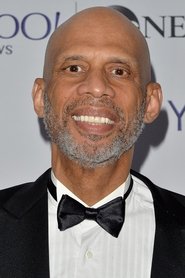
Kareem Abdul-Jabbar
AKA: Lew Alcindor · Lewis Alcindor · Lewis Ferdinand Alcindor · Kareem Abdul-Jabaar · كريم عبدالجبار
Acting
Born: 1947
Harlem, New York City, New York, USA
46 Global Credits
🔥 1.5 Popularity
0 Rank Score
0 Hearts
0 Votes
Biography
Kareem Abdul-Jabbar, born Ferdinand Lewis Alcindor Jr. (born April 16, 1947) in New York City, grew up in the working-class neighborhood of Harlem in a family of Trinidadian descent, raised in the Catholic tradition and imbued with values such as honor and dignity. An only child, he was quickly marked by his exceptional height: from elementary school onward, he played with the tallest kids, and at fourteen, already over two meters (6'7"), he was able to dunk. His adolescence was punctuated by episodes of social confrontation and learning the art of street basketball, which forged his competitive spirit.
Abdul-Jabbar distinguished himself early on at Power Memorial Academy, where he set records for points and rebounds, leading his team to 71 consecutive victories and three New York State high school championships. This period is unanimously recognized as one of the greatest high school basketball careers in history. In 1965, he entered UCLA under the tutelage of John Wooden and dominated the sport, winning three consecutive NCAA titles from 1967 to 1969 and being named the tournament MVP each time. His impact on the game was so significant that the NCAA temporarily banned the dunk during his time there.
In 1969, Abdul-Jabbar was the first overall pick in the NBA draft and joined the Milwaukee Bucks. In his first season, he distinguished himself with impressive statistics (28.8 points, 14.5 rebounds, 4.1 assists) and was named Rookie of the Year. In 1971, he led the Bucks to the NBA title—the franchise's only championship—and won his first MVP award. It was also during this period that he converted to Islam, taking the name Kareem Abdul-Jabbar, publicly affirming his spiritual choice at a time when American society was still experiencing significant racial tensions.
Abdul-Jabbar then joined the Los Angeles Lakers, where his career reached legendary proportions. He won five more NBA titles, bringing his total to six, and accumulated six MVP awards. He participated in 19 All-Star Games, was a two-time league scoring champion, and holds the career scoring record (38,387 points). His accolades also include two Finals MVP awards and a multitude of individual and team accolades. He holds eight playoff records and seven All-Star Game records, and was named to the NBA's 35th and 50th Anniversary Teams.
Technically, Kareem Abdul-Jabbar revolutionized basketball by inventing, perfecting, and popularizing the "sky hook," a unique move that no one has equaled: a curling arm shot, difficult to block and incredibly effective, which became his signature weapon. He is also recognizable by his protective goggles, which he adopted after an eye injury during his college years.
His renown extends far beyond the world of sports: Abdul-Jabbar dedicated his life to the fight for civil rights and the promotion of African American culture, writing several books and regularly participating in public debate. Adored for his athletic achievements, respected for his strength of character and social activism, Kareem Abdul-Jabbar remains, for many, the greatest legend in basketball history—a champion with universal values and an icon whose influence endures far beyond the court.
Abdul-Jabbar distinguished himself early on at Power Memorial Academy, where he set records for points and rebounds, leading his team to 71 consecutive victories and three New York State high school championships. This period is unanimously recognized as one of the greatest high school basketball careers in history. In 1965, he entered UCLA under the tutelage of John Wooden and dominated the sport, winning three consecutive NCAA titles from 1967 to 1969 and being named the tournament MVP each time. His impact on the game was so significant that the NCAA temporarily banned the dunk during his time there.
In 1969, Abdul-Jabbar was the first overall pick in the NBA draft and joined the Milwaukee Bucks. In his first season, he distinguished himself with impressive statistics (28.8 points, 14.5 rebounds, 4.1 assists) and was named Rookie of the Year. In 1971, he led the Bucks to the NBA title—the franchise's only championship—and won his first MVP award. It was also during this period that he converted to Islam, taking the name Kareem Abdul-Jabbar, publicly affirming his spiritual choice at a time when American society was still experiencing significant racial tensions.
Abdul-Jabbar then joined the Los Angeles Lakers, where his career reached legendary proportions. He won five more NBA titles, bringing his total to six, and accumulated six MVP awards. He participated in 19 All-Star Games, was a two-time league scoring champion, and holds the career scoring record (38,387 points). His accolades also include two Finals MVP awards and a multitude of individual and team accolades. He holds eight playoff records and seven All-Star Game records, and was named to the NBA's 35th and 50th Anniversary Teams.
Technically, Kareem Abdul-Jabbar revolutionized basketball by inventing, perfecting, and popularizing the "sky hook," a unique move that no one has equaled: a curling arm shot, difficult to block and incredibly effective, which became his signature weapon. He is also recognizable by his protective goggles, which he adopted after an eye injury during his college years.
His renown extends far beyond the world of sports: Abdul-Jabbar dedicated his life to the fight for civil rights and the promotion of African American culture, writing several books and regularly participating in public debate. Adored for his athletic achievements, respected for his strength of character and social activism, Kareem Abdul-Jabbar remains, for many, the greatest legend in basketball history—a champion with universal values and an icon whose influence endures far beyond the court.
Known For
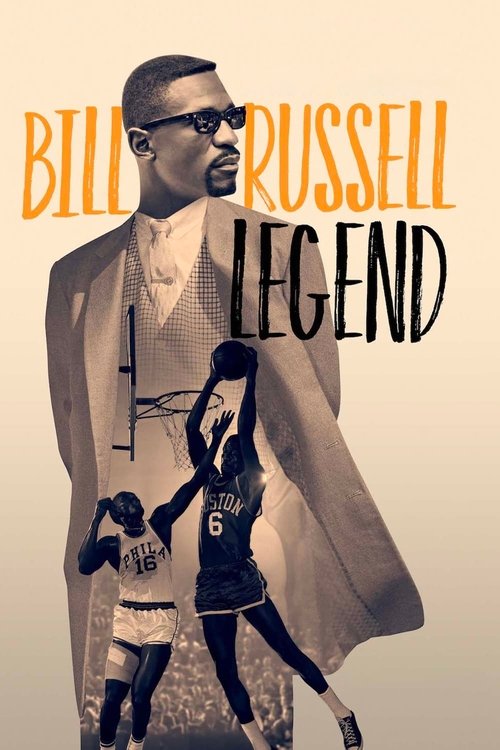
Bill Russell: Legend
Self - Basketball Hall of Fame
2023 · US
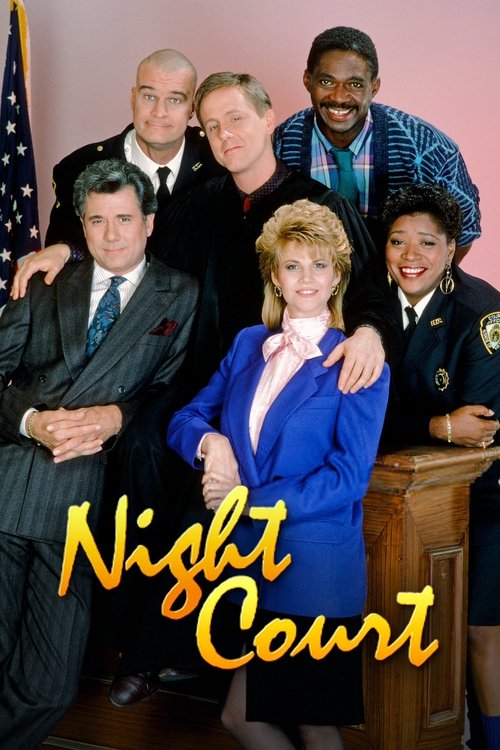
Night Court
Role
2023 · US
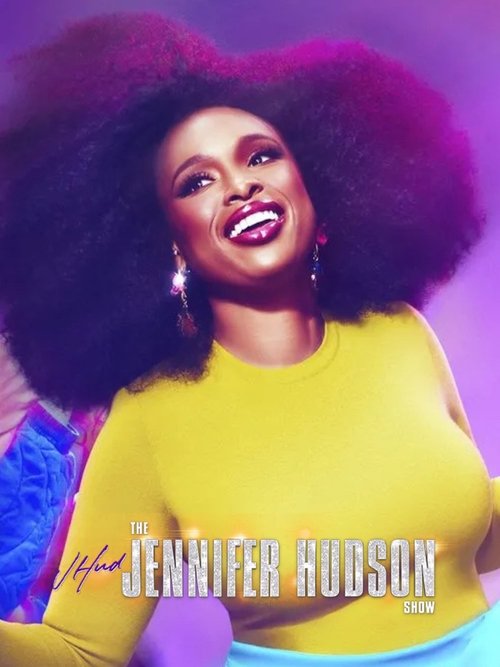
The Jennifer Hudson Show
Role
2022 · US
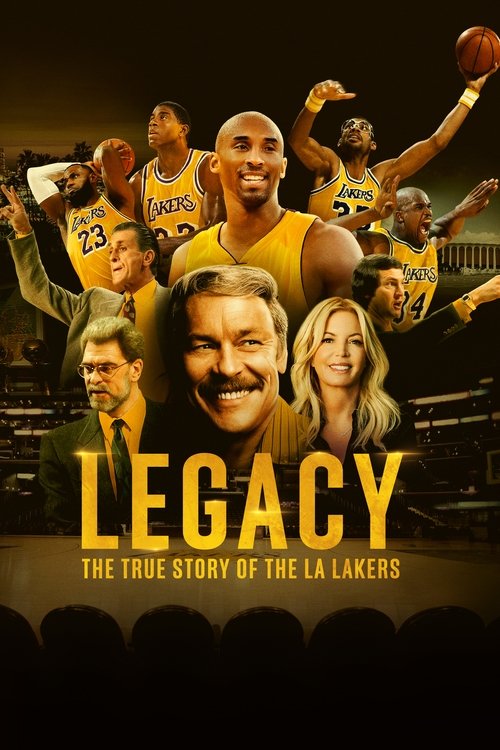
Legacy: The True Story of the LA Lakers
Self
2022 · US
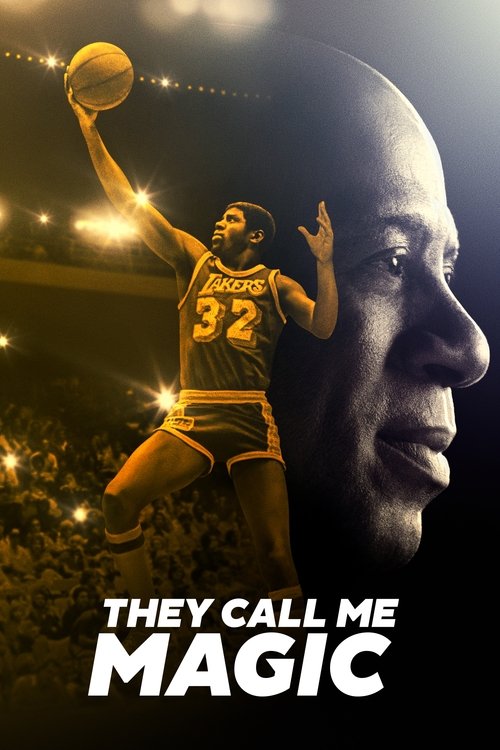
They Call Me Magic
Self
2022 · US
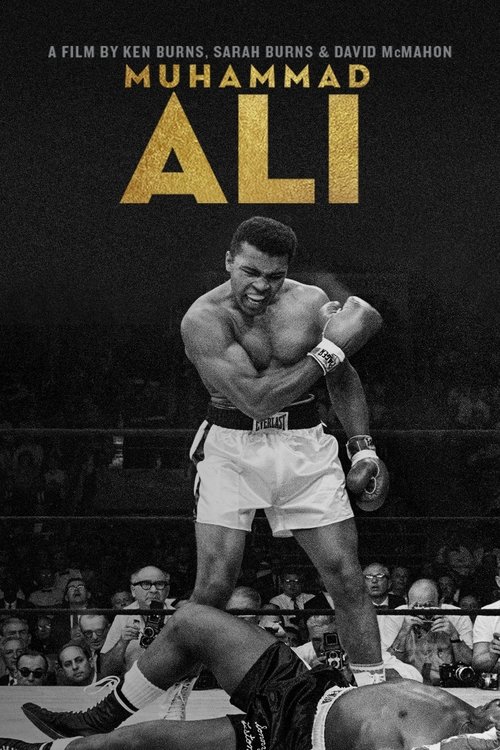
Muhammad Ali
Self
2021 · US

Dear...
Self
2020 · US
DAVE
Kareem Abdul-Jabbar
2020 · US
Full Credits
| Show / Title | Year | Credit / Role |
|---|---|---|
| Bill Russell: Legend | 2023 | Self - Basketball Hall of Fame |
| Night Court | 2023 | Contributor |
| The Jennifer Hudson Show | 2022 | Contributor |
| Legacy: The True Story of the LA Lakers | 2022 | Self |
| They Call Me Magic | 2022 | Self |
| Muhammad Ali | 2021 | Self |
| Dear... | 2020 | Self |
| DAVE | 2020 | Kareem Abdul-Jabbar |
| Basketball: A Love Story | 2018 | Self |
| The Jim Jefferies Show | 2017 | Self |
| Beat Shazam | 2017 | Self |
| To Tell the Truth | 2016 | Self - Panelist |
| O.J.: Made in America | 2016 | Self (archive footage) |
| Billions | 2016 | Kareem Abdul-Jabbar |
| Celebrity Family Feud | 2015 | Self |
| StarTalk with Neil deGrasse Tyson | 2015 | Self |
| Fresh Off the Boat | 2015 | Kareem Abdul-Jabbar |
| The Tonight Show Starring Jimmy Fallon | 2014 | Self |
| The Crazy Ones | 2013 | Kareem Abdul-Jabbar |
| The Arsenio Hall Show | 2013 | Self |
| Guys with Kids | 2012 | Kareem Abdul-Jabbar |
| Good Mythical Morning | 2012 | Self |
| The Tonight Show with Conan O'Brien | 2009 | Self |
| The Big Bang Theory | 2007 | Kareem Abdul-Jabbar |
| The Colbert Report | 2005 | Self |
| Veronica Mars | 2004 | Co-Producer, Writer |
| The Celebrity Apprentice | 2004 | Contributor |
| Everybody Loves Raymond | 1996 | Kareem Abdul-Jabbar |
| The Daily Show | 1996 | Self |
| The Stand | 1994 | Monster Shouter |
| The Critic | 1994 | Kareem Abdul-Jabbar (voice) |
| Saved by the Bell: The New Class | 1993 | Kareem Abdul-Jabbar |
| Late Show with David Letterman | 1993 | Self |
| Martin | 1992 | Dr. Skyhook |
| The Fresh Prince of Bel-Air | 1990 | Kareem Abdul-Jabbar |
| The Simpsons | 1989 | Kareem Abdul-Jabbar (voice) |
| 21 Jump Street | 1987 | Wesley Williams |
| Amen | 1986 | Contributor |
| Stingray | 1985 | Contributor |
| Tales from the Darkside | 1984 | The Djinn, Jan Bin Jan |
| Man from Atlantis | 1977 | Thark |
| Mannix | 1967 | Contributor |
| The Merv Griffin Show | 1962 | Self |
| The Tonight Show Starring Johnny Carson | 1962 | Self |
| The Oscars | 1953 | Self |