Japanology Plus

Japanology Plus

Continuing First aired 03/Apr/2014 Japan Japanese 27 season(s) 721 episode(s)
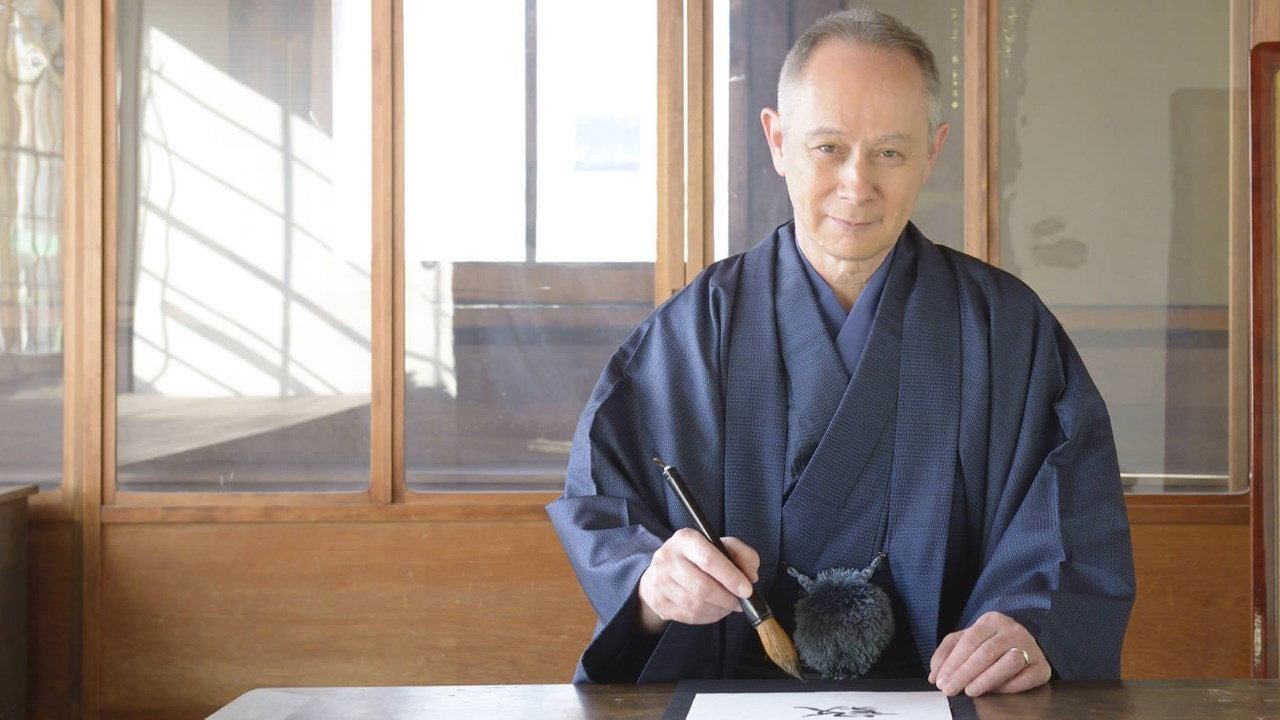
Host Peter Barakan delves into various aspects of Japanese culture; exploring practices, history, and modern innovations in such areas as ramen, rice, sushi, geisha, bonsai, and so much more. Local experts discuss their passions at fascinating length, and American Japanophile Matt Alt experiences the food, practices, and cultures in each episode in depth. Viewers will finish each half hour episode with a new understanding of an area of Japanese life through demonstrative videos and explanations, all delivered respectfully and true to the Japanese way of life.

Episode Time in Your Timezone

See when new episodes air in your local time.

Improve air time

Air Time

Source: Asia/Tokyo · Your timezone: America/New_York

When does the episode air in United States?

The local release time is not available yet because this show has no schedule time.


Notice: Schedule time is not available yet.
Improve release time Schedule day · Air time · Original timezone

Add or correct the official timezone, weekly air day, and air time only when you know the real source schedule. EpisodeTime uses this to convert episodes into every visitor’s local time.

Add release time

Show Insights

See how viewers feel about this show before you start watching.

TimeScore 33% Skip It
Binge Meter 48% Slow Burn
Episode Pulse Quiet 40% activity score
Drop Rate 0% Very Low

Scores are based on audience votes, watchlist activity, episode progress, and viewer behavior on EpisodeTime.

Seasons & Episodes

Browse episodes by season.

Season 2026 · Season 2026
11 episode(s) · Air date: 08/Jan/2026
Improve Season
Season Overview

--

S2026E11
Tidying Up
Air date: 18/Jun/2026 · Runtime: 30 min
Summary

How do we deal with modern clutter? From clever decluttering techniques in tiny homes to refined organization methods practiced by experts, we explore the Japanese sense of beauty in tidying up.


Summary

How do we deal with modern clutter? From clever decluttering techniques in tiny homes to refined organization methods practiced by experts, we explore the Japanese sense of beauty in tidying up.

S2026E10
Kyoto Confectionery
Air date: 04/Jun/2026 · Runtime: 30 min
Summary

Japanese confectionery has evolved over centuries, shaped by influences from China and beyond. In Kyoto, artisans honor tradition while advancing the craft with a fresh, modern sensibility.

Summary

Japanese confectionery has evolved over centuries, shaped by influences from China and beyond. In Kyoto, artisans honor tradition while advancing the craft with a fresh, modern sensibility.

S2026E9
Seaweed
Air date: 21/May/2026 · Runtime: 30 min
Summary

Seaweed is earning recognition around the globe as a nutrient-packed superfood. From innovative dishes to bioplastics and renewable energy, we explore the untapped potential of seaweed.

Summary

Seaweed is earning recognition around the globe as a nutrient-packed superfood. From innovative dishes to bioplastics and renewable energy, we explore the untapped potential of seaweed.

S2026E8
Sashiko Embroidery
Air date: 07/May/2026 · Runtime: 30 min
Summary

Sashiko is a type of traditional Japanese embroidery, once vital for the durability and warmth of clothes in cold climates. We explore how the charm of this enduring craft is being rediscovered.

Summary

Sashiko is a type of traditional Japanese embroidery, once vital for the durability and warmth of clothes in cold climates. We explore how the charm of this enduring craft is being rediscovered.

S2026E7
Chokatsu: Improving Gut Health
Air date: 23/Apr/2026 · Runtime: 30 min
Summary

Our bodies are home to trillions of bacteria that influence our physical health and mental well-being. We explore Japan's relationship with fermented foods and "chokatsu," or gut-related activities.

Summary

Our bodies are home to trillions of bacteria that influence our physical health and mental well-being. We explore Japan's relationship with fermented foods and "chokatsu," or gut-related activities.

S2026E6
Jazz Kissa
Air date: 09/Apr/2026 · Runtime: 30 min
Summary

For around 100 years, Japan's jazz kissa have offered a sanctuary for music lovers to enjoy jazz. We explore the enduring appeal of this unique subculture and how it is being preserved today.

Summary

For around 100 years, Japan's jazz kissa have offered a sanctuary for music lovers to enjoy jazz. We explore the enduring appeal of this unique subculture and how it is being preserved today.

S2026E5
Danchi Housing Complexes
Air date: 12/Mar/2026 · Runtime: 28 min
Summary

Once symbols of Japan's postwar growth, danchi housing complexes now face aging buildings and residents. We look at new initiatives that are reshaping and even revitalizing these communities.

Summary

Once symbols of Japan's postwar growth, danchi housing complexes now face aging buildings and residents. We look at new initiatives that are reshaping and even revitalizing these communities.

S2026E4
Japanophiles: Phillip Richards
Air date: 26/Feb/2026 · Runtime: 30 min
Summary

Australian Phillip Richards gives back to his adopted home of Nozawaonsen by crafting gin and whiskey using local ingredients. We explore what draws him to this small village in Nagano Prefecture.

Summary

Australian Phillip Richards gives back to his adopted home of Nozawaonsen by crafting gin and whiskey using local ingredients. We explore what draws him to this small village in Nagano Prefecture.

S2026E3
Salmon
Air date: 12/Feb/2026 · Runtime: 30 min
Summary

Salmon is Japan's most popular fish eaten at home. However, catches have been plummeting due to global warming. We look at new approaches to salmon farming and what this fish means to people in Japan.

Summary

Salmon is Japan's most popular fish eaten at home. However, catches have been plummeting due to global warming. We look at new approaches to salmon farming and what this fish means to people in Japan.

S2026E2
Fragrances
Air date: 22/Jan/2026 · Runtime: 30 min
Summary

From traditional incense sticks to perfumes that incorporate the scent of red ink pads, the range of fragrances in Japan is endless. We travel to Kyoto and Tokyo to sniff out the latest trends.

Summary

From traditional incense sticks to perfumes that incorporate the scent of red ink pads, the range of fragrances in Japan is endless. We travel to Kyoto and Tokyo to sniff out the latest trends.

S2026E1
Glasswork
Air date: 08/Jan/2026 · Runtime: 30 min
Summary

Glasswork is an art form featuring delicate yet bold designs. We take a closer look at Japanese glassmaking, where artisanal skills are passed down and the craft evolves with the times.

Summary

Glasswork is an art form featuring delicate yet bold designs. We take a closer look at Japanese glassmaking, where artisanal skills are passed down and the craft evolves with the times.

Season 2025 · Season 2025
24 episode(s) · Air date: 09/Jan/2025
Improve Season
Season Overview

--

S2025E24
Hagi: Castle Town Forged by Magma
Air date: 18/Dec/2025 · Runtime: 30 min
Summary

Hagi in Yamaguchi Prefecture is dotted with volcanoes. Their volcanic rock was used to shape the townscape, and the area's unique clay and soil fostered its pottery tradition and citrus cultivation.

Summary

Hagi in Yamaguchi Prefecture is dotted with volcanoes. Their volcanic rock was used to shape the townscape, and the area's unique clay and soil fostered its pottery tradition and citrus cultivation.

S2025E23
Hagi: The Life of Yoshida Shoin
Air date: 11/Dec/2025 · Runtime: 30 min
Summary

The 19th-century educator Yoshida Shoin lived only 29 years, yet his teachings helped shape Japan's modernization. His words, published as books, remain popular today. We visit his birthplace, Hagi.

Summary

The 19th-century educator Yoshida Shoin lived only 29 years, yet his teachings helped shape Japan's modernization. His words, published as books, remain popular today. We visit his birthplace, Hagi.

S2025E22
Japanophiles: Astrid Klein & Mark Dytham
Air date: 20/Nov/2025 · Runtime: 28 min
Summary

For over 35 years, Italian-born Astrid Klein and UK-born Mark Dytham have worked together as architects in Tokyo, designing not just buildings but also spaces for communication and creativity.

Summary

For over 35 years, Italian-born Astrid Klein and UK-born Mark Dytham have worked together as architects in Tokyo, designing not just buildings but also spaces for communication and creativity.

S2025E21
Sleep
Air date: 06/Nov/2025 · Runtime: 30 min
Summary

Interest in sleep has been growing in Japan. From futuristic high-tech beds to advanced sleepwear, many new products are designed to improve sleep quality. We look at Japan's latest sleep trends.

Summary

Interest in sleep has been growing in Japan. From futuristic high-tech beds to advanced sleepwear, many new products are designed to improve sleep quality. We look at Japan's latest sleep trends.

S2025E20
Convenience Stores
Air date: 23/Oct/2025 · Runtime: 30 min
Summary

Japan's convenience stores stock more than just food. Some sell clothes or provide administrative services. Others even use avatars and robots alongside human employees. We look at Japan's "konbini."

Summary

Japan's convenience stores stock more than just food. Some sell clothes or provide administrative services. Others even use avatars and robots alongside human employees. We look at Japan's "konbini."

S2025E19
Bookstores
Air date: 09/Oct/2025 · Runtime: 30 min
Summary

The number of bookstores in Japan is decreasing, but both major chains and independent stores are finding creative ways to attract book lovers. We look at the next chapter for Japan's bookstores.

Summary

The number of bookstores in Japan is decreasing, but both major chains and independent stores are finding creative ways to attract book lovers. We look at the next chapter for Japan's bookstores.

S2025E18
Japanophiles: Ziaul Karim
Air date: 25/Sep/2025 · Runtime: 30 min
Summary

Ziaul Karim, an agricultural scientist from Bangladesh, practices unique farming methods in Okayama to show how accessible agriculture can be. He works with locals to grow and use uncommon crops.

Summary

Ziaul Karim, an agricultural scientist from Bangladesh, practices unique farming methods in Okayama to show how accessible agriculture can be. He works with locals to grow and use uncommon crops.

S2025E17
Offices
Air date: 11/Sep/2025 · Runtime: 30 min
Summary

Japanese offices used to prioritize order and efficiency, but today they're becoming spaces that foster conversation, with cafe-like layouts and even saunas. We explore how the workplace is evolving.

Summary

Japanese offices used to prioritize order and efficiency, but today they're becoming spaces that foster conversation, with cafe-like layouts and even saunas. We explore how the workplace is evolving.

S2025E16
Sake
Air date: 28/Aug/2025 · Runtime: 30 min
Summary

Sake is enjoying a global boom, but in Japan, breweries are facing a crisis as consumption falls. We explore the future of sake through artisanal skills, technology, and a new generation's efforts.

Summary

Sake is enjoying a global boom, but in Japan, breweries are facing a crisis as consumption falls. We explore the future of sake through artisanal skills, technology, and a new generation's efforts.

S2025E15
Origami
Air date: 14/Aug/2025 · Runtime: 30 min
Summary

Origami is the art of folding paper into a wide variety of shapes, from animals and flowers to highly complex designs. Lately, its principles have even been applied to space exploration and medicine.

Summary

Origami is the art of folding paper into a wide variety of shapes, from animals and flowers to highly complex designs. Lately, its principles have even been applied to space exploration and medicine.

S2025E14
Japanophiles: Johan Nordstrom
Air date: 31/Jul/2025 · Runtime: 28 min
Summary

Johan Nordstrom, a film scholar from Sweden, specializes in early Japanese cinema. He tells us about movies from over a century ago and Japan's unique tradition of live narration for silent films.

Summary

Johan Nordstrom, a film scholar from Sweden, specializes in early Japanese cinema. He tells us about movies from over a century ago and Japan's unique tradition of live narration for silent films.

S2025E13
Tosa: Blessings and Perils of the Kuroshio Current
Air date: 17/Jul/2025 · Runtime: 30 min
Summary

Peter Barakan visits the region of Tosa, famous for the mighty Kuroshio Current and bonito fishing. It is also the place where the high priest Kobo Daishi is said to have attained enlightenment.

Summary

Peter Barakan visits the region of Tosa, famous for the mighty Kuroshio Current and bonito fishing. It is also the place where the high priest Kobo Daishi is said to have attained enlightenment.

S2025E12
Tosa: The Life of John Manjiro
Air date: 10/Jul/2025 · Runtime: 30 min
Summary

Once a poor fisher boy, John Manjiro became the first Japanese person to receive a formal education in the US and played a key role in Japan's modernization. Peter Barakan visits his hometown in Tosa.

Summary

Once a poor fisher boy, John Manjiro became the first Japanese person to receive a formal education in the US and played a key role in Japan's modernization. Peter Barakan visits his hometown in Tosa.

S2025E11
Stationery
Air date: 19/Jun/2025 · Runtime: 30 min
Summary

Japanese stationery is famous for its quality, design, and functionality. We look at many unique items, including products for research labs, left-handed users, and even writing in virtual space.

Summary

Japanese stationery is famous for its quality, design, and functionality. We look at many unique items, including products for research labs, left-handed users, and even writing in virtual space.

S2025E10
Natto
Air date: 05/Jun/2025 · Runtime: 30 min
Summary

With its unique smell and stickiness, people either love or hate natto. But eating natto has been linked to longevity, and a substance in this powerful food could even help solve environmental issues!

Summary

With its unique smell and stickiness, people either love or hate natto. But eating natto has been linked to longevity, and a substance in this powerful food could even help solve environmental issues!

S2025E9
Family Restaurants
Air date: 22/May/2025 · Runtime: 30 min
Summary

Family restaurants are uniquely Japanese establishments that are also popular with solo diners. We see how innovative services have helped them survive the ups and downs of the restaurant industry.

Summary

Family restaurants are uniquely Japanese establishments that are also popular with solo diners. We see how innovative services have helped them survive the ups and downs of the restaurant industry.

S2025E8
Japanophiles: Stephen Turner
Air date: 08/May/2025 · Runtime: 30 min
Summary

Stephen Turner, from the UK, loves Japanese trains so much that his passion became his job. We join him on a trip through Chiba Prefecture and explore the appeal of Japan's regional railways.

Summary

Stephen Turner, from the UK, loves Japanese trains so much that his passion became his job. We join him on a trip through Chiba Prefecture and explore the appeal of Japan's regional railways.

S2025E7
Mamachari
Air date: 24/Apr/2025 · Time: 23:30 · Runtime: 30 min
Summary

Mamachari bikes, which originated in Japan, are designed to meet the needs of all kinds of people. They even helped women enter the workforce. We discover what makes them so unique and special.

Summary

Mamachari bikes, which originated in Japan, are designed to meet the needs of all kinds of people. They even helped women enter the workforce. We discover what makes them so unique and special.

S2025E6
Torii
Air date: 10/Apr/2025 · Time: 23:30 · Runtime: 30 min
Summary

Found all over Japan, torii are gateways to Shinto shrines and the deities within. We meet people trying to rebuild torii after a huge earthquake and examine what torii mean to Japanese people.

Summary

Found all over Japan, torii are gateways to Shinto shrines and the deities within. We meet people trying to rebuild torii after a huge earthquake and examine what torii mean to Japanese people.

S2025E5
Leather Shoes
Air date: 13/Mar/2025 · Time: 23:30 · Runtime: 30 min
Summary

Japan's bespoke leather shoes are admired around the world, and there is even a Japanese leader in the realm of shoeshining. We explore the skills and services in Japan's leather shoemaking industry.

Summary

Japan's bespoke leather shoes are admired around the world, and there is even a Japanese leader in the realm of shoeshining. We explore the skills and services in Japan's leather shoemaking industry.

S2025E4
Octopuses
Air date: 27/Feb/2025 · Time: 23:30 · Runtime: 30 min
Summary

Octopuses are not only eaten in Japan but also depicted in works of art. They may be regarded as objects of worship or even kept as pets. We untangle Japan's long relationship with these creatures.

Summary

Octopuses are not only eaten in Japan but also depicted in works of art. They may be regarded as objects of worship or even kept as pets. We untangle Japan's long relationship with these creatures.

S2025E3
Japanophiles: Johan Leutwiler
Air date: 13/Feb/2025 · Time: 23:30 · Runtime: 30 min
Summary

Johan Leutwiler, from Switzerland, is currently Japan's only foreign swordsmith. In a Japanophiles interview, he tells us about being drawn to the world of Japanese swords and sword making.

Summary

Johan Leutwiler, from Switzerland, is currently Japan's only foreign swordsmith. In a Japanophiles interview, he tells us about being drawn to the world of Japanese swords and sword making.

S2025E2
Repair
Air date: 23/Jan/2025 · Time: 23:30 · Runtime: 30 min
Summary

As the need for circular economies grows, there's a new focus on repairing products. We look at how people in Japan maintain items using approaches ranging from traditional kintsugi to modern skills.

Summary

As the need for circular economies grows, there's a new focus on repairing products. We look at how people in Japan maintain items using approaches ranging from traditional kintsugi to modern skills.

S2025E1
Onigiri
Air date: 09/Jan/2025 · Time: 23:30 · Runtime: 28 min
Summary

Onigiri are becoming a global phenomenon. Colorful new styles are generating a buzz on social media, and convenience stores continue to develop new products. We investigate the latest developments.

Summary

Onigiri are becoming a global phenomenon. Colorful new styles are generating a buzz on social media, and convenience stores continue to develop new products. We investigate the latest developments.

Season 2024 · Season 2024
24 episode(s) · Air date: 04/Jan/2024
Improve Season
Season Overview

--

S2024E24
Uesugi Yozan: All for His People
Air date: 19/Dec/2024 · Time: 23:30 · Runtime: 30 min
Summary

A feudal lord admired by John F. Kennedy, Uesugi Yozan prioritized the well-being of his people. This time, in part two, we look at how his policies guided his domain along the path to sustainability.

Summary

A feudal lord admired by John F. Kennedy, Uesugi Yozan prioritized the well-being of his people. This time, in part two, we look at how his policies guided his domain along the path to sustainability.

S2024E23
Uesugi Yozan: An Economic Miracle
Air date: 12/Dec/2024 · Time: 23:30 · Runtime: 30 min
Summary

Admired by John F. Kennedy, Uesugi Yozan was a feudal lord who took over the Yonezawa Domain at the age of 15. He enacted financial reforms that led the destitute domain to a miraculous recovery.

Summary

Admired by John F. Kennedy, Uesugi Yozan was a feudal lord who took over the Yonezawa Domain at the age of 15. He enacted financial reforms that led the destitute domain to a miraculous recovery.

S2024E22
Japanophiles: Adam Smith
Air date: 21/Nov/2024 · Time: 23:30 · Runtime: 30 min
Summary

Adam Smith is a potter from England who follows a self-sufficient lifestyle in the mountains of Nagano Prefecture. He creates rich natural colors by using handmade glazes made from local plants.

Summary

Adam Smith is a potter from England who follows a self-sufficient lifestyle in the mountains of Nagano Prefecture. He creates rich natural colors by using handmade glazes made from local plants.

S2024E21
Under Elevated Train Tracks
Air date: 07/Nov/2024 · Time: 23:30 · Runtime: 30 min
Summary

The spaces under Japan's elevated train tracks are now being used not just for pubs and restaurants but in many new ways, in various urban settings. We explore the economic and community benefits.

Summary

The spaces under Japan's elevated train tracks are now being used not just for pubs and restaurants but in many new ways, in various urban settings. We explore the economic and community benefits.

S2024E20
Graves and End-of-Life Planning
Air date: 24/Oct/2024 · Time: 23:30 · Runtime: 30 min
Summary

End-of-life planning is spreading in Japan, with many people now thinking hard about what to do with their cremated remains. We learn about diverse graves, including options such as "tree burials."

Summary

End-of-life planning is spreading in Japan, with many people now thinking hard about what to do with their cremated remains. We learn about diverse graves, including options such as "tree burials."

S2024E19
Heavy Machinery
Air date: 10/Oct/2024 · Time: 23:30 · Runtime: 30 min
Summary

The world loves Japan's heavy machinery. We explore the secrets of its popularity and learn about items ranging from small excavators to cranes that erect skyscrapers in cramped urban spaces.

Summary

The world loves Japan's heavy machinery. We explore the secrets of its popularity and learn about items ranging from small excavators to cranes that erect skyscrapers in cramped urban spaces.

S2024E18
Japanophiles: Stephanie Crohin
Air date: 26/Sep/2024 · Time: 23:30 · Runtime: 30 min
Summary

French journalist and "sento ambassador" Stephanie Crohin promotes sento, or public bathhouses, on social media. She tells Peter Barakan about her love for the heartwarming world of public baths.

Summary

French journalist and "sento ambassador" Stephanie Crohin promotes sento, or public bathhouses, on social media. She tells Peter Barakan about her love for the heartwarming world of public baths.

S2024E17
Tanuki
Air date: 12/Sep/2024 · Time: 23:30 · Runtime: 30 min
Summary

Japanese raccoon dogs, or tanuki, are globally rare but have increasingly been seen in Japan's cities since the COVID-19 pandemic. We investigate their long history in tradition and folklore.

Summary

Japanese raccoon dogs, or tanuki, are globally rare but have increasingly been seen in Japan's cities since the COVID-19 pandemic. We investigate their long history in tradition and folklore.

S2024E16
Service Areas
Air date: 29/Aug/2024 · Time: 23:30 · Runtime: 30 min
Summary

Around 900 roadside service areas provide amenities along Japan's expressway toll roads, and many are now popular leisure destinations. We examine their evolution and links with local communities.

Summary

Around 900 roadside service areas provide amenities along Japan's expressway toll roads, and many are now popular leisure destinations. We examine their evolution and links with local communities.

S2024E15
Eyeglasses
Air date: 15/Aug/2024 · Time: 23:30 · Runtime: 30 min
Summary

One of the world's top three production centers for eyeglasses is Sabae, in Fukui Prefecture. We trace the history of Japanese glasses, from the earliest examples to cutting-edge technology.

Summary

One of the world's top three production centers for eyeglasses is Sabae, in Fukui Prefecture. We trace the history of Japanese glasses, from the earliest examples to cutting-edge technology.

S2024E14
Japanophiles: Lekh Raj Juneja
Air date: 01/Aug/2024 · Time: 23:30 · Runtime: 30 min
Summary

Lekh Raj Juneja, from India, leads Japan's largest manufacturer of rice snacks. In a Japanophiles interview, he talks about the international potential of Japan's rice processing craftsmanship.

Summary

Lekh Raj Juneja, from India, leads Japan's largest manufacturer of rice snacks. In a Japanophiles interview, he talks about the international potential of Japan's rice processing craftsmanship.

S2024E13
Kumano: Journey of a Maverick Scholar
Air date: 18/Jul/2024 · Time: 23:30 · Runtime: 30 min
Summary

Scholar Minakata Kumagusu made contributions to biology, folklore and other fields. He laid the foundation for environmental conservation in Japan. We explore the environments that inspired his work.

Summary

Scholar Minakata Kumagusu made contributions to biology, folklore and other fields. He laid the foundation for environmental conservation in Japan. We explore the environments that inspired his work.

S2024E12
Kumano: The Practice of Shugendo
Air date: 11/Jul/2024 · Time: 23:30 · Runtime: 30 min
Summary

Shugendo is a uniquely Japanese spiritual tradition known for its grueling ascetic practices. We explore its origins in the heavily forested mountains of Kumano, and learn about practitioners.

Summary

Shugendo is a uniquely Japanese spiritual tradition known for its grueling ascetic practices. We explore its origins in the heavily forested mountains of Kumano, and learn about practitioners.

S2024E11
Food Tech Products
Air date: 20/Jun/2024 · Time: 23:30 · Runtime: 30 min
Summary

Japanese food tech products such as soybean-based meat substitutes are made using new technology. Land-based aquaculture and 3D food printing are also in the spotlight. We look at the latest products.

Summary

Japanese food tech products such as soybean-based meat substitutes are made using new technology. Land-based aquaculture and 3D food printing are also in the spotlight. We look at the latest products.

S2024E10
Plastic Models
Air date: 06/Jun/2024 · Time: 23:30 · Runtime: 30 min
Summary

Roughly 90% of Japan's plastic models are made in Shizuoka, a city whose manufacturing roots date back to shogun Tokugawa Ieyasu. We explore the latest developments for Japan's superb plastic models.

Summary

Roughly 90% of Japan's plastic models are made in Shizuoka, a city whose manufacturing roots date back to shogun Tokugawa Ieyasu. We explore the latest developments for Japan's superb plastic models.

S2024E9
Wakocha: Japanese Black Tea
Air date: 23/May/2024 · Time: 23:30 · Runtime: 30 min
Summary

Wakocha, black tea grown and processed in Japan, is winning major international awards. To discover why, Peter Barakan speaks to tea farmers, picks tea leaves, and tastes different varieties.

Summary

Wakocha, black tea grown and processed in Japan, is winning major international awards. To discover why, Peter Barakan speaks to tea farmers, picks tea leaves, and tastes different varieties.

S2024E8
Japanophiles: Nicoleta Oprisan
Air date: 09/May/2024 · Time: 23:30 · Runtime: 30 min
Summary

Nicoleta Oprisan from Romania is highly skilled at ikebana, the Japanese art of flower arranging. In a Japanophiles interview, she speaks about ikebana's power to communicate without words.

Summary

Nicoleta Oprisan from Romania is highly skilled at ikebana, the Japanese art of flower arranging. In a Japanophiles interview, she speaks about ikebana's power to communicate without words.

S2024E7
New Roles for Vacant Homes
Air date: 25/Apr/2024 · Time: 23:30 · Runtime: 30 min
Summary

Japan's many vacant homes are being used as investments, hotel rooms and opportunities for creative renovation. We discover ways to reimagine properties that were once regarded as almost worthless.

Summary

Japan's many vacant homes are being used as investments, hotel rooms and opportunities for creative renovation. We discover ways to reimagine properties that were once regarded as almost worthless.

S2024E6
Washing Machines
Air date: 11/Apr/2024 · Time: 23:30 · Runtime: 30 min
Summary

After a slow start, Japanese washing machines have become some of the most advanced in the world. We look at their development and the latest innovations.

Summary

After a slow start, Japanese washing machines have become some of the most advanced in the world. We look at their development and the latest innovations.

S2024E5
20th Anniversary Special Part 2
Air date: 28/Mar/2024 · Time: 23:30 · Runtime: 30 min
Summary

It's a 20th anniversary special! Presenters and viewers join Peter Barakan to look back at some highlights. Part two features fans from around the world discussing great moments from the show's past.

Summary

It's a 20th anniversary special! Presenters and viewers join Peter Barakan to look back at some highlights. Part two features fans from around the world discussing great moments from the show's past.

S2024E4
20th Anniversary Special Part 1
Air date: 21/Mar/2024 · Time: 23:30 · Runtime: 30 min
Summary

It's a 20th anniversary special! Presenters and viewers join Peter Barakan to look at some highlights. Part one features musician and Japanology fan Todd Rundgren, sake tasting and taiko drumming.

Summary

It's a 20th anniversary special! Presenters and viewers join Peter Barakan to look at some highlights. Part one features musician and Japanology fan Todd Rundgren, sake tasting and taiko drumming.

S2024E3
Japanophiles: Matthew Headland
Air date: 07/Mar/2024 · Time: 23:30 · Runtime: 30 min
Summary

Matthew Headland, a Canadian, works in marketing at a hand-hammered copperware workshop. In a Japanophiles interview, he shares his enthusiasm for the craft with Peter Barakan.

Summary

Matthew Headland, a Canadian, works in marketing at a hand-hammered copperware workshop. In a Japanophiles interview, he shares his enthusiasm for the craft with Peter Barakan.

S2024E2
Forestry
Air date: 25/Jan/2024 · Time: 23:30 · Runtime: 30 min
Summary

Two thirds of Japan is covered in forest, and wood has long been the building material of choice. But today, forests are in poor condition. We look at current efforts to revitalize forestry in Japan.

Summary

Two thirds of Japan is covered in forest, and wood has long been the building material of choice. But today, forests are in poor condition. We look at current efforts to revitalize forestry in Japan.

S2024E1
Active Seniors
Air date: 04/Jan/2024 · Time: 23:30 · Runtime: 30 min
Summary

While Japan's population ages, many "active seniors" energetically participate in work and hobbies. An 88-year-old programmer and 104-year-old timepiece repairer show the secrets of senior success.

Summary

While Japan's population ages, many "active seniors" energetically participate in work and hobbies. An 88-year-old programmer and 104-year-old timepiece repairer show the secrets of senior success.

Season 2023 · Season 2023
23 episode(s) · Air date: 12/Jan/2023
Improve Season
Season Overview

--

S2023E23
Izumo: Land of the Supernatural
Air date: 14/Dec/2023 · Time: 23:30 · Runtime: 30 min
Summary

In the late 19th century, writer Lafcadio Hearn (Japanese name: Koizumi Yakumo) helped introduce Japan to the wider world. We visit the Izumo area to learn about the supernatural realm that he loved.

Summary

In the late 19th century, writer Lafcadio Hearn (Japanese name: Koizumi Yakumo) helped introduce Japan to the wider world. We visit the Izumo area to learn about the supernatural realm that he loved.

S2023E22
Izumo: Home of the Gods
Air date: 07/Dec/2023 · Time: 23:30 · Runtime: 30 min
Summary

Each year, Japan's deities are said to gather in Izumo in western Japan. We visit Izumo Taisha, a shrine with a millennium of history, and explore a land with deep connections to the distant past.

Summary

Each year, Japan's deities are said to gather in Izumo in western Japan. We visit Izumo Taisha, a shrine with a millennium of history, and explore a land with deep connections to the distant past.

S2023E21
Japanophiles: Benjamin Flatt
Air date: 23/Nov/2023 · Time: 23:30 · Runtime: 30 min
Summary

Fermented foods are a longstanding staple of Noto cuisine. This region in Ishikawa Prefecture has a local specialty: ishiri, a fermented fish sauce. Benjamin Flatt, an Australia-born chef living in Noto, uses ishiri and other local ingredients to create his "Noto Italian" cuisine at his popular guest house. The restaurant serves only four groups a day. Peter Barakan talks to him about his passion for conserving traditional fermentation techniques and showcasing the quality of local ingredients.

Summary

Fermented foods are a longstanding staple of Noto cuisine. This region in Ishikawa Prefecture has a local specialty: ishiri, a fermented fish sauce. Benjamin Flatt, an Australia-born chef living in Noto, uses ishiri and other local ingredients to create his "Noto Italian" cuisine at his popular guest house. The restaurant serves only four groups a day. Peter Barakan talks to him about his passion for conserving traditional fermentation techniques and showcasing the quality of local ingredients.

S2023E20
Firefighting
Air date: 09/Nov/2023 · Time: 23:30 · Runtime: 30 min
Summary

Wildfires are becoming more frequent and residential fires are posing new challenges. Japan is responding to this evolving reality by developing new firefighting technologies, such as water-free fire engines, AI-powered robots, and self-extinguishing building materials. Around the country, official fire departments are supported by volunteer firefighters, but as societal norms change the number of volunteers is dropping. We introduce the latest from the world of Japanese firefighting.

Summary

Wildfires are becoming more frequent and residential fires are posing new challenges. Japan is responding to this evolving reality by developing new firefighting technologies, such as water-free fire engines, AI-powered robots, and self-extinguishing building materials. Around the country, official fire departments are supported by volunteer firefighters, but as societal norms change the number of volunteers is dropping. We introduce the latest from the world of Japanese firefighting.

S2023E19
Garbage
Air date: 26/Oct/2023 · Time: 23:30 · Runtime: 30 min
Summary

Japan was arguably one of the cleanest places in the world in centuries past. But today, garbage is a major issue. In other countries, rubbish may be sent straight to the landfill, but in Japan—where available space is limited—it is generally incinerated first. Even so, landfill space is running out, and new methods are needed. Among the sites Peter Barakan visits as he explores paths to the future is a surprisingly beautiful incineration plant, designed by world-renowned artist Friedensreich Hundertwasser.

Summary

Japan was arguably one of the cleanest places in the world in centuries past. But today, garbage is a major issue. In other countries, rubbish may be sent straight to the landfill, but in Japan—where available space is limited—it is generally incinerated first. Even so, landfill space is running out, and new methods are needed. Among the sites Peter Barakan visits as he explores paths to the future is a surprisingly beautiful incineration plant, designed by world-renowned artist Friedensreich Hundertwasser.

S2023E18
Unused Fish
Air date: 12/Oct/2023 · Time: 23:30 · Runtime: 30 min
Summary

Luna lionfish and black rabbitfish ... these are examples of "unused fish" that tend to be discarded. Why? They're unfamiliar to consumers and often difficult to process. But as the ocean heats up and familiar fish dwindle in number, these "unused fish" may become a crucial part of global food supplies. We meet a fisherman who sells such fish directly to customers and visit a restaurant that specializes in preparing unusual fish. Peter Barakan learns an easy cooking method and discovers the many benefits of unconventional seafood. Along the way, we learn about Japan's fish-eating culture.

Summary

Luna lionfish and black rabbitfish ... these are examples of "unused fish" that tend to be discarded. Why? They're unfamiliar to consumers and often difficult to process. But as the ocean heats up and familiar fish dwindle in number, these "unused fish" may become a crucial part of global food supplies. We meet a fisherman who sells such fish directly to customers and visit a restaurant that specializes in preparing unusual fish. Peter Barakan learns an easy cooking method and discovers the many benefits of unconventional seafood. Along the way, we learn about Japan's fish-eating culture.

S2023E17
Japanophiles: Martin Holman
Air date: 28/Sep/2023 · Time: 23:30 · Runtime: 30 min
Summary

In ningyo joruri, three people work together to make beautifully crafted puppets seem amazingly lifelike. US puppeteer Martin Holman is a devotee of this Japanese performing art, which has around 400 years of history. Nowadays, he leads a troupe of his own in Tokushima Prefecture, home to Awa ningyo joruri. On this episode of Japanophiles, Peter Barakan explores the world of ningyo joruri and learns how Martin Holman is expanding its horizons with the help of performers young and old from several countries.

Summary

In ningyo joruri, three people work together to make beautifully crafted puppets seem amazingly lifelike. US puppeteer Martin Holman is a devotee of this Japanese performing art, which has around 400 years of history. Nowadays, he leads a troupe of his own in Tokushima Prefecture, home to Awa ningyo joruri. On this episode of Japanophiles, Peter Barakan explores the world of ningyo joruri and learns how Martin Holman is expanding its horizons with the help of performers young and old from several countries.

S2023E16
Japanese Honeybees
Air date: 14/Sep/2023 · Time: 23:30 · Runtime: 30 min
Summary

Japanese honeybees are wild, difficult to farm, and produce less honey than the Western honeybees used for most commercial honey production. But the multifloral honey they produce has a rich and complex flavor. Caring for Japanese honeybees brings hobbyist beekeepers closer to the profundity and unpredictability of nature. We learn about creative approaches to looking after Japanese honeybees, and about the surprising way they deal with predators.

Summary

Japanese honeybees are wild, difficult to farm, and produce less honey than the Western honeybees used for most commercial honey production. But the multifloral honey they produce has a rich and complex flavor. Caring for Japanese honeybees brings hobbyist beekeepers closer to the profundity and unpredictability of nature. We learn about creative approaches to looking after Japanese honeybees, and about the surprising way they deal with predators.

S2023E15
Rokyoku: Musical Storytelling
Air date: 31/Aug/2023 · Time: 23:30 · Runtime: 30 min
Summary

Sometimes described as "solo opera," Rokyoku was once Japan's most popular form of entertainment, with top performers among the richest people in the land. Rokyoku rose to prominence in the late 19th century, but the advent of TV triggered a rapid decline. Now young performers are revitalizing this storytelling art by incorporating English, rock and pop music, and even dance. Peter Barakan experiences rokyoku in both old and new styles. And in Plus One, Kyle Card tries giving a performance himself.

Summary

Sometimes described as "solo opera," Rokyoku was once Japan's most popular form of entertainment, with top performers among the richest people in the land. Rokyoku rose to prominence in the late 19th century, but the advent of TV triggered a rapid decline. Now young performers are revitalizing this storytelling art by incorporating English, rock and pop music, and even dance. Peter Barakan experiences rokyoku in both old and new styles. And in Plus One, Kyle Card tries giving a performance himself.

S2023E14
Vacant Homes
Air date: 17/Aug/2023 · Time: 23:30 · Runtime: 30 min
Summary

In Japan, one in every seven homes is empty. These 8.5 million vacant properties may increase the risk of fire and burglary, or negatively impact local real estate prices. But new ways are emerging to make use of them. In one regional community, empty homes were turned into high-tech offices or shops, and the local population began to increase. In Tokyo, finding new tenants for shops has revitalized a shopping street. We find out why there are so many vacant homes in Japan and discover some creative solutions.

Summary

In Japan, one in every seven homes is empty. These 8.5 million vacant properties may increase the risk of fire and burglary, or negatively impact local real estate prices. But new ways are emerging to make use of them. In one regional community, empty homes were turned into high-tech offices or shops, and the local population began to increase. In Tokyo, finding new tenants for shops has revitalized a shopping street. We find out why there are so many vacant homes in Japan and discover some creative solutions.

S2023E13
Japanophiles: Francesco Panto
Air date: 03/Aug/2023 · Time: 23:30 · Runtime: 30 min
Summary

An Italian psychiatrist who uses an original "anime therapy" approach is the guest in this episode of Japanophiles, an occasional series in which we look at Japan through the eyes of residents who originally come from other parts of the world. Francesco Panto was bullied as a child but took comfort in anime. That led to his unusual approach to improving mental health. We hear Panto's story and learn how his work might help to address the widespread challenge of mental health issues among young Japanese.

Summary

An Italian psychiatrist who uses an original "anime therapy" approach is the guest in this episode of Japanophiles, an occasional series in which we look at Japan through the eyes of residents who originally come from other parts of the world. Francesco Panto was bullied as a child but took comfort in anime. That led to his unusual approach to improving mental health. We hear Panto's story and learn how his work might help to address the widespread challenge of mental health issues among young Japanese.

S2023E12
Amami Oshima: Shaped by Adversity
Air date: 13/Jul/2023 · Time: 23:30 · Runtime: 30 min
Summary

Life in Amami Oshima was once so tough that the islanders devised a way to make a poisonous plant edible. Harsh circumstances nurtured their resilience and resourcefulness on a subtropical island that was ruled by different outside forces as the centuries passed. Folk music became a medium for private communication, and in secret they produced silk fabric with a distinctive black beauty. In the second of two episodes, Peter Barakan gets to the heart of Amami Oshima's unique culture.

Summary

Life in Amami Oshima was once so tough that the islanders devised a way to make a poisonous plant edible. Harsh circumstances nurtured their resilience and resourcefulness on a subtropical island that was ruled by different outside forces as the centuries passed. Folk music became a medium for private communication, and in secret they produced silk fabric with a distinctive black beauty. In the second of two episodes, Peter Barakan gets to the heart of Amami Oshima's unique culture.

S2023E11
Amami Oshima: Paradise Found
Air date: 06/Jul/2023 · Time: 23:30 · Runtime: 30 min
Summary

We explore Amami Oshima, a subtropical paradise, through the stunning art of Tanaka Isson. Sometimes referred to as "the Japanese Gauguin," Isson found new inspiration after moving to this southern island. While his work was not appreciated during his lifetime, today it is frequently featured in exhibitions around Japan. In the first of two episodes about Amami Oshima, Peter Barakan follows in Isson's footsteps, and discovers why his work has become so enduringly popular.

Summary

We explore Amami Oshima, a subtropical paradise, through the stunning art of Tanaka Isson. Sometimes referred to as "the Japanese Gauguin," Isson found new inspiration after moving to this southern island. While his work was not appreciated during his lifetime, today it is frequently featured in exhibitions around Japan. In the first of two episodes about Amami Oshima, Peter Barakan follows in Isson's footsteps, and discovers why his work has become so enduringly popular.

S2023E10
Meteorological Data
Air date: 22/Jun/2023 · Time: 23:30 · Runtime: 30 min
Summary

In Japan, businesses are linking meteorological data and sales figures in order to predict consumer demand. This is helping to reduce waste and lower carbon dioxide emissions through optimization of distribution networks. One popular app charts the relationship between the weather and headaches or feeling "under the weather" in other ways. We explore how meteorological data is contributing to everyday life in Japan these days.

Summary

In Japan, businesses are linking meteorological data and sales figures in order to predict consumer demand. This is helping to reduce waste and lower carbon dioxide emissions through optimization of distribution networks. One popular app charts the relationship between the weather and headaches or feeling "under the weather" in other ways. We explore how meteorological data is contributing to everyday life in Japan these days.

S2023E9
Ueno
Air date: 08/Jun/2023 · Time: 23:30 · Runtime: 30 min
Summary

Ueno, in Tokyo, is visited by 25 million tourists each year. It is home to world-class museums and educational facilities, bustling street markets, important shrines and temples, a zoo, and much more. There are surely few places in the world where so many different cultural elements are woven into the same urban district. An expert introduces Peter Barakan to some of the many faces of Ueno, and helps to explain its enduring popularity with visitors and local residents alike.

Summary

Ueno, in Tokyo, is visited by 25 million tourists each year. It is home to world-class museums and educational facilities, bustling street markets, important shrines and temples, a zoo, and much more. There are surely few places in the world where so many different cultural elements are woven into the same urban district. An expert introduces Peter Barakan to some of the many faces of Ueno, and helps to explain its enduring popularity with visitors and local residents alike.

S2023E8
Japanophiles: Isabelle Sasaki
Air date: 25/May/2023 · Time: 23:30 · Runtime: 30 min
Summary

The Japanophile series looks at Japan through the eyes of long-term residents who were born in another part of the world. This time we meet Isabelle Sasaki, a karate instructor from France. She volunteered in Ofunato after it was hit hard by the Great East Japan Earthquake and Tsunami. Eventually she moved there and set up a branch of the Japan Karate Association, making her a rare instance of a woman from another country teaching karate in Japan. She also works in tourism promotion and helps her husband with his scallop farming. Isabelle Sasaki shares her enthusiasm for her adopted hometown and the martial art of karate.

Summary

The Japanophile series looks at Japan through the eyes of long-term residents who were born in another part of the world. This time we meet Isabelle Sasaki, a karate instructor from France. She volunteered in Ofunato after it was hit hard by the Great East Japan Earthquake and Tsunami. Eventually she moved there and set up a branch of the Japan Karate Association, making her a rare instance of a woman from another country teaching karate in Japan. She also works in tourism promotion and helps her husband with his scallop farming. Isabelle Sasaki shares her enthusiasm for her adopted hometown and the martial art of karate.

S2023E7
Konnyaku
Air date: 11/May/2023 · Time: 23:30 · Runtime: 30 min
Summary

Konnyaku is an important element of Japanese cuisine. It has long been known as a high-fiber, diet-friendly food, and in recent years it's been shown to offer benefits for health conditions including dementia and diabetes. Outside Japan, its popularity is on the rise, and it has started to appear in dishes like pasta. Konnyaku is a chewy, jelly-like food made from the extremely bitter corm of the konjac plant. How is it processed? And what other uses does it have? Peter Barakan visits Japan's top producing area to learn all about this surprising food.

Summary

Konnyaku is an important element of Japanese cuisine. It has long been known as a high-fiber, diet-friendly food, and in recent years it's been shown to offer benefits for health conditions including dementia and diabetes. Outside Japan, its popularity is on the rise, and it has started to appear in dishes like pasta. Konnyaku is a chewy, jelly-like food made from the extremely bitter corm of the konjac plant. How is it processed? And what other uses does it have? Peter Barakan visits Japan's top producing area to learn all about this surprising food.

S2023E6
Male Aesthetics
Air date: 27/Apr/2023 · Time: 23:30 · Runtime: 30 min
Summary

In Japan, economic conditions may be challenging, but male cosmetics are selling increasingly well. Social media and the normalization of remote working have contributed to a growing concern among men about their appearance. The increasing popularity of hair removal treatment is evidence of that trend. But looking back at Japanese history, we see that for over a thousand years, it was normal for men to wear makeup. We look at the evolution of male aesthetics in Japan.

Summary

In Japan, economic conditions may be challenging, but male cosmetics are selling increasingly well. Social media and the normalization of remote working have contributed to a growing concern among men about their appearance. The increasing popularity of hair removal treatment is evidence of that trend. But looking back at Japanese history, we see that for over a thousand years, it was normal for men to wear makeup. We look at the evolution of male aesthetics in Japan.

S2023E5
Camping
Air date: 13/Apr/2023 · Time: 23:30 · Runtime: 30 min
Summary

In Japan, interest in camping is booming. Popular choices these days include women-only camping and solo camping. Some prefer glamping, where you don't have to set up your own tent. Camping has also been drawing attention as a good way to prepare for disaster. Peter Barakan visits a campsite with an outdoor expert to get the latest information, and to find out more about why so many people are going camping these days. We also see some Japanese preferences in equipment.

Summary

In Japan, interest in camping is booming. Popular choices these days include women-only camping and solo camping. Some prefer glamping, where you don't have to set up your own tent. Camping has also been drawing attention as a good way to prepare for disaster. Peter Barakan visits a campsite with an outdoor expert to get the latest information, and to find out more about why so many people are going camping these days. We also see some Japanese preferences in equipment.

S2023E4
Japanophiles: Kyle Holzhueter
Air date: 23/Mar/2023 · Time: 23:30 · Runtime: 30 min
Summary

In the mountains of Okayama Prefecture, Kamimomi is a community whose features include beautiful terraced rice fields. But with fewer than 90 residents, it is at risk of disappearing. Here, Kyle Holzhueter from the USA engages in a form of natural construction that employs Japanese plastering techniques. One aim in all he does is a sustainable lifestyle, aligned with the power of nature. Peter Barakan learns about Holzhueter's way of life and the rich potential of Japan's rural communities.

Summary

In the mountains of Okayama Prefecture, Kamimomi is a community whose features include beautiful terraced rice fields. But with fewer than 90 residents, it is at risk of disappearing. Here, Kyle Holzhueter from the USA engages in a form of natural construction that employs Japanese plastering techniques. One aim in all he does is a sustainable lifestyle, aligned with the power of nature. Peter Barakan learns about Holzhueter's way of life and the rich potential of Japan's rural communities.

S2023E3
Dinosaurs
Air date: 02/Mar/2023 · Time: 23:30 · Runtime: 30 min
Summary

Japan, once thought to have no dinosaur fossils, is now a hotspot for dinosaur discovery. Kamuysaurus japonicus, found in Hokkaido Prefecture, overturned conventional wisdom. Dozens of Japanese museums feature dinosaurs, and dinosaur-themed events are popular with people of all ages. Our guest, dinosaur expert Kobayashi Yoshitsugu, shares the latest information, and offers his view on why the Japanese find dinosaurs so captivating. In Plus One, we see some entertaining modern takes on dinosaurs.

Summary

Japan, once thought to have no dinosaur fossils, is now a hotspot for dinosaur discovery. Kamuysaurus japonicus, found in Hokkaido Prefecture, overturned conventional wisdom. Dozens of Japanese museums feature dinosaurs, and dinosaur-themed events are popular with people of all ages. Our guest, dinosaur expert Kobayashi Yoshitsugu, shares the latest information, and offers his view on why the Japanese find dinosaurs so captivating. In Plus One, we see some entertaining modern takes on dinosaurs.

S2023E2
Satsumaimo: Sweet Potatoes
Air date: 09/Feb/2023 · Time: 23:30 · Runtime: 30 min
Summary

Sweet potatoes are widely grown and enjoyed in Japan. They're baked, fried, served in stews and used to make desserts. Throughout history, they have offered a solution to food shortages. And nowadays, they can even help to keep a building cool in summer. Our guest, researcher Hashimoto Ayuki, introduces us to new ways of enjoying this versatile vegetable. And in Plus One, we see some innovative takes on mobile baked potato sales.

Summary

Sweet potatoes are widely grown and enjoyed in Japan. They're baked, fried, served in stews and used to make desserts. Throughout history, they have offered a solution to food shortages. And nowadays, they can even help to keep a building cool in summer. Our guest, researcher Hashimoto Ayuki, introduces us to new ways of enjoying this versatile vegetable. And in Plus One, we see some innovative takes on mobile baked potato sales.

S2023E1
Kitchens
Air date: 12/Jan/2023 · Time: 23:30 · Runtime: 30 min
Summary

In centuries past, cooking in a Japanese kitchen involved moving between a dirt floor and a raised area with wooden floorboards. Modern kitchens, meanwhile, incorporate all sorts of convenient, space-saving measures. Our guest, associate professor Suzaki Fumiyo, tells the story of that evolution, and explains why some Japanese are choosing to go back to a traditional dirt-floor kitchen. And in Plus One, Matt Alt learns about some traditional kitchen utensils.

Summary

In centuries past, cooking in a Japanese kitchen involved moving between a dirt floor and a raised area with wooden floorboards. Modern kitchens, meanwhile, incorporate all sorts of convenient, space-saving measures. Our guest, associate professor Suzaki Fumiyo, tells the story of that evolution, and explains why some Japanese are choosing to go back to a traditional dirt-floor kitchen. And in Plus One, Matt Alt learns about some traditional kitchen utensils.

Season 2022 · Season 2022
27 episode(s) · Air date: 06/Jan/2022
Improve Season
Season Overview

--

S2022E27
Japanophiles: Colleen Schmuckal
Air date: 22/Dec/2022 · Time: 23:30 · Runtime: 30 min
Summary

Hanawa-bayashi is the name both of a parade of floats in Kazuno, Akita Prefecture, and of the traditional music that is performed all night at the festival. These days, the performers include Colleen Schmuckal, a musician, composer and researcher from the USA. She plays the shamisen, a three-stringed instrument that was once a feature of everyday life in Japan. In a Japanophiles interview, Schmuckal tells Peter Barakan about the unique appeal of the shamisen and of Hanawa-bayashi music.

Summary

Hanawa-bayashi is the name both of a parade of floats in Kazuno, Akita Prefecture, and of the traditional music that is performed all night at the festival. These days, the performers include Colleen Schmuckal, a musician, composer and researcher from the USA. She plays the shamisen, a three-stringed instrument that was once a feature of everyday life in Japan. In a Japanophiles interview, Schmuckal tells Peter Barakan about the unique appeal of the shamisen and of Hanawa-bayashi music.

S2022E26
The Samurai of the Sea: The Murakami Legacy
Air date: 15/Dec/2022 · Time: 23:30 · Runtime: 30 min
Summary

Around 500 years ago, sea traffic in the Seto Inland Sea was monitored and controlled by a group called the "Murakami Kaizoku." The word "kaizoku" translates to "pirates," but these seafarers weren't thieves; they actually helped to keep the area safe. In the second of two episodes about the Murakami Kaizoku, we go to the clan's island birthplace and visit a home that has many related historical artifacts. We also learn how the story of the Murakami Kaizoku is being told in fiction and drama.

Summary

Around 500 years ago, sea traffic in the Seto Inland Sea was monitored and controlled by a group called the "Murakami Kaizoku." The word "kaizoku" translates to "pirates," but these seafarers weren't thieves; they actually helped to keep the area safe. In the second of two episodes about the Murakami Kaizoku, we go to the clan's island birthplace and visit a home that has many related historical artifacts. We also learn how the story of the Murakami Kaizoku is being told in fiction and drama.

S2022E25
The Samurai of the Sea: Pirates or Protectors?
Air date: 08/Dec/2022 · Time: 23:30 · Runtime: 30 min
Summary

Around 500 years ago, sea traffic in the Seto Inland Sea was monitored and controlled by a group called the "Murakami Kaizoku." The word "kaizoku" translates to "pirates," but these seafarers weren't thieves; they actually helped to keep the area safe. In the first of two episodes about the Murakami Kaizoku, museum curator Tanaka Ken tells us about their activities, and takes us to a former kaizoku stronghold. We learn about their incredible seamanship, and their cultural sensibilities.

Summary

Around 500 years ago, sea traffic in the Seto Inland Sea was monitored and controlled by a group called the "Murakami Kaizoku." The word "kaizoku" translates to "pirates," but these seafarers weren't thieves; they actually helped to keep the area safe. In the first of two episodes about the Murakami Kaizoku, museum curator Tanaka Ken tells us about their activities, and takes us to a former kaizoku stronghold. We learn about their incredible seamanship, and their cultural sensibilities.

S2022E24
Cardboard
Air date: 24/Nov/2022 · Time: 23:30 · Runtime: 30 min
Summary

Japan is one of the world's top consumers of cardboard. The cardboard beds used during the Tokyo 2020 Olympic and Paralympic Games captured global attention. That was just one example of the many innovative ways in which Japan has made use of this humble material. Our guest, university professor Saito Katsuhiko, introduces some new products, and comments on the cultural aspects of cardboard in Japanese life. In Plus One, Matt Alt learns how to make cardboard artwork from a master of the craft.

Summary

Japan is one of the world's top consumers of cardboard. The cardboard beds used during the Tokyo 2020 Olympic and Paralympic Games captured global attention. That was just one example of the many innovative ways in which Japan has made use of this humble material. Our guest, university professor Saito Katsuhiko, introduces some new products, and comments on the cultural aspects of cardboard in Japanese life. In Plus One, Matt Alt learns how to make cardboard artwork from a master of the craft.

S2022E23
The Moon
Air date: 20/Oct/2022 · Time: 23:30 · Runtime: 30 min
Summary

The moon has been cherished and admired throughout Japanese history. People have long held moon-viewing events, and expressed gratitude for the moon's role in successful harvests. Our expert guest, Miura Yasuko, speaks about moon-related traditions, and comments on why people in Japan feel such an affinity for the moon. We learn about developments in the space industry presently advancing in Japan. And in Plus One, Matt Alt visits a toy company that has created a miniature robot for exploring the lunar surface.

Summary

The moon has been cherished and admired throughout Japanese history. People have long held moon-viewing events, and expressed gratitude for the moon's role in successful harvests. Our expert guest, Miura Yasuko, speaks about moon-related traditions, and comments on why people in Japan feel such an affinity for the moon. We learn about developments in the space industry presently advancing in Japan. And in Plus One, Matt Alt visits a toy company that has created a miniature robot for exploring the lunar surface.

S2022E22
Japanophiles: Andrew Dewar
Air date: 13/Oct/2022 · Time: 23:30 · Runtime: 30 min
Summary

Andrew Dewar, originally from Toronto, Canada, is a designer of paper airplanes. His interest was sparked at the age of ten, when he encountered a sleek, unfamiliar paper-airplane design. Dewar contacted its creator: Ninomiya Yasuaki, a Japanese master of the craft. The encounter inspired a lifelong passion. In a Japanophiles interview, Dewar tells Peter Barakan about his innovative approach to paper-airplane design, and explains why Japan is the perfect place for fans of this activity.

Summary

Andrew Dewar, originally from Toronto, Canada, is a designer of paper airplanes. His interest was sparked at the age of ten, when he encountered a sleek, unfamiliar paper-airplane design. Dewar contacted its creator: Ninomiya Yasuaki, a Japanese master of the craft. The encounter inspired a lifelong passion. In a Japanophiles interview, Dewar tells Peter Barakan about his innovative approach to paper-airplane design, and explains why Japan is the perfect place for fans of this activity.

S2022E21
Water-related Disasters
Air date: 29/Sep/2022 · Time: 23:30 · Runtime: 30 min
Summary

Japan suffers from frequent water-related natural disasters, such as flooding, landslides and storm surges. Throughout history, methods to mitigate their effects have been devised. Our guest, university professor Kawaike Kenji, introduces a facility that recreates disaster conditions in order to study them. We hear why these events are so common in Japan, and explore some potential solutions. And in Plus One, Matt Alt tries out some innovative emergency supplies.

Summary

Japan suffers from frequent water-related natural disasters, such as flooding, landslides and storm surges. Throughout history, methods to mitigate their effects have been devised. Our guest, university professor Kawaike Kenji, introduces a facility that recreates disaster conditions in order to study them. We hear why these events are so common in Japan, and explore some potential solutions. And in Plus One, Matt Alt tries out some innovative emergency supplies.

S2022E20
Welfare Goods
Air date: 08/Sep/2022 · Time: 23:30 · Runtime: 30 min
Summary

The average age of the Japanese population is rising quickly. To offer care that matches the diverse needs of Japan's many elderly people, Japan produces a wide range of welfare goods. Various ingenious products offer physical and emotional support to help people live independently. Our guest, physiotherapist Matsuba Takashi, introduces a number of devices, including wheelchairs and one-handed chopsticks. We also see how robots are used in modern welfare facilities.

Summary

The average age of the Japanese population is rising quickly. To offer care that matches the diverse needs of Japan's many elderly people, Japan produces a wide range of welfare goods. Various ingenious products offer physical and emotional support to help people live independently. Our guest, physiotherapist Matsuba Takashi, introduces a number of devices, including wheelchairs and one-handed chopsticks. We also see how robots are used in modern welfare facilities.

S2022E19
Goldfish
Air date: 25/Aug/2022 · Time: 23:30 · Runtime: 30 min
Summary

Goldfish were introduced to Japan in the 16th century, and since then, they have become widely admired. Many people keep them as pets, and they are a common motif on everyday objects. Our guest, author and goldfish expert Kawada Yonosuke, introduces various unusual varieties, and explains the role that goldfish play in Japanese culture. Peter tries his hand at goldfish scooping, and we meet an artist presenting goldfish in an innovative new way.

Summary

Goldfish were introduced to Japan in the 16th century, and since then, they have become widely admired. Many people keep them as pets, and they are a common motif on everyday objects. Our guest, author and goldfish expert Kawada Yonosuke, introduces various unusual varieties, and explains the role that goldfish play in Japanese culture. Peter tries his hand at goldfish scooping, and we meet an artist presenting goldfish in an innovative new way.

S2022E18
Japanophiles: Gregory Khezrnejat
Air date: 11/Aug/2022 · Time: 23:30 · Runtime: 30 min
Summary

Gregory Khezrnejat is an author and university associate professor from the United States. In 2021, his Japanese-language novel Kamogawa Runner won the second annual Kyoto Literature Award. The novel is inspired by Khezrnejat's early experiences in Japan. In a Japanophiles interview, he talks to Peter Barakan about the challenges involved in expressing yourself in a second language. He reads excerpts from the book, and talks about his work as an associate professor of literature at a Japanese university.

Summary

Gregory Khezrnejat is an author and university associate professor from the United States. In 2021, his Japanese-language novel Kamogawa Runner won the second annual Kyoto Literature Award. The novel is inspired by Khezrnejat's early experiences in Japan. In a Japanophiles interview, he talks to Peter Barakan about the challenges involved in expressing yourself in a second language. He reads excerpts from the book, and talks about his work as an associate professor of literature at a Japanese university.

S2022E17
Frozen Food
Air date: 28/Jul/2022 · Time: 23:30 · Runtime: 30 min
Summary

In Japan, frozen food is an essential part of many people's lives. Companies are constantly developing new techniques that make products tastier, longer lasting and more convenient. Our guest, consumer consultant Miura Yoshiko, explains why frozen food is so popular. She introduces some of the latest developments, such as flash freezing. And in Plus One, Matt Alt learns about new types of ice.

Summary

In Japan, frozen food is an essential part of many people's lives. Companies are constantly developing new techniques that make products tastier, longer lasting and more convenient. Our guest, consumer consultant Miura Yoshiko, explains why frozen food is so popular. She introduces some of the latest developments, such as flash freezing. And in Plus One, Matt Alt learns about new types of ice.

S2022E16
Okinawa: The Reconstruction of Shuri Castle
Air date: 21/Jul/2022 · Time: 23:30 · Runtime: 30 min
Summary

Okinawa Prefecture is a group of subtropical islands in the far south of Japan. It was previously a prosperous maritime trading state called the Ryukyu Kingdom. In the second of 2 episodes about Okinawa, we focus on the kingdom's political and cultural hub: Shuri Castle. Our guest, historian Takara Kurayoshi, talks about working on the castle's reconstruction, and shares how he felt in 2019, when a devastating fire burned it to the ground. He also tells us about the forthcoming reconstruction project.

Summary

Okinawa Prefecture is a group of subtropical islands in the far south of Japan. It was previously a prosperous maritime trading state called the Ryukyu Kingdom. In the second of 2 episodes about Okinawa, we focus on the kingdom's political and cultural hub: Shuri Castle. Our guest, historian Takara Kurayoshi, talks about working on the castle's reconstruction, and shares how he felt in 2019, when a devastating fire burned it to the ground. He also tells us about the forthcoming reconstruction project.

S2022E15
Okinawa: The Ryukyu Kingdom
Air date: 14/Jul/2022 · Time: 23:30 · Runtime: 30 min
Summary

*First broadcast on July 14, 2022.Okinawa Prefecture is a group of subtropical islands in the far south of Japan. It was previously a prosperous maritime trading state called the Ryukyu Kingdom. In the first of 2 episodes about Okinawa, we discover how the Ryukyu Kingdom maintained an independent identity for 450 years. Our guest, historian Uezato Takashi, talks about the clever diplomatic strategies Ryukyu used with its larger neighbors, China and Japan. And we learn how that contributed to an eclectic and original outlook.

Summary

*First broadcast on July 14, 2022.Okinawa Prefecture is a group of subtropical islands in the far south of Japan. It was previously a prosperous maritime trading state called the Ryukyu Kingdom. In the first of 2 episodes about Okinawa, we discover how the Ryukyu Kingdom maintained an independent identity for 450 years. Our guest, historian Uezato Takashi, talks about the clever diplomatic strategies Ryukyu used with its larger neighbors, China and Japan. And we learn how that contributed to an eclectic and original outlook.

S2022E14
Vinyl Records
Air date: 30/Jun/2022 · Time: 23:30 · Runtime: 30 min
Summary

In Japan, vinyl records have made a comeback. Sales in 2021 were 10 times higher than they were in 2010. Japan's second-hand records are well-regarded all over the world because they're generally kept in great condition. Our guest, Honne Makoto, works for a record manufacturing company. He tells us about the history of vinyl in Japan, and its appeal in the modern era. We also see how world-class Japanese technology contributes to making vinyl records and the machines that play them.

Summary

In Japan, vinyl records have made a comeback. Sales in 2021 were 10 times higher than they were in 2010. Japan's second-hand records are well-regarded all over the world because they're generally kept in great condition. Our guest, Honne Makoto, works for a record manufacturing company. He tells us about the history of vinyl in Japan, and its appeal in the modern era. We also see how world-class Japanese technology contributes to making vinyl records and the machines that play them.

S2022E13
Keitora: Tiny Trucks
Air date: 16/Jun/2022 · Time: 23:30 · Runtime: 30 min
Summary

40% of the motor vehicles in Japan are ultra-compact "kei" cars. These light vehicles are maneuverable, practical and cost-efficient. Tiny "kei" pickup trucks, known as "keitora," are especially common in rural Japan. They're perfect for narrow unpaved countryside roads. Our guest, motoring journalist Maruyama Makoto, shows us how "keitora" usage is diversifying in modern Japan. And in Plus One, Vinay Murthy makes a dry landscape garden on the back of a tiny truck.

Summary

40% of the motor vehicles in Japan are ultra-compact "kei" cars. These light vehicles are maneuverable, practical and cost-efficient. Tiny "kei" pickup trucks, known as "keitora," are especially common in rural Japan. They're perfect for narrow unpaved countryside roads. Our guest, motoring journalist Maruyama Makoto, shows us how "keitora" usage is diversifying in modern Japan. And in Plus One, Vinay Murthy makes a dry landscape garden on the back of a tiny truck.

S2022E12
Japanophiles: Claudio Feliciani
Air date: 02/Jun/2022 · Time: 23:30 · Runtime: 30 min
Summary

Claudio Feliciani is a Swiss-Italian scientist whose main interest is the movement of crowds. He worked alongside 3 Japanese scientists on a study that examined why people bump into each other when some of them are looking at a smartphone. It won an Ig Nobel Prize, which honors research that first makes you laugh, then makes you think. In a Japanophiles interview, Feliciani tells Peter Barakan how he ended up in Japan, and why he finds crowds so fascinating.

Summary

Claudio Feliciani is a Swiss-Italian scientist whose main interest is the movement of crowds. He worked alongside 3 Japanese scientists on a study that examined why people bump into each other when some of them are looking at a smartphone. It won an Ig Nobel Prize, which honors research that first makes you laugh, then makes you think. In a Japanophiles interview, Feliciani tells Peter Barakan how he ended up in Japan, and why he finds crowds so fascinating.

S2022E11
Showa Nostalgia
Air date: 19/May/2022 · Time: 23:30 · Runtime: 30 min
Summary

The "Showa era" was the period of Japanese history between 1926 and 1989. The 60s, 70s and 80s are fondly remembered in Japan as a time when many were feeling the positive effects of a booming economy. That nostalgia has been growing in recent years, even among those who didn't experience the Showa era first-hand. Our guest, Professor Kono Kohei of Ibaraki University, introduces the bold designs and physical appeal of Showa era products, and explains why cafes from those days are attracting young customers.

Summary

The "Showa era" was the period of Japanese history between 1926 and 1989. The 60s, 70s and 80s are fondly remembered in Japan as a time when many were feeling the positive effects of a booming economy. That nostalgia has been growing in recent years, even among those who didn't experience the Showa era first-hand. Our guest, Professor Kono Kohei of Ibaraki University, introduces the bold designs and physical appeal of Showa era products, and explains why cafes from those days are attracting young customers.

S2022E10
Name Stamps and Seals
Air date: 12/May/2022 · Time: 23:30 · Runtime: 30 min
Summary

For hundreds of years, Japanese have used name stamps, known as Hanko, to prove their identity. People use stamps in everyday situations, such as receiving a parcel, and in formal contexts, such as business transactions. Our guest, Hanko carver Kobayashi Shigehito, shows us how a Hanko is made by hand. We also learn how the move towards remote working, triggered by the COVID-19 pandemic, is affecting how Hanko are used.

Summary

For hundreds of years, Japanese have used name stamps, known as Hanko, to prove their identity. People use stamps in everyday situations, such as receiving a parcel, and in formal contexts, such as business transactions. Our guest, Hanko carver Kobayashi Shigehito, shows us how a Hanko is made by hand. We also learn how the move towards remote working, triggered by the COVID-19 pandemic, is affecting how Hanko are used.

S2022E9
Washi: Japanese Paper
Air date: 28/Apr/2022 · Time: 23:30 · Runtime: 30 min
Summary

Japanese paper, known as washi, is attractively textured and extremely durable. For centuries, it has been used in many aspects of Japanese life and culture. Our guest, Akutsu Tomohiro, talks about his work repairing and reinforcing old documents using washi. He introduces various techniques used in Japanese paper making, and shows us some surprising new products. We also meet modern artists and craftspeople who are exploring new possibilities for washi.

Summary

Japanese paper, known as washi, is attractively textured and extremely durable. For centuries, it has been used in many aspects of Japanese life and culture. Our guest, Akutsu Tomohiro, talks about his work repairing and reinforcing old documents using washi. He introduces various techniques used in Japanese paper making, and shows us some surprising new products. We also meet modern artists and craftspeople who are exploring new possibilities for washi.

S2022E8
Face Masks
Air date: 14/Apr/2022 · Time: 23:30 · Runtime: 30 min
Summary

Since the outbreak of COVID-19, people all over the world have become accustomed to wearing masks. But in Japan, a custom of mask-wearing dates back hundreds of years. Today, innovations are addressing the communication problems that masks can cause. Our guest, science historian Sumida Tomohisa, offers his views on why Japanese feel so at ease wearing masks. And in Plus One, Lemi Duncan looks at ways to make masks more fashionable.

Summary

Since the outbreak of COVID-19, people all over the world have become accustomed to wearing masks. But in Japan, a custom of mask-wearing dates back hundreds of years. Today, innovations are addressing the communication problems that masks can cause. Our guest, science historian Sumida Tomohisa, offers his views on why Japanese feel so at ease wearing masks. And in Plus One, Lemi Duncan looks at ways to make masks more fashionable.

S2022E7
Japanophiles: Steve Tallon
Air date: 24/Mar/2022 · Time: 23:30 · Runtime: 30 min
Summary

Steve Tallon is a cycling enthusiast from the UK. In 2005, he spent 8 months cycling from the UK to Japan. It was a 16,000-kilometer journey through Europe, the Middle East, central Asia and China. In a Japanophiles interview, Tallon tells Peter Barakan what inspired him to undertake this trip. He talks about the adventures he experienced along the way, and the appeal of cycling. Tallon, now a 30-year resident of Japan, also takes us to one of his favorite local destinations.

Summary

Steve Tallon is a cycling enthusiast from the UK. In 2005, he spent 8 months cycling from the UK to Japan. It was a 16,000-kilometer journey through Europe, the Middle East, central Asia and China. In a Japanophiles interview, Tallon tells Peter Barakan what inspired him to undertake this trip. He talks about the adventures he experienced along the way, and the appeal of cycling. Tallon, now a 30-year resident of Japan, also takes us to one of his favorite local destinations.

S2022E6
Jomon Period: Dogu
Air date: 17/Mar/2022 · Time: 23:30 · Runtime: 30 min
Summary

The Jomon period lasted from around 13,000 BC to 300 BC. This society of hunter-gatherers cherished peace, cooperation and a deep connection to the natural world. In the second of 2 episodes about the Jomon period, we look at clay figurines called Dogu. They feature dramatic poses, exaggerated features and cord-marked patterns. Museum curator Kokubo Takuya talks about research into Dogu, and the information it has revealed about their purpose and their importance.

Summary

The Jomon period lasted from around 13,000 BC to 300 BC. This society of hunter-gatherers cherished peace, cooperation and a deep connection to the natural world. In the second of 2 episodes about the Jomon period, we look at clay figurines called Dogu. They feature dramatic poses, exaggerated features and cord-marked patterns. Museum curator Kokubo Takuya talks about research into Dogu, and the information it has revealed about their purpose and their importance.

S2022E5
Jomon Period: The Sannai Maruyama Site
Air date: 10/Mar/2022 · Time: 23:30 · Runtime: 30 min
Summary

The Jomon period lasted from around 13,000 BC to 300 BC. This society of hunter-gatherers cherished peace, cooperation and a deep connection to the natural world. In the first of 2 episodes about the Jomon period, we look at the Sannai Maruyama Site. 6,000 years ago, a large settlement was established here. Okada Yasuhiro shows us around recreated buildings, and introduces various artifacts. He explains what they tell us about the Jomon people, and their outlook on life.

Summary

The Jomon period lasted from around 13,000 BC to 300 BC. This society of hunter-gatherers cherished peace, cooperation and a deep connection to the natural world. In the first of 2 episodes about the Jomon period, we look at the Sannai Maruyama Site. 6,000 years ago, a large settlement was established here. Okada Yasuhiro shows us around recreated buildings, and introduces various artifacts. He explains what they tell us about the Jomon people, and their outlook on life.

S2022E4
Traditional Homes
Air date: 17/Feb/2022 · Time: 23:30 · Runtime: 30 min
Summary

Traditional Japanese homes, featuring earthen walls, wooden beams and thatched roofs, have been used for centuries. Built using local materials, they incorporated clever techniques to keep the interior warm in winter and cool in summer. Our guest, architect Maruya Hiroo, introduces several traditional houses, and explains what life was like for the people who called them home. And in Plus One, Matt Alt sees how the restoration and continued use of old houses is helping to revitalize a small town.

Summary

Traditional Japanese homes, featuring earthen walls, wooden beams and thatched roofs, have been used for centuries. Built using local materials, they incorporated clever techniques to keep the interior warm in winter and cool in summer. Our guest, architect Maruya Hiroo, introduces several traditional houses, and explains what life was like for the people who called them home. And in Plus One, Matt Alt sees how the restoration and continued use of old houses is helping to revitalize a small town.

S2022E3
VTubers
Air date: 20/Jan/2022 · Time: 23:30 · Runtime: 30 min
Summary

VTubers create online content using a computer-generated avatar. Motion capture technology enables them to record their gestures and expressions, and then apply those movements to the animated avatar. The concept emerged in the mid 2010s, and then experienced a rapid increase in popularity. Our guest, Professor Inami Masahiko, explains the appeal of interacting online using an avatar, and talks about the technology's potential. We also see how VTubing is being used to promote regional revitalization.

Summary

VTubers create online content using a computer-generated avatar. Motion capture technology enables them to record their gestures and expressions, and then apply those movements to the animated avatar. The concept emerged in the mid 2010s, and then experienced a rapid increase in popularity. Our guest, Professor Inami Masahiko, explains the appeal of interacting online using an avatar, and talks about the technology's potential. We also see how VTubing is being used to promote regional revitalization.

S2022E2
Kotatsu: Heated Tables
Air date: 13/Jan/2022 · Time: 23:30 · Runtime: 30 min
Summary

Kotatsu are low tables with a heat source underneath, and a blanket draped over the top. For hundreds of years, Japanese have gathered around them in the cold winter months. They're cozy and comfortable; perfect for watching TV, studying and chatting to family and friends. Our guest, architect and university professor Watanabe Shinichi, talks about the social and environmental benefits of Kotatsu. And in Plus One, Kanoa tries out Kotatsu in some unusual locations.

Summary

Kotatsu are low tables with a heat source underneath, and a blanket draped over the top. For hundreds of years, Japanese have gathered around them in the cold winter months. They're cozy and comfortable; perfect for watching TV, studying and chatting to family and friends. Our guest, architect and university professor Watanabe Shinichi, talks about the social and environmental benefits of Kotatsu. And in Plus One, Kanoa tries out Kotatsu in some unusual locations.

S2022E1
Japanophiles: Tom Hovasse
Air date: 06/Jan/2022 · Time: 23:30 · Runtime: 30 min
Summary

In a Japanophiles interview, Peter Barakan meets Tom Hovasse, a basketball coach from the USA. After spending much of his playing career in Japan, Hovasse began coaching Japanese teams. In 2017 he was appointed head coach of the Japan women's national basketball team, and under his leadership they won a silver medal at the Tokyo Olympics. Following that success, he was recently appointed to a new role: head coach of the men's team. Hovasse talks about his journey, and his coaching philosophy.

Summary

In a Japanophiles interview, Peter Barakan meets Tom Hovasse, a basketball coach from the USA. After spending much of his playing career in Japan, Hovasse began coaching Japanese teams. In 2017 he was appointed head coach of the Japan women's national basketball team, and under his leadership they won a silver medal at the Tokyo Olympics. Following that success, he was recently appointed to a new role: head coach of the men's team. Hovasse talks about his journey, and his coaching philosophy.

Season 2021 · Season 2021
27 episode(s) · Air date: 12/Jan/2021
Improve Season
Season Overview

--

S2021E27
Ainu: A New Generation
Air date: 30/Dec/2021 · Time: 23:30 · Runtime: 30 min
Summary

The Ainu are an indigenous people who live in Hokkaido Prefecture (northern Japan) and surrounding areas. Traditionally, they were hunter-gatherers who shared a close relationship with the natural world. In the second of 2 episodes about the Ainu, we look at young Ainu in modern Japan who are conserving and promoting their ancestral culture. Our guest is Sasaki Shiro, Executive Director of the National Ainu Museum. He introduces a special exhibition centered around a popular manga series.

Summary

The Ainu are an indigenous people who live in Hokkaido Prefecture (northern Japan) and surrounding areas. Traditionally, they were hunter-gatherers who shared a close relationship with the natural world. In the second of 2 episodes about the Ainu, we look at young Ainu in modern Japan who are conserving and promoting their ancestral culture. Our guest is Sasaki Shiro, Executive Director of the National Ainu Museum. He introduces a special exhibition centered around a popular manga series.

S2021E26
Ainu: A National Museum of Ainu Culture
Air date: 23/Dec/2021 · Time: 23:30 · Runtime: 30 min
Summary

The Ainu are an indigenous people who live in and around northern Japan. Traditionally, they are hunter-gatherers who share a close relationship with the natural world. In the first of 2 editions about the Ainu, we look at the National Ainu Museum. The facility opened in 2020 as a hub for the protection and promotion of Ainu traditions. Our guest is its Executive Director, Sasaki Shiro. He introduces several exhibits, and talks about the museum's goals.

Summary

The Ainu are an indigenous people who live in and around northern Japan. Traditionally, they are hunter-gatherers who share a close relationship with the natural world. In the first of 2 editions about the Ainu, we look at the National Ainu Museum. The facility opened in 2020 as a hub for the protection and promotion of Ainu traditions. Our guest is its Executive Director, Sasaki Shiro. He introduces several exhibits, and talks about the museum's goals.

S2021E25
Bamboo
Air date: 16/Dec/2021 · Time: 23:30 · Runtime: 30 min
Summary

Bamboo is sturdy, supple and abundant. For thousands of years, it has been indispensable in Japanese crafts and construction. This versatile plant can also be eaten: bamboo shoots are a quintessential taste of spring. Our guest, Kyoto University's Professor Shibata Shozo, introduces the unusual lifecycle of bamboo, and talks about its potential applications in many different contexts. And in Plus One, Matt Alt looks at various creative uses for surplus bamboo from neglected groves.

Summary

Bamboo is sturdy, supple and abundant. For thousands of years, it has been indispensable in Japanese crafts and construction. This versatile plant can also be eaten: bamboo shoots are a quintessential taste of spring. Our guest, Kyoto University's Professor Shibata Shozo, introduces the unusual lifecycle of bamboo, and talks about its potential applications in many different contexts. And in Plus One, Matt Alt looks at various creative uses for surplus bamboo from neglected groves.

S2021E24
Japanophiles: Nicholas Rennick
Air date: 02/Dec/2021 · Time: 23:30 · Runtime: 30 min
Summary

In a Japanophiles interview, Peter Barakan meets Nicholas Rennick, an Australian doctor working at a Tokyo hospital. He started in April 2020, at the very beginning of the pandemic, and was immediately treating patients with COVID-19. Now, he performs various roles. Besides seeing patients, Rennick offers advice on improving service for foreigners, and gives English lessons to hospital staff. He talks about his inspiration for coming to Japan, and the challenges he has faced so far.

Summary

In a Japanophiles interview, Peter Barakan meets Nicholas Rennick, an Australian doctor working at a Tokyo hospital. He started in April 2020, at the very beginning of the pandemic, and was immediately treating patients with COVID-19. Now, he performs various roles. Besides seeing patients, Rennick offers advice on improving service for foreigners, and gives English lessons to hospital staff. He talks about his inspiration for coming to Japan, and the challenges he has faced so far.

S2021E23
Chests & Cabinets
Air date: 11/Nov/2021 · Time: 23:30 · Runtime: 30 min
Summary

Traditionally, wooden chests and cabinets are built and maintained by master artisans, using time-honored techniques and materials. Items are often passed down through multiple generations of a family, as heirlooms. Our main guest, antique shop owner Yamamoto Akihiro, introduces several unusual examples, and talks about how traditional furniture fits into the lives of young, modern Japanese.

Summary

Traditionally, wooden chests and cabinets are built and maintained by master artisans, using time-honored techniques and materials. Items are often passed down through multiple generations of a family, as heirlooms. Our main guest, antique shop owner Yamamoto Akihiro, introduces several unusual examples, and talks about how traditional furniture fits into the lives of young, modern Japanese.

S2021E22
Tatami
Air date: 28/Oct/2021 · Time: 23:30 · Runtime: 30 min
Summary

Tatami mats are a quintessentially Japanese flooring material. They're made of rice straw, covered in woven soft rush. This gives them just the right amount of give, and a fresh natural fragrance. Tatami rooms are used for eating, sleeping and relaxing. They're also important for the tea ceremony and martial arts. Our guest is Koshima Yusuke, one of Japan's leading young architects. He talks about the positive qualities of tatami, and discusses potential new uses in the modern era.

Summary

Tatami mats are a quintessentially Japanese flooring material. They're made of rice straw, covered in woven soft rush. This gives them just the right amount of give, and a fresh natural fragrance. Tatami rooms are used for eating, sleeping and relaxing. They're also important for the tea ceremony and martial arts. Our guest is Koshima Yusuke, one of Japan's leading young architects. He talks about the positive qualities of tatami, and discusses potential new uses in the modern era.

S2021E21
Luck
Air date: 07/Oct/2021 · Time: 23:30 · Runtime: 30 min
Summary

In Japan, a great number of places, objects and customs are considered to be auspicious. Examples include beckoning cats called "maneki neko," and a special meal eaten on New Year's Day. Our guest is Shintani Takanori, who has been studying folk customs for many years. He explains the rituals and beliefs associated with visiting a shrine. He describes the complex meaning behind well-known customs. And he talks about a Japanese tendency to keep seeking out new sources of good fortune.

Summary

In Japan, a great number of places, objects and customs are considered to be auspicious. Examples include beckoning cats called "maneki neko," and a special meal eaten on New Year's Day. Our guest is Shintani Takanori, who has been studying folk customs for many years. He explains the rituals and beliefs associated with visiting a shrine. He describes the complex meaning behind well-known customs. And he talks about a Japanese tendency to keep seeking out new sources of good fortune.

S2021E20
Japanophiles: Marty Friedman
Air date: 30/Sep/2021 · Time: 23:30 · Runtime: 30 min
Summary

In a Japanophiles interview, Peter Barakan meets Marty Friedman, a legendary guitarist from the USA. As a member of a well-known heavy metal band, Friedman toured the world. But a deep love for Japanese music led him to move to Tokyo. He went on to perform with major J-pop artists, and in 2016 he became an official ambassador to Japan Heritage. Friedman takes us through his journey, and explains what it is about Japanese music that he finds so appealing.

Summary

In a Japanophiles interview, Peter Barakan meets Marty Friedman, a legendary guitarist from the USA. As a member of a well-known heavy metal band, Friedman toured the world. But a deep love for Japanese music led him to move to Tokyo. He went on to perform with major J-pop artists, and in 2016 he became an official ambassador to Japan Heritage. Friedman takes us through his journey, and explains what it is about Japanese music that he finds so appealing.

S2021E19
Scissors
Air date: 16/Sep/2021 · Time: 23:30 · Runtime: 30 min
Summary

After scissors arrived in Japan, they evolved in unique ways. Japanese artisans applied traditional sword-making techniques to the creation of a broad variety of highly specialized and customized tools. Our guest is Kawasumi Masakuni, a third-generation maker of bonsai scissors. He demonstrates several different types and talks about the latest innovations. He also comments on changing perceptions of bladed tools in Japan, and his hopes for the future.

Summary

After scissors arrived in Japan, they evolved in unique ways. Japanese artisans applied traditional sword-making techniques to the creation of a broad variety of highly specialized and customized tools. Our guest is Kawasumi Masakuni, a third-generation maker of bonsai scissors. He demonstrates several different types and talks about the latest innovations. He also comments on changing perceptions of bladed tools in Japan, and his hopes for the future.

S2021E18
Personal Robots
Air date: 02/Sep/2021 · Time: 23:30 · Runtime: 30 min
Summary

It's common to find robots in factories, assembling products. But recently, Japan has been embracing personal robots: devices designed to aid conversation, provide companionship and offer emotional support. Innovative new examples are constantly hitting the market. Our guest is robotics researcher Niiyama Ryuma. He introduces us to the latest personal robots, and talks about his own research. He explains his vision of a future where robots are a part of people's families.

Summary

It's common to find robots in factories, assembling products. But recently, Japan has been embracing personal robots: devices designed to aid conversation, provide companionship and offer emotional support. Innovative new examples are constantly hitting the market. Our guest is robotics researcher Niiyama Ryuma. He introduces us to the latest personal robots, and talks about his own research. He explains his vision of a future where robots are a part of people's families.

S2021E17
Cats and Japan
Air date: 05/Aug/2021 · Time: 23:30 · Runtime: 30 min
Summary

Cats have recently become the most-owned pets in Japan, and their popularity continues to grow. This has led to feline celebrities, unusual products and apartments designed specifically with cat owners in mind. Our guest is zoologist Imaizumi Tadaaki. He talks about the history of cats in Japan, and the supernatural powers they were once thought to possess. He also talks about the number of feral cats in cities, and the problems that can arise when humans and animals live in close proximity.

Summary

Cats have recently become the most-owned pets in Japan, and their popularity continues to grow. This has led to feline celebrities, unusual products and apartments designed specifically with cat owners in mind. Our guest is zoologist Imaizumi Tadaaki. He talks about the history of cats in Japan, and the supernatural powers they were once thought to possess. He also talks about the number of feral cats in cities, and the problems that can arise when humans and animals live in close proximity.

S2021E16
Japanophiles: Asa Ekstrom
Air date: 29/Jul/2021 · Time: 23:30 · Runtime: 30 min
Summary

In a Japanophiles interview, Peter Barakan meets Asa Ekstrom, a manga artist from Sweden. Her work takes a humorous look at her life in Japan, and the surprising discoveries she makes every day. Ekstrom talks about falling in love with manga and anime as a teenager, and explains how she ended up as one of the most popular foreign manga creators working in Japan. We look at the collaborative process involved in developing each comic strip, and hear about her ambitions for the future.

Summary

In a Japanophiles interview, Peter Barakan meets Asa Ekstrom, a manga artist from Sweden. Her work takes a humorous look at her life in Japan, and the surprising discoveries she makes every day. Ekstrom talks about falling in love with manga and anime as a teenager, and explains how she ended up as one of the most popular foreign manga creators working in Japan. We look at the collaborative process involved in developing each comic strip, and hear about her ambitions for the future.

S2021E15
Plastic Food Samples
Air date: 15/Jul/2021 · Time: 23:30 · Runtime: 30 min
Summary

Plastic food samples are astonishingly accurate replicas of real dishes. They can be found at the entrance to restaurants across Japan, helping potential customers to choose where to eat. They're made by expert artisans, who make molds of real food. Our guest is journalist Nose Yasunobu. He explains why three-dimensional models are so much more powerful than text or photographs. He also tells us why they became so popular in Japan, and discusses their presence in other countries.

Summary

Plastic food samples are astonishingly accurate replicas of real dishes. They can be found at the entrance to restaurants across Japan, helping potential customers to choose where to eat. They're made by expert artisans, who make molds of real food. Our guest is journalist Nose Yasunobu. He explains why three-dimensional models are so much more powerful than text or photographs. He also tells us why they became so popular in Japan, and discusses their presence in other countries.

S2021E14
Watches & Clocks
Air date: 08/Jul/2021 · Time: 23:30 · Runtime: 30 min
Summary

Japanese watches and clocks are respected around the world for their accuracy and durability. Many of them incorporate the latest technology. Our guest, Oda Ichiro, spent 26 years at a watchmaking company, and is now a university lecturer. He tells us the story of Japanese clockmaking, and introduces us to some clever and innovative timepieces. We also look at the incredible leaps in accuracy being made by cutting edge atomic clocks, and learn about the potential benefits of this technology.

Summary

Japanese watches and clocks are respected around the world for their accuracy and durability. Many of them incorporate the latest technology. Our guest, Oda Ichiro, spent 26 years at a watchmaking company, and is now a university lecturer. He tells us the story of Japanese clockmaking, and introduces us to some clever and innovative timepieces. We also look at the incredible leaps in accuracy being made by cutting edge atomic clocks, and learn about the potential benefits of this technology.

S2021E13
Tiny Houses
Air date: 01/Jul/2021 · Time: 23:30 · Runtime: 30 min
Summary

Tiny houses are homes that occupy around 50 square meters of land. They're appearing more and more in recent years, especially in crowded cities. Many of them feature unusual layouts and creative design. Our guest, architect Sugiura Denso, introduces clever techniques that are used to make the most of limited space. We follow the construction process from start to finish. And we take a look at low-cost prefabricated tiny houses, measuring as little as 12 square meters.

Summary

Tiny houses are homes that occupy around 50 square meters of land. They're appearing more and more in recent years, especially in crowded cities. Many of them feature unusual layouts and creative design. Our guest, architect Sugiura Denso, introduces clever techniques that are used to make the most of limited space. We follow the construction process from start to finish. And we take a look at low-cost prefabricated tiny houses, measuring as little as 12 square meters.

S2021E12
Japan vs. Epidemics, Part 2: Modern History
Air date: 17/Jun/2021 · Time: 23:30 · Runtime: 30 min
Summary

Over the centuries, Japan has suffered from repeated outbreaks of diseases like smallpox, measles and cholera. Part 1 of "Japan vs. Epidemics" covered the history of epidemics up to the mid-19th century. In Part 2, we look at modern history, including outbreaks of cholera and Spanish flu. Our guest is historian Utsumi Takashi. He explains how Japan dealt with epidemics, and talks about several people who made important contributions to the evolution of the country's medical knowledge.

Summary

Over the centuries, Japan has suffered from repeated outbreaks of diseases like smallpox, measles and cholera. Part 1 of "Japan vs. Epidemics" covered the history of epidemics up to the mid-19th century. In Part 2, we look at modern history, including outbreaks of cholera and Spanish flu. Our guest is historian Utsumi Takashi. He explains how Japan dealt with epidemics, and talks about several people who made important contributions to the evolution of the country's medical knowledge.

S2021E11
Furoshiki: Wrapping Cloths
Air date: 03/Jun/2021 · Time: 23:30 · Runtime: 30 min
Summary

Furoshiki are traditional Japanese wrapping cloths. For hundreds of years, these square pieces of fabric have been used to protect, store and carry various objects. They often feature beautiful, colorful designs, and are works of art in their own right. Our main guest, Yamada Etsuko, is the art director for a Furoshiki-making company. She teaches Peter Barakan some common wrapping technique, and introduces both traditional and modern designs.

Summary

Furoshiki are traditional Japanese wrapping cloths. For hundreds of years, these square pieces of fabric have been used to protect, store and carry various objects. They often feature beautiful, colorful designs, and are works of art in their own right. Our main guest, Yamada Etsuko, is the art director for a Furoshiki-making company. She teaches Peter Barakan some common wrapping technique, and introduces both traditional and modern designs.

S2021E10
Japanophiles: Chad Mullane
Air date: 27/May/2021 · Time: 23:30 · Runtime: 30 min
Summary

In a Japanophiles interview, Peter Barakan meets Chad Mullane, a comedian from Perth, Australia. Chad talks about Japanese comedy, and explains how he fell in love with it. We see some of his routines, and learn just how much hard work it took to become a professional in the industry. We also meet Tea Kato, Chad's long-term comedy partner, and Bonchi Osamu, a veteran performer who took Chad under his wing.

Summary

In a Japanophiles interview, Peter Barakan meets Chad Mullane, a comedian from Perth, Australia. Chad talks about Japanese comedy, and explains how he fell in love with it. We see some of his routines, and learn just how much hard work it took to become a professional in the industry. We also meet Tea Kato, Chad's long-term comedy partner, and Bonchi Osamu, a veteran performer who took Chad under his wing.

S2021E9
Emergency Goods
Air date: 13/May/2021 · Time: 23:30 · Runtime: 30 min
Summary

The Great East Japan Earthquake and tsunami left around 19,000 people dead or unaccounted for. It renewed Japan's sensitivity to the threat of natural disasters, and in the 10 years since then, a multitude of innovative emergency products and foods have been developed. This time, our theme is Emergency Goods. Our main guest, disaster mitigation advisor Kunizaki Nobue, introduces various useful items, and explains how Japan prepares for future catastrophes.

Summary

The Great East Japan Earthquake and tsunami left around 19,000 people dead or unaccounted for. It renewed Japan's sensitivity to the threat of natural disasters, and in the 10 years since then, a multitude of innovative emergency products and foods have been developed. This time, our theme is Emergency Goods. Our main guest, disaster mitigation advisor Kunizaki Nobue, introduces various useful items, and explains how Japan prepares for future catastrophes.

S2021E8
Suits
Air date: 06/May/2021 · Time: 23:30 · Runtime: 30 min
Summary

Japanese started wearing Western clothing around 150 years ago, and today, suits are standard business attire. Our main guest, fashion journalist Yamamoto Teruhiro, describes the history of men's suits, and talks about the unique culture that has evolved around them. We hear how modern suit makers are making improvements in cost and comfort. We also meet expert tailor Ueki Noriyuki, who talks about the functionality of his suits, and the meticulous techniques involved in making them.

Summary

Japanese started wearing Western clothing around 150 years ago, and today, suits are standard business attire. Our main guest, fashion journalist Yamamoto Teruhiro, describes the history of men's suits, and talks about the unique culture that has evolved around them. We hear how modern suit makers are making improvements in cost and comfort. We also meet expert tailor Ueki Noriyuki, who talks about the functionality of his suits, and the meticulous techniques involved in making them.

S2021E7
Lacquerware
Air date: 22/Apr/2021 · Time: 23:30 · Runtime: 30 min
Summary

Lacquerware is made by coating objects with the sap of the lacquer tree. It's a traditional craft that dates back thousands of years. Lacquer offers incredible durability, as well as a distinctive luster that develops over time. Our main guest, Professor Hidaka Kaori, explains how production techniques are evolving to meet the needs of the modern world. We also see David Morrison Pike, an American potter, demonstrating Kintsugi, a technique that uses lacquer to repair broken ceramics.

Summary

Lacquerware is made by coating objects with the sap of the lacquer tree. It's a traditional craft that dates back thousands of years. Lacquer offers incredible durability, as well as a distinctive luster that develops over time. Our main guest, Professor Hidaka Kaori, explains how production techniques are evolving to meet the needs of the modern world. We also see David Morrison Pike, an American potter, demonstrating Kintsugi, a technique that uses lacquer to repair broken ceramics.

S2021E6
Cleaning Tools
Air date: 08/Apr/2021 · Time: 23:30 · Runtime: 30 min
Summary

Japanese use a wide range of cleaning implements, from old-fashioned brooms to modern carpet rollers. There's always a dedicated tool for the job. Sometimes, those tools have a deeper meaning. Our main guest, museum researcher Watanabe Yumiko, explains their special significance, and talks about the evolution of Japanese cleaning tools over time. We also meet broom-maker Kanbara Ryosuke, who shows us how traditional handmade brooms are put together.

Summary

Japanese use a wide range of cleaning implements, from old-fashioned brooms to modern carpet rollers. There's always a dedicated tool for the job. Sometimes, those tools have a deeper meaning. Our main guest, museum researcher Watanabe Yumiko, explains their special significance, and talks about the evolution of Japanese cleaning tools over time. We also meet broom-maker Kanbara Ryosuke, who shows us how traditional handmade brooms are put together.

S2021E5
Japanophiles: Richard Halberstadt
Air date: 16/Mar/2021 · Time: 23:30 · Runtime: 30 min
Summary

On March 11, 2011, a magnitude 9 earthquake off the coast of northeast Japan caused a devastating tsunami that left around 18,000 people dead or unaccounted for. Ishinomaki, in Miyagi Prefecture, was one of the worst-affected areas. In a Japanophiles interview, Peter Barakan meets a long-term resident of the city: Richard Halberstadt, from the UK. Halberstadt talks about the disaster and its aftermath, and explains why he decided to stay and help Ishinomaki recover.

Summary

On March 11, 2011, a magnitude 9 earthquake off the coast of northeast Japan caused a devastating tsunami that left around 18,000 people dead or unaccounted for. Ishinomaki, in Miyagi Prefecture, was one of the worst-affected areas. In a Japanophiles interview, Peter Barakan meets a long-term resident of the city: Richard Halberstadt, from the UK. Halberstadt talks about the disaster and its aftermath, and explains why he decided to stay and help Ishinomaki recover.

S2021E4
Ukiyo-e
Air date: 02/Feb/2021 · Runtime: 30 min
Summary

Ukiyo-e is a Japanese artform that emerged in the 17th century. Using woodblock prints, people and landscapes are brought to life with bold compositions and vivid colors. The images influenced European artists such as van Gogh, and they remain part of the visual landscape in modern Japan. Our main guest, art historian Fujisawa Murasaki, introduces several examples of ukiyo-e, and talks about its legacy. And in Plus One, Matt Alt searches Tokyo for locations featured in famous ukiyo-e pictures.

Summary

Ukiyo-e is a Japanese artform that emerged in the 17th century. Using woodblock prints, people and landscapes are brought to life with bold compositions and vivid colors. The images influenced European artists such as van Gogh, and they remain part of the visual landscape in modern Japan. Our main guest, art historian Fujisawa Murasaki, introduces several examples of ukiyo-e, and talks about its legacy. And in Plus One, Matt Alt searches Tokyo for locations featured in famous ukiyo-e pictures.

S2021E3
Japanophiles: Sheila Cliffe
Air date: 26/Jan/2021 · Runtime: 30 min
Summary

The kimono, Japan's national garment, is generally seen as traditional clothing -- something to wear on special occasions. But these days, modern and stylish kimono are making an impact in the fashion world. In a Japanophiles interview, Peter Barakan meets Sheila Cliffe, from the UK, who fell in love with kimono during a trip to Japan, and went on to become an authority on the subject. She talks about her life journey, and presents some contemporary styles.

Summary

The kimono, Japan's national garment, is generally seen as traditional clothing -- something to wear on special occasions. But these days, modern and stylish kimono are making an impact in the fashion world. In a Japanophiles interview, Peter Barakan meets Sheila Cliffe, from the UK, who fell in love with kimono during a trip to Japan, and went on to become an authority on the subject. She talks about her life journey, and presents some contemporary styles.

S2021E2
Libraries
Air date: 19/Jan/2021 · Runtime: 30 min
Summary

Japan's libraries are cornerstones of their communities. Besides loaning out books, they promote local culture, support young people and offer a place to relax. This time, our theme is libraries. Our main guest, Professor Tamura Shigeru of the University of Nagano, talks about how they have evolved in recent years, in response to demographic and legal changes. And in Plus One, we take a look at some unusual regional libraries.

Summary

Japan's libraries are cornerstones of their communities. Besides loaning out books, they promote local culture, support young people and offer a place to relax. This time, our theme is libraries. Our main guest, Professor Tamura Shigeru of the University of Nagano, talks about how they have evolved in recent years, in response to demographic and legal changes. And in Plus One, we take a look at some unusual regional libraries.

S2021E1
Moss
Air date: 12/Jan/2021 · Runtime: 30 min
Summary

This time, our theme is moss. In some countries, it is regarded almost as a weed, but in Japan, it's cherished. Moss can be found in the gardens of temples and shrines, in forests and mountains and even in large cities. Our main guest is Oishi Yoshitaka, an associate professor at Fukui Prefectural University. He introduces us to different species of moss, and explains the role it plays in both the natural world, and in Japanese gardening. And in Plus One, Kanoa makes a beautiful moss terrarium.

Summary

This time, our theme is moss. In some countries, it is regarded almost as a weed, but in Japan, it's cherished. Moss can be found in the gardens of temples and shrines, in forests and mountains and even in large cities. Our main guest is Oishi Yoshitaka, an associate professor at Fukui Prefectural University. He introduces us to different species of moss, and explains the role it plays in both the natural world, and in Japanese gardening. And in Plus One, Kanoa makes a beautiful moss terrarium.

Season 2020 · Season 2020
24 episode(s) · Air date: 07/Jan/2020
Improve Season
Season Overview

--

S2020E24
Kamishibai: Paper Theater
Air date: 29/Dec/2020 · Runtime: 30 min
Summary

Kamishibai, or paper theater, is a form of storytelling that uses large picture cards. It was wildly popular throughout Japan in the 1930's. Today, it's still enjoyed in kindergartens and libraries. This time, our theme is Kamishibai. Our main guest, Sakai Kyoko, talks about how Kamishibai titles are created, and how they should be performed. And in Plus One, we meet American poet Arthur Binard, whose own Kamishibai communicates the horror of the atomic bomb.

Summary

Kamishibai, or paper theater, is a form of storytelling that uses large picture cards. It was wildly popular throughout Japan in the 1930's. Today, it's still enjoyed in kindergartens and libraries. This time, our theme is Kamishibai. Our main guest, Sakai Kyoko, talks about how Kamishibai titles are created, and how they should be performed. And in Plus One, we meet American poet Arthur Binard, whose own Kamishibai communicates the horror of the atomic bomb.

S2020E23
Mushrooms
Air date: 22/Dec/2020 · Runtime: 30 min
Summary

Japan is home to thousands of different mushroom species. Some can be found lining the supermarket shelves, but others serve as natural tourist attractions, and even a poisonous species may be used to make dye. This time on Japanology Plus, our theme is mushrooms. Our main guest is Eguchi Fumio. He talks about his research into the health benefits of mushrooms, and their potential use in new medicines. And in Plus One, we discover some of Japan's more unusual species.

Summary

Japan is home to thousands of different mushroom species. Some can be found lining the supermarket shelves, but others serve as natural tourist attractions, and even a poisonous species may be used to make dye. This time on Japanology Plus, our theme is mushrooms. Our main guest is Eguchi Fumio. He talks about his research into the health benefits of mushrooms, and their potential use in new medicines. And in Plus One, we discover some of Japan's more unusual species.

S2020E22
Japanophiles: Anna Bugaeva
Air date: 01/Dec/2020 · Runtime: 30 min
Summary

The Ainu people are indigenous to Japan, and the Ainu community is now concentrated in Hokkaido Prefecture, the northernmost main island. The Ainu have long maintained a distinct culture and language, but very few speakers of the language remain. In a Japanophiles interview, Peter Barakan meets Anna Bugaeva, a Russian linguist who has spent 2 decades recording and analyzing the Ainu language. She shares some of the insights she has acquired through her long association with Ainu culture.

Summary

The Ainu people are indigenous to Japan, and the Ainu community is now concentrated in Hokkaido Prefecture, the northernmost main island. The Ainu have long maintained a distinct culture and language, but very few speakers of the language remain. In a Japanophiles interview, Peter Barakan meets Anna Bugaeva, a Russian linguist who has spent 2 decades recording and analyzing the Ainu language. She shares some of the insights she has acquired through her long association with Ainu culture.

S2020E21
Tokyo Stories #2: Mateusz Urbanowicz
Air date: 24/Nov/2020 · Runtime: 30 min
Summary

The city of Tokyo is normally crowded with tourists at all times of the year, but the COVID-19 pandemic has transformed it. In a series called Tokyo Stories, Peter Barakan meets residents not originally from Japan, to hear how their lives have been affected. This time he speaks with Mateusz Urbanowicz, from Poland. He paints scenes from the city, such as the colorful storefronts of independent shops, and rainy, neon-lit nightscapes. He explains his view of Tokyo's urban development.

Summary

The city of Tokyo is normally crowded with tourists at all times of the year, but the COVID-19 pandemic has transformed it. In a series called Tokyo Stories, Peter Barakan meets residents not originally from Japan, to hear how their lives have been affected. This time he speaks with Mateusz Urbanowicz, from Poland. He paints scenes from the city, such as the colorful storefronts of independent shops, and rainy, neon-lit nightscapes. He explains his view of Tokyo's urban development.

S2020E20
Tokyo Stories #1: Josh Grisdale
Air date: 17/Nov/2020 · Runtime: 30 min
Summary

The city of Tokyo is normally crowded with tourists, but the COVID-19 pandemic has transformed the city's sightseeing spots. In a series called Tokyo Stories, Peter Barakan meets Tokyo residents who are not originally from Japan, to hear how their lives have been affected. This time he meets Josh Grisdale, who was born in Canada. Due to cerebral palsy, Grisdale has only limited movement in his arms and legs. He talks about his daily life, and the theme of accessibility in the realm of tourism.

Summary

The city of Tokyo is normally crowded with tourists, but the COVID-19 pandemic has transformed the city's sightseeing spots. In a series called Tokyo Stories, Peter Barakan meets Tokyo residents who are not originally from Japan, to hear how their lives have been affected. This time he meets Josh Grisdale, who was born in Canada. Due to cerebral palsy, Grisdale has only limited movement in his arms and legs. He talks about his daily life, and the theme of accessibility in the realm of tourism.

S2020E19
Tokyo Rooftops
Air date: 10/Nov/2020 · Runtime: 30 min
Summary

Tokyo is a crowded city. Its rooftops represent valuable space, and they're used in some very creative ways. This time on Japanology Plus, our theme is Tokyo rooftops. Our main guest is Kurakata Shunsuke, an architectural history specialist from Osaka City University. He takes us on a tour of amusement parks, gardens and other unique rooftop spaces. We also meet photographer Takano Akira, who shows us his favorite city rooftops. Along the way we discover rooftop shrines, rice fields and many more surprises.

Summary

Tokyo is a crowded city. Its rooftops represent valuable space, and they're used in some very creative ways. This time on Japanology Plus, our theme is Tokyo rooftops. Our main guest is Kurakata Shunsuke, an architectural history specialist from Osaka City University. He takes us on a tour of amusement parks, gardens and other unique rooftop spaces. We also meet photographer Takano Akira, who shows us his favorite city rooftops. Along the way we discover rooftop shrines, rice fields and many more surprises.

S2020E18
Urban Workshops
Air date: 03/Nov/2020 · Runtime: 30 min
Summary

A significant portion of Japan's manufacturing industry is handled by small factories known as "urban workshops," with less than 30 workers. Despite their small scale, a number of urban workshops are globally renowned. This time on Japanology Plus, our theme is urban workshops. Our main guest is university professor Hashimoto Hisayoshi. He takes us to several workshops, and draws attention to some of their chief characteristics.

Summary

A significant portion of Japan's manufacturing industry is handled by small factories known as "urban workshops," with less than 30 workers. Despite their small scale, a number of urban workshops are globally renowned. This time on Japanology Plus, our theme is urban workshops. Our main guest is university professor Hashimoto Hisayoshi. He takes us to several workshops, and draws attention to some of their chief characteristics.

S2020E17
Rice Snacks
Air date: 20/Oct/2020 · Runtime: 30 min
Summary

Rice crackers and other rice-based snacks have been widely consumed in Japan for hundreds of years. Each region of the country has its own twist. Some places use seafood, while others use wheat flour. This time on Japanology Plus, our theme is rice snacks. Our main guest is Kodama Kyoko, an independent food journalist and an authority on rice crackers. She talks about their history, and explains how the rice snack industry is diversifying to fit modern needs.

Summary

Rice crackers and other rice-based snacks have been widely consumed in Japan for hundreds of years. Each region of the country has its own twist. Some places use seafood, while others use wheat flour. This time on Japanology Plus, our theme is rice snacks. Our main guest is Kodama Kyoko, an independent food journalist and an authority on rice crackers. She talks about their history, and explains how the rice snack industry is diversifying to fit modern needs.

S2020E16
Japanophiles: Gyoei Saile
Air date: 13/Oct/2020 · Runtime: 30 min
Summary

Kohfukuji, a World Heritage Site, is a prominent Buddhist temple in Nara, western Japan. One of its priests is Gyoei Saile, from Germany. In a Japanophiles interview, he tells Peter Barakan how his interest in Buddhism developed, and we learn about the extremely difficult exam he had to pass in order to become eligible to assume the abbacy of Kohfukuji. Saile also takes us through his daily routine, and offers thoughts on the role that Buddhism can play in contemporary Japan.

Summary

Kohfukuji, a World Heritage Site, is a prominent Buddhist temple in Nara, western Japan. One of its priests is Gyoei Saile, from Germany. In a Japanophiles interview, he tells Peter Barakan how his interest in Buddhism developed, and we learn about the extremely difficult exam he had to pass in order to become eligible to assume the abbacy of Kohfukuji. Saile also takes us through his daily routine, and offers thoughts on the role that Buddhism can play in contemporary Japan.

S2020E15
Aloha Shirts
Air date: 06/Oct/2020 · Runtime: 30 min
Summary

Aloha shirts are popular symbols of Hawaii, worn by tourists and Hawaiians alike. A look back at their history reveals a Japanese connection -- they were often made by people of Japanese descent, using materials and techniques from kimono making. This time on Japanology Plus, our theme is aloha shirts. Our main guest, Nakano Yoshihiro, has worked with the garments for over 20 years. He goes into detail about the contribution Japanese made to their origin and development.

Summary

Aloha shirts are popular symbols of Hawaii, worn by tourists and Hawaiians alike. A look back at their history reveals a Japanese connection -- they were often made by people of Japanese descent, using materials and techniques from kimono making. This time on Japanology Plus, our theme is aloha shirts. Our main guest, Nakano Yoshihiro, has worked with the garments for over 20 years. He goes into detail about the contribution Japanese made to their origin and development.

S2020E14
Japanophiles: Kim Seungbok
Air date: 29/Sep/2020 · Runtime: 30 min
Summary

South Korean film, TV drama and music have been popular in Japan for some time, but more recently there's been a growing appreciation for Korean literature. One of the major contributors to that trend is Kim Seungbok, from South Korea, who set up a publishing company and bookshop in Tokyo. In a Japanophiles interview, she tells Peter Barakan about her love of books, and about her efforts to introduce the literature of her home country to a Japanese audience.

Summary

South Korean film, TV drama and music have been popular in Japan for some time, but more recently there's been a growing appreciation for Korean literature. One of the major contributors to that trend is Kim Seungbok, from South Korea, who set up a publishing company and bookshop in Tokyo. In a Japanophiles interview, she tells Peter Barakan about her love of books, and about her efforts to introduce the literature of her home country to a Japanese audience.

S2020E13
Expert Craft Skills
Air date: 15/Sep/2020 · Runtime: 30 min
Summary

Throughout Japanese history, expert craft skills requiring dexterity and judgment have enhanced everyday life. These skills are often applied by anonymous local artisans, who have inherited them from generations past. This time on Japanology Plus, we take a close look at expert craft skills, and the value they hold. Our main guest is Fukasawa Naoto, a renowned product designer who is also the director of The Japan Folk Crafts Museum. He talks about his philosophy of simplicity in design.

Summary

Throughout Japanese history, expert craft skills requiring dexterity and judgment have enhanced everyday life. These skills are often applied by anonymous local artisans, who have inherited them from generations past. This time on Japanology Plus, we take a close look at expert craft skills, and the value they hold. Our main guest is Fukasawa Naoto, a renowned product designer who is also the director of The Japan Folk Crafts Museum. He talks about his philosophy of simplicity in design.

S2020E12
Geisha: A Sunset Trade?
Air date: 08/Sep/2020 · Runtime: 30 min
Summary

Geisha have existed for hundreds of years, but in modern Japan they are declining in number. It's a story that's repeated across many forms of traditional Japanese culture. This time on Japanology Plus: the world of geisha, and the challenges ahead. Our main guests, Watanabe Kazuko and Mayumi, run a geisha association, and have decades of experience in the industry. They explain the challenges they face, and offer insights into how hard it can be to maintain tradition.

Summary

Geisha have existed for hundreds of years, but in modern Japan they are declining in number. It's a story that's repeated across many forms of traditional Japanese culture. This time on Japanology Plus: the world of geisha, and the challenges ahead. Our main guests, Watanabe Kazuko and Mayumi, run a geisha association, and have decades of experience in the industry. They explain the challenges they face, and offer insights into how hard it can be to maintain tradition.

S2020E11
Wasabi
Air date: 01/Sep/2020 · Runtime: 30 min
Summary

Wasabi is a plant that grows natively in Japan's mountain valleys. It's used to make a condiment with a distinctive green color and an eye-watering impact. Most commonly served with sushi and soba, it is a pillar of Japanese cuisine. Our theme this time on Japanology Plus is wasabi. Our main guest is Mukasa Chieko, a food journalist. She talks about the plant's many surprising uses. We also meet Mita Shinichi, a farmer who explains the intricacies of wasabi cultivation.

Summary

Wasabi is a plant that grows natively in Japan's mountain valleys. It's used to make a condiment with a distinctive green color and an eye-watering impact. Most commonly served with sushi and soba, it is a pillar of Japanese cuisine. Our theme this time on Japanology Plus is wasabi. Our main guest is Mukasa Chieko, a food journalist. She talks about the plant's many surprising uses. We also meet Mita Shinichi, a farmer who explains the intricacies of wasabi cultivation.

S2020E10
Japan vs. Epidemics
Air date: 18/Aug/2020 · Runtime: 30 min
Summary

Over the centuries, Japan has suffered from repeated outbreaks of diseases like smallpox, measles and cholera. Where did the people of the past think these epidemics came from? And how did they cope? Our theme this time is Japan vs. Epidemics. Our main guest is Yamamoto Satomi, an art historian. She explains historical attitudes to disease by examining works of art, and the characters they feature. We also take a look at a contemporary social media trend.

Summary

Over the centuries, Japan has suffered from repeated outbreaks of diseases like smallpox, measles and cholera. Where did the people of the past think these epidemics came from? And how did they cope? Our theme this time is Japan vs. Epidemics. Our main guest is Yamamoto Satomi, an art historian. She explains historical attitudes to disease by examining works of art, and the characters they feature. We also take a look at a contemporary social media trend.

S2020E9
Japanophiles: Johan Nilsson Bjoerk
Air date: 04/Aug/2020 · Runtime: 30 min
Summary

Rakugo is a traditional form of storytelling that emerged in 17th century Japan. Using minimal props, a single performer creates amusing and sometimes moving scenes featuring multiple characters. Johan Nilsson Bjoerk, from Sweden, is one of Japan's very few foreign Rakugo professionals. In a Japanophiles interview, he tells Peter Barakan about the artform. He also talks about his 4 years as an apprentice to the veteran performer Sanyutei Koraku.

Summary

Rakugo is a traditional form of storytelling that emerged in 17th century Japan. Using minimal props, a single performer creates amusing and sometimes moving scenes featuring multiple characters. Johan Nilsson Bjoerk, from Sweden, is one of Japan's very few foreign Rakugo professionals. In a Japanophiles interview, he tells Peter Barakan about the artform. He also talks about his 4 years as an apprentice to the veteran performer Sanyutei Koraku.

S2020E8
Miso
Air date: 21/Apr/2020 · Runtime: 30 min
Summary

Miso, a fermented soybean paste, is a bedrock of Japanese cuisine. For many Japanese, it offers a taste of home. It is made using koji mold, a fermentation starter that flourishes in Japan. This time on Japanology Plus, our theme is miso. Our guest, university professor Kanauchi Makoto, explains its health benefits, and demonstrates its many creative uses in Japanese cooking. And in Plus One, Matt Schley discovers the surprising new ways miso is being served in modern-day Japan.

Summary

Miso, a fermented soybean paste, is a bedrock of Japanese cuisine. For many Japanese, it offers a taste of home. It is made using koji mold, a fermentation starter that flourishes in Japan. This time on Japanology Plus, our theme is miso. Our guest, university professor Kanauchi Makoto, explains its health benefits, and demonstrates its many creative uses in Japanese cooking. And in Plus One, Matt Schley discovers the surprising new ways miso is being served in modern-day Japan.

S2020E7
Laundry Services
Air date: 07/Apr/2020 · Runtime: 30 min
Summary

There are over 90,000 cleaning establishments in Japan, and a huge number of Japanese use them regularly. Innovative machinery makes the process cheap and efficient. Stubborn stains are removed by masters of their craft. This time, our theme is laundry services. Our guest is Suzuki Kazuyuki, the third-generation owner of a Fukushima laundry business. He takes us behind the scenes at an industrial laundry plant. And in Plus One, David McMahon investigates a modern "coin laundry."

Summary

There are over 90,000 cleaning establishments in Japan, and a huge number of Japanese use them regularly. Innovative machinery makes the process cheap and efficient. Stubborn stains are removed by masters of their craft. This time, our theme is laundry services. Our guest is Suzuki Kazuyuki, the third-generation owner of a Fukushima laundry business. He takes us behind the scenes at an industrial laundry plant. And in Plus One, David McMahon investigates a modern "coin laundry."

S2020E6
Japanophiles: Harold George Meij
Air date: 24/Mar/2020 · Runtime: 30 min
Summary

In Japan, professional wrestling has gained popularity as an entertaining combination of entertainment and sport. In recent years, Japanese professional wrestling has even become popular abroad. A key factor in this success has been the shrewd judgment of New Japan Pro-Wrestling CEO Harold George Meij. Using his business expertise, Meij has taken steps to improve fan involvement and marketing strategies. In a Japanophiles interview, Meij tells Peter Barakan about his passion for professional wrestling.

Summary

In Japan, professional wrestling has gained popularity as an entertaining combination of entertainment and sport. In recent years, Japanese professional wrestling has even become popular abroad. A key factor in this success has been the shrewd judgment of New Japan Pro-Wrestling CEO Harold George Meij. Using his business expertise, Meij has taken steps to improve fan involvement and marketing strategies. In a Japanophiles interview, Meij tells Peter Barakan about his passion for professional wrestling.

S2020E5
Tohoku Nine Years On: Voices of the Deceased
Air date: 17/Mar/2020 · Runtime: 30 min
Summary

In March 2011, a catastrophic earthquake and tsunami devastated communities on the east coast of Tohoku, northeast Japan. We visit the region 9 years on, to learn how people coped with the disaster and its aftermath. This time, we learn about folklore in Tono, where legends about supernatural beings serve as a medium for sharing the advice of ancestors. Our guests include Yuko Kikuchi, a professional storyteller. She speaks about the local tales, and explains why they're so important.

Summary

In March 2011, a catastrophic earthquake and tsunami devastated communities on the east coast of Tohoku, northeast Japan. We visit the region 9 years on, to learn how people coped with the disaster and its aftermath. This time, we learn about folklore in Tono, where legends about supernatural beings serve as a medium for sharing the advice of ancestors. Our guests include Yuko Kikuchi, a professional storyteller. She speaks about the local tales, and explains why they're so important.

S2020E4
Tohoku Nine Years On: Living with Ghosts
Air date: 10/Mar/2020 · Runtime: 30 min
Summary

In March 2011, a catastrophic earthquake and tsunami devastated communities on the east coast of Tohoku, northeast Japan. We visit the region 9 years on, to learn how people coped with the disaster and its aftermath. This time, we hear about survivors who say they've encountered the spirits of the dead. We also learn how bereaved parents use statues to stay in touch with children who have died. Our guests include Shigeru Kamei, who receives messages from his late wife in dreams.

Summary

In March 2011, a catastrophic earthquake and tsunami devastated communities on the east coast of Tohoku, northeast Japan. We visit the region 9 years on, to learn how people coped with the disaster and its aftermath. This time, we hear about survivors who say they've encountered the spirits of the dead. We also learn how bereaved parents use statues to stay in touch with children who have died. Our guests include Shigeru Kamei, who receives messages from his late wife in dreams.

S2020E3
Sunakku Bars
Air date: 18/Feb/2020 · Runtime: 30 min
Summary

A "Sunakku" is a small bar with counter seating and a friendly host. There are thousands of them spread across the country, and many Japanese visit them regularly, to talk about their day, sing karaoke and meet new people. This time, our theme is "Sunakku." Mayuko Igarashi, a journalist, explains how they work, and why they're such an important part of many people's lives. And in Plus One, Matt Alt investigates an innovative bar aimed at the elderly, which is staffed by nurses.

Summary

A "Sunakku" is a small bar with counter seating and a friendly host. There are thousands of them spread across the country, and many Japanese visit them regularly, to talk about their day, sing karaoke and meet new people. This time, our theme is "Sunakku." Mayuko Igarashi, a journalist, explains how they work, and why they're such an important part of many people's lives. And in Plus One, Matt Alt investigates an innovative bar aimed at the elderly, which is staffed by nurses.

S2020E2
Japanophiles: Thomas Ainsworth
Air date: 28/Jan/2020 · Runtime: 30 min
Summary

In Japan, the craft beer boom is in full swing. One pub in Kyoto Prefecture takes a particularly innovative approach -- they use Japanese ingredients like tea, salt and citrus fruit to brew new and interesting beers. One of the co-owners is Thomas Ainsworth, from Australia. In a Japanophiles interview, he introduces Peter Barakan to several of his beers, and explains how they're made. He also talks about how combining tea and beer is contributing to a brighter future for Wazuka, a famous tea-producing town.

Summary

In Japan, the craft beer boom is in full swing. One pub in Kyoto Prefecture takes a particularly innovative approach -- they use Japanese ingredients like tea, salt and citrus fruit to brew new and interesting beers. One of the co-owners is Thomas Ainsworth, from Australia. In a Japanophiles interview, he introduces Peter Barakan to several of his beers, and explains how they're made. He also talks about how combining tea and beer is contributing to a brighter future for Wazuka, a famous tea-producing town.

S2020E1
Osechi: New Year's Food
Air date: 07/Jan/2020 · Runtime: 30 min
Summary

On New Year's Day, Japanese families gather to share a special meal called Osechi. It consists of multiple colorful dishes, often served in multi-tiered boxes. The custom has diversified in recent years, but it remains deeply rooted in Japanese society. This time, our theme is Osechi. Food history researcher Ayao Okumura discusses its little-known origins, and its continued importance. And in Plus One, Matt Alt looks at the chopsticks used to eat Osechi, and what they rest on.

Summary

On New Year's Day, Japanese families gather to share a special meal called Osechi. It consists of multiple colorful dishes, often served in multi-tiered boxes. The custom has diversified in recent years, but it remains deeply rooted in Japanese society. This time, our theme is Osechi. Food history researcher Ayao Okumura discusses its little-known origins, and its continued importance. And in Plus One, Matt Alt looks at the chopsticks used to eat Osechi, and what they rest on.

Season 2019 · Season 2019
28 episode(s) · Air date: 08/Jan/2019
Improve Season
Season Overview

--

S2019E28
Donburi: Rice Bowls
Air date: 10/Dec/2019 · Runtime: 30 min
Summary

"Donburi" is a bowl of rice with various toppings. It's quick, cheap and tasty, making it one of Japan's favorite comfort foods. A huge number of options range from the classic Katsudon (fried pork and egg) to the extravagant Kaisendon (seafood selection). This time, our theme is "Donburi." Chieko Mukasa, a food journalist, explains how it became so popular. And in Plus One, Matt Alt travels to a region that's boosting tourism through innovative "Donburi" recipes.

Summary

"Donburi" is a bowl of rice with various toppings. It's quick, cheap and tasty, making it one of Japan's favorite comfort foods. A huge number of options range from the classic Katsudon (fried pork and egg) to the extravagant Kaisendon (seafood selection). This time, our theme is "Donburi." Chieko Mukasa, a food journalist, explains how it became so popular. And in Plus One, Matt Alt travels to a region that's boosting tourism through innovative "Donburi" recipes.

S2019E27
Insects
Air date: 03/Dec/2019 · Runtime: 30 min
Summary

Japan shares a close relationship with the insect kingdom. The lifecycles of different bugs mark the changing of the seasons. People of all ages enjoy collecting them in the wild, listening to their sounds and keeping them as pets. This time on Japanology Plus, our theme is insects. Manabu Akaike, a science and technology journalist, explains the origins of the attachment, and how a love of insects has shaped Japanese thinking. In Plus One, Matt Alt hunts wasps in the forest, then tries eating their fresh larvae.

Summary

Japan shares a close relationship with the insect kingdom. The lifecycles of different bugs mark the changing of the seasons. People of all ages enjoy collecting them in the wild, listening to their sounds and keeping them as pets. This time on Japanology Plus, our theme is insects. Manabu Akaike, a science and technology journalist, explains the origins of the attachment, and how a love of insects has shaped Japanese thinking. In Plus One, Matt Alt hunts wasps in the forest, then tries eating their fresh larvae.

S2019E26
Japanophiles: Wolfgang Loeger
Air date: 19/Nov/2019 · Runtime: 30 min
Summary

In 1987, Wolfgang Loeger left his native Austria and came to Japan. After nearly 3 decades as a ski instructor, he moved to Tokyo and became a taxi driver. Foreign taxi drivers aren't common in Japan, but Loeger's knowledge and enthusiasm are second to none. In a Japanophiles interview, he tells Peter Barakan how he ended up driving a taxi, and shares some of his experiences so far. He also speaks about his ambition to become a sightseeing taxi driver.

Summary

In 1987, Wolfgang Loeger left his native Austria and came to Japan. After nearly 3 decades as a ski instructor, he moved to Tokyo and became a taxi driver. Foreign taxi drivers aren't common in Japan, but Loeger's knowledge and enthusiasm are second to none. In a Japanophiles interview, he tells Peter Barakan how he ended up driving a taxi, and shares some of his experiences so far. He also speaks about his ambition to become a sightseeing taxi driver.

S2019E25
Plasterwork
Air date: 12/Nov/2019 · Runtime: 30 min
Summary

Plasterwork has been an indispensable feature of Japanese architecture for hundreds of years. You can see it on the walls of castles, storehouses, and everyday homes. Using a humble trowel, plasterers create lustrous surfaces and intricate reliefs. This time on Japanology Plus, our theme is plasterwork. Our guest is Takao Kobayashi, a 40-year veteran of the trade. He explains why he finds the work so captivating. And in Plus One, Matt Alt meets young trainees creating innovative twists on the plasterwork tradition.

Summary

Plasterwork has been an indispensable feature of Japanese architecture for hundreds of years. You can see it on the walls of castles, storehouses, and everyday homes. Using a humble trowel, plasterers create lustrous surfaces and intricate reliefs. This time on Japanology Plus, our theme is plasterwork. Our guest is Takao Kobayashi, a 40-year veteran of the trade. He explains why he finds the work so captivating. And in Plus One, Matt Alt meets young trainees creating innovative twists on the plasterwork tradition.

S2019E24
Banknotes
Air date: 05/Nov/2019 · Runtime: 30 min
Summary

Japan's paper money incorporates some of the most advanced security features in the world, including pin-sharp watermarks, and microscopic text. This time on Japanology Plus, our theme is banknotes. Researcher Takashi Uemura, a former employee of what is now known as the National Printing Bureau, tells us why cash is still the payment method of choice for most Japanese shoppers. And in Plus One, Matt Alt learns about the elaborate envelopes that are used to gift money on special occasions.

Summary

Japan's paper money incorporates some of the most advanced security features in the world, including pin-sharp watermarks, and microscopic text. This time on Japanology Plus, our theme is banknotes. Researcher Takashi Uemura, a former employee of what is now known as the National Printing Bureau, tells us why cash is still the payment method of choice for most Japanese shoppers. And in Plus One, Matt Alt learns about the elaborate envelopes that are used to gift money on special occasions.

S2019E23
Monkeys
Air date: 15/Oct/2019 · Runtime: 30 min
Summary

Japanese macaques, a species of monkey unique to Japan, are a common sight in the country's forests and mountains. Much-loved for their expressive faces, these monkeys are sometimes seen as deities. This time on Japanology Plus, our main guest is Hiroyuki Kurita, an Oita City official whose duties include monkey management. He tells us why it's important to maintain a distance between the human and wild animal kingdoms. And in Plus One, Matt Alt learns how a monkey-shaped charm protects homes and neighborhoods.

Summary

Japanese macaques, a species of monkey unique to Japan, are a common sight in the country's forests and mountains. Much-loved for their expressive faces, these monkeys are sometimes seen as deities. This time on Japanology Plus, our main guest is Hiroyuki Kurita, an Oita City official whose duties include monkey management. He tells us why it's important to maintain a distance between the human and wild animal kingdoms. And in Plus One, Matt Alt learns how a monkey-shaped charm protects homes and neighborhoods.

S2019E22
Japanophiles: David Atkinson
Air date: 08/Oct/2019 · Runtime: 30 min
Summary

For years, David Atkinson from the United Kingdom worked in Japan as a respected financial analyst. His career took an unexpected turn when he became the CEO of one of the country's oldest restoration companies. For hundreds of years, this firm has worked on cultural properties across Japan. In a Japanophiles interview with Peter Barakan, Atkinson introduces examples of the painstaking effort involved. He also speaks about Japanese lacquer, and how he has been trying to revive the industry.

Summary

For years, David Atkinson from the United Kingdom worked in Japan as a respected financial analyst. His career took an unexpected turn when he became the CEO of one of the country's oldest restoration companies. For hundreds of years, this firm has worked on cultural properties across Japan. In a Japanophiles interview with Peter Barakan, Atkinson introduces examples of the painstaking effort involved. He also speaks about Japanese lacquer, and how he has been trying to revive the industry.

S2019E21
Bathrooms
Air date: 01/Oct/2019 · Runtime: 30 min
Summary

In Japan, the bath has a special status. And for Japanese, using one is an essential part of daily life. It's not just a place to wash yourself, but a chance to relax, reflect on your day, or spend time with your family. This time on Japanology Plus, our theme is bathrooms. Our guest is Osamu Oba, a professor at Kyoto Prefectural University. He explains why baths are so important in Japan, and introduces us to the latest innovations. And in Plus One, Matt Alt discovers how bath additives are created.

Summary

In Japan, the bath has a special status. And for Japanese, using one is an essential part of daily life. It's not just a place to wash yourself, but a chance to relax, reflect on your day, or spend time with your family. This time on Japanology Plus, our theme is bathrooms. Our guest is Osamu Oba, a professor at Kyoto Prefectural University. He explains why baths are so important in Japan, and introduces us to the latest innovations. And in Plus One, Matt Alt discovers how bath additives are created.

S2019E20
Swords
Air date: 10/Sep/2019 · Runtime: 30 min
Summary

In Japan, sword fighting is a common feature of period dramas. But Japanese swords, katana, were more than weapons. They were used in rituals, and held as status symbols. Today, they're viewed as works of art. This time on Japanology Plus, our theme is swords. Our main guest is manga artist Kimiko Kamata, author of a katana-themed manga. She explains why the blades have attracted a new audience of young, female fans. And in Plus One, Matt Alt learns how to properly maintain a Japanese sword.

Summary

In Japan, sword fighting is a common feature of period dramas. But Japanese swords, katana, were more than weapons. They were used in rituals, and held as status symbols. Today, they're viewed as works of art. This time on Japanology Plus, our theme is swords. Our main guest is manga artist Kimiko Kamata, author of a katana-themed manga. She explains why the blades have attracted a new audience of young, female fans. And in Plus One, Matt Alt learns how to properly maintain a Japanese sword.

S2019E19
Mechanical Dolls
Air date: 27/Aug/2019 · Runtime: 30 min
Summary

Karakuri-ningyo, or mechanical dolls, can be regarded as traditional robots. Their technology is not just interesting but actually useful even today. This time on Japanology Plus, our theme is mechanical dolls. Our guest is Yoshikazu Suematsu, a visiting professor at the Aichi Institute of Technology who introduces us to the fascinating technology behind these dolls. And in Plus One, Matt Alt learns how to operate festival float dolls with local students who are carrying on the tradition.

Summary

Karakuri-ningyo, or mechanical dolls, can be regarded as traditional robots. Their technology is not just interesting but actually useful even today. This time on Japanology Plus, our theme is mechanical dolls. Our guest is Yoshikazu Suematsu, a visiting professor at the Aichi Institute of Technology who introduces us to the fascinating technology behind these dolls. And in Plus One, Matt Alt learns how to operate festival float dolls with local students who are carrying on the tradition.

S2019E18
Tokyo: Backstreets and Alleys
Air date: 06/Aug/2019 · Runtime: 30 min
Summary

Tokyo is an energetic, bustling metropolis. But take a few steps off the main streets, and it reveals a different side to its character. This time on Japanology Plus, we explore the backstreets and alleys of Japan's capital city. Satoshi Okamoto shows us secrets and shortcuts in Ginza. Akiko Shiihara explains how alleys have turned Yanaka into an unexpected tourist hotspot. And Hidekichi Mizuno tells us how he started his alleyway business career -- by selling tangerines on the street.

Summary

Tokyo is an energetic, bustling metropolis. But take a few steps off the main streets, and it reveals a different side to its character. This time on Japanology Plus, we explore the backstreets and alleys of Japan's capital city. Satoshi Okamoto shows us secrets and shortcuts in Ginza. Akiko Shiihara explains how alleys have turned Yanaka into an unexpected tourist hotspot. And Hidekichi Mizuno tells us how he started his alleyway business career -- by selling tangerines on the street.

S2019E17
Tokyo: Water
Air date: 30/Jul/2019 · Runtime: 30 min
Summary

Tokyo was once known as the "city of water," but many of its rivers and waterways are now hidden from view. This time on Japanology Plus, we look at water in Japan's capital from various angles. Master brewer Shunichi Saito explains how tap water is used to make excellent sake. Tour guide Masahiro Inagaki takes us on a river cruise. And pleasure boat operator Ken Ito explains how land reclamation changed the face of water-based industries in the Tokyo Bay.

Summary

Tokyo was once known as the "city of water," but many of its rivers and waterways are now hidden from view. This time on Japanology Plus, we look at water in Japan's capital from various angles. Master brewer Shunichi Saito explains how tap water is used to make excellent sake. Tour guide Masahiro Inagaki takes us on a river cruise. And pleasure boat operator Ken Ito explains how land reclamation changed the face of water-based industries in the Tokyo Bay.

S2019E16
Japanophiles: Ondrej Hybl
Air date: 23/Jul/2019 · Runtime: 30 min
Summary

Kyogen is a traditional form of Japanese theater. It's comedy, performed on a bare stage with imaginative movements and dialogue. When Ondrej Hybl, from the Czech Republic, first saw a performance at the age of 21, he found it so appealing that he came to Japan to study it. In a Japanophiles interview with Peter Barakan, Hybl explains why he fell in love with Kyogen, and the challenges he faced when learning it. We also meet his teacher, veteran performer Shigeyama Shime.

Summary

Kyogen is a traditional form of Japanese theater. It's comedy, performed on a bare stage with imaginative movements and dialogue. When Ondrej Hybl, from the Czech Republic, first saw a performance at the age of 21, he found it so appealing that he came to Japan to study it. In a Japanophiles interview with Peter Barakan, Hybl explains why he fell in love with Kyogen, and the challenges he faced when learning it. We also meet his teacher, veteran performer Shigeyama Shime.

S2019E15
Slippers
Air date: 09/Jul/2019 · Runtime: 30 min
Summary

In Japan, people often wear slippers inside their homes, schools or workplaces. It's a well-known custom, but how did it come about, and how is it evolving in modern Japan? This time on Japanology Plus, our theme is slippers. Our guest is footwear history expert Kunihiro Takechi, who tells us how and why they were invented in Japan. He also introduces some new trends in the slipper industry. And in Plus One, Matt Alt decorates a pair of indoor shoes using a technique called decoupage.

Summary

In Japan, people often wear slippers inside their homes, schools or workplaces. It's a well-known custom, but how did it come about, and how is it evolving in modern Japan? This time on Japanology Plus, our theme is slippers. Our guest is footwear history expert Kunihiro Takechi, who tells us how and why they were invented in Japan. He also introduces some new trends in the slipper industry. And in Plus One, Matt Alt decorates a pair of indoor shoes using a technique called decoupage.

S2019E14
Frozen Food
Air date: 25/Jun/2019 · Runtime: 30 min
Summary

Frozen food exists all over the world, but Japan is at the cutting edge of research and development. Modern products are almost identical to fresh goods both in texture and nutritional value. This time on Japanology Plus, our theme is frozen food. Our guest is university professor Toru Suzuki, who discusses the challenges involved in frozen food research. And in Plus One, Matt Alt tries cooking with frozen ingredients. His teacher is Takashi Nishikawa, a man some call the Freezer King.

Summary

Frozen food exists all over the world, but Japan is at the cutting edge of research and development. Modern products are almost identical to fresh goods both in texture and nutritional value. This time on Japanology Plus, our theme is frozen food. Our guest is university professor Toru Suzuki, who discusses the challenges involved in frozen food research. And in Plus One, Matt Alt tries cooking with frozen ingredients. His teacher is Takashi Nishikawa, a man some call the Freezer King.

S2019E13
Konamon: Flour-based Cuisine
Air date: 11/Jun/2019 · Runtime: 30 min
Summary

Konamon means "flour-based cuisine," but in Osaka Prefecture the word generally refers to 2 specific dishes: takoyaki (bite-sized batter balls with pieces of octopus inside) and Okonomiyaki (savory pancakes made with cabbage). This time on Japanology Plus, our theme is Konamon: flour-based cuisine. Our guest is lifestyle researcher Mana Kumagai, who takes us to outstanding Konamon and Okonomiyaki restaurants. And in Plus One, Matt Alt learns how to make Monjayaki, a Tokyo twist on flour-based food.

Summary

Konamon means "flour-based cuisine," but in Osaka Prefecture the word generally refers to 2 specific dishes: takoyaki (bite-sized batter balls with pieces of octopus inside) and Okonomiyaki (savory pancakes made with cabbage). This time on Japanology Plus, our theme is Konamon: flour-based cuisine. Our guest is lifestyle researcher Mana Kumagai, who takes us to outstanding Konamon and Okonomiyaki restaurants. And in Plus One, Matt Alt learns how to make Monjayaki, a Tokyo twist on flour-based food.

S2019E12
Japanophiles: Peter MacMillan
Air date: 21/May/2019 · Runtime: 30 min
Summary

After studying English literature and philosophy, Peter MacMillan moved from his native Ireland to Japan to become a university lecturer. He wrote the first full English translation of the Hyakunin Isshu, a collection of classical Japanese poems. In a Japanophiles interview with Peter Barakan, MacMillan explains the intricacies of translating ancient Japanese into English. He talks about the appeal of Japanese poetry, and how he's bringing it to a wider, global audience using games and art.

Summary

After studying English literature and philosophy, Peter MacMillan moved from his native Ireland to Japan to become a university lecturer. He wrote the first full English translation of the Hyakunin Isshu, a collection of classical Japanese poems. In a Japanophiles interview with Peter Barakan, MacMillan explains the intricacies of translating ancient Japanese into English. He talks about the appeal of Japanese poetry, and how he's bringing it to a wider, global audience using games and art.

S2019E11
Japanese Dog Breeds
Air date: 30/Apr/2019 · Runtime: 30 min
Summary

There are 6 dog breeds native to Japan, including Akita and Shiba Inu. Each has adapted to the region of its origin, but they all have pointy ears, a curved tail, and an unwavering loyalty to their owner. This time on Japanology Plus, our theme is Japanese dog breeds. Our guest is Mitsuaki Ohta, a professor at the Tokyo University of Agriculture. He explains the difference between Western and Japanese breeds. And in Plus One, Matt Alt looks at efforts to increase the number of Akita owners

Summary

There are 6 dog breeds native to Japan, including Akita and Shiba Inu. Each has adapted to the region of its origin, but they all have pointy ears, a curved tail, and an unwavering loyalty to their owner. This time on Japanology Plus, our theme is Japanese dog breeds. Our guest is Mitsuaki Ohta, a professor at the Tokyo University of Agriculture. He explains the difference between Western and Japanese breeds. And in Plus One, Matt Alt looks at efforts to increase the number of Akita owners

S2019E10
Oni: Japanese Ogres
Air date: 16/Apr/2019 · Runtime: 30 min
Summary

Oni -- Japanese ogres -- appear to be halfway between humans and beasts, with animal horns and scowling expressions. They come from ancient folklore, but are a big part of modern Japanese society, both through stories, and seasonal events like Setsubun. Many are feared, but others are respected as deities who can control natural phenomena such as wind and lightning. Our main guest is Kazuhiko Komatsu, a leading folklore researcher. He tells us why Oni are more than just terrifying monsters.

Summary

Oni -- Japanese ogres -- appear to be halfway between humans and beasts, with animal horns and scowling expressions. They come from ancient folklore, but are a big part of modern Japanese society, both through stories, and seasonal events like Setsubun. Many are feared, but others are respected as deities who can control natural phenomena such as wind and lightning. Our main guest is Kazuhiko Komatsu, a leading folklore researcher. He tells us why Oni are more than just terrifying monsters.

S2019E9
Popular Theater
Air date: 02/Apr/2019 · Runtime: 30 min
Summary

"Taishu engeki," or "popular theater," is a fun and engaging form of entertainment that is intended to appeal to everyone. Typical performances are period dramas, telling stories of samurai and sword-fighting. The shows also feature singing, dancing, and glamorous costumes. Our guests are Ryuji Sawa and Daigoro Tachibana, both leaders of theater troupes. Sawa is a veteran with 8 decades of experience, while Tachibana has made a name for himself as a performer of female roles.

Summary

"Taishu engeki," or "popular theater," is a fun and engaging form of entertainment that is intended to appeal to everyone. Typical performances are period dramas, telling stories of samurai and sword-fighting. The shows also feature singing, dancing, and glamorous costumes. Our guests are Ryuji Sawa and Daigoro Tachibana, both leaders of theater troupes. Sawa is a veteran with 8 decades of experience, while Tachibana has made a name for himself as a performer of female roles.

S2019E8
Meat
Air date: 26/Mar/2019 · Runtime: 30 min
Summary

Japan offers a huge variety of meat dishes, including sumptuous wagyu beef and casual chicken skewers. But these highlights of Japanese cuisine are recent developments; meat consumption was actually banned in Japan for 1,200 years. This time on Japanology Plus, our theme is meat. Our main guest, Professor Nobuo Harada of Kokushikan University, explains the history behind meat-eating in Japan. And in Plus One, Matt Alt discovers how livestock farmers achieve such wonderfully marbled beef.

Summary

Japan offers a huge variety of meat dishes, including sumptuous wagyu beef and casual chicken skewers. But these highlights of Japanese cuisine are recent developments; meat consumption was actually banned in Japan for 1,200 years. This time on Japanology Plus, our theme is meat. Our main guest, Professor Nobuo Harada of Kokushikan University, explains the history behind meat-eating in Japan. And in Plus One, Matt Alt discovers how livestock farmers achieve such wonderfully marbled beef.

S2019E7
Japanophiles: Oussouby Sacko
Air date: 19/Mar/2019 · Runtime: 30 min
Summary

When Oussouby Sacko, from the Republic of Mali in western Africa, arrived in Japan, he knew very little about the language or culture. Nearly three decades later, in April 2018, he was appointed the president of Kyoto Seika University. This time on Japanophiles, Sacko explains to Peter Barakan why he came to Japan, how he became the first African president of a Japanese university, and what his ambitions are for the students he leads.

Summary

When Oussouby Sacko, from the Republic of Mali in western Africa, arrived in Japan, he knew very little about the language or culture. Nearly three decades later, in April 2018, he was appointed the president of Kyoto Seika University. This time on Japanophiles, Sacko explains to Peter Barakan why he came to Japan, how he became the first African president of a Japanese university, and what his ambitions are for the students he leads.

S2019E6
Wood: Carpentry
Air date: 12/Mar/2019 · Runtime: 30 min
Summary

70% of Japan is covered in forests. The Japanese have been using wood as a building material for hundreds of years, and the nation is home to the world's oldest wooden structures. Their longevity is a testament to the skill of the people who built them. In the second of two editions focusing on wood, Japanology Plus introduces the tools and techniques used by Japanese carpenters. Our guests are Kenzo Akao, director of the Takenaka Carpentry Tools Museum, and Akinori Abo, a professional carpenter.

Summary

70% of Japan is covered in forests. The Japanese have been using wood as a building material for hundreds of years, and the nation is home to the world's oldest wooden structures. Their longevity is a testament to the skill of the people who built them. In the second of two editions focusing on wood, Japanology Plus introduces the tools and techniques used by Japanese carpenters. Our guests are Kenzo Akao, director of the Takenaka Carpentry Tools Museum, and Akinori Abo, a professional carpenter.

S2019E5
Wood: Culture
Air date: 05/Mar/2019 · Runtime: 30 min
Summary

70% of Japan's land is covered in forests and woodland. For centuries, wood has been used for furniture, buildings, and tools. This time on Japanology Plus, our theme is the cultural significance of wood. Our main guest, architecture expert Kazuyoshi Fumoto, explains why wood continues to be a mainstay of modern Japanese life and why people feel so warmly towards it. And in Plus One, Matt Alt discovers the level of precision that Japanese carpenters are able to achieve.

Summary

70% of Japan's land is covered in forests and woodland. For centuries, wood has been used for furniture, buildings, and tools. This time on Japanology Plus, our theme is the cultural significance of wood. Our main guest, architecture expert Kazuyoshi Fumoto, explains why wood continues to be a mainstay of modern Japanese life and why people feel so warmly towards it. And in Plus One, Matt Alt discovers the level of precision that Japanese carpenters are able to achieve.

S2019E4
Hidden Christians: Part 2
Air date: 26/Feb/2019 · Runtime: 30 min
Summary

Between the 17th and 19th centuries, Christianity was banned in Japan. During the ban, believers faced unimaginable persecution. Some, however, held onto their faith and devised ways to worship in secret, often in remote locations such as Nagasaki's Goto islands.

Summary

Between the 17th and 19th centuries, Christianity was banned in Japan. During the ban, believers faced unimaginable persecution. Some, however, held onto their faith and devised ways to worship in secret, often in remote locations such as Nagasaki's Goto islands.

S2019E3
Hidden Christians: Part 1
Air date: 19/Feb/2019 · Runtime: 30 min
Summary

When the West first established trade relations with Japan, one of its major exports, alongside goods, was religion. Brought in by foreign missionaries, Christianity began to catch on—especially around Nagasaki, the port that became Japan's key link with the Western world. Fearing Christianity's expanding influence, Japan's rulers banned the religion and persecuted its followers—but rather than abandon their faith, many of Japan's Christians went underground, practicing in secret for around 250 years.

Summary

When the West first established trade relations with Japan, one of its major exports, alongside goods, was religion. Brought in by foreign missionaries, Christianity began to catch on—especially around Nagasaki, the port that became Japan's key link with the Western world. Fearing Christianity's expanding influence, Japan's rulers banned the religion and persecuted its followers—but rather than abandon their faith, many of Japan's Christians went underground, practicing in secret for around 250 years.

S2019E2
Japanophiles: Thomas Bertrand
Air date: 29/Jan/2019 · Runtime: 30 min
Summary

This time on Japanophiles, French national Thomas Bertrand details how he decided to think outside the box in his quest to introduce Japanese culture to a global audience

Summary

This time on Japanophiles, French national Thomas Bertrand details how he decided to think outside the box in his quest to introduce Japanese culture to a global audience

S2019E1
Roof Tilers
Air date: 08/Jan/2019 · Runtime: 30 min
Summary

If there's one thing that makes Japanese homes immediately identifiable, it's their roofs—or, to be more specific, the tiles that make up those roofs. These intricate tiles, which have been part of the Japanese landscape for well over a millennium, are the handiwork of roof tilers, who share the same passion for their craft as generations of tilers before them.

Summary

If there's one thing that makes Japanese homes immediately identifiable, it's their roofs—or, to be more specific, the tiles that make up those roofs. These intricate tiles, which have been part of the Japanese landscape for well over a millennium, are the handiwork of roof tilers, who share the same passion for their craft as generations of tilers before them.

Season 2018 · Season 2018
38 episode(s) · Air date: 09/Jan/2018
Improve Season
Season Overview

--

S2018E38
Soba Restaurants
Air date: 25/Dec/2018 · Runtime: 30 min
Summary

Soba, or buckwheat noodles, are served everywhere in Japan. But soba is more than just a food; it's also an auspicious way to end the year. This time on Japanology Plus, our theme is soba restaurants. Our main guest is Kyo Amemiya, editor-in-chief of a publishing company that specializes in cooking and food books. He introduces us to a variety of soba restaurants and points out some interesting takes on this classic dish. And in Plus One, Matt Alt learns about some amazing food delivery methods.

Summary

Soba, or buckwheat noodles, are served everywhere in Japan. But soba is more than just a food; it's also an auspicious way to end the year. This time on Japanology Plus, our theme is soba restaurants. Our main guest is Kyo Amemiya, editor-in-chief of a publishing company that specializes in cooking and food books. He introduces us to a variety of soba restaurants and points out some interesting takes on this classic dish. And in Plus One, Matt Alt learns about some amazing food delivery methods.

S2018E37
School Uniforms
Air date: 18/Dec/2018 · Runtime: 30 min
Summary

Uniforms are a familiar sight in Japan, whether it's the jacket of a taxi driver, or the black suit of a new office worker. Among the most visible examples are the uniforms worn by middle and high school students. They often feature distinctive collars and buttons, originally based on naval or army clothing. This time on Japanology Plus, our theme is school uniforms. Our main guest, university professor Mami Bamba, explains what these outfits can tell us about Japanese society. And in Plus One, Matt Alt designs a brand-new school uniform.

Summary

Uniforms are a familiar sight in Japan, whether it's the jacket of a taxi driver, or the black suit of a new office worker. Among the most visible examples are the uniforms worn by middle and high school students. They often feature distinctive collars and buttons, originally based on naval or army clothing. This time on Japanology Plus, our theme is school uniforms. Our main guest, university professor Mami Bamba, explains what these outfits can tell us about Japanese society. And in Plus One, Matt Alt designs a brand-new school uniform.

S2018E36
Meiji-era Advisors
Air date: 11/Dec/2018 · Runtime: 30 min
Summary

2018 marks the 150th year since the beginning of the Meiji era, as well as the end of the age of samurai in Japan. Meiji means "Enlightened Rule," and the era lasted from 1868 until 1912. The ultimate objective at the time was "bunmei kaika," or civilization and enlightenment, which included modernizing the nation so that Japan could perform as a strong and respectable player in the world of international relations. The era was characterized by ambitious cultural, social, and political shifts. The focus of Japanology Plus this time is Meiji-era advisors, the foreign consultants behind many of these changes.

Summary

2018 marks the 150th year since the beginning of the Meiji era, as well as the end of the age of samurai in Japan. Meiji means "Enlightened Rule," and the era lasted from 1868 until 1912. The ultimate objective at the time was "bunmei kaika," or civilization and enlightenment, which included modernizing the nation so that Japan could perform as a strong and respectable player in the world of international relations. The era was characterized by ambitious cultural, social, and political shifts. The focus of Japanology Plus this time is Meiji-era advisors, the foreign consultants behind many of these changes.

S2018E35
Coffee
Air date: 27/Nov/2018 · Runtime: 30 min
Summary

Coffee is consumed around the world, but Japan seems to have a special relationship with the beverage. On this edition of Japanology Plus, we dig deep into Japan's coffee culture and learn how the country first came into contact with coffee, how and why it fell in love with the drink, and even how Japanese coffee preparation methods have influenced cafe culture worldwide. Brew up a cup and dive in!

Summary

Coffee is consumed around the world, but Japan seems to have a special relationship with the beverage. On this edition of Japanology Plus, we dig deep into Japan's coffee culture and learn how the country first came into contact with coffee, how and why it fell in love with the drink, and even how Japanese coffee preparation methods have influenced cafe culture worldwide. Brew up a cup and dive in!

S2018E34
Japanophiles: David Stanley Hewett
Air date: 20/Nov/2018 · Runtime: 30 min
Summary

David Stanley Hewett is a contemporary artist who specializes in ceramics and abstract painting. Japanese techniques, as well as ideas like bushido, play a huge role in his work. Hewett has been a resident of Japan since 1988. His artwork features prominently in major hotels, and his exhibitions regularly sell out. This time on Japanophiles, Hewett tells us about his life, his artistic processes, and what it is about Japan that inspires him so much.

Summary

David Stanley Hewett is a contemporary artist who specializes in ceramics and abstract painting. Japanese techniques, as well as ideas like bushido, play a huge role in his work. Hewett has been a resident of Japan since 1988. His artwork features prominently in major hotels, and his exhibitions regularly sell out. This time on Japanophiles, Hewett tells us about his life, his artistic processes, and what it is about Japan that inspires him so much.

S2018E33
Onigiri: Rice Balls
Air date: 13/Nov/2018 · Runtime: 30 min
Summary

With 10 billion eaten every year, onigiri (rice balls) are one of Japan's most popular foods. They combine rice, salt, nori seaweed and a filling to create a simple meal, perfect for eating on the go. This time on Japanology Plus, our theme is onigiri: rice balls. Our main guest is Yusuke Nakamura, Representative Director of the Onigiri Society and a man who personally eats 3,600 rice balls a year. And in Plus One, Matt Alt visits an onigiri specialty store to learn how to make one himself.

Summary

With 10 billion eaten every year, onigiri (rice balls) are one of Japan's most popular foods. They combine rice, salt, nori seaweed and a filling to create a simple meal, perfect for eating on the go. This time on Japanology Plus, our theme is onigiri: rice balls. Our main guest is Yusuke Nakamura, Representative Director of the Onigiri Society and a man who personally eats 3,600 rice balls a year. And in Plus One, Matt Alt visits an onigiri specialty store to learn how to make one himself.

S2018E32
Aquariums
Air date: 06/Nov/2018 · Runtime: 30 min
Summary

About 20% of all the world's aquariums are found in Japan. Many feature unique specialties, from jellyfish to frozen river scenery. Others borrow techniques from Japanese garden design. This time on Japanology Plus, our theme is aquariums. Our main guest is Hajime Nakamura, an "aquarium producer" who explains why these aquatic utopias are so enduringly popular. And in Plus One, Matt Alt goes behind the scenes at the Sumida Aquarium at Tokyo Skytree Town.

Summary

About 20% of all the world's aquariums are found in Japan. Many feature unique specialties, from jellyfish to frozen river scenery. Others borrow techniques from Japanese garden design. This time on Japanology Plus, our theme is aquariums. Our main guest is Hajime Nakamura, an "aquarium producer" who explains why these aquatic utopias are so enduringly popular. And in Plus One, Matt Alt goes behind the scenes at the Sumida Aquarium at Tokyo Skytree Town.

S2018E31
School Satchels
Air date: 30/Oct/2018 · Runtime: 30 min
Summary

Almost every primary school student in Japan uses the same type of school bag. These distinctive, blocky satchels are spacious, durable, and packed with clever features. This time on Japanology Plus, our theme is school satchels. We explore their history, production, and future potential. Our guest is Kuniyo Hayashi, the president of a long-established satchel-making company. And in Plus One, a primary school student shows us how she uses her bag on a day-to-day basis.

Summary

Almost every primary school student in Japan uses the same type of school bag. These distinctive, blocky satchels are spacious, durable, and packed with clever features. This time on Japanology Plus, our theme is school satchels. We explore their history, production, and future potential. Our guest is Kuniyo Hayashi, the president of a long-established satchel-making company. And in Plus One, a primary school student shows us how she uses her bag on a day-to-day basis.

S2018E30
School Sports Days
Air date: 16/Oct/2018 · Runtime: 30 min
Summary

Every year, children in schools all across Japan take part in a sports day. It's one of the most important dates on the calendar, not just for the students, but for their parents too. This time on Japanology Plus, our theme is school sports days. Our main guest, sports writer Masayuki Tamaki, talks about their history, how they've changed, and their future. And in Plus One, Matt Alt follows a family as they prepare for, then attend, a primary school sports day.

Summary

Every year, children in schools all across Japan take part in a sports day. It's one of the most important dates on the calendar, not just for the students, but for their parents too. This time on Japanology Plus, our theme is school sports days. Our main guest, sports writer Masayuki Tamaki, talks about their history, how they've changed, and their future. And in Plus One, Matt Alt follows a family as they prepare for, then attend, a primary school sports day.

S2018E29
Earthquake-resistant Architecture
Air date: 09/Oct/2018 · Runtime: 30 min
Summary

Japan is a country with frequent earthquakes and protecting buildings is a key concern. Over the years people have developed many creative ways of achieving this. Certain techniques are found both in ancient wooden buildings and in contemporary skyscrapers. This time on Japanology Plus, our theme is earthquake-resistant architecture. Our expert guest is Atsushi Ueda, an architect and researcher. And in Plus One, we learn the secrets behind the durability of a traditional Japanese house.

Summary

Japan is a country with frequent earthquakes and protecting buildings is a key concern. Over the years people have developed many creative ways of achieving this. Certain techniques are found both in ancient wooden buildings and in contemporary skyscrapers. This time on Japanology Plus, our theme is earthquake-resistant architecture. Our expert guest is Atsushi Ueda, an architect and researcher. And in Plus One, we learn the secrets behind the durability of a traditional Japanese house.

S2018E28
A Sense of the Divine
Air date: 02/Oct/2018 · Runtime: 30 min
Summary

Japan's many shrines and temples are not interchangeable; they represent very different customs, and offer different objects of prayer. Many Japanese people have a distinctive spiritual outlook that prompts them to pray at both shrines and temples. This time on Japanology Plus, our theme is a sense of the divine. Our guest is Daiko Matsuyama, a priest at a temple in Kyoto who promotes understanding of Japanese Buddhism on a global scale. And in Plus One, ways to engage with a famous religious landmark in Tokyo.

Summary

Japan's many shrines and temples are not interchangeable; they represent very different customs, and offer different objects of prayer. Many Japanese people have a distinctive spiritual outlook that prompts them to pray at both shrines and temples. This time on Japanology Plus, our theme is a sense of the divine. Our guest is Daiko Matsuyama, a priest at a temple in Kyoto who promotes understanding of Japanese Buddhism on a global scale. And in Plus One, ways to engage with a famous religious landmark in Tokyo.

S2018E27
Japanophiles: Jagmohan S. Chandrani
Air date: 25/Sep/2018 · Runtime: 30 min
Summary

This edition of Japanophiles centers on Jagmohan S. Chandrani, an Indian who has been in Japan for four full decades. We hear how he became known as a founding father of the largest Indian community in Japan. Through his story, we get an insight into the experience of moving to Japan from abroad and the culture that immigrants bring with them. Chandrani has spent almost all his life in Japan in Nishi-kasai, a commuter town on the eastern tip of Tokyo. When he arrived, it was covered in farmland and didn't even have a train station. It has since undergone massive urban development and is now known to some as "Little India."

Summary

This edition of Japanophiles centers on Jagmohan S. Chandrani, an Indian who has been in Japan for four full decades. We hear how he became known as a founding father of the largest Indian community in Japan. Through his story, we get an insight into the experience of moving to Japan from abroad and the culture that immigrants bring with them. Chandrani has spent almost all his life in Japan in Nishi-kasai, a commuter town on the eastern tip of Tokyo. When he arrived, it was covered in farmland and didn't even have a train station. It has since undergone massive urban development and is now known to some as "Little India."

S2018E26
Underground Shopping Streets
Air date: 11/Sep/2018 · Runtime: 30 min
Summary

Japan is a world leader in utilizing underground space, and that's exemplified by its network of underground shopping streets. There are around 80 of these subterranean shopping centers across the country, selling the goods and services that Japanese people need in their daily lives. This time on Japanology Plus, our theme is underground shopping streets. Our guest is Yu Hiroi, an expert on urban disaster mitigation. And in Plus One, we visit Japan's oldest surviving underground shopping street.

Summary

Japan is a world leader in utilizing underground space, and that's exemplified by its network of underground shopping streets. There are around 80 of these subterranean shopping centers across the country, selling the goods and services that Japanese people need in their daily lives. This time on Japanology Plus, our theme is underground shopping streets. Our guest is Yu Hiroi, an expert on urban disaster mitigation. And in Plus One, we visit Japan's oldest surviving underground shopping street.

S2018E25
Radio Calisthenics
Air date: 04/Sep/2018 · Runtime: 30 min
Summary

Each morning millions of Japanese start their day with radio calisthenics. This time on Japanology Plus, our theme is radio calisthenics. Practically everyone in Japan—young and old—is familiar with these exercises, which started 90 years ago and spread to parks, schools, neighborhood associations and workplaces all over the country. Our guest is nonfiction writer Hidemine Takahashi, who has studied radio calisthenics closely. And in Plus One, some of the key points of the exercises.

Summary

Each morning millions of Japanese start their day with radio calisthenics. This time on Japanology Plus, our theme is radio calisthenics. Practically everyone in Japan—young and old—is familiar with these exercises, which started 90 years ago and spread to parks, schools, neighborhood associations and workplaces all over the country. Our guest is nonfiction writer Hidemine Takahashi, who has studied radio calisthenics closely. And in Plus One, some of the key points of the exercises.

S2018E24
Yurei: Japanese Ghosts
Air date: 21/Aug/2018 · Runtime: 30 min
Summary

Japanese ghosts (yurei) often appear in a type of painting called yureiga ("ghost pictures"). One feature of this art is the frequent appearance of female ghosts. Japanese ghosts, however, come in various forms, all of which reveal aspects of the world beyond. On this edition of Japanology Plus our guests are Takahiro Saeki, an expert on Japanese tales of the supernatural, and Fuyuko Matsui, a nihonga painter who specializes in yureiga. And in Plus One, a temple with some precious ghost pictures.

Summary

Japanese ghosts (yurei) often appear in a type of painting called yureiga ("ghost pictures"). One feature of this art is the frequent appearance of female ghosts. Japanese ghosts, however, come in various forms, all of which reveal aspects of the world beyond. On this edition of Japanology Plus our guests are Takahiro Saeki, an expert on Japanese tales of the supernatural, and Fuyuko Matsui, a nihonga painter who specializes in yureiga. And in Plus One, a temple with some precious ghost pictures.

S2018E23
Summer Resorts
Air date: 07/Aug/2018 · Runtime: 30 min
Summary

In Japan's hottest months, many people head out to summer resorts. While the concept initially came from Western expatriates, summer resorts then evolved along uniquely Japanese lines. These days they offer activities that cover a range of outdoor thrills and entertainment for the whole family. Our guest is Hiroyuki Yasujima, a professor of tourism and community studies at Atomi University who has studied summer resort areas around the world. And in Plus One, a summer resort offering something for everyone.

Summary

In Japan's hottest months, many people head out to summer resorts. While the concept initially came from Western expatriates, summer resorts then evolved along uniquely Japanese lines. These days they offer activities that cover a range of outdoor thrills and entertainment for the whole family. Our guest is Hiroyuki Yasujima, a professor of tourism and community studies at Atomi University who has studied summer resort areas around the world. And in Plus One, a summer resort offering something for everyone.

S2018E22
Roadside Stations
Air date: 31/Jul/2018 · Runtime: 30 min
Summary

When people from many countries imagine a regional roadside pit stop, what comes to mind might be the bare essentials: gasoline, a few toilets, and maybe a convenience store. But Japan's regional pit stops, which are known as "roadside stations," are multi-faceted centers of community life with farmers' markets, unique family-friendly activities and more. Why are Japan's roadside stations a cut above, and what do some of the country's most outstanding stations have to offer? That's the theme of this edition of Japanology Plus.

Summary

When people from many countries imagine a regional roadside pit stop, what comes to mind might be the bare essentials: gasoline, a few toilets, and maybe a convenience store. But Japan's regional pit stops, which are known as "roadside stations," are multi-faceted centers of community life with farmers' markets, unique family-friendly activities and more. Why are Japan's roadside stations a cut above, and what do some of the country's most outstanding stations have to offer? That's the theme of this edition of Japanology Plus.

S2018E21
Japanophiles: Bruce Gutlove
Air date: 17/Jul/2018 · Runtime: 30 min
Summary

Bruce Gutlove is an American who for decades has contributed to the growing reputation of Japanese wines. His career highlights include two wines that were served at G8 Summits in Japan. For many years he worked at a vineyard in Tochigi prefecture that offers workers with developmental disabilities to explore their potential. Nowadays he has his own winery in Hokkaido. This time on Japanophiles, Bruce Gutlove reviews his career and discusses the challenge of making great wine in Japan.

Summary

Bruce Gutlove is an American who for decades has contributed to the growing reputation of Japanese wines. His career highlights include two wines that were served at G8 Summits in Japan. For many years he worked at a vineyard in Tochigi prefecture that offers workers with developmental disabilities to explore their potential. Nowadays he has his own winery in Hokkaido. This time on Japanophiles, Bruce Gutlove reviews his career and discusses the challenge of making great wine in Japan.

S2018E20
The Ogasawara Islands: A Turbulent History
Air date: 10/Jul/2018 · Runtime: 30 min
Summary

At first glance, life on the Ogasawara Islands may seem akin to living in paradise. Known for their amazing range of biodiversity and beautiful natural scenery, the islands were registered as a UNESCO World Heritage Site in 2011. However, perhaps an even more important, yet much lesser known, part of the islands' identity is their significance during World War II and the events that transpired on the islands during the post-war occupation.

Summary

At first glance, life on the Ogasawara Islands may seem akin to living in paradise. Known for their amazing range of biodiversity and beautiful natural scenery, the islands were registered as a UNESCO World Heritage Site in 2011. However, perhaps an even more important, yet much lesser known, part of the islands' identity is their significance during World War II and the events that transpired on the islands during the post-war occupation.

S2018E19
The Ogasawara Islands: A Multicultural Heritage
Air date: 03/Jul/2018 · Runtime: 30 min
Summary

This time on Japanology Plus, our theme is the Ogasawara Islands, a remote archipelago with a unique ecosystem and multicultural heritage. Located 1,000 kilometers off Japan's Pacific coast, the Ogasawara Islands were first settled by a group of Westerners and South Pacific Islanders, who interacted with later Japanese settlers to bring forth a unique culture. Our expert guide is Sho Sebori, a direct descendant of the American who became the leader of the first community on the islands.

Summary

This time on Japanology Plus, our theme is the Ogasawara Islands, a remote archipelago with a unique ecosystem and multicultural heritage. Located 1,000 kilometers off Japan's Pacific coast, the Ogasawara Islands were first settled by a group of Westerners and South Pacific Islanders, who interacted with later Japanese settlers to bring forth a unique culture. Our expert guide is Sho Sebori, a direct descendant of the American who became the leader of the first community on the islands.

S2018E18
Rice Cultivation
Air date: 26/Jun/2018 · Runtime: 30 min
Summary

Rice has been an integral part of life in Japan for over 2,000 years. Traditionally, one alternative name for Japan is mizuho no kuni, or "the Land of Abundant Rice." As we learn on this edition of Japanology Plus, when society shifted from hunting and gathering to agriculture during the Yayoi period, communities formed around rice paddies to facilitate the cooperation necessary for bringing in a plentiful harvest. This organizational structure laid a foundation for Japanese society, and the effects can still be seen in Japan's cultural identity and people's shared beliefs today.

Summary

Rice has been an integral part of life in Japan for over 2,000 years. Traditionally, one alternative name for Japan is mizuho no kuni, or "the Land of Abundant Rice." As we learn on this edition of Japanology Plus, when society shifted from hunting and gathering to agriculture during the Yayoi period, communities formed around rice paddies to facilitate the cooperation necessary for bringing in a plentiful harvest. This organizational structure laid a foundation for Japanese society, and the effects can still be seen in Japan's cultural identity and people's shared beliefs today.

S2018E17
Graves
Air date: 19/Jun/2018 · Runtime: 30 min
Summary

In Japan, graves are found at temples or in independent cemeteries. They are places where families regularly pay respects and also report on key events in life. This time on Japanology Plus, our theme is graves. What role do they play in everyday life, and how are memories of the deceased preserved in Japan? Our guest is Yoko Nagae, who has traveled to 45 countries to study funeral cultures around the world. And in Plus One, new types of graves.

Summary

In Japan, graves are found at temples or in independent cemeteries. They are places where families regularly pay respects and also report on key events in life. This time on Japanology Plus, our theme is graves. What role do they play in everyday life, and how are memories of the deceased preserved in Japan? Our guest is Yoko Nagae, who has traveled to 45 countries to study funeral cultures around the world. And in Plus One, new types of graves.

S2018E16
Industrial Heritage
Air date: 05/Jun/2018 · Runtime: 30 min
Summary

For over two centuries, Japan's military government kept the country isolated. Then in 1868 a national transformation began, culminating with a period of growth after the Second World War that came to be known as the "economic miracle." This time on Japanology Plus, our theme is industrial heritage. Our guest is Osamu Kamei, the vice-director of Center of the History of Japanese Industrial Technology at the National Museum of Nature and Science. And in Plus One, Japan's silk heritage.

Summary

For over two centuries, Japan's military government kept the country isolated. Then in 1868 a national transformation began, culminating with a period of growth after the Second World War that came to be known as the "economic miracle." This time on Japanology Plus, our theme is industrial heritage. Our guest is Osamu Kamei, the vice-director of Center of the History of Japanese Industrial Technology at the National Museum of Nature and Science. And in Plus One, Japan's silk heritage.

S2018E15
Japanophiles: David E. Wells
Air date: 22/May/2018 · Runtime: 30 min
Summary

David E. Wells is an American chef who has been preparing Japanese food professionally for 35 years. The delicate dishes he creates are firmly grounded in the core values of Japanese cuisine. Instead of working at a restaurant, he provides catering services for clients who want to entertain at home. This time on Japanophiles, Wells shares his insights into the lifelong process of learning to appreciate the many possibilities of Japanese ingredients.

Summary

David E. Wells is an American chef who has been preparing Japanese food professionally for 35 years. The delicate dishes he creates are firmly grounded in the core values of Japanese cuisine. Instead of working at a restaurant, he provides catering services for clients who want to entertain at home. This time on Japanophiles, Wells shares his insights into the lifelong process of learning to appreciate the many possibilities of Japanese ingredients.

S2018E14
Lighthouses
Air date: 01/May/2018 · Runtime: 30 min
Summary

Exposed to the fury of waves and weather, lighthouses hold a cherished place in Japanese hearts. In recent years, the advent of GPS and radar has led to the demolition of many lighthouses, but they live on in the memories of those who looked to them for guidance. This time on Japanology Plus, we cast light on the subtle appeal of lighthouses in Japan. Our guest is Mayuu Fudo, editor of a free magazine dedicated to the appeal of lighthouses. And in Plus One, memories of life as a lighthouse keeper.

Summary

Exposed to the fury of waves and weather, lighthouses hold a cherished place in Japanese hearts. In recent years, the advent of GPS and radar has led to the demolition of many lighthouses, but they live on in the memories of those who looked to them for guidance. This time on Japanology Plus, we cast light on the subtle appeal of lighthouses in Japan. Our guest is Mayuu Fudo, editor of a free magazine dedicated to the appeal of lighthouses. And in Plus One, memories of life as a lighthouse keeper.

S2018E13
Deep-fried Food
Air date: 17/Apr/2018 · Runtime: 30 min
Summary

Japanese department stores and supermarkets display whole cases of tempura, tonkatsu, croquettes, and other classic forms of deep-fried food. It's a popular choice when eating out, as well as when dining at home. This time on Japanology Plus, we explore some of the varieties of deep-fried food that are most loved in Japan. Our guest, food journalist Chieko Mukasa, is an expert on Japanese culinary culture. And in Plus One, how to make a Nagoya delicacy: jumbo fried prawn.

Summary

Japanese department stores and supermarkets display whole cases of tempura, tonkatsu, croquettes, and other classic forms of deep-fried food. It's a popular choice when eating out, as well as when dining at home. This time on Japanology Plus, we explore some of the varieties of deep-fried food that are most loved in Japan. Our guest, food journalist Chieko Mukasa, is an expert on Japanese culinary culture. And in Plus One, how to make a Nagoya delicacy: jumbo fried prawn.

S2018E12
100 Yen Shops
Air date: 10/Apr/2018 · Runtime: 30 min
Summary

Over the past year, 98% of people in Japan shopped at a 100 yen store. These shops were once associated with cheap, low-quality merchandise. Over the years, however, quality has been improving, and now 100 yen goods are often used in everyday life. Exactly how do 100 yen shops contribute to general well-being in Japan? This time on Japanology Plus, our expert guest is Emiko Masao, who writes an influential blog about making the most of what 100 yen shops offer. And in Plus One, ways to use 100 yen items in a DIY project.

Summary

Over the past year, 98% of people in Japan shopped at a 100 yen store. These shops were once associated with cheap, low-quality merchandise. Over the years, however, quality has been improving, and now 100 yen goods are often used in everyday life. Exactly how do 100 yen shops contribute to general well-being in Japan? This time on Japanology Plus, our expert guest is Emiko Masao, who writes an influential blog about making the most of what 100 yen shops offer. And in Plus One, ways to use 100 yen items in a DIY project.

S2018E11
Marriage
Air date: 03/Apr/2018 · Runtime: 30 min
Summary

Japanese weddings are the event of a lifetime, whether they're held at a Shinto shrine, Buddhist temple, or Christian church. But the number of weddings has dipped in recent years amid social trends toward staying single or marrying late. Even so, services that assist with getting married are proving to be popular. This time, we look at Japanese weddings. Our expert guest is Noriko Nagamine, a magazine editor who has written extensively on weddings. And in Plus One, a matchmaking bus tour!

Summary

Japanese weddings are the event of a lifetime, whether they're held at a Shinto shrine, Buddhist temple, or Christian church. But the number of weddings has dipped in recent years amid social trends toward staying single or marrying late. Even so, services that assist with getting married are proving to be popular. This time, we look at Japanese weddings. Our expert guest is Noriko Nagamine, a magazine editor who has written extensively on weddings. And in Plus One, a matchmaking bus tour!

S2018E10
Miniature Culture
Air date: 27/Mar/2018 · Runtime: 30 min
Summary

The Japanese fondness for life in miniature dates back centuries, and from it arose many types of intricately crafted tiny items that are still common in everyday life today. This time on Japanology Plus, we look at the Japanese enthusiasm for crafting and appreciating miniatures. Our guests include the internationally acclaimed diorama artist Takuji Yamada. And in Plus One, the difficulty of punching a tiny hole in a piece of metal that is to be used in a realistic model of a train.

Summary

The Japanese fondness for life in miniature dates back centuries, and from it arose many types of intricately crafted tiny items that are still common in everyday life today. This time on Japanology Plus, we look at the Japanese enthusiasm for crafting and appreciating miniatures. Our guests include the internationally acclaimed diorama artist Takuji Yamada. And in Plus One, the difficulty of punching a tiny hole in a piece of metal that is to be used in a realistic model of a train.

S2018E9
Regional Transport Crisis
Air date: 20/Mar/2018 · Runtime: 30 min
Summary

Fewer people are using trains in outlying regions of Japan, and about one third of Japanese rail lines operate in the red. Because of this, regional rail companies have been shutting down money-losing lines or expanding into side businesses. This time on Japanology Plus, we look at the crisis regional railways are facing. Our guest, Hiroaki Oshima, works at a private-sector thinktank studying Japan's systems for moving goods and people. And in Plus One, hiking a famous old rail route in Gunma Prefecture.

Summary

Fewer people are using trains in outlying regions of Japan, and about one third of Japanese rail lines operate in the red. Because of this, regional rail companies have been shutting down money-losing lines or expanding into side businesses. This time on Japanology Plus, we look at the crisis regional railways are facing. Our guest, Hiroaki Oshima, works at a private-sector thinktank studying Japan's systems for moving goods and people. And in Plus One, hiking a famous old rail route in Gunma Prefecture.

S2018E8
Japanophiles: Bjorn Heiberg
Air date: 13/Mar/2018 · Runtime: 30 min
Summary

Bjorn Heiberg is a connoisseur of the cutting edge of Japanese knives. Japanese swords are famous around the world for their unrivaled quality. These days, smiths use the same techniques that were perfected for sword-making to craft top-quality knives. Heiberg is not a knife maker himself. Rather, he owns cutlery stores where he sells the finest knives made by the most skilled smiths. Many of these smiths can be found in Sakai, Osaka, one of the centers of the Japanese knife-making tradition.

Summary

Bjorn Heiberg is a connoisseur of the cutting edge of Japanese knives. Japanese swords are famous around the world for their unrivaled quality. These days, smiths use the same techniques that were perfected for sword-making to craft top-quality knives. Heiberg is not a knife maker himself. Rather, he owns cutlery stores where he sells the finest knives made by the most skilled smiths. Many of these smiths can be found in Sakai, Osaka, one of the centers of the Japanese knife-making tradition.

S2018E7
Shopping Streets
Air date: 06/Mar/2018 · Runtime: 30 min
Summary

As in much of the industrialized world, a significant amount of shopping in Japan takes place in towering shopping malls and chain supermarkets. But cities and towns throughout the country are also home to a more traditional form of shopping thanks to their shotengai, or shopping streets. While these traditional shopping streets are facing numerous challenges, they're also being reevaluated for their friendly atmosphere and contribution to the social fabric of their neighborhoods. In this edition of Japanology Plus, we take a stroll down several of these shopping streets and find out why they're worth a visit.

Summary

As in much of the industrialized world, a significant amount of shopping in Japan takes place in towering shopping malls and chain supermarkets. But cities and towns throughout the country are also home to a more traditional form of shopping thanks to their shotengai, or shopping streets. While these traditional shopping streets are facing numerous challenges, they're also being reevaluated for their friendly atmosphere and contribution to the social fabric of their neighborhoods. In this edition of Japanology Plus, we take a stroll down several of these shopping streets and find out why they're worth a visit.

S2018E6
Snow Removal
Air date: 20/Feb/2018 · Runtime: 30 min
Summary

In winter, many parts of Japan accumulate massive amounts of snow. While the snow generates significant challenges in daily life, roads, railways, and airports generally keep functioning. This time on Japanology Plus our theme is snow removal. We see ways to tackle the snow and keep everyday life running smoothly throughout the winter. Our guest is Natsuo Numano, who has studied and written about snow-related matters. And in Plus One, safe ways to get snow off a roof.

Summary

In winter, many parts of Japan accumulate massive amounts of snow. While the snow generates significant challenges in daily life, roads, railways, and airports generally keep functioning. This time on Japanology Plus our theme is snow removal. We see ways to tackle the snow and keep everyday life running smoothly throughout the winter. Our guest is Natsuo Numano, who has studied and written about snow-related matters. And in Plus One, safe ways to get snow off a roof.

S2018E5
Game Arcades
Air date: 13/Feb/2018 · Runtime: 30 min
Summary

Japan's game arcades are packed with all kinds of entertainment and game machines are found all over the country. They're not just for children—they attract families, friends, and people of all ages. This time on Japanology Plus, our theme is game arcades and what they mean to people in Japan. Our expert guest, Masatoshi Tamura, has 40 years of experience working for a major developer of arcade games. And in Plus One, how to get yourself certified as a player of Japan's ubiquitous crane games.

Summary

Japan's game arcades are packed with all kinds of entertainment and game machines are found all over the country. They're not just for children—they attract families, friends, and people of all ages. This time on Japanology Plus, our theme is game arcades and what they mean to people in Japan. Our expert guest, Masatoshi Tamura, has 40 years of experience working for a major developer of arcade games. And in Plus One, how to get yourself certified as a player of Japan's ubiquitous crane games.

S2018E4
New Trends in Logistics
Air date: 06/Feb/2018 · Runtime: 30 min
Summary

Japan, like the rest of the developed world, has taken a serious shine to online shopping. 3.9 billion home deliveries were made in 2016 alone, and that volume doesn't show any signs of slowing down. Japan's wholehearted embrace of online shopping is fueled, in part, thanks to the country's efficient shipping infrastructure, in which next-day delivery is the norm. Hit the streets in Japan and you're bound to spot uniformed men and women delivering packages by truck, scooter, bicycle, and on foot with speed and dedication that may surprise those from other countries. But the ever-increasing number of packages is putting strain on these workers and the logistics that support them. On this edition of Japanology Plus, we take a look at the system as it exists and some of the new ideas that will be needed to keep it running in the future.

Summary

Japan, like the rest of the developed world, has taken a serious shine to online shopping. 3.9 billion home deliveries were made in 2016 alone, and that volume doesn't show any signs of slowing down. Japan's wholehearted embrace of online shopping is fueled, in part, thanks to the country's efficient shipping infrastructure, in which next-day delivery is the norm. Hit the streets in Japan and you're bound to spot uniformed men and women delivering packages by truck, scooter, bicycle, and on foot with speed and dedication that may surprise those from other countries. But the ever-increasing number of packages is putting strain on these workers and the logistics that support them. On this edition of Japanology Plus, we take a look at the system as it exists and some of the new ideas that will be needed to keep it running in the future.

S2018E3
Japanophiles: Stephanie Tomiyasu
Air date: 23/Jan/2018 · Runtime: 30 min
Summary

The long history of Japanese culture is replete with various forms of traditional music and storytelling, many of which have been featured on Japanology Plus. This time our focus is on joruri, one such traditional performing art. Our guide is a unique practitioner of that art: Stephanie Tomiyasu, an American who trains under one of Japan's leading joruri instructors. Tomiyasu's life in Japan and her position as a foreign joruri practitioner are the subject of our latest Japanophiles edition.

Summary

The long history of Japanese culture is replete with various forms of traditional music and storytelling, many of which have been featured on Japanology Plus. This time our focus is on joruri, one such traditional performing art. Our guide is a unique practitioner of that art: Stephanie Tomiyasu, an American who trains under one of Japan's leading joruri instructors. Tomiyasu's life in Japan and her position as a foreign joruri practitioner are the subject of our latest Japanophiles edition.

S2018E2
The Police
Air date: 16/Jan/2018 · Runtime: 30 min
Summary

Japan is widely acclaimed as one of the world's safest countries, and the police contribute greatly to this outstanding national reputation. Beyond solving nearly all murders and many other crimes, the police in Japan are a familiar community presence, trusted by adults and children alike. This time on Japanology Plus, our theme is the police. Our expert guest, Masahiro Tamura, served in the police force for 36 years and is now a university professor. And in Plus One, the work of a police sketch artist.

Summary

Japan is widely acclaimed as one of the world's safest countries, and the police contribute greatly to this outstanding national reputation. Beyond solving nearly all murders and many other crimes, the police in Japan are a familiar community presence, trusted by adults and children alike. This time on Japanology Plus, our theme is the police. Our expert guest, Masahiro Tamura, served in the police force for 36 years and is now a university professor. And in Plus One, the work of a police sketch artist.

S2018E1
Ocean Fishing
Air date: 09/Jan/2018 · Runtime: 30 min
Summary

With the sea on every side, Japan is a leading fishing nation, home to some of the world's most productive fisheries. Various methods have been developed to improve catches, and in recent years new initiatives have been launched to revitalize the fishing industry. This time on Japanology Plus, our theme is ocean fishing. Our expert guest is Prof. Osamu Baba from Tokyo University of Marine Science and Technology. In Plus One, Matt fishes in the mud for "aliens."

Summary

With the sea on every side, Japan is a leading fishing nation, home to some of the world's most productive fisheries. Various methods have been developed to improve catches, and in recent years new initiatives have been launched to revitalize the fishing industry. This time on Japanology Plus, our theme is ocean fishing. Our expert guest is Prof. Osamu Baba from Tokyo University of Marine Science and Technology. In Plus One, Matt fishes in the mud for "aliens."

Season 2017 · Season 2017
35 episode(s) · Air date: 05/Jan/2017
Improve Season
Season Overview

--

S2017E35
The Way of Tea: Wellspring of Omotenashi, Part 2
Air date: 19/Dec/2017 · Runtime: 30 min
Summary

Elaborate tea ceremony etiquette reveals the roots of Japan's devotion to "omotenashi": mindful hospitality. Unlike conventional service industry hospitality, the expectation with omotenashi is that the guest will also contribute to the success of the experience. This time we explore the role played by the guest, and consider how the tea ceremony mindset plays out in everyday Japanese life. Our expert guide is tea master Sochi Yamamoto, who has been a student of the Urasenke school of tea for 23 years.

Summary

Elaborate tea ceremony etiquette reveals the roots of Japan's devotion to "omotenashi": mindful hospitality. Unlike conventional service industry hospitality, the expectation with omotenashi is that the guest will also contribute to the success of the experience. This time we explore the role played by the guest, and consider how the tea ceremony mindset plays out in everyday Japanese life. Our expert guide is tea master Sochi Yamamoto, who has been a student of the Urasenke school of tea for 23 years.

S2017E34
The Way of Tea: Wellspring of Omotenashi, Part 1
Air date: 12/Dec/2017 · Runtime: 30 min
Summary

Preparing tea and serving it is the essence of tea ceremony, but the simple act of whisking green tea powder to a froth in hot water is governed by countless rules and manners. In such elaborate tea ceremony etiquette, we can see the roots of Japan's devotion to omotenashi, mindful hospitality. Our expert guest is tea master Sochi Yamamoto, who has been a student of the renowned Urasenke school of tea for 23 years.

Summary

Preparing tea and serving it is the essence of tea ceremony, but the simple act of whisking green tea powder to a froth in hot water is governed by countless rules and manners. In such elaborate tea ceremony etiquette, we can see the roots of Japan's devotion to omotenashi, mindful hospitality. Our expert guest is tea master Sochi Yamamoto, who has been a student of the renowned Urasenke school of tea for 23 years.

S2017E33
Changing Perceptions of Cars
Air date: 28/Nov/2017 · Runtime: 30 min
Summary

The car industry has been critical to Japan's economic development. But young people in Japan are rapidly losing interest in driving, and no longer see cars as intriguing status symbols. Nowadays, Japanese manufacturers are leading car culture down a new road with innovative technologies and services. This time on Japanology Plus: changing perceptions of cars in Japan. Our expert guest, Yumi Kawabata, is a journalist who reports on the motor industry. And in Plus One, automated parking facilities.

Summary

The car industry has been critical to Japan's economic development. But young people in Japan are rapidly losing interest in driving, and no longer see cars as intriguing status symbols. Nowadays, Japanese manufacturers are leading car culture down a new road with innovative technologies and services. This time on Japanology Plus: changing perceptions of cars in Japan. Our expert guest, Yumi Kawabata, is a journalist who reports on the motor industry. And in Plus One, automated parking facilities.

S2017E32
Japanophiles: Fernando Lopez
Air date: 21/Nov/2017 · Runtime: 30 min
Summary

Fernando Lopez, originally from Guatemala, runs an okonomiyaki restaurant in Hiroshima. Made on a hot griddle, okonomiyaki from western Japan resembles a thin crepe loaded with cabbage, pork, soba noodles and other savory ingredients. A special sauce is brushed on top to complete this Japanese soul food. Hiroshima is a place people all over Japan associate with good okonomiyaki. Because of this, competition is fierce, but Lopez's restaurant is one of the most popular in town, and one menu item in particular features a spicy twist.

Summary

Fernando Lopez, originally from Guatemala, runs an okonomiyaki restaurant in Hiroshima. Made on a hot griddle, okonomiyaki from western Japan resembles a thin crepe loaded with cabbage, pork, soba noodles and other savory ingredients. A special sauce is brushed on top to complete this Japanese soul food. Hiroshima is a place people all over Japan associate with good okonomiyaki. Because of this, competition is fierce, but Lopez's restaurant is one of the most popular in town, and one menu item in particular features a spicy twist.

S2017E31
The Wonders of Air Travel
Air date: 31/Oct/2017 · Runtime: 30 min
Summary

At Japan's busiest airports, a flight may arrive or depart every two minutes or so. In spite of this, Japanese airlines are frequently ranked among the world's leading on-time flight operators. Making their punctual performance possible are Japanese values and professional expertise. This time on Japanology Plus, we explore the wonders of air travel in Japan. Our expert guest, Shunji Akimoto, is a journalist who covers the air industry globally. And in Plus One, how to wash a passenger jet.

Summary

At Japan's busiest airports, a flight may arrive or depart every two minutes or so. In spite of this, Japanese airlines are frequently ranked among the world's leading on-time flight operators. Making their punctual performance possible are Japanese values and professional expertise. This time on Japanology Plus, we explore the wonders of air travel in Japan. Our expert guest, Shunji Akimoto, is a journalist who covers the air industry globally. And in Plus One, how to wash a passenger jet.

S2017E30
Special Rescue Teams
Air date: 24/Oct/2017 · Runtime: 30 min
Summary

Japan is often hit by disaster. When tragedy strikes, special rescue teams swing into action. Japan's special rescue teams are among the world's best-equipped, best-trained, and most experienced. They have the capabilities to respond rapidly to any type of emergency. This time on Japanology Plus, we look at how special rescue teams save lives in Japan. Our expert guest, Masayuki Kikuchi, is a photojournalist with a special interest in crisis management. And in Plus One, Matt Alt to the rescue!

Summary

Japan is often hit by disaster. When tragedy strikes, special rescue teams swing into action. Japan's special rescue teams are among the world's best-equipped, best-trained, and most experienced. They have the capabilities to respond rapidly to any type of emergency. This time on Japanology Plus, we look at how special rescue teams save lives in Japan. Our expert guest, Masayuki Kikuchi, is a photojournalist with a special interest in crisis management. And in Plus One, Matt Alt to the rescue!

S2017E29
Shrine Duties
Air date: 17/Oct/2017 · Runtime: 30 min
Summary

Shinto shrines are found throughout Japan. Shinto priests protect the enshrined spirits, known as kami, and perform various rites. They also make an important contribution to preserving and passing on aspects of Japanese culture that date back thousands of years. This time on Japanology Plus, we look at the duties of shrine priests. Our expert guest is Yorio Fujimoto, an associate professor at a university that is well known for its Shinto studies program. And in Plus One, the role of the shrine maiden, or miko.

Summary

Shinto shrines are found throughout Japan. Shinto priests protect the enshrined spirits, known as kami, and perform various rites. They also make an important contribution to preserving and passing on aspects of Japanese culture that date back thousands of years. This time on Japanology Plus, we look at the duties of shrine priests. Our expert guest is Yorio Fujimoto, an associate professor at a university that is well known for its Shinto studies program. And in Plus One, the role of the shrine maiden, or miko.

S2017E28
Particle Physics Research
Air date: 03/Oct/2017 · Runtime: 30 min
Summary

Japan is renowned for research into elementary particles, a key to unlocking the mystery of the origins of the universe. This time on Japanology Plus, our theme is particle physics research. Our guide as we review Japanese discoveries and explore some of the facilities on the front line of research is special guest Dr. Makoto Kobayashi, who received the Nobel Prize in Physics in 2008. And in Plus One, we take a look at the precision glass manufacturing that makes subatomic particle detection possible.

Summary

Japan is renowned for research into elementary particles, a key to unlocking the mystery of the origins of the universe. This time on Japanology Plus, our theme is particle physics research. Our guide as we review Japanese discoveries and explore some of the facilities on the front line of research is special guest Dr. Makoto Kobayashi, who received the Nobel Prize in Physics in 2008. And in Plus One, we take a look at the precision glass manufacturing that makes subatomic particle detection possible.

S2017E27
Japanophiles: Tyler Lynch
Air date: 26/Sep/2017 · Runtime: 30 min
Summary

Originally from Seattle, Washington in the US, Tyler Lynch manages a Japanese inn, or ryokan, at a hot springs resort in Nagano Prefecture. Lynch fell in love with the ryokan as a place where you can enjoy a traditional way of life that is otherwise disappearing. He listens carefully to guests in order to determine their preferences and needs, and offers them his own personal take on Japanese hospitality. He combines with various efforts to breathe fresh life into the local community.

Summary

Originally from Seattle, Washington in the US, Tyler Lynch manages a Japanese inn, or ryokan, at a hot springs resort in Nagano Prefecture. Lynch fell in love with the ryokan as a place where you can enjoy a traditional way of life that is otherwise disappearing. He listens carefully to guests in order to determine their preferences and needs, and offers them his own personal take on Japanese hospitality. He combines with various efforts to breathe fresh life into the local community.

S2017E26
Amusement Parks
Air date: 12/Sep/2017 · Runtime: 30 min
Summary

The many amusement parks around Japan feature thrilling rides, animal attractions and seasonal activities like waterparks. Now these leisure facilities are undergoing a major transformation, and offering totally new concepts of fun. This time on Japanology Plus, our theme is amusement parks. Our expert guest, Takashi Sasaki, is a writer who covers amusement parks for magazines and websites. And in Plus One, virtual reality takes the thrills and entertainment to new heights.

Summary

The many amusement parks around Japan feature thrilling rides, animal attractions and seasonal activities like waterparks. Now these leisure facilities are undergoing a major transformation, and offering totally new concepts of fun. This time on Japanology Plus, our theme is amusement parks. Our expert guest, Takashi Sasaki, is a writer who covers amusement parks for magazines and websites. And in Plus One, virtual reality takes the thrills and entertainment to new heights.

S2017E25
Children and Sports
Air date: 05/Sep/2017 · Runtime: 30 min
Summary

Swimming, soccer, gymnastics and more: Japanese children these days are increasingly enthusiastic about sports. Sports-focused kindergartens have become very popular, as have after-school training programs intended to nurture elite athletes. What lies behind this junior sports boom? This time on Japanology Plus, we explore the theme of children and sports. Our expert guest is Masayuki Tamaki, a sportswriter who covers the entire sporting spectrum. And in Plus One, a gym for Olympic prospects.

Summary

Swimming, soccer, gymnastics and more: Japanese children these days are increasingly enthusiastic about sports. Sports-focused kindergartens have become very popular, as have after-school training programs intended to nurture elite athletes. What lies behind this junior sports boom? This time on Japanology Plus, we explore the theme of children and sports. Our expert guest is Masayuki Tamaki, a sportswriter who covers the entire sporting spectrum. And in Plus One, a gym for Olympic prospects.

S2017E24
2D Characters: Origins and Evolution
Air date: 29/Aug/2017 · Runtime: 30 min
Summary

In countless everyday settings, individuals, companies, administrative bodies and others in Japan use anthropomorphized 2D characters to enhance communication. Following a recent Japanology Plus devoted to various manifestations of anthropomorphism, this time we delve deeper to explore the historical roots of this quintessentially Japanese phenomenon. Our expert guest, Professor Sadashige Aoki of Hosei University, specializes in "character culture." And in Plus One, a street of monsters in Kyoto.

Summary

In countless everyday settings, individuals, companies, administrative bodies and others in Japan use anthropomorphized 2D characters to enhance communication. Following a recent Japanology Plus devoted to various manifestations of anthropomorphism, this time we delve deeper to explore the historical roots of this quintessentially Japanese phenomenon. Our expert guest, Professor Sadashige Aoki of Hosei University, specializes in "character culture." And in Plus One, a street of monsters in Kyoto.

S2017E23
Anthropomorphism
Air date: 22/Aug/2017 · Runtime: 30 min
Summary

In any Japanese city, you'll see countless signs and posters featuring anthropomorphic characters. This preference seems closely entwined with culture and the national character. This time on Japanology Plus, our theme is anthropomorphism. Our expert guest, Professor Sadashige Aoki of Hosei University, has analyzed the social impact of anthropomorphism and writes on "character culture." In Plus One, do Japanese and foreigners view characters differently?

Summary

In any Japanese city, you'll see countless signs and posters featuring anthropomorphic characters. This preference seems closely entwined with culture and the national character. This time on Japanology Plus, our theme is anthropomorphism. Our expert guest, Professor Sadashige Aoki of Hosei University, has analyzed the social impact of anthropomorphism and writes on "character culture." In Plus One, do Japanese and foreigners view characters differently?

S2017E22
Fireworks
Air date: 15/Aug/2017 · Runtime: 30 min
Summary

Along with the hum of cicadas, the twinkling of wind chimes and the cracking of baseball bats, nothing quite defines Japanese summers like the bursting of fireworks. Literally thousands of fireworks events are held around the country and are attended by millions of spectators. For many in Japan, it simply isn't summer without fireworks—but why? That's the question posed in this edition of Japanology Plus.

Summary

Along with the hum of cicadas, the twinkling of wind chimes and the cracking of baseball bats, nothing quite defines Japanese summers like the bursting of fireworks. Literally thousands of fireworks events are held around the country and are attended by millions of spectators. For many in Japan, it simply isn't summer without fireworks—but why? That's the question posed in this edition of Japanology Plus.

S2017E21
Urban Renewal
Air date: 01/Aug/2017 · Runtime: 30 min
Summary

Urban renewal is an everyday sight in Japan's big cities. Massive projects involving huge numbers of workers and multiple contractors advance smoothly, on schedule, and without bringing a busy city to a standstill. This time on Japanology Plus, we explore the secrets of Japan's urban renewal projects with the help of Keisuke Tamura, a leading architect who studies these mammoth undertakings in locations such as Shibuya in Tokyo. And in Plus One, we literally take a deeper look at the topic.

Summary

Urban renewal is an everyday sight in Japan's big cities. Massive projects involving huge numbers of workers and multiple contractors advance smoothly, on schedule, and without bringing a busy city to a standstill. This time on Japanology Plus, we explore the secrets of Japan's urban renewal projects with the help of Keisuke Tamura, a leading architect who studies these mammoth undertakings in locations such as Shibuya in Tokyo. And in Plus One, we literally take a deeper look at the topic.

S2017E20
Japanophiles: Nsenda Lukumwena
Air date: 18/Jul/2017 · Runtime: 30 min
Summary

Nsenda Lukumwena is an architect from the Democratic Republic of the Congo who has carved out a niche for himself in the highly competitive construction market in Japan. Dismissing industry norms, he discusses each project with the people who actually do the construction work and considers their advice. He also makes imaginative use of new materials, and attaches special importance to the use of light. We learn about his unconventional path to success as an architect in Japan.

Summary

Nsenda Lukumwena is an architect from the Democratic Republic of the Congo who has carved out a niche for himself in the highly competitive construction market in Japan. Dismissing industry norms, he discusses each project with the people who actually do the construction work and considers their advice. He also makes imaginative use of new materials, and attaches special importance to the use of light. We learn about his unconventional path to success as an architect in Japan.

S2017E19
Traditional Music in Modern Life
Air date: 11/Jul/2017 · Runtime: 30 min
Summary

For centuries the art of playing traditional music on Japanese instruments was passed down through apprenticeships., But traditional music ended up isolated from other musical forms. Now young performers are trying to adapt Japan's musical legacy to modern tastes, and to create new traditions. This time on Japanology Plus we find out more about traditional music in modern life with the help of expert guest Akihisa Kominato, a shakuhachi player. And in Plus One, the basics of kotsuzumi drumming.

Summary

For centuries the art of playing traditional music on Japanese instruments was passed down through apprenticeships., But traditional music ended up isolated from other musical forms. Now young performers are trying to adapt Japan's musical legacy to modern tastes, and to create new traditions. This time on Japanology Plus we find out more about traditional music in modern life with the help of expert guest Akihisa Kominato, a shakuhachi player. And in Plus One, the basics of kotsuzumi drumming.

S2017E18
Traditional Music
Air date: 04/Jul/2017 · Runtime: 30 min
Summary

For centuries the art of playing traditional music on Japanese instruments was passed down through apprenticeships., But traditional music ended up isolated from other musical forms. Now young performers are trying to adapt Japan's musical legacy to modern tastes, and to create new traditions. This time on Japanology Plus we find out more about traditional music in modern life with the help of expert guest Akihisa Kominato, a shakuhachi player. And in Plus One, the basics of kotsuzumi drumming.

Summary

For centuries the art of playing traditional music on Japanese instruments was passed down through apprenticeships., But traditional music ended up isolated from other musical forms. Now young performers are trying to adapt Japan's musical legacy to modern tastes, and to create new traditions. This time on Japanology Plus we find out more about traditional music in modern life with the help of expert guest Akihisa Kominato, a shakuhachi player. And in Plus One, the basics of kotsuzumi drumming.

S2017E17
Buses
Air date: 27/Jun/2017 · Runtime: 30 min
Summary

In Japan, around 60,000 buses run along designated routes to designated stops, and operate on a timetable. For commuting, shopping and getting around, 4.1 billion passengers a year use these fixed-route buses, with bus lanes and other systems continuing to improve the dependability of the service. This time on Japanology Plus we find out more about Japan's buses under the guidance of our expert guest, transport journalist Fumihiko Suzuki. And in Plus One, bus maintenance.

Summary

In Japan, around 60,000 buses run along designated routes to designated stops, and operate on a timetable. For commuting, shopping and getting around, 4.1 billion passengers a year use these fixed-route buses, with bus lanes and other systems continuing to improve the dependability of the service. This time on Japanology Plus we find out more about Japan's buses under the guidance of our expert guest, transport journalist Fumihiko Suzuki. And in Plus One, bus maintenance.

S2017E16
Capsule Toys
Air date: 20/Jun/2017 · Runtime: 30 min
Summary

Capsule toys, also known as gachapon, are small toys purchased from vending machines. Though the cost of these toys is extremely reasonable, their fine attention to detail and handmade quality makes them anything but cheap. Join Peter Barakan and Matt Alt as they visit Japan's foremost expert on capsule toys and discover why these tiny toys encapsulate the country's attention to workmanship – and its playful side, too.

Summary

Capsule toys, also known as gachapon, are small toys purchased from vending machines. Though the cost of these toys is extremely reasonable, their fine attention to detail and handmade quality makes them anything but cheap. Join Peter Barakan and Matt Alt as they visit Japan's foremost expert on capsule toys and discover why these tiny toys encapsulate the country's attention to workmanship – and its playful side, too.

S2017E15
School Lunch
Air date: 06/Jun/2017 · Runtime: 30 min
Summary

The school lunch is a key part of a child's diet in Japan. Meals are nutritionally balanced and designed to nurture health. School lunches also play a role in education. Behind the scenes are expert nutritionists and kitchen workers. This time on Japanology Plus, we'll explore why so much attention focuses on school lunches in Japan. Our expert guest, Akemi Nakanishi studies the educational value of school lunches and the systems supporting them. And in Plus One, a school lunch restaurant.

Summary

The school lunch is a key part of a child's diet in Japan. Meals are nutritionally balanced and designed to nurture health. School lunches also play a role in education. Behind the scenes are expert nutritionists and kitchen workers. This time on Japanology Plus, we'll explore why so much attention focuses on school lunches in Japan. Our expert guest, Akemi Nakanishi studies the educational value of school lunches and the systems supporting them. And in Plus One, a school lunch restaurant.

S2017E14
Japanophiles: Yoram Ofer
Air date: 23/May/2017 · Runtime: 30 min
Summary

Yoram Ofer from Israel runs a bar in Kyoto that offers a chance to explore the world of nihonshu, or Japanese sake. He focuses on junmaishu, a form of sake that contains no added brewer's alcohol. When he first came to Japan nihonshu was already in decline, but Yoram Ofer began to study Japan's many varieties of nihonshu, and these days he shares what he knows with those who visit his bar, always carefully listening to customers in order to identify a good match for their preferences.

Summary

Yoram Ofer from Israel runs a bar in Kyoto that offers a chance to explore the world of nihonshu, or Japanese sake. He focuses on junmaishu, a form of sake that contains no added brewer's alcohol. When he first came to Japan nihonshu was already in decline, but Yoram Ofer began to study Japan's many varieties of nihonshu, and these days he shares what he knows with those who visit his bar, always carefully listening to customers in order to identify a good match for their preferences.

S2017E13
Cafes
Air date: 02/May/2017 · Runtime: 30 min
Summary

Coffee first reached Japan in the 17th century, but it wasn't until the 19th century that it started to catch on. Drinking coffee was one of many elements of Western culture eagerly adopted in that era, and countless cafes sprang up in cities. This time on Japanology Plus, we'll explore some ways in which cafes are enjoyed these days in Japan. Our expert guest, Naoyuki Takai, is a journalist who has written many books about cafes and cafe culture. And in Plus One, some offbeat cafe experiences.

Summary

Coffee first reached Japan in the 17th century, but it wasn't until the 19th century that it started to catch on. Drinking coffee was one of many elements of Western culture eagerly adopted in that era, and countless cafes sprang up in cities. This time on Japanology Plus, we'll explore some ways in which cafes are enjoyed these days in Japan. Our expert guest, Naoyuki Takai, is a journalist who has written many books about cafes and cafe culture. And in Plus One, some offbeat cafe experiences.

S2017E12
Curry
Air date: 19/Apr/2017 · Runtime: 30 min
Summary

Curry is one of Japan's favorite foods. A thick Japanese-style curry sauce is very different from the kinds typically associated with Indian cuisine. Japan's love affair with curry can be traced back 150 years, and continues to evolve in homes and restaurants all over the country. Our expert guest, Jinsuke Mizuno, has written more than 40 books about curry and shows us one way to make it. And in Plus One, tactics to avoid splash attacks when you tackle a bowl of udon noodles in a curry sauce.

Summary

Curry is one of Japan's favorite foods. A thick Japanese-style curry sauce is very different from the kinds typically associated with Indian cuisine. Japan's love affair with curry can be traced back 150 years, and continues to evolve in homes and restaurants all over the country. Our expert guest, Jinsuke Mizuno, has written more than 40 books about curry and shows us one way to make it. And in Plus One, tactics to avoid splash attacks when you tackle a bowl of udon noodles in a curry sauce.

S2017E11
Driving Schools
Air date: 12/Apr/2017 · Runtime: 30 min
Summary

In Japan, most people aiming to get a driver's license go to a driving school. On closed courses complete with railway crossings and hills, driving schools helps students learn how to deal with every situation out on the road. Some offer on-site lodgings for intensive courses, whie others draw customers with nail salons. Our guest is journalist Yukihiro Yamada, an expert on transportation in Japan and author of a textbook used in driving schools. And in Plus One, learning how to ride a motorcycle.

Summary

In Japan, most people aiming to get a driver's license go to a driving school. On closed courses complete with railway crossings and hills, driving schools helps students learn how to deal with every situation out on the road. Some offer on-site lodgings for intensive courses, whie others draw customers with nail salons. Our guest is journalist Yukihiro Yamada, an expert on transportation in Japan and author of a textbook used in driving schools. And in Plus One, learning how to ride a motorcycle.

S2017E10
Buddhist Altars
Air date: 04/Apr/2017 · Runtime: 30 min
Summary

In Japan, most people aiming to get a driver's license go to a driving school. On closed courses complete with railway crossings and hills, driving schools helps students learn how to deal with every situation out on the road. Some offer on-site lodgings for intensive courses, whie others draw customers with nail salons. Our guest is journalist Yukihiro Yamada, an expert on transportation in Japan and author of a textbook used in driving schools. And in Plus One, learning how to ride a motorcycle.

Summary

In Japan, most people aiming to get a driver's license go to a driving school. On closed courses complete with railway crossings and hills, driving schools helps students learn how to deal with every situation out on the road. Some offer on-site lodgings for intensive courses, whie others draw customers with nail salons. Our guest is journalist Yukihiro Yamada, an expert on transportation in Japan and author of a textbook used in driving schools. And in Plus One, learning how to ride a motorcycle.

S2017E9
Japanophiles: Zoe Vincent
Air date: 30/Mar/2017 · Runtime: 30 min
Summary

Zoe Vincent from the United Kingdom works for an organization that promotes tourism in Fukushima. She travels around the prefecture, seeking out traditional culture and events, then writes online and in English about her experiences. But Fukushima is beset by challenges. On March 11th, 2011, a nuclear power plant on the coast was hit by tsunami generated by the huge earthquake that day. Zoe Vincent seeks out the reality of Fukushima, and she works hard to share what she finds with the world.

Summary

Zoe Vincent from the United Kingdom works for an organization that promotes tourism in Fukushima. She travels around the prefecture, seeking out traditional culture and events, then writes online and in English about her experiences. But Fukushima is beset by challenges. On March 11th, 2011, a nuclear power plant on the coast was hit by tsunami generated by the huge earthquake that day. Zoe Vincent seeks out the reality of Fukushima, and she works hard to share what she finds with the world.

S2017E8
Japanophiles: Randy Channell Soei
Air date: 09/Mar/2017 · Runtime: 30 min
Summary

The "Soei" in Randy Channell Soei is a name this Canadian was given to mark his ascent to mastery of the Way of Tea. He is one of very few foreigners qualified to teach every aspect of the tea ceremony, a refined choreography of precise movement and mindfulness. Channell originally came to Japan to study martial arts, but later became drawn to the Way of Tea, the heart of Japanese hospitality. He is now a dedicated educator, and many Japanese students learn from him about tea culture.

Summary

The "Soei" in Randy Channell Soei is a name this Canadian was given to mark his ascent to mastery of the Way of Tea. He is one of very few foreigners qualified to teach every aspect of the tea ceremony, a refined choreography of precise movement and mindfulness. Channell originally came to Japan to study martial arts, but later became drawn to the Way of Tea, the heart of Japanese hospitality. He is now a dedicated educator, and many Japanese students learn from him about tea culture.

S2017E7
Denim
Air date: 02/Mar/2017 · Runtime: 30 min
Summary

Jeans are among the world's most popular clothes, and Japanese denim has a great reputation. Harnessing craft traditions, manual dexterity, and the latest technology, makers of Japanese jeans offer a subtle spectrum of blue dyes, a broad variety of textures, and excellent techniques to customize the way jeans look. Our expert guest, Shinsaku Sugiya, the vice president of Shujitsu University, is the author of a book about Japanese jeans. And in Plus One, getting an old pair of jeans revamped.

Summary

Jeans are among the world's most popular clothes, and Japanese denim has a great reputation. Harnessing craft traditions, manual dexterity, and the latest technology, makers of Japanese jeans offer a subtle spectrum of blue dyes, a broad variety of textures, and excellent techniques to customize the way jeans look. Our expert guest, Shinsaku Sugiya, the vice president of Shujitsu University, is the author of a book about Japanese jeans. And in Plus One, getting an old pair of jeans revamped.

S2017E6
Tokyo Rail Network
Air date: 23/Feb/2017 · Runtime: 30 min
Summary

Tokyo's highly efficient rail network is known for safe and punctual operation. Most trains run on schedule, almost to the second. What are the key factors contributing to its outstanding reputation? One is technology, including advanced monitoring and control systems, and another is people: rail staff are dedicated to operational precision. Our expert guest is Nobuyuki Sato, an experienced researcher and analyst of public transportation policy. And in Plus One, learning to drive a train.

Summary

Tokyo's highly efficient rail network is known for safe and punctual operation. Most trains run on schedule, almost to the second. What are the key factors contributing to its outstanding reputation? One is technology, including advanced monitoring and control systems, and another is people: rail staff are dedicated to operational precision. Our expert guest is Nobuyuki Sato, an experienced researcher and analyst of public transportation policy. And in Plus One, learning to drive a train.

S2017E5
Sleep
Air date: 16/Feb/2017 · Runtime: 30 min
Summary

Japanese spend less time asleep each night than people in many other countries, a situation that may derive from a 24-hour, on-the-go culture, and a strong work ethic. Demand for quality sleep has prompted hotels, long-distance buses and other businesses to offer special sleep-related services, while some companies have even introduced naps to improve efficiency. Our expert guest is Prof. Yukio Toyoda, who studies sleep in Japan from the viewpoint of sociology. And in Plus One, sleeping baby art.

Summary

Japanese spend less time asleep each night than people in many other countries, a situation that may derive from a 24-hour, on-the-go culture, and a strong work ethic. Demand for quality sleep has prompted hotels, long-distance buses and other businesses to offer special sleep-related services, while some companies have even introduced naps to improve efficiency. Our expert guest is Prof. Yukio Toyoda, who studies sleep in Japan from the viewpoint of sociology. And in Plus One, sleeping baby art.

S2017E4
Okinawan Karate
Air date: 09/Feb/2017 · Runtime: 30 min
Summary

Karate is practiced by more than 60 million people around the world, and its roots are in Okinawa. Okinawan karate, the most traditional form, is known for the brutal power of its blows. But that power is cultivated with the intention never to unleash it. This time we explore the paradox of training the body into a weapon that ideally should never be used. Our expert guest is Kiyoshi Tsuha, who has been practicing Okinawan karate for over 50 years. And in Plus One, the basics of Okinawan karate.

Summary

Karate is practiced by more than 60 million people around the world, and its roots are in Okinawa. Okinawan karate, the most traditional form, is known for the brutal power of its blows. But that power is cultivated with the intention never to unleash it. This time we explore the paradox of training the body into a weapon that ideally should never be used. Our expert guest is Kiyoshi Tsuha, who has been practicing Okinawan karate for over 50 years. And in Plus One, the basics of Okinawan karate.

S2017E3
Moving Services
Air date: 02/Feb/2017 · Runtime: 30 min
Summary

Japan's moving services are efficient, effective and fast. Each time, Peter Barakan meets experts with fascinating cultural insights, while Matt Alt presents an entertaining take on the same theme.

Summary

Japan's moving services are efficient, effective and fast. Each time, Peter Barakan meets experts with fascinating cultural insights, while Matt Alt presents an entertaining take on the same theme.

S2017E2
Noh Theater
Air date: 26/Jan/2017 · Runtime: 30 min
Summary

Noh theater is said to be the world's oldest contemporary performing art. After emerging 650 years ago, it survived a time of national turbulence with the help of samurai warlords, and it is still going strong today. This time on Japanology Plus, we explore how this traditional form of theater presents profound drama on a simple stage, and with subtle gestures. Our expert guest, Reiko Yamanaka, is head of The Nogami Memorial Noh Research Institute of Hosei University. And in Plus One, noh basics.

Summary

Noh theater is said to be the world's oldest contemporary performing art. After emerging 650 years ago, it survived a time of national turbulence with the help of samurai warlords, and it is still going strong today. This time on Japanology Plus, we explore how this traditional form of theater presents profound drama on a simple stage, and with subtle gestures. Our expert guest, Reiko Yamanaka, is head of The Nogami Memorial Noh Research Institute of Hosei University. And in Plus One, noh basics.

S2017E1
Japanophiles: Carine Lafitte
Air date: 05/Jan/2017 · Runtime: 30 min
Summary

We meet a nakai, a waitress at a luxury Japanese restaurant. In a Japanophiles interview with Peter Barakan, Carine Lafitte from France talks about the challenges of her demanding traditional job.

Summary

We meet a nakai, a waitress at a luxury Japanese restaurant. In a Japanophiles interview with Peter Barakan, Carine Lafitte from France talks about the challenges of her demanding traditional job.

Season 2016 · Season 2016
34 episode(s) · Air date: 07/Jan/2016
Improve Season
Season Overview

--

S2016E34
Hairdressing
Air date: 22/Dec/2016 · Runtime: 30 min
Summary

One survey of foreign visitors to Japan revealed that 40% of women from other parts of Asia want to try a Japanese beauty parlor. This is one indication of the great appeal of Japan's hair salons, where the customer generally enjoys exceptionally attentive and meticulous service from the moment he or she enters the premises for the first time. Our expert guest is Katsuyoshi Osawa, a former barber who has been teaching hairdressing for 30 years. And in Plus One, the ultimate barbershop experience.

Summary

One survey of foreign visitors to Japan revealed that 40% of women from other parts of Asia want to try a Japanese beauty parlor. This is one indication of the great appeal of Japan's hair salons, where the customer generally enjoys exceptionally attentive and meticulous service from the moment he or she enters the premises for the first time. Our expert guest is Katsuyoshi Osawa, a former barber who has been teaching hairdressing for 30 years. And in Plus One, the ultimate barbershop experience.

S2016E33
Sweets and Snacks
Air date: 15/Dec/2016 · Runtime: 30 min
Summary

From a rainbow of flavored chocolates to regional treats, Japanese sweets and snacks are tasty, and great to look at. Various kinds of snack foods became widely sold more than a century ago when Western-style sweets started to be made in Japan. This time on Japanology Plus, we explore how these treats are woven into Japan's way of life. Our expert guest, Eiichi Futatsugi, is well versed in the marketing and culture of Japanese snacks and sweets. And in Plus One, the basics of candy sculpture.

Summary

From a rainbow of flavored chocolates to regional treats, Japanese sweets and snacks are tasty, and great to look at. Various kinds of snack foods became widely sold more than a century ago when Western-style sweets started to be made in Japan. This time on Japanology Plus, we explore how these treats are woven into Japan's way of life. Our expert guest, Eiichi Futatsugi, is well versed in the marketing and culture of Japanese snacks and sweets. And in Plus One, the basics of candy sculpture.

S2016E32
Day Care for Kids
Air date: 08/Dec/2016 · Runtime: 30 min
Summary

With more women in Japan entering the workforce, day care for small children is a hot topic. While big cities have too few day-care center, elsewhere many are closing down. This time on Japanology Plus, we look at the changing circumstances of day care.

Summary

With more women in Japan entering the workforce, day care for small children is a hot topic. While big cities have too few day-care center, elsewhere many are closing down. This time on Japanology Plus, we look at the changing circumstances of day care.

S2016E31
Katsuobushi
Air date: 01/Dec/2016 · Runtime: 30 min
Summary

Katsuobushi: hard blocks of smoked skipjack tuna that are shaved to make flakes which add goodness to soup stock. A method of smoking skipjack was developed centuries ago, and the same basic technique is still used. Our expert guest, Norinaga Oishi, is the president of the Japan Katsuobushi Association. This time on Japanology Plus, our theme is katsuobushi. We'll see how this culinary treasure is produced and relished in Japan. And in Plus One, we see how katsuobushi is used in Okinawan cuisine.

Summary

Katsuobushi: hard blocks of smoked skipjack tuna that are shaved to make flakes which add goodness to soup stock. A method of smoking skipjack was developed centuries ago, and the same basic technique is still used. Our expert guest, Norinaga Oishi, is the president of the Japan Katsuobushi Association. This time on Japanology Plus, our theme is katsuobushi. We'll see how this culinary treasure is produced and relished in Japan. And in Plus One, we see how katsuobushi is used in Okinawan cuisine.

S2016E30
Japanophiles: Paul Lorimer
Air date: 03/Nov/2016 · Runtime: 30 min
Summary

This time, we present an installment of our special Japanophiles series, which features lively interviews with foreigners living in Japan. The trademark alcoholic beverage of Okinawa, Japan's southernmost prefecture, is awamori. It is said to be Japan's oldest distilled spirit, and it is traditionally aged in ceramic pots. Paul Lorimer, who has lived in Okinawa for 36 years, is a potter who creates a diverse range of ceramics, but his signature product is superb vessels for aging awamori.

Summary

This time, we present an installment of our special Japanophiles series, which features lively interviews with foreigners living in Japan. The trademark alcoholic beverage of Okinawa, Japan's southernmost prefecture, is awamori. It is said to be Japan's oldest distilled spirit, and it is traditionally aged in ceramic pots. Paul Lorimer, who has lived in Okinawa for 36 years, is a potter who creates a diverse range of ceramics, but his signature product is superb vessels for aging awamori.

S2016E29
Paper
Air date: 20/Oct/2016 · Runtime: 30 min
Summary

No traditional Japanese home is complete without items that incorporate paper, including doors and sliding screens. Japanese papermaking technology continues to advance in the form of high-tech tissues and even "paper" that is stronger than steel. This time on Japanology Plus, our theme is paper. Our expert guest is Naohiko Tsujimoto, who spent 25 years at a papermaking company before devoting himself to spreading awareness of Japan's paper culture. And in Plus One, how to repaper a shoji screen.

Summary

No traditional Japanese home is complete without items that incorporate paper, including doors and sliding screens. Japanese papermaking technology continues to advance in the form of high-tech tissues and even "paper" that is stronger than steel. This time on Japanology Plus, our theme is paper. Our expert guest is Naohiko Tsujimoto, who spent 25 years at a papermaking company before devoting himself to spreading awareness of Japan's paper culture. And in Plus One, how to repaper a shoji screen.

S2016E28
Smells
Air date: 13/Oct/2016 · Runtime: 30 min
Summary

Breath mints, sprays and countless other products that tackle body odors offer evidence of widespread concern about smells. Japan has certified professionals who investigate offensive odors, and even a fire alarm that uses the power of smell. This time on Japanology Plus, our subject is smells. We explore how the Japanese relate to different aromas. Our expert guest is Masahiro Watanabe, an expert on smells who has studied their role in Japanese culture and business. And in Plus One, the ABCs of smell sleuthing.

Summary

Breath mints, sprays and countless other products that tackle body odors offer evidence of widespread concern about smells. Japan has certified professionals who investigate offensive odors, and even a fire alarm that uses the power of smell. This time on Japanology Plus, our subject is smells. We explore how the Japanese relate to different aromas. Our expert guest is Masahiro Watanabe, an expert on smells who has studied their role in Japanese culture and business. And in Plus One, the ABCs of smell sleuthing.

S2016E27
School Club Activities
Air date: 06/Oct/2016 · Runtime: 30 min
Summary

Secondary schools in Japan offer extracurricular pursuits where students join sports teams, or clubs reflecting a wide range of cultural interests. Here, they learn values like cooperation and social etiquette: fundamental aims of Japanese schooling. This time on Japanology Plus, we explore afterschool activities and why Japanese students put so much effort into them. Our expert guest, Atsushi Nakazawa, studies education and the sociology of sports. And in Plus One, the key role of club captain.

Summary

Secondary schools in Japan offer extracurricular pursuits where students join sports teams, or clubs reflecting a wide range of cultural interests. Here, they learn values like cooperation and social etiquette: fundamental aims of Japanese schooling. This time on Japanology Plus, we explore afterschool activities and why Japanese students put so much effort into them. Our expert guest, Atsushi Nakazawa, studies education and the sociology of sports. And in Plus One, the key role of club captain.

S2016E26
Volcanoes
Air date: 29/Sep/2016 · Runtime: 30 min
Summary

Japan is a volcanic hotspot, with 7 percent of all the world's volcanoes. The archipelago actually contains 110 active volcanoes, and throughout history, Japan has been at the mercy of the terrifying power of volcanoes.

Summary

Japan is a volcanic hotspot, with 7 percent of all the world's volcanoes. The archipelago actually contains 110 active volcanoes, and throughout history, Japan has been at the mercy of the terrifying power of volcanoes.

S2016E25
Restoring Castles
Air date: 08/Sep/2016 · Runtime: 30 min
Summary

What does it take to restore a castle to its former glory? Each time, Peter Barakan meets experts with fascinating cultural insights, while Matt Alt presents an entertaining take on the same theme.

Summary

What does it take to restore a castle to its former glory? Each time, Peter Barakan meets experts with fascinating cultural insights, while Matt Alt presents an entertaining take on the same theme.

S2016E24
A Nation of Singers
Air date: 01/Sep/2016 · Runtime: 30 min
Summary

Enjoyed by Japanese of all ages, choral singing is a feature of school events, tour buses, baseball games and various other everyday situations. Group singing comes from a background of using songs to drive home ethical principles and lessons from history. On this edition of Japanology Plus, we see and hear why the Japanese love singing together. Our guest Hiroshi Watanabe, a musicologist, analyzes various types of social change through the lens of music. And in Plus One, a look at Japan's national anthem.

Summary

Enjoyed by Japanese of all ages, choral singing is a feature of school events, tour buses, baseball games and various other everyday situations. Group singing comes from a background of using songs to drive home ethical principles and lessons from history. On this edition of Japanology Plus, we see and hear why the Japanese love singing together. Our guest Hiroshi Watanabe, a musicologist, analyzes various types of social change through the lens of music. And in Plus One, a look at Japan's national anthem.

S2016E23
Bridges
Air date: 25/Aug/2016 · Runtime: 30 min
Summary

Few countries in the world can boast as many bridges as Japan. Due to a mountainous terrain and many rivers, Japan has bridges of all shapes and sizes, and is a world leader in bridge engineering. This time on Japanology Plus, our topic is bridges. We examine traditional and cutting-edge bridge technology with the help of our guest Teruo Hirano, an expert on bridge design and an accomplished bridge photographer. And in Plus One, we find out what goes into the maintenance of a massive suspension bridge.

Summary

Few countries in the world can boast as many bridges as Japan. Due to a mountainous terrain and many rivers, Japan has bridges of all shapes and sizes, and is a world leader in bridge engineering. This time on Japanology Plus, our topic is bridges. We examine traditional and cutting-edge bridge technology with the help of our guest Teruo Hirano, an expert on bridge design and an accomplished bridge photographer. And in Plus One, we find out what goes into the maintenance of a massive suspension bridge.

S2016E22
Toilets
Air date: 18/Aug/2016 · Runtime: 30 min
Summary

Toilets in Japan date back 2,000 years. A modern one typically features a heated seat and electronic bidet. Recent trends include new toilets for the elderly and infirm, and for use after a disaster. Our expert guest, architect Shiohiko Takahashi, is a leading researcher and designer of toilets who has surveyed public toilets throughout Japan. This time on Japanology Plus, we'll see how the Japanese relate to an essential everyday item. And in Plus One, a look at state-of-the-art public toilets.

Summary

Toilets in Japan date back 2,000 years. A modern one typically features a heated seat and electronic bidet. Recent trends include new toilets for the elderly and infirm, and for use after a disaster. Our expert guest, architect Shiohiko Takahashi, is a leading researcher and designer of toilets who has surveyed public toilets throughout Japan. This time on Japanology Plus, we'll see how the Japanese relate to an essential everyday item. And in Plus One, a look at state-of-the-art public toilets.

S2016E21
Japanophiles: Rezaul Karim Chowdhury
Air date: 11/Aug/2016 · Runtime: 30 min
Summary

A soba chef from Bangladesh who has put down roots in Japan. In a Japanophiles interview with Peter Barakan, Rezaul Karim Chowdhury talks about his struggle to master the making of soba noodles.

Summary

A soba chef from Bangladesh who has put down roots in Japan. In a Japanophiles interview with Peter Barakan, Rezaul Karim Chowdhury talks about his struggle to master the making of soba noodles.

S2016E20
Shinise: Long-established Businesses
Air date: 04/Aug/2016 · Runtime: 30 min
Summary

What are the secrets of Japan's many centuries-old firms? Each time, Peter Barakan meets experts with fascinating cultural insights, while Matt Alt presents an entertaining take on the same theme.

Summary

What are the secrets of Japan's many centuries-old firms? Each time, Peter Barakan meets experts with fascinating cultural insights, while Matt Alt presents an entertaining take on the same theme.

S2016E19
Kokeshi Dolls
Air date: 28/Jul/2016 · Runtime: 30 min
Summary

The plain, unassuming wooden dolls called kokeshi are believed to have originated about 200 years ago in hot spring resorts in northeast Japan. A popular souvenir for children, they later drew the attention of collectors and these days are captivating a new generation of fans. Our expert guest, Yosuke Jikuhara, is a designer of posters and toys who has written a book about kokeshi and these days acts as a spokesman for their unique appeal. And in Plus One, we meet two enthusiastic kokeshi collectors.

Summary

The plain, unassuming wooden dolls called kokeshi are believed to have originated about 200 years ago in hot spring resorts in northeast Japan. A popular souvenir for children, they later drew the attention of collectors and these days are captivating a new generation of fans. Our expert guest, Yosuke Jikuhara, is a designer of posters and toys who has written a book about kokeshi and these days acts as a spokesman for their unique appeal. And in Plus One, we meet two enthusiastic kokeshi collectors.

S2016E18
Kimono
Air date: 07/Jul/2016 · Runtime: 30 min
Summary

A garment that embodies Japanese tradition, the kimono fascinates people the world over. It took centuries for the kimono to reach the form familiar to us today, and at every stage in its evolution it has reflected both the aesthetics and practical ingenuity of the Japanese. This time, our theme is the kimono: a wearable canvas for traditional art, craft and design. Our expert guest is Setsuko Ishida, a kimono stylist. And in Plus One, how to look good in a yukata.

Summary

A garment that embodies Japanese tradition, the kimono fascinates people the world over. It took centuries for the kimono to reach the form familiar to us today, and at every stage in its evolution it has reflected both the aesthetics and practical ingenuity of the Japanese. This time, our theme is the kimono: a wearable canvas for traditional art, craft and design. Our expert guest is Setsuko Ishida, a kimono stylist. And in Plus One, how to look good in a yukata.

S2016E17
Bicycles
Air date: 30/Jun/2016 · Runtime: 30 min
Summary

Japan's first bicycles were made by former gunsmiths around the 1870s. Mid-20th century innovations aimed at women gave rise to the "mama-chari," a type of bicycle for mothers with small children. Today, annual production of bicycles in Japan is about 9 million, and many of the world's major bicycle makers source most of their parts from Japan. Our expert guest, former bicycle racer Masayuki Hasebe, is a champion of everything to do with bicycles. And in Plus One, the thrill of mama-chari racing.

Summary

Japan's first bicycles were made by former gunsmiths around the 1870s. Mid-20th century innovations aimed at women gave rise to the "mama-chari," a type of bicycle for mothers with small children. Today, annual production of bicycles in Japan is about 9 million, and many of the world's major bicycle makers source most of their parts from Japan. Our expert guest, former bicycle racer Masayuki Hasebe, is a champion of everything to do with bicycles. And in Plus One, the thrill of mama-chari racing.

S2016E16
Ekiben
Air date: 23/Jun/2016 · Runtime: 30 min
Summary

In Japan, no leisure trip by rail would be complete without an ekiben: a boxed meal sold at the station that is packed with local flavor. Ekiben are nearly as old as Japan's railways, and have evolved with the passing years. These days, they're even playing a role in stimulating local economies. Our expert guest, Shinobu Kobayashi, is a travel writer who has been eating 20 different ekiben each week on her travels around Japan over the last 20 years. And in Plus One, how to make a bento box.

Summary

In Japan, no leisure trip by rail would be complete without an ekiben: a boxed meal sold at the station that is packed with local flavor. Ekiben are nearly as old as Japan's railways, and have evolved with the passing years. These days, they're even playing a role in stimulating local economies. Our expert guest, Shinobu Kobayashi, is a travel writer who has been eating 20 different ekiben each week on her travels around Japan over the last 20 years. And in Plus One, how to make a bento box.

S2016E15
Emoji
Air date: 16/Jun/2016 · Runtime: 30 min
Summary

Messages and e-mail are full of emoji, a means of communication that was invented in Japan. Emoji debuted in the 1990s as a way to add emotion to messages on a small screen, and people found they were a great tool for maintaining smooth interaction. This time on Japanology Plus, our theme is emoji, now indispensable to digital messaging in Japan. Our expert guest is Matt Alt, the regular Plus One reporter who is also the author of a book on emoji. And in Plus One, we look at the creative world of Japanese emoticons.

Summary

Messages and e-mail are full of emoji, a means of communication that was invented in Japan. Emoji debuted in the 1990s as a way to add emotion to messages on a small screen, and people found they were a great tool for maintaining smooth interaction. This time on Japanology Plus, our theme is emoji, now indispensable to digital messaging in Japan. Our expert guest is Matt Alt, the regular Plus One reporter who is also the author of a book on emoji. And in Plus One, we look at the creative world of Japanese emoticons.

S2016E14
Running
Air date: 02/Jun/2016 · Runtime: 30 min
Summary

Japan is a country of 10 million runners and some 2,000 open-entry running events, the most popular of which attract large crowds and live nationwide TV coverage. Japan loves not just the action but also the drama of an event such as ekiden, a unique form of long-distance relay with a century of tradition. This time our theme is running. Our expert guest, sports journalist Akemi Masuda, is herself a former Olympic marathon runner. And in Plus One, we experience the fun of a local running event.

Summary

Japan is a country of 10 million runners and some 2,000 open-entry running events, the most popular of which attract large crowds and live nationwide TV coverage. Japan loves not just the action but also the drama of an event such as ekiden, a unique form of long-distance relay with a century of tradition. This time our theme is running. Our expert guest, sports journalist Akemi Masuda, is herself a former Olympic marathon runner. And in Plus One, we experience the fun of a local running event.

S2016E13
Footwear
Air date: 19/May/2016 · Runtime: 30 min
Summary

This edition of Japanology Plus is yet another opportunity to consider two quintessential characteristics of Japanese culture: kaleidoscopic manifestations of any social phenomenon that is perceived to have value, and a passionate attention to detail when one becomes strongly attached to any specific aspect of that phenomenon. The social phenomenon in this case is what we wear on our feet, and Peter Barakan visits a museum that showcases footwear from Japan and the world. Reporter Matt Alt, meanwhile, shows us a great example of "passionate attention to detail" when he discovers the tender loving care that can be devoted to the simple act of polishing one's shoes.

Summary

This edition of Japanology Plus is yet another opportunity to consider two quintessential characteristics of Japanese culture: kaleidoscopic manifestations of any social phenomenon that is perceived to have value, and a passionate attention to detail when one becomes strongly attached to any specific aspect of that phenomenon. The social phenomenon in this case is what we wear on our feet, and Peter Barakan visits a museum that showcases footwear from Japan and the world. Reporter Matt Alt, meanwhile, shows us a great example of "passionate attention to detail" when he discovers the tender loving care that can be devoted to the simple act of polishing one's shoes.

S2016E12
Breakfast
Air date: 12/May/2016 · Runtime: 30 min
Summary

In Japan, a traditional breakfast consists of steamed rice with miso soup and other side dishes. But these days noodles, pancakes, bread and granola are among the many other popular options for breakfast. This time on Japanology Plus, our topic is breakfast. We'll see what favorite foods, old and new, the Japanese eat to start the day. Our expert guest is Chieko Mukasa, a food journalist who traveled far and wide to write a book about Japanese breakfasts. And in Plus One, how to make great tamago-kake-gohan: raw egg mixed with steamed rice.

Summary

In Japan, a traditional breakfast consists of steamed rice with miso soup and other side dishes. But these days noodles, pancakes, bread and granola are among the many other popular options for breakfast. This time on Japanology Plus, our topic is breakfast. We'll see what favorite foods, old and new, the Japanese eat to start the day. Our expert guest is Chieko Mukasa, a food journalist who traveled far and wide to write a book about Japanese breakfasts. And in Plus One, how to make great tamago-kake-gohan: raw egg mixed with steamed rice.

S2016E11
Family Crests
Air date: 05/May/2016 · Runtime: 30 min
Summary

Plants, all kinds of creatures and the beauty of nature are among the inspirations for Japanese family crests. Tens of thousands of different crests exist. Simple yet highly sophisticated, they have been part of everyday life in Japan for centuries. While they continue to adorn formal garments such as those worn to a wedding, family crests have recently been attracting fresh attention for their beauty as pure designs. Our expert guest, Hitoshi Takasawa, has spent many years researching family crests. And in Plus One, an introduction to the art of monkirigata.

Summary

Plants, all kinds of creatures and the beauty of nature are among the inspirations for Japanese family crests. Tens of thousands of different crests exist. Simple yet highly sophisticated, they have been part of everyday life in Japan for centuries. While they continue to adorn formal garments such as those worn to a wedding, family crests have recently been attracting fresh attention for their beauty as pure designs. Our expert guest, Hitoshi Takasawa, has spent many years researching family crests. And in Plus One, an introduction to the art of monkirigata.

S2016E10
Bladed Tools
Air date: 21/Apr/2016 · Runtime: 30 min
Summary

In this edition of of Japanology Plus, host Peter Barakan pays a visit to the city of Sakai, which is part of Osaka Prefecture in Western Japan. Sakai has been known for bladesmithing since the Muromachi period (1333–1568), The emergence of sushi as the fast food of the age called for a range of knives for street-side vendors. The bonsai tradition, meanwhile, spawned a range of delicate shears and squeeze-scissors, a genre of tool that was also turned to the shaping of wagashi confections for the tea ceremony, and the fashion and beauty needs of an increasingly style-conscious populace. Indeed, this is the area of Japanese bladesmithing that continues to evolve.

Summary

In this edition of of Japanology Plus, host Peter Barakan pays a visit to the city of Sakai, which is part of Osaka Prefecture in Western Japan. Sakai has been known for bladesmithing since the Muromachi period (1333–1568), The emergence of sushi as the fast food of the age called for a range of knives for street-side vendors. The bonsai tradition, meanwhile, spawned a range of delicate shears and squeeze-scissors, a genre of tool that was also turned to the shaping of wagashi confections for the tea ceremony, and the fashion and beauty needs of an increasingly style-conscious populace. Indeed, this is the area of Japanese bladesmithing that continues to evolve.

S2016E9
Quest for Perfect Skin
Air date: 14/Apr/2016 · Runtime: 30 min
Summary

Japanese women are among the world's most passionate about skin care. For centuries, elite and commoners alike have embraced the quest for perfect skin, with Japan's climate and beauty ideals giving rise to a characteristic style of skin care. This time we unveil Japan's image of perfect skin and how to achieve it with the help of expert guest Kaori Ishida, a university professor who's engaged in research on the philosophical underpinnings of beauty. And in Plus One, we meet a beauty witch.

Summary

Japanese women are among the world's most passionate about skin care. For centuries, elite and commoners alike have embraced the quest for perfect skin, with Japan's climate and beauty ideals giving rise to a characteristic style of skin care. This time we unveil Japan's image of perfect skin and how to achieve it with the help of expert guest Kaori Ishida, a university professor who's engaged in research on the philosophical underpinnings of beauty. And in Plus One, we meet a beauty witch.

S2016E8
Whisky
Air date: 07/Apr/2016 · Runtime: 30 min
Summary

While Japan is halfway around the globe from the world's traditional whisky-making centers, in recent years premium Japanese whiskies have been winning top prizes in big competitions and winning fans in many countries. But these achievements are actually the culmination of decades of passionate efforts by dedicated professionals. Our expert guest this time is Mamoru Tsuchiya, editor-in-chief of a Japanese magazine devoted to whisky. And in Plus One, the perfect ice "sphere" for whisky on the rocks.

Summary

While Japan is halfway around the globe from the world's traditional whisky-making centers, in recent years premium Japanese whiskies have been winning top prizes in big competitions and winning fans in many countries. But these achievements are actually the culmination of decades of passionate efforts by dedicated professionals. Our expert guest this time is Mamoru Tsuchiya, editor-in-chief of a Japanese magazine devoted to whisky. And in Plus One, the perfect ice "sphere" for whisky on the rocks.

S2016E7
Okinawan Dance
Air date: 17/Mar/2016 · Runtime: 30 min
Summary

Okinawa Prefecture, the southern tip of Japan, was once home to the ancient independent kingdom of Ryukyu. Through centuries of trade with other countries, the islands of Okinawa developed a unique, international culture, an important part of which is a deep-rooted love of dance. This performing arts tradition has been passed down to this day. This week, our topic is Okinawan dance, and our expert guest is Izumi Higa, an award-winning performer and instructor. And in Plus One, Okinawan performing arts for beginners!

Summary

Okinawa Prefecture, the southern tip of Japan, was once home to the ancient independent kingdom of Ryukyu. Through centuries of trade with other countries, the islands of Okinawa developed a unique, international culture, an important part of which is a deep-rooted love of dance. This performing arts tradition has been passed down to this day. This week, our topic is Okinawan dance, and our expert guest is Izumi Higa, an award-winning performer and instructor. And in Plus One, Okinawan performing arts for beginners!

S2016E6
Japanophiles - Pico Iyer
Air date: 03/Mar/2016 · Runtime: 30 min
Summary

This time, we present an installment of our special Japanophiles series, which features lively interviews with foreigners living in Japan. Japan serves as the base for the essayist and novelist Pico Iyer, whose writing ranges across stories and literary profiles to accounts of travel to far-flung places. Born in England to Indian parents, he achieved early success as a writer in New York City, but soon left it all behind to move to Kyoto. What is this eloquent globetrotter's take on Japan?

Summary

This time, we present an installment of our special Japanophiles series, which features lively interviews with foreigners living in Japan. Japan serves as the base for the essayist and novelist Pico Iyer, whose writing ranges across stories and literary profiles to accounts of travel to far-flung places. Born in England to Indian parents, he achieved early success as a writer in New York City, but soon left it all behind to move to Kyoto. What is this eloquent globetrotter's take on Japan?

S2016E5
Japanophiles - Jorge Cabeza Fernandez
Air date: 25/Feb/2016 · Runtime: 30 min
Summary

This time, we present an installment of our special Japanophiles series, which features lively interviews with foreigners living in Japan. With economies in Asia growing, air travel in the region is booming, and Japanese airlines are playing up Japan's unique hospitality. Jorge Cabeza Fernandez is a Spaniard who works at one of Japan's biggest airlines. He's currently an instructor at the airline's training center, teaching cabin attendants the art of Japanese service...with a global twist.

Summary

This time, we present an installment of our special Japanophiles series, which features lively interviews with foreigners living in Japan. With economies in Asia growing, air travel in the region is booming, and Japanese airlines are playing up Japan's unique hospitality. Jorge Cabeza Fernandez is a Spaniard who works at one of Japan's biggest airlines. He's currently an instructor at the airline's training center, teaching cabin attendants the art of Japanese service...with a global twist.

S2016E4
Earthquake Preparedness
Air date: 11/Feb/2016 · Runtime: 30 min
Summary

From volcanic eruptions to torrential rain, Japan is one of the world's most disaster-prone countries. Earthquakes, too, are common. To ensure people are ready to look after themselves and their communities, Japan spends more time and energy on being prepared for earthquakes than any other country. Our expert guest this time is Minoru Watanabe, a journalist who covers disaster preparedness and risk management. And in Plus One, how to put together an emergency bag.

Summary

From volcanic eruptions to torrential rain, Japan is one of the world's most disaster-prone countries. Earthquakes, too, are common. To ensure people are ready to look after themselves and their communities, Japan spends more time and energy on being prepared for earthquakes than any other country. Our expert guest this time is Minoru Watanabe, a journalist who covers disaster preparedness and risk management. And in Plus One, how to put together an emergency bag.

S2016E3
Underground Tokyo
Air date: 28/Jan/2016 · Runtime: 30 min
Summary

Hidden beneath Tokyo are underground spaces of many kinds: intricate webs of subways and roads, tunnels carrying utilities, and even shopping malls. This time on Japanology Plus, our topic is "Underground Tokyo". We'll explore the subterranean spaces that keep this mega-city functioning. Our expert guest is Taro Kasuya, who served for many years as an engineer for underground infrastructure in Greater Tokyo. And in Plus One, some amazingly efficient underground storage spaces.

Summary

Hidden beneath Tokyo are underground spaces of many kinds: intricate webs of subways and roads, tunnels carrying utilities, and even shopping malls. This time on Japanology Plus, our topic is "Underground Tokyo". We'll explore the subterranean spaces that keep this mega-city functioning. Our expert guest is Taro Kasuya, who served for many years as an engineer for underground infrastructure in Greater Tokyo. And in Plus One, some amazingly efficient underground storage spaces.

S2016E2
Silk
Air date: 14/Jan/2016 · Runtime: 30 min
Summary

What gives Japanese kimonos their luxurious appeal? Pure silk, a natural fiber made from the cocoons of the silkworm. Strong and elastic, silk is used to make strings for the shamisen, as a canvas for Japanese paintings, and these days it is being applied in medicine. With our expert guest, Takayuki Nagashima, who knows a great deal about silk and silkworms, we explore the importance of silk to Japan's culture and way of life. And in Plus One, the wonders of wild silk.

Summary

What gives Japanese kimonos their luxurious appeal? Pure silk, a natural fiber made from the cocoons of the silkworm. Strong and elastic, silk is used to make strings for the shamisen, as a canvas for Japanese paintings, and these days it is being applied in medicine. With our expert guest, Takayuki Nagashima, who knows a great deal about silk and silkworms, we explore the importance of silk to Japan's culture and way of life. And in Plus One, the wonders of wild silk.

S2016E1
Japanophiles: Maud Archambault
Air date: 07/Jan/2016 · Runtime: 30 min
Summary

This time, we present an installment of our special Japanophiles series, which features lively interviews with foreigners living in Japan. Minyo is Japanese folk music, passed down from generation to generation all over Japan. A Canadian named Maud Archambault became enthralled with the world of minyo 13 years ago - and now she is a professional minyo dancer. She can also sing and play the taiko drums and shamisen. We'll see how she has devoted herself to this uniquely Japanese music.

Summary

This time, we present an installment of our special Japanophiles series, which features lively interviews with foreigners living in Japan. Minyo is Japanese folk music, passed down from generation to generation all over Japan. A Canadian named Maud Archambault became enthralled with the world of minyo 13 years ago - and now she is a professional minyo dancer. She can also sing and play the taiko drums and shamisen. We'll see how she has devoted herself to this uniquely Japanese music.

Season 2015 · Season 2015
35 episode(s) · Air date: 08/Jan/2015
Improve Season
Season Overview

--

S2015E35
Mt. Takao
Air date: 17/Dec/2015 · Runtime: 30 min
Summary

Mt. Takao, a peak that's visited by around 2.7 million people per year, is less than an hour by train from central Tokyo. This lushly wooded paradise has been regarded since ancient times as a place where sacred beings dwell, and our expert guest this time is Shujin Sato, a yamabushi, or mountain ascetic, who has been training on Mt. Takao for almost 3 decades. And in Plus One, the basics of hiking etiquette.

Summary

Mt. Takao, a peak that's visited by around 2.7 million people per year, is less than an hour by train from central Tokyo. This lushly wooded paradise has been regarded since ancient times as a place where sacred beings dwell, and our expert guest this time is Shujin Sato, a yamabushi, or mountain ascetic, who has been training on Mt. Takao for almost 3 decades. And in Plus One, the basics of hiking etiquette.

S2015E34
Tidying Up
Air date: 10/Dec/2015 · Runtime: 30 min
Summary

Since ancient times in Japan, cleanliness has been seen as a moral virtue. It's part of living life well. And now the world is embracing a Japanese approach to keeping things neat and tidy. This time, our topic is tidying up, and how it reflects the spiritual heritage of Japan. Our expert guest is Nagisa Tatsumi, an author who writes about housework and daily life. One of her books focuses on the "art of discarding", and it has sold well over a million copies. And in Plus One, how to clean house, Japanese style.

Summary

Since ancient times in Japan, cleanliness has been seen as a moral virtue. It's part of living life well. And now the world is embracing a Japanese approach to keeping things neat and tidy. This time, our topic is tidying up, and how it reflects the spiritual heritage of Japan. Our expert guest is Nagisa Tatsumi, an author who writes about housework and daily life. One of her books focuses on the "art of discarding", and it has sold well over a million copies. And in Plus One, how to clean house, Japanese style.

S2015E33
Hotels and Inns
Air date: 03/Dec/2015 · Runtime: 30 min
Summary

One important part of any trip is choosing a place to stay. And if you come to Japan, you have a wide variety of options, from traditional Japanese inns called ryokan to capsule hotels where you sleep in a tiny pod for one. You can even stay overnight at a temple or shrine. This time on Japanology Plus, our topic is hotels and inns. Our guest is Takao Ikado, a travel industry expert and consultant who works to support ryokan establishments. And in Plus One, the latest trends in capsule hotels.

Summary

One important part of any trip is choosing a place to stay. And if you come to Japan, you have a wide variety of options, from traditional Japanese inns called ryokan to capsule hotels where you sleep in a tiny pod for one. You can even stay overnight at a temple or shrine. This time on Japanology Plus, our topic is hotels and inns. Our guest is Takao Ikado, a travel industry expert and consultant who works to support ryokan establishments. And in Plus One, the latest trends in capsule hotels.

S2015E32
Kombu
Air date: 26/Nov/2015 · Runtime: 30 min
Summary

Scientists think there are around 20,000 species of seaweed. They include many varieties of kombu, a type of edible kelp. Kombu has been harvested and eaten in Japan since ancient times. It is more than just an essential part of Japanese cooking - it is also a symbol of good fortune. This time on Japanology Plus, we'll explore the part kombu has played in Japanese cuisine and culture for millennia. Our guest is Hajime Yasui, one of the world's leading experts on seaweed. And in Plus One, kombu art!

Summary

Scientists think there are around 20,000 species of seaweed. They include many varieties of kombu, a type of edible kelp. Kombu has been harvested and eaten in Japan since ancient times. It is more than just an essential part of Japanese cooking - it is also a symbol of good fortune. This time on Japanology Plus, we'll explore the part kombu has played in Japanese cuisine and culture for millennia. Our guest is Hajime Yasui, one of the world's leading experts on seaweed. And in Plus One, kombu art!

S2015E31
Japanophiles - Adam Zgola
Air date: 19/Nov/2015 · Runtime: 30 min
Summary

This time, we present an installment of our special Japanophiles series, which features lively interviews with foreigners living in Japan. Historically, most Japanese houses have been made of wood. But housebuilding has become more mechanized, and traditional carpentry skills are in decline. One man carrying on that ancient legacy is a Canadian named Adam Zgola. From selecting the lumber to cutting and assembling it, Zgola works as a lead carpenter, handling every step with care and precision.

Summary

This time, we present an installment of our special Japanophiles series, which features lively interviews with foreigners living in Japan. Historically, most Japanese houses have been made of wood. But housebuilding has become more mechanized, and traditional carpentry skills are in decline. One man carrying on that ancient legacy is a Canadian named Adam Zgola. From selecting the lumber to cutting and assembling it, Zgola works as a lead carpenter, handling every step with care and precision.

S2015E30
Tokyo Housing
Air date: 12/Nov/2015 · Runtime: 30 min
Summary

From detached homes to tower blocks, from micro-houses on tiny lots to large dormitories, a vast variety of housing is jammed into Tokyo. Many homes feature ingenious use of space, including the traditional terraced houses called nagaya in Tokyo's old-fashioned neighborhoods. This time, we look at Tokyo housing. Our expert guest is Noriyoshi Suzuki, a researcher whose specialties include the history of residential architecture. And in Plus One, some of Tokyo's tiniest storefronts!

Summary

From detached homes to tower blocks, from micro-houses on tiny lots to large dormitories, a vast variety of housing is jammed into Tokyo. Many homes feature ingenious use of space, including the traditional terraced houses called nagaya in Tokyo's old-fashioned neighborhoods. This time, we look at Tokyo housing. Our expert guest is Noriyoshi Suzuki, a researcher whose specialties include the history of residential architecture. And in Plus One, some of Tokyo's tiniest storefronts!

S2015E29
Wrapping and Packaging
Air date: 22/Oct/2015 · Runtime: 30 min
Summary

From the nifty wrapping of convenience store rice balls to intricate cardboard packing, the Japanese have a knack for cleverly packaging just about anything. Both packaging and content receive equal care, revealing important aspects of the Japanese character. This time we peel away Japan's wrapping and packaging to examine the techniques and motivations concealed within. Our expert guest is Shinichi Minakuchi, a veteran of the food-packaging industry. And in Plus One, wrapping with a furoshiki!

Summary

From the nifty wrapping of convenience store rice balls to intricate cardboard packing, the Japanese have a knack for cleverly packaging just about anything. Both packaging and content receive equal care, revealing important aspects of the Japanese character. This time we peel away Japan's wrapping and packaging to examine the techniques and motivations concealed within. Our expert guest is Shinichi Minakuchi, a veteran of the food-packaging industry. And in Plus One, wrapping with a furoshiki!

S2015E28
Cameras
Air date: 15/Oct/2015 · Runtime: 30 min
Summary

From compact point-and-shoot digital cameras to high-end SLRs, and those built into smartphones, cameras are a part of everyday life in Japan. Durability, affordability, and advanced features have earned Japanese-made cameras great popularity around the world. This time we explore Japan's fascination with cameras. Our expert guest is Chotoku Tanaka, a professional photographer who also writes extensively about cameras and photography. And in Plus One, how to get a unique photo for posterity!

Summary

From compact point-and-shoot digital cameras to high-end SLRs, and those built into smartphones, cameras are a part of everyday life in Japan. Durability, affordability, and advanced features have earned Japanese-made cameras great popularity around the world. This time we explore Japan's fascination with cameras. Our expert guest is Chotoku Tanaka, a professional photographer who also writes extensively about cameras and photography. And in Plus One, how to get a unique photo for posterity!

S2015E27
Japanophiles: Andrew Mancabelli
Air date: 08/Oct/2015 · Runtime: 30 min
Summary

This time, we present an installment of our special Japanophiles series, which features lively interviews with foreigners living in Japan. Fascinated with the samurai from an early age, New Yorker Andrew Mancabelli chose a career as an armorsmith in Japan. But there is little demand nowadays for traditional armor, and for a relative novice like Mancabelli, it can be hard to make ends meet. We meet a man overcoming various obstacles in pursuit of his dream to be a Japanese armorsmith.

Summary

This time, we present an installment of our special Japanophiles series, which features lively interviews with foreigners living in Japan. Fascinated with the samurai from an early age, New Yorker Andrew Mancabelli chose a career as an armorsmith in Japan. But there is little demand nowadays for traditional armor, and for a relative novice like Mancabelli, it can be hard to make ends meet. We meet a man overcoming various obstacles in pursuit of his dream to be a Japanese armorsmith.

S2015E26
Onsen
Air date: 01/Oct/2015 · Runtime: 30 min
Summary

Japan has a lot of active volcanoes, which means it also has a lot of hot springs. Known in Japan as onsen, these natural baths have brought physical and spiritual refreshment for centuries. They were used in turbulent times to heal wounded samurai, and the peace that followed gave birth to onsen tourism. More recently, new onsen businesses are taking off across Japan. Our expert guest this time is Michio Ishikawa, who has visited over 2,000 onsen. And in Plus One, onsen aquaculture!

Summary

Japan has a lot of active volcanoes, which means it also has a lot of hot springs. Known in Japan as onsen, these natural baths have brought physical and spiritual refreshment for centuries. They were used in turbulent times to heal wounded samurai, and the peace that followed gave birth to onsen tourism. More recently, new onsen businesses are taking off across Japan. Our expert guest this time is Michio Ishikawa, who has visited over 2,000 onsen. And in Plus One, onsen aquaculture!

S2015E25
Haunted Houses
Air date: 17/Sep/2015 · Runtime: 30 min
Summary

It's Japan's timeless summer thrill...haunted houses! There are dozens of haunted-house attractions around Japan, many of them at theme parks. These creepy experiences are popular with people seeking to beat the scorching heat with spine-chilling fear, and they offer a distinctive style of fright. Our expert guest this time is Hirofumi Gomi, who has been the brains behind roughly 50 haunted houses in Japan. And in Plus One, eerie ghost art of centuries past.

Summary

It's Japan's timeless summer thrill...haunted houses! There are dozens of haunted-house attractions around Japan, many of them at theme parks. These creepy experiences are popular with people seeking to beat the scorching heat with spine-chilling fear, and they offer a distinctive style of fright. Our expert guest this time is Hirofumi Gomi, who has been the brains behind roughly 50 haunted houses in Japan. And in Plus One, eerie ghost art of centuries past.

S2015E24
Swimming
Air date: 10/Sep/2015 · Runtime: 30 min
Summary

From young children to seniors, Japanese people love to swim. In samurai times, swimming gave warriors an edge in battle, and their techniques have been passed down through the centuries.

Summary

From young children to seniors, Japanese people love to swim. In samurai times, swimming gave warriors an edge in battle, and their techniques have been passed down through the centuries.

S2015E23
Kids' Summer Holidays
Air date: 03/Sep/2015 · Runtime: 30 min
Summary

Every year children in Japan eagerly look forward to their summer vacation, which generally runs from late July to late August. How do Japanese kids spend the hottest part of the year? Between homework, studying for entrance exams, playing video games, and going to summer camp, things can get rather busy! On this edition of Japanology Plus, our theme is kids' summer holidays. Our expert guest is biologist Takeshi Naganuma. And in Plus One, how children enjoy Japan's traditional summer festivals.

Summary

Every year children in Japan eagerly look forward to their summer vacation, which generally runs from late July to late August. How do Japanese kids spend the hottest part of the year? Between homework, studying for entrance exams, playing video games, and going to summer camp, things can get rather busy! On this edition of Japanology Plus, our theme is kids' summer holidays. Our expert guest is biologist Takeshi Naganuma. And in Plus One, how children enjoy Japan's traditional summer festivals.

S2015E22
Bunraku
Air date: 12/Aug/2015 · Runtime: 30 min
Summary

Bunraku is a traditional Japanese performing art dating back more than 4 centuries. It combines a stylized narration and music with a cast of puppets so expressive that you can almost hear them breathe. This time on Japanology Plus, we examine the timeless appeal of Japan's bunraku puppet theater. Our expert guest is Hideki Takagi, who does the commentary for the earphone guides at Osaka's National Bunraku Theatre. And in Plus One, the creation of a bunraku puppet.

Summary

Bunraku is a traditional Japanese performing art dating back more than 4 centuries. It combines a stylized narration and music with a cast of puppets so expressive that you can almost hear them breathe. This time on Japanology Plus, we examine the timeless appeal of Japan's bunraku puppet theater. Our expert guest is Hideki Takagi, who does the commentary for the earphone guides at Osaka's National Bunraku Theatre. And in Plus One, the creation of a bunraku puppet.

S2015E21
Shrine & Temple Carpenters
Air date: 06/Aug/2015 · Runtime: 30 min
Summary

Japan boasts many shrines and temples built using sophisticated techniques that have been passed down through the centuries. This time, we feature shrine and temple carpenters, the artisans behind many of Japan's best-known religious monuments. Our expert guest is Hideo Senda, the owner of a traditional carpentry firm that has been in business for 140 years. He will introduce us to some of the ancient techniques found in Toji, a temple in Kyoto. And in Plus One, carpentry with a difference.

Summary

Japan boasts many shrines and temples built using sophisticated techniques that have been passed down through the centuries. This time, we feature shrine and temple carpenters, the artisans behind many of Japan's best-known religious monuments. Our expert guest is Hideo Senda, the owner of a traditional carpentry firm that has been in business for 140 years. He will introduce us to some of the ancient techniques found in Toji, a temple in Kyoto. And in Plus One, carpentry with a difference.

S2015E20
English at School
Air date: 23/Jul/2015 · Runtime: 30 min
Summary

Students in Japan receive years of instruction in English, usually starting in elementary school, but how best to teach the language is a question that has never been conclusively answered. In the second of a two-part series on English in Japan, we trace the history of English education in Japan. Our expert guest this time is Kumiko Torikai, a professor of communications famous for her work as an interpreter during the Apollo 11 moon landing. And in Plus One, made-in-Japan English!

Summary

Students in Japan receive years of instruction in English, usually starting in elementary school, but how best to teach the language is a question that has never been conclusively answered. In the second of a two-part series on English in Japan, we trace the history of English education in Japan. Our expert guest this time is Kumiko Torikai, a professor of communications famous for her work as an interpreter during the Apollo 11 moon landing. And in Plus One, made-in-Japan English!

S2015E19
The English Conversation Business
Air date: 16/Jul/2015 · Runtime: 30 min
Summary

Despite years spent studying the language at school, many Japanese feel inept at English. Perhaps that's why Japan's English conversation business rakes in hundreds of billions of yen each year. This time on Japanology Plus, we begin a two-part series focusing on English in Japan, and part one looks at English conversation classes. Our expert guest is Ruth Marie Jarman, a regular on an NHK English language education program. And in Plus One, a linguistic experiment on the streets of Tokyo!

Summary

Despite years spent studying the language at school, many Japanese feel inept at English. Perhaps that's why Japan's English conversation business rakes in hundreds of billions of yen each year. This time on Japanology Plus, we begin a two-part series focusing on English in Japan, and part one looks at English conversation classes. Our expert guest is Ruth Marie Jarman, a regular on an NHK English language education program. And in Plus One, a linguistic experiment on the streets of Tokyo!

S2015E18
Japanophiles - Amir Takahashi
Air date: 09/Jul/2015 · Runtime: 30 min
Summary

This time, we present an installment of our special talk-show series Japanophiles, which features lively interviews with foreigners living in Japan. In the city of Takasaki, north of Tokyo, Amir Takahashi runs a popular bakery. Born in Iran, he moved to Japan at 20 to master the baker's art. Amir spares no effort: he fetches water from a mountain spring, makes his own soymilk from local beans, and uses only additive-free, natural ingredients. The results are both wholesome and delicious.

Summary

This time, we present an installment of our special talk-show series Japanophiles, which features lively interviews with foreigners living in Japan. In the city of Takasaki, north of Tokyo, Amir Takahashi runs a popular bakery. Born in Iran, he moved to Japan at 20 to master the baker's art. Amir spares no effort: he fetches water from a mountain spring, makes his own soymilk from local beans, and uses only additive-free, natural ingredients. The results are both wholesome and delicious.

S2015E17
Job Hunting
Air date: 25/Jun/2015 · Runtime: 30 min
Summary

In the business districts of Japan, a major battle plays out each year: the job hunt. Students spend their last year of university working to land a full-time job with benefits. Although "lifetime employment" is on the wane, a long career at a single firm remains an ideal. This time, we look at Japan's distinctive system of hiring new graduates. Our expert guest is Taichiro Tsuji, a former HR professional who knows the hiring process inside and out. In Plus One, how to ace your job interview.

Summary

In the business districts of Japan, a major battle plays out each year: the job hunt. Students spend their last year of university working to land a full-time job with benefits. Although "lifetime employment" is on the wane, a long career at a single firm remains an ideal. This time, we look at Japan's distinctive system of hiring new graduates. Our expert guest is Taichiro Tsuji, a former HR professional who knows the hiring process inside and out. In Plus One, how to ace your job interview.

S2015E16
Umbrellas
Air date: 18/Jun/2015 · Runtime: 30 min
Summary

Japan leads the world in sales of umbrellas, with 140 million purchased each year. In rainy Japan, umbrellas are a must, and on sunny days, many people carry parasols to shield their skin from the sun. Over the centuries, umbrellas have served as fashion accessories and symbols of authority. This time, our topic is umbrellas. Our expert guest is Kotaro Nishibori, the sole manufacturer of traditional Japanese umbrellas in Kyoto. And in Plus One, designing your own umbrella.

Summary

Japan leads the world in sales of umbrellas, with 140 million purchased each year. In rainy Japan, umbrellas are a must, and on sunny days, many people carry parasols to shield their skin from the sun. Over the centuries, umbrellas have served as fashion accessories and symbols of authority. This time, our topic is umbrellas. Our expert guest is Kotaro Nishibori, the sole manufacturer of traditional Japanese umbrellas in Kyoto. And in Plus One, designing your own umbrella.

S2015E15
Fermented Foods
Air date: 11/Jun/2015 · Runtime: 30 min
Summary

Fermented foods are a staple of the Japanese diet, and they come in countless forms: soy sauce, miso, vinegar, pickles, natto and more. Because they keep well and are high in nutrients, they were historically favored as energy foods and even military provisions. Studies are now going on to use them to solve environmental and food-supply problems. Our expert guest is Makoto Kanauchi, a scientist who researches fermented foods. And in Plus One, taking on a seriously fermented food challenge.

Summary

Fermented foods are a staple of the Japanese diet, and they come in countless forms: soy sauce, miso, vinegar, pickles, natto and more. Because they keep well and are high in nutrients, they were historically favored as energy foods and even military provisions. Studies are now going on to use them to solve environmental and food-supply problems. Our expert guest is Makoto Kanauchi, a scientist who researches fermented foods. And in Plus One, taking on a seriously fermented food challenge.

S2015E14
Craft Beer
Air date: 04/Jun/2015 · Runtime: 30 min
Summary

For decades, the big breweries dominated Japan's beer market. But in the last few years, so-called "craft beers" from small producers have been in the limelight. Now Japan's craft beers are even winning acclaim on the world stage. What lies behind their appeal? We explore the world of Japanese craft beer. Our expert guest is Ikuko Noda, a "beer journalist and ambassador" who has written many books on the subject. And in Plus One, we'll see the cutting-edge of the craft beer scene.

Summary

For decades, the big breweries dominated Japan's beer market. But in the last few years, so-called "craft beers" from small producers have been in the limelight. Now Japan's craft beers are even winning acclaim on the world stage. What lies behind their appeal? We explore the world of Japanese craft beer. Our expert guest is Ikuko Noda, a "beer journalist and ambassador" who has written many books on the subject. And in Plus One, we'll see the cutting-edge of the craft beer scene.

S2015E13
Izakaya
Air date: 28/May/2015 · Runtime: 30 min
Summary

Japan's cherished homegrown pubs, izakaya, offer refreshing drinks, comfort food made with care and a lively, fun atmosphere. Most izakaya fall into two general categories: old-fashioned independently run pubs, and chain establishments. Both share a place in the hearts of the Japanese. Our expert guest this time is Kenji Hashimoto, a sociologist who has spent the last 25 years conducting fieldwork in izakaya all around Japan.

Summary

Japan's cherished homegrown pubs, izakaya, offer refreshing drinks, comfort food made with care and a lively, fun atmosphere. Most izakaya fall into two general categories: old-fashioned independently run pubs, and chain establishments. Both share a place in the hearts of the Japanese. Our expert guest this time is Kenji Hashimoto, a sociologist who has spent the last 25 years conducting fieldwork in izakaya all around Japan.

S2015E12
Dams
Air date: 14/May/2015 · Runtime: 30 min
Summary

Giant man-made structures dominating steep canyons, dams are a common feature of Japan's mountainous landscape. Dams provide water, prevent floods and generate hydroelectric power. But all this can come at a cost, with communities submerged and ecosystems disrupted. This time on Japanology Plus, our topic is dams. Our expert guest is Saki Miyajima, a dam aficionado who runs a website called Dam Mania.

Summary

Giant man-made structures dominating steep canyons, dams are a common feature of Japan's mountainous landscape. Dams provide water, prevent floods and generate hydroelectric power. But all this can come at a cost, with communities submerged and ecosystems disrupted. This time on Japanology Plus, our topic is dams. Our expert guest is Saki Miyajima, a dam aficionado who runs a website called Dam Mania.

S2015E11
Weight Loss Industry
Air date: 07/May/2015 · Runtime: 30 min
Summary

Japan has the lowest obesity rate in the industrialized world, and yet, from schoolgirls to businessmen, it is a country where almost everyone seems to be on a diet. Why is weight loss such big business when so few people are overweight? This time on Japanology Plus, we look at Japan's weight loss industry. Our guest is Kiyoka Wada, an expert on dieting and fitness. And in Plus One, slimming down with a personal trainer.

Summary

Japan has the lowest obesity rate in the industrialized world, and yet, from schoolgirls to businessmen, it is a country where almost everyone seems to be on a diet. Why is weight loss such big business when so few people are overweight? This time on Japanology Plus, we look at Japan's weight loss industry. Our guest is Kiyoka Wada, an expert on dieting and fitness. And in Plus One, slimming down with a personal trainer.

S2015E10
Period Dramas
Air date: 30/Apr/2015 · Runtime: 30 min
Summary

Plays, movies and TV dramas that depict Japan as it was in the eras up to the samurai times are called "jidaigeki", literally "period dramas". The original period dramas were kabuki plays. The first one on television was broadcast in 1958, and ever since, viewers have been glued to their sets by famous actors playing bold samurai. Our expert guest this time is Katsuhiro Tsuchiya, a senior producer at NHK who is in charge of a period drama series. And in Plus One, transforming into a samurai!

Summary

Plays, movies and TV dramas that depict Japan as it was in the eras up to the samurai times are called "jidaigeki", literally "period dramas". The original period dramas were kabuki plays. The first one on television was broadcast in 1958, and ever since, viewers have been glued to their sets by famous actors playing bold samurai. Our expert guest this time is Katsuhiro Tsuchiya, a senior producer at NHK who is in charge of a period drama series. And in Plus One, transforming into a samurai!

S2015E9
Waste and Recycling
Air date: 23/Apr/2015 · Runtime: 30 min
Summary

To many foreign visitors, Japan's streets seem amazingly free of litter. Making the most of what's available is traditionally woven into the culture of this resource-poor island nation. But, as with other industrial nations, Japan is far from free of the problem of waste. How are the Japanese tacking this issue? This time, our theme is waste and recycling. Our expert guest is Junya Matsunami, a professor who teaches environmental economics. And in Plus One, shopping at a recycling factory!

Summary

To many foreign visitors, Japan's streets seem amazingly free of litter. Making the most of what's available is traditionally woven into the culture of this resource-poor island nation. But, as with other industrial nations, Japan is far from free of the problem of waste. How are the Japanese tacking this issue? This time, our theme is waste and recycling. Our expert guest is Junya Matsunami, a professor who teaches environmental economics. And in Plus One, shopping at a recycling factory!

S2015E8
A Season of Change
Air date: 16/Apr/2015 · Runtime: 30 min
Summary

Cherry blossom season in Japan is also a season of change. In late March, graduations take place all across the country. Early in April, students and workers attend entrance ceremonies for their new schools and companies. This period also marks the turn of the financial year, as well as a fresh emotional start for many Japanese. Our expert guest this time is the writer and cultural commentator Hisafumi Iwashita. And in Plus One, a unique kind of memento related to this season of change.

Summary

Cherry blossom season in Japan is also a season of change. In late March, graduations take place all across the country. Early in April, students and workers attend entrance ceremonies for their new schools and companies. This period also marks the turn of the financial year, as well as a fresh emotional start for many Japanese. Our expert guest this time is the writer and cultural commentator Hisafumi Iwashita. And in Plus One, a unique kind of memento related to this season of change.

S2015E7
Tokyo Metropolitan Expressway
Air date: 02/Apr/2015 · Runtime: 30 min
Summary

The Tokyo Metropolitan Expressway is the capital city's most important road system. Begun 50 years ago, with a 4.5-kilometer stretch built for the 1964 Olympics, it is today a massive, complex web of roads that runs more than 300 kilometers and carries more than 1 million vehicles per day. Our guest this time is Kenichi Kawabe, an expert on transportation systems and the technology used to build them. And in Plus One, navigating the expressway like a pro!

Summary

The Tokyo Metropolitan Expressway is the capital city's most important road system. Begun 50 years ago, with a 4.5-kilometer stretch built for the 1964 Olympics, it is today a massive, complex web of roads that runs more than 300 kilometers and carries more than 1 million vehicles per day. Our guest this time is Kenichi Kawabe, an expert on transportation systems and the technology used to build them. And in Plus One, navigating the expressway like a pro!

S2015E6
Comedy
Air date: 19/Feb/2015 · Runtime: 30 min
Summary

Japanese comedy has always been different from Western comedy, with its own approach to getting laughs. Japan has a stunning diversity of humorous entertainment - stand-up, sketch comedy, theatrical shows - and it's starting to find an audience abroad. This time on Japanology Plus, our theme is comedy: we'll get to the heart of the Japanese sense of humor. Our expert guest is Chad Mullane, an Australian who's been doing comedy in Japan for over 15 years. And in Plus One, a trip to comedy school!

Summary

Japanese comedy has always been different from Western comedy, with its own approach to getting laughs. Japan has a stunning diversity of humorous entertainment - stand-up, sketch comedy, theatrical shows - and it's starting to find an audience abroad. This time on Japanology Plus, our theme is comedy: we'll get to the heart of the Japanese sense of humor. Our expert guest is Chad Mullane, an Australian who's been doing comedy in Japan for over 15 years. And in Plus One, a trip to comedy school!

S2015E5
Snow Country
Air date: 12/Feb/2015 · Runtime: 30 min
Summary

The "snow country" that covers nearly half of Japan gets huge amounts of snow every year. Local people have devised various practical ways of coping with harsh winters, and in recent years, innovative ways of attracting visitors have been breathing new life into the region. This time on Japanology Plus, Natsuo Numano, a professor who has pioneered the field of snow country studies, will guide us through Japan's snow country. And in Plus One, learn the secrets of shoveling snow the right way!

Summary

The "snow country" that covers nearly half of Japan gets huge amounts of snow every year. Local people have devised various practical ways of coping with harsh winters, and in recent years, innovative ways of attracting visitors have been breathing new life into the region. This time on Japanology Plus, Natsuo Numano, a professor who has pioneered the field of snow country studies, will guide us through Japan's snow country. And in Plus One, learn the secrets of shoveling snow the right way!

S2015E4
The Seikan Tunnel
Air date: 05/Feb/2015 · Runtime: 30 min
Summary

The Seikan Tunnel, the world's longest undersea tunnel, connects the Japanese islands of Honshu and Hokkaido. Making it took 24 years, and the enormously challenging work claimed many lives. This time on Japanology Plus, we'll dig deep into the dedicated effort and technological knowhow that helped to create the Seikan Tunnel. Our expert guest is Toshio Kadoya, who worked on construction of the tunnel for 18 years. And in Plus One, we look at a ferry service that predated the Seikan Tunnel.

Summary

The Seikan Tunnel, the world's longest undersea tunnel, connects the Japanese islands of Honshu and Hokkaido. Making it took 24 years, and the enormously challenging work claimed many lives. This time on Japanology Plus, we'll dig deep into the dedicated effort and technological knowhow that helped to create the Seikan Tunnel. Our expert guest is Toshio Kadoya, who worked on construction of the tunnel for 18 years. And in Plus One, we look at a ferry service that predated the Seikan Tunnel.

S2015E3
Japanophiles - Alex Bennett
Air date: 22/Jan/2015 · Runtime: 30 min
Summary

This time, another installment of our special talk-show series Japanophiles, which features lively interviews with foreigners living in Japan. New Zealander Alex Bennett studies the way of the samurai - bushido - and its expressions in martial arts. Through decades of practising kendo, Bennett has learned bushido is not about winning or losing, but about being self-possessed while living life to the fullest. We'll discover how he is bringing samurai philosophy to life in the modern world.

Summary

This time, another installment of our special talk-show series Japanophiles, which features lively interviews with foreigners living in Japan. New Zealander Alex Bennett studies the way of the samurai - bushido - and its expressions in martial arts. Through decades of practising kendo, Bennett has learned bushido is not about winning or losing, but about being self-possessed while living life to the fullest. We'll discover how he is bringing samurai philosophy to life in the modern world.

S2015E2
Japanophiles - Ivan Vartanian
Air date: 15/Jan/2015 · Runtime: 30 min
Summary

This time, another installment of our special talk-show series Japanophiles, featuring lively interviews with foreigners living in Japan. Ivan Vartanian, a photobook producer from the US, has won the trust of Japan's leading photographers. In Japan, photobooks are artworks in their own right. Vartanian collaborates with photographers, turning their visions into photobooks - which often go beyond the conventional book format. We'll see how he's continually seeking out new modes of expression.

Summary

This time, another installment of our special talk-show series Japanophiles, featuring lively interviews with foreigners living in Japan. Ivan Vartanian, a photobook producer from the US, has won the trust of Japan's leading photographers. In Japan, photobooks are artworks in their own right. Vartanian collaborates with photographers, turning their visions into photobooks - which often go beyond the conventional book format. We'll see how he's continually seeking out new modes of expression.

S2015E1
Japanophiles - Bartholomeus Greb
Air date: 08/Jan/2015 · Runtime: 30 min
Summary

This time, we present an installment of our special talk-show series Japanophiles, which features lively interviews with foreigners living in Japan. Bartholomeus Greb, originally from Poland, works as the manager of Kiya Ryokan, a historic inn founded in 1911. Greb is experimenting with ways to showcase the appeal of old-fashioned Japan, including promoting work by local artisans. Meet Bartholomeus Greb and learn about his efforts to reinvigorate his area from his base at the Kiya Ryokan.

Summary

This time, we present an installment of our special talk-show series Japanophiles, which features lively interviews with foreigners living in Japan. Bartholomeus Greb, originally from Poland, works as the manager of Kiya Ryokan, a historic inn founded in 1911. Greb is experimenting with ways to showcase the appeal of old-fashioned Japan, including promoting work by local artisans. Meet Bartholomeus Greb and learn about his efforts to reinvigorate his area from his base at the Kiya Ryokan.

Season 2014 · Season 2014
30 episode(s) · Air date: 03/Apr/2014
Improve Season
Season Overview

--

S2014E30
Geisha
Air date: 18/Dec/2014 · Runtime: 30 min
Summary

A private banquet in the company of geisha is considered the ultimate in elegant hospitality. A common misconception is that geisha are courtesans - in reality, they are skilled practitioners of traditional performing arts. At one time, there were 80,000 of them working in Japan, but only about 1,000 remain today. Our expert guest Kenji Watanabe, a scholar of early modern Japanese literature, will guide us into the real world of geisha. And in Plus One, playing party games with geisha!

Summary

A private banquet in the company of geisha is considered the ultimate in elegant hospitality. A common misconception is that geisha are courtesans - in reality, they are skilled practitioners of traditional performing arts. At one time, there were 80,000 of them working in Japan, but only about 1,000 remain today. Our expert guest Kenji Watanabe, a scholar of early modern Japanese literature, will guide us into the real world of geisha. And in Plus One, playing party games with geisha!

S2014E29
Sushi
Air date: 11/Dec/2014 · Runtime: 30 min
Summary

Sushi is basically vinegared rice topped with something else - usually seafood. Simple ingredients, but proper preparation demands the delicate skill of a trained chef. Sushi originally came to Japan from Southeast Asia about 2,000 years ago, and in recent years, it's become a popular cuisine around the world. On this edition of Japanology Plus, our theme is sushi. Our expert guest is Terutoshi Hibino, the chief advisor to Japan's first sushi museum. And in Plus One, making your own sushi!

Summary

Sushi is basically vinegared rice topped with something else - usually seafood. Simple ingredients, but proper preparation demands the delicate skill of a trained chef. Sushi originally came to Japan from Southeast Asia about 2,000 years ago, and in recent years, it's become a popular cuisine around the world. On this edition of Japanology Plus, our theme is sushi. Our expert guest is Terutoshi Hibino, the chief advisor to Japan's first sushi museum. And in Plus One, making your own sushi!

S2014E28
Bonsai
Air date: 04/Dec/2014 · Runtime: 30 min
Summary

With just one plant in one pot, you can create your own personal vision of nature. This is bonsai. Although in Japan it's often regarded as a hobby for old men, bonsai's popularity is growing among younger people and women. On this edition of Japanology Plus, our theme is bonsai. We'll see how these living works of art capture a Japanese view of nature. Our expert guest is Minoru Akiyama, a young star in the world of bonsai growing. And in Plus One, bonsai...with action figures?

Summary

With just one plant in one pot, you can create your own personal vision of nature. This is bonsai. Although in Japan it's often regarded as a hobby for old men, bonsai's popularity is growing among younger people and women. On this edition of Japanology Plus, our theme is bonsai. We'll see how these living works of art capture a Japanese view of nature. Our expert guest is Minoru Akiyama, a young star in the world of bonsai growing. And in Plus One, bonsai...with action figures?

S2014E27
Sports Days
Air date: 20/Nov/2014 · Runtime: 30 min
Summary

Sports days are all-day athletic meets held annually at schools in Japan - pretty much every Japanese person has taken part in one. Students compete in all sorts of team-based physical challenges; they are also heavily involved in planning and managing the event. Sports days are a proven way to build camaraderie and forge friendships. This time, our theme is sports days. Our expert guest is Miho Shinoda, a gymnastics instructor and former Olympian. And in Plus One, sports days for grown-ups!

Summary

Sports days are all-day athletic meets held annually at schools in Japan - pretty much every Japanese person has taken part in one. Students compete in all sorts of team-based physical challenges; they are also heavily involved in planning and managing the event. Sports days are a proven way to build camaraderie and forge friendships. This time, our theme is sports days. Our expert guest is Miho Shinoda, a gymnastics instructor and former Olympian. And in Plus One, sports days for grown-ups!

S2014E26
Robots
Air date: 13/Nov/2014 · Runtime: 30 min
Summary

Japan is a robotics superpower. There are approximately 300,000 industrial robots at work in Japan - that's more than any other country, and a quarter of the world total. Japan is also known for its cutting-edge humanoid robots, many of them featuring endearing designs reminiscent of anime characters. On this edition of Japanology Plus, our theme is robots. Our expert guest is Tomotaka Takahashi, a professor and renowned robot creator. And in Plus One, some amazing androids.

Summary

Japan is a robotics superpower. There are approximately 300,000 industrial robots at work in Japan - that's more than any other country, and a quarter of the world total. Japan is also known for its cutting-edge humanoid robots, many of them featuring endearing designs reminiscent of anime characters. On this edition of Japanology Plus, our theme is robots. Our expert guest is Tomotaka Takahashi, a professor and renowned robot creator. And in Plus One, some amazing androids.

S2014E25
Lessons for Life
Air date: 06/Nov/2014 · Runtime: 30 min
Summary

Whether it's learning about a traditional custom, or a newly popular sport, people in Japan love to take lessons and develop a skill. It's estimated that there are 86,000 such classes being offered in Japan right now. Courses held before or after the workday are in particularly high demand. This time on Japanology Plus, our theme is Lessons for Life. Our expert guest is Sachiko Yamaguchi, a freelance writer who reports on various classes. And in Plus One, a diorama-making lesson.

Summary

Whether it's learning about a traditional custom, or a newly popular sport, people in Japan love to take lessons and develop a skill. It's estimated that there are 86,000 such classes being offered in Japan right now. Courses held before or after the workday are in particularly high demand. This time on Japanology Plus, our theme is Lessons for Life. Our expert guest is Sachiko Yamaguchi, a freelance writer who reports on various classes. And in Plus One, a diorama-making lesson.

S2014E24
Shinkansen
Air date: 23/Oct/2014 · Runtime: 30 min
Summary

The Shinkansen is Japan's bullet train system. Since it debuted 50 years ago as the world's fastest train service, its speed, safety and on-time performance have enabled it to carry more than 6 billion passengers. Today, we explore the secrets behind the Shinkansen, the world's ultimate railway system. Our expert guest is Yoshihiro Akiyama, an engineer who helped design Shinkansen lines in many parts of Japan. And in Plus One, the world's fastest train cleaning crew.

Summary

The Shinkansen is Japan's bullet train system. Since it debuted 50 years ago as the world's fastest train service, its speed, safety and on-time performance have enabled it to carry more than 6 billion passengers. Today, we explore the secrets behind the Shinkansen, the world's ultimate railway system. Our expert guest is Yoshihiro Akiyama, an engineer who helped design Shinkansen lines in many parts of Japan. And in Plus One, the world's fastest train cleaning crew.

S2014E23
Yokai
Air date: 16/Oct/2014 · Runtime: 30 min
Summary

Yokai: the collective name for all sorts of bizarre creatures and supernatural phenomena in Japanese folklore. They have a very long history in Japan, and these days they often feature in video games, anime, manga and many other contexts. Yokai culture, with its huge variety of uncanny creatures, offers a window on the Japanese mind. Our expert guest this time is Kazuhiko Komatsu, perhaps the world's leading authority on yokai. And in Plus One, visiting yokai relics.

Summary

Yokai: the collective name for all sorts of bizarre creatures and supernatural phenomena in Japanese folklore. They have a very long history in Japan, and these days they often feature in video games, anime, manga and many other contexts. Yokai culture, with its huge variety of uncanny creatures, offers a window on the Japanese mind. Our expert guest this time is Kazuhiko Komatsu, perhaps the world's leading authority on yokai. And in Plus One, visiting yokai relics.

S2014E22
Buddhist Statues
Air date: 09/Oct/2014 · Runtime: 30 min
Summary

Japanese Buddhist statues come in countless shapes and forms, and they are not just objects of prayer but also meticulously crafted works of art in their own right. When Buddhism reached Japan in the mid-6th century, religious statuary came with it, and in thickly forested Japan, the statues began to be made mostly in wood. This time on Japanology Plus, we explore the deep appeal of Buddhist statues with our expert guest Yasumi Miyazawa. And in Plus One, keeping the Buddhas in your own home.

Summary

Japanese Buddhist statues come in countless shapes and forms, and they are not just objects of prayer but also meticulously crafted works of art in their own right. When Buddhism reached Japan in the mid-6th century, religious statuary came with it, and in thickly forested Japan, the statues began to be made mostly in wood. This time on Japanology Plus, we explore the deep appeal of Buddhist statues with our expert guest Yasumi Miyazawa. And in Plus One, keeping the Buddhas in your own home.

S2014E21
Origami
Air date: 02/Oct/2014 · Runtime: 30 min
Summary

Origami, the traditional Japanese art of creating objects by folding paper. It's a classic pastime that everyone in Japan has done at some point, and with roots in religious rituals and social etiquette, it expresses many facets of Japanese culture. Origami techniques have even been used in space! This time on Japanology Plus, our theme is origami. Our expert guest is Kazuo Kobayashi, the head of the Origami Center in Tokyo. And in Plus One, fun folding you can do at any Japanese pub.

Summary

Origami, the traditional Japanese art of creating objects by folding paper. It's a classic pastime that everyone in Japan has done at some point, and with roots in religious rituals and social etiquette, it expresses many facets of Japanese culture. Origami techniques have even been used in space! This time on Japanology Plus, our theme is origami. Our expert guest is Kazuo Kobayashi, the head of the Origami Center in Tokyo. And in Plus One, fun folding you can do at any Japanese pub.

S2014E20
Japanese Gardens
Air date: 25/Sep/2014 · Runtime: 30 min
Summary

This time on Japanology Plus, our theme is Japanese gardens, compact evocations of nature's majesty. Japan has many garden styles: from tea gardens, to the dry gardens of Zen Buddhism, to the pocket gardens of city-dwellers. Our expert guest is Takahiro Naka, a professor of garden history who is actively involved in garden design and restoration projects around the country. And in Plus One, a Japanese rock garden that fits on your tabletop.

Summary

This time on Japanology Plus, our theme is Japanese gardens, compact evocations of nature's majesty. Japan has many garden styles: from tea gardens, to the dry gardens of Zen Buddhism, to the pocket gardens of city-dwellers. Our expert guest is Takahiro Naka, a professor of garden history who is actively involved in garden design and restoration projects around the country. And in Plus One, a Japanese rock garden that fits on your tabletop.

S2014E19
Festivals
Air date: 18/Sep/2014 · Runtime: 30 min
Summary

Festivals are held in every region of Japan throughout the year. The oldest date back well over a millennium, and typically feature prayers for good harvests or peace and stability. These days, festivals in Japan have become vital to many areas as a magnet for visitors. On this edition of Japanology Plus, our theme is festivals. Our expert guest is Tetsuya Yamamoto, who visits dozens of festivals a year and publishes articles and essays about them. And in Plus One, how a portable shrine is made.

Summary

Festivals are held in every region of Japan throughout the year. The oldest date back well over a millennium, and typically feature prayers for good harvests or peace and stability. These days, festivals in Japan have become vital to many areas as a magnet for visitors. On this edition of Japanology Plus, our theme is festivals. Our expert guest is Tetsuya Yamamoto, who visits dozens of festivals a year and publishes articles and essays about them. And in Plus One, how a portable shrine is made.

S2014E18
Tsukiji Market
Air date: 11/Sep/2014 · Runtime: 30 min
Summary

Tokyo's Tsukiji Market is the world's largest fish market - hundreds of kinds of seafood from around the world are sold there. 40,000 people work at Tsukiji each day, and hordes of foreign tourists come to check out the vast, buzzing hive of activity. This time on Japanology Plus, we explore the customs and commerce of Tsukiji Market. Our guest is Masataka Fujiwara, a seafood expert who's been visiting Tsukiji regularly for more than 30 years. And in Plus One, Tsukiji etiquette for visitors.

Summary

Tokyo's Tsukiji Market is the world's largest fish market - hundreds of kinds of seafood from around the world are sold there. 40,000 people work at Tsukiji each day, and hordes of foreign tourists come to check out the vast, buzzing hive of activity. This time on Japanology Plus, we explore the customs and commerce of Tsukiji Market. Our guest is Masataka Fujiwara, a seafood expert who's been visiting Tsukiji regularly for more than 30 years. And in Plus One, Tsukiji etiquette for visitors.

S2014E17
Taiko Drums
Air date: 04/Sep/2014 · Runtime: 30 min
Summary

Japan's taiko drums - made in many shapes and sizes, played at various occasions - are an ancient heritage. Originally taiko were an integral part of festivals and rituals, used to summon the gods. In recent years, taiko drumming has been admired as a form of music in its own right. Our guest this time is Hitoshi Mogi, a taiko expert at the National Theatre who has exhaustive knowledge of Japanese drumming traditions. And in Plus One, getting in shape with taiko!

Summary

Japan's taiko drums - made in many shapes and sizes, played at various occasions - are an ancient heritage. Originally taiko were an integral part of festivals and rituals, used to summon the gods. In recent years, taiko drumming has been admired as a form of music in its own right. Our guest this time is Hitoshi Mogi, a taiko expert at the National Theatre who has exhaustive knowledge of Japanese drumming traditions. And in Plus One, getting in shape with taiko!

S2014E16
Bamboo
Air date: 21/Aug/2014 · Runtime: 30 min
Summary

Through the ages, bamboo has been profoundly important to Japan's industry, culture and everyday life. But why does bamboo grow so quick, and when does it flower? A great deal about these familiar plants is not yet fully understood. This time on Japanology Plus, we'll explore bamboo's mysterious life cycle and see just how precious it is to the people of Japan. Our expert guest is Shozo Shibata, a professor of bamboo ecology at Kyoto University. And in Plus One, traditional bamboo toys!

Summary

Through the ages, bamboo has been profoundly important to Japan's industry, culture and everyday life. But why does bamboo grow so quick, and when does it flower? A great deal about these familiar plants is not yet fully understood. This time on Japanology Plus, we'll explore bamboo's mysterious life cycle and see just how precious it is to the people of Japan. Our expert guest is Shozo Shibata, a professor of bamboo ecology at Kyoto University. And in Plus One, traditional bamboo toys!

S2014E15
Bento
Air date: 14/Aug/2014 · Runtime: 30 min
Summary

Bento are portable boxes of food, typically composed of rice, protein-rich main dishes, and vegetables on the side. They've evolved from a purely practical means of sustenance into a fun way to eat - these days, there's even a fad for bento with cute characters drawn using the food. This time on Japanology Plus, our theme is bento. Our guest is Ayao Okumura, one of the leading experts on Japan's culinary culture.

Summary

Bento are portable boxes of food, typically composed of rice, protein-rich main dishes, and vegetables on the side. They've evolved from a purely practical means of sustenance into a fun way to eat - these days, there's even a fad for bento with cute characters drawn using the food. This time on Japanology Plus, our theme is bento. Our guest is Ayao Okumura, one of the leading experts on Japan's culinary culture.

S2014E14
Karaoke Boxes
Air date: 07/Aug/2014 · Runtime: 30 min
Summary

Microphone in hand, tens of millions of people in Japan belt out songs in private party rooms known as karaoke boxes. These intimate spaces are great places for friends to build camaraderie... although solo boxes are also gaining popularity. We'll see how the karaoke box has become a part of Japanese life. Our expert guest this time is Kyoko Koizumi, a sociologist with a particular interest in how people interact with music.

Summary

Microphone in hand, tens of millions of people in Japan belt out songs in private party rooms known as karaoke boxes. These intimate spaces are great places for friends to build camaraderie... although solo boxes are also gaining popularity. We'll see how the karaoke box has become a part of Japanese life. Our expert guest this time is Kyoko Koizumi, a sociologist with a particular interest in how people interact with music.

S2014E13
Japanophiles - Carolin Eckhardt
Air date: 17/Jul/2014 · Runtime: 30 min
Summary

This time, we present an installment of our special talk-show series Japanophiles, which features lively interviews with foreigners living in Japan. Carolin Eckhardt is a young German manga artist. Her debut comic, about a cross-cultural marriage between a German woman and Japanese man, became a hit on a manga website, earning her a book deal. Amid the cutthroat competition of the manga world, Eckhardt is taking her first steps as a pro. We learn about her passion and determination.

Summary

This time, we present an installment of our special talk-show series Japanophiles, which features lively interviews with foreigners living in Japan. Carolin Eckhardt is a young German manga artist. Her debut comic, about a cross-cultural marriage between a German woman and Japanese man, became a hit on a manga website, earning her a book deal. Amid the cutthroat competition of the manga world, Eckhardt is taking her first steps as a pro. We learn about her passion and determination.

S2014E12
Japanophiles - Everett Kennedy Brown
Air date: 10/Jul/2014 · Runtime: 30 min
Summary

This time, we present another of our special talk-show series Japanophiles, which features lively interviews with foreigners living in Japan. The photographic artist Everett Kennedy Brown uses the old-fashioned wet-plate technique to create unique works of art presenting Japanese culture and landscape. Living the agrarian life, Brown has recently been working on a new theme: traditional artisans and their crafts. Today, we discover how Brown is sharing Japan's beauty with the world.

Summary

This time, we present another of our special talk-show series Japanophiles, which features lively interviews with foreigners living in Japan. The photographic artist Everett Kennedy Brown uses the old-fashioned wet-plate technique to create unique works of art presenting Japanese culture and landscape. Living the agrarian life, Brown has recently been working on a new theme: traditional artisans and their crafts. Today, we discover how Brown is sharing Japan's beauty with the world.

S2014E11
Japanophiles - Elizabeth Suzuki
Air date: 03/Jul/2014 · Runtime: 30 min
Summary

This time, we present an installment of our special talk-show series Japanophiles, which features lively interviews with foreigners living in Japan. Elizabeth Suzuki, originally from Switzerland, has been practicing kamikiri - the Japanese art of paper cutting - for 27 years. She performs around Japan and in other countries at all kinds of events, delighting crowds with her warm, witty banter, deft scissor skills and innovative creations that incorporate Western motifs.

Summary

This time, we present an installment of our special talk-show series Japanophiles, which features lively interviews with foreigners living in Japan. Elizabeth Suzuki, originally from Switzerland, has been practicing kamikiri - the Japanese art of paper cutting - for 27 years. She performs around Japan and in other countries at all kinds of events, delighting crowds with her warm, witty banter, deft scissor skills and innovative creations that incorporate Western motifs.

S2014E10
Castles
Air date: 05/Jun/2014 · Runtime: 30 min
Summary

Japan's castles are masterworks of wood and stone. They bristled with defences and functioned as symbols of authority. Today they are cherished local landmarks and popular tourist spots. With their architectural elegance and ingenious fortification, castles have long played a prominent role in Japan. Our expert guest this time is Yoshihiro Senda, the president of Nara University and an archaeologist who specializes in castles.

Summary

Japan's castles are masterworks of wood and stone. They bristled with defences and functioned as symbols of authority. Today they are cherished local landmarks and popular tourist spots. With their architectural elegance and ingenious fortification, castles have long played a prominent role in Japan. Our expert guest this time is Yoshihiro Senda, the president of Nara University and an archaeologist who specializes in castles.

S2014E9
Rice
Air date: 29/May/2014 · Runtime: 30 min
Summary

From sushi to sake, rice is an absolutely essential part of Japanese cuisine. Appliance makers offer state-of-the-art rice cookers with elaborate functions, while a "rice-cooking wizard" keeps on making rice the time-honored way. Our expert guest this time is Mitsuo Ishizuka, a 10th-generation rice farmer in Niigata (Japan's "rice basket") who works hard to promote awareness about Japanese agriculture.

Summary

From sushi to sake, rice is an absolutely essential part of Japanese cuisine. Appliance makers offer state-of-the-art rice cookers with elaborate functions, while a "rice-cooking wizard" keeps on making rice the time-honored way. Our expert guest this time is Mitsuo Ishizuka, a 10th-generation rice farmer in Niigata (Japan's "rice basket") who works hard to promote awareness about Japanese agriculture.

S2014E8
Ninja
Air date: 22/May/2014 · Runtime: 30 min
Summary

Under cover of darkness, moving by stealth, ninja used superb physical skill and special equipment to infiltrate and disrupt their enemies. Ninja appeared during Japan's age of regional conflict, and their origins seem to lie in small communities that were clustered in the mountainous regions of Iga and Koka. Our expert guest this time is Hiroshi Ikeda, who has spent the last 25 years tracking down information about ninja.

Summary

Under cover of darkness, moving by stealth, ninja used superb physical skill and special equipment to infiltrate and disrupt their enemies. Ninja appeared during Japan's age of regional conflict, and their origins seem to lie in small communities that were clustered in the mountainous regions of Iga and Koka. Our expert guest this time is Hiroshi Ikeda, who has spent the last 25 years tracking down information about ninja.

S2014E7
Wagashi
Air date: 15/May/2014 · Runtime: 30 min
Summary

Wagashi, Japan's traditional sweets. Each colorful, exquisite morsel contains a clear sense of the season - wagashi are an essential part of various annual events. This time, we'll sample the freshest modern flavors, and the 1,000-year history, of wagashi. Our expert guest is Tsugio Itami, an acclaimed Japanese confectioner who has been officially designated a "contemporary master craftsman".

Summary

Wagashi, Japan's traditional sweets. Each colorful, exquisite morsel contains a clear sense of the season - wagashi are an essential part of various annual events. This time, we'll sample the freshest modern flavors, and the 1,000-year history, of wagashi. Our expert guest is Tsugio Itami, an acclaimed Japanese confectioner who has been officially designated a "contemporary master craftsman".

S2014E6
Akihabara
Air date: 08/May/2014 · Runtime: 30 min
Summary

Akihabara, with its mix of gadgets and geekdom, is a one-of-a-kind experience. Shops selling everything electronic from appliances to cutting-edge robots crowd its streets. Japan's famous video game and anime subcultures are another big part of Akihabara. And in recent years, numerous pop idols have launched their careers here. Our expert guest this time is Kenichiro Senoo, a professor with a deep affection for Akihabara who researches and promotes the district.

Summary

Akihabara, with its mix of gadgets and geekdom, is a one-of-a-kind experience. Shops selling everything electronic from appliances to cutting-edge robots crowd its streets. Japan's famous video game and anime subcultures are another big part of Akihabara. And in recent years, numerous pop idols have launched their careers here. Our expert guest this time is Kenichiro Senoo, a professor with a deep affection for Akihabara who researches and promotes the district.

S2014E5
Cherry Trees
Air date: 01/May/2014 · Runtime: 30 min
Summary

Springtime in Japan means cherry trees in bloom. Cherry blossoms flower gloriously, but briefly, then their petals fall like confetti on the spring breeze. This yearly occurrence strikes a deep chord in the Japanese soul. Our expert guest this time is Toemon Sano, who goes by the title of "protector of the cherry blossoms", and whose family owns and maintains a forest with over 150 varieties of cherry tree.

Summary

Springtime in Japan means cherry trees in bloom. Cherry blossoms flower gloriously, but briefly, then their petals fall like confetti on the spring breeze. This yearly occurrence strikes a deep chord in the Japanese soul. Our expert guest this time is Toemon Sano, who goes by the title of "protector of the cherry blossoms", and whose family owns and maintains a forest with over 150 varieties of cherry tree.

S2014E4
Shogi
Air date: 24/Apr/2014 · Runtime: 30 min
Summary

Maneuver your pieces to capture the opponent's king - that's the essence of shogi, Japan's most popular board game. Descended from the same ancient Indian game as chess, shogi dates back more than 400 years, and has been a widely enjoyed pastime for centuries. These days about 12 million people play shogi, and the internet has opened up new ways to enjoy the game. Our expert guest this time is Masahiko Urano, a professional shogi player.

Summary

Maneuver your pieces to capture the opponent's king - that's the essence of shogi, Japan's most popular board game. Descended from the same ancient Indian game as chess, shogi dates back more than 400 years, and has been a widely enjoyed pastime for centuries. These days about 12 million people play shogi, and the internet has opened up new ways to enjoy the game. Our expert guest this time is Masahiko Urano, a professional shogi player.

S2014E3
Mt. Fuji
Air date: 17/Apr/2014 · Runtime: 30 min
Summary

Mt. Fuji is Japan's tallest peak. Its beauty changes from season to season, from day to day. Frequently featured in ukiyo-e woodblock prints and other artworks, Mt. Fuji is also a place of worship, and home to a deity. The gentle slopes of the mountain attract 300,000 climbers each year. This time on Japanology Plus, we'll explore Mt. Fuji with our expert guest Hiroshi Tashiro, who has been researching the mountain with passion for decades.

Summary

Mt. Fuji is Japan's tallest peak. Its beauty changes from season to season, from day to day. Frequently featured in ukiyo-e woodblock prints and other artworks, Mt. Fuji is also a place of worship, and home to a deity. The gentle slopes of the mountain attract 300,000 climbers each year. This time on Japanology Plus, we'll explore Mt. Fuji with our expert guest Hiroshi Tashiro, who has been researching the mountain with passion for decades.

S2014E2
Ramen
Air date: 10/Apr/2014 · Runtime: 30 min
Summary

Ramen is one of Japan's favorite foods. Broth, noodles and toppings are the 3 elements, but within that basic framework there is almost endless variation. An annual gathering in Tokyo of the best ramen shops from around Japan draws hundreds of thousands, and now the popularity of ramen is going global. Our expert guest this time is Hiroshi Osaki, the director of the Nippon Ramen Association, and the man who eats more ramen than anyone else in Japan. And in Plus One, the basics of slurping!

Summary

Ramen is one of Japan's favorite foods. Broth, noodles and toppings are the 3 elements, but within that basic framework there is almost endless variation. An annual gathering in Tokyo of the best ramen shops from around Japan draws hundreds of thousands, and now the popularity of ramen is going global. Our expert guest this time is Hiroshi Osaki, the director of the Nippon Ramen Association, and the man who eats more ramen than anyone else in Japan. And in Plus One, the basics of slurping!

S2014E1
Bathhouses
Air date: 03/Apr/2014 · Runtime: 30 min
Summary

Japanese public bathhouses, also called sento. From the outside, some of them look like Shinto shrines or Buddhist temples. Inside, they have many features that help to create a space for retreat and relaxation. More than just a place to wash the body, bathhouses have long served as a social forum for the local community. This time on Japanology Plus, we'll explore the wonderful world of bathhouses with our guest Machida Shinobu, a sento expert. In Plus One: bathhouse etiquettes for beginners.

Summary

Japanese public bathhouses, also called sento. From the outside, some of them look like Shinto shrines or Buddhist temples. Inside, they have many features that help to create a space for retreat and relaxation. More than just a place to wash the body, bathhouses have long served as a social forum for the local community. This time on Japanology Plus, we'll explore the wonderful world of bathhouses with our guest Machida Shinobu, a sento expert. In Plus One: bathhouse etiquettes for beginners.

Season 13 · Season 13
11 episode(s) · Air date: 08/Jan/2026
Improve Season
Season Overview

--

S13E11
Tidying Up
Air date: 18/Jun/2026 · Runtime: 28 min
Summary

How do we deal with modern clutter? From clever decluttering techniques in tiny homes to refined organization methods practiced by experts, we explore the Japanese sense of beauty in tidying up.

Summary

How do we deal with modern clutter? From clever decluttering techniques in tiny homes to refined organization methods practiced by experts, we explore the Japanese sense of beauty in tidying up.

S13E10
Kyoto Confectionery
Air date: 04/Jun/2026 · Runtime: 28 min
Summary

Japanese confectionery has evolved over centuries, shaped by influences from China and beyond. In Kyoto, artisans honor tradition while advancing the craft with a fresh, modern sensibility.

Summary

Japanese confectionery has evolved over centuries, shaped by influences from China and beyond. In Kyoto, artisans honor tradition while advancing the craft with a fresh, modern sensibility.

S13E9
Seaweed
Air date: 21/May/2026 · Runtime: 28 min
Summary

Seaweed is earning recognition around the globe as a nutrient-packed superfood. From innovative dishes to bioplastics and renewable energy, we explore the untapped potential of seaweed.

Summary

Seaweed is earning recognition around the globe as a nutrient-packed superfood. From innovative dishes to bioplastics and renewable energy, we explore the untapped potential of seaweed.

S13E8
Sashiko Embroidery
Air date: 07/May/2026 · Runtime: 28 min
Summary

Sashiko is a type of traditional Japanese embroidery, once vital for the durability and warmth of clothes in cold climates. We explore how the charm of this enduring craft is being rediscovered.

Summary

Sashiko is a type of traditional Japanese embroidery, once vital for the durability and warmth of clothes in cold climates. We explore how the charm of this enduring craft is being rediscovered.

S13E7
Chokatsu: Improving Gut Health
Air date: 23/Apr/2026 · Runtime: 28 min
Summary

Our bodies are home to trillions of bacteria that influence our physical health and mental well-being. We explore Japan's relationship with fermented foods and "chokatsu," or gut-related activities.

Summary

Our bodies are home to trillions of bacteria that influence our physical health and mental well-being. We explore Japan's relationship with fermented foods and "chokatsu," or gut-related activities.

S13E6
Jazz Kissa
Air date: 09/Apr/2026 · Runtime: 28 min
Summary

For around 100 years, Japan's jazz kissa have offered a sanctuary for music lovers to enjoy jazz. We explore the enduring appeal of this unique subculture and how it is being preserved today.

Summary

For around 100 years, Japan's jazz kissa have offered a sanctuary for music lovers to enjoy jazz. We explore the enduring appeal of this unique subculture and how it is being preserved today.

S13E5
Danchi Housing Complexes
Air date: 12/Mar/2026 · Runtime: 28 min
Summary

Once symbols of Japan's postwar growth, danchi housing complexes now face aging buildings and residents. We look at new initiatives that are reshaping and even revitalizing these communities.

Summary

Once symbols of Japan's postwar growth, danchi housing complexes now face aging buildings and residents. We look at new initiatives that are reshaping and even revitalizing these communities.

S13E4
Japanophiles: Phillip Richards
Air date: 26/Feb/2026 · Runtime: 28 min
Summary

Australian Phillip Richards gives back to his adopted home of Nozawaonsen by crafting gin and whiskey using local ingredients. We explore what draws him to this small village in Nagano Prefecture.

Summary

Australian Phillip Richards gives back to his adopted home of Nozawaonsen by crafting gin and whiskey using local ingredients. We explore what draws him to this small village in Nagano Prefecture.

S13E3
Salmon
Air date: 12/Feb/2026 · Runtime: 28 min
Summary

Salmon is Japan's most popular fish eaten at home. However, catches have been plummeting due to global warming. We look at new approaches to salmon farming and what this fish means to people in Japan.

Summary

Salmon is Japan's most popular fish eaten at home. However, catches have been plummeting due to global warming. We look at new approaches to salmon farming and what this fish means to people in Japan.

S13E2
Fragrances
Air date: 22/Jan/2026 · Runtime: 28 min
Summary

From traditional incense sticks to perfumes that incorporate the scent of red ink pads, the range of fragrances in Japan is endless. We travel to Kyoto and Tokyo to sniff out the latest trends.

Summary

From traditional incense sticks to perfumes that incorporate the scent of red ink pads, the range of fragrances in Japan is endless. We travel to Kyoto and Tokyo to sniff out the latest trends.

S13E1
Glasswork
Air date: 08/Jan/2026 · Runtime: 28 min
Summary

Glasswork is an art form featuring delicate yet bold designs. We take a closer look at Japanese glassmaking, where artisanal skills are passed down and the craft evolves with the times.

Summary

Glasswork is an art form featuring delicate yet bold designs. We take a closer look at Japanese glassmaking, where artisanal skills are passed down and the craft evolves with the times.

Season 12 · Season 12
24 episode(s) · Air date: 09/Jan/2025
Improve Season
Season Overview

--

S12E24
Hagi: Castle Town Forged by Magma
Air date: 18/Dec/2025 · Runtime: 28 min
Summary

Hagi in Yamaguchi Prefecture is dotted with volcanoes. Their volcanic rock was used to shape the townscape, and the area's unique clay and soil fostered its pottery tradition and citrus cultivation.

Summary

Hagi in Yamaguchi Prefecture is dotted with volcanoes. Their volcanic rock was used to shape the townscape, and the area's unique clay and soil fostered its pottery tradition and citrus cultivation.

S12E23
Hagi: The Life of Yoshida Shoin
Air date: 11/Dec/2025 · Runtime: 28 min
Summary

The 19th-century educator Yoshida Shoin lived only 29 years, yet his teachings helped shape Japan's modernization. His words, published as books, remain popular today. We visit his birthplace, Hagi.

Summary

The 19th-century educator Yoshida Shoin lived only 29 years, yet his teachings helped shape Japan's modernization. His words, published as books, remain popular today. We visit his birthplace, Hagi.

S12E22
Japanophiles: Astrid Klein & Mark Dytham
Air date: 20/Nov/2025 · Runtime: 28 min
Summary

For over 35 years, Italian-born Astrid Klein and UK-born Mark Dytham have worked together as architects in Tokyo, designing not just buildings but also spaces for communication and creativity.

Summary

For over 35 years, Italian-born Astrid Klein and UK-born Mark Dytham have worked together as architects in Tokyo, designing not just buildings but also spaces for communication and creativity.

S12E21
Sleep
Air date: 06/Nov/2025 · Runtime: 28 min
Summary

Interest in sleep has been growing in Japan. From futuristic high-tech beds to advanced sleepwear, many new products are designed to improve sleep quality. We look at Japan's latest sleep trends.

Summary

Interest in sleep has been growing in Japan. From futuristic high-tech beds to advanced sleepwear, many new products are designed to improve sleep quality. We look at Japan's latest sleep trends.

S12E20
Convenience Stores
Air date: 23/Oct/2025 · Runtime: 28 min
Summary

Japan's convenience stores stock more than just food. Some sell clothes or provide administrative services. Others even use avatars and robots alongside human employees. We look at Japan's "konbini."

Summary

Japan's convenience stores stock more than just food. Some sell clothes or provide administrative services. Others even use avatars and robots alongside human employees. We look at Japan's "konbini."

S12E19
Bookstores
Air date: 09/Oct/2025 · Runtime: 28 min
Summary

The number of bookstores in Japan is decreasing, but both major chains and independent stores are finding creative ways to attract book lovers. We look at the next chapter for Japan's bookstores.

Summary

The number of bookstores in Japan is decreasing, but both major chains and independent stores are finding creative ways to attract book lovers. We look at the next chapter for Japan's bookstores.

S12E18
Japanophiles: Ziaul Karim
Air date: 25/Sep/2025 · Runtime: 28 min
Summary

Ziaul Karim, an agricultural scientist from Bangladesh, practices unique farming methods in Okayama to show how accessible agriculture can be. He works with locals to grow and use uncommon crops.

Summary

Ziaul Karim, an agricultural scientist from Bangladesh, practices unique farming methods in Okayama to show how accessible agriculture can be. He works with locals to grow and use uncommon crops.

S12E17
Offices
Air date: 11/Sep/2025 · Runtime: 28 min
Summary

Japanese offices used to prioritize order and efficiency, but today they're becoming spaces that foster conversation, with cafe-like layouts and even saunas. We explore how the workplace is evolving.

Summary

Japanese offices used to prioritize order and efficiency, but today they're becoming spaces that foster conversation, with cafe-like layouts and even saunas. We explore how the workplace is evolving.

S12E16
Sake
Air date: 28/Aug/2025 · Runtime: 28 min
Summary

Sake is enjoying a global boom, but in Japan, breweries are facing a crisis as consumption falls. We explore the future of sake through artisanal skills, technology, and a new generation's efforts.

Summary

Sake is enjoying a global boom, but in Japan, breweries are facing a crisis as consumption falls. We explore the future of sake through artisanal skills, technology, and a new generation's efforts.

S12E15
Origami
Air date: 14/Aug/2025 · Runtime: 28 min
Summary

Origami is the art of folding paper into a wide variety of shapes, from animals and flowers to highly complex designs. Lately, its principles have even been applied to space exploration and medicine.

Summary

Origami is the art of folding paper into a wide variety of shapes, from animals and flowers to highly complex designs. Lately, its principles have even been applied to space exploration and medicine.

S12E14
Japanophiles: Johan Nordstrom
Air date: 31/Jul/2025 · Runtime: 28 min
Summary

Johan Nordstrom, a film scholar from Sweden, specializes in early Japanese cinema. He tells us about movies from over a century ago and Japan's unique tradition of live narration for silent films.

Summary

Johan Nordstrom, a film scholar from Sweden, specializes in early Japanese cinema. He tells us about movies from over a century ago and Japan's unique tradition of live narration for silent films.

S12E13
Tosa: Blessings and Perils of the Kuroshio Current
Air date: 17/Jul/2025 · Runtime: 28 min
Summary

Peter Barakan visits the region of Tosa, famous for the mighty Kuroshio Current and bonito fishing. It is also the place where the high priest Kobo Daishi is said to have attained enlightenment.

Summary

Peter Barakan visits the region of Tosa, famous for the mighty Kuroshio Current and bonito fishing. It is also the place where the high priest Kobo Daishi is said to have attained enlightenment.

S12E12
Tosa: The Life of John Manjiro
Air date: 10/Jul/2025 · Runtime: 28 min
Summary

Once a poor fisher boy, John Manjiro became the first Japanese person to receive a formal education in the US and played a key role in Japan's modernization. Peter Barakan visits his hometown in Tosa.

Summary

Once a poor fisher boy, John Manjiro became the first Japanese person to receive a formal education in the US and played a key role in Japan's modernization. Peter Barakan visits his hometown in Tosa.

S12E11
Stationery
Air date: 19/Jun/2025 · Runtime: 28 min
Summary

Japanese stationery is famous for its quality, design, and functionality. We look at many unique items, including products for research labs, left-handed users, and even writing in virtual space.

Summary

Japanese stationery is famous for its quality, design, and functionality. We look at many unique items, including products for research labs, left-handed users, and even writing in virtual space.

S12E10
Natto
Air date: 05/Jun/2025 · Runtime: 28 min
Summary

With its unique smell and stickiness, people either love or hate natto. But eating natto has been linked to longevity, and a substance in this powerful food could even help solve environmental issues!

Summary

With its unique smell and stickiness, people either love or hate natto. But eating natto has been linked to longevity, and a substance in this powerful food could even help solve environmental issues!

S12E9
Family Restaurants
Air date: 22/May/2025 · Runtime: 28 min
Summary

Family restaurants are uniquely Japanese establishments that are also popular with solo diners. We see how innovative services have helped them survive the ups and downs of the restaurant industry.

Summary

Family restaurants are uniquely Japanese establishments that are also popular with solo diners. We see how innovative services have helped them survive the ups and downs of the restaurant industry.

S12E8
Japanophiles: Stephen Turner
Air date: 08/May/2025 · Runtime: 28 min
Summary

Stephen Turner, from the UK, loves Japanese trains so much that his passion became his job. We join him on a trip through Chiba Prefecture and explore the appeal of Japan's regional railways.

Summary

Stephen Turner, from the UK, loves Japanese trains so much that his passion became his job. We join him on a trip through Chiba Prefecture and explore the appeal of Japan's regional railways.

S12E7
Mamachari
Air date: 24/Apr/2025 · Runtime: 28 min
Summary

Mamachari bikes, which originated in Japan, are designed to meet the needs of all kinds of people. They even helped women enter the workforce. We discover what makes them so unique and special.

Summary

Mamachari bikes, which originated in Japan, are designed to meet the needs of all kinds of people. They even helped women enter the workforce. We discover what makes them so unique and special.

S12E6
Torii
Air date: 10/Apr/2025 · Runtime: 28 min
Summary

Found all over Japan, torii are gateways to Shinto shrines and the deities within. We meet people trying to rebuild torii after a huge earthquake and examine what torii mean to Japanese people.

Summary

Found all over Japan, torii are gateways to Shinto shrines and the deities within. We meet people trying to rebuild torii after a huge earthquake and examine what torii mean to Japanese people.

S12E5
Leather Shoes
Air date: 13/Mar/2025 · Runtime: 28 min
Summary

Japan's bespoke leather shoes are admired around the world, and there is even a Japanese leader in the realm of shoeshining. We explore the skills and services in Japan's leather shoemaking industry.

Summary

Japan's bespoke leather shoes are admired around the world, and there is even a Japanese leader in the realm of shoeshining. We explore the skills and services in Japan's leather shoemaking industry.

S12E4
Octopuses
Air date: 27/Feb/2025 · Runtime: 28 min
Summary

Octopuses are not only eaten in Japan but also depicted in works of art. They may be regarded as objects of worship or even kept as pets. We untangle Japan's long relationship with these creatures.

Summary

Octopuses are not only eaten in Japan but also depicted in works of art. They may be regarded as objects of worship or even kept as pets. We untangle Japan's long relationship with these creatures.

S12E3
Japanophiles: Johan Leutwiler
Air date: 13/Feb/2025 · Runtime: 28 min
Summary

Johan Leutwiler, from Switzerland, is currently Japan's only foreign swordsmith. In a Japanophiles interview, he tells us about being drawn to the world of Japanese swords and sword making.

Summary

Johan Leutwiler, from Switzerland, is currently Japan's only foreign swordsmith. In a Japanophiles interview, he tells us about being drawn to the world of Japanese swords and sword making.

S12E2
Repair
Air date: 23/Jan/2025 · Runtime: 28 min
Summary

As the need for circular economies grows, there's a new focus on repairing products. We look at how people in Japan maintain items using approaches ranging from traditional kintsugi to modern skills.

Summary

As the need for circular economies grows, there's a new focus on repairing products. We look at how people in Japan maintain items using approaches ranging from traditional kintsugi to modern skills.

S12E1
Onigiri
Air date: 09/Jan/2025 · Runtime: 28 min
Summary

Onigiri are becoming a global phenomenon. Colorful new styles are generating a buzz on social media, and convenience stores continue to develop new products. We investigate the latest developments.

Summary

Onigiri are becoming a global phenomenon. Colorful new styles are generating a buzz on social media, and convenience stores continue to develop new products. We investigate the latest developments.

Season 11 · Season 11
24 episode(s) · Air date: 04/Jan/2024
Improve Season
Season Overview

--

S11E24
Uesugi Yozan: All for His People
Air date: 19/Dec/2024 · Runtime: 28 min
Summary

A feudal lord admired by John F. Kennedy, Uesugi Yozan prioritized the well-being of his people. This time, in part two, we look at how his policies guided his domain along the path to sustainability.

Summary

A feudal lord admired by John F. Kennedy, Uesugi Yozan prioritized the well-being of his people. This time, in part two, we look at how his policies guided his domain along the path to sustainability.

S11E23
Uesugi Yozan: An Economic Miracle
Air date: 12/Dec/2024 · Runtime: 28 min
Summary

Admired by John F. Kennedy, Uesugi Yozan was a feudal lord who took over the Yonezawa Domain at the age of 15. He enacted financial reforms that led the destitute domain to a miraculous recovery.

Summary

Admired by John F. Kennedy, Uesugi Yozan was a feudal lord who took over the Yonezawa Domain at the age of 15. He enacted financial reforms that led the destitute domain to a miraculous recovery.

S11E22
Japanophiles: Adam Smith
Air date: 21/Nov/2024 · Runtime: 28 min
Summary

Adam Smith is a potter from England who follows a self-sufficient lifestyle in the mountains of Nagano Prefecture. He creates rich natural colors by using handmade glazes made from local plants.

Summary

Adam Smith is a potter from England who follows a self-sufficient lifestyle in the mountains of Nagano Prefecture. He creates rich natural colors by using handmade glazes made from local plants.

S11E21
Under Elevated Train Tracks
Air date: 07/Nov/2024 · Runtime: 28 min
Summary

The spaces under Japan's elevated train tracks are now being used not just for pubs and restaurants but in many new ways, in various urban settings. We explore the economic and community benefits.

Summary

The spaces under Japan's elevated train tracks are now being used not just for pubs and restaurants but in many new ways, in various urban settings. We explore the economic and community benefits.

S11E20
Graves and End-of-Life Planning
Air date: 24/Oct/2024 · Runtime: 28 min
Summary

End-of-life planning is spreading in Japan, with many people now thinking hard about what to do with their cremated remains. We learn about diverse graves, including options such as "tree burials."

Summary

End-of-life planning is spreading in Japan, with many people now thinking hard about what to do with their cremated remains. We learn about diverse graves, including options such as "tree burials."

S11E19
Heavy Machinery
Air date: 10/Oct/2024 · Runtime: 28 min
Summary

The world loves Japan's heavy machinery. We explore the secrets of its popularity and learn about items ranging from small excavators to cranes that erect skyscrapers in cramped urban spaces.

Summary

The world loves Japan's heavy machinery. We explore the secrets of its popularity and learn about items ranging from small excavators to cranes that erect skyscrapers in cramped urban spaces.

S11E18
Japanophiles: Stephanie Crohin
Air date: 26/Sep/2024 · Runtime: 28 min
Summary

French journalist and "sento ambassador" Stephanie Crohin promotes sento, or public bathhouses, on social media. She tells Peter Barakan about her love for the heartwarming world of public baths.

Summary

French journalist and "sento ambassador" Stephanie Crohin promotes sento, or public bathhouses, on social media. She tells Peter Barakan about her love for the heartwarming world of public baths.

S11E17
Tanuki
Air date: 12/Sep/2024 · Runtime: 28 min
Summary

Japanese raccoon dogs, or tanuki, are globally rare but have increasingly been seen in Japan's cities since the COVID-19 pandemic. We investigate their long history in tradition and folklore.

Summary

Japanese raccoon dogs, or tanuki, are globally rare but have increasingly been seen in Japan's cities since the COVID-19 pandemic. We investigate their long history in tradition and folklore.

S11E16
Service Areas
Air date: 29/Aug/2024 · Runtime: 28 min
Summary

About 900 service areas provide amenities to drivers on Japan's expressway toll roads, generating 530 billion yen in annual sales. We examine their evolution and links with local communities.

Summary

About 900 service areas provide amenities to drivers on Japan's expressway toll roads, generating 530 billion yen in annual sales. We examine their evolution and links with local communities.

S11E15
Eyeglasses
Air date: 15/Aug/2024 · Runtime: 28 min
Summary

One of the world's top three production centers for eyeglasses is Sabae, in Fukui Prefecture. We trace the history of Japanese glasses, from the earliest examples to cutting-edge technology.

Summary

One of the world's top three production centers for eyeglasses is Sabae, in Fukui Prefecture. We trace the history of Japanese glasses, from the earliest examples to cutting-edge technology.

S11E14
Japanophiles: Lekh Raj Juneja
Air date: 01/Aug/2024 · Runtime: 28 min
Summary

Lekh Raj Juneja, from India, leads Japan's largest manufacturer of rice snacks. In a Japanophiles interview, he talks about the international potential of Japan's rice processing craftsmanship.

Summary

Lekh Raj Juneja, from India, leads Japan's largest manufacturer of rice snacks. In a Japanophiles interview, he talks about the international potential of Japan's rice processing craftsmanship.

S11E13
Kumano: Journey of a Maverick Scholar
Air date: 18/Jul/2024 · Runtime: 28 min
Summary

Scholar Minakata Kumagusu made contributions to biology, folklore and other fields. He laid the foundation for environmental conservation in Japan. We explore the environments that inspired his work.

Summary

Scholar Minakata Kumagusu made contributions to biology, folklore and other fields. He laid the foundation for environmental conservation in Japan. We explore the environments that inspired his work.

S11E12
Kumano: The Practice of Shugendo
Air date: 11/Jul/2024 · Runtime: 28 min
Summary

Shugendo is a uniquely Japanese spiritual tradition known for its grueling ascetic practices. We explore its origins in the heavily forested mountains of Kumano, and learn about practitioners.

Summary

Shugendo is a uniquely Japanese spiritual tradition known for its grueling ascetic practices. We explore its origins in the heavily forested mountains of Kumano, and learn about practitioners.

S11E11
Food Tech Products
Air date: 20/Jun/2024 · Runtime: 20 min
Summary

Japanese food tech products such as soybean-based meat substitutes are made using new technology. Land-based aquaculture and 3D food printing are also in the spotlight. We look at the latest products.

Summary

Japanese food tech products such as soybean-based meat substitutes are made using new technology. Land-based aquaculture and 3D food printing are also in the spotlight. We look at the latest products.

S11E10
Plastic Models
Air date: 06/Jun/2024 · Runtime: 28 min
Summary

Roughly 90% of Japan's plastic models are made in Shizuoka, a city whose manufacturing roots date back to shogun Tokugawa Ieyasu. We explore the latest developments for Japan's superb plastic models.

Summary

Roughly 90% of Japan's plastic models are made in Shizuoka, a city whose manufacturing roots date back to shogun Tokugawa Ieyasu. We explore the latest developments for Japan's superb plastic models.

S11E9
Wakocha: Japanese Black Tea
Air date: 23/May/2024 · Runtime: 28 min
Summary

Wakocha, black tea grown and processed in Japan, is winning major international awards. To discover why, Peter Barakan speaks to tea farmers, picks tea leaves, and tastes different varieties.

Summary

Wakocha, black tea grown and processed in Japan, is winning major international awards. To discover why, Peter Barakan speaks to tea farmers, picks tea leaves, and tastes different varieties.

S11E8
Japanophiles: Nicoleta Oprisan
Air date: 09/May/2024 · Runtime: 28 min
Summary

Nicoleta Oprisan from Romania is highly skilled at ikebana, the Japanese art of flower arranging. In a Japanophiles interview, she speaks about ikebana's power to communicate without words.

Summary

Nicoleta Oprisan from Romania is highly skilled at ikebana, the Japanese art of flower arranging. In a Japanophiles interview, she speaks about ikebana's power to communicate without words.

S11E7
New Roles for Vacant Homes
Air date: 25/Apr/2024 · Runtime: 28 min
Summary

Japan's many vacant homes are being used as investments, hotel rooms and opportunities for creative renovation. We discover ways to reimagine properties that were once regarded as almost worthless.

Summary

Japan's many vacant homes are being used as investments, hotel rooms and opportunities for creative renovation. We discover ways to reimagine properties that were once regarded as almost worthless.

S11E6
Washing Machines
Air date: 11/Apr/2024 · Runtime: 28 min
Summary

After a slow start, Japanese washing machines have become some of the most advanced in the world. We look at their development and the latest innovations.

Summary

After a slow start, Japanese washing machines have become some of the most advanced in the world. We look at their development and the latest innovations.

S11E5
20th Anniversary Special Part 2
Air date: 28/Mar/2024 · Runtime: 28 min
Summary

It's a 20th anniversary special! Presenters and viewers join Peter Barakan to look back at some highlights. Part two features fans from around the world discussing great moments from the show's past.

Summary

It's a 20th anniversary special! Presenters and viewers join Peter Barakan to look back at some highlights. Part two features fans from around the world discussing great moments from the show's past.

S11E4
20th Anniversary Special Part 1
Air date: 21/Mar/2024 · Runtime: 28 min
Summary

It's a 20th anniversary special! Presenters and viewers join Peter Barakan to look at some highlights. Part one features musician and Japanology fan Todd Rundgren, sake tasting and taiko drumming.

Summary

It's a 20th anniversary special! Presenters and viewers join Peter Barakan to look at some highlights. Part one features musician and Japanology fan Todd Rundgren, sake tasting and taiko drumming.

S11E3
Japanophiles: Matthew Headland
Air date: 07/Mar/2024 · Runtime: 28 min
Summary

Matthew Headland, a Canadian, works in marketing at a hand-hammered copperware workshop. In a Japanophiles interview, he shares his enthusiasm for the craft with Peter Barakan.

Summary

Matthew Headland, a Canadian, works in marketing at a hand-hammered copperware workshop. In a Japanophiles interview, he shares his enthusiasm for the craft with Peter Barakan.

S11E2
Forestry
Air date: 25/Jan/2024 · Runtime: 28 min
Summary

Two-thirds of Japan is covered in forest, and wood has long been the building material of choice. But today, forests are in poor condition. We look at current efforts to revitalize forestry in Japan.

Summary

Two-thirds of Japan is covered in forest, and wood has long been the building material of choice. But today, forests are in poor condition. We look at current efforts to revitalize forestry in Japan.

S11E1
Active Seniors
Air date: 04/Jan/2024 · Runtime: 28 min
Summary

While Japan's population ages, many "active seniors" energetically participate in work and hobbies. An 88-year-old programmer and 104-year-old timepiece repairer show the secrets of senior success.

Summary

While Japan's population ages, many "active seniors" energetically participate in work and hobbies. An 88-year-old programmer and 104-year-old timepiece repairer show the secrets of senior success.

Season 10 · Season 10
23 episode(s) · Air date: 12/Jan/2023
Improve Season
Season Overview

--

S10E23
Izumo: Land of the Supernatural
Air date: 14/Dec/2023 · Runtime: 28 min
Summary

In the late 19th century, writer Lafcadio Hearn (Japanese name: Koizumi Yakumo) helped introduce Japan to the wider world. We visit the Izumo area to learn about the supernatural realm that he loved.

Summary

In the late 19th century, writer Lafcadio Hearn (Japanese name: Koizumi Yakumo) helped introduce Japan to the wider world. We visit the Izumo area to learn about the supernatural realm that he loved.

S10E22
Izumo: Home of the Gods
Air date: 07/Dec/2023 · Runtime: 28 min
Summary

Each year, Japan's deities are said to gather in Izumo in western Japan. We visit Izumo Taisha, a shrine with a millennium of history, and explore a land with deep connections to the distant past.

Summary

Each year, Japan's deities are said to gather in Izumo in western Japan. We visit Izumo Taisha, a shrine with a millennium of history, and explore a land with deep connections to the distant past.

S10E21
Japanophiles: Benjamin Flatt
Air date: 23/Nov/2023 · Runtime: 28 min
Summary

Fermented foods are a longstanding staple of Noto cuisine. This region in Ishikawa Prefecture has a local specialty: ishiri, a fermented fish sauce. Benjamin Flatt, an Australia-born chef living in Noto, uses ishiri and other local ingredients to create his "Noto Italian" cuisine at his popular guest house. The restaurant serves only four groups a day. Peter Barakan talks to him about his passion for conserving traditional fermentation techniques and showcasing the quality of local ingredients.

Summary

Fermented foods are a longstanding staple of Noto cuisine. This region in Ishikawa Prefecture has a local specialty: ishiri, a fermented fish sauce. Benjamin Flatt, an Australia-born chef living in Noto, uses ishiri and other local ingredients to create his "Noto Italian" cuisine at his popular guest house. The restaurant serves only four groups a day. Peter Barakan talks to him about his passion for conserving traditional fermentation techniques and showcasing the quality of local ingredients.

S10E20
Firefighting
Air date: 09/Nov/2023 · Runtime: 28 min
Summary

Wildfires are becoming more frequent and residential fires are posing new challenges. Japan is responding to this evolving reality by developing new firefighting technologies, such as water-free fire engines, AI-powered robots, and self-extinguishing building materials. Around the country, official fire departments are supported by volunteer firefighters, but as societal norms change the number of volunteers is dropping. We introduce the latest from the world of Japanese firefighting.

Summary

Wildfires are becoming more frequent and residential fires are posing new challenges. Japan is responding to this evolving reality by developing new firefighting technologies, such as water-free fire engines, AI-powered robots, and self-extinguishing building materials. Around the country, official fire departments are supported by volunteer firefighters, but as societal norms change the number of volunteers is dropping. We introduce the latest from the world of Japanese firefighting.

S10E19
Garbage
Air date: 26/Oct/2023 · Runtime: 28 min
Summary

Japan was arguably one of the cleanest places in the world in centuries past. But today, garbage is a major issue. In other countries, rubbish may be sent straight to the landfill, but in Japan—where available space is limited—it is generally incinerated first. Even so, landfill space is running out, and new methods are needed. Among the sites Peter Barakan visits as he explores paths to the future is a surprisingly beautiful incineration plant, designed by world-renowned artist Friedensreich Hundertwasser.

Summary

Japan was arguably one of the cleanest places in the world in centuries past. But today, garbage is a major issue. In other countries, rubbish may be sent straight to the landfill, but in Japan—where available space is limited—it is generally incinerated first. Even so, landfill space is running out, and new methods are needed. Among the sites Peter Barakan visits as he explores paths to the future is a surprisingly beautiful incineration plant, designed by world-renowned artist Friedensreich Hundertwasser.

S10E18
Unused Fish
Air date: 12/Oct/2023 · Runtime: 28 min
Summary

Luna lionfish and black rabbitfish ... these are examples of "unused fish" that tend to be discarded. Why? They're unfamiliar to consumers and often difficult to process. But as the ocean heats up and familiar fish dwindle in number, these "unused fish" may become a crucial part of global food supplies. We meet a fisherman who sells such fish directly to customers and visit a restaurant that specializes in preparing unusual fish. Peter Barakan learns an easy cooking method and discovers the many benefits of unconventional seafood. Along the way, we learn about Japan's fish-eating culture.

Summary

Luna lionfish and black rabbitfish ... these are examples of "unused fish" that tend to be discarded. Why? They're unfamiliar to consumers and often difficult to process. But as the ocean heats up and familiar fish dwindle in number, these "unused fish" may become a crucial part of global food supplies. We meet a fisherman who sells such fish directly to customers and visit a restaurant that specializes in preparing unusual fish. Peter Barakan learns an easy cooking method and discovers the many benefits of unconventional seafood. Along the way, we learn about Japan's fish-eating culture.

S10E17
Japanophiles: Martin Holman
Air date: 28/Sep/2023 · Runtime: 28 min
Summary

In ningyo joruri, three people work together to make beautifully crafted puppets seem amazingly lifelike. US puppeteer Martin Holman is a devotee of this Japanese performing art, which has around 400 years of history. Nowadays, he leads a troupe of his own in Tokushima Prefecture, home to Awa ningyo joruri. On this episode of Japanophiles, Peter Barakan explores the world of ningyo joruri and learns how Martin Holman is expanding its horizons with the help of performers young and old from several countries.

Summary

In ningyo joruri, three people work together to make beautifully crafted puppets seem amazingly lifelike. US puppeteer Martin Holman is a devotee of this Japanese performing art, which has around 400 years of history. Nowadays, he leads a troupe of his own in Tokushima Prefecture, home to Awa ningyo joruri. On this episode of Japanophiles, Peter Barakan explores the world of ningyo joruri and learns how Martin Holman is expanding its horizons with the help of performers young and old from several countries.

S10E16
Japanese Honeybees
Air date: 14/Sep/2023 · Runtime: 28 min
Summary

Japanese honeybees are wild, difficult to farm, and produce less honey than the Western honeybees used for most commercial honey production. But the multifloral honey they produce has a rich and complex flavor. Caring for Japanese honeybees brings hobbyist beekeepers closer to the profundity and unpredictability of nature. We learn about creative approaches to looking after Japanese honeybees, and about the surprising way they deal with predators.

Summary

Japanese honeybees are wild, difficult to farm, and produce less honey than the Western honeybees used for most commercial honey production. But the multifloral honey they produce has a rich and complex flavor. Caring for Japanese honeybees brings hobbyist beekeepers closer to the profundity and unpredictability of nature. We learn about creative approaches to looking after Japanese honeybees, and about the surprising way they deal with predators.

S10E15
Rokyoku: Musical Storytelling
Air date: 31/Aug/2023 · Runtime: 28 min
Summary

Sometimes described as "solo opera," Rokyoku was once Japan's most popular form of entertainment, with top performers among the richest people in the land. Rokyoku rose to prominence in the late 19th century, but the advent of TV triggered a rapid decline. Now young performers are revitalizing this storytelling art by incorporating English, rock and pop music, and even dance. Peter Barakan experiences rokyoku in both old and new styles. And in Plus One, Kyle Card tries giving a performance himself.

Summary

Sometimes described as "solo opera," Rokyoku was once Japan's most popular form of entertainment, with top performers among the richest people in the land. Rokyoku rose to prominence in the late 19th century, but the advent of TV triggered a rapid decline. Now young performers are revitalizing this storytelling art by incorporating English, rock and pop music, and even dance. Peter Barakan experiences rokyoku in both old and new styles. And in Plus One, Kyle Card tries giving a performance himself.

S10E14
Vacant Homes
Air date: 17/Aug/2023 · Runtime: 28 min
Summary

In Japan, one in every seven homes is empty. These 8.5 million vacant properties may increase the risk of fire and burglary, or negatively impact local real estate prices. But new ways are emerging to make use of them. In one regional community, empty homes were turned into high-tech offices or shops, and the local population began to increase. In Tokyo, finding new tenants for shops has revitalized a shopping street. We find out why there are so many vacant homes in Japan and discover some creative solutions.

Summary

In Japan, one in every seven homes is empty. These 8.5 million vacant properties may increase the risk of fire and burglary, or negatively impact local real estate prices. But new ways are emerging to make use of them. In one regional community, empty homes were turned into high-tech offices or shops, and the local population began to increase. In Tokyo, finding new tenants for shops has revitalized a shopping street. We find out why there are so many vacant homes in Japan and discover some creative solutions.

S10E13
Japanophiles: Francesco Panto
Air date: 03/Aug/2023 · Runtime: 28 min
Summary

An Italian psychiatrist who uses an original "anime therapy" approach is the guest in this episode of Japanophiles, an occasional series in which we look at Japan through the eyes of residents who originally come from other parts of the world. Francesco Panto was bullied as a child but took comfort in anime. That led to his unusual approach to improving mental health. We hear Panto's story and learn how his work might help to address the widespread challenge of mental health issues among young Japanese.

Summary

An Italian psychiatrist who uses an original "anime therapy" approach is the guest in this episode of Japanophiles, an occasional series in which we look at Japan through the eyes of residents who originally come from other parts of the world. Francesco Panto was bullied as a child but took comfort in anime. That led to his unusual approach to improving mental health. We hear Panto's story and learn how his work might help to address the widespread challenge of mental health issues among young Japanese.

S10E12
Amami Oshima: Shaped by Adversity
Air date: 13/Jul/2023 · Runtime: 28 min
Summary

Life in Amami Oshima was once so tough that the islanders devised a way to make a poisonous plant edible. Harsh circumstances nurtured their resilience and resourcefulness on a subtropical island that was ruled by different outside forces as the centuries passed. Folk music became a medium for private communication, and in secret they produced silk fabric with a distinctive black beauty. In the second of two episodes, Peter Barakan gets to the heart of Amami Oshima's unique culture.

Summary

Life in Amami Oshima was once so tough that the islanders devised a way to make a poisonous plant edible. Harsh circumstances nurtured their resilience and resourcefulness on a subtropical island that was ruled by different outside forces as the centuries passed. Folk music became a medium for private communication, and in secret they produced silk fabric with a distinctive black beauty. In the second of two episodes, Peter Barakan gets to the heart of Amami Oshima's unique culture.

S10E11
Amami Oshima: Paradise Found
Air date: 06/Jul/2023 · Runtime: 28 min
Summary

We explore Amami Oshima, a subtropical paradise, through the stunning art of Tanaka Isson. Sometimes referred to as "the Japanese Gauguin," Isson found new inspiration after moving to this southern island. While his work was not appreciated during his lifetime, today it is frequently featured in exhibitions around Japan. In the first of two episodes about Amami Oshima, Peter Barakan follows in Isson's footsteps, and discovers why his work has become so enduringly popular.

Summary

We explore Amami Oshima, a subtropical paradise, through the stunning art of Tanaka Isson. Sometimes referred to as "the Japanese Gauguin," Isson found new inspiration after moving to this southern island. While his work was not appreciated during his lifetime, today it is frequently featured in exhibitions around Japan. In the first of two episodes about Amami Oshima, Peter Barakan follows in Isson's footsteps, and discovers why his work has become so enduringly popular.

S10E10
Meteorological Data
Air date: 22/Jun/2023 · Runtime: 28 min
Summary

In Japan, businesses are linking meteorological data and sales figures in order to predict consumer demand. This is helping to reduce waste and lower carbon dioxide emissions through optimization of distribution networks. One popular app charts the relationship between the weather and headaches or feeling "under the weather" in other ways. We explore how meteorological data is contributing to everyday life in Japan these days.

Summary

In Japan, businesses are linking meteorological data and sales figures in order to predict consumer demand. This is helping to reduce waste and lower carbon dioxide emissions through optimization of distribution networks. One popular app charts the relationship between the weather and headaches or feeling "under the weather" in other ways. We explore how meteorological data is contributing to everyday life in Japan these days.

S10E9
Ueno
Air date: 08/Jun/2023 · Runtime: 28 min
Summary

Ueno, in Tokyo, is visited by 25 million tourists each year. It is home to world-class museums and educational facilities, bustling street markets, important shrines and temples, a zoo, and much more. There are surely few places in the world where so many different cultural elements are woven into the same urban district. An expert introduces Peter Barakan to some of the many faces of Ueno, and helps to explain its enduring popularity with visitors and local residents alike.

Summary

Ueno, in Tokyo, is visited by 25 million tourists each year. It is home to world-class museums and educational facilities, bustling street markets, important shrines and temples, a zoo, and much more. There are surely few places in the world where so many different cultural elements are woven into the same urban district. An expert introduces Peter Barakan to some of the many faces of Ueno, and helps to explain its enduring popularity with visitors and local residents alike.

S10E8
Japanophiles: Isabelle Sasaki
Air date: 25/May/2023 · Runtime: 28 min
Summary

The Japanophile series looks at Japan through the eyes of long-term residents who were born in another part of the world. This time we meet Isabelle Sasaki, a karate instructor from France. She volunteered in Ofunato after it was hit hard by the Great East Japan Earthquake and Tsunami. Eventually she moved there and set up a branch of the Japan Karate Association, making her a rare instance of a woman from another country teaching karate in Japan. She also works in tourism promotion and helps her husband with his scallop farming. Isabelle Sasaki shares her enthusiasm for her adopted hometown and the martial art of karate.

Summary

The Japanophile series looks at Japan through the eyes of long-term residents who were born in another part of the world. This time we meet Isabelle Sasaki, a karate instructor from France. She volunteered in Ofunato after it was hit hard by the Great East Japan Earthquake and Tsunami. Eventually she moved there and set up a branch of the Japan Karate Association, making her a rare instance of a woman from another country teaching karate in Japan. She also works in tourism promotion and helps her husband with his scallop farming. Isabelle Sasaki shares her enthusiasm for her adopted hometown and the martial art of karate.

S10E7
Konnyaku
Air date: 11/May/2023 · Runtime: 28 min
Summary

Konnyaku is an important element of Japanese cuisine. It has long been known as a high-fiber, diet-friendly food, and in recent years it's been shown to offer benefits for health conditions including dementia and diabetes. Outside Japan, its popularity is on the rise, and it has started to appear in dishes like pasta. Konnyaku is a chewy, jelly-like food made from the extremely bitter corm of the konjac plant. How is it processed? And what other uses does it have? Peter Barakan visits Japan's top producing area to learn all about this surprising food.

Summary

Konnyaku is an important element of Japanese cuisine. It has long been known as a high-fiber, diet-friendly food, and in recent years it's been shown to offer benefits for health conditions including dementia and diabetes. Outside Japan, its popularity is on the rise, and it has started to appear in dishes like pasta. Konnyaku is a chewy, jelly-like food made from the extremely bitter corm of the konjac plant. How is it processed? And what other uses does it have? Peter Barakan visits Japan's top producing area to learn all about this surprising food.

S10E6
Male Aesthetics
Air date: 27/Apr/2023 · Runtime: 28 min
Summary

In Japan, economic conditions may be challenging, but male cosmetics are selling increasingly well. Social media and the normalization of remote working have contributed to a growing concern among men about their appearance. The increasing popularity of hair removal treatment is evidence of that trend. But looking back at Japanese history, we see that for over a thousand years, it was normal for men to wear makeup. We look at the evolution of male aesthetics in Japan.

Summary

In Japan, economic conditions may be challenging, but male cosmetics are selling increasingly well. Social media and the normalization of remote working have contributed to a growing concern among men about their appearance. The increasing popularity of hair removal treatment is evidence of that trend. But looking back at Japanese history, we see that for over a thousand years, it was normal for men to wear makeup. We look at the evolution of male aesthetics in Japan.

S10E5
Camping
Air date: 13/Apr/2023 · Runtime: 28 min
Summary

In Japan, interest in camping is booming. Popular choices these days include women-only camping and solo camping. Some prefer glamping, where you don't have to set up your own tent. Camping has also been drawing attention as a good way to prepare for disaster. Peter Barakan visits a campsite with an outdoor expert to get the latest information, and to find out more about why so many people are going camping these days. We also see some Japanese preferences in equipment.

Summary

In Japan, interest in camping is booming. Popular choices these days include women-only camping and solo camping. Some prefer glamping, where you don't have to set up your own tent. Camping has also been drawing attention as a good way to prepare for disaster. Peter Barakan visits a campsite with an outdoor expert to get the latest information, and to find out more about why so many people are going camping these days. We also see some Japanese preferences in equipment.

S10E4
Japanophiles: Kyle Holzhueter
Air date: 23/Mar/2023 · Runtime: 28 min
Summary

In the mountains of Okayama Prefecture, Kamimomi is a community whose features include beautiful terraced rice fields. But with fewer than 90 residents, it is at risk of disappearing. Here, Kyle Holzhueter from the USA engages in a form of natural construction that employs Japanese plastering techniques. One aim in all he does is a sustainable lifestyle, aligned with the power of nature. Peter Barakan learns about Holzhueter's way of life and the rich potential of Japan's rural communities.

Summary

In the mountains of Okayama Prefecture, Kamimomi is a community whose features include beautiful terraced rice fields. But with fewer than 90 residents, it is at risk of disappearing. Here, Kyle Holzhueter from the USA engages in a form of natural construction that employs Japanese plastering techniques. One aim in all he does is a sustainable lifestyle, aligned with the power of nature. Peter Barakan learns about Holzhueter's way of life and the rich potential of Japan's rural communities.

S10E3
Dinosaurs
Air date: 02/Mar/2023 · Runtime: 28 min
Summary

Japan, once thought to have no dinosaur fossils, is now a hotspot for dinosaur discovery. Kamuysaurus japonicus, found in Hokkaido Prefecture, overturned conventional wisdom. Dozens of Japanese museums feature dinosaurs, and dinosaur-themed events are popular with people of all ages. Our guest, dinosaur expert Kobayashi Yoshitsugu, shares the latest information, and offers his view on why the Japanese find dinosaurs so captivating. In Plus One, we see some entertaining modern takes on dinosaurs.

Summary

Japan, once thought to have no dinosaur fossils, is now a hotspot for dinosaur discovery. Kamuysaurus japonicus, found in Hokkaido Prefecture, overturned conventional wisdom. Dozens of Japanese museums feature dinosaurs, and dinosaur-themed events are popular with people of all ages. Our guest, dinosaur expert Kobayashi Yoshitsugu, shares the latest information, and offers his view on why the Japanese find dinosaurs so captivating. In Plus One, we see some entertaining modern takes on dinosaurs.

S10E2
Satsumaimo: Sweet Potatoes
Air date: 09/Feb/2023 · Runtime: 28 min
Summary

Sweet potatoes are widely grown and enjoyed in Japan. They're baked, fried, served in stews and used to make desserts. Throughout history, they have offered a solution to food shortages. And nowadays, they can even help to keep a building cool in summer. Our guest, researcher Hashimoto Ayuki, introduces us to new ways of enjoying this versatile vegetable. And in Plus One, we see some innovative takes on mobile baked potato sales.

Summary

Sweet potatoes are widely grown and enjoyed in Japan. They're baked, fried, served in stews and used to make desserts. Throughout history, they have offered a solution to food shortages. And nowadays, they can even help to keep a building cool in summer. Our guest, researcher Hashimoto Ayuki, introduces us to new ways of enjoying this versatile vegetable. And in Plus One, we see some innovative takes on mobile baked potato sales.

S10E1
Kitchens
Air date: 12/Jan/2023 · Runtime: 28 min
Summary

In centuries past, cooking in a Japanese kitchen involved moving between a dirt floor and a raised area with wooden floorboards. Modern kitchens, meanwhile, incorporate all sorts of convenient, space-saving measures. Our guest, associate professor Suzaki Fumiyo, tells the story of that evolution, and explains why some Japanese are choosing to go back to a traditional dirt-floor kitchen. And in Plus One, Matt Alt learns about some traditional kitchen utensils.

Summary

In centuries past, cooking in a Japanese kitchen involved moving between a dirt floor and a raised area with wooden floorboards. Modern kitchens, meanwhile, incorporate all sorts of convenient, space-saving measures. Our guest, associate professor Suzaki Fumiyo, tells the story of that evolution, and explains why some Japanese are choosing to go back to a traditional dirt-floor kitchen. And in Plus One, Matt Alt learns about some traditional kitchen utensils.

Season 9 · Season 9
27 episode(s) · Air date: 06/Jan/2022
Improve Season
Season Overview

--

S9E27
Japanophiles: Colleen Schmuckal
Air date: 22/Dec/2022 · Runtime: 28 min
Summary

Hanawa-bayashi is the name both of a parade of floats in Kazuno, Akita Prefecture, and of the traditional music that is performed all night at the festival. These days, the performers include Colleen Schmuckal, a musician, composer and researcher from the USA. She plays the shamisen, a three-stringed instrument that was once a feature of everyday life in Japan. In a Japanophiles interview, Schmuckal tells Peter Barakan about the unique appeal of the shamisen and of Hanawa-bayashi music.

Summary

Hanawa-bayashi is the name both of a parade of floats in Kazuno, Akita Prefecture, and of the traditional music that is performed all night at the festival. These days, the performers include Colleen Schmuckal, a musician, composer and researcher from the USA. She plays the shamisen, a three-stringed instrument that was once a feature of everyday life in Japan. In a Japanophiles interview, Schmuckal tells Peter Barakan about the unique appeal of the shamisen and of Hanawa-bayashi music.

S9E26
The Samurai of the Sea: The Murakami Legacy
Air date: 15/Dec/2022 · Runtime: 28 min
Summary

Around 500 years ago, sea traffic in the Seto Inland Sea was monitored and controlled by a group called the "Murakami Kaizoku." The word "kaizoku" translates to "pirates," but these seafarers weren't thieves; they actually helped to keep the area safe. In the second of two episodes about the Murakami Kaizoku, we go to the clan's island birthplace and visit a home that has many related historical artifacts. We also learn how the story of the Murakami Kaizoku is being told in fiction and drama.

Summary

Around 500 years ago, sea traffic in the Seto Inland Sea was monitored and controlled by a group called the "Murakami Kaizoku." The word "kaizoku" translates to "pirates," but these seafarers weren't thieves; they actually helped to keep the area safe. In the second of two episodes about the Murakami Kaizoku, we go to the clan's island birthplace and visit a home that has many related historical artifacts. We also learn how the story of the Murakami Kaizoku is being told in fiction and drama.

S9E25
The Samurai of the Sea: Pirates or Protectors?
Air date: 08/Dec/2022 · Runtime: 28 min
Summary

Around 500 years ago, sea traffic in the Seto Inland Sea was monitored and controlled by a group called the "Murakami Kaizoku." The word "kaizoku" translates to "pirates," but these seafarers weren't thieves; they actually helped to keep the area safe. In the first of two episodes about the Murakami Kaizoku, museum curator Tanaka Ken tells us about their activities, and takes us to a former kaizoku stronghold. We learn about their incredible seamanship, and their cultural sensibilities.

Summary

Around 500 years ago, sea traffic in the Seto Inland Sea was monitored and controlled by a group called the "Murakami Kaizoku." The word "kaizoku" translates to "pirates," but these seafarers weren't thieves; they actually helped to keep the area safe. In the first of two episodes about the Murakami Kaizoku, museum curator Tanaka Ken tells us about their activities, and takes us to a former kaizoku stronghold. We learn about their incredible seamanship, and their cultural sensibilities.

S9E24
Cardboard
Air date: 24/Nov/2022 · Runtime: 28 min
Summary

Japan is one of the world's top consumers of cardboard. The cardboard beds used during the Tokyo 2020 Olympic and Paralympic Games captured global attention. That was just one example of the many innovative ways in which Japan has made use of this humble material. Our guest, university professor Saito Katsuhiko, introduces some new products, and comments on the cultural aspects of cardboard in Japanese life. In Plus One, Matt Alt learns how to make cardboard artwork from a master of the craft.

Summary

Japan is one of the world's top consumers of cardboard. The cardboard beds used during the Tokyo 2020 Olympic and Paralympic Games captured global attention. That was just one example of the many innovative ways in which Japan has made use of this humble material. Our guest, university professor Saito Katsuhiko, introduces some new products, and comments on the cultural aspects of cardboard in Japanese life. In Plus One, Matt Alt learns how to make cardboard artwork from a master of the craft.

S9E23
The Moon
Air date: 20/Oct/2022 · Runtime: 28 min
Summary

The moon has been cherished and admired throughout Japanese history. People have long held moon-viewing events, and expressed gratitude for the moon's role in successful harvests. Our expert guest, Miura Yasuko, speaks about moon-related traditions, and comments on why people in Japan feel such an affinity for the moon. We learn about developments in the space industry presently advancing in Japan. And in Plus One, Matt Alt visits a toy company that has created a miniature robot for exploring the lunar surface.

Summary

The moon has been cherished and admired throughout Japanese history. People have long held moon-viewing events, and expressed gratitude for the moon's role in successful harvests. Our expert guest, Miura Yasuko, speaks about moon-related traditions, and comments on why people in Japan feel such an affinity for the moon. We learn about developments in the space industry presently advancing in Japan. And in Plus One, Matt Alt visits a toy company that has created a miniature robot for exploring the lunar surface.

S9E22
Japanophiles: Andrew Dewar
Air date: 13/Oct/2022 · Runtime: 28 min
Summary

Andrew Dewar, originally from Toronto, Canada, is a designer of paper airplanes. His interest was sparked at the age of ten, when he encountered a sleek, unfamiliar paper-airplane design. Dewar contacted its creator: Ninomiya Yasuaki, a Japanese master of the craft. The encounter inspired a lifelong passion. In a Japanophiles interview, Dewar tells Peter Barakan about his innovative approach to paper-airplane design, and explains why Japan is the perfect place for fans of this activity.

Summary

Andrew Dewar, originally from Toronto, Canada, is a designer of paper airplanes. His interest was sparked at the age of ten, when he encountered a sleek, unfamiliar paper-airplane design. Dewar contacted its creator: Ninomiya Yasuaki, a Japanese master of the craft. The encounter inspired a lifelong passion. In a Japanophiles interview, Dewar tells Peter Barakan about his innovative approach to paper-airplane design, and explains why Japan is the perfect place for fans of this activity.

S9E21
Water-related Disasters
Air date: 29/Sep/2022 · Runtime: 28 min
Summary

Japan suffers from frequent water-related natural disasters, such as flooding, landslides and storm surges. Throughout history, methods to mitigate their effects have been devised. Our guest, university professor Kawaike Kenji, introduces a facility that recreates disaster conditions in order to study them. We hear why these events are so common in Japan, and explore some potential solutions. And in Plus One, Matt Alt tries out some innovative emergency supplies.

Summary

Japan suffers from frequent water-related natural disasters, such as flooding, landslides and storm surges. Throughout history, methods to mitigate their effects have been devised. Our guest, university professor Kawaike Kenji, introduces a facility that recreates disaster conditions in order to study them. We hear why these events are so common in Japan, and explore some potential solutions. And in Plus One, Matt Alt tries out some innovative emergency supplies.

S9E20
Welfare Goods
Air date: 08/Sep/2022 · Runtime: 28 min
Summary

The average age of the Japanese population is rising quickly. To offer care that matches the diverse needs of Japan's many elderly people, Japan produces a wide range of welfare goods. Various ingenious products offer physical and emotional support to help people live independently. Our guest, physiotherapist Matsuba Takashi, introduces a number of devices, including wheelchairs and one-handed chopsticks. We also see how robots are used in modern welfare facilities.

Summary

The average age of the Japanese population is rising quickly. To offer care that matches the diverse needs of Japan's many elderly people, Japan produces a wide range of welfare goods. Various ingenious products offer physical and emotional support to help people live independently. Our guest, physiotherapist Matsuba Takashi, introduces a number of devices, including wheelchairs and one-handed chopsticks. We also see how robots are used in modern welfare facilities.

S9E19
Goldfish
Air date: 25/Aug/2022 · Runtime: 28 min
Summary

Goldfish were introduced to Japan in the 16th century, and since then, they have become widely admired. Many people keep them as pets, and they are a common motif on everyday objects. Our guest, author and goldfish expert Kawada Yonosuke, introduces various unusual varieties, and explains the role that goldfish play in Japanese culture. Peter tries his hand at goldfish scooping, and we meet an artist presenting goldfish in an innovative new way.

Summary

Goldfish were introduced to Japan in the 16th century, and since then, they have become widely admired. Many people keep them as pets, and they are a common motif on everyday objects. Our guest, author and goldfish expert Kawada Yonosuke, introduces various unusual varieties, and explains the role that goldfish play in Japanese culture. Peter tries his hand at goldfish scooping, and we meet an artist presenting goldfish in an innovative new way.

S9E18
Japanophiles: Gregory Khezrnejat
Air date: 11/Aug/2022 · Runtime: 28 min
Summary

Gregory Khezrnejat is an author and university associate professor from the United States. In 2021, his Japanese-language novel Kamogawa Runner won the second annual Kyoto Literature Award. The novel is inspired by Khezrnejat's early experiences in Japan. In a Japanophiles interview, he talks to Peter Barakan about the challenges involved in expressing yourself in a second language. He reads excerpts from the book, and talks about his work as an associate professor of literature at a Japanese university.

Summary

Gregory Khezrnejat is an author and university associate professor from the United States. In 2021, his Japanese-language novel Kamogawa Runner won the second annual Kyoto Literature Award. The novel is inspired by Khezrnejat's early experiences in Japan. In a Japanophiles interview, he talks to Peter Barakan about the challenges involved in expressing yourself in a second language. He reads excerpts from the book, and talks about his work as an associate professor of literature at a Japanese university.

S9E17
Frozen Food
Air date: 28/Jul/2022 · Runtime: 28 min
Summary

In Japan, frozen food is an essential part of many people's lives. Companies are constantly developing new techniques that make products tastier, longer lasting and more convenient. Our guest, consumer consultant Miura Yoshiko, explains why frozen food is so popular. She introduces some of the latest developments, such as flash freezing. And in Plus One, Matt Alt learns about new types of ice.

Summary

In Japan, frozen food is an essential part of many people's lives. Companies are constantly developing new techniques that make products tastier, longer lasting and more convenient. Our guest, consumer consultant Miura Yoshiko, explains why frozen food is so popular. She introduces some of the latest developments, such as flash freezing. And in Plus One, Matt Alt learns about new types of ice.

S9E16
Okinawa: The Reconstruction of Shuri Castle
Air date: 21/Jul/2022 · Runtime: 28 min
Summary

Okinawa Prefecture is a group of subtropical islands in the far south of Japan. It was previously a prosperous maritime trading state called the Ryukyu Kingdom. In the second of 2 episodes about Okinawa, we focus on the kingdom's political and cultural hub: Shuri Castle. Our guest, historian Takara Kurayoshi, talks about working on the castle's reconstruction, and shares how he felt in 2019, when a devastating fire burned it to the ground. He also tells us about the forthcoming reconstruction project.

Summary

Okinawa Prefecture is a group of subtropical islands in the far south of Japan. It was previously a prosperous maritime trading state called the Ryukyu Kingdom. In the second of 2 episodes about Okinawa, we focus on the kingdom's political and cultural hub: Shuri Castle. Our guest, historian Takara Kurayoshi, talks about working on the castle's reconstruction, and shares how he felt in 2019, when a devastating fire burned it to the ground. He also tells us about the forthcoming reconstruction project.

S9E15
Okinawa: The Ryukyu Kingdom
Air date: 14/Jul/2022 · Runtime: 28 min
Summary

Okinawa Prefecture is a group of subtropical islands in the far south of Japan. It was previously a prosperous maritime trading state called the Ryukyu Kingdom. In the first of 2 episodes about Okinawa, we discover how the Ryukyu Kingdom maintained an independent identity for 450 years. Our guest, historian Uezato Takashi, talks about the clever diplomatic strategies Ryukyu used with its larger neighbors, China and Japan. And we learn how that contributed to an eclectic and original outlook.

Summary

Okinawa Prefecture is a group of subtropical islands in the far south of Japan. It was previously a prosperous maritime trading state called the Ryukyu Kingdom. In the first of 2 episodes about Okinawa, we discover how the Ryukyu Kingdom maintained an independent identity for 450 years. Our guest, historian Uezato Takashi, talks about the clever diplomatic strategies Ryukyu used with its larger neighbors, China and Japan. And we learn how that contributed to an eclectic and original outlook.

S9E14
Vinyl Records
Air date: 30/Jun/2022 · Runtime: 28 min
Summary

In Japan, vinyl records have made a comeback. Sales in 2021 were 10 times higher than they were in 2010. Japan's second-hand records are well-regarded all over the world because they're generally kept in great condition. Our guest, Honne Makoto, works for a record manufacturing company. He tells us about the history of vinyl in Japan, and its appeal in the modern era. We also see how world-class Japanese technology contributes to making vinyl records and the machines that play them.

Summary

In Japan, vinyl records have made a comeback. Sales in 2021 were 10 times higher than they were in 2010. Japan's second-hand records are well-regarded all over the world because they're generally kept in great condition. Our guest, Honne Makoto, works for a record manufacturing company. He tells us about the history of vinyl in Japan, and its appeal in the modern era. We also see how world-class Japanese technology contributes to making vinyl records and the machines that play them.

S9E13
Keitora: Tiny Trucks
Air date: 16/Jun/2022 · Runtime: 28 min
Summary

40% of the motor vehicles in Japan are ultra-compact "kei" cars. These light vehicles are maneuverable, practical and cost-efficient. Tiny "kei" pickup trucks, known as "keitora," are especially common in rural Japan. They're perfect for narrow unpaved countryside roads. Our guest, motoring journalist Maruyama Makoto, shows us how "keitora" usage is diversifying in modern Japan. And in Plus One, Vinay Murthy makes a dry landscape garden on the back of a tiny truck.

Summary

40% of the motor vehicles in Japan are ultra-compact "kei" cars. These light vehicles are maneuverable, practical and cost-efficient. Tiny "kei" pickup trucks, known as "keitora," are especially common in rural Japan. They're perfect for narrow unpaved countryside roads. Our guest, motoring journalist Maruyama Makoto, shows us how "keitora" usage is diversifying in modern Japan. And in Plus One, Vinay Murthy makes a dry landscape garden on the back of a tiny truck.

S9E12
Japanophiles: Claudio Feliciani
Air date: 02/Jun/2022 · Runtime: 28 min
Summary

Claudio Feliciani is a Swiss-Italian scientist whose main interest is the movement of crowds. He worked alongside 3 Japanese scientists on a study that examined why people bump into each other when some of them are looking at a smartphone. It won an Ig Nobel Prize, which honors research that first makes you laugh, then makes you think. In a Japanophiles interview, Feliciani tells Peter Barakan how he ended up in Japan, and why he finds crowds so fascinating.

Summary

Claudio Feliciani is a Swiss-Italian scientist whose main interest is the movement of crowds. He worked alongside 3 Japanese scientists on a study that examined why people bump into each other when some of them are looking at a smartphone. It won an Ig Nobel Prize, which honors research that first makes you laugh, then makes you think. In a Japanophiles interview, Feliciani tells Peter Barakan how he ended up in Japan, and why he finds crowds so fascinating.

S9E11
Showa Nostalgia
Air date: 19/May/2022 · Runtime: 28 min
Summary

The "Showa era" was the period of Japanese history between 1926 and 1989. The 60s, 70s and 80s are fondly remembered in Japan as a time when many were feeling the positive effects of a booming economy. That nostalgia has been growing in recent years, even among those who didn't experience the Showa era first-hand. Our guest, Professor Kono Kohei of Ibaraki University, introduces the bold designs and physical appeal of Showa era products, and explains why cafes from those days are attracting young customers.

Summary

The "Showa era" was the period of Japanese history between 1926 and 1989. The 60s, 70s and 80s are fondly remembered in Japan as a time when many were feeling the positive effects of a booming economy. That nostalgia has been growing in recent years, even among those who didn't experience the Showa era first-hand. Our guest, Professor Kono Kohei of Ibaraki University, introduces the bold designs and physical appeal of Showa era products, and explains why cafes from those days are attracting young customers.

S9E10
Name Stamps and Seals
Air date: 12/May/2022 · Runtime: 28 min
Summary

For hundreds of years, Japanese have used name stamps, known as Hanko, to prove their identity. People use stamps in everyday situations, such as receiving a parcel, and in formal contexts, such as business transactions. Our guest, Hanko carver Kobayashi Shigehito, shows us how a Hanko is made by hand. We also learn how the move towards remote working, triggered by the COVID-19 pandemic, is affecting how Hanko are used.

Summary

For hundreds of years, Japanese have used name stamps, known as Hanko, to prove their identity. People use stamps in everyday situations, such as receiving a parcel, and in formal contexts, such as business transactions. Our guest, Hanko carver Kobayashi Shigehito, shows us how a Hanko is made by hand. We also learn how the move towards remote working, triggered by the COVID-19 pandemic, is affecting how Hanko are used.

S9E9
Washi: Japanese Paper
Air date: 28/Apr/2022 · Runtime: 28 min
Summary

Japanese paper, known as washi, is attractively textured and extremely durable. For centuries, it has been used in many aspects of Japanese life and culture. Our guest, Akutsu Tomohiro, talks about his work repairing and reinforcing old documents using washi. He introduces various techniques used in Japanese paper making, and shows us some surprising new products. We also meet modern artists and craftspeople who are exploring new possibilities for washi.

Summary

Japanese paper, known as washi, is attractively textured and extremely durable. For centuries, it has been used in many aspects of Japanese life and culture. Our guest, Akutsu Tomohiro, talks about his work repairing and reinforcing old documents using washi. He introduces various techniques used in Japanese paper making, and shows us some surprising new products. We also meet modern artists and craftspeople who are exploring new possibilities for washi.

S9E8
Face Masks
Air date: 14/Apr/2022 · Runtime: 28 min
Summary

Since the outbreak of COVID-19, people all over the world have become accustomed to wearing masks. But in Japan, a custom of mask-wearing dates back hundreds of years. Today, innovations are addressing the communication problems that masks can cause. Our guest, science historian Sumida Tomohisa, offers his views on why Japanese feel so at ease wearing masks. And in Plus One, Lemi Duncan looks at ways to make masks more fashionable.

Summary

Since the outbreak of COVID-19, people all over the world have become accustomed to wearing masks. But in Japan, a custom of mask-wearing dates back hundreds of years. Today, innovations are addressing the communication problems that masks can cause. Our guest, science historian Sumida Tomohisa, offers his views on why Japanese feel so at ease wearing masks. And in Plus One, Lemi Duncan looks at ways to make masks more fashionable.

S9E7
Japanophiles: Steve Tallon
Air date: 24/Mar/2022 · Runtime: 28 min
Summary

Steve Tallon is a cycling enthusiast from the UK. In 2005, he spent 8 months cycling from the UK to Japan. It was a 16,000-kilometer journey through Europe, the Middle East, central Asia and China. In a Japanophiles interview, Tallon tells Peter Barakan what inspired him to undertake this trip. He talks about the adventures he experienced along the way, and the appeal of cycling. Tallon, now a 30-year resident of Japan, also takes us to one of his favorite local destinations.

Summary

Steve Tallon is a cycling enthusiast from the UK. In 2005, he spent 8 months cycling from the UK to Japan. It was a 16,000-kilometer journey through Europe, the Middle East, central Asia and China. In a Japanophiles interview, Tallon tells Peter Barakan what inspired him to undertake this trip. He talks about the adventures he experienced along the way, and the appeal of cycling. Tallon, now a 30-year resident of Japan, also takes us to one of his favorite local destinations.

S9E6
Jomon Period: Dogu
Air date: 17/Mar/2022 · Runtime: 28 min
Summary

The Jomon period lasted from around 13,000 BC to 300 BC. This society of hunter-gatherers cherished peace, cooperation and a deep connection to the natural world. In the second of 2 episodes about the Jomon period, we look at clay figurines called Dogu. They feature dramatic poses, exaggerated features and cord-marked patterns. Museum curator Kokubo Takuya talks about research into Dogu, and the information it has revealed about their purpose and their importance.

Summary

The Jomon period lasted from around 13,000 BC to 300 BC. This society of hunter-gatherers cherished peace, cooperation and a deep connection to the natural world. In the second of 2 episodes about the Jomon period, we look at clay figurines called Dogu. They feature dramatic poses, exaggerated features and cord-marked patterns. Museum curator Kokubo Takuya talks about research into Dogu, and the information it has revealed about their purpose and their importance.

S9E5
Jomon Period: The Sannai Maruyama Site
Air date: 10/Mar/2022 · Runtime: 28 min
Summary

The Jomon period lasted from around 13,000 BC to 300 BC. This society of hunter-gatherers cherished peace, cooperation and a deep connection to the natural world. In the first of 2 episodes about the Jomon period, we look at the Sannai Maruyama Site. 6,000 years ago, a large settlement was established here. Okada Yasuhiro shows us around recreated buildings, and introduces various artifacts. He explains what they tell us about the Jomon people, and their outlook on life.

Summary

The Jomon period lasted from around 13,000 BC to 300 BC. This society of hunter-gatherers cherished peace, cooperation and a deep connection to the natural world. In the first of 2 episodes about the Jomon period, we look at the Sannai Maruyama Site. 6,000 years ago, a large settlement was established here. Okada Yasuhiro shows us around recreated buildings, and introduces various artifacts. He explains what they tell us about the Jomon people, and their outlook on life.

S9E4
Traditional Homes
Air date: 17/Feb/2022 · Runtime: 28 min
Summary

Traditional Japanese homes, featuring earthen walls, wooden beams and thatched roofs, have been used for centuries. Built using local materials, they incorporated clever techniques to keep the interior warm in winter and cool in summer. Our guest, architect Maruya Hiroo, introduces several traditional houses, and explains what life was like for the people who called them home. And in Plus One, Matt Alt sees how the restoration and continued use of old houses is helping to revitalize a small town.

Summary

Traditional Japanese homes, featuring earthen walls, wooden beams and thatched roofs, have been used for centuries. Built using local materials, they incorporated clever techniques to keep the interior warm in winter and cool in summer. Our guest, architect Maruya Hiroo, introduces several traditional houses, and explains what life was like for the people who called them home. And in Plus One, Matt Alt sees how the restoration and continued use of old houses is helping to revitalize a small town.

S9E3
VTubers
Air date: 20/Jan/2022 · Runtime: 28 min
Summary

VTubers create online content using a computer-generated avatar. Motion capture technology enables them to record their gestures and expressions, and then apply those movements to the animated avatar. The concept emerged in the mid 2010s, and then experienced a rapid increase in popularity. Our guest, Professor Inami Masahiko, explains the appeal of interacting online using an avatar, and talks about the technology's potential. We also see how VTubing is being used to promote regional revitalization.

Summary

VTubers create online content using a computer-generated avatar. Motion capture technology enables them to record their gestures and expressions, and then apply those movements to the animated avatar. The concept emerged in the mid 2010s, and then experienced a rapid increase in popularity. Our guest, Professor Inami Masahiko, explains the appeal of interacting online using an avatar, and talks about the technology's potential. We also see how VTubing is being used to promote regional revitalization.

S9E2
Kotatsu: Heated Tables
Air date: 13/Jan/2022 · Runtime: 28 min
Summary

Kotatsu are low tables with a heat source underneath, and a blanket draped over the top. For hundreds of years, Japanese have gathered around them in the cold winter months. They're cozy and comfortable; perfect for watching TV, studying and chatting to family and friends. Our guest, architect and university professor Watanabe Shinichi, talks about the social and environmental benefits of Kotatsu. And in Plus One, Kanoa tries out Kotatsu in some unusual locations.

Summary

Kotatsu are low tables with a heat source underneath, and a blanket draped over the top. For hundreds of years, Japanese have gathered around them in the cold winter months. They're cozy and comfortable; perfect for watching TV, studying and chatting to family and friends. Our guest, architect and university professor Watanabe Shinichi, talks about the social and environmental benefits of Kotatsu. And in Plus One, Kanoa tries out Kotatsu in some unusual locations.

S9E1
Japanophiles: Tom Hovasse
Air date: 06/Jan/2022 · Runtime: 28 min
Summary

In a Japanophiles interview, Peter Barakan meets Tom Hovasse, a basketball coach from the USA. After spending much of his playing career in Japan, Hovasse began coaching Japanese teams. In 2017 he was appointed head coach of the Japan women's national basketball team, and under his leadership they won a silver medal at the Tokyo Olympics. Following that success, he was recently appointed to a new role: head coach of the men's team. Hovasse talks about his journey, and his coaching philosophy.

Summary

In a Japanophiles interview, Peter Barakan meets Tom Hovasse, a basketball coach from the USA. After spending much of his playing career in Japan, Hovasse began coaching Japanese teams. In 2017 he was appointed head coach of the Japan women's national basketball team, and under his leadership they won a silver medal at the Tokyo Olympics. Following that success, he was recently appointed to a new role: head coach of the men's team. Hovasse talks about his journey, and his coaching philosophy.

Season 8 · Season 8
27 episode(s) · Air date: 12/Jan/2021
Improve Season
Season Overview

--

S8E27
Ainu: A New Generation
Air date: 30/Dec/2021 · Runtime: 28 min
Summary

The Ainu are an indigenous people who live in Hokkaido Prefecture (northern Japan) and surrounding areas. Traditionally, they were hunter-gatherers who shared a close relationship with the natural world. In the second of 2 episodes about the Ainu, we look at young Ainu in modern Japan who are conserving and promoting their ancestral culture. Our guest is Sasaki Shiro, Executive Director of the National Ainu Museum. He introduces a special exhibition centered around a popular manga series.

Summary

The Ainu are an indigenous people who live in Hokkaido Prefecture (northern Japan) and surrounding areas. Traditionally, they were hunter-gatherers who shared a close relationship with the natural world. In the second of 2 episodes about the Ainu, we look at young Ainu in modern Japan who are conserving and promoting their ancestral culture. Our guest is Sasaki Shiro, Executive Director of the National Ainu Museum. He introduces a special exhibition centered around a popular manga series.

S8E26
Ainu: A National Museum of Ainu Culture
Air date: 23/Dec/2021 · Runtime: 28 min
Summary

The Ainu are an indigenous people who live in and around northern Japan. Traditionally, they are hunter-gatherers who share a close relationship with the natural world. In the first of 2 editions about the Ainu, we look at the National Ainu Museum. The facility opened in 2020 as a hub for the protection and promotion of Ainu traditions. Our guest is its Executive Director, Sasaki Shiro. He introduces several exhibits, and talks about the museum's goals.

Summary

The Ainu are an indigenous people who live in and around northern Japan. Traditionally, they are hunter-gatherers who share a close relationship with the natural world. In the first of 2 editions about the Ainu, we look at the National Ainu Museum. The facility opened in 2020 as a hub for the protection and promotion of Ainu traditions. Our guest is its Executive Director, Sasaki Shiro. He introduces several exhibits, and talks about the museum's goals.

S8E25
Bamboo
Air date: 16/Dec/2021 · Runtime: 28 min
Summary

Bamboo is sturdy, supple and abundant. For thousands of years, it has been indispensable in Japanese crafts and construction. This versatile plant can also be eaten: bamboo shoots are a quintessential taste of spring. Our guest, Kyoto University's Professor Shibata Shozo, introduces the unusual lifecycle of bamboo, and talks about its potential applications in many different contexts. And in Plus One, Matt Alt looks at various creative uses for surplus bamboo from neglected groves.

Summary

Bamboo is sturdy, supple and abundant. For thousands of years, it has been indispensable in Japanese crafts and construction. This versatile plant can also be eaten: bamboo shoots are a quintessential taste of spring. Our guest, Kyoto University's Professor Shibata Shozo, introduces the unusual lifecycle of bamboo, and talks about its potential applications in many different contexts. And in Plus One, Matt Alt looks at various creative uses for surplus bamboo from neglected groves.

S8E24
Japanophiles: Nicholas Rennick
Air date: 02/Dec/2021 · Runtime: 28 min
Summary

In a Japanophiles interview, Peter Barakan meets Nicholas Rennick, an Australian doctor working at a Tokyo hospital. He started in April 2020, at the very beginning of the pandemic, and was immediately treating patients with COVID-19. Now, he performs various roles. Besides seeing patients, Rennick offers advice on improving service for foreigners, and gives English lessons to hospital staff. He talks about his inspiration for coming to Japan, and the challenges he has faced so far.

Summary

In a Japanophiles interview, Peter Barakan meets Nicholas Rennick, an Australian doctor working at a Tokyo hospital. He started in April 2020, at the very beginning of the pandemic, and was immediately treating patients with COVID-19. Now, he performs various roles. Besides seeing patients, Rennick offers advice on improving service for foreigners, and gives English lessons to hospital staff. He talks about his inspiration for coming to Japan, and the challenges he has faced so far.

S8E23
Chests & Cabinets
Air date: 11/Nov/2021 · Runtime: 28 min
Summary

Traditionally, wooden chests and cabinets are built and maintained by master artisans, using time-honored techniques and materials. Items are often passed down through multiple generations of a family, as heirlooms. Our main guest, antique shop owner Yamamoto Akihiro, introduces several unusual examples, and talks about how traditional furniture fits into the lives of young, modern Japanese.

Summary

Traditionally, wooden chests and cabinets are built and maintained by master artisans, using time-honored techniques and materials. Items are often passed down through multiple generations of a family, as heirlooms. Our main guest, antique shop owner Yamamoto Akihiro, introduces several unusual examples, and talks about how traditional furniture fits into the lives of young, modern Japanese.

S8E22
Tatami
Air date: 28/Oct/2021 · Runtime: 28 min
Summary

Tatami mats are a quintessentially Japanese flooring material. They're made of rice straw, covered in woven soft rush. This gives them just the right amount of give, and a fresh natural fragrance. Tatami rooms are used for eating, sleeping and relaxing. They're also important for the tea ceremony and martial arts. Our guest is Koshima Yusuke, one of Japan's leading young architects. He talks about the positive qualities of tatami, and discusses potential new uses in the modern era.

Summary

Tatami mats are a quintessentially Japanese flooring material. They're made of rice straw, covered in woven soft rush. This gives them just the right amount of give, and a fresh natural fragrance. Tatami rooms are used for eating, sleeping and relaxing. They're also important for the tea ceremony and martial arts. Our guest is Koshima Yusuke, one of Japan's leading young architects. He talks about the positive qualities of tatami, and discusses potential new uses in the modern era.

S8E21
Luck
Air date: 07/Oct/2021 · Runtime: 28 min
Summary

In Japan, a great number of places, objects and customs are considered to be auspicious. Examples include beckoning cats called "maneki neko," and a special meal eaten on New Year's Day. Our guest is Shintani Takanori, who has been studying folk customs for many years. He explains the rituals and beliefs associated with visiting a shrine. He describes the complex meaning behind well-known customs. And he talks about a Japanese tendency to keep seeking out new sources of good fortune.

Summary

In Japan, a great number of places, objects and customs are considered to be auspicious. Examples include beckoning cats called "maneki neko," and a special meal eaten on New Year's Day. Our guest is Shintani Takanori, who has been studying folk customs for many years. He explains the rituals and beliefs associated with visiting a shrine. He describes the complex meaning behind well-known customs. And he talks about a Japanese tendency to keep seeking out new sources of good fortune.

S8E20
Japanophiles: Marty Friedman
Air date: 30/Sep/2021 · Runtime: 28 min
Summary

In a Japanophiles interview, Peter Barakan meets Marty Friedman, a legendary guitarist from the USA. As a member of a well-known heavy metal band, Friedman toured the world. But a deep love for Japanese music led him to move to Tokyo. He went on to perform with major J-pop artists, and in 2016 he became an official ambassador to Japan Heritage. Friedman takes us through his journey, and explains what it is about Japanese music that he finds so appealing.

Summary

In a Japanophiles interview, Peter Barakan meets Marty Friedman, a legendary guitarist from the USA. As a member of a well-known heavy metal band, Friedman toured the world. But a deep love for Japanese music led him to move to Tokyo. He went on to perform with major J-pop artists, and in 2016 he became an official ambassador to Japan Heritage. Friedman takes us through his journey, and explains what it is about Japanese music that he finds so appealing.

S8E19
Scissors
Air date: 16/Sep/2021 · Runtime: 28 min
Summary

After scissors arrived in Japan, they evolved in unique ways. Japanese artisans applied traditional sword-making techniques to the creation of a broad variety of highly specialized and customized tools. Our guest is Kawasumi Masakuni, a third-generation maker of bonsai scissors. He demonstrates several different types and talks about the latest innovations. He also comments on changing perceptions of bladed tools in Japan, and his hopes for the future.

Summary

After scissors arrived in Japan, they evolved in unique ways. Japanese artisans applied traditional sword-making techniques to the creation of a broad variety of highly specialized and customized tools. Our guest is Kawasumi Masakuni, a third-generation maker of bonsai scissors. He demonstrates several different types and talks about the latest innovations. He also comments on changing perceptions of bladed tools in Japan, and his hopes for the future.

S8E18
Personal Robots
Air date: 02/Sep/2021 · Runtime: 28 min
Summary

It's common to find robots in factories, assembling products. But recently, Japan has been embracing personal robots: devices designed to aid conversation, provide companionship and offer emotional support. Innovative new examples are constantly hitting the market. Our guest is robotics researcher Niiyama Ryuma. He introduces us to the latest personal robots, and talks about his own research. He explains his vision of a future where robots are a part of people's families.

Summary

It's common to find robots in factories, assembling products. But recently, Japan has been embracing personal robots: devices designed to aid conversation, provide companionship and offer emotional support. Innovative new examples are constantly hitting the market. Our guest is robotics researcher Niiyama Ryuma. He introduces us to the latest personal robots, and talks about his own research. He explains his vision of a future where robots are a part of people's families.

S8E17
Cats and Japan
Air date: 05/Aug/2021 · Runtime: 28 min
Summary

Cats have recently become the most-owned pets in Japan, and their popularity continues to grow. This has led to feline celebrities, unusual products and apartments designed specifically with cat owners in mind. Our guest is zoologist Imaizumi Tadaaki. He talks about the history of cats in Japan, and the supernatural powers they were once thought to possess. He also talks about the number of feral cats in cities, and the problems that can arise when humans and animals live in close proximity.

Summary

Cats have recently become the most-owned pets in Japan, and their popularity continues to grow. This has led to feline celebrities, unusual products and apartments designed specifically with cat owners in mind. Our guest is zoologist Imaizumi Tadaaki. He talks about the history of cats in Japan, and the supernatural powers they were once thought to possess. He also talks about the number of feral cats in cities, and the problems that can arise when humans and animals live in close proximity.

S8E16
Japanophiles: Asa Ekstrom
Air date: 29/Jul/2021 · Runtime: 28 min
Summary

In a Japanophiles interview, Peter Barakan meets Asa Ekstrom, a manga artist from Sweden. Her work takes a humorous look at her life in Japan, and the surprising discoveries she makes every day. Ekstrom talks about falling in love with manga and anime as a teenager, and explains how she ended up as one of the most popular foreign manga creators working in Japan. We look at the collaborative process involved in developing each comic strip, and hear about her ambitions for the future.

Summary

In a Japanophiles interview, Peter Barakan meets Asa Ekstrom, a manga artist from Sweden. Her work takes a humorous look at her life in Japan, and the surprising discoveries she makes every day. Ekstrom talks about falling in love with manga and anime as a teenager, and explains how she ended up as one of the most popular foreign manga creators working in Japan. We look at the collaborative process involved in developing each comic strip, and hear about her ambitions for the future.

S8E15
Plastic Food Samples
Air date: 15/Jul/2021 · Runtime: 28 min
Summary

Plastic food samples are astonishingly accurate replicas of real dishes. They can be found at the entrance to restaurants across Japan, helping potential customers to choose where to eat. They're made by expert artisans, who make molds of real food. Our guest is journalist Nose Yasunobu. He explains why three-dimensional models are so much more powerful than text or photographs. He also tells us why they became so popular in Japan, and discusses their presence in other countries.

Summary

Plastic food samples are astonishingly accurate replicas of real dishes. They can be found at the entrance to restaurants across Japan, helping potential customers to choose where to eat. They're made by expert artisans, who make molds of real food. Our guest is journalist Nose Yasunobu. He explains why three-dimensional models are so much more powerful than text or photographs. He also tells us why they became so popular in Japan, and discusses their presence in other countries.

S8E14
Watches & Clocks
Air date: 08/Jul/2021 · Runtime: 28 min
Summary

Japanese watches and clocks are respected around the world for their accuracy and durability. Many of them incorporate the latest technology. Our guest, Oda Ichiro, spent 26 years at a watchmaking company, and is now a university lecturer. He tells us the story of Japanese clockmaking, and introduces us to some clever and innovative timepieces. We also look at the incredible leaps in accuracy being made by cutting edge atomic clocks, and learn about the potential benefits of this technology.

Summary

Japanese watches and clocks are respected around the world for their accuracy and durability. Many of them incorporate the latest technology. Our guest, Oda Ichiro, spent 26 years at a watchmaking company, and is now a university lecturer. He tells us the story of Japanese clockmaking, and introduces us to some clever and innovative timepieces. We also look at the incredible leaps in accuracy being made by cutting edge atomic clocks, and learn about the potential benefits of this technology.

S8E13
Tiny Houses
Air date: 01/Jul/2021 · Runtime: 28 min
Summary

Tiny houses are homes that occupy around 50 square meters of land. They're appearing more and more in recent years, especially in crowded cities. Many of them feature unusual layouts and creative design. Our guest, architect Sugiura Denso, introduces clever techniques that are used to make the most of limited space. We follow the construction process from start to finish. And we take a look at low-cost prefabricated tiny houses, measuring as little as 12 square meters.

Summary

Tiny houses are homes that occupy around 50 square meters of land. They're appearing more and more in recent years, especially in crowded cities. Many of them feature unusual layouts and creative design. Our guest, architect Sugiura Denso, introduces clever techniques that are used to make the most of limited space. We follow the construction process from start to finish. And we take a look at low-cost prefabricated tiny houses, measuring as little as 12 square meters.

S8E12
Japan vs. Epidemics, Part 2: Modern History
Air date: 17/Jun/2021 · Runtime: 28 min
Summary

Over the centuries, Japan has suffered from repeated outbreaks of diseases like smallpox, measles and cholera. Part 1 of "Japan vs. Epidemics" covered the history of epidemics up to the mid-19th century. In Part 2, we look at modern history, including outbreaks of cholera and Spanish flu. Our guest is historian Utsumi Takashi. He explains how Japan dealt with epidemics, and talks about several people who made important contributions to the evolution of the country's medical knowledge.

Summary

Over the centuries, Japan has suffered from repeated outbreaks of diseases like smallpox, measles and cholera. Part 1 of "Japan vs. Epidemics" covered the history of epidemics up to the mid-19th century. In Part 2, we look at modern history, including outbreaks of cholera and Spanish flu. Our guest is historian Utsumi Takashi. He explains how Japan dealt with epidemics, and talks about several people who made important contributions to the evolution of the country's medical knowledge.

S8E11
Furoshiki: Wrapping Cloths
Air date: 03/Jun/2021 · Runtime: 28 min
Summary

Furoshiki are traditional Japanese wrapping cloths. For hundreds of years, these square pieces of fabric have been used to protect, store and carry various objects. They often feature beautiful, colorful designs, and are works of art in their own right. Our main guest, Yamada Etsuko, is the art director for a Furoshiki-making company. She teaches Peter Barakan some common wrapping technique, and introduces both traditional and modern designs.

Summary

Furoshiki are traditional Japanese wrapping cloths. For hundreds of years, these square pieces of fabric have been used to protect, store and carry various objects. They often feature beautiful, colorful designs, and are works of art in their own right. Our main guest, Yamada Etsuko, is the art director for a Furoshiki-making company. She teaches Peter Barakan some common wrapping technique, and introduces both traditional and modern designs.

S8E10
Japanophiles: Chad Mullane
Air date: 27/May/2021 · Runtime: 28 min
Summary

In a Japanophiles interview, Peter Barakan meets Chad Mullane, a comedian from Perth, Australia. Chad talks about Japanese comedy, and explains how he fell in love with it. We see some of his routines, and learn just how much hard work it took to become a professional in the industry. We also meet Tea Kato, Chad's long-term comedy partner, and Bonchi Osamu, a veteran performer who took Chad under his wing.

Summary

In a Japanophiles interview, Peter Barakan meets Chad Mullane, a comedian from Perth, Australia. Chad talks about Japanese comedy, and explains how he fell in love with it. We see some of his routines, and learn just how much hard work it took to become a professional in the industry. We also meet Tea Kato, Chad's long-term comedy partner, and Bonchi Osamu, a veteran performer who took Chad under his wing.

S8E9
Emergency Goods
Air date: 13/May/2021 · Runtime: 28 min
Summary

The Great East Japan Earthquake and tsunami left around 19,000 people dead or unaccounted for. It renewed Japan's sensitivity to the threat of natural disasters, and in the 10 years since then, a multitude of innovative emergency products and foods have been developed. This time, our theme is Emergency Goods. Our main guest, disaster mitigation advisor Kunizaki Nobue, introduces various useful items, and explains how Japan prepares for future catastrophes.

Summary

The Great East Japan Earthquake and tsunami left around 19,000 people dead or unaccounted for. It renewed Japan's sensitivity to the threat of natural disasters, and in the 10 years since then, a multitude of innovative emergency products and foods have been developed. This time, our theme is Emergency Goods. Our main guest, disaster mitigation advisor Kunizaki Nobue, introduces various useful items, and explains how Japan prepares for future catastrophes.

S8E8
Suits
Air date: 06/May/2021 · Runtime: 28 min
Summary

Japanese started wearing Western clothing around 150 years ago, and today, suits are standard business attire. Our main guest, fashion journalist Yamamoto Teruhiro, describes the history of men's suits, and talks about the unique culture that has evolved around them. We hear how modern suit makers are making improvements in cost and comfort. We also meet expert tailor Ueki Noriyuki, who talks about the functionality of his suits, and the meticulous techniques involved in making them.

Summary

Japanese started wearing Western clothing around 150 years ago, and today, suits are standard business attire. Our main guest, fashion journalist Yamamoto Teruhiro, describes the history of men's suits, and talks about the unique culture that has evolved around them. We hear how modern suit makers are making improvements in cost and comfort. We also meet expert tailor Ueki Noriyuki, who talks about the functionality of his suits, and the meticulous techniques involved in making them.

S8E7
Lacquerware
Air date: 22/Apr/2021 · Runtime: 28 min
Summary

Lacquerware is made by coating objects with the sap of the lacquer tree. It's a traditional craft that dates back thousands of years. Lacquer offers incredible durability, as well as a distinctive luster that develops over time. Our main guest, Professor Hidaka Kaori, explains how production techniques are evolving to meet the needs of the modern world. We also see David Morrison Pike, an American potter, demonstrating Kintsugi, a technique that uses lacquer to repair broken ceramics.

Summary

Lacquerware is made by coating objects with the sap of the lacquer tree. It's a traditional craft that dates back thousands of years. Lacquer offers incredible durability, as well as a distinctive luster that develops over time. Our main guest, Professor Hidaka Kaori, explains how production techniques are evolving to meet the needs of the modern world. We also see David Morrison Pike, an American potter, demonstrating Kintsugi, a technique that uses lacquer to repair broken ceramics.

S8E6
Cleaning Tools
Air date: 08/Apr/2021 · Runtime: 28 min
Summary

Japanese use a wide range of cleaning implements, from old-fashioned brooms to modern carpet rollers. There's always a dedicated tool for the job. Sometimes, those tools have a deeper meaning. Our main guest, museum researcher Watanabe Yumiko, explains their special significance, and talks about the evolution of Japanese cleaning tools over time. We also meet broom-maker Kanbara Ryosuke, who shows us how traditional handmade brooms are put together.

Summary

Japanese use a wide range of cleaning implements, from old-fashioned brooms to modern carpet rollers. There's always a dedicated tool for the job. Sometimes, those tools have a deeper meaning. Our main guest, museum researcher Watanabe Yumiko, explains their special significance, and talks about the evolution of Japanese cleaning tools over time. We also meet broom-maker Kanbara Ryosuke, who shows us how traditional handmade brooms are put together.

S8E5
Japanophiles: Richard Halberstadt
Air date: 16/Mar/2021 · Runtime: 28 min
Summary

On March 11, 2011, a magnitude 9 earthquake off the coast of northeast Japan caused a devastating tsunami that left around 18,000 people dead or unaccounted for. Ishinomaki, in Miyagi Prefecture, was one of the worst-affected areas. In a Japanophiles interview, Peter Barakan meets a long-term resident of the city: Richard Halberstadt, from the UK. Halberstadt talks about the disaster and its aftermath, and explains why he decided to stay and help Ishinomaki recover.

Summary

On March 11, 2011, a magnitude 9 earthquake off the coast of northeast Japan caused a devastating tsunami that left around 18,000 people dead or unaccounted for. Ishinomaki, in Miyagi Prefecture, was one of the worst-affected areas. In a Japanophiles interview, Peter Barakan meets a long-term resident of the city: Richard Halberstadt, from the UK. Halberstadt talks about the disaster and its aftermath, and explains why he decided to stay and help Ishinomaki recover.

S8E4
Ukiyo-e
Air date: 02/Feb/2021 · Runtime: 28 min
Summary

Ukiyo-e is a Japanese artform that emerged in the 17th century. Using woodblock prints, people and landscapes are brought to life with bold compositions and vivid colors. The images influenced European artists such as van Gogh, and they remain part of the visual landscape in modern Japan. Our main guest, art historian Fujisawa Murasaki, introduces several examples of ukiyo-e, and talks about its legacy. And in Plus One, Matt Alt searches Tokyo for locations featured in famous ukiyo-e pictures.

Summary

Ukiyo-e is a Japanese artform that emerged in the 17th century. Using woodblock prints, people and landscapes are brought to life with bold compositions and vivid colors. The images influenced European artists such as van Gogh, and they remain part of the visual landscape in modern Japan. Our main guest, art historian Fujisawa Murasaki, introduces several examples of ukiyo-e, and talks about its legacy. And in Plus One, Matt Alt searches Tokyo for locations featured in famous ukiyo-e pictures.

S8E3
Japanophiles: Sheila Cliffe
Air date: 26/Jan/2021 · Runtime: 28 min
Summary

The kimono, Japan's national garment, is generally seen as traditional clothing -- something to wear on special occasions. But these days, modern and stylish kimono are making an impact in the fashion world. In a Japanophiles interview, Peter Barakan meets Sheila Cliffe, from the UK, who fell in love with kimono during a trip to Japan, and went on to become an authority on the subject. She talks about her life journey, and presents some contemporary styles.

Summary

The kimono, Japan's national garment, is generally seen as traditional clothing -- something to wear on special occasions. But these days, modern and stylish kimono are making an impact in the fashion world. In a Japanophiles interview, Peter Barakan meets Sheila Cliffe, from the UK, who fell in love with kimono during a trip to Japan, and went on to become an authority on the subject. She talks about her life journey, and presents some contemporary styles.

S8E2
Libraries
Air date: 19/Jan/2021 · Runtime: 28 min
Summary

Japan's libraries are cornerstones of their communities. Besides loaning out books, they promote local culture, support young people and offer a place to relax. This time, our theme is libraries. Our main guest, Professor Tamura Shigeru of the University of Nagano, talks about how they have evolved in recent years, in response to demographic and legal changes. And in Plus One, we take a look at some unusual regional libraries.

Summary

Japan's libraries are cornerstones of their communities. Besides loaning out books, they promote local culture, support young people and offer a place to relax. This time, our theme is libraries. Our main guest, Professor Tamura Shigeru of the University of Nagano, talks about how they have evolved in recent years, in response to demographic and legal changes. And in Plus One, we take a look at some unusual regional libraries.

S8E1
Moss
Air date: 12/Jan/2021 · Runtime: 28 min
Summary

This time, our theme is moss. In some countries, it is regarded almost as a weed, but in Japan, it's cherished. Moss can be found in the gardens of temples and shrines, in forests and mountains and even in large cities. Our main guest is Oishi Yoshitaka, an associate professor at Fukui Prefectural University. He introduces us to different species of moss, and explains the role it plays in both the natural world, and in Japanese gardening. And in Plus One, Kanoa makes a beautiful moss terrarium.

Summary

This time, our theme is moss. In some countries, it is regarded almost as a weed, but in Japan, it's cherished. Moss can be found in the gardens of temples and shrines, in forests and mountains and even in large cities. Our main guest is Oishi Yoshitaka, an associate professor at Fukui Prefectural University. He introduces us to different species of moss, and explains the role it plays in both the natural world, and in Japanese gardening. And in Plus One, Kanoa makes a beautiful moss terrarium.

Season 7 · Season 7
24 episode(s) · Air date: 07/Jan/2020
Improve Season
Season Overview

--

S7E24
Kamishibai: Paper Theater
Air date: 29/Dec/2020 · Runtime: 28 min
Summary

Kamishibai, or paper theater, is a form of storytelling that uses large picture cards. It was wildly popular throughout Japan in the 1930's. Today, it's still enjoyed in kindergartens and libraries. This time, our theme is Kamishibai. Our main guest, Sakai Kyoko, talks about how Kamishibai titles are created, and how they should be performed. And in Plus One, we meet American poet Arthur Binard, whose own Kamishibai communicates the horror of the atomic bomb.

Summary

Kamishibai, or paper theater, is a form of storytelling that uses large picture cards. It was wildly popular throughout Japan in the 1930's. Today, it's still enjoyed in kindergartens and libraries. This time, our theme is Kamishibai. Our main guest, Sakai Kyoko, talks about how Kamishibai titles are created, and how they should be performed. And in Plus One, we meet American poet Arthur Binard, whose own Kamishibai communicates the horror of the atomic bomb.

S7E23
Mushrooms
Air date: 22/Dec/2020 · Runtime: 28 min
Summary

Japan is home to thousands of different mushroom species. Some can be found lining the supermarket shelves, but others serve as natural tourist attractions, and even a poisonous species may be used to make dye. This time on Japanology Plus, our theme is mushrooms. Our main guest is Eguchi Fumio. He talks about his research into the health benefits of mushrooms, and their potential use in new medicines. And in Plus One, we discover some of Japan's more unusual species.

Summary

Japan is home to thousands of different mushroom species. Some can be found lining the supermarket shelves, but others serve as natural tourist attractions, and even a poisonous species may be used to make dye. This time on Japanology Plus, our theme is mushrooms. Our main guest is Eguchi Fumio. He talks about his research into the health benefits of mushrooms, and their potential use in new medicines. And in Plus One, we discover some of Japan's more unusual species.

S7E22
Japanophiles: Anna Bugaeva
Air date: 01/Dec/2020 · Runtime: 28 min
Summary

The Ainu people are indigenous to Japan, and the Ainu community is now concentrated in Hokkaido Prefecture, the northernmost main island. The Ainu have long maintained a distinct culture and language, but very few speakers of the language remain. In a Japanophiles interview, Peter Barakan meets Anna Bugaeva, a Russian linguist who has spent 2 decades recording and analyzing the Ainu language. She shares some of the insights she has acquired through her long association with Ainu culture.

Summary

The Ainu people are indigenous to Japan, and the Ainu community is now concentrated in Hokkaido Prefecture, the northernmost main island. The Ainu have long maintained a distinct culture and language, but very few speakers of the language remain. In a Japanophiles interview, Peter Barakan meets Anna Bugaeva, a Russian linguist who has spent 2 decades recording and analyzing the Ainu language. She shares some of the insights she has acquired through her long association with Ainu culture.

S7E21
Tokyo Stories #2: Mateusz Urbanowicz
Air date: 24/Nov/2020 · Runtime: 28 min
Summary

The city of Tokyo is normally crowded with tourists at all times of the year, but the COVID-19 pandemic has transformed it. In a series called Tokyo Stories, Peter Barakan meets residents not originally from Japan, to hear how their lives have been affected. This time he speaks with Mateusz Urbanowicz, from Poland. He paints scenes from the city, such as the colorful storefronts of independent shops, and rainy, neon-lit nightscapes. He explains his view of Tokyo's urban development.

Summary

The city of Tokyo is normally crowded with tourists at all times of the year, but the COVID-19 pandemic has transformed it. In a series called Tokyo Stories, Peter Barakan meets residents not originally from Japan, to hear how their lives have been affected. This time he speaks with Mateusz Urbanowicz, from Poland. He paints scenes from the city, such as the colorful storefronts of independent shops, and rainy, neon-lit nightscapes. He explains his view of Tokyo's urban development.

S7E20
Tokyo Stories #1: Josh Grisdale
Air date: 17/Nov/2020 · Runtime: 28 min
Summary

The city of Tokyo is normally crowded with tourists, but the COVID-19 pandemic has transformed the city's sightseeing spots. In a series called Tokyo Stories, Peter Barakan meets Tokyo residents who are not originally from Japan, to hear how their lives have been affected. This time he meets Josh Grisdale, who was born in Canada. Due to cerebral palsy, Grisdale has only limited movement in his arms and legs. He talks about his daily life, and the theme of accessibility in the realm of tourism.

Summary

The city of Tokyo is normally crowded with tourists, but the COVID-19 pandemic has transformed the city's sightseeing spots. In a series called Tokyo Stories, Peter Barakan meets Tokyo residents who are not originally from Japan, to hear how their lives have been affected. This time he meets Josh Grisdale, who was born in Canada. Due to cerebral palsy, Grisdale has only limited movement in his arms and legs. He talks about his daily life, and the theme of accessibility in the realm of tourism.

S7E19
Tokyo Rooftops
Air date: 10/Nov/2020 · Runtime: 28 min
Summary

Tokyo is a crowded city. Its rooftops represent valuable space, and they're used in some very creative ways. This time on Japanology Plus, our theme is Tokyo rooftops. Our main guest is Kurakata Shunsuke, an architectural history specialist from Osaka City University. He takes us on a tour of amusement parks, gardens and other unique rooftop spaces. We also meet photographer Takano Akira, who shows us his favorite city rooftops. Along the way we discover rooftop shrines, rice fields and many more surprises.

Summary

Tokyo is a crowded city. Its rooftops represent valuable space, and they're used in some very creative ways. This time on Japanology Plus, our theme is Tokyo rooftops. Our main guest is Kurakata Shunsuke, an architectural history specialist from Osaka City University. He takes us on a tour of amusement parks, gardens and other unique rooftop spaces. We also meet photographer Takano Akira, who shows us his favorite city rooftops. Along the way we discover rooftop shrines, rice fields and many more surprises.

S7E18
Urban Workshops
Air date: 03/Nov/2020 · Runtime: 28 min
Summary

A significant portion of Japan's manufacturing industry is handled by small factories known as "urban workshops," with less than 30 workers. Despite their small scale, a number of urban workshops are globally renowned. This time on Japanology Plus, our theme is urban workshops. Our main guest is university professor Hashimoto Hisayoshi. He takes us to several workshops, and draws attention to some of their chief characteristics.

Summary

A significant portion of Japan's manufacturing industry is handled by small factories known as "urban workshops," with less than 30 workers. Despite their small scale, a number of urban workshops are globally renowned. This time on Japanology Plus, our theme is urban workshops. Our main guest is university professor Hashimoto Hisayoshi. He takes us to several workshops, and draws attention to some of their chief characteristics.

S7E17
Rice Snacks
Air date: 20/Oct/2020 · Runtime: 28 min
Summary

Rice crackers and other rice-based snacks have been widely consumed in Japan for hundreds of years. Each region of the country has its own twist. Some places use seafood, while others use wheat flour. This time on Japanology Plus, our theme is rice snacks. Our main guest is Kodama Kyoko, an independent food journalist and an authority on rice crackers. She talks about their history, and explains how the rice snack industry is diversifying to fit modern needs.

Summary

Rice crackers and other rice-based snacks have been widely consumed in Japan for hundreds of years. Each region of the country has its own twist. Some places use seafood, while others use wheat flour. This time on Japanology Plus, our theme is rice snacks. Our main guest is Kodama Kyoko, an independent food journalist and an authority on rice crackers. She talks about their history, and explains how the rice snack industry is diversifying to fit modern needs.

S7E16
Japanophiles: Gyoei Saile
Air date: 13/Oct/2020 · Runtime: 28 min
Summary

Kohfukuji, a World Heritage Site, is a prominent Buddhist temple in Nara, western Japan. One of its priests is Gyoei Saile, from Germany. In a Japanophiles interview, he tells Peter Barakan how his interest in Buddhism developed, and we learn about the extremely difficult exam he had to pass in order to become eligible to assume the abbacy of Kohfukuji. Saile also takes us through his daily routine, and offers thoughts on the role that Buddhism can play in contemporary Japan.

Summary

Kohfukuji, a World Heritage Site, is a prominent Buddhist temple in Nara, western Japan. One of its priests is Gyoei Saile, from Germany. In a Japanophiles interview, he tells Peter Barakan how his interest in Buddhism developed, and we learn about the extremely difficult exam he had to pass in order to become eligible to assume the abbacy of Kohfukuji. Saile also takes us through his daily routine, and offers thoughts on the role that Buddhism can play in contemporary Japan.

S7E15
Aloha Shirts
Air date: 06/Oct/2020 · Runtime: 28 min
Summary

Aloha shirts are popular symbols of Hawaii, worn by tourists and Hawaiians alike. A look back at their history reveals a Japanese connection -- they were often made by people of Japanese descent, using materials and techniques from kimono making. This time on Japanology Plus, our theme is aloha shirts. Our main guest, Nakano Yoshihiro, has worked with the garments for over 20 years. He goes into detail about the contribution Japanese made to their origin and development.

Summary

Aloha shirts are popular symbols of Hawaii, worn by tourists and Hawaiians alike. A look back at their history reveals a Japanese connection -- they were often made by people of Japanese descent, using materials and techniques from kimono making. This time on Japanology Plus, our theme is aloha shirts. Our main guest, Nakano Yoshihiro, has worked with the garments for over 20 years. He goes into detail about the contribution Japanese made to their origin and development.

S7E14
Japanophiles: Kim Seungbok
Air date: 29/Sep/2020 · Runtime: 28 min
Summary

South Korean film, TV drama and music have been popular in Japan for some time, but more recently there's been a growing appreciation for Korean literature. One of the major contributors to that trend is Kim Seungbok, from South Korea, who set up a publishing company and bookshop in Tokyo. In a Japanophiles interview, she tells Peter Barakan about her love of books, and about her efforts to introduce the literature of her home country to a Japanese audience.

Summary

South Korean film, TV drama and music have been popular in Japan for some time, but more recently there's been a growing appreciation for Korean literature. One of the major contributors to that trend is Kim Seungbok, from South Korea, who set up a publishing company and bookshop in Tokyo. In a Japanophiles interview, she tells Peter Barakan about her love of books, and about her efforts to introduce the literature of her home country to a Japanese audience.

S7E13
Expert Craft Skills
Air date: 15/Sep/2020 · Runtime: 28 min
Summary

Throughout Japanese history, expert craft skills requiring dexterity and judgment have enhanced everyday life. These skills are often applied by anonymous local artisans, who have inherited them from generations past. This time on Japanology Plus, we take a close look at expert craft skills, and the value they hold. Our main guest is Fukasawa Naoto, a renowned product designer who is also the director of The Japan Folk Crafts Museum. He talks about his philosophy of simplicity in design.

Summary

Throughout Japanese history, expert craft skills requiring dexterity and judgment have enhanced everyday life. These skills are often applied by anonymous local artisans, who have inherited them from generations past. This time on Japanology Plus, we take a close look at expert craft skills, and the value they hold. Our main guest is Fukasawa Naoto, a renowned product designer who is also the director of The Japan Folk Crafts Museum. He talks about his philosophy of simplicity in design.

S7E12
Geisha: A Sunset Trade?
Air date: 08/Sep/2020 · Runtime: 28 min
Summary

Geisha have existed for hundreds of years, but in modern Japan they are declining in number. It's a story that's repeated across many forms of traditional Japanese culture. This time on Japanology Plus: the world of geisha, and the challenges ahead. Our main guests, Watanabe Kazuko and Mayumi, run a geisha association, and have decades of experience in the industry. They explain the challenges they face, and offer insights into how hard it can be to maintain tradition.

Summary

Geisha have existed for hundreds of years, but in modern Japan they are declining in number. It's a story that's repeated across many forms of traditional Japanese culture. This time on Japanology Plus: the world of geisha, and the challenges ahead. Our main guests, Watanabe Kazuko and Mayumi, run a geisha association, and have decades of experience in the industry. They explain the challenges they face, and offer insights into how hard it can be to maintain tradition.

S7E11
Wasabi
Air date: 01/Sep/2020 · Runtime: 28 min
Summary

Wasabi is a plant that grows natively in Japan's mountain valleys. It's used to make a condiment with a distinctive green color and an eye-watering impact. Most commonly served with sushi and soba, it is a pillar of Japanese cuisine. Our theme this time on Japanology Plus is wasabi. Our main guest is Mukasa Chieko, a food journalist. She talks about the plant's many surprising uses. We also meet Mita Shinichi, a farmer who explains the intricacies of wasabi cultivation.

Summary

Wasabi is a plant that grows natively in Japan's mountain valleys. It's used to make a condiment with a distinctive green color and an eye-watering impact. Most commonly served with sushi and soba, it is a pillar of Japanese cuisine. Our theme this time on Japanology Plus is wasabi. Our main guest is Mukasa Chieko, a food journalist. She talks about the plant's many surprising uses. We also meet Mita Shinichi, a farmer who explains the intricacies of wasabi cultivation.

S7E10
Japan vs. Epidemics
Air date: 18/Aug/2020 · Runtime: 28 min
Summary

Over the centuries, Japan has suffered from repeated outbreaks of diseases like smallpox, measles and cholera. Where did the people of the past think these epidemics came from? And how did they cope? Our theme this time is Japan vs. Epidemics. Our main guest is Yamamoto Satomi, an art historian. She explains historical attitudes to disease by examining works of art, and the characters they feature. We also take a look at a contemporary social media trend.

Summary

Over the centuries, Japan has suffered from repeated outbreaks of diseases like smallpox, measles and cholera. Where did the people of the past think these epidemics came from? And how did they cope? Our theme this time is Japan vs. Epidemics. Our main guest is Yamamoto Satomi, an art historian. She explains historical attitudes to disease by examining works of art, and the characters they feature. We also take a look at a contemporary social media trend.

S7E9
Japanophiles: Johan Nilsson Bjoerk
Air date: 04/Aug/2020 · Runtime: 28 min
Summary

Rakugo is a traditional form of storytelling that emerged in 17th century Japan. Using minimal props, a single performer creates amusing and sometimes moving scenes featuring multiple characters. Johan Nilsson Bjoerk, from Sweden, is one of Japan's very few foreign Rakugo professionals. In a Japanophiles interview, he tells Peter Barakan about the artform. He also talks about his 4 years as an apprentice to the veteran performer Sanyutei Koraku.

Summary

Rakugo is a traditional form of storytelling that emerged in 17th century Japan. Using minimal props, a single performer creates amusing and sometimes moving scenes featuring multiple characters. Johan Nilsson Bjoerk, from Sweden, is one of Japan's very few foreign Rakugo professionals. In a Japanophiles interview, he tells Peter Barakan about the artform. He also talks about his 4 years as an apprentice to the veteran performer Sanyutei Koraku.

S7E8
Miso
Air date: 21/Apr/2020 · Runtime: 28 min
Summary

Miso, a fermented soybean paste, is a bedrock of Japanese cuisine. For many Japanese, it offers a taste of home. It is made using koji mold, a fermentation starter that flourishes in Japan. This time on Japanology Plus, our theme is miso. Our guest, university professor Kanauchi Makoto, explains its health benefits, and demonstrates its many creative uses in Japanese cooking. And in Plus One, Matt Schley discovers the surprising new ways miso is being served in modern-day Japan.

Summary

Miso, a fermented soybean paste, is a bedrock of Japanese cuisine. For many Japanese, it offers a taste of home. It is made using koji mold, a fermentation starter that flourishes in Japan. This time on Japanology Plus, our theme is miso. Our guest, university professor Kanauchi Makoto, explains its health benefits, and demonstrates its many creative uses in Japanese cooking. And in Plus One, Matt Schley discovers the surprising new ways miso is being served in modern-day Japan.

S7E7
Laundry Services
Air date: 07/Apr/2020 · Runtime: 28 min
Summary

There are over 90,000 cleaning establishments in Japan, and a huge number of Japanese use them regularly. Innovative machinery makes the process cheap and efficient. Stubborn stains are removed by masters of their craft. This time, our theme is laundry services. Our guest is Suzuki Kazuyuki, the third-generation owner of a Fukushima laundry business. He takes us behind the scenes at an industrial laundry plant. And in Plus One, David McMahon investigates a modern "coin laundry."

Summary

There are over 90,000 cleaning establishments in Japan, and a huge number of Japanese use them regularly. Innovative machinery makes the process cheap and efficient. Stubborn stains are removed by masters of their craft. This time, our theme is laundry services. Our guest is Suzuki Kazuyuki, the third-generation owner of a Fukushima laundry business. He takes us behind the scenes at an industrial laundry plant. And in Plus One, David McMahon investigates a modern "coin laundry."

S7E6
Japanophiles: Harold George Meij
Air date: 24/Mar/2020 · Runtime: 28 min
Summary

In Japan, professional wrestling has gained popularity as an entertaining combination of entertainment and sport. In recent years, Japanese professional wrestling has even become popular abroad. A key factor in this success has been the shrewd judgment of New Japan Pro-Wrestling CEO Harold George Meij. Using his business expertise, Meij has taken steps to improve fan involvement and marketing strategies. In a Japanophiles interview, Meij tells Peter Barakan about his passion for professional wrestling.

Summary

In Japan, professional wrestling has gained popularity as an entertaining combination of entertainment and sport. In recent years, Japanese professional wrestling has even become popular abroad. A key factor in this success has been the shrewd judgment of New Japan Pro-Wrestling CEO Harold George Meij. Using his business expertise, Meij has taken steps to improve fan involvement and marketing strategies. In a Japanophiles interview, Meij tells Peter Barakan about his passion for professional wrestling.

S7E5
Tohoku Nine Years On: Voices of the Deceased
Air date: 17/Mar/2020 · Runtime: 28 min
Summary

In March 2011, a catastrophic earthquake and tsunami devastated communities on the east coast of Tohoku, northeast Japan. We visit the region 9 years on, to learn how people coped with the disaster and its aftermath. This time, we learn about folklore in Tono, where legends about supernatural beings serve as a medium for sharing the advice of ancestors. Our guests include Yuko Kikuchi, a professional storyteller. She speaks about the local tales, and explains why they're so important.

Summary

In March 2011, a catastrophic earthquake and tsunami devastated communities on the east coast of Tohoku, northeast Japan. We visit the region 9 years on, to learn how people coped with the disaster and its aftermath. This time, we learn about folklore in Tono, where legends about supernatural beings serve as a medium for sharing the advice of ancestors. Our guests include Yuko Kikuchi, a professional storyteller. She speaks about the local tales, and explains why they're so important.

S7E4
Tohoku Nine Years On: Living with Ghosts
Air date: 10/Mar/2020 · Runtime: 28 min
Summary

In March 2011, a catastrophic earthquake and tsunami devastated communities on the east coast of Tohoku, northeast Japan. We visit the region 9 years on, to learn how people coped with the disaster and its aftermath. This time, we hear about survivors who say they've encountered the spirits of the dead. We also learn how bereaved parents use statues to stay in touch with children who have died. Our guests include Shigeru Kamei, who receives messages from his late wife in dreams.

Summary

In March 2011, a catastrophic earthquake and tsunami devastated communities on the east coast of Tohoku, northeast Japan. We visit the region 9 years on, to learn how people coped with the disaster and its aftermath. This time, we hear about survivors who say they've encountered the spirits of the dead. We also learn how bereaved parents use statues to stay in touch with children who have died. Our guests include Shigeru Kamei, who receives messages from his late wife in dreams.

S7E3
Sunakku Bars
Air date: 18/Feb/2020 · Runtime: 28 min
Summary

A "Sunakku" is a small bar with counter seating and a friendly host. There are thousands of them spread across the country, and many Japanese visit them regularly, to talk about their day, sing karaoke and meet new people. This time, our theme is "Sunakku." Mayuko Igarashi, a journalist, explains how they work, and why they're such an important part of many people's lives. And in Plus One, Matt Alt investigates an innovative bar aimed at the elderly, which is staffed by nurses.

Summary

A "Sunakku" is a small bar with counter seating and a friendly host. There are thousands of them spread across the country, and many Japanese visit them regularly, to talk about their day, sing karaoke and meet new people. This time, our theme is "Sunakku." Mayuko Igarashi, a journalist, explains how they work, and why they're such an important part of many people's lives. And in Plus One, Matt Alt investigates an innovative bar aimed at the elderly, which is staffed by nurses.

S7E2
Japanophiles: Thomas Ainsworth
Air date: 28/Jan/2020 · Runtime: 28 min
Summary

In Japan, the craft beer boom is in full swing. One pub in Kyoto Prefecture takes a particularly innovative approach -- they use Japanese ingredients like tea, salt and citrus fruit to brew new and interesting beers. One of the co-owners is Thomas Ainsworth, from Australia. In a Japanophiles interview, he introduces Peter Barakan to several of his beers, and explains how they're made. He also talks about how combining tea and beer is contributing to a brighter future for Wazuka, a famous tea-producing town.

Summary

In Japan, the craft beer boom is in full swing. One pub in Kyoto Prefecture takes a particularly innovative approach -- they use Japanese ingredients like tea, salt and citrus fruit to brew new and interesting beers. One of the co-owners is Thomas Ainsworth, from Australia. In a Japanophiles interview, he introduces Peter Barakan to several of his beers, and explains how they're made. He also talks about how combining tea and beer is contributing to a brighter future for Wazuka, a famous tea-producing town.

S7E1
Osechi: New Year's Food
Air date: 07/Jan/2020 · Runtime: 28 min
Summary

On New Year's Day, Japanese families gather to share a special meal called Osechi. It consists of multiple colorful dishes, often served in multi-tiered boxes. The custom has diversified in recent years, but it remains deeply rooted in Japanese society. This time, our theme is Osechi. Food history researcher Ayao Okumura discusses its little-known origins, and its continued importance. And in Plus One, Matt Alt looks at the chopsticks used to eat Osechi, and what they rest on.

Summary

On New Year's Day, Japanese families gather to share a special meal called Osechi. It consists of multiple colorful dishes, often served in multi-tiered boxes. The custom has diversified in recent years, but it remains deeply rooted in Japanese society. This time, our theme is Osechi. Food history researcher Ayao Okumura discusses its little-known origins, and its continued importance. And in Plus One, Matt Alt looks at the chopsticks used to eat Osechi, and what they rest on.

Season 6 · Season 6
28 episode(s) · Air date: 08/Jan/2019
Improve Season
Season Overview

--

S6E28
Donburi: Rice Bowls
Air date: 10/Dec/2019 · Runtime: 28 min
Summary

"Donburi" is a bowl of rice with various toppings. It's quick, cheap and tasty, making it one of Japan's favorite comfort foods. A huge number of options range from the classic Katsudon (fried pork and egg) to the extravagant Kaisendon (seafood selection). This time, our theme is "Donburi." Chieko Mukasa, a food journalist, explains how it became so popular. And in Plus One, Matt Alt travels to a region that's boosting tourism through innovative "Donburi" recipes.

Summary

"Donburi" is a bowl of rice with various toppings. It's quick, cheap and tasty, making it one of Japan's favorite comfort foods. A huge number of options range from the classic Katsudon (fried pork and egg) to the extravagant Kaisendon (seafood selection). This time, our theme is "Donburi." Chieko Mukasa, a food journalist, explains how it became so popular. And in Plus One, Matt Alt travels to a region that's boosting tourism through innovative "Donburi" recipes.

S6E27
Insects
Air date: 03/Dec/2019 · Runtime: 28 min
Summary

Japan shares a close relationship with the insect kingdom. The lifecycles of different bugs mark the changing of the seasons. People of all ages enjoy collecting them in the wild, listening to their sounds and keeping them as pets. This time on Japanology Plus, our theme is insects. Manabu Akaike, a science and technology journalist, explains the origins of the attachment, and how a love of insects has shaped Japanese thinking. In Plus One, Matt Alt hunts wasps in the forest, then tries eating their fresh larvae.

Summary

Japan shares a close relationship with the insect kingdom. The lifecycles of different bugs mark the changing of the seasons. People of all ages enjoy collecting them in the wild, listening to their sounds and keeping them as pets. This time on Japanology Plus, our theme is insects. Manabu Akaike, a science and technology journalist, explains the origins of the attachment, and how a love of insects has shaped Japanese thinking. In Plus One, Matt Alt hunts wasps in the forest, then tries eating their fresh larvae.

S6E26
Japanophiles: Wolfgang Loeger
Air date: 19/Nov/2019 · Runtime: 28 min
Summary

In 1987, Wolfgang Loeger left his native Austria and came to Japan. After nearly 3 decades as a ski instructor, he moved to Tokyo and became a taxi driver. Foreign taxi drivers aren't common in Japan, but Loeger's knowledge and enthusiasm are second to none. In a Japanophiles interview, he tells Peter Barakan how he ended up driving a taxi, and shares some of his experiences so far. He also speaks about his ambition to become a sightseeing taxi driver.

Summary

In 1987, Wolfgang Loeger left his native Austria and came to Japan. After nearly 3 decades as a ski instructor, he moved to Tokyo and became a taxi driver. Foreign taxi drivers aren't common in Japan, but Loeger's knowledge and enthusiasm are second to none. In a Japanophiles interview, he tells Peter Barakan how he ended up driving a taxi, and shares some of his experiences so far. He also speaks about his ambition to become a sightseeing taxi driver.

S6E25
Plasterwork
Air date: 12/Nov/2019 · Runtime: 28 min
Summary

Plasterwork has been an indispensable feature of Japanese architecture for hundreds of years. You can see it on the walls of castles, storehouses, and everyday homes. Using a humble trowel, plasterers create lustrous surfaces and intricate reliefs. This time on Japanology Plus, our theme is plasterwork. Our guest is Takao Kobayashi, a 40-year veteran of the trade. He explains why he finds the work so captivating. And in Plus One, Matt Alt meets young trainees creating innovative twists on the plasterwork tradition.

Summary

Plasterwork has been an indispensable feature of Japanese architecture for hundreds of years. You can see it on the walls of castles, storehouses, and everyday homes. Using a humble trowel, plasterers create lustrous surfaces and intricate reliefs. This time on Japanology Plus, our theme is plasterwork. Our guest is Takao Kobayashi, a 40-year veteran of the trade. He explains why he finds the work so captivating. And in Plus One, Matt Alt meets young trainees creating innovative twists on the plasterwork tradition.

S6E24
Banknotes
Air date: 05/Nov/2019 · Runtime: 28 min
Summary

Japan's paper money incorporates some of the most advanced security features in the world, including pin-sharp watermarks, and microscopic text. This time on Japanology Plus, our theme is banknotes. Researcher Takashi Uemura, a former employee of what is now known as the National Printing Bureau, tells us why cash is still the payment method of choice for most Japanese shoppers. And in Plus One, Matt Alt learns about the elaborate envelopes that are used to gift money on special occasions.

Summary

Japan's paper money incorporates some of the most advanced security features in the world, including pin-sharp watermarks, and microscopic text. This time on Japanology Plus, our theme is banknotes. Researcher Takashi Uemura, a former employee of what is now known as the National Printing Bureau, tells us why cash is still the payment method of choice for most Japanese shoppers. And in Plus One, Matt Alt learns about the elaborate envelopes that are used to gift money on special occasions.

S6E23
Monkeys
Air date: 15/Oct/2019 · Runtime: 28 min
Summary

Japanese macaques, a species of monkey unique to Japan, are a common sight in the country's forests and mountains. Much-loved for their expressive faces, these monkeys are sometimes seen as deities. This time on Japanology Plus, our main guest is Hiroyuki Kurita, an Oita City official whose duties include monkey management. He tells us why it's important to maintain a distance between the human and wild animal kingdoms. And in Plus One, Matt Alt learns how a monkey-shaped charm protects homes and neighborhoods.

Summary

Japanese macaques, a species of monkey unique to Japan, are a common sight in the country's forests and mountains. Much-loved for their expressive faces, these monkeys are sometimes seen as deities. This time on Japanology Plus, our main guest is Hiroyuki Kurita, an Oita City official whose duties include monkey management. He tells us why it's important to maintain a distance between the human and wild animal kingdoms. And in Plus One, Matt Alt learns how a monkey-shaped charm protects homes and neighborhoods.

S6E22
Japanophiles: David Atkinson
Air date: 08/Oct/2019 · Runtime: 28 min
Summary

For years, David Atkinson from the United Kingdom worked in Japan as a respected financial analyst. His career took an unexpected turn when he became the CEO of one of the country's oldest restoration companies. For hundreds of years, this firm has worked on cultural properties across Japan. In a Japanophiles interview with Peter Barakan, Atkinson introduces examples of the painstaking effort involved. He also speaks about Japanese lacquer, and how he has been trying to revive the industry.

Summary

For years, David Atkinson from the United Kingdom worked in Japan as a respected financial analyst. His career took an unexpected turn when he became the CEO of one of the country's oldest restoration companies. For hundreds of years, this firm has worked on cultural properties across Japan. In a Japanophiles interview with Peter Barakan, Atkinson introduces examples of the painstaking effort involved. He also speaks about Japanese lacquer, and how he has been trying to revive the industry.

S6E21
Bathrooms
Air date: 01/Oct/2019 · Runtime: 28 min
Summary

In Japan, the bath has a special status. And for Japanese, using one is an essential part of daily life. It's not just a place to wash yourself, but a chance to relax, reflect on your day, or spend time with your family. This time on Japanology Plus, our theme is bathrooms. Our guest is Osamu Oba, a professor at Kyoto Prefectural University. He explains why baths are so important in Japan, and introduces us to the latest innovations. And in Plus One, Matt Alt discovers how bath additives are created.

Summary

In Japan, the bath has a special status. And for Japanese, using one is an essential part of daily life. It's not just a place to wash yourself, but a chance to relax, reflect on your day, or spend time with your family. This time on Japanology Plus, our theme is bathrooms. Our guest is Osamu Oba, a professor at Kyoto Prefectural University. He explains why baths are so important in Japan, and introduces us to the latest innovations. And in Plus One, Matt Alt discovers how bath additives are created.

S6E20
Swords
Air date: 10/Sep/2019 · Runtime: 28 min
Summary

In Japan, sword fighting is a common feature of period dramas. But Japanese swords, katana, were more than weapons. They were used in rituals, and held as status symbols. Today, they're viewed as works of art. This time on Japanology Plus, our theme is swords. Our main guest is manga artist Kimiko Kamata, author of a katana-themed manga. She explains why the blades have attracted a new audience of young, female fans. And in Plus One, Matt Alt learns how to properly maintain a Japanese sword.

Summary

In Japan, sword fighting is a common feature of period dramas. But Japanese swords, katana, were more than weapons. They were used in rituals, and held as status symbols. Today, they're viewed as works of art. This time on Japanology Plus, our theme is swords. Our main guest is manga artist Kimiko Kamata, author of a katana-themed manga. She explains why the blades have attracted a new audience of young, female fans. And in Plus One, Matt Alt learns how to properly maintain a Japanese sword.

S6E19
Mechanical Dolls
Air date: 27/Aug/2019 · Runtime: 28 min
Summary

Karakuri-ningyo, or mechanical dolls, can be regarded as traditional robots. Their technology is not just interesting but actually useful even today. This time on Japanology Plus, our theme is mechanical dolls. Our guest is Yoshikazu Suematsu, a visiting professor at the Aichi Institute of Technology who introduces us to the fascinating technology behind these dolls. And in Plus One, Matt Alt learns how to operate festival float dolls with local students who are carrying on the tradition.

Summary

Karakuri-ningyo, or mechanical dolls, can be regarded as traditional robots. Their technology is not just interesting but actually useful even today. This time on Japanology Plus, our theme is mechanical dolls. Our guest is Yoshikazu Suematsu, a visiting professor at the Aichi Institute of Technology who introduces us to the fascinating technology behind these dolls. And in Plus One, Matt Alt learns how to operate festival float dolls with local students who are carrying on the tradition.

S6E18
Tokyo: Backstreets and Alleys
Air date: 06/Aug/2019 · Runtime: 28 min
Summary

Tokyo is an energetic, bustling metropolis. But take a few steps off the main streets, and it reveals a different side to its character. This time on Japanology Plus, we explore the backstreets and alleys of Japan's capital city. Satoshi Okamoto shows us secrets and shortcuts in Ginza. Akiko Shiihara explains how alleys have turned Yanaka into an unexpected tourist hotspot. And Hidekichi Mizuno tells us how he started his alleyway business career -- by selling tangerines on the street.

Summary

Tokyo is an energetic, bustling metropolis. But take a few steps off the main streets, and it reveals a different side to its character. This time on Japanology Plus, we explore the backstreets and alleys of Japan's capital city. Satoshi Okamoto shows us secrets and shortcuts in Ginza. Akiko Shiihara explains how alleys have turned Yanaka into an unexpected tourist hotspot. And Hidekichi Mizuno tells us how he started his alleyway business career -- by selling tangerines on the street.

S6E17
Tokyo: Water
Air date: 30/Jul/2019 · Runtime: 28 min
Summary

Tokyo was once known as the "city of water," but many of its rivers and waterways are now hidden from view. This time on Japanology Plus, we look at water in Japan's capital from various angles. Master brewer Shunichi Saito explains how tap water is used to make excellent sake. Tour guide Masahiro Inagaki takes us on a river cruise. And pleasure boat operator Ken Ito explains how land reclamation changed the face of water-based industries in the Tokyo Bay.

Summary

Tokyo was once known as the "city of water," but many of its rivers and waterways are now hidden from view. This time on Japanology Plus, we look at water in Japan's capital from various angles. Master brewer Shunichi Saito explains how tap water is used to make excellent sake. Tour guide Masahiro Inagaki takes us on a river cruise. And pleasure boat operator Ken Ito explains how land reclamation changed the face of water-based industries in the Tokyo Bay.

S6E16
Japanophiles: Ondrej Hybl
Air date: 23/Jul/2019 · Runtime: 28 min
Summary

Kyogen is a traditional form of Japanese theater. It's comedy, performed on a bare stage with imaginative movements and dialogue. When Ondrej Hybl, from the Czech Republic, first saw a performance at the age of 21, he found it so appealing that he came to Japan to study it. In a Japanophiles interview with Peter Barakan, Hybl explains why he fell in love with Kyogen, and the challenges he faced when learning it. We also meet his teacher, veteran performer Shigeyama Shime.

Summary

Kyogen is a traditional form of Japanese theater. It's comedy, performed on a bare stage with imaginative movements and dialogue. When Ondrej Hybl, from the Czech Republic, first saw a performance at the age of 21, he found it so appealing that he came to Japan to study it. In a Japanophiles interview with Peter Barakan, Hybl explains why he fell in love with Kyogen, and the challenges he faced when learning it. We also meet his teacher, veteran performer Shigeyama Shime.

S6E15
Slippers
Air date: 09/Jul/2019 · Runtime: 28 min
Summary

In Japan, people often wear slippers inside their homes, schools or workplaces. It's a well-known custom, but how did it come about, and how is it evolving in modern Japan? This time on Japanology Plus, our theme is slippers. Our guest is footwear history expert Kunihiro Takechi, who tells us how and why they were invented in Japan. He also introduces some new trends in the slipper industry. And in Plus One, Matt Alt decorates a pair of indoor shoes using a technique called decoupage.

Summary

In Japan, people often wear slippers inside their homes, schools or workplaces. It's a well-known custom, but how did it come about, and how is it evolving in modern Japan? This time on Japanology Plus, our theme is slippers. Our guest is footwear history expert Kunihiro Takechi, who tells us how and why they were invented in Japan. He also introduces some new trends in the slipper industry. And in Plus One, Matt Alt decorates a pair of indoor shoes using a technique called decoupage.

S6E14
Frozen Food
Air date: 25/Jun/2019 · Runtime: 28 min
Summary

Frozen food exists all over the world, but Japan is at the cutting edge of research and development. Modern products are almost identical to fresh goods both in texture and nutritional value. This time on Japanology Plus, our theme is frozen food. Our guest is university professor Toru Suzuki, who discusses the challenges involved in frozen food research. And in Plus One, Matt Alt tries cooking with frozen ingredients. His teacher is Takashi Nishikawa, a man some call the Freezer King.

Summary

Frozen food exists all over the world, but Japan is at the cutting edge of research and development. Modern products are almost identical to fresh goods both in texture and nutritional value. This time on Japanology Plus, our theme is frozen food. Our guest is university professor Toru Suzuki, who discusses the challenges involved in frozen food research. And in Plus One, Matt Alt tries cooking with frozen ingredients. His teacher is Takashi Nishikawa, a man some call the Freezer King.

S6E13
Konamon: Flour-based Cuisine
Air date: 11/Jun/2019 · Runtime: 28 min
Summary

Konamon means "flour-based cuisine," but in Osaka Prefecture the word generally refers to 2 specific dishes: takoyaki (bite-sized batter balls with pieces of octopus inside) and Okonomiyaki (savory pancakes made with cabbage). This time on Japanology Plus, our theme is Konamon: flour-based cuisine. Our guest is lifestyle researcher Mana Kumagai, who takes us to outstanding Konamon and Okonomiyaki restaurants. And in Plus One, Matt Alt learns how to make Monjayaki, a Tokyo twist on flour-based food.

Summary

Konamon means "flour-based cuisine," but in Osaka Prefecture the word generally refers to 2 specific dishes: takoyaki (bite-sized batter balls with pieces of octopus inside) and Okonomiyaki (savory pancakes made with cabbage). This time on Japanology Plus, our theme is Konamon: flour-based cuisine. Our guest is lifestyle researcher Mana Kumagai, who takes us to outstanding Konamon and Okonomiyaki restaurants. And in Plus One, Matt Alt learns how to make Monjayaki, a Tokyo twist on flour-based food.

S6E12
Japanophiles: Peter MacMillan
Air date: 21/May/2019 · Runtime: 28 min
Summary

After studying English literature and philosophy, Peter MacMillan moved from his native Ireland to Japan to become a university lecturer. He wrote the first full English translation of the Hyakunin Isshu, a collection of classical Japanese poems. In a Japanophiles interview with Peter Barakan, MacMillan explains the intricacies of translating ancient Japanese into English. He talks about the appeal of Japanese poetry, and how he's bringing it to a wider, global audience using games and art.

Summary

After studying English literature and philosophy, Peter MacMillan moved from his native Ireland to Japan to become a university lecturer. He wrote the first full English translation of the Hyakunin Isshu, a collection of classical Japanese poems. In a Japanophiles interview with Peter Barakan, MacMillan explains the intricacies of translating ancient Japanese into English. He talks about the appeal of Japanese poetry, and how he's bringing it to a wider, global audience using games and art.

S6E11
Japanese Dog Breeds
Air date: 30/Apr/2019 · Runtime: 28 min
Summary

There are 6 dog breeds native to Japan, including Akita and Shiba Inu. Each has adapted to the region of its origin, but they all have pointy ears, a curved tail, and an unwavering loyalty to their owner. This time on Japanology Plus, our theme is Japanese dog breeds. Our guest is Mitsuaki Ohta, a professor at the Tokyo University of Agriculture. He explains the difference between Western and Japanese breeds. And in Plus One, Matt Alt looks at efforts to increase the number of Akita owners.

Summary

There are 6 dog breeds native to Japan, including Akita and Shiba Inu. Each has adapted to the region of its origin, but they all have pointy ears, a curved tail, and an unwavering loyalty to their owner. This time on Japanology Plus, our theme is Japanese dog breeds. Our guest is Mitsuaki Ohta, a professor at the Tokyo University of Agriculture. He explains the difference between Western and Japanese breeds. And in Plus One, Matt Alt looks at efforts to increase the number of Akita owners.

S6E10
Oni: Japanese Ogres
Air date: 16/Apr/2019 · Runtime: 28 min
Summary

Oni -- Japanese ogres -- appear to be halfway between humans and beasts, with animal horns and scowling expressions. They come from ancient folklore, but are a big part of modern Japanese society, both through stories, and seasonal events like Setsubun. Many are feared, but others are respected as deities who can control natural phenomena such as wind and lightning. Our main guest is Kazuhiko Komatsu, a leading folklore researcher. He tells us why Oni are more than just terrifying monsters.

Summary

Oni -- Japanese ogres -- appear to be halfway between humans and beasts, with animal horns and scowling expressions. They come from ancient folklore, but are a big part of modern Japanese society, both through stories, and seasonal events like Setsubun. Many are feared, but others are respected as deities who can control natural phenomena such as wind and lightning. Our main guest is Kazuhiko Komatsu, a leading folklore researcher. He tells us why Oni are more than just terrifying monsters.

S6E9
Popular Theater
Air date: 02/Apr/2019 · Runtime: 28 min
Summary

"Taishu engeki," or "popular theater," is a fun and engaging form of entertainment that is intended to appeal to everyone. Typical performances are period dramas, telling stories of samurai and sword-fighting. The shows also feature singing, dancing, and glamorous costumes. Our guests are Ryuji Sawa and Daigoro Tachibana, both leaders of theater troupes. Sawa is a veteran with 8 decades of experience, while Tachibana has made a name for himself as a performer of female roles.

Summary

"Taishu engeki," or "popular theater," is a fun and engaging form of entertainment that is intended to appeal to everyone. Typical performances are period dramas, telling stories of samurai and sword-fighting. The shows also feature singing, dancing, and glamorous costumes. Our guests are Ryuji Sawa and Daigoro Tachibana, both leaders of theater troupes. Sawa is a veteran with 8 decades of experience, while Tachibana has made a name for himself as a performer of female roles.

S6E8
Meat
Air date: 26/Mar/2019 · Runtime: 28 min
Summary

Japan offers a huge variety of meat dishes, including sumptuous wagyu beef and casual chicken skewers. But these highlights of Japanese cuisine are recent developments; meat consumption was actually banned in Japan for 1,200 years. This time on Japanology Plus, our theme is meat. Our main guest, Professor Nobuo Harada of Kokushikan University, explains the history behind meat-eating in Japan. And in Plus One, Matt Alt discovers how livestock farmers achieve such wonderfully marbled beef.

Summary

Japan offers a huge variety of meat dishes, including sumptuous wagyu beef and casual chicken skewers. But these highlights of Japanese cuisine are recent developments; meat consumption was actually banned in Japan for 1,200 years. This time on Japanology Plus, our theme is meat. Our main guest, Professor Nobuo Harada of Kokushikan University, explains the history behind meat-eating in Japan. And in Plus One, Matt Alt discovers how livestock farmers achieve such wonderfully marbled beef.

S6E7
Japanophiles: Oussouby Sacko
Air date: 19/Mar/2019 · Runtime: 28 min
Summary

When Oussouby Sacko, from the Republic of Mali in western Africa, arrived in Japan, he knew very little about the language or culture. Nearly three decades later, in April 2018, he was appointed the president of Kyoto Seika University. This time on Japanophiles, Sacko explains to Peter Barakan why he came to Japan, how he became the first African president of a Japanese university, and what his ambitions are for the students he leads.

Summary

When Oussouby Sacko, from the Republic of Mali in western Africa, arrived in Japan, he knew very little about the language or culture. Nearly three decades later, in April 2018, he was appointed the president of Kyoto Seika University. This time on Japanophiles, Sacko explains to Peter Barakan why he came to Japan, how he became the first African president of a Japanese university, and what his ambitions are for the students he leads.

S6E6
Wood: Carpentry
Air date: 12/Mar/2019 · Runtime: 28 min
Summary

70% of Japan is covered in forests. The Japanese have been using wood as a building material for hundreds of years, and the nation is home to the world's oldest wooden structures. Their longevity is a testament to the skill of the people who built them. In the second of two editions focusing on wood, Japanology Plus introduces the tools and techniques used by Japanese carpenters. Our guests are Kenzo Akao, director of the Takenaka Carpentry Tools Museum, and Akinori Abo, a professional carpenter.

Summary

70% of Japan is covered in forests. The Japanese have been using wood as a building material for hundreds of years, and the nation is home to the world's oldest wooden structures. Their longevity is a testament to the skill of the people who built them. In the second of two editions focusing on wood, Japanology Plus introduces the tools and techniques used by Japanese carpenters. Our guests are Kenzo Akao, director of the Takenaka Carpentry Tools Museum, and Akinori Abo, a professional carpenter.

S6E5
Wood: Culture
Air date: 05/Mar/2019 · Runtime: 28 min
Summary

70% of Japan's land is covered in forests and woodland. For centuries, wood has been used for furniture, buildings, and tools. This time on Japanology Plus, our theme is the cultural significance of wood. Our main guest, architecture expert Kazuyoshi Fumoto, explains why wood continues to be a mainstay of modern Japanese life and why people feel so warmly towards it. And in Plus One, Matt Alt discovers the level of precision that Japanese carpenters are able to achieve.

Summary

70% of Japan's land is covered in forests and woodland. For centuries, wood has been used for furniture, buildings, and tools. This time on Japanology Plus, our theme is the cultural significance of wood. Our main guest, architecture expert Kazuyoshi Fumoto, explains why wood continues to be a mainstay of modern Japanese life and why people feel so warmly towards it. And in Plus One, Matt Alt discovers the level of precision that Japanese carpenters are able to achieve.

S6E4
Hidden Christians: Part 2
Air date: 26/Feb/2019 · Runtime: 28 min
Summary

Between the 17th and 19th centuries, Christianity was banned in Japan. During the ban, believers faced unimaginable persecution. Some, however, held onto their faith and devised ways to worship in secret, often in remote locations such as Nagasaki’s Goto islands.

Summary

Between the 17th and 19th centuries, Christianity was banned in Japan. During the ban, believers faced unimaginable persecution. Some, however, held onto their faith and devised ways to worship in secret, often in remote locations such as Nagasaki’s Goto islands.

S6E3
Hidden Christians: Part 1
Air date: 19/Feb/2019 · Runtime: 28 min
Summary

When the West first established trade relations with Japan, one of its major exports, alongside goods, was religion. Brought in by foreign missionaries, Christianity began to catch on—especially around Nagasaki, the port that became Japan’s key link with the Western world. Fearing Christianity’s expanding influence, Japan’s rulers banned the religion and persecuted its followers—but rather than abandon their faith, many of Japan’s Christians went underground, practicing in secret for around 250 years.

Summary

When the West first established trade relations with Japan, one of its major exports, alongside goods, was religion. Brought in by foreign missionaries, Christianity began to catch on—especially around Nagasaki, the port that became Japan’s key link with the Western world. Fearing Christianity’s expanding influence, Japan’s rulers banned the religion and persecuted its followers—but rather than abandon their faith, many of Japan’s Christians went underground, practicing in secret for around 250 years.

S6E2
Japanophiles: Thomas Bertrand
Air date: 29/Jan/2019 · Runtime: 28 min
Summary

Thomas Bertrand, from France, is the proprietor of a bento box shop in Kyoto. Bertrand's shop stocks hundreds of designs, in both traditional and modern styles. He ships products to customers around the world and also runs bento photo competitions online. This time, in a Japanophiles profile, Bertrand tells us why he finds bento boxes so appealing and shows us how he's bringing this part of Japanese food culture to a global audience. We also meet the shop's staff and see what they're eating for lunch!

Summary

Thomas Bertrand, from France, is the proprietor of a bento box shop in Kyoto. Bertrand's shop stocks hundreds of designs, in both traditional and modern styles. He ships products to customers around the world and also runs bento photo competitions online. This time, in a Japanophiles profile, Bertrand tells us why he finds bento boxes so appealing and shows us how he's bringing this part of Japanese food culture to a global audience. We also meet the shop's staff and see what they're eating for lunch!

S6E1
Roof Tilers
Air date: 08/Jan/2019 · Runtime: 28 min
Summary

If there's one thing that makes Japanese homes immediately identifiable, it's their roofs, or to be more specific, the tiles that make up those roofs. These intricate tiles, which have been part of the Japanese landscape for well over a millennium, are the handiwork of roof tilers, who share the same passion for their craft as generations of tilers before them. On this edition of Japanology Plus, we take a look at the long history of Japan's roof tiles and meet the people dedicated to keeping the tradition alive.

Summary

If there's one thing that makes Japanese homes immediately identifiable, it's their roofs, or to be more specific, the tiles that make up those roofs. These intricate tiles, which have been part of the Japanese landscape for well over a millennium, are the handiwork of roof tilers, who share the same passion for their craft as generations of tilers before them. On this edition of Japanology Plus, we take a look at the long history of Japan's roof tiles and meet the people dedicated to keeping the tradition alive.

Season 5 · Season 5
38 episode(s) · Air date: 09/Jan/2018
Improve Season
Season Overview

--

S5E38
Soba Restaurants
Air date: 25/Dec/2018 · Runtime: 28 min
Summary

Soba, or buckwheat noodles, are served everywhere in Japan. But soba is more than just a food; it's also an auspicious way to end the year. This time on Japanology Plus, our theme is soba restaurants. Our main guest is Kyo Amemiya, editor-in-chief of a publishing company that specializes in cooking and food books. He introduces us to a variety of soba restaurants and points out some interesting takes on this classic dish. And in Plus One, Matt Alt learns about some amazing food delivery methods.

Summary

Soba, or buckwheat noodles, are served everywhere in Japan. But soba is more than just a food; it's also an auspicious way to end the year. This time on Japanology Plus, our theme is soba restaurants. Our main guest is Kyo Amemiya, editor-in-chief of a publishing company that specializes in cooking and food books. He introduces us to a variety of soba restaurants and points out some interesting takes on this classic dish. And in Plus One, Matt Alt learns about some amazing food delivery methods.

S5E37
School Uniforms
Air date: 18/Dec/2018 · Runtime: 28 min
Summary

Uniforms are a familiar sight in Japan, whether it’s the jacket of a taxi driver, or the black suit of a new office worker. Among the most visible examples are the uniforms worn by middle and high school students. They often feature distinctive collars and buttons, originally based on naval or army clothing. This time on Japanology Plus, our theme is school uniforms. Our main guest, university professor Mami Bamba, explains what these outfits can tell us about Japanese society. And in Plus One, Matt Alt designs a brand-new school uniform.

Summary

Uniforms are a familiar sight in Japan, whether it’s the jacket of a taxi driver, or the black suit of a new office worker. Among the most visible examples are the uniforms worn by middle and high school students. They often feature distinctive collars and buttons, originally based on naval or army clothing. This time on Japanology Plus, our theme is school uniforms. Our main guest, university professor Mami Bamba, explains what these outfits can tell us about Japanese society. And in Plus One, Matt Alt designs a brand-new school uniform.

S5E36
Meiji-era Advisors
Air date: 11/Dec/2018 · Runtime: 28 min
Summary

2018 marks the 150th year since the beginning of the Meiji era, as well as the end of the age of samurai in Japan. Meiji means “Enlightened Rule,” and the era lasted from 1868 until 1912. The ultimate objective at the time was “bunmei kaika,” or civilization and enlightenment, which included modernizing the nation so that Japan could perform as a strong and respectable player in the world of international relations. The era was characterized by ambitious cultural, social, and political shifts. The focus of Japanology Plus this time is Meiji-era advisors, the foreign consultants behind many of these changes.

Summary

2018 marks the 150th year since the beginning of the Meiji era, as well as the end of the age of samurai in Japan. Meiji means “Enlightened Rule,” and the era lasted from 1868 until 1912. The ultimate objective at the time was “bunmei kaika,” or civilization and enlightenment, which included modernizing the nation so that Japan could perform as a strong and respectable player in the world of international relations. The era was characterized by ambitious cultural, social, and political shifts. The focus of Japanology Plus this time is Meiji-era advisors, the foreign consultants behind many of these changes.

S5E35
Coffee
Air date: 27/Nov/2018 · Runtime: 28 min
Summary

Coffee is consumed around the world, but Japan seems to have a special relationship with the beverage. On this edition of Japanology Plus, we dig deep into Japan's coffee culture and learn how the country first came into contact with coffee, how and why it fell in love with the drink, and even how Japanese coffee preparation methods have influenced cafe culture worldwide. Brew up a cup and dive in!

Summary

Coffee is consumed around the world, but Japan seems to have a special relationship with the beverage. On this edition of Japanology Plus, we dig deep into Japan's coffee culture and learn how the country first came into contact with coffee, how and why it fell in love with the drink, and even how Japanese coffee preparation methods have influenced cafe culture worldwide. Brew up a cup and dive in!

S5E34
Japanophiles: David Stanley Hewett
Air date: 20/Nov/2018 · Runtime: 28 min
Summary

David Stanley Hewett is a contemporary artist who specializes in ceramics and abstract painting. Japanese techniques, as well as ideas like bushido, play a huge role in his work. Hewett has been a resident of Japan since 1988. His artwork features prominently in major hotels, and his exhibitions regularly sell out. This time on Japanophiles, Hewett tells us about his life, his artistic processes, and what it is about Japan that inspires him so much.

Summary

David Stanley Hewett is a contemporary artist who specializes in ceramics and abstract painting. Japanese techniques, as well as ideas like bushido, play a huge role in his work. Hewett has been a resident of Japan since 1988. His artwork features prominently in major hotels, and his exhibitions regularly sell out. This time on Japanophiles, Hewett tells us about his life, his artistic processes, and what it is about Japan that inspires him so much.

S5E33
Onigiri: Rice Balls
Air date: 13/Nov/2018 · Runtime: 28 min
Summary

With 10 billion eaten every year, onigiri (rice balls) are one of Japan’s most popular foods. They combine rice, salt, nori seaweed and a filling to create a simple meal, perfect for eating on the go. This time on Japanology Plus, our theme is onigiri: rice balls. Our main guest is Yusuke Nakamura, Representative Director of the Onigiri Society and a man who personally eats 3,600 rice balls a year. And in Plus One, Matt Alt visits an onigiri specialty store to learn how to make one himself.

Summary

With 10 billion eaten every year, onigiri (rice balls) are one of Japan’s most popular foods. They combine rice, salt, nori seaweed and a filling to create a simple meal, perfect for eating on the go. This time on Japanology Plus, our theme is onigiri: rice balls. Our main guest is Yusuke Nakamura, Representative Director of the Onigiri Society and a man who personally eats 3,600 rice balls a year. And in Plus One, Matt Alt visits an onigiri specialty store to learn how to make one himself.

S5E32
Aquariums
Air date: 06/Nov/2018 · Runtime: 28 min
Summary

About 20% of all the world's aquariums are found in Japan. Many feature unique specialties, from jellyfish to frozen river scenery. Others borrow techniques from Japanese garden design. This time on Japanology Plus, our theme is aquariums. Our main guest is Hajime Nakamura, an "aquarium producer" who explains why these aquatic utopias are so enduringly popular. And in Plus One, Matt Alt goes behind the scenes at the Sumida Aquarium at Tokyo Skytree Town.

Summary

About 20% of all the world's aquariums are found in Japan. Many feature unique specialties, from jellyfish to frozen river scenery. Others borrow techniques from Japanese garden design. This time on Japanology Plus, our theme is aquariums. Our main guest is Hajime Nakamura, an "aquarium producer" who explains why these aquatic utopias are so enduringly popular. And in Plus One, Matt Alt goes behind the scenes at the Sumida Aquarium at Tokyo Skytree Town.

S5E31
School Satchels
Air date: 30/Oct/2018 · Runtime: 28 min
Summary

Almost every primary school student in Japan uses the same type of school bag. These distinctive, blocky satchels are spacious, durable, and packed with clever features. This time on Japanology Plus, our theme is school satchels. We explore their history, production, and future potential. Our guest is Kuniyo Hayashi, the president of a long-established satchel-making company. And in Plus One, a primary school student shows us how she uses her bag on a day-to-day basis.

Summary

Almost every primary school student in Japan uses the same type of school bag. These distinctive, blocky satchels are spacious, durable, and packed with clever features. This time on Japanology Plus, our theme is school satchels. We explore their history, production, and future potential. Our guest is Kuniyo Hayashi, the president of a long-established satchel-making company. And in Plus One, a primary school student shows us how she uses her bag on a day-to-day basis.

S5E30
School Sports Days
Air date: 16/Oct/2018 · Runtime: 28 min
Summary

Every year, children in schools all across Japan take part in a sports day. It’s one of the most important dates on the calendar, not just for the students, but for their parents too. This time on Japanology Plus, our theme is school sports days. Our main guest, sports writer Masayuki Tamaki, talks about their history, how they’ve changed, and their future. And in Plus One, Matt Alt follows a family as they prepare for, then attend, a primary school sports day.

Summary

Every year, children in schools all across Japan take part in a sports day. It’s one of the most important dates on the calendar, not just for the students, but for their parents too. This time on Japanology Plus, our theme is school sports days. Our main guest, sports writer Masayuki Tamaki, talks about their history, how they’ve changed, and their future. And in Plus One, Matt Alt follows a family as they prepare for, then attend, a primary school sports day.

S5E29
Earthquake-resistant Architecture
Air date: 09/Oct/2018 · Runtime: 28 min
Summary

Japan is a country with frequent earthquakes and protecting buildings is a key concern. Over the years people have developed many creative ways of achieving this. Certain techniques are found both in ancient wooden buildings and in contemporary skyscrapers. This time on Japanology Plus, our theme is earthquake-resistant architecture. Our expert guest is Atsushi Ueda, an architect and researcher. And in Plus One, we learn the secrets behind the durability of a traditional Japanese house.

Summary

Japan is a country with frequent earthquakes and protecting buildings is a key concern. Over the years people have developed many creative ways of achieving this. Certain techniques are found both in ancient wooden buildings and in contemporary skyscrapers. This time on Japanology Plus, our theme is earthquake-resistant architecture. Our expert guest is Atsushi Ueda, an architect and researcher. And in Plus One, we learn the secrets behind the durability of a traditional Japanese house.

S5E28
A Sense of the Divine
Air date: 02/Oct/2018 · Runtime: 28 min
Summary

Japan's many shrines and temples are not interchangeable; they represent very different customs, and offer different objects of prayer. Many Japanese people have a distinctive spiritual outlook that prompts them to pray at both shrines and temples. This time on Japanology Plus, our theme is a sense of the divine. Our guest is Daiko Matsuyama, a priest at a temple in Kyoto who promotes understanding of Japanese Buddhism on a global scale. And in Plus One, ways to engage with a famous religious landmark in Tokyo.

Summary

Japan's many shrines and temples are not interchangeable; they represent very different customs, and offer different objects of prayer. Many Japanese people have a distinctive spiritual outlook that prompts them to pray at both shrines and temples. This time on Japanology Plus, our theme is a sense of the divine. Our guest is Daiko Matsuyama, a priest at a temple in Kyoto who promotes understanding of Japanese Buddhism on a global scale. And in Plus One, ways to engage with a famous religious landmark in Tokyo.

S5E27
Japanophiles: Jagmohan S. Chandrani
Air date: 25/Sep/2018 · Runtime: 28 min
Summary

This edition of Japanophiles centers on Jagmohan S. Chandrani, an Indian who has been in Japan for four full decades. We hear how he became known as a founding father of the largest Indian community in Japan. Through his story, we get an insight into the experience of moving to Japan from abroad and the culture that immigrants bring with them. Chandrani has spent almost all his life in Japan in Nishi-kasai, a commuter town on the eastern tip of Tokyo. When he arrived, it was covered in farmland and didn't even have a train station. It has since undergone massive urban development and is now known to some as "Little India."

Summary

This edition of Japanophiles centers on Jagmohan S. Chandrani, an Indian who has been in Japan for four full decades. We hear how he became known as a founding father of the largest Indian community in Japan. Through his story, we get an insight into the experience of moving to Japan from abroad and the culture that immigrants bring with them. Chandrani has spent almost all his life in Japan in Nishi-kasai, a commuter town on the eastern tip of Tokyo. When he arrived, it was covered in farmland and didn't even have a train station. It has since undergone massive urban development and is now known to some as "Little India."

S5E26
Underground Shopping Streets
Air date: 11/Sep/2018 · Runtime: 28 min
Summary

Japan is a world leader in utilizing underground space, and that's exemplified by its network of underground shopping streets. There are around 80 of these subterranean shopping centers across the country, selling the goods and services that Japanese people need in their daily lives. This time on Japanology Plus, our theme is underground shopping streets. Our guest is Yu Hiroi, an expert on urban disaster mitigation. And in Plus One, we visit Japan's oldest surviving underground shopping street.

Summary

Japan is a world leader in utilizing underground space, and that's exemplified by its network of underground shopping streets. There are around 80 of these subterranean shopping centers across the country, selling the goods and services that Japanese people need in their daily lives. This time on Japanology Plus, our theme is underground shopping streets. Our guest is Yu Hiroi, an expert on urban disaster mitigation. And in Plus One, we visit Japan's oldest surviving underground shopping street.

S5E25
Radio Calisthenics
Air date: 04/Sep/2018 · Runtime: 28 min
Summary

Each morning millions of Japanese start their day with radio calisthenics. This time on Japanology Plus, our theme is radio calisthenics. Practically everyone in Japan—young and old—is familiar with these exercises, which started 90 years ago and spread to parks, schools, neighborhood associations and workplaces all over the country. Our guest is nonfiction writer Hidemine Takahashi, who has studied radio calisthenics closely. And in Plus One, some of the key points of the exercises.

Summary

Each morning millions of Japanese start their day with radio calisthenics. This time on Japanology Plus, our theme is radio calisthenics. Practically everyone in Japan—young and old—is familiar with these exercises, which started 90 years ago and spread to parks, schools, neighborhood associations and workplaces all over the country. Our guest is nonfiction writer Hidemine Takahashi, who has studied radio calisthenics closely. And in Plus One, some of the key points of the exercises.

S5E24
Yurei: Japanese Ghosts
Air date: 21/Aug/2018 · Runtime: 28 min
Summary

Japanese ghosts (yurei) often appear in a type of painting called yureiga ("ghost pictures"). One feature of this art is the frequent appearance of female ghosts. Japanese ghosts, however, come in various forms, all of which reveal aspects of the world beyond. On this edition of Japanology Plus our guests are Takahiro Saeki, an expert on Japanese tales of the supernatural, and Fuyuko Matsui, a nihonga painter who specializes in yureiga. And in Plus One, a temple with some precious ghost pictures.

Summary

Japanese ghosts (yurei) often appear in a type of painting called yureiga ("ghost pictures"). One feature of this art is the frequent appearance of female ghosts. Japanese ghosts, however, come in various forms, all of which reveal aspects of the world beyond. On this edition of Japanology Plus our guests are Takahiro Saeki, an expert on Japanese tales of the supernatural, and Fuyuko Matsui, a nihonga painter who specializes in yureiga. And in Plus One, a temple with some precious ghost pictures.

S5E23
Summer Resorts
Air date: 07/Aug/2018 · Runtime: 28 min
Summary

In Japan's hottest months, many people head out to summer resorts. While the concept initially came from Western expatriates, summer resorts then evolved along uniquely Japanese lines. These days they offer activities that cover a range of outdoor thrills and entertainment for the whole family. Our guest is Hiroyuki Yasujima, a professor of tourism and community studies at Atomi University who has studied summer resort areas around the world.

Summary

In Japan's hottest months, many people head out to summer resorts. While the concept initially came from Western expatriates, summer resorts then evolved along uniquely Japanese lines. These days they offer activities that cover a range of outdoor thrills and entertainment for the whole family. Our guest is Hiroyuki Yasujima, a professor of tourism and community studies at Atomi University who has studied summer resort areas around the world.

S5E22
Roadside Stations
Air date: 31/Jul/2018 · Runtime: 28 min
Summary

One unique feature of regional Japan in particular is the roadside station, a place that offers not just free parking, restrooms, and information about local points of interest, but also local farm produce, a sense of community life, and sometimes offbeat attractions. This time on Japanology Plus, our theme is roadside stations. Our guest is Yasushi Shinohara, associate professor of tourism and community studies at Atomi University.

Summary

One unique feature of regional Japan in particular is the roadside station, a place that offers not just free parking, restrooms, and information about local points of interest, but also local farm produce, a sense of community life, and sometimes offbeat attractions. This time on Japanology Plus, our theme is roadside stations. Our guest is Yasushi Shinohara, associate professor of tourism and community studies at Atomi University.

S5E21
Japanophiles: Bruce Gutlove
Air date: 17/Jul/2018 · Runtime: 28 min
Summary

Bruce Gutlove is an American who for decades has contributed to the growing reputation of Japanese wines. His career highlights include two wines that were served at G8 Summits in Japan. For many years he worked at a vineyard in Tochigi prefecture that offers workers with developmental disabilities to explore their potential. Nowadays he has his own winery in Hokkaido. This time on Japanophiles, Bruce Gutlove reviews his career and discusses the challenge of making great wine in Japan.

Summary

Bruce Gutlove is an American who for decades has contributed to the growing reputation of Japanese wines. His career highlights include two wines that were served at G8 Summits in Japan. For many years he worked at a vineyard in Tochigi prefecture that offers workers with developmental disabilities to explore their potential. Nowadays he has his own winery in Hokkaido. This time on Japanophiles, Bruce Gutlove reviews his career and discusses the challenge of making great wine in Japan.

S5E20
The Ogasawara Islands: A Turbulent History
Air date: 10/Jul/2018 · Runtime: 28 min
Summary

The Ogasawara Islands, located 1,000 kilometers off Japan's Pacific coast, first welcomed permanent human inhabitants in 1830. Waves of settlers built great prosperity together, but life for the islanders was turned upside down by the Second World War. This time on Japanology Plus, our theme is the Ogasawara Islands, a remote archipelago with an eventful history. Islanders who lived through the turbulent war and postwar periods share their experiences with us.

Summary

The Ogasawara Islands, located 1,000 kilometers off Japan's Pacific coast, first welcomed permanent human inhabitants in 1830. Waves of settlers built great prosperity together, but life for the islanders was turned upside down by the Second World War. This time on Japanology Plus, our theme is the Ogasawara Islands, a remote archipelago with an eventful history. Islanders who lived through the turbulent war and postwar periods share their experiences with us.

S5E19
The Ogasawara Islands: A Multicultural Heritage
Air date: 03/Jul/2018 · Runtime: 28 min
Summary

This time on Japanology Plus, our theme is the Ogasawara Islands, a remote archipelago with a unique ecosystem and multicultural heritage. Located 1,000 kilometers off Japan's Pacific coast, the Ogasawara Islands were first settled by a group of Westerners and South Pacific Islanders, who interacted with later Japanese settlers to bring forth a unique culture. Our expert guide is Sho Sebori, a direct descendant of the American who became the leader of the first community on the islands.

Summary

This time on Japanology Plus, our theme is the Ogasawara Islands, a remote archipelago with a unique ecosystem and multicultural heritage. Located 1,000 kilometers off Japan's Pacific coast, the Ogasawara Islands were first settled by a group of Westerners and South Pacific Islanders, who interacted with later Japanese settlers to bring forth a unique culture. Our expert guide is Sho Sebori, a direct descendant of the American who became the leader of the first community on the islands.

S5E18
Rice Cultivation
Air date: 26/Jun/2018 · Runtime: 28 min
Summary

Rice has been an integral part of life in Japan for over 2,000 years. Traditionally, one alternative name for Japan is mizuho no kuni, or “the Land of Abundant Rice.” As we learn on this edition of Japanology Plus, when society shifted from hunting and gathering to agriculture during the Yayoi period, communities formed around rice paddies to facilitate the cooperation necessary for bringing in a plentiful harvest. This organizational structure laid a foundation for Japanese society, and the effects can still be seen in Japan’s cultural identity and people’s shared beliefs today.

Summary

Rice has been an integral part of life in Japan for over 2,000 years. Traditionally, one alternative name for Japan is mizuho no kuni, or “the Land of Abundant Rice.” As we learn on this edition of Japanology Plus, when society shifted from hunting and gathering to agriculture during the Yayoi period, communities formed around rice paddies to facilitate the cooperation necessary for bringing in a plentiful harvest. This organizational structure laid a foundation for Japanese society, and the effects can still be seen in Japan’s cultural identity and people’s shared beliefs today.

S5E17
Graves
Air date: 19/Jun/2018 · Runtime: 28 min
Summary

The way a society deals with death, and how it pays tribute to those who have passed away, will tend to reveal a great deal about that society's values. That's as true of Japan as anywhere else in world—and like other regions and countries, Japan has a long history of grave-making, together with thousands of years of rituals and practices. These days, as Japanese attitudes toward family life, financial matters, and more evolve, so too are attitudes toward graves. On this edition of Japanology Plus, we explore the past, present and future of graves.

Summary

The way a society deals with death, and how it pays tribute to those who have passed away, will tend to reveal a great deal about that society's values. That's as true of Japan as anywhere else in world—and like other regions and countries, Japan has a long history of grave-making, together with thousands of years of rituals and practices. These days, as Japanese attitudes toward family life, financial matters, and more evolve, so too are attitudes toward graves. On this edition of Japanology Plus, we explore the past, present and future of graves.

S5E16
Industrial Heritage
Air date: 05/Jun/2018 · Runtime: 28 min
Summary

A mere 150 years ago, while countries in the West and elsewhere were undergoing rapid industrialization, Japan was still a traditional, agricultural society ruled by samurai and closed off from the rest of the world. But after Japan's borders opened in the 19th century, the country quickly modernized, putting itself on a technological footing with the industrialized world within a matter of decades. This time on Japanology Plus, we look at Japan's rapid industrial growth, both in the 19th century and again after the devastation of the Second World War.

Summary

A mere 150 years ago, while countries in the West and elsewhere were undergoing rapid industrialization, Japan was still a traditional, agricultural society ruled by samurai and closed off from the rest of the world. But after Japan's borders opened in the 19th century, the country quickly modernized, putting itself on a technological footing with the industrialized world within a matter of decades. This time on Japanology Plus, we look at Japan's rapid industrial growth, both in the 19th century and again after the devastation of the Second World War.

S5E15
Japanophiles: David E. Wells
Air date: 22/May/2018 · Runtime: 28 min
Summary

Japanese cuisine is internationally renowned—restaurants serving sushi, ramen and more can be spotted in countries around the world, and washoku, traditional Japanese cuisine, was even registered as an intangible cultural heritage by UNESCO in 2013. But long before the current boom, one American living in Japan made it his mission to master both the flavor and presentation of fine Japanese cuisine. That man's name is David E. Wells, and he's the subject of the latest Japanophiles edition of Japanology Plus.

Summary

Japanese cuisine is internationally renowned—restaurants serving sushi, ramen and more can be spotted in countries around the world, and washoku, traditional Japanese cuisine, was even registered as an intangible cultural heritage by UNESCO in 2013. But long before the current boom, one American living in Japan made it his mission to master both the flavor and presentation of fine Japanese cuisine. That man's name is David E. Wells, and he's the subject of the latest Japanophiles edition of Japanology Plus.

S5E14
Lighthouses
Air date: 01/May/2018 · Runtime: 28 min
Summary

Exposed to the fury of waves and weather, lighthouses hold a cherished place in Japanese hearts. In recent years, the advent of GPS and radar has led to the demolition of many lighthouses, but they live on in the memories of those who looked to them for guidance. This time on Japanology Plus, we cast light on the subtle appeal of lighthouses in Japan. Our guest is Mayuu Fudo, editor of a free magazine dedicated to the appeal of lighthouses. And in Plus One, memories of life as a lighthouse keeper.

Summary

Exposed to the fury of waves and weather, lighthouses hold a cherished place in Japanese hearts. In recent years, the advent of GPS and radar has led to the demolition of many lighthouses, but they live on in the memories of those who looked to them for guidance. This time on Japanology Plus, we cast light on the subtle appeal of lighthouses in Japan. Our guest is Mayuu Fudo, editor of a free magazine dedicated to the appeal of lighthouses. And in Plus One, memories of life as a lighthouse keeper.

S5E13
Deep-fried Food
Air date: 17/Apr/2018 · Runtime: 28 min
Summary

Deep-fried food—also known as agemono—might not be as photogenic as some other types of Japanese cuisine, but it has captured the hearts of food lovers everywhere nonetheless. As we learn on this edition of Japanology Plus, a whopping 70% of Japanese people eat some version at least once a week. The sheer variety of offerings to choose from is certainly impressive—tempura, tonkatsu, croquettes, karaage, jumbo fried shrimp, and much, much more.

Summary

Deep-fried food—also known as agemono—might not be as photogenic as some other types of Japanese cuisine, but it has captured the hearts of food lovers everywhere nonetheless. As we learn on this edition of Japanology Plus, a whopping 70% of Japanese people eat some version at least once a week. The sheer variety of offerings to choose from is certainly impressive—tempura, tonkatsu, croquettes, karaage, jumbo fried shrimp, and much, much more.

S5E12
100 Yen Shops
Air date: 10/Apr/2018 · Runtime: 28 min
Summary

Over the past year, 98% of people in Japan shopped at a 100 yen store. These shops were once associated with cheap, low-quality merchandise. Over the years, however, quality has been improving, and now 100 yen goods are often used in everyday life. Exactly how do 100 yen shops contribute to general well-being in Japan? This time on Japanology Plus, our expert guest is Emiko Masao, who writes an influential blog about making the most of what 100 yen shops offer. And in Plus One, ways to use 100 yen items in a DIY project.

Summary

Over the past year, 98% of people in Japan shopped at a 100 yen store. These shops were once associated with cheap, low-quality merchandise. Over the years, however, quality has been improving, and now 100 yen goods are often used in everyday life. Exactly how do 100 yen shops contribute to general well-being in Japan? This time on Japanology Plus, our expert guest is Emiko Masao, who writes an influential blog about making the most of what 100 yen shops offer. And in Plus One, ways to use 100 yen items in a DIY project.

S5E11
Marriage
Air date: 03/Apr/2018 · Runtime: 28 min
Summary

Springtime has arrived in Japan, and that means wedding season is starting to get into full swing! No matter where you are in the world, getting married is an exciting event for all involved and a time to celebrate with friends and family. The path to starting married life in Japan is steeped in tradition and ceremony, some of which may be different from what visitors from other countries are accustomed to.

Summary

Springtime has arrived in Japan, and that means wedding season is starting to get into full swing! No matter where you are in the world, getting married is an exciting event for all involved and a time to celebrate with friends and family. The path to starting married life in Japan is steeped in tradition and ceremony, some of which may be different from what visitors from other countries are accustomed to.

S5E10
Miniature Culture
Air date: 27/Mar/2018 · Runtime: 28 min
Summary

Japan has a serious fondness for doing things in miniature. Whether it's capsule toys, model trains, dioramas, or more, the country has a knack for extremely detailed, picture-perfect scaled-down representations of reality. How—and why—so much attention is paid to miniaturized detail, and what connection the love of miniatures has to Japanese society at large, is the theme of this edition of Japanology Plus.

Summary

Japan has a serious fondness for doing things in miniature. Whether it's capsule toys, model trains, dioramas, or more, the country has a knack for extremely detailed, picture-perfect scaled-down representations of reality. How—and why—so much attention is paid to miniaturized detail, and what connection the love of miniatures has to Japanese society at large, is the theme of this edition of Japanology Plus.

S5E9
Regional Transport Crisis
Air date: 20/Mar/2018 · Runtime: 28 min
Summary

For decades, rail was the dominant form of transport for both people and freight in Japan. But while trains and subways still enjoy healthy ridership in Japan's urban centers, regional rail is another story. Competing forms of transportation like cars, buses, and airplanes, plus Japan's shrinking population—and concentration of the population in major cities—means regional rail lines are facing a crisis. We dive into the details of that crisis, and what rail companies are doing to combat it, on this edition of Japanology Plus.

Summary

For decades, rail was the dominant form of transport for both people and freight in Japan. But while trains and subways still enjoy healthy ridership in Japan's urban centers, regional rail is another story. Competing forms of transportation like cars, buses, and airplanes, plus Japan's shrinking population—and concentration of the population in major cities—means regional rail lines are facing a crisis. We dive into the details of that crisis, and what rail companies are doing to combat it, on this edition of Japanology Plus.

S5E8
Japanophiles: Bjorn Heiberg
Air date: 13/Mar/2018 · Runtime: 28 min
Summary

What do samurai and sushi have in common? The first answer that comes to mind might be that they’re both Japanese, but their connection is actually much deeper and important than that. The development of washoku, Japan’s unique traditional cuisine, wouldn’t have been possible without the technology that was used to make katana, the ultra sharp swords carried by samurai. That’s right—the same techniques that were once employed to make lethal weapons are also what make possible the preparation of a mouthwatering sushi dinner or a beautiful kaiseki meal.

Summary

What do samurai and sushi have in common? The first answer that comes to mind might be that they’re both Japanese, but their connection is actually much deeper and important than that. The development of washoku, Japan’s unique traditional cuisine, wouldn’t have been possible without the technology that was used to make katana, the ultra sharp swords carried by samurai. That’s right—the same techniques that were once employed to make lethal weapons are also what make possible the preparation of a mouthwatering sushi dinner or a beautiful kaiseki meal.

S5E7
Shopping Streets
Air date: 06/Mar/2018 · Runtime: 28 min
Summary

As in much of the industrialized world, a significant amount of shopping in Japan takes place in towering shopping malls and chain supermarkets. But cities and towns throughout the country are also home to a more traditional form of shopping thanks to their shotengai, or shopping streets.

Summary

As in much of the industrialized world, a significant amount of shopping in Japan takes place in towering shopping malls and chain supermarkets. But cities and towns throughout the country are also home to a more traditional form of shopping thanks to their shotengai, or shopping streets.

S5E6
Snow Removal
Air date: 20/Feb/2018 · Runtime: 28 min
Summary

Here's a fact that may surprise Japan travelers who have only visited Tokyo: for months during winter, a large portion of the country is blanketed in snow. While Japan's capital city experiences relatively mild winters, about 20 million Japanese—some 15% of the population—live in regions that regularly get hit by heavy snowfall. On this edition of Japanology Plus, we learn how population centers like Sapporo deal with all that white stuff, and the challenges that lie ahead for Japan's snowiest regions.

Summary

Here's a fact that may surprise Japan travelers who have only visited Tokyo: for months during winter, a large portion of the country is blanketed in snow. While Japan's capital city experiences relatively mild winters, about 20 million Japanese—some 15% of the population—live in regions that regularly get hit by heavy snowfall. On this edition of Japanology Plus, we learn how population centers like Sapporo deal with all that white stuff, and the challenges that lie ahead for Japan's snowiest regions.

S5E5
Game Arcades
Air date: 13/Feb/2018 · Runtime: 28 min
Summary

When exploring the streets of Tokyo, you won’t have to go very far before running into some type of game arcade with an interior full of flashing lights and people of all ages. The ubiquitous nature of arcades isn’t just noticeable in bustling areas such as Shibuya, Shinjuku, or Akihabara—with about 5,000 locations nationwide, you’d almost have to try to not see one. As at-home game consoles and smartphones reshape the global gaming industry, brick and mortar arcades still remain popular across Japan.

Summary

When exploring the streets of Tokyo, you won’t have to go very far before running into some type of game arcade with an interior full of flashing lights and people of all ages. The ubiquitous nature of arcades isn’t just noticeable in bustling areas such as Shibuya, Shinjuku, or Akihabara—with about 5,000 locations nationwide, you’d almost have to try to not see one. As at-home game consoles and smartphones reshape the global gaming industry, brick and mortar arcades still remain popular across Japan.

S5E4
New Trends in Logistics
Air date: 06/Feb/2018 · Runtime: 28 min
Summary

Japan, like the rest of the developed world, has taken a serious shine to online shopping. 3.9 billion home deliveries were made in 2016 alone, and that volume doesn't show any signs of slowing down. Japan's wholehearted embrace of online shopping is fueled, in part, thanks to the country's efficient shipping infrastructure, in which next-day delivery is the norm.

Summary

Japan, like the rest of the developed world, has taken a serious shine to online shopping. 3.9 billion home deliveries were made in 2016 alone, and that volume doesn't show any signs of slowing down. Japan's wholehearted embrace of online shopping is fueled, in part, thanks to the country's efficient shipping infrastructure, in which next-day delivery is the norm.

S5E3
Japanophiles: Stephanie Tomiyasu
Air date: 23/Jan/2018 · Runtime: 28 min
Summary

The long history of Japanese culture is replete with various forms of traditional music and storytelling, many of which have been featured on Japanology Plus. This time our focus is on joruri, one such traditional performing art. Our guide is a unique practitioner of that art: Stephanie Tomiyasu, an American who trains under one of Japan's leading joruri instructors. Tomiyasu's life in Japan and her position as a foreign joruri practitioner are the subject of our latest Japanophiles edition.

Summary

The long history of Japanese culture is replete with various forms of traditional music and storytelling, many of which have been featured on Japanology Plus. This time our focus is on joruri, one such traditional performing art. Our guide is a unique practitioner of that art: Stephanie Tomiyasu, an American who trains under one of Japan's leading joruri instructors. Tomiyasu's life in Japan and her position as a foreign joruri practitioner are the subject of our latest Japanophiles edition.

S5E2
The Police
Air date: 16/Jan/2018 · Runtime: 28 min
Summary

Japan is one of the safest countries in the whole world. With its impressively low crime rate, the worst that most people need to be fearful of is the occasional stolen bicycle or umbrella. First-time visitors might be surprised by residents taking naps on trains with their cellphones in plain sight or by seeing extremely young children walking to school alone. A large part of what contributes to that sense of security is the police force, some 300,000 members strong.

Summary

Japan is one of the safest countries in the whole world. With its impressively low crime rate, the worst that most people need to be fearful of is the occasional stolen bicycle or umbrella. First-time visitors might be surprised by residents taking naps on trains with their cellphones in plain sight or by seeing extremely young children walking to school alone. A large part of what contributes to that sense of security is the police force, some 300,000 members strong.

S5E1
Ocean Fishing
Air date: 09/Jan/2018 · Runtime: 28 min
Summary

Japan is an island nation that stretches thousands of miles. “A country surrounded by the sea,” as one common expression has it. Perhaps not surprisingly, the country has had a highly developed fishing culture for centuries, if not millennia. It has long been a global pioneer in everything from ways to preserve freshness to forms of seafood cuisine. This is our topic for this edition of Japanology Plus: how Japan fishes its oceans, in particular its coastal seas. Our expert guest is Professor Osamu Baba of the Tokyo University of Marine Science and Technology.

Summary

Japan is an island nation that stretches thousands of miles. “A country surrounded by the sea,” as one common expression has it. Perhaps not surprisingly, the country has had a highly developed fishing culture for centuries, if not millennia. It has long been a global pioneer in everything from ways to preserve freshness to forms of seafood cuisine. This is our topic for this edition of Japanology Plus: how Japan fishes its oceans, in particular its coastal seas. Our expert guest is Professor Osamu Baba of the Tokyo University of Marine Science and Technology.

Season 4 · Season 4
35 episode(s) · Air date: 05/Jan/2017
Improve Season
Season Overview

--

S4E35
The Way of Tea: Wellspring of Omotenashi (Part 2)
Air date: 19/Dec/2017 · Runtime: 28 min
Summary

In this special two-part edition of Japanology Plus, we look at how the tea ceremony is performed, its complex set of rules, and its ties to modern Japanese life, in which it serves as the wellspring of omotenashi.

Summary

In this special two-part edition of Japanology Plus, we look at how the tea ceremony is performed, its complex set of rules, and its ties to modern Japanese life, in which it serves as the wellspring of omotenashi.

S4E34
The Way of Tea: Wellspring of Omotenashi (Part 1)
Air date: 12/Dec/2017 · Runtime: 28 min
Summary

Tea ceremony, tea gathering, the way of tea, cha-no-yu, chado, sado...no matter what you call it, this elegant, centuries-old practice is often said to be the key to understanding the Japanese spirit of omotenashi—the mindful hospitality that remains a hallmark of Japanese culture to this day.

Summary

Tea ceremony, tea gathering, the way of tea, cha-no-yu, chado, sado...no matter what you call it, this elegant, centuries-old practice is often said to be the key to understanding the Japanese spirit of omotenashi—the mindful hospitality that remains a hallmark of Japanese culture to this day.

S4E33
Changing Perceptions of Cars
Air date: 28/Nov/2017 · Runtime: 28 min
Summary

For as much as we talk about Japanese food, music, movies and other cultural exports, Japan's greatest contribution to the world—at least in terms of pure volume—may be its cars. Japan produces around 10 million motor vehicles a year, and it's almost impossible to get on any roadway in the world without spotting a car made by one of the country's many manufacturers.

Summary

For as much as we talk about Japanese food, music, movies and other cultural exports, Japan's greatest contribution to the world—at least in terms of pure volume—may be its cars. Japan produces around 10 million motor vehicles a year, and it's almost impossible to get on any roadway in the world without spotting a car made by one of the country's many manufacturers.

S4E32
Japanophiles: Fernando Lopez
Air date: 21/Nov/2017 · Runtime: 28 min
Summary

Fernando Lopez, originally from Guatemala, runs an okonomiyaki restaurant in Hiroshima. Made on a hot griddle, okonomiyaki from western Japan resembles a thin crepe loaded with cabbage, pork, soba noodles and other savory ingredients. A special sauce is brushed on top to complete this Japanese soul food. Hiroshima is a place people all over Japan associate with good okonomiyaki. Because of this, competition is fierce, but Lopez's restaurant is one of the most popular in town, and one menu item in particular features a spicy twist.

Summary

Fernando Lopez, originally from Guatemala, runs an okonomiyaki restaurant in Hiroshima. Made on a hot griddle, okonomiyaki from western Japan resembles a thin crepe loaded with cabbage, pork, soba noodles and other savory ingredients. A special sauce is brushed on top to complete this Japanese soul food. Hiroshima is a place people all over Japan associate with good okonomiyaki. Because of this, competition is fierce, but Lopez's restaurant is one of the most popular in town, and one menu item in particular features a spicy twist.

S4E31
The Wonders of Air Travel
Air date: 31/Oct/2017 · Runtime: 28 min
Summary

At Japan's busiest airports, a flight may arrive or depart every two minutes or so. In spite of this, Japanese airlines are frequently ranked among the world's leading on-time flight operators. Making their punctual performance possible are Japanese values and professional expertise. This time on Japanology Plus, we explore the wonders of air travel in Japan. Our expert guest, Shunji Akimoto, is a journalist who covers the air industry globally. And in Plus One, how to wash a passenger jet.

Summary

At Japan's busiest airports, a flight may arrive or depart every two minutes or so. In spite of this, Japanese airlines are frequently ranked among the world's leading on-time flight operators. Making their punctual performance possible are Japanese values and professional expertise. This time on Japanology Plus, we explore the wonders of air travel in Japan. Our expert guest, Shunji Akimoto, is a journalist who covers the air industry globally. And in Plus One, how to wash a passenger jet.

S4E30
Special Rescue Teams
Air date: 24/Oct/2017 · Runtime: 28 min
Summary

Japan is prone to an array of natural disasters: earthquakes, typhoons, tsunamis, and more. It's also home to some of the world's best equipped and best trained special rescue teams, which are the focus of this edition of Japanology Plus. Japan's special rescue teams come in many forms: from those assembled by the police, to firefighters, to the Japan Self-Defense Forces (JSDF) and its Ground, Maritime and Air branches, the latter of which includes the elite Air Rescue Wing featured on the program.

Summary

Japan is prone to an array of natural disasters: earthquakes, typhoons, tsunamis, and more. It's also home to some of the world's best equipped and best trained special rescue teams, which are the focus of this edition of Japanology Plus. Japan's special rescue teams come in many forms: from those assembled by the police, to firefighters, to the Japan Self-Defense Forces (JSDF) and its Ground, Maritime and Air branches, the latter of which includes the elite Air Rescue Wing featured on the program.

S4E29
Shrine Duties
Air date: 17/Oct/2017 · Runtime: 28 min
Summary

Walk through any neighborhood in Japan, and before too long you'll come across a shrine devoted to Shinto, the native religion of the country. Many visitors to Japan are charmed by the peaceful, relaxing atmosphere and stunning architecture of these shrines, as well as the traditionally-garbed priests and shrine maidens who help run them. Fewer, though, are familiar with the exact traditions of these shrines and the duties performed by the priests and maidens. Those shrine duties and the history behind them are the subject of this edition of Japanology Plus.

Summary

Walk through any neighborhood in Japan, and before too long you'll come across a shrine devoted to Shinto, the native religion of the country. Many visitors to Japan are charmed by the peaceful, relaxing atmosphere and stunning architecture of these shrines, as well as the traditionally-garbed priests and shrine maidens who help run them. Fewer, though, are familiar with the exact traditions of these shrines and the duties performed by the priests and maidens. Those shrine duties and the history behind them are the subject of this edition of Japanology Plus.

S4E28
Particle Physics Research
Air date: 03/Oct/2017 · Runtime: 28 min
Summary

Though the title of this edition of Japanology Plus might inspire a few double-takes, rest assured, you have not accidentally tuned into the wrong program: as it turns out, particle physics research is as Japanese as sushi and sumo. Japanese scientists and technologies are some of the world’s most significant when it comes to particle physics research. Our guide is expert guest Makoto Kobayashi, who was awarded the Nobel Prize in Physics in 2008 for his work in the realm of elementary particles. But what exactly are elementary particles?

Summary

Though the title of this edition of Japanology Plus might inspire a few double-takes, rest assured, you have not accidentally tuned into the wrong program: as it turns out, particle physics research is as Japanese as sushi and sumo. Japanese scientists and technologies are some of the world’s most significant when it comes to particle physics research. Our guide is expert guest Makoto Kobayashi, who was awarded the Nobel Prize in Physics in 2008 for his work in the realm of elementary particles. But what exactly are elementary particles?

S4E27
Japanophiles: Tyler Lynch
Air date: 26/Sep/2017 · Runtime: 28 min
Summary

This edition of "Japanophiles," the series within Japanology Plus that profiles foreign residents leading exceptional lives in Japan, centers around Tyler Lynch, an American who runs a traditional inn, or ryokan, in Nagano. In addition to seeing Lynch's everyday activities, we get a look at Japanese hot springs and hospitality, as well as what life is like in a small Nagano town.

Summary

This edition of "Japanophiles," the series within Japanology Plus that profiles foreign residents leading exceptional lives in Japan, centers around Tyler Lynch, an American who runs a traditional inn, or ryokan, in Nagano. In addition to seeing Lynch's everyday activities, we get a look at Japanese hot springs and hospitality, as well as what life is like in a small Nagano town.

S4E26
Amusement Parks
Air date: 12/Sep/2017 · Runtime: 28 min
Summary

As in other countries around the world, the local amusement park is an essential part of childhood for many in Japan. But Japan’s local parks currently face multiple challenges, such as competition from international mega-parks, other forms of entertainment, and Japan’s declining birthrate. How are local parks responding to these challenges, and what do they mean to people around Japan? These questions are the focus of this amusing edition of Japanology Plus.

Summary

As in other countries around the world, the local amusement park is an essential part of childhood for many in Japan. But Japan’s local parks currently face multiple challenges, such as competition from international mega-parks, other forms of entertainment, and Japan’s declining birthrate. How are local parks responding to these challenges, and what do they mean to people around Japan? These questions are the focus of this amusing edition of Japanology Plus.

S4E25
Children and Sports
Air date: 05/Sep/2017 · Runtime: 28 min
Summary

Swimming, soccer, gymnastics and more: Japanese children these days are increasingly enthusiastic about sports. Sports-focused kindergartens have become very popular, as have after-school training programs intended to nurture elite athletes. What lies behind this junior sports boom? This time on Japanology Plus, we explore the theme of children and sports. Our expert guest is Masayuki Tamaki, a sportswriter who covers the entire sporting spectrum. And in Plus One, a gym for Olympic prospects.

Summary

Swimming, soccer, gymnastics and more: Japanese children these days are increasingly enthusiastic about sports. Sports-focused kindergartens have become very popular, as have after-school training programs intended to nurture elite athletes. What lies behind this junior sports boom? This time on Japanology Plus, we explore the theme of children and sports. Our expert guest is Masayuki Tamaki, a sportswriter who covers the entire sporting spectrum. And in Plus One, a gym for Olympic prospects.

S4E24
2D Characters - Origins and Evolution
Air date: 29/Aug/2017 · Runtime: 28 min
Summary

In countless everyday settings, individuals, companies, administrative bodies and others in Japan use anthropomorphized 2D characters to enhance communication. Following a recent Japanology Plus devoted to various manifestations of anthropomorphism, this time we delve deeper to explore the historical roots of this quintessentially Japanese phenomenon. Our expert guest, Professor Sadashige Aoki of Hosei University, specializes in "character culture." And in Plus One, a street of monsters in Kyoto.

Summary

In countless everyday settings, individuals, companies, administrative bodies and others in Japan use anthropomorphized 2D characters to enhance communication. Following a recent Japanology Plus devoted to various manifestations of anthropomorphism, this time we delve deeper to explore the historical roots of this quintessentially Japanese phenomenon. Our expert guest, Professor Sadashige Aoki of Hosei University, specializes in "character culture." And in Plus One, a street of monsters in Kyoto.

S4E23
Anthropomorphism
Air date: 22/Aug/2017 · Runtime: 28 min
Summary

In any Japanese city, you'll see countless signs and posters featuring anthropomorphic characters. This preference seems closely entwined with culture and the national character. This time on Japanology Plus, our theme is anthropomorphism. Our expert guest, Professor Sadashige Aoki of Hosei University, has analyzed the social impact of anthropomorphism and writes on "character culture." In Plus One, do Japanese and foreigners view characters differently?

Summary

In any Japanese city, you'll see countless signs and posters featuring anthropomorphic characters. This preference seems closely entwined with culture and the national character. This time on Japanology Plus, our theme is anthropomorphism. Our expert guest, Professor Sadashige Aoki of Hosei University, has analyzed the social impact of anthropomorphism and writes on "character culture." In Plus One, do Japanese and foreigners view characters differently?

S4E22
Fireworks
Air date: 15/Aug/2017 · Runtime: 28 min
Summary

Along with the hum of cicadas, the twinkling of wind chimes and the cracking of baseball bats, nothing quite defines Japanese summers like the bursting of fireworks. Literally thousands of fireworks events are held around the country and are attended by millions of spectators. For many in Japan, it simply isn’t summer without fireworks—but why? That’s the question posed in this edition of Japanology Plus.

Summary

Along with the hum of cicadas, the twinkling of wind chimes and the cracking of baseball bats, nothing quite defines Japanese summers like the bursting of fireworks. Literally thousands of fireworks events are held around the country and are attended by millions of spectators. For many in Japan, it simply isn’t summer without fireworks—but why? That’s the question posed in this edition of Japanology Plus.

S4E21
Urban Renewal
Air date: 01/Aug/2017 · Runtime: 28 min
Summary

In 1872, when Japan’s first railway opened between Yokohama and Tokyo, the population of Tokyo was less than one million. Fast-forward 150-odd years, and it has increased to well over 13 million. If you add the larger metro area, that number swells to 35 million. The continued growth of Tokyo’s population has necessitated constant additions and revisions to its infrastructure—and the city’s importance as Japan’s political, financial and cultural capital means those additions and revisions must be carried out without interrupting its daily flow. That balancing act lies at the heart of this edition of Japanology Plus.

Summary

In 1872, when Japan’s first railway opened between Yokohama and Tokyo, the population of Tokyo was less than one million. Fast-forward 150-odd years, and it has increased to well over 13 million. If you add the larger metro area, that number swells to 35 million. The continued growth of Tokyo’s population has necessitated constant additions and revisions to its infrastructure—and the city’s importance as Japan’s political, financial and cultural capital means those additions and revisions must be carried out without interrupting its daily flow. That balancing act lies at the heart of this edition of Japanology Plus.

S4E20
Japanophiles: Nsenda Lukumwena
Air date: 18/Jul/2017 · Runtime: 28 min
Summary

Nsenda Lukumwena is an architect from the Democratic Republic of the Congo who has carved out a niche for himself in the highly competitive construction market in Japan. Dismissing industry norms, he discusses each project with the people who actually do the construction work and considers their advice. He also makes imaginative use of new materials, and attaches special importance to the use of light. We learn about his unconventional path to success as an architect in Japan.

Summary

Nsenda Lukumwena is an architect from the Democratic Republic of the Congo who has carved out a niche for himself in the highly competitive construction market in Japan. Dismissing industry norms, he discusses each project with the people who actually do the construction work and considers their advice. He also makes imaginative use of new materials, and attaches special importance to the use of light. We learn about his unconventional path to success as an architect in Japan.

S4E19
Traditional Music in Modern Life
Air date: 11/Jul/2017 · Runtime: 28 min
Summary

For centuries the art of playing traditional music on Japanese instruments was passed down through apprenticeships. But traditional music ended up isolated from other musical forms. Now young performers are trying to adapt Japan’s musical legacy to modern tastes, and to create new traditions. This time on Japanology Plus we find out more about traditional music in modern life with the help of expert guest Akihisa Kominato, a shakuhachi player. And in Plus One, the basics of kotsuzumi drumming.

Summary

For centuries the art of playing traditional music on Japanese instruments was passed down through apprenticeships. But traditional music ended up isolated from other musical forms. Now young performers are trying to adapt Japan’s musical legacy to modern tastes, and to create new traditions. This time on Japanology Plus we find out more about traditional music in modern life with the help of expert guest Akihisa Kominato, a shakuhachi player. And in Plus One, the basics of kotsuzumi drumming.

S4E18
Traditional Music
Air date: 04/Jul/2017 · Runtime: 28 min
Summary

Modern Japanese music is influenced both instrumentally and stylistically by Western music, but the country has its own indigenous music, the history of which stretches back over a millennia. This time on Japanology Plus, we'll explore that music, and hear instruments like the shamisen, koto and taiko that reflect a unique Japanese sensibility toward sound. Our guest is Naoya Mura, a dancer conversant with many kinds of traditional Japanese music. And in Plus One, learning how to play the koto.

Summary

Modern Japanese music is influenced both instrumentally and stylistically by Western music, but the country has its own indigenous music, the history of which stretches back over a millennia. This time on Japanology Plus, we'll explore that music, and hear instruments like the shamisen, koto and taiko that reflect a unique Japanese sensibility toward sound. Our guest is Naoya Mura, a dancer conversant with many kinds of traditional Japanese music. And in Plus One, learning how to play the koto.

S4E17
Buses
Air date: 27/Jun/2017 · Runtime: 28 min
Summary

In Japan, around 60,000 buses run along designated routes to designated stops, and operate on a timetable. For commuting, shopping and getting around, 4.1 billion passengers a year use these fixed-route buses, with bus lanes and other systems continuing to improve the dependability of the service. This time on Japanology Plus we find out more about Japan’s buses under the guidance of our expert guest, transport journalist Fumihiko Suzuki. And in Plus One, bus maintenance.

Summary

In Japan, around 60,000 buses run along designated routes to designated stops, and operate on a timetable. For commuting, shopping and getting around, 4.1 billion passengers a year use these fixed-route buses, with bus lanes and other systems continuing to improve the dependability of the service. This time on Japanology Plus we find out more about Japan’s buses under the guidance of our expert guest, transport journalist Fumihiko Suzuki. And in Plus One, bus maintenance.

S4E16
Capsule Toys
Air date: 20/Jun/2017 · Runtime: 28 min
Summary

Capsule toys, also known as gachapon, are small toys purchased from vending machines. Though the cost of these toys is extremely reasonable, their fine attention to detail and handmade quality makes them anything but cheap. Join Peter Barakan and Matt Alt as they visit Japan’s foremost expert on capsule toys and discover why these tiny toys encapsulate the country’s attention to workmanship – and its playful side, too.

Summary

Capsule toys, also known as gachapon, are small toys purchased from vending machines. Though the cost of these toys is extremely reasonable, their fine attention to detail and handmade quality makes them anything but cheap. Join Peter Barakan and Matt Alt as they visit Japan’s foremost expert on capsule toys and discover why these tiny toys encapsulate the country’s attention to workmanship – and its playful side, too.

S4E15
School Lunch
Air date: 06/Jun/2017 · Runtime: 28 min
Summary

The school lunch is a key part of a child's diet in Japan. Meals are nutritionally balanced and designed to nurture health. School lunches also play a role in education. Behind the scenes are expert nutritionists and kitchen workers. This time on Japanology Plus, we'll explore why so much attention focuses on school lunches in Japan. Our expert guest, Akemi Nakanishi studies the educational value of school lunches and the systems supporting them. And in Plus One, a school lunch restaurant.

Summary

The school lunch is a key part of a child's diet in Japan. Meals are nutritionally balanced and designed to nurture health. School lunches also play a role in education. Behind the scenes are expert nutritionists and kitchen workers. This time on Japanology Plus, we'll explore why so much attention focuses on school lunches in Japan. Our expert guest, Akemi Nakanishi studies the educational value of school lunches and the systems supporting them. And in Plus One, a school lunch restaurant.

S4E14
Japanophiles: Yoram Ofer
Air date: 23/May/2017 · Runtime: 28 min
Summary

Yoram Ofer from Israel runs a bar in Kyoto that offers a chance to explore the world of nihonshu, or Japanese sake. He focuses on junmaishu, a form of sake that contains no added brewer's alcohol. When he first came to Japan nihonshu was already in decline, but Yoram Ofer began to study Japan's many varieties of nihonshu, and these days he shares what he knows with those who visit his bar, always carefully listening to customers in order to identify a good match for their preferences.

Summary

Yoram Ofer from Israel runs a bar in Kyoto that offers a chance to explore the world of nihonshu, or Japanese sake. He focuses on junmaishu, a form of sake that contains no added brewer's alcohol. When he first came to Japan nihonshu was already in decline, but Yoram Ofer began to study Japan's many varieties of nihonshu, and these days he shares what he knows with those who visit his bar, always carefully listening to customers in order to identify a good match for their preferences.

S4E13
Cafes
Air date: 02/May/2017 · Runtime: 28 min
Summary

Coffee first reached Japan in the 17th century, but it wasn't until the 19th century that it started to catch on. Drinking coffee was one of many elements of Western culture eagerly adopted in that era, and countless cafes sprang up in cities. This time on Japanology Plus, we'll explore some ways in which cafes are enjoyed these days in Japan. Our expert guest, Naoyuki Takai, is a journalist who has written many books about cafes and cafe culture. And in Plus One, some offbeat cafe experiences.

Summary

Coffee first reached Japan in the 17th century, but it wasn't until the 19th century that it started to catch on. Drinking coffee was one of many elements of Western culture eagerly adopted in that era, and countless cafes sprang up in cities. This time on Japanology Plus, we'll explore some ways in which cafes are enjoyed these days in Japan. Our expert guest, Naoyuki Takai, is a journalist who has written many books about cafes and cafe culture. And in Plus One, some offbeat cafe experiences.

S4E12
Curry
Air date: 19/Apr/2017 · Runtime: 28 min
Summary

Curry is one of Japan's favorite foods. A thick Japanese-style curry sauce is very different from the kinds typically associated with Indian cuisine. Japan's love affair with curry can be traced back 150 years, and continues to evolve in homes and restaurants all over the country. Our expert guest, Jinsuke Mizuno, has written more than 40 books about curry and shows us one way to make it. And in Plus One, tactics to avoid splash attacks when you tackle a bowl of udon noodles in a curry sauce.

Summary

Curry is one of Japan's favorite foods. A thick Japanese-style curry sauce is very different from the kinds typically associated with Indian cuisine. Japan's love affair with curry can be traced back 150 years, and continues to evolve in homes and restaurants all over the country. Our expert guest, Jinsuke Mizuno, has written more than 40 books about curry and shows us one way to make it. And in Plus One, tactics to avoid splash attacks when you tackle a bowl of udon noodles in a curry sauce.

S4E11
Driving Schools
Air date: 12/Apr/2017 · Runtime: 28 min
Summary

In Japan, most people aiming to get a driver’s license go to a driving school. On closed courses complete with railway crossings and hills, driving schools helps students learn how to deal with every situation out on the road. Some offer on-site lodgings for intensive courses, whie others draw customers with nail salons. Our guest is journalist Yukihiro Yamada, an expert on transportation in Japan and author of a textbook used in driving schools. And in Plus One, learning how to ride a motorcycle.

Summary

In Japan, most people aiming to get a driver’s license go to a driving school. On closed courses complete with railway crossings and hills, driving schools helps students learn how to deal with every situation out on the road. Some offer on-site lodgings for intensive courses, whie others draw customers with nail salons. Our guest is journalist Yukihiro Yamada, an expert on transportation in Japan and author of a textbook used in driving schools. And in Plus One, learning how to ride a motorcycle.

S4E10
Buddhist Altars
Air date: 04/Apr/2017 · Runtime: 28 min
Summary

A Buddhist altar, or butsudan, is a feature of many homes in Japan. Family members kneel before them seeking guidance from the realm of enlightenment, and engaging with memories of lost loved ones. Many butsudan are made by teams of expert artisans. Our expert guest is Kazunori Jokai, the 11th generation owner of a butsudan supplier that's been in business for 300 years. And in Plus One, some of the various forms that contemporary butsudan are taking to match modern lifestyles and interiors.

Summary

A Buddhist altar, or butsudan, is a feature of many homes in Japan. Family members kneel before them seeking guidance from the realm of enlightenment, and engaging with memories of lost loved ones. Many butsudan are made by teams of expert artisans. Our expert guest is Kazunori Jokai, the 11th generation owner of a butsudan supplier that's been in business for 300 years. And in Plus One, some of the various forms that contemporary butsudan are taking to match modern lifestyles and interiors.

S4E9
Japanophiles: Zoe Vincent
Air date: 30/Mar/2017 · Runtime: 28 min
Summary

Zoe Vincent from the United Kingdom works for an organization that promotes tourism in Fukushima. She travels around the prefecture, seeking out traditional culture and events, then writes online and in English about her experiences. But Fukushima is beset by challenges. On March 11th, 2011, a nuclear power plant on the coast was hit by tsunami generated by the huge earthquake that day. Zoe Vincent seeks out the reality of Fukushima, and she works hard to share what she finds with the world.

Summary

Zoe Vincent from the United Kingdom works for an organization that promotes tourism in Fukushima. She travels around the prefecture, seeking out traditional culture and events, then writes online and in English about her experiences. But Fukushima is beset by challenges. On March 11th, 2011, a nuclear power plant on the coast was hit by tsunami generated by the huge earthquake that day. Zoe Vincent seeks out the reality of Fukushima, and she works hard to share what she finds with the world.

S4E8
Japanophiles: Randy Channell Soei
Air date: 09/Mar/2017 · Runtime: 28 min
Summary

The "Soei" in Randy Channell Soei is a name this Canadian was given to mark his ascent to mastery of the Way of Tea. He is one of very few foreigners qualified to teach every aspect of the tea ceremony, a refined choreography of precise movement and mindfulness. Channell originally came to Japan to study martial arts, but later became drawn to the Way of Tea, the heart of Japanese hospitality. He is now a dedicated educator, and many Japanese students learn from him about tea culture.

Summary

The "Soei" in Randy Channell Soei is a name this Canadian was given to mark his ascent to mastery of the Way of Tea. He is one of very few foreigners qualified to teach every aspect of the tea ceremony, a refined choreography of precise movement and mindfulness. Channell originally came to Japan to study martial arts, but later became drawn to the Way of Tea, the heart of Japanese hospitality. He is now a dedicated educator, and many Japanese students learn from him about tea culture.

S4E7
Denim
Air date: 02/Mar/2017 · Runtime: 28 min
Summary

Jeans are among the world's most popular clothes, and Japanese denim has a great reputation. Harnessing craft traditions, manual dexterity, and the latest technology, makers of Japanese jeans offer a subtle spectrum of blue dyes, a broad variety of textures, and excellent techniques to customize the way jeans look. Our expert guest, Shinsaku Sugiya, the vice president of Shujitsu University, is the author of a book about Japanese jeans. And in Plus One, getting an old pair of jeans revamped.

Summary

Jeans are among the world's most popular clothes, and Japanese denim has a great reputation. Harnessing craft traditions, manual dexterity, and the latest technology, makers of Japanese jeans offer a subtle spectrum of blue dyes, a broad variety of textures, and excellent techniques to customize the way jeans look. Our expert guest, Shinsaku Sugiya, the vice president of Shujitsu University, is the author of a book about Japanese jeans. And in Plus One, getting an old pair of jeans revamped.

S4E6
Tokyo Rail Network
Air date: 23/Feb/2017 · Runtime: 28 min
Summary

Tokyo's highly efficient rail network is known for safe and punctual operation. Most trains run on schedule, almost to the second. What are the key factors contributing to its outstanding reputation? One is technology, including advanced monitoring and control systems, and another is people: rail staff are dedicated to operational precision. Our expert guest is Nobuyuki Sato, an experienced researcher and analyst of public transportation policy. And in Plus One, learning to drive a train.

Summary

Tokyo's highly efficient rail network is known for safe and punctual operation. Most trains run on schedule, almost to the second. What are the key factors contributing to its outstanding reputation? One is technology, including advanced monitoring and control systems, and another is people: rail staff are dedicated to operational precision. Our expert guest is Nobuyuki Sato, an experienced researcher and analyst of public transportation policy. And in Plus One, learning to drive a train.

S4E5
Sleep
Air date: 16/Feb/2017 · Runtime: 28 min
Summary

Japanese spend less time asleep each night than people in many other countries, a situation that may derive from a 24-hour, on-the-go culture, and a strong work ethic. Demand for quality sleep has prompted hotels, long-distance buses and other businesses to offer special sleep-related services, while some companies have even introduced naps to improve efficiency. Our expert guest is Prof. Yukio Toyoda, who studies sleep in Japan from the viewpoint of sociology. And in Plus One, sleeping baby art.

Summary

Japanese spend less time asleep each night than people in many other countries, a situation that may derive from a 24-hour, on-the-go culture, and a strong work ethic. Demand for quality sleep has prompted hotels, long-distance buses and other businesses to offer special sleep-related services, while some companies have even introduced naps to improve efficiency. Our expert guest is Prof. Yukio Toyoda, who studies sleep in Japan from the viewpoint of sociology. And in Plus One, sleeping baby art.

S4E4
Okinawan Karate
Air date: 09/Feb/2017 · Runtime: 28 min
Summary

Karate is practiced by more than 60 million people around the world, and its roots are in Okinawa. Okinawan karate, the most traditional form, is known for the brutal power of its blows. But that power is cultivated with the intention never to unleash it. This time we explore the paradox of training the body into a weapon that ideally should never be used. Our expert guest is Kiyoshi Tsuha, who has been practicing Okinawan karate for over 50 years. And in Plus One, the basics of Okinawan karate.

Summary

Karate is practiced by more than 60 million people around the world, and its roots are in Okinawa. Okinawan karate, the most traditional form, is known for the brutal power of its blows. But that power is cultivated with the intention never to unleash it. This time we explore the paradox of training the body into a weapon that ideally should never be used. Our expert guest is Kiyoshi Tsuha, who has been practicing Okinawan karate for over 50 years. And in Plus One, the basics of Okinawan karate.

S4E3
Moving Services
Air date: 02/Feb/2017 · Runtime: 28 min
Summary

In Japan, where real estate is at a premium, houses can be very cramped inside, especially in major cities. Maneuvering large items of furniture along narrow corridors and stairs requires special techniques that have become a hallmark of Japanese movers. This edition of Japanology Plus introduces the rigorous training used by large firms to perfect such skills and the unique services that these Japanese moving firms offer. Our expert guiding us today is Yasuo Yamasaki, who is head of training at a major Japanese removal service. And in Plus One, Matt gets a glimpse of one recent innovation for the safe transport of plates and dishes: a box filled with padded pockets.

Summary

In Japan, where real estate is at a premium, houses can be very cramped inside, especially in major cities. Maneuvering large items of furniture along narrow corridors and stairs requires special techniques that have become a hallmark of Japanese movers. This edition of Japanology Plus introduces the rigorous training used by large firms to perfect such skills and the unique services that these Japanese moving firms offer. Our expert guiding us today is Yasuo Yamasaki, who is head of training at a major Japanese removal service. And in Plus One, Matt gets a glimpse of one recent innovation for the safe transport of plates and dishes: a box filled with padded pockets.

S4E2
Noh Theater
Air date: 26/Jan/2017 · Runtime: 28 min
Summary

Noh theater is said to be the world's oldest contemporary performing art. After emerging 650 years ago, it survived a time of national turbulence with the help of samurai warlords, and it is still going strong today. This time on Japanology Plus, we explore how this traditional form of theater presents profound drama on a simple stage, and with subtle gestures. Our expert guest, Reiko Yamanaka, is head of The Nogami Memorial Noh Research Institute of Hosei University. And in Plus One, Matt does his best to follow the guidance of Hiroyuki Matsuno, a noh actor who also offers classes on noh.

Summary

Noh theater is said to be the world's oldest contemporary performing art. After emerging 650 years ago, it survived a time of national turbulence with the help of samurai warlords, and it is still going strong today. This time on Japanology Plus, we explore how this traditional form of theater presents profound drama on a simple stage, and with subtle gestures. Our expert guest, Reiko Yamanaka, is head of The Nogami Memorial Noh Research Institute of Hosei University. And in Plus One, Matt does his best to follow the guidance of Hiroyuki Matsuno, a noh actor who also offers classes on noh.

S4E1
Japanophiles: Carine Lafitte
Air date: 05/Jan/2017 · Runtime: 28 min
Summary

We meet a nakai, a waitress at a luxury Japanese restaurant. In a Japanophiles interview with Peter Barakan, Carine Lafitte from France talks about the challenges of her demanding traditional job.

Summary

We meet a nakai, a waitress at a luxury Japanese restaurant. In a Japanophiles interview with Peter Barakan, Carine Lafitte from France talks about the challenges of her demanding traditional job.

Season 3 · Season 3
34 episode(s) · Air date: 07/Jan/2016
Improve Season
Season Overview

--

S3E34
Hairdressing
Air date: 22/Dec/2016 · Runtime: 28 min
Summary

One survey of foreign visitors to Japan revealed that 40% of women from other parts of Asia want to try a Japanese beauty parlor. This is one indication of the great appeal of Japan's hair salons, where the customer generally enjoys exceptionally attentive and meticulous service from the moment he or she enters the premises for the first time. Our expert guest is Katsuyoshi Osawa, a former barber who has been teaching hairdressing for 30 years. And in Plus One, the ultimate barbershop experience.

Summary

One survey of foreign visitors to Japan revealed that 40% of women from other parts of Asia want to try a Japanese beauty parlor. This is one indication of the great appeal of Japan's hair salons, where the customer generally enjoys exceptionally attentive and meticulous service from the moment he or she enters the premises for the first time. Our expert guest is Katsuyoshi Osawa, a former barber who has been teaching hairdressing for 30 years. And in Plus One, the ultimate barbershop experience.

S3E33
Sweets and Snacks
Air date: 15/Dec/2016 · Runtime: 28 min
Summary

From a rainbow of flavored chocolates to regional treats, Japanese sweets and snacks are tasty, and great to look at. Various kinds of snack foods became widely sold more than a century ago when Western-style sweets started to be made in Japan. This time on Japanology Plus, we explore how these treats are woven into Japan's way of life. Our expert guest, Eiichi Futatsugi, is well versed in the marketing and culture of Japanese snacks and sweets. And in Plus One, the basics of candy sculpture.

Summary

From a rainbow of flavored chocolates to regional treats, Japanese sweets and snacks are tasty, and great to look at. Various kinds of snack foods became widely sold more than a century ago when Western-style sweets started to be made in Japan. This time on Japanology Plus, we explore how these treats are woven into Japan's way of life. Our expert guest, Eiichi Futatsugi, is well versed in the marketing and culture of Japanese snacks and sweets. And in Plus One, the basics of candy sculpture.

S3E32
Day Care for Kids
Air date: 08/Dec/2016 · Runtime: 28 min
Summary

With more women in Japan entering the workforce, day care for small children is a hot topic. While big cities have too few day-care center, elsewhere many are closing down. This time on Japanology Plus, we look at the changing circumstances of day care.

Summary

With more women in Japan entering the workforce, day care for small children is a hot topic. While big cities have too few day-care center, elsewhere many are closing down. This time on Japanology Plus, we look at the changing circumstances of day care.

S3E31
Katsuobushi
Air date: 01/Dec/2016 · Runtime: 28 min
Summary

Katsuobushi: hard blocks of smoked skipjack tuna that are shaved to make flakes which add goodness to soup stock. A method of smoking skipjack was developed centuries ago, and the same basic technique is still used. Our expert guest, Norinaga Oishi, is the president of the Japan Katsuobushi Association. This time on Japanology Plus, our theme is katsuobushi. We'll see how this culinary treasure is produced and relished in Japan. And in Plus One, we see how katsuobushi is used in Okinawan cuisine.

Summary

Katsuobushi: hard blocks of smoked skipjack tuna that are shaved to make flakes which add goodness to soup stock. A method of smoking skipjack was developed centuries ago, and the same basic technique is still used. Our expert guest, Norinaga Oishi, is the president of the Japan Katsuobushi Association. This time on Japanology Plus, our theme is katsuobushi. We'll see how this culinary treasure is produced and relished in Japan. And in Plus One, we see how katsuobushi is used in Okinawan cuisine.

S3E30
Japanophiles: Paul Lorimer
Air date: 03/Nov/2016 · Runtime: 28 min
Summary

This time, we present an installment of our special Japanophiles series, which features lively interviews with foreigners living in Japan. The trademark alcoholic beverage of Okinawa, Japan's southernmost prefecture, is awamori. It is said to be Japan's oldest distilled spirit, and it is traditionally aged in ceramic pots. Paul Lorimer, who has lived in Okinawa for 36 years, is a potter who creates a diverse range of ceramics, but his signature product is superb vessels for aging awamori.

Summary

This time, we present an installment of our special Japanophiles series, which features lively interviews with foreigners living in Japan. The trademark alcoholic beverage of Okinawa, Japan's southernmost prefecture, is awamori. It is said to be Japan's oldest distilled spirit, and it is traditionally aged in ceramic pots. Paul Lorimer, who has lived in Okinawa for 36 years, is a potter who creates a diverse range of ceramics, but his signature product is superb vessels for aging awamori.

S3E29
Paper
Air date: 20/Oct/2016 · Runtime: 28 min
Summary

No traditional Japanese home is complete without items that incorporate paper, including doors and sliding screens. Japanese papermaking technology continues to advance in the form of high-tech tissues and even "paper" that is stronger than steel. This time on Japanology Plus, our theme is paper. Our expert guest is Naohiko Tsujimoto, who spent 25 years at a papermaking company before devoting himself to spreading awareness of Japan's paper culture. And in Plus One, how to repaper a shoji screen.

Summary

No traditional Japanese home is complete without items that incorporate paper, including doors and sliding screens. Japanese papermaking technology continues to advance in the form of high-tech tissues and even "paper" that is stronger than steel. This time on Japanology Plus, our theme is paper. Our expert guest is Naohiko Tsujimoto, who spent 25 years at a papermaking company before devoting himself to spreading awareness of Japan's paper culture. And in Plus One, how to repaper a shoji screen.

S3E28
Smells
Air date: 13/Oct/2016 · Runtime: 28 min
Summary

Breath mints, sprays and countless other products that tackle body odors offer evidence of widespread concern about smells. Japan has certified professionals who investigate offensive odors, and even a fire alarm that uses the power of smell. This time on Japanology Plus, our subject is smells. We explore how the Japanese relate to different aromas. Our expert guest is Masahiro Watanabe, an expert on smells who has studied their role in Japanese culture and business. And in Plus One, the ABCs of smell sleuthing.

Summary

Breath mints, sprays and countless other products that tackle body odors offer evidence of widespread concern about smells. Japan has certified professionals who investigate offensive odors, and even a fire alarm that uses the power of smell. This time on Japanology Plus, our subject is smells. We explore how the Japanese relate to different aromas. Our expert guest is Masahiro Watanabe, an expert on smells who has studied their role in Japanese culture and business. And in Plus One, the ABCs of smell sleuthing.

S3E27
School Club Activites
Air date: 06/Oct/2016 · Runtime: 28 min
Summary

Secondary schools in Japan offer extracurricular pursuits where students join sports teams, or clubs reflecting a wide range of cultural interests. Here, they learn values like cooperation and social etiquette: fundamental aims of Japanese schooling. This time on Japanology Plus, we explore afterschool activities and why Japanese students put so much effort into them. Our expert guest, Atsushi Nakazawa, studies education and the sociology of sports. And in Plus One, the key role of club captain.

Summary

Secondary schools in Japan offer extracurricular pursuits where students join sports teams, or clubs reflecting a wide range of cultural interests. Here, they learn values like cooperation and social etiquette: fundamental aims of Japanese schooling. This time on Japanology Plus, we explore afterschool activities and why Japanese students put so much effort into them. Our expert guest, Atsushi Nakazawa, studies education and the sociology of sports. And in Plus One, the key role of club captain.

S3E26
Volcanoes
Air date: 29/Sep/2016 · Runtime: 28 min
Summary

Japan is a volcanic hotspot, with 7 percent of all the world's volcanoes. The archipelago actually contains 110 active volcanoes, and throughout history, Japan has been at the mercy of the terrifying power of volcanoes. But while they are very destructive and disruptive, volcanoes also bring such benefits as fertile soil. This time on Japanology Plus, our topic is volcanoes. Our expert guest, Hiroki Kamata, is a vulcanologist at Kyoto University. And in Plus One, eating a volcanic hard-boiled egg.

Summary

Japan is a volcanic hotspot, with 7 percent of all the world's volcanoes. The archipelago actually contains 110 active volcanoes, and throughout history, Japan has been at the mercy of the terrifying power of volcanoes. But while they are very destructive and disruptive, volcanoes also bring such benefits as fertile soil. This time on Japanology Plus, our topic is volcanoes. Our expert guest, Hiroki Kamata, is a vulcanologist at Kyoto University. And in Plus One, eating a volcanic hard-boiled egg.

S3E25
Restoring Castles
Air date: 08/Sep/2016 · Runtime: 28 min
Summary

Japan's castles are a legacy of the samurai era. To maintain their splendor, they sometimes require intricate repairs, such as moving a heavy keep, replacing thousands of roof tiles, or rebuilding walls made of thousands of stones. To preserve these priceless treasures requires a huge investment. This time on Japanology Plus, we examine the art of restoring Japanese castles. Our expert guest, Yoshihiro Senda, is an archaeologist specializing in castles. And in Plus One, making a model castle.

Summary

Japan's castles are a legacy of the samurai era. To maintain their splendor, they sometimes require intricate repairs, such as moving a heavy keep, replacing thousands of roof tiles, or rebuilding walls made of thousands of stones. To preserve these priceless treasures requires a huge investment. This time on Japanology Plus, we examine the art of restoring Japanese castles. Our expert guest, Yoshihiro Senda, is an archaeologist specializing in castles. And in Plus One, making a model castle.

S3E24
A Nation of Singers
Air date: 01/Sep/2016 · Runtime: 28 min
Summary

Enjoyed by Japanese of all ages, choral singing is a feature of school events, tour buses, baseball games and various other everyday situations. Group singing comes from a background of using songs to drive home ethical principles and lessons from history. On this edition of Japanology Plus, we see and hear why the Japanese love singing together. Our guest Hiroshi Watanabe, a musicologist, analyzes various types of social change through the lens of music. And in Plus One, a look at Japan's national anthem.

Summary

Enjoyed by Japanese of all ages, choral singing is a feature of school events, tour buses, baseball games and various other everyday situations. Group singing comes from a background of using songs to drive home ethical principles and lessons from history. On this edition of Japanology Plus, we see and hear why the Japanese love singing together. Our guest Hiroshi Watanabe, a musicologist, analyzes various types of social change through the lens of music. And in Plus One, a look at Japan's national anthem.

S3E23
Bridges
Air date: 25/Aug/2016 · Runtime: 28 min
Summary

Few countries in the world can boast as many bridges as Japan. Due to a mountainous terrain and many rivers, Japan has bridges of all shapes and sizes, and is a world leader in bridge engineering. This time on Japanology Plus, our topic is bridges. We examine traditional and cutting-edge bridge technology with the help of our guest Teruo Hirano, an expert on bridge design and an accomplished bridge photographer. And in Plus One, we find out what goes into the maintenance of a massive suspension bridge.

Summary

Few countries in the world can boast as many bridges as Japan. Due to a mountainous terrain and many rivers, Japan has bridges of all shapes and sizes, and is a world leader in bridge engineering. This time on Japanology Plus, our topic is bridges. We examine traditional and cutting-edge bridge technology with the help of our guest Teruo Hirano, an expert on bridge design and an accomplished bridge photographer. And in Plus One, we find out what goes into the maintenance of a massive suspension bridge.

S3E22
Toilets
Air date: 18/Aug/2016 · Runtime: 28 min
Summary

Toilets in Japan date back 2,000 years. A modern one typically features a heated seat and electronic bidet. Recent trends include new toilets for the elderly and infirm, and for use after a disaster. Our expert guest, architect Shiohiko Takahashi, is a leading researcher and designer of toilets who has surveyed public toilets throughout Japan. This time on Japanology Plus, we'll see how the Japanese relate to an essential everyday item. And in Plus One, a look at state-of-the-art public toilets.

Summary

Toilets in Japan date back 2,000 years. A modern one typically features a heated seat and electronic bidet. Recent trends include new toilets for the elderly and infirm, and for use after a disaster. Our expert guest, architect Shiohiko Takahashi, is a leading researcher and designer of toilets who has surveyed public toilets throughout Japan. This time on Japanology Plus, we'll see how the Japanese relate to an essential everyday item. And in Plus One, a look at state-of-the-art public toilets.

S3E21
Japanophiles: Rezaul Karim Chowdhury
Air date: 11/Aug/2016 · Runtime: 28 min
Summary

The latest edition of our periodical Japanophiles series focuses on a Bangladeshi who was drawn to a career in Japan by a bond that goes beyond such cosmic coincidences: Rezaul Karim Chowdhury, a chef who has spent years striving to master the centuries-old tradition of making buckwheat soba noodles. An excursion with his Japanese-school classmates when he was 20 was to change his destiny forever. On that trip to a soba restaurant, Chowdhury was intrigued by what his teacher described as healthy Japanese food. And when he tried a simple morisoba set combining plain, cold soba noodles with a tsuyu dipping sauce, he was blown away by the taste. In this Japanophiles interview with Peter Barakan, Rezaul Karim Chowdhury talks about his struggle to master the making of soba noodles.

Summary

The latest edition of our periodical Japanophiles series focuses on a Bangladeshi who was drawn to a career in Japan by a bond that goes beyond such cosmic coincidences: Rezaul Karim Chowdhury, a chef who has spent years striving to master the centuries-old tradition of making buckwheat soba noodles. An excursion with his Japanese-school classmates when he was 20 was to change his destiny forever. On that trip to a soba restaurant, Chowdhury was intrigued by what his teacher described as healthy Japanese food. And when he tried a simple morisoba set combining plain, cold soba noodles with a tsuyu dipping sauce, he was blown away by the taste. In this Japanophiles interview with Peter Barakan, Rezaul Karim Chowdhury talks about his struggle to master the making of soba noodles.

S3E20
Shinise: Long-Established Businesses
Air date: 04/Aug/2016 · Runtime: 28 min
Summary

Business. It’s a dog-eat-dog world. And nowhere is that more true than in Tokyo’s uptown Shibuya neighborhood, with its high rents and discerning customers. For those who work in the area, the rise and fall of new businesses is part of the fabric of everyday life. Yet the average lifespan of a business in Japan is considerably longer than in most countries: roughly 30 years compared to 18 or so in the US. Contributing to this statistic is Japan’s abundance of long-established businesses. So many of these companies exist that there is a special word for them: shinise. Japan has around 26 thousand companies with a century or more of history. Of these, more than a thousand have passed the bicentenary mark, and a handful have battled through for a staggering thousand years or longer. What are the secrets of Japan's many centuries-old firms? Peter Barakan meets with expert Yoshihiko Takubo, while Matt Alt visits Nihonbashi, the old heart of Tokyo, guided by shinise expert Haruki Kawasaki.

Summary

Business. It’s a dog-eat-dog world. And nowhere is that more true than in Tokyo’s uptown Shibuya neighborhood, with its high rents and discerning customers. For those who work in the area, the rise and fall of new businesses is part of the fabric of everyday life. Yet the average lifespan of a business in Japan is considerably longer than in most countries: roughly 30 years compared to 18 or so in the US. Contributing to this statistic is Japan’s abundance of long-established businesses. So many of these companies exist that there is a special word for them: shinise. Japan has around 26 thousand companies with a century or more of history. Of these, more than a thousand have passed the bicentenary mark, and a handful have battled through for a staggering thousand years or longer. What are the secrets of Japan's many centuries-old firms? Peter Barakan meets with expert Yoshihiko Takubo, while Matt Alt visits Nihonbashi, the old heart of Tokyo, guided by shinise expert Haruki Kawasaki.

S3E19
Kokeshi Dolls
Air date: 28/Jul/2016 · Runtime: 28 min
Summary

The plain, unassuming wooden dolls called kokeshi are believed to have originated about 200 years ago in hot spring resorts in northeast Japan. A popular souvenir for children, they later drew the attention of collectors and these days are captivating a new generation of fans. Our expert guest, Yosuke Jikuhara, is a designer of posters and toys who has written a book about kokeshi and these days acts as a spokesman for their unique appeal. And in Plus One, we meet two enthusiastic kokeshi collectors.

Summary

The plain, unassuming wooden dolls called kokeshi are believed to have originated about 200 years ago in hot spring resorts in northeast Japan. A popular souvenir for children, they later drew the attention of collectors and these days are captivating a new generation of fans. Our expert guest, Yosuke Jikuhara, is a designer of posters and toys who has written a book about kokeshi and these days acts as a spokesman for their unique appeal. And in Plus One, we meet two enthusiastic kokeshi collectors.

S3E18
Kimono
Air date: 07/Jul/2016 · Runtime: 28 min
Summary

A garment that embodies Japanese tradition, the kimono fascinates people the world over. It took centuries for the kimono to reach the form familiar to us today, and at every stage in its evolution it has reflected both the aesthetics and practical ingenuity of the Japanese. This time, our theme is the kimono: a wearable canvas for traditional art, craft and design. Our expert guest is Setsuko Ishida, a kimono stylist. And in Plus One, how to look good in a yukata.

Summary

A garment that embodies Japanese tradition, the kimono fascinates people the world over. It took centuries for the kimono to reach the form familiar to us today, and at every stage in its evolution it has reflected both the aesthetics and practical ingenuity of the Japanese. This time, our theme is the kimono: a wearable canvas for traditional art, craft and design. Our expert guest is Setsuko Ishida, a kimono stylist. And in Plus One, how to look good in a yukata.

S3E17
Bicycles
Air date: 30/Jun/2016 · Runtime: 28 min
Summary

Japan's first bicycles were made by former gunsmiths around the 1870s. Mid-20th century innovations aimed at women gave rise to the "mama-chari," a type of bicycle for mothers with small children. Today, annual production of bicycles in Japan is about 9 million, and many of the world's major bicycle makers source most of their parts from Japan. Our expert guest, former bicycle racer Masayuki Hasebe, is a champion of everything to do with bicycles. And in Plus One, the thrill of mama-chari racing.

Summary

Japan's first bicycles were made by former gunsmiths around the 1870s. Mid-20th century innovations aimed at women gave rise to the "mama-chari," a type of bicycle for mothers with small children. Today, annual production of bicycles in Japan is about 9 million, and many of the world's major bicycle makers source most of their parts from Japan. Our expert guest, former bicycle racer Masayuki Hasebe, is a champion of everything to do with bicycles. And in Plus One, the thrill of mama-chari racing.

S3E16
Ekiben
Air date: 23/Jun/2016 · Runtime: 28 min
Summary

In Japan, no leisure trip by rail would be complete without an ekiben: a boxed meal sold at the station that is packed with local flavor. Ekiben are nearly as old as Japan's railways, and have evolved with the passing years. These days, they're even playing a role in stimulating local economies. Our expert guest, Shinobu Kobayashi, is a travel writer who has been eating 20 different ekiben each week on her travels around Japan over the last 20 years. And in Plus One, how to make a bento box.

Summary

In Japan, no leisure trip by rail would be complete without an ekiben: a boxed meal sold at the station that is packed with local flavor. Ekiben are nearly as old as Japan's railways, and have evolved with the passing years. These days, they're even playing a role in stimulating local economies. Our expert guest, Shinobu Kobayashi, is a travel writer who has been eating 20 different ekiben each week on her travels around Japan over the last 20 years. And in Plus One, how to make a bento box.

S3E15
Emoji
Air date: 16/Jun/2016 · Runtime: 28 min
Summary

Messages and e-mail are full of emoji, a means of communication that was invented in Japan. Emoji debuted in the 1990s as a way to add emotion to messages on a small screen, and people found they were a great tool for maintaining smooth interaction. This time on Japanology Plus, our theme is emoji, now indispensable to digital messaging in Japan. Our expert guest is Matt Alt, the regular Plus One reporter who is also the author of a book on emoji. And in Plus One, we look at the creative world of Japanese emoticons.

Summary

Messages and e-mail are full of emoji, a means of communication that was invented in Japan. Emoji debuted in the 1990s as a way to add emotion to messages on a small screen, and people found they were a great tool for maintaining smooth interaction. This time on Japanology Plus, our theme is emoji, now indispensable to digital messaging in Japan. Our expert guest is Matt Alt, the regular Plus One reporter who is also the author of a book on emoji. And in Plus One, we look at the creative world of Japanese emoticons.

S3E14
Running
Air date: 02/Jun/2016 · Runtime: 28 min
Summary

Japan is a country of 10 million runners and some 2,000 open-entry running events, the most popular of which attract large crowds and live nationwide TV coverage. Japan loves not just the action but also the drama of an event such as ekiden, a unique form of long-distance relay with a century of tradition. This time our theme is running. Our expert guest, sports journalist Akemi Masuda, is herself a former Olympic marathon runner. And in Plus One, we experience the fun of a local running event.

Summary

Japan is a country of 10 million runners and some 2,000 open-entry running events, the most popular of which attract large crowds and live nationwide TV coverage. Japan loves not just the action but also the drama of an event such as ekiden, a unique form of long-distance relay with a century of tradition. This time our theme is running. Our expert guest, sports journalist Akemi Masuda, is herself a former Olympic marathon runner. And in Plus One, we experience the fun of a local running event.

S3E13
Footwear
Air date: 19/May/2016 · Runtime: 28 min
Summary

Footwear has taken many different forms in many different cultures, but somehow Japan seems to have come up with more variety than most. Through the centuries, cleverly catering to existing or anticipated requirements, Japanese footwear has blossomed exotically into countless different forms, offering countless different functions. This time we look at the exhaustive variety of footwear that have developed in Japan. Peter Barakan visits a museum that showcases footwear from Japan and the world. Meanwhile, reporter Matt Alt shows us a great example of Japan's passionate attention to detail when he discovers the love and care that can be devoted to the simple act of polishing one's shoes.

Summary

Footwear has taken many different forms in many different cultures, but somehow Japan seems to have come up with more variety than most. Through the centuries, cleverly catering to existing or anticipated requirements, Japanese footwear has blossomed exotically into countless different forms, offering countless different functions. This time we look at the exhaustive variety of footwear that have developed in Japan. Peter Barakan visits a museum that showcases footwear from Japan and the world. Meanwhile, reporter Matt Alt shows us a great example of Japan's passionate attention to detail when he discovers the love and care that can be devoted to the simple act of polishing one's shoes.

S3E12
Breakfast
Air date: 12/May/2016 · Runtime: 28 min
Summary

In Japan, a traditional breakfast consists of steamed rice with miso soup and other side dishes. But these days noodles, pancakes, bread and granola are among the many other popular options for breakfast. This time on Japanology Plus, our topic is breakfast. We'll see what favorite foods, old and new, the Japanese eat to start the day. Our expert guest is Chieko Mukasa, a food journalist who traveled far and wide to write a book about Japanese breakfasts. And in Plus One, how to make great tamago-kake-gohan: raw egg mixed with steamed rice.

Summary

In Japan, a traditional breakfast consists of steamed rice with miso soup and other side dishes. But these days noodles, pancakes, bread and granola are among the many other popular options for breakfast. This time on Japanology Plus, our topic is breakfast. We'll see what favorite foods, old and new, the Japanese eat to start the day. Our expert guest is Chieko Mukasa, a food journalist who traveled far and wide to write a book about Japanese breakfasts. And in Plus One, how to make great tamago-kake-gohan: raw egg mixed with steamed rice.

S3E11
Family Crests
Air date: 05/May/2016 · Runtime: 28 min
Summary

Plants, all kinds of creatures and the beauty of nature are among the inspirations for Japanese family crests. Tens of thousands of different crests exist. Simple yet highly sophisticated, they have been part of everyday life in Japan for centuries. While they continue to adorn formal garments such as those worn to a wedding, family crests have recently been attracting fresh attention for their beauty as pure designs. Our expert guest, Hitoshi Takasawa, has spent many years researching family crests. And in Plus One, an introduction to the art of monkirigata.

Summary

Plants, all kinds of creatures and the beauty of nature are among the inspirations for Japanese family crests. Tens of thousands of different crests exist. Simple yet highly sophisticated, they have been part of everyday life in Japan for centuries. While they continue to adorn formal garments such as those worn to a wedding, family crests have recently been attracting fresh attention for their beauty as pure designs. Our expert guest, Hitoshi Takasawa, has spent many years researching family crests. And in Plus One, an introduction to the art of monkirigata.

S3E10
Bladed Tools
Air date: 21/Apr/2016 · Runtime: 28 min
Summary

In this edition of of Japanology Plus, host Peter Barakan pays a visit to the city of Sakai, which is part of Osaka Prefecture in Western Japan. Sakai has been known for bladesmithing since the Muromachi period (1333–1568), The emergence of sushi as the fast food of the age called for a range of knives for street-side vendors. The bonsai tradition, meanwhile, spawned a range of delicate shears and squeeze-scissors, a genre of tool that was also turned to the shaping of wagashi confections for the tea ceremony, and the fashion and beauty needs of an increasingly style-conscious populace. Indeed, this is the area of Japanese bladesmithing that continues to evolve.

Summary

In this edition of of Japanology Plus, host Peter Barakan pays a visit to the city of Sakai, which is part of Osaka Prefecture in Western Japan. Sakai has been known for bladesmithing since the Muromachi period (1333–1568), The emergence of sushi as the fast food of the age called for a range of knives for street-side vendors. The bonsai tradition, meanwhile, spawned a range of delicate shears and squeeze-scissors, a genre of tool that was also turned to the shaping of wagashi confections for the tea ceremony, and the fashion and beauty needs of an increasingly style-conscious populace. Indeed, this is the area of Japanese bladesmithing that continues to evolve.

S3E9
Quest for Perfect Skin
Air date: 14/Apr/2016 · Runtime: 28 min
Summary

Japanese women are among the world's most passionate about skin care. For centuries, elite and commoners alike have embraced the quest for perfect skin, with Japan's climate and beauty ideals giving rise to a characteristic style of skin care. This time we unveil Japan's image of perfect skin and how to achieve it with the help of expert guest Kaori Ishida, a university professor who's engaged in research on the philosophical underpinnings of beauty. And in Plus One, we meet a beauty witch.

Summary

Japanese women are among the world's most passionate about skin care. For centuries, elite and commoners alike have embraced the quest for perfect skin, with Japan's climate and beauty ideals giving rise to a characteristic style of skin care. This time we unveil Japan's image of perfect skin and how to achieve it with the help of expert guest Kaori Ishida, a university professor who's engaged in research on the philosophical underpinnings of beauty. And in Plus One, we meet a beauty witch.

S3E8
Whisky
Air date: 07/Apr/2016 · Runtime: 28 min
Summary

While Japan is halfway around the globe from the world's traditional whisky-making centers, in recent years premium Japanese whiskies have been winning top prizes in big competitions and winning fans in many countries. But these achievements are actually the culmination of decades of passionate efforts by dedicated professionals. Our expert guest this time is Mamoru Tsuchiya, editor-in-chief of a Japanese magazine devoted to whisky. And in Plus One, the perfect ice "sphere" for whisky on the rocks.

Summary

While Japan is halfway around the globe from the world's traditional whisky-making centers, in recent years premium Japanese whiskies have been winning top prizes in big competitions and winning fans in many countries. But these achievements are actually the culmination of decades of passionate efforts by dedicated professionals. Our expert guest this time is Mamoru Tsuchiya, editor-in-chief of a Japanese magazine devoted to whisky. And in Plus One, the perfect ice "sphere" for whisky on the rocks.

S3E7
Okinawan Dance
Air date: 17/Mar/2016 · Runtime: 28 min
Summary

Okinawa Prefecture, the southern tip of Japan, was once home to the ancient independent kingdom of Ryukyu. Through centuries of trade with other countries, the islands of Okinawa developed a unique, international culture, an important part of which is a deep-rooted love of dance. This performing arts tradition has been passed down to this day. This week, our topic is Okinawan dance, and our expert guest is Izumi Higa, an award-winning performer and instructor. And in Plus One, Okinawan performing arts for beginners!

Summary

Okinawa Prefecture, the southern tip of Japan, was once home to the ancient independent kingdom of Ryukyu. Through centuries of trade with other countries, the islands of Okinawa developed a unique, international culture, an important part of which is a deep-rooted love of dance. This performing arts tradition has been passed down to this day. This week, our topic is Okinawan dance, and our expert guest is Izumi Higa, an award-winning performer and instructor. And in Plus One, Okinawan performing arts for beginners!

S3E6
Japanophiles: Pico Iyer
Air date: 03/Mar/2016 · Runtime: 28 min
Summary

This time, we present an installment of our special Japanophiles series, which features lively interviews with foreigners living in Japan. Japan serves as the base for the essayist and novelist Pico Iyer, whose writing ranges across stories and literary profiles to accounts of travel to far-flung places. Born in England to Indian parents, he achieved early success as a writer in New York City, but soon left it all behind to move to Kyoto. What is this eloquent globetrotter's take on Japan?

Summary

This time, we present an installment of our special Japanophiles series, which features lively interviews with foreigners living in Japan. Japan serves as the base for the essayist and novelist Pico Iyer, whose writing ranges across stories and literary profiles to accounts of travel to far-flung places. Born in England to Indian parents, he achieved early success as a writer in New York City, but soon left it all behind to move to Kyoto. What is this eloquent globetrotter's take on Japan?

S3E5
Japanophiles: Jorge Cabeza Fernandez
Air date: 25/Feb/2016 · Runtime: 28 min
Summary

This time, we present an installment of our special Japanophiles series, which features lively interviews with foreigners living in Japan. With economies in Asia growing, air travel in the region is booming, and Japanese airlines are playing up Japan's unique hospitality. Jorge Cabeza Fernandez is a Spaniard who works at one of Japan's biggest airlines. He's currently an instructor at the airline's training center, teaching cabin attendants the art of Japanese service...with a global twist.

Summary

This time, we present an installment of our special Japanophiles series, which features lively interviews with foreigners living in Japan. With economies in Asia growing, air travel in the region is booming, and Japanese airlines are playing up Japan's unique hospitality. Jorge Cabeza Fernandez is a Spaniard who works at one of Japan's biggest airlines. He's currently an instructor at the airline's training center, teaching cabin attendants the art of Japanese service...with a global twist.

S3E4
Earthquake Preparedness
Air date: 11/Feb/2016 · Runtime: 28 min
Summary

From volcanic eruptions to torrential rain, Japan is one of the world's most disaster-prone countries. Earthquakes, too, are common. To ensure people are ready to look after themselves and their communities, Japan spends more time and energy on being prepared for earthquakes than any other country. Our expert guest this time is Minoru Watanabe, a journalist who covers disaster preparedness and risk management. And in Plus One, how to put together an emergency bag.

Summary

From volcanic eruptions to torrential rain, Japan is one of the world's most disaster-prone countries. Earthquakes, too, are common. To ensure people are ready to look after themselves and their communities, Japan spends more time and energy on being prepared for earthquakes than any other country. Our expert guest this time is Minoru Watanabe, a journalist who covers disaster preparedness and risk management. And in Plus One, how to put together an emergency bag.

S3E3
Underground Tokyo
Air date: 28/Jan/2016 · Runtime: 28 min
Summary

Hidden beneath Tokyo are underground spaces of many kinds: intricate webs of subways and roads, tunnels carrying utilities, and even shopping malls. This time on Japanology Plus, our topic is "Underground Tokyo". We'll explore the subterranean spaces that keep this mega-city functioning. Our expert guest is Taro Kasuya, who served for many years as an engineer for underground infrastructure in Greater Tokyo. And in Plus One, some amazingly efficient underground storage spaces.

Summary

Hidden beneath Tokyo are underground spaces of many kinds: intricate webs of subways and roads, tunnels carrying utilities, and even shopping malls. This time on Japanology Plus, our topic is "Underground Tokyo". We'll explore the subterranean spaces that keep this mega-city functioning. Our expert guest is Taro Kasuya, who served for many years as an engineer for underground infrastructure in Greater Tokyo. And in Plus One, some amazingly efficient underground storage spaces.

S3E2
Silk
Air date: 14/Jan/2016 · Runtime: 28 min
Summary

What gives Japanese kimonos their luxurious appeal? Pure silk, a natural fiber made from the cocoons of the silkworm. Strong and elastic, silk is used to make strings for the shamisen, as a canvas for Japanese paintings, and these days it is being applied in medicine. With our expert guest, Takayuki Nagashima, who knows a great deal about silk and silkworms, we explore the importance of silk to Japan's culture and way of life. And in Plus One, the wonders of wild silk.

Summary

What gives Japanese kimonos their luxurious appeal? Pure silk, a natural fiber made from the cocoons of the silkworm. Strong and elastic, silk is used to make strings for the shamisen, as a canvas for Japanese paintings, and these days it is being applied in medicine. With our expert guest, Takayuki Nagashima, who knows a great deal about silk and silkworms, we explore the importance of silk to Japan's culture and way of life. And in Plus One, the wonders of wild silk.

S3E1
Japanophiles: Maud Archambault
Air date: 07/Jan/2016 · Runtime: 28 min
Summary

This time, we present an installment of our special Japanophiles series, which features lively interviews with foreigners living in Japan. Minyo is Japanese folk music, passed down from generation to generation all over Japan. A Canadian named Maud Archambault became enthralled with the world of minyo 13 years ago - and now she is a professional minyo dancer. She can also sing and play the taiko drums and shamisen. We'll see how she has devoted herself to this uniquely Japanese music.

Summary

This time, we present an installment of our special Japanophiles series, which features lively interviews with foreigners living in Japan. Minyo is Japanese folk music, passed down from generation to generation all over Japan. A Canadian named Maud Archambault became enthralled with the world of minyo 13 years ago - and now she is a professional minyo dancer. She can also sing and play the taiko drums and shamisen. We'll see how she has devoted herself to this uniquely Japanese music.

Season 2 · Season 2
35 episode(s) · Air date: 08/Jan/2015
Improve Season
Season Overview

--

S2E35
Mt. Takao
Air date: 17/Dec/2015 · Runtime: 28 min
Summary

Mt. Takao, a peak that's visited by around 2.7 million people per year, is less than an hour by train from central Tokyo. This lushly wooded paradise has been regarded since ancient times as a place where sacred beings dwell, and our expert guest this time is Shujin Sato, a yamabushi, or mountain ascetic, who has been training on Mt. Takao for almost 3 decades. And in Plus One, the basics of hiking etiquette.

Summary

Mt. Takao, a peak that's visited by around 2.7 million people per year, is less than an hour by train from central Tokyo. This lushly wooded paradise has been regarded since ancient times as a place where sacred beings dwell, and our expert guest this time is Shujin Sato, a yamabushi, or mountain ascetic, who has been training on Mt. Takao for almost 3 decades. And in Plus One, the basics of hiking etiquette.

S2E34
Tidying Up
Air date: 10/Dec/2015 · Runtime: 28 min
Summary

Since ancient times in Japan, cleanliness has been seen as a moral virtue. It's part of living life well. And now the world is embracing a Japanese approach to keeping things neat and tidy. This time, our topic is tidying up, and how it reflects the spiritual heritage of Japan. Our expert guest is Nagisa Tatsumi, an author who writes about housework and daily life. One of her books focuses on the "art of discarding", and it has sold well over a million copies. And in Plus One, how to clean house, Japanese style.

Summary

Since ancient times in Japan, cleanliness has been seen as a moral virtue. It's part of living life well. And now the world is embracing a Japanese approach to keeping things neat and tidy. This time, our topic is tidying up, and how it reflects the spiritual heritage of Japan. Our expert guest is Nagisa Tatsumi, an author who writes about housework and daily life. One of her books focuses on the "art of discarding", and it has sold well over a million copies. And in Plus One, how to clean house, Japanese style.

S2E33
Hotels and Inns
Air date: 03/Dec/2015 · Runtime: 28 min
Summary

One important part of any trip is choosing a place to stay. And if you come to Japan, you have a wide variety of options, from traditional Japanese inns called ryokan to capsule hotels where you sleep in a tiny pod for one. You can even stay overnight at a temple or shrine. This time on Japanology Plus, our topic is hotels and inns. Our guest is Takao Ikado, a travel industry expert and consultant who works to support ryokan establishments. And in Plus One, the latest trends in capsule hotels.

Summary

One important part of any trip is choosing a place to stay. And if you come to Japan, you have a wide variety of options, from traditional Japanese inns called ryokan to capsule hotels where you sleep in a tiny pod for one. You can even stay overnight at a temple or shrine. This time on Japanology Plus, our topic is hotels and inns. Our guest is Takao Ikado, a travel industry expert and consultant who works to support ryokan establishments. And in Plus One, the latest trends in capsule hotels.

S2E32
Kombu
Air date: 26/Nov/2015 · Runtime: 28 min
Summary

Scientists think there are around 20,000 species of seaweed. They include many varieties of kombu, a type of edible kelp. Kombu has been harvested and eaten in Japan since ancient times. It is more than just an essential part of Japanese cooking - it is also a symbol of good fortune. This time on Japanology Plus, we'll explore the part kombu has played in Japanese cuisine and culture for millennia. Our guest is Hajime Yasui, one of the world's leading experts on seaweed. And in Plus One, kombu art!

Summary

Scientists think there are around 20,000 species of seaweed. They include many varieties of kombu, a type of edible kelp. Kombu has been harvested and eaten in Japan since ancient times. It is more than just an essential part of Japanese cooking - it is also a symbol of good fortune. This time on Japanology Plus, we'll explore the part kombu has played in Japanese cuisine and culture for millennia. Our guest is Hajime Yasui, one of the world's leading experts on seaweed. And in Plus One, kombu art!

S2E31
Japanophiles: Adam Zgola
Air date: 19/Nov/2015 · Runtime: 28 min
Summary

This time, we present an installment of our special Japanophiles series, which features lively interviews with foreigners living in Japan. Historically, most Japanese houses have been made of wood. But housebuilding has become more mechanized, and traditional carpentry skills are in decline. One man carrying on that ancient legacy is a Canadian named Adam Zgola. From selecting the lumber to cutting and assembling it, Zgola works as a lead carpenter, handling every step with care and precision.

Summary

This time, we present an installment of our special Japanophiles series, which features lively interviews with foreigners living in Japan. Historically, most Japanese houses have been made of wood. But housebuilding has become more mechanized, and traditional carpentry skills are in decline. One man carrying on that ancient legacy is a Canadian named Adam Zgola. From selecting the lumber to cutting and assembling it, Zgola works as a lead carpenter, handling every step with care and precision.

S2E30
Tokyo Housing
Air date: 12/Nov/2015 · Runtime: 28 min
Summary

From detached homes to tower blocks, from micro-houses on tiny lots to large dormitories, a vast variety of housing is jammed into Tokyo. Many homes feature ingenious use of space, including the traditional terraced houses called nagaya in Tokyo's old-fashioned neighborhoods. This time, we look at Tokyo housing. Our expert guest is Noriyoshi Suzuki, a researcher whose specialties include the history of residential architecture. And in Plus One, some of Tokyo's tiniest storefronts!

Summary

From detached homes to tower blocks, from micro-houses on tiny lots to large dormitories, a vast variety of housing is jammed into Tokyo. Many homes feature ingenious use of space, including the traditional terraced houses called nagaya in Tokyo's old-fashioned neighborhoods. This time, we look at Tokyo housing. Our expert guest is Noriyoshi Suzuki, a researcher whose specialties include the history of residential architecture. And in Plus One, some of Tokyo's tiniest storefronts!

S2E29
Wrapping and Packaging
Air date: 22/Oct/2015 · Runtime: 28 min
Summary

From the nifty wrapping of convenience store rice balls to intricate cardboard packing, the Japanese have a knack for cleverly packaging just about anything. Both packaging and content receive equal care, revealing important aspects of the Japanese character. This time we peel away Japan's wrapping and packaging to examine the techniques and motivations concealed within. Our expert guest is Shinichi Minakuchi, a veteran of the food-packaging industry. And in Plus One, wrapping with a furoshiki!

Summary

From the nifty wrapping of convenience store rice balls to intricate cardboard packing, the Japanese have a knack for cleverly packaging just about anything. Both packaging and content receive equal care, revealing important aspects of the Japanese character. This time we peel away Japan's wrapping and packaging to examine the techniques and motivations concealed within. Our expert guest is Shinichi Minakuchi, a veteran of the food-packaging industry. And in Plus One, wrapping with a furoshiki!

S2E28
Cameras
Air date: 15/Oct/2015 · Runtime: 28 min
Summary

From compact point-and-shoot digital cameras to high-end SLRs, and those built into smartphones, cameras are a part of everyday life in Japan. Durability, affordability, and advanced features have earned Japanese-made cameras great popularity around the world. This time we explore Japan’s fascination with cameras. Our expert guest is Chotoku Tanaka, a professional photographer who also writes extensively about cameras and photography. And in Plus One, how to get a unique photo for posterity!

Summary

From compact point-and-shoot digital cameras to high-end SLRs, and those built into smartphones, cameras are a part of everyday life in Japan. Durability, affordability, and advanced features have earned Japanese-made cameras great popularity around the world. This time we explore Japan’s fascination with cameras. Our expert guest is Chotoku Tanaka, a professional photographer who also writes extensively about cameras and photography. And in Plus One, how to get a unique photo for posterity!

S2E27
Japanophiles: Andrew Mancabelli
Air date: 08/Oct/2015 · Runtime: 28 min
Summary

This time, we present an installment of our special Japanophiles series, which features lively interviews with foreigners living in Japan. Fascinated with the samurai from an early age, New Yorker Andrew Mancabelli chose a career as an armorsmith in Japan. But there is little demand nowadays for traditional armor, and for a relative novice like Mancabelli, it can be hard to make ends meet. We meet a man overcoming various obstacles in pursuit of his dream to be a Japanese armorsmith.

Summary

This time, we present an installment of our special Japanophiles series, which features lively interviews with foreigners living in Japan. Fascinated with the samurai from an early age, New Yorker Andrew Mancabelli chose a career as an armorsmith in Japan. But there is little demand nowadays for traditional armor, and for a relative novice like Mancabelli, it can be hard to make ends meet. We meet a man overcoming various obstacles in pursuit of his dream to be a Japanese armorsmith.

S2E26
Onsen
Air date: 01/Oct/2015 · Runtime: 28 min
Summary

Japan has a lot of active volcanoes, which means it also has a lot of hot springs. Known in Japan as onsen, these natural baths have brought physical and spiritual refreshment for centuries. They were used in turbulent times to heal wounded samurai, and the peace that followed gave birth to onsen tourism. More recently, new onsen businesses are taking off across Japan. Our expert guest this time is Michio Ishikawa, who has visited over 2,000 onsen. And in Plus One, onsen aquaculture!

Summary

Japan has a lot of active volcanoes, which means it also has a lot of hot springs. Known in Japan as onsen, these natural baths have brought physical and spiritual refreshment for centuries. They were used in turbulent times to heal wounded samurai, and the peace that followed gave birth to onsen tourism. More recently, new onsen businesses are taking off across Japan. Our expert guest this time is Michio Ishikawa, who has visited over 2,000 onsen. And in Plus One, onsen aquaculture!

S2E25
Haunted Houses
Air date: 17/Sep/2015 · Runtime: 28 min
Summary

It's Japan's timeless summer thrill...haunted houses! There are dozens of haunted-house attractions around Japan, many of them at theme parks. These creepy experiences are popular with people seeking to beat the scorching heat with spine-chilling fear, and they offer a distinctive style of fright. Our expert guest this time is Hirofumi Gomi, who has been the brains behind roughly 50 haunted houses in Japan. And in Plus One, eerie ghost art of centuries past.

Summary

It's Japan's timeless summer thrill...haunted houses! There are dozens of haunted-house attractions around Japan, many of them at theme parks. These creepy experiences are popular with people seeking to beat the scorching heat with spine-chilling fear, and they offer a distinctive style of fright. Our expert guest this time is Hirofumi Gomi, who has been the brains behind roughly 50 haunted houses in Japan. And in Plus One, eerie ghost art of centuries past.

S2E24
Swimming
Air date: 10/Sep/2015 · Runtime: 28 min
Summary

From young children to seniors, Japanese people love to swim. In samurai times, swimming gave warriors an edge in battle, and their techniques have been passed down through the centuries.

Summary

From young children to seniors, Japanese people love to swim. In samurai times, swimming gave warriors an edge in battle, and their techniques have been passed down through the centuries.

S2E23
Kids' Summer Holidays
Air date: 03/Sep/2015 · Runtime: 28 min
Summary

Every year children in Japan eagerly look forward to their summer vacation, which generally runs from late July to late August. How do Japanese kids spend the hottest part of the year? Between homework, studying for entrance exams, playing video games, and going to summer camp, things can get rather busy! On this edition of Japanology Plus, our theme is kids' summer holidays. Our expert guest is biologist Takeshi Naganuma. And in Plus One, how children enjoy Japan's traditional summer festivals.

Summary

Every year children in Japan eagerly look forward to their summer vacation, which generally runs from late July to late August. How do Japanese kids spend the hottest part of the year? Between homework, studying for entrance exams, playing video games, and going to summer camp, things can get rather busy! On this edition of Japanology Plus, our theme is kids' summer holidays. Our expert guest is biologist Takeshi Naganuma. And in Plus One, how children enjoy Japan's traditional summer festivals.

S2E22
Bunraku
Air date: 12/Aug/2015 · Runtime: 28 min
Summary

Bunraku is a traditional Japanese performing art dating back more than 4 centuries. It combines a stylized narration and music with a cast of puppets so expressive that you can almost hear them breathe. This time on Japanology Plus, we examine the timeless appeal of Japan's bunraku puppet theater. Our expert guest is Hideki Takagi, who does the commentary for the earphone guides at Osaka's National Bunraku Theatre. And in Plus One, the creation of a bunraku puppet.

Summary

Bunraku is a traditional Japanese performing art dating back more than 4 centuries. It combines a stylized narration and music with a cast of puppets so expressive that you can almost hear them breathe. This time on Japanology Plus, we examine the timeless appeal of Japan's bunraku puppet theater. Our expert guest is Hideki Takagi, who does the commentary for the earphone guides at Osaka's National Bunraku Theatre. And in Plus One, the creation of a bunraku puppet.

S2E21
Shrine & Temple Carpenters
Air date: 06/Aug/2015 · Runtime: 28 min
Summary

Japan boasts many shrines and temples built using sophisticated techniques that have been passed down through the centuries. This time, we feature shrine and temple carpenters, the artisans behind many of Japan's best-known religious monuments. Our expert guest is Hideo Senda, the owner of a traditional carpentry firm that has been in business for 140 years. He will introduce us to some of the ancient techniques found in Toji, a temple in Kyoto. And in Plus One, carpentry with a difference.

Summary

Japan boasts many shrines and temples built using sophisticated techniques that have been passed down through the centuries. This time, we feature shrine and temple carpenters, the artisans behind many of Japan's best-known religious monuments. Our expert guest is Hideo Senda, the owner of a traditional carpentry firm that has been in business for 140 years. He will introduce us to some of the ancient techniques found in Toji, a temple in Kyoto. And in Plus One, carpentry with a difference.

S2E20
English at School
Air date: 23/Jul/2015 · Runtime: 28 min
Summary

Students in Japan receive years of instruction in English, usually starting in elementary school, but how best to teach the language is a question that has never been conclusively answered. In the second of a two-part series on English in Japan, we trace the history of English education in Japan. Our expert guest this time is Kumiko Torikai, a professor of communications famous for her work as an interpreter during the Apollo 11 moon landing. And in Plus One, made-in-Japan English!

Summary

Students in Japan receive years of instruction in English, usually starting in elementary school, but how best to teach the language is a question that has never been conclusively answered. In the second of a two-part series on English in Japan, we trace the history of English education in Japan. Our expert guest this time is Kumiko Torikai, a professor of communications famous for her work as an interpreter during the Apollo 11 moon landing. And in Plus One, made-in-Japan English!

S2E19
The English Conversation Business
Air date: 16/Jul/2015 · Runtime: 28 min
Summary

Despite years spent studying the language at school, many Japanese feel inept at English. Perhaps that's why Japan's English conversation business rakes in hundreds of billions of yen each year. This time on Japanology Plus, we begin a two-part series focusing on English in Japan, and part one looks at English conversation classes. Our expert guest is Ruth Marie Jarman, a regular on an NHK English language education program. And in Plus One, a linguistic experiment on the streets of Tokyo!

Summary

Despite years spent studying the language at school, many Japanese feel inept at English. Perhaps that's why Japan's English conversation business rakes in hundreds of billions of yen each year. This time on Japanology Plus, we begin a two-part series focusing on English in Japan, and part one looks at English conversation classes. Our expert guest is Ruth Marie Jarman, a regular on an NHK English language education program. And in Plus One, a linguistic experiment on the streets of Tokyo!

S2E18
Japanophiles: Amir Takahashi
Air date: 09/Jul/2015 · Runtime: 28 min
Summary

This time, we present an installment of our special talk-show series Japanophiles, which features lively interviews with foreigners living in Japan. In the city of Takasaki, north of Tokyo, Amir Takahashi runs a popular bakery. Born in Iran, he moved to Japan at 20 to master the baker's art. Amir spares no effort: he fetches water from a mountain spring, makes his own soymilk from local beans, and uses only additive-free, natural ingredients. The results are both wholesome and delicious.

Summary

This time, we present an installment of our special talk-show series Japanophiles, which features lively interviews with foreigners living in Japan. In the city of Takasaki, north of Tokyo, Amir Takahashi runs a popular bakery. Born in Iran, he moved to Japan at 20 to master the baker's art. Amir spares no effort: he fetches water from a mountain spring, makes his own soymilk from local beans, and uses only additive-free, natural ingredients. The results are both wholesome and delicious.

S2E17
Job Hunting
Air date: 25/Jun/2015 · Runtime: 28 min
Summary

In the business districts of Japan, a major battle plays out each year: the job hunt. Students spend their last year of university working to land a full-time job with benefits. Although "lifetime employment" is on the wane, a long career at a single firm remains an ideal. This time, we look at Japan's distinctive system of hiring new graduates. Our expert guest is Taichiro Tsuji, a former HR professional who knows the hiring process inside and out. In Plus One, how to ace your job interview.

Summary

In the business districts of Japan, a major battle plays out each year: the job hunt. Students spend their last year of university working to land a full-time job with benefits. Although "lifetime employment" is on the wane, a long career at a single firm remains an ideal. This time, we look at Japan's distinctive system of hiring new graduates. Our expert guest is Taichiro Tsuji, a former HR professional who knows the hiring process inside and out. In Plus One, how to ace your job interview.

S2E16
Umbrellas
Air date: 18/Jun/2015 · Runtime: 28 min
Summary

Japan leads the world in sales of umbrellas, with 140 million purchased each year. In rainy Japan, umbrellas are a must, and on sunny days, many people carry parasols to shield their skin from the sun. Over the centuries, umbrellas have served as fashion accessories and symbols of authority. This time, our topic is umbrellas. Our expert guest is Kotaro Nishibori, the sole manufacturer of traditional Japanese umbrellas in Kyoto. And in Plus One, designing your own umbrella.

Summary

Japan leads the world in sales of umbrellas, with 140 million purchased each year. In rainy Japan, umbrellas are a must, and on sunny days, many people carry parasols to shield their skin from the sun. Over the centuries, umbrellas have served as fashion accessories and symbols of authority. This time, our topic is umbrellas. Our expert guest is Kotaro Nishibori, the sole manufacturer of traditional Japanese umbrellas in Kyoto. And in Plus One, designing your own umbrella.

S2E15
Fermented Foods
Air date: 11/Jun/2015 · Runtime: 28 min
Summary

Fermented foods are a staple of the Japanese diet, and they come in countless forms: soy sauce, miso, vinegar, pickles, natto and more. Because they keep well and are high in nutrients, they were historically favored as energy foods and even military provisions. Studies are now going on to use them to solve environmental and food-supply problems. Our expert guest is Makoto Kanauchi, a scientist who researches fermented foods. And in Plus One, taking on a seriously fermented food challenge.

Summary

Fermented foods are a staple of the Japanese diet, and they come in countless forms: soy sauce, miso, vinegar, pickles, natto and more. Because they keep well and are high in nutrients, they were historically favored as energy foods and even military provisions. Studies are now going on to use them to solve environmental and food-supply problems. Our expert guest is Makoto Kanauchi, a scientist who researches fermented foods. And in Plus One, taking on a seriously fermented food challenge.

S2E14
Craft Beer
Air date: 04/Jun/2015 · Runtime: 28 min
Summary

For decades, the big breweries dominated Japan's beer market. But in the last few years, so-called "craft beers" from small producers have been in the limelight. Now Japan's craft beers are even winning acclaim on the world stage. What lies behind their appeal? We explore the world of Japanese craft beer. Our expert guest is Ikuko Noda, a "beer journalist and ambassador" who has written many books on the subject. And in Plus One, we'll see the cutting-edge of the craft beer scene.

Summary

For decades, the big breweries dominated Japan's beer market. But in the last few years, so-called "craft beers" from small producers have been in the limelight. Now Japan's craft beers are even winning acclaim on the world stage. What lies behind their appeal? We explore the world of Japanese craft beer. Our expert guest is Ikuko Noda, a "beer journalist and ambassador" who has written many books on the subject. And in Plus One, we'll see the cutting-edge of the craft beer scene.

S2E13
Izakaya
Air date: 28/May/2015 · Runtime: 28 min
Summary

Japan's cherished homegrown pubs, izakaya, offer refreshing drinks, comfort food made with care and a lively, fun atmosphere. Most izakaya fall into two general categories: old-fashioned independently run pubs, and chain establishments. Both share a place in the hearts of the Japanese. Our expert guest this time is Kenji Hashimoto, a sociologist who has spent the last 25 years conducting fieldwork in izakaya all around Japan.

Summary

Japan's cherished homegrown pubs, izakaya, offer refreshing drinks, comfort food made with care and a lively, fun atmosphere. Most izakaya fall into two general categories: old-fashioned independently run pubs, and chain establishments. Both share a place in the hearts of the Japanese. Our expert guest this time is Kenji Hashimoto, a sociologist who has spent the last 25 years conducting fieldwork in izakaya all around Japan.

S2E12
Dams
Air date: 14/May/2015 · Runtime: 28 min
Summary

Giant man-made structures dominating steep canyons, dams are a common feature of Japan's mountainous landscape. Dams provide water, prevent floods and generate hydroelectric power. But all this can come at a cost, with communities submerged and ecosystems disrupted. This time on Japanology Plus, our topic is dams. Our expert guest is Saki Miyajima, a dam aficionado who runs a website called Dam Mania.

Summary

Giant man-made structures dominating steep canyons, dams are a common feature of Japan's mountainous landscape. Dams provide water, prevent floods and generate hydroelectric power. But all this can come at a cost, with communities submerged and ecosystems disrupted. This time on Japanology Plus, our topic is dams. Our expert guest is Saki Miyajima, a dam aficionado who runs a website called Dam Mania.

S2E11
Weight Loss Industry
Air date: 07/May/2015 · Runtime: 28 min
Summary

Japan has the lowest obesity rate in the industrialized world, and yet, from schoolgirls to businessmen, it is a country where almost everyone seems to be on a diet. Why is weight loss such big business when so few people are overweight? This time on Japanology Plus, we look at Japan's weight loss industry. Our guest is Kiyoka Wada, an expert on dieting and fitness. And in Plus One, slimming down with a personal trainer.

Summary

Japan has the lowest obesity rate in the industrialized world, and yet, from schoolgirls to businessmen, it is a country where almost everyone seems to be on a diet. Why is weight loss such big business when so few people are overweight? This time on Japanology Plus, we look at Japan's weight loss industry. Our guest is Kiyoka Wada, an expert on dieting and fitness. And in Plus One, slimming down with a personal trainer.

S2E10
Period Dramas
Air date: 30/Apr/2015 · Runtime: 28 min
Summary

Plays, movies and TV dramas that depict Japan as it was in the eras up to the samurai times are called "jidaigeki", literally "period dramas". The original period dramas were kabuki plays. The first one on television was broadcast in 1958, and ever since, viewers have been glued to their sets by famous actors playing bold samurai. Our expert guest this time is Katsuhiro Tsuchiya, a senior producer at NHK who is in charge of a period drama series. And in Plus One, transforming into a samurai!

Summary

Plays, movies and TV dramas that depict Japan as it was in the eras up to the samurai times are called "jidaigeki", literally "period dramas". The original period dramas were kabuki plays. The first one on television was broadcast in 1958, and ever since, viewers have been glued to their sets by famous actors playing bold samurai. Our expert guest this time is Katsuhiro Tsuchiya, a senior producer at NHK who is in charge of a period drama series. And in Plus One, transforming into a samurai!

S2E9
Waste and Recycling
Air date: 23/Apr/2015 · Runtime: 28 min
Summary

To many foreign visitors, Japan's streets seem amazingly free of litter. Making the most of what's available is traditionally woven into the culture of this resource-poor island nation. But, as with other industrial nations, Japan is far from free of the problem of waste. How are the Japanese tackling this issue? This time, our theme is waste and recycling. Our expert guest is Junya Matsunami, a professor who teaches environmental economics. And in Plus One, shopping at a recycling factory!

Summary

To many foreign visitors, Japan's streets seem amazingly free of litter. Making the most of what's available is traditionally woven into the culture of this resource-poor island nation. But, as with other industrial nations, Japan is far from free of the problem of waste. How are the Japanese tackling this issue? This time, our theme is waste and recycling. Our expert guest is Junya Matsunami, a professor who teaches environmental economics. And in Plus One, shopping at a recycling factory!

S2E8
A Season of Change
Air date: 16/Apr/2015 · Runtime: 28 min
Summary

Cherry blossom season in Japan is also a season of change. In late March, graduations take place all across the country. Early in April, students and workers attend entrance ceremonies for their new schools and companies. This period also marks the turn of the financial year, as well as a fresh emotional start for many Japanese. Our expert guest this time is the writer and cultural commentator Hisafumi Iwashita. And in Plus One, a unique kind of memento related to this season of change.

Summary

Cherry blossom season in Japan is also a season of change. In late March, graduations take place all across the country. Early in April, students and workers attend entrance ceremonies for their new schools and companies. This period also marks the turn of the financial year, as well as a fresh emotional start for many Japanese. Our expert guest this time is the writer and cultural commentator Hisafumi Iwashita. And in Plus One, a unique kind of memento related to this season of change.

S2E7
Tokyo Metropolitan Expressway
Air date: 02/Apr/2015 · Runtime: 28 min
Summary

The Tokyo Metropolitan Expressway is the capital city's most important road system. Begun 50 years ago, with a 4.5-kilometer stretch built for the 1964 Olympics, it is today a massive, complex web of roads that runs more than 300 kilometers and carries more than 1 million vehicles per day. Our guest this time is Kenichi Kawabe, an expert on transportation systems and the technology used to build them. And in Plus One, navigating the expressway like a pro!

Summary

The Tokyo Metropolitan Expressway is the capital city's most important road system. Begun 50 years ago, with a 4.5-kilometer stretch built for the 1964 Olympics, it is today a massive, complex web of roads that runs more than 300 kilometers and carries more than 1 million vehicles per day. Our guest this time is Kenichi Kawabe, an expert on transportation systems and the technology used to build them. And in Plus One, navigating the expressway like a pro!

S2E6
Comedy
Air date: 19/Feb/2015 · Runtime: 28 min
Summary

Japanese comedy has always been different from Western comedy, with its own approach to getting laughs. Japan has a stunning diversity of humorous entertainment - stand-up, sketch comedy, theatrical shows - and it's starting to find an audience abroad. This time on Japanology Plus, our theme is comedy: we'll get to the heart of the Japanese sense of humor. Our expert guest is Chad Mullane, an Australian who's been doing comedy in Japan for over 15 years. And in Plus One, a trip to comedy school!

Summary

Japanese comedy has always been different from Western comedy, with its own approach to getting laughs. Japan has a stunning diversity of humorous entertainment - stand-up, sketch comedy, theatrical shows - and it's starting to find an audience abroad. This time on Japanology Plus, our theme is comedy: we'll get to the heart of the Japanese sense of humor. Our expert guest is Chad Mullane, an Australian who's been doing comedy in Japan for over 15 years. And in Plus One, a trip to comedy school!

S2E5
Snow Country
Air date: 12/Feb/2015 · Runtime: 28 min
Summary

The "snow country" that covers nearly half of Japan gets huge amounts of snow every year. Local people have devised various practical ways of coping with harsh winters, and in recent years, innovative ways of attracting visitors have been breathing new life into the region. This time on Japanology Plus, Natsuo Numano, a professor who has pioneered the field of snow country studies, will guide us through Japan's snow country. And in Plus One, learn the secrets of shoveling snow the right way!

Summary

The "snow country" that covers nearly half of Japan gets huge amounts of snow every year. Local people have devised various practical ways of coping with harsh winters, and in recent years, innovative ways of attracting visitors have been breathing new life into the region. This time on Japanology Plus, Natsuo Numano, a professor who has pioneered the field of snow country studies, will guide us through Japan's snow country. And in Plus One, learn the secrets of shoveling snow the right way!

S2E4
The Seikan Tunnel
Air date: 05/Feb/2015 · Runtime: 28 min
Summary

The Seikan Tunnel, the world's longest undersea tunnel, connects the Japanese islands of Honshu and Hokkaido. Making it took 24 years, and the enormously challenging work claimed many lives. This time on Japanology Plus, we'll dig deep into the dedicated effort and technological know-how that helped to create the Seikan Tunnel. Our expert guest is Toshio Kadoya, who worked on construction of the tunnel for 18 years. And in Plus One, we look at a ferry service that predated the Seikan Tunnel.

Summary

The Seikan Tunnel, the world's longest undersea tunnel, connects the Japanese islands of Honshu and Hokkaido. Making it took 24 years, and the enormously challenging work claimed many lives. This time on Japanology Plus, we'll dig deep into the dedicated effort and technological know-how that helped to create the Seikan Tunnel. Our expert guest is Toshio Kadoya, who worked on construction of the tunnel for 18 years. And in Plus One, we look at a ferry service that predated the Seikan Tunnel.

S2E3
Japanophiles: Alex Bennett
Air date: 22/Jan/2015 · Runtime: 28 min
Summary

This time, another installment of our special talk-show series Japanophiles, which features lively interviews with foreigners living in Japan. New Zealander Alex Bennett studies the way of the samurai - bushido - and its expressions in martial arts. Through decades of practising kendo, Bennett has learned bushido is not about winning or losing, but about being self-possessed while living life to the fullest. We'll discover how he is bringing samurai philosophy to life in the modern world.

Summary

This time, another installment of our special talk-show series Japanophiles, which features lively interviews with foreigners living in Japan. New Zealander Alex Bennett studies the way of the samurai - bushido - and its expressions in martial arts. Through decades of practising kendo, Bennett has learned bushido is not about winning or losing, but about being self-possessed while living life to the fullest. We'll discover how he is bringing samurai philosophy to life in the modern world.

S2E2
Japanophiles: Ivan Vartanian
Air date: 15/Jan/2015 · Runtime: 28 min
Summary

This time, another installment of our special talk-show series Japanophiles, featuring lively interviews with foreigners living in Japan. Ivan Vartanian, a photobook producer from the US, has won the trust of Japan's leading photographers. In Japan, photobooks are artworks in their own right. Vartanian collaborates with photographers, turning their visions into photobooks - which often go beyond the conventional book format. We'll see how he's continually seeking out new modes of expression.

Summary

This time, another installment of our special talk-show series Japanophiles, featuring lively interviews with foreigners living in Japan. Ivan Vartanian, a photobook producer from the US, has won the trust of Japan's leading photographers. In Japan, photobooks are artworks in their own right. Vartanian collaborates with photographers, turning their visions into photobooks - which often go beyond the conventional book format. We'll see how he's continually seeking out new modes of expression.

S2E1
Japanophiles: Bartholomeus Greb
Air date: 08/Jan/2015 · Runtime: 28 min
Summary

This time, we present an installment of our special talk-show series Japanophiles, which features lively interviews with foreigners living in Japan. Bartholomeus Greb, originally from Poland, works as the manager of Kiya Ryokan, a historic inn founded in 1911. Greb is experimenting with ways to showcase the appeal of old-fashioned Japan, including promoting work by local artisans. Meet Bartholomeus Greb and learn about his efforts to reinvigorate his area from his base at the Kiya Ryokan.

Summary

This time, we present an installment of our special talk-show series Japanophiles, which features lively interviews with foreigners living in Japan. Bartholomeus Greb, originally from Poland, works as the manager of Kiya Ryokan, a historic inn founded in 1911. Greb is experimenting with ways to showcase the appeal of old-fashioned Japan, including promoting work by local artisans. Meet Bartholomeus Greb and learn about his efforts to reinvigorate his area from his base at the Kiya Ryokan.

Season 1 · Season 1
30 episode(s) · Air date: 03/Apr/2014
Improve Season
Season Overview

--

S1E30
Geisha
Air date: 18/Dec/2014 · Runtime: 28 min
Summary

A private banquet in the company of geisha is considered the ultimate in elegant hospitality. A common misconception is that geisha are courtesans; in reality, they are skilled practitioners of traditional performing arts. At one time, there were 80,000 of them working in Japan, but only about 1,000 remain today. Our expert guest Kenji Watanabe, a scholar of early modern Japanese literature, will guide us into the real world of geisha. And in Plus One, playing party games with geisha!

Summary

A private banquet in the company of geisha is considered the ultimate in elegant hospitality. A common misconception is that geisha are courtesans; in reality, they are skilled practitioners of traditional performing arts. At one time, there were 80,000 of them working in Japan, but only about 1,000 remain today. Our expert guest Kenji Watanabe, a scholar of early modern Japanese literature, will guide us into the real world of geisha. And in Plus One, playing party games with geisha!

S1E29
Sushi
Air date: 11/Dec/2014 · Runtime: 28 min
Summary

Sushi is basically vinegared rice topped with something else—usually seafood. Simple ingredients, but proper preparation demands the delicate skill of a trained chef. Sushi originally came to Japan from Southeast Asia about 2,000 years ago, and in recent years, it's become a popular cuisine around the world. On this edition of Japanology Plus, our theme is sushi. Our expert guest is Terutoshi Hibino, the chief advisor to Japan's first sushi museum. And in Plus One, making your own sushi!

Summary

Sushi is basically vinegared rice topped with something else—usually seafood. Simple ingredients, but proper preparation demands the delicate skill of a trained chef. Sushi originally came to Japan from Southeast Asia about 2,000 years ago, and in recent years, it's become a popular cuisine around the world. On this edition of Japanology Plus, our theme is sushi. Our expert guest is Terutoshi Hibino, the chief advisor to Japan's first sushi museum. And in Plus One, making your own sushi!

S1E28
Bonsai
Air date: 04/Dec/2014 · Runtime: 28 min
Summary

With just one plant in one pot, you can create your own personal vision of nature. This is bonsai. Although in Japan it's often regarded as a hobby for old men, bonsai's popularity is growing among younger people and women. On this edition of Japanology Plus, our theme is bonsai. We'll see how these living works of art capture a Japanese view of nature. Our expert guest is Minoru Akiyama, a young star in the world of bonsai growing. And in Plus One, bonsai...with action figures?

Summary

With just one plant in one pot, you can create your own personal vision of nature. This is bonsai. Although in Japan it's often regarded as a hobby for old men, bonsai's popularity is growing among younger people and women. On this edition of Japanology Plus, our theme is bonsai. We'll see how these living works of art capture a Japanese view of nature. Our expert guest is Minoru Akiyama, a young star in the world of bonsai growing. And in Plus One, bonsai...with action figures?

S1E27
Sports Days
Air date: 20/Nov/2014 · Runtime: 28 min
Summary

Sports days are all-day athletic meets held annually at schools in Japan—pretty much every Japanese person has taken part in one. Students compete in all sorts of team-based physical challenges; they are also heavily involved in planning and managing the event. Sports days are a proven way to build camaraderie and forge friendships. This time, our theme is sports days. Our expert guest is Miho Shinoda, a gymnastics instructor and former Olympian. And in Plus One, sports days for grown-ups!

Summary

Sports days are all-day athletic meets held annually at schools in Japan—pretty much every Japanese person has taken part in one. Students compete in all sorts of team-based physical challenges; they are also heavily involved in planning and managing the event. Sports days are a proven way to build camaraderie and forge friendships. This time, our theme is sports days. Our expert guest is Miho Shinoda, a gymnastics instructor and former Olympian. And in Plus One, sports days for grown-ups!

S1E26
Robots
Air date: 13/Nov/2014 · Runtime: 28 min
Summary

Japan is a robotics superpower. There are approximately 300,000 industrial robots at work in Japan—that's more than any other country, and a quarter of the world total. Japan is also known for its cutting-edge humanoid robots, many of them featuring endearing designs reminiscent of anime characters. On this edition of Japanology Plus, our theme is robots. Our expert guest is Tomotaka Takahashi, a professor and renowned robot creator. And in Plus One, some amazing androids.

Summary

Japan is a robotics superpower. There are approximately 300,000 industrial robots at work in Japan—that's more than any other country, and a quarter of the world total. Japan is also known for its cutting-edge humanoid robots, many of them featuring endearing designs reminiscent of anime characters. On this edition of Japanology Plus, our theme is robots. Our expert guest is Tomotaka Takahashi, a professor and renowned robot creator. And in Plus One, some amazing androids.

S1E25
Lessons for Life
Air date: 06/Nov/2014 · Runtime: 28 min
Summary

Whether it's learning about a traditional custom, or a newly popular sport, people in Japan love to take lessons and develop a skill. It's estimated that there are 86,000 such classes being offered in Japan right now. Courses held before or after the workday are in particularly high demand. This time on Japanology Plus, our theme is Lessons for Life. Our expert guest is Sachiko Yamaguchi, a freelance writer who reports on various classes. And in Plus One, a diorama-making lesson.

Summary

Whether it's learning about a traditional custom, or a newly popular sport, people in Japan love to take lessons and develop a skill. It's estimated that there are 86,000 such classes being offered in Japan right now. Courses held before or after the workday are in particularly high demand. This time on Japanology Plus, our theme is Lessons for Life. Our expert guest is Sachiko Yamaguchi, a freelance writer who reports on various classes. And in Plus One, a diorama-making lesson.

S1E24
Shinkansen
Air date: 23/Oct/2014 · Runtime: 28 min
Summary

The Shinkansen is Japan's bullet train system. Since it debuted 50 years ago as the world's fastest train service, its speed, safety and on-time performance have enabled it to carry more than 6 billion passengers. Today, we explore the secrets behind the Shinkansen, the world's ultimate railway system. Our expert guest is Yoshihiro Akiyama, an engineer who helped design Shinkansen lines in many parts of Japan. And in Plus One, the world's fastest train cleaning crew.

Summary

The Shinkansen is Japan's bullet train system. Since it debuted 50 years ago as the world's fastest train service, its speed, safety and on-time performance have enabled it to carry more than 6 billion passengers. Today, we explore the secrets behind the Shinkansen, the world's ultimate railway system. Our expert guest is Yoshihiro Akiyama, an engineer who helped design Shinkansen lines in many parts of Japan. And in Plus One, the world's fastest train cleaning crew.

S1E23
Yokai
Air date: 16/Oct/2014 · Runtime: 28 min
Summary

Yokai: the collective name for all sorts of bizarre creatures and supernatural phenomena in Japanese folklore. They have a very long history in Japan, and these days they often feature in video games, anime, manga and many other contexts. Yokai culture, with its huge variety of uncanny creatures, offers a window on the Japanese mind. Our expert guest this time is Kazuhiko Komatsu, perhaps the world's leading authority on yokai. And in Plus One, visiting yokai relics.

Summary

Yokai: the collective name for all sorts of bizarre creatures and supernatural phenomena in Japanese folklore. They have a very long history in Japan, and these days they often feature in video games, anime, manga and many other contexts. Yokai culture, with its huge variety of uncanny creatures, offers a window on the Japanese mind. Our expert guest this time is Kazuhiko Komatsu, perhaps the world's leading authority on yokai. And in Plus One, visiting yokai relics.

S1E22
Buddhist Statues
Air date: 09/Oct/2014 · Runtime: 28 min
Summary

Japanese Buddhist statues come in countless shapes and forms, and they are not just objects of prayer but also meticulously crafted works of art in their own right. When Buddhism reached Japan in the mid-6th century, religious statuary came with it, and in thickly forested Japan, the statues began to be made mostly in wood. This time on Japanology Plus, we explore the deep appeal of Buddhist statues with our expert guest Yasumi Miyazawa. And in Plus One, keeping the Buddhas in your own home.

Summary

Japanese Buddhist statues come in countless shapes and forms, and they are not just objects of prayer but also meticulously crafted works of art in their own right. When Buddhism reached Japan in the mid-6th century, religious statuary came with it, and in thickly forested Japan, the statues began to be made mostly in wood. This time on Japanology Plus, we explore the deep appeal of Buddhist statues with our expert guest Yasumi Miyazawa. And in Plus One, keeping the Buddhas in your own home.

S1E21
Origami
Air date: 02/Oct/2014 · Runtime: 28 min
Summary

Origami, the traditional Japanese art of creating objects by folding paper. It's a classic pastime that everyone in Japan has done at some point, and with roots in religious rituals and social etiquette, it expresses many facets of Japanese culture. Origami techniques have even been used in space! This time on Japanology Plus, our theme is origami. Our expert guest is Kazuo Kobayashi, the head of the Origami Center in Tokyo. And in Plus One, fun folding you can do at any Japanese pub.

Summary

Origami, the traditional Japanese art of creating objects by folding paper. It's a classic pastime that everyone in Japan has done at some point, and with roots in religious rituals and social etiquette, it expresses many facets of Japanese culture. Origami techniques have even been used in space! This time on Japanology Plus, our theme is origami. Our expert guest is Kazuo Kobayashi, the head of the Origami Center in Tokyo. And in Plus One, fun folding you can do at any Japanese pub.

S1E20
Japanese Gardens
Air date: 25/Sep/2014 · Runtime: 28 min
Summary

This time on Japanology Plus, our theme is Japanese gardens, compact evocations of nature's majesty. Japan has many garden styles: from tea gardens, to the dry gardens of Zen Buddhism, to the pocket gardens of city-dwellers. Our expert guest is Takahiro Naka, a professor of garden history who is actively involved in garden design and restoration projects around the country. And in Plus One, a Japanese rock garden that fits on your tabletop.

Summary

This time on Japanology Plus, our theme is Japanese gardens, compact evocations of nature's majesty. Japan has many garden styles: from tea gardens, to the dry gardens of Zen Buddhism, to the pocket gardens of city-dwellers. Our expert guest is Takahiro Naka, a professor of garden history who is actively involved in garden design and restoration projects around the country. And in Plus One, a Japanese rock garden that fits on your tabletop.

S1E19
Festivals
Air date: 18/Sep/2014 · Runtime: 28 min
Summary

Festivals are held in every region of Japan throughout the year. The oldest date back well over a millennium, and typically feature prayers for good harvests or peace and stability. These days, festivals in Japan have become vital to many areas as a magnet for visitors. On this edition of Japanology Plus, our theme is festivals. Our expert guest is Tetsuya Yamamoto, who visits dozens of festivals a year and publishes articles and essays about them. And in Plus One, how a portable shrine is made.

Summary

Festivals are held in every region of Japan throughout the year. The oldest date back well over a millennium, and typically feature prayers for good harvests or peace and stability. These days, festivals in Japan have become vital to many areas as a magnet for visitors. On this edition of Japanology Plus, our theme is festivals. Our expert guest is Tetsuya Yamamoto, who visits dozens of festivals a year and publishes articles and essays about them. And in Plus One, how a portable shrine is made.

S1E18
Tsukiji Market
Air date: 11/Sep/2014 · Runtime: 28 min
Summary

Tokyo's Tsukiji Market is the world's largest fish market - hundreds of kinds of seafood from around the world are sold there. 40,000 people work at Tsukiji each day, and hordes of foreign tourists come to check out the vast, buzzing hive of activity. This time on Japanology Plus, we explore the customs and commerce of Tsukiji Market. Our guest is Masataka Fujiwara, a seafood expert who's been visiting Tsukiji regularly for more than 30 years. And in Plus One, Tsukiji etiquette for visitors.

Summary

Tokyo's Tsukiji Market is the world's largest fish market - hundreds of kinds of seafood from around the world are sold there. 40,000 people work at Tsukiji each day, and hordes of foreign tourists come to check out the vast, buzzing hive of activity. This time on Japanology Plus, we explore the customs and commerce of Tsukiji Market. Our guest is Masataka Fujiwara, a seafood expert who's been visiting Tsukiji regularly for more than 30 years. And in Plus One, Tsukiji etiquette for visitors.

S1E17
Taiko Drums
Air date: 04/Sep/2014 · Runtime: 28 min
Summary

Japan's taiko drums—made in many shapes and sizes, played at various occasions—are an ancient heritage. Originally taiko were an integral part of festivals and rituals, used to summon the gods. In recent years, taiko drumming has been admired as a form of music in its own right. Our guest this time is Hitoshi Mogi, a taiko expert at the National Theatre who has exhaustive knowledge of Japanese drumming traditions. And in Plus One, getting in shape with taiko!

Summary

Japan's taiko drums—made in many shapes and sizes, played at various occasions—are an ancient heritage. Originally taiko were an integral part of festivals and rituals, used to summon the gods. In recent years, taiko drumming has been admired as a form of music in its own right. Our guest this time is Hitoshi Mogi, a taiko expert at the National Theatre who has exhaustive knowledge of Japanese drumming traditions. And in Plus One, getting in shape with taiko!

S1E16
Bamboo
Air date: 21/Aug/2014 · Runtime: 28 min
Summary

Through the ages, bamboo has been profoundly important to Japan's industry, culture and everyday life. But why does bamboo grow so quick, and when does it flower? A great deal about these familiar plants is not yet fully understood. This time on Japanology Plus, we'll explore bamboo's mysterious life cycle and see just how precious it is to the people of Japan. Our expert guest is Shozo Shibata, a professor of bamboo ecology at Kyoto University. And in Plus One, traditional bamboo toys!

Summary

Through the ages, bamboo has been profoundly important to Japan's industry, culture and everyday life. But why does bamboo grow so quick, and when does it flower? A great deal about these familiar plants is not yet fully understood. This time on Japanology Plus, we'll explore bamboo's mysterious life cycle and see just how precious it is to the people of Japan. Our expert guest is Shozo Shibata, a professor of bamboo ecology at Kyoto University. And in Plus One, traditional bamboo toys!

S1E15
Bento
Air date: 14/Aug/2014 · Runtime: 28 min
Summary

Bento are portable boxes of food, typically composed of rice, protein-rich main dishes, and vegetables on the side. They've evolved from a purely practical means of sustenance into a fun way to eat - these days, there's even a fad for bento with cute characters drawn using the food. This time on Japanology Plus, our theme is bento. Our guest is Ayao Okumura, one of the leading experts on Japan's culinary culture.

Summary

Bento are portable boxes of food, typically composed of rice, protein-rich main dishes, and vegetables on the side. They've evolved from a purely practical means of sustenance into a fun way to eat - these days, there's even a fad for bento with cute characters drawn using the food. This time on Japanology Plus, our theme is bento. Our guest is Ayao Okumura, one of the leading experts on Japan's culinary culture.

S1E14
Karaoke Boxes
Air date: 07/Aug/2014 · Runtime: 28 min
Summary

Microphone in hand, tens of millions of people in Japan belt out songs in private party rooms known as karaoke boxes. These intimate spaces are great places for friends to build camaraderie... although solo boxes are also gaining popularity. We'll see how the karaoke box has become a part of Japanese life. Our expert guest this time is Kyoko Koizumi, a sociologist with a particular interest in how people interact with music.

Summary

Microphone in hand, tens of millions of people in Japan belt out songs in private party rooms known as karaoke boxes. These intimate spaces are great places for friends to build camaraderie... although solo boxes are also gaining popularity. We'll see how the karaoke box has become a part of Japanese life. Our expert guest this time is Kyoko Koizumi, a sociologist with a particular interest in how people interact with music.

S1E13
Japanophiles: Carolin Eckhardt
Air date: 17/Jul/2014 · Runtime: 28 min
Summary

This time, we present an installment of our special talk-show series Japanophiles, which features lively interviews with foreigners living in Japan. Carolin Eckhardt is a young German manga artist. Her debut comic, about a cross-cultural marriage between a German woman and Japanese man, became a hit on a manga website, earning her a book deal. Amid the cutthroat competition of the manga world, Eckhardt is taking her first steps as a pro. We learn about her passion and determination.

Summary

This time, we present an installment of our special talk-show series Japanophiles, which features lively interviews with foreigners living in Japan. Carolin Eckhardt is a young German manga artist. Her debut comic, about a cross-cultural marriage between a German woman and Japanese man, became a hit on a manga website, earning her a book deal. Amid the cutthroat competition of the manga world, Eckhardt is taking her first steps as a pro. We learn about her passion and determination.

S1E12
Japanophiles: Everett Kennedy Brown
Air date: 10/Jul/2014 · Runtime: 28 min
Summary

This time, we present another of our special talk-show series Japanophiles, which features lively interviews with foreigners living in Japan. The photographic artist Everett Kennedy Brown uses the old-fashioned wet-plate technique to create unique works of art presenting Japanese culture and landscape. Living the agrarian life, Brown has recently been working on a new theme: traditional artisans and their crafts. Today, we discover how Brown is sharing Japan's beauty with the world.

Summary

This time, we present another of our special talk-show series Japanophiles, which features lively interviews with foreigners living in Japan. The photographic artist Everett Kennedy Brown uses the old-fashioned wet-plate technique to create unique works of art presenting Japanese culture and landscape. Living the agrarian life, Brown has recently been working on a new theme: traditional artisans and their crafts. Today, we discover how Brown is sharing Japan's beauty with the world.

S1E11
Japanophiles: Elizabeth Suzuki
Air date: 03/Jul/2014 · Runtime: 28 min
Summary

This time, we present an installment of our special talk-show series Japanophiles, which features lively interviews with foreigners living in Japan. Elizabeth Suzuki, originally from Switzerland, has been practicing kamikiri—the Japanese art of paper cutting—for 27 years. She performs around Japan and in other countries at all kinds of events, delighting crowds with her warm, witty banter, deft scissor skills and innovative creations that incorporate Western motifs.

Summary

This time, we present an installment of our special talk-show series Japanophiles, which features lively interviews with foreigners living in Japan. Elizabeth Suzuki, originally from Switzerland, has been practicing kamikiri—the Japanese art of paper cutting—for 27 years. She performs around Japan and in other countries at all kinds of events, delighting crowds with her warm, witty banter, deft scissor skills and innovative creations that incorporate Western motifs.

S1E10
Castles
Air date: 05/Jun/2014 · Runtime: 28 min
Summary

Japan's castles are masterworks of wood and stone. They bristled with defences and functioned as symbols of authority. Today they are cherished local landmarks and popular tourist spots. With their architectural elegance and ingenious fortification, castles have long played a prominent role in Japan. Our expert guest this time is Yoshihiro Senda, the president of Nara University and an archaeologist who specializes in castles.

Summary

Japan's castles are masterworks of wood and stone. They bristled with defences and functioned as symbols of authority. Today they are cherished local landmarks and popular tourist spots. With their architectural elegance and ingenious fortification, castles have long played a prominent role in Japan. Our expert guest this time is Yoshihiro Senda, the president of Nara University and an archaeologist who specializes in castles.

S1E9
Rice
Air date: 29/May/2014 · Runtime: 28 min
Summary

From sushi to sake, rice is an absolutely essential part of Japanese cuisine. Appliance makers offer state-of-the-art rice cookers with elaborate functions, while a "rice-cooking wizard" keeps on making rice the time-honored way. Our expert guest this time is Mitsuo Ishizuka, a 10th-generation rice farmer in Niigata (Japan's "rice basket") who works hard to promote awareness about Japanese agriculture.

Summary

From sushi to sake, rice is an absolutely essential part of Japanese cuisine. Appliance makers offer state-of-the-art rice cookers with elaborate functions, while a "rice-cooking wizard" keeps on making rice the time-honored way. Our expert guest this time is Mitsuo Ishizuka, a 10th-generation rice farmer in Niigata (Japan's "rice basket") who works hard to promote awareness about Japanese agriculture.

S1E8
Ninja
Air date: 22/May/2014 · Runtime: 28 min
Summary

Under cover of darkness, moving by stealth, ninja used superb physical skill and special equipment to infiltrate and disrupt their enemies. Ninja appeared during Japan's age of regional conflict, and their origins seem to lie in small communities that were clustered in the mountainous regions of Iga and Koka. Our expert guest this time is Hiroshi Ikeda, who has spent the last 25 years tracking down information about ninja.

Summary

Under cover of darkness, moving by stealth, ninja used superb physical skill and special equipment to infiltrate and disrupt their enemies. Ninja appeared during Japan's age of regional conflict, and their origins seem to lie in small communities that were clustered in the mountainous regions of Iga and Koka. Our expert guest this time is Hiroshi Ikeda, who has spent the last 25 years tracking down information about ninja.

S1E7
Wagashi
Air date: 15/May/2014 · Runtime: 28 min
Summary

Wagashi, Japan's traditional sweets. Each colorful, exquisite morsel contains a clear sense of the season - wagashi are an essential part of various annual events. This time, we'll sample the freshest modern flavors, and the 1,000-year history, of wagashi. Our expert guest is Tsugio Itami, an acclaimed Japanese confectioner who has been officially designated a "contemporary master craftsman".

Summary

Wagashi, Japan's traditional sweets. Each colorful, exquisite morsel contains a clear sense of the season - wagashi are an essential part of various annual events. This time, we'll sample the freshest modern flavors, and the 1,000-year history, of wagashi. Our expert guest is Tsugio Itami, an acclaimed Japanese confectioner who has been officially designated a "contemporary master craftsman".

S1E6
Akihabara
Air date: 08/May/2014 · Runtime: 28 min
Summary

Akihabara, with its mix of gadgets and geekdom, is a one-of-a-kind experience. Shops selling everything electronic from appliances to cutting-edge robots crowd its streets. Japan's famous video game and anime subcultures are another big part of Akihabara. And in recent years, numerous pop idols have launched their careers here. Our expert guest this time is Kenichiro Senoo, a professor with a deep affection for Akihabara who researches and promotes the district.

Summary

Akihabara, with its mix of gadgets and geekdom, is a one-of-a-kind experience. Shops selling everything electronic from appliances to cutting-edge robots crowd its streets. Japan's famous video game and anime subcultures are another big part of Akihabara. And in recent years, numerous pop idols have launched their careers here. Our expert guest this time is Kenichiro Senoo, a professor with a deep affection for Akihabara who researches and promotes the district.

S1E5
Cherry Trees
Air date: 01/May/2014 · Runtime: 28 min
Summary

Springtime in Japan means cherry trees in bloom. Cherry blossoms flower gloriously, but briefly, then their petals fall like confetti on the spring breeze. This yearly occurrence strikes a deep chord in the Japanese soul. Our expert guest this time is Toemon Sano, who goes by the title of "protector of the cherry blossoms", and whose family owns and maintains a forest with over 150 varieties of cherry tree.

Summary

Springtime in Japan means cherry trees in bloom. Cherry blossoms flower gloriously, but briefly, then their petals fall like confetti on the spring breeze. This yearly occurrence strikes a deep chord in the Japanese soul. Our expert guest this time is Toemon Sano, who goes by the title of "protector of the cherry blossoms", and whose family owns and maintains a forest with over 150 varieties of cherry tree.

S1E4
Shogi
Air date: 24/Apr/2014 · Runtime: 28 min
Summary

Maneuver your pieces to capture the opponent's king - that's the essence of shogi, Japan's most popular board game. Descended from the same ancient Indian game as chess, shogi dates back more than 400 years, and has been a widely enjoyed pastime for centuries. These days about 12 million people play shogi, and the internet has opened up new ways to enjoy the game. Our expert guest this time is Masahiko Urano, a professional shogi player.

Summary

Maneuver your pieces to capture the opponent's king - that's the essence of shogi, Japan's most popular board game. Descended from the same ancient Indian game as chess, shogi dates back more than 400 years, and has been a widely enjoyed pastime for centuries. These days about 12 million people play shogi, and the internet has opened up new ways to enjoy the game. Our expert guest this time is Masahiko Urano, a professional shogi player.

S1E3
Mt. Fuji
Air date: 17/Apr/2014 · Runtime: 28 min
Summary

Mt. Fuji is Japan's tallest peak. Its beauty changes from season to season, from day to day. Frequently featured in ukiyo-e woodblock prints and other artworks, Mt. Fuji is also a place of worship, and home to a deity. The gentle slopes of the mountain attract 300,000 climbers each year. This time on Japanology Plus, we'll explore Mt. Fuji with our expert guest Hiroshi Tashiro, who has been researching the mountain with passion for decades.

Summary

Mt. Fuji is Japan's tallest peak. Its beauty changes from season to season, from day to day. Frequently featured in ukiyo-e woodblock prints and other artworks, Mt. Fuji is also a place of worship, and home to a deity. The gentle slopes of the mountain attract 300,000 climbers each year. This time on Japanology Plus, we'll explore Mt. Fuji with our expert guest Hiroshi Tashiro, who has been researching the mountain with passion for decades.

S1E2
Ramen
Air date: 10/Apr/2014 · Runtime: 28 min
Summary

Ramen is one of Japan's favorite foods. Broth, noodles and toppings are the 3 elements, but within that basic framework there is almost endless variation. An annual gathering in Tokyo of the best ramen shops from around Japan draws hundreds of thousands, and now the popularity of ramen is going global. Our expert guest this time is Hiroshi Osaki, the director of the Nippon Ramen Association, and the man who eats more ramen than anyone else in Japan. And in Plus One, the basics of slurping!

Summary

Ramen is one of Japan's favorite foods. Broth, noodles and toppings are the 3 elements, but within that basic framework there is almost endless variation. An annual gathering in Tokyo of the best ramen shops from around Japan draws hundreds of thousands, and now the popularity of ramen is going global. Our expert guest this time is Hiroshi Osaki, the director of the Nippon Ramen Association, and the man who eats more ramen than anyone else in Japan. And in Plus One, the basics of slurping!

S1E1
Bathhouses
Air date: 03/Apr/2014 · Runtime: 28 min
Summary

Japanese public bathhouses, also called sento. From the outside, some of them look like Shinto shrines or Buddhist temples. Inside, they have many features that help to create a space for retreat and relaxation. More than just a place to wash the body, bathhouses have long served as a social forum for the local community. This time on Japanology Plus, we'll explore the wonderful world of bathhouses with our guest Machida Shinobu, a sento expert. In Plus One: bathhouse etiquettes for beginners.

Summary

Japanese public bathhouses, also called sento. From the outside, some of them look like Shinto shrines or Buddhist temples. Inside, they have many features that help to create a space for retreat and relaxation. More than just a place to wash the body, bathhouses have long served as a social forum for the local community. This time on Japanology Plus, we'll explore the wonderful world of bathhouses with our guest Machida Shinobu, a sento expert. In Plus One: bathhouse etiquettes for beginners.

Season 0 · Specials
1 episode(s) · Air date: 08/Nov/2014
Improve Season
Season Overview

--

S0E1
Discover Japanology
Air date: 08/Nov/2014 · Runtime: 28 min
Summary

What is the country of Japan like? Watch a special program on a symposium entitled "Japan from Within and Without", held exclusively for Sophia University students and researchers. NHK WORLD TV program "Japanology Plus" and "BEGIN Japanology" has been exploring multiple aspects of Japan for more than 10 years. However, not only foreigners but also Japanese tend to speak about Japan based on typical stereotypes. Share the symposium discussion and consider "Diversity of Japan", "Japanese people" and "Potentiality of Japanology". Speakers include Peter Barakan (Host of "Japanology Plus" & "BEGIN Japanology"), Reinhard Zöllner (Professor of University of Bonn, Germany), Mechthild Duppel (Associate professor of Sophia University), etc.

Summary

What is the country of Japan like? Watch a special program on a symposium entitled "Japan from Within and Without", held exclusively for Sophia University students and researchers. NHK WORLD TV program "Japanology Plus" and "BEGIN Japanology" has been exploring multiple aspects of Japan for more than 10 years. However, not only foreigners but also Japanese tend to speak about Japan based on typical stereotypes. Share the symposium discussion and consider "Diversity of Japan", "Japanese people" and "Potentiality of Japanology". Speakers include Peter Barakan (Host of "Japanology Plus" & "BEGIN Japanology"), Reinhard Zöllner (Professor of University of Bonn, Germany), Mechthild Duppel (Associate professor of Sophia University), etc.

Cast

Main cast members.

Crew

Creators, directors, writers, and production crew.

Similar TV Shows

Community picks and smart matches based on genre, network, country, and language.

Smart picks

Suggest a Similar Show

Login to suggest similar TV shows.

User Reviews & Ratings

Audience score, review cards, votes, comments, and watch activity.

+ Review
0.0 0 review(s)
No ratings yet.
Watch Activity
Watching0
Completed0
Dropped0
Not Interested0
Watched Episode0
Season Rating Chart

Season Rating Chart

Average rating from all episode ratings in each season.

No episode ratings yet. Rate episodes below to build this chart.
Top Rated Episodes

Top Rated Episodes

Episodes ranked by audience rating.

No top episodes yet.
No reviews yet. Be the first to rate this show.
My Rating

My Rating

What did you think of Japanology Plus?

Login to Review